Canada-U.S. relations are under strain as the escalating trade war and political rhetoric have kept many Canadians away from traveling to the USA.
But in Florida, one motel owner has managed to bring some visitors back - and he's Canadian himself.
For decades, Canadians traveled to Florida for vacation by the millions - trading snow for the sun. But when the tariffs hit and U.S.-Canada tensions rose, Richard Clavet's phone stopped ringing.
"We had like a huge drop, a huge drop. A lot of people were canceling or just not booking," said Richard Clavet, owner of Richard's Motel.
Clavet was born in Quebec, Canada. He rode a bicycle to Florida at age 19 and never went back. Today, he still lives in the state and runs seven properties with 40 employees - a business built largely on Canadian guests.
Data from Statistics Canada shows that Canadian travel to the U.S. fell 25 percent in 2025. It was the steepest and continuous non-pandemic travel decline on record.
So states began to lure Canadian travelers back to the U.S. New York State launched an "NY Loves Canada" campaign. In Nevada, Las Vegas hotels started the "At Par" exchange rate promotion for Canadian visitors.
Clavet's campaign was smaller - just him, a laptop, and a comments section full of angry Canadians.
"Every time I was posting something, you had so many people coming and saying negative stuff about coming to the U.S. And I was staying up all night and arguing back with all those people," he said.
Then he tried something simple. Every Friday night, he would set up tables, cook for whoever showed up and post the photos of Canadians in Florida, enjoying themselves.
And then, the motel bookings came back - slowly at first, then all at once.
"In Florida, the numbers were down by 20 percent. My number was up by five percent. Throughout the summer, where it's typically dead with Canadian business, because of all the efforts that I was doing to promote the business, we were renting every day. And as I was telling you a little earlier, we collected 45,000 U.S. dollars worth of deposit in July alone," Clavet said.
Tariffs are still a fight between two governments. Down here, it's businesses like this one deciding the outcome - one Canadian traveler at a time.
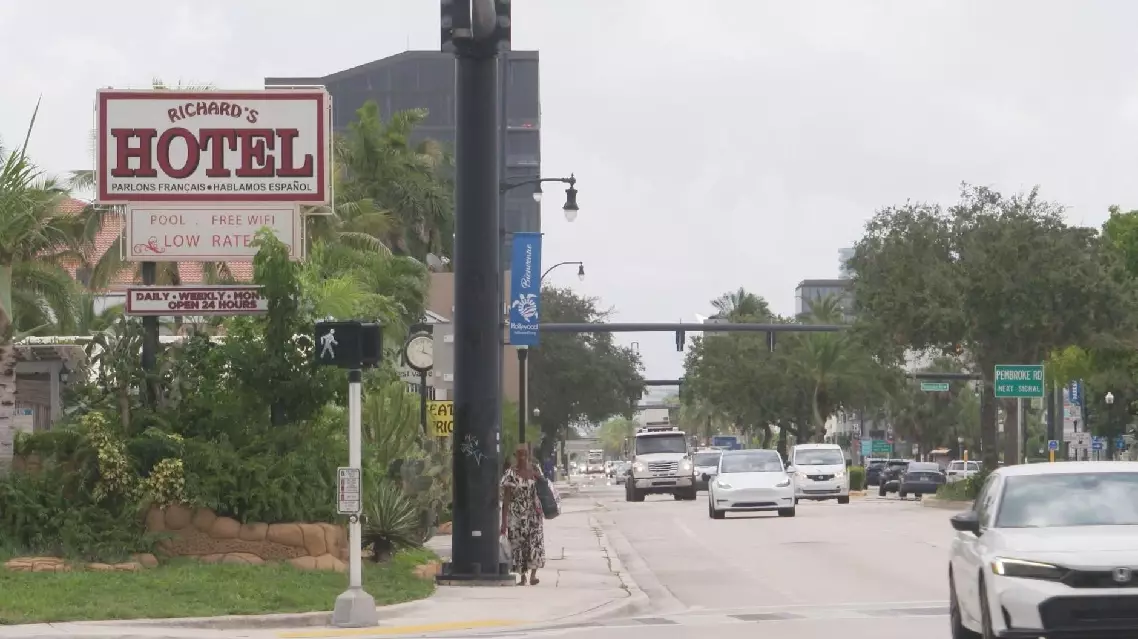
Canadian motel owner lures compatriots back to Florida amid US trade tensions
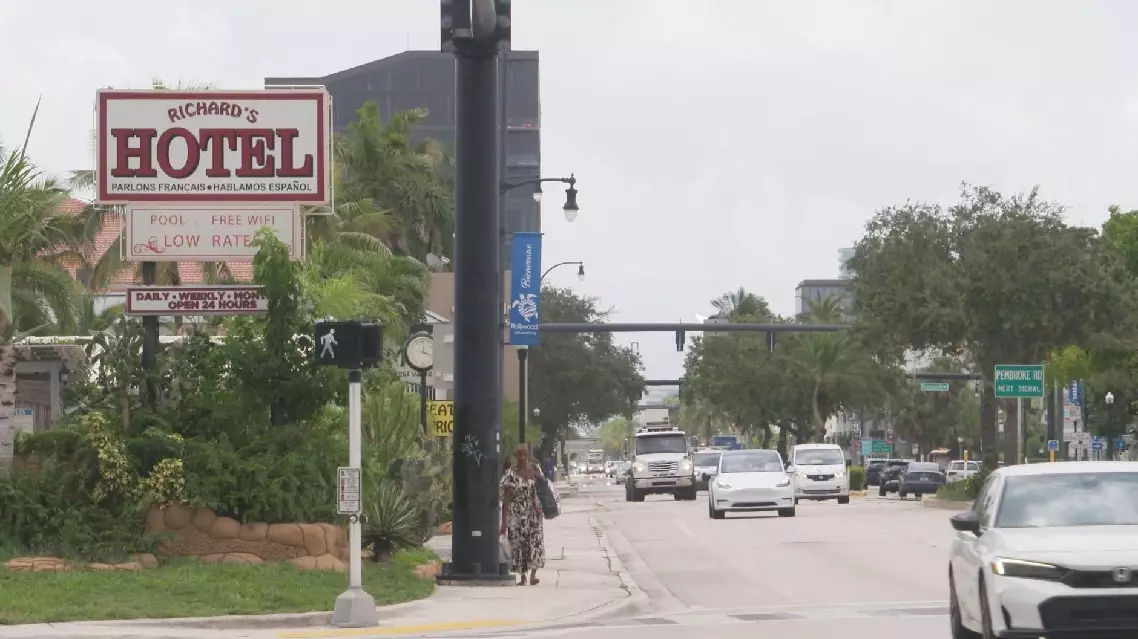
Canadian motel owner lures compatriots back to Florida amid US trade tensions
Mounting global conflicts, from the devastating human suffering in war zones to trade disruptions that threaten basic survival, create challenges no single nation can solve alone, United Nations Development Programme (UNDP) Administrator Alexander De Croo said Thursday.
Speaking to China Media Group in Beijing, De Croo called for a collective international response and a decisive "multilateral turning point" to restore functional diplomacy in an increasingly fractured world.
He stressed that while international bodies face constant scrutiny, an effective United Nations remains essential to enforce ceasefires, protect vulnerable populations, and halt the cycle of "development in reverse".
"I think first of all it's quite clear if you look at the big endeavors that we have in the world, no one can solve it on their own, being it climate change, being it eradicating poverty, fighting extremist violence. There is no country, even the most prosperous one, even the most powerful one, even the largest one, no one can say I'm going to do this on my own. And so for those big, what you would call worldwide global goods, I mean, these are things that you can only solve together. But I think we need to be challenged every day and I have no problem whatsoever that we are being challenged. I believe that in many conflicts, you need a performing United Nations that has that basic mission to reduce conflicts, to stop conflicts," said De Croo.
Highlighting the mounting economic toll on vulnerable families, De Croo criticized international failure to prioritize ceasefires, warning that ongoing warfare is actively reversing global development progress.
"We have so many conflicts in the world. And I find it worrying that in many of those conflicts, we almost don't talk about peace anymore. It is almost that trying to find a ceasefire or trying to maintain a ceasefire is being seen as less important, as being seen as not a priority. Conflict is development in reverse. Unfortunately, many places of the world, people are feeling what development in reverse is, if you have a conflict such as now in the Strait of Hormuz. This is increasing the cost of living for many people, and it's increasing the cost of living for people who are the most vulnerable ones who at some point have to make choices, and have to use money that maybe was being used to send children to school to just get access to basic food. And so anyone who does an honest effort in trying to stop a conflict and trying to maintain a ceasefire will get our support," he said.
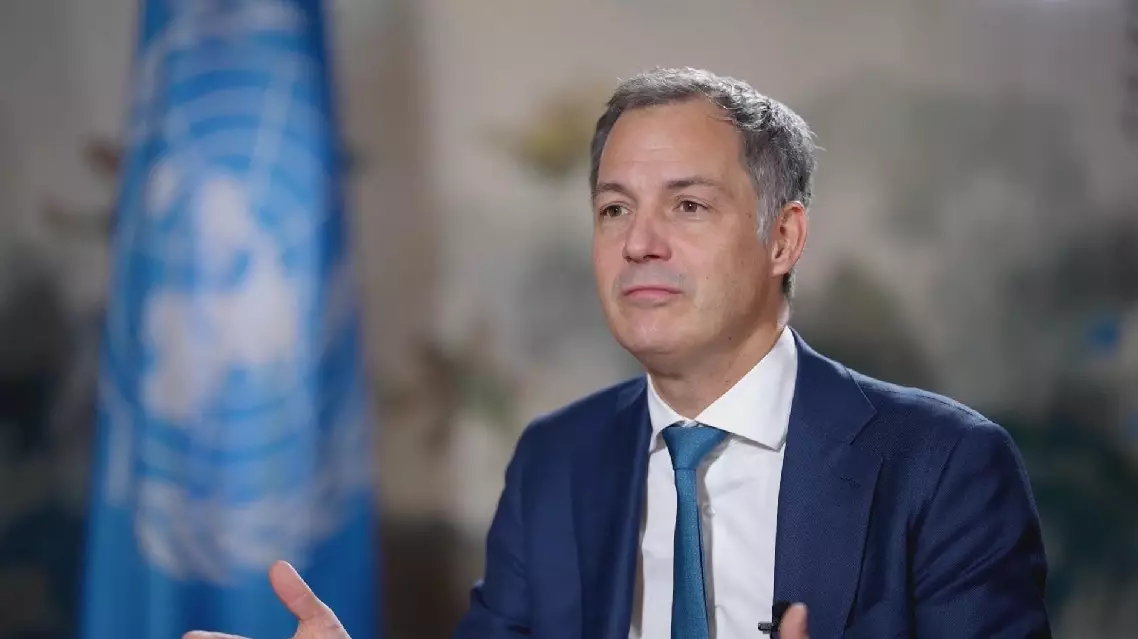
No country can solve global issues alone amid escalating conflicts: UNDP chief