Skip to Content Facebook Feature Image

Electric mobility brings Africa’s energy transition into the wild

ENT

Electric mobility brings Africa’s energy transition into the wild
ENT

ENT

Electric mobility brings Africa’s energy transition into the wild

2026-09-14 15:00 Last Updated At:15:10

MAASAI MARA, Kenya (AP) — Joshua Kijape eases his motorcycle through the tall grass, listening for movement in the bush. There is no engine rumble, no exhaust and little warning for anything ahead.

That is exactly how the Mara-Siana ranger, attached to Entumoto Safari Camp in Kenya’s Maasai Mara game reserve, wants it.

More Images
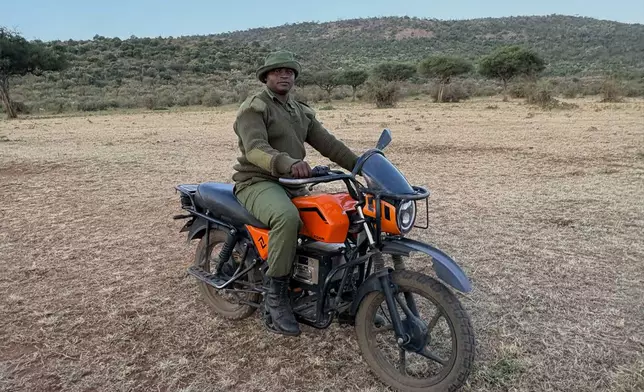
In this photo taken with a smartphone, Mara Siena ranger Joshua Kijape stands beside his electric motorcycle, which he uses while patrolling the Maasai Mara, Kenya, Saturday, Aug. 29, 2026. (AP Photo/Allan Olingo)
In this photo taken with a smartphone, Mara Siena ranger Joshua Kijape stands beside his electric motorcycle, which he uses while patrolling the Maasai Mara, Kenya, Saturday, Aug. 29, 2026. (AP Photo/Allan Olingo)

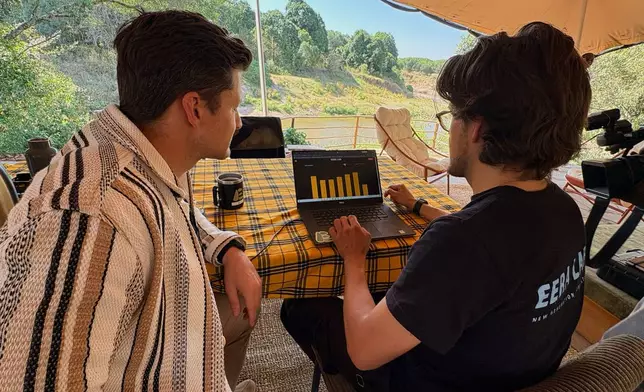
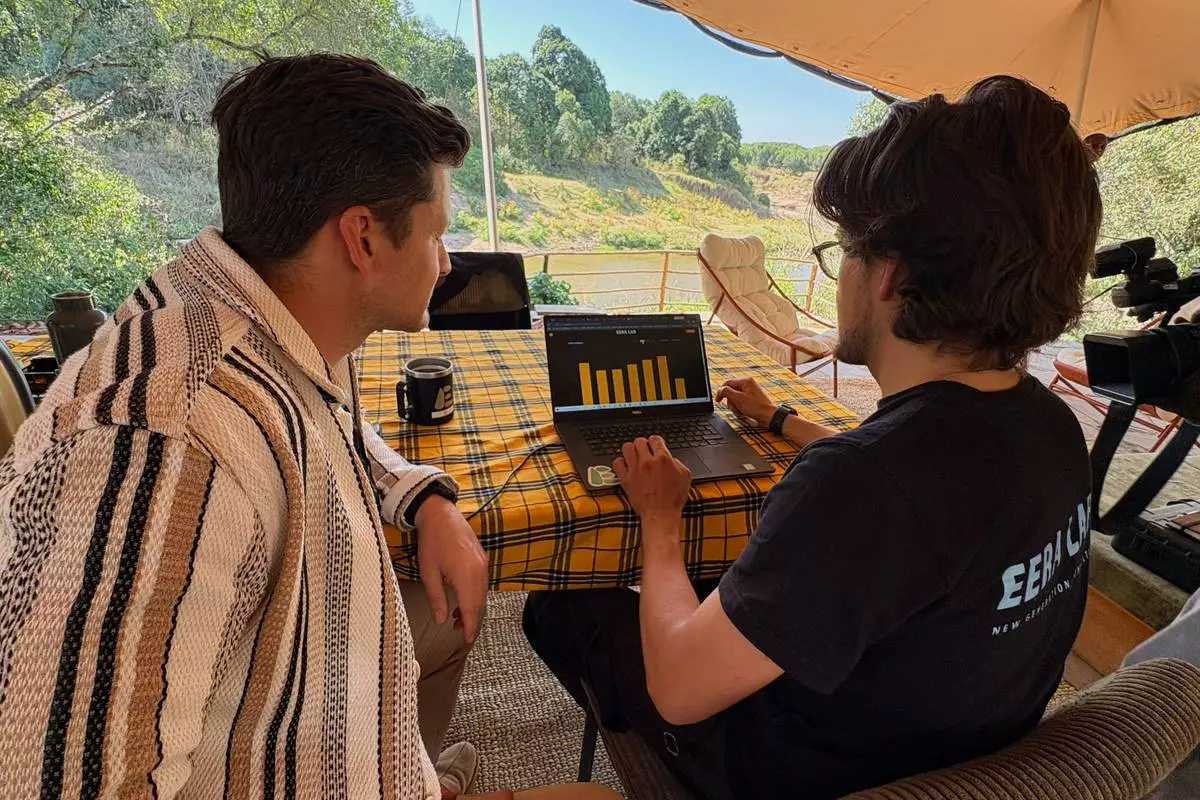
In this photo taken with a smartphone, Loic Amado, founder of Emboo Camp and Era Lab, checks the battery charge of an electric safari van with a colleague at Emboo Camp in the Maasai Mara, Kenya, Saturday, Aug. 29, 2026. (AP Photo/Allan Olingo)
In this photo taken with a smartphone, Loic Amado, founder of Emboo Camp and Era Lab, checks the battery charge of an electric safari van with a colleague at Emboo Camp in the Maasai Mara, Kenya, Saturday, Aug. 29, 2026. (AP Photo/Allan Olingo)

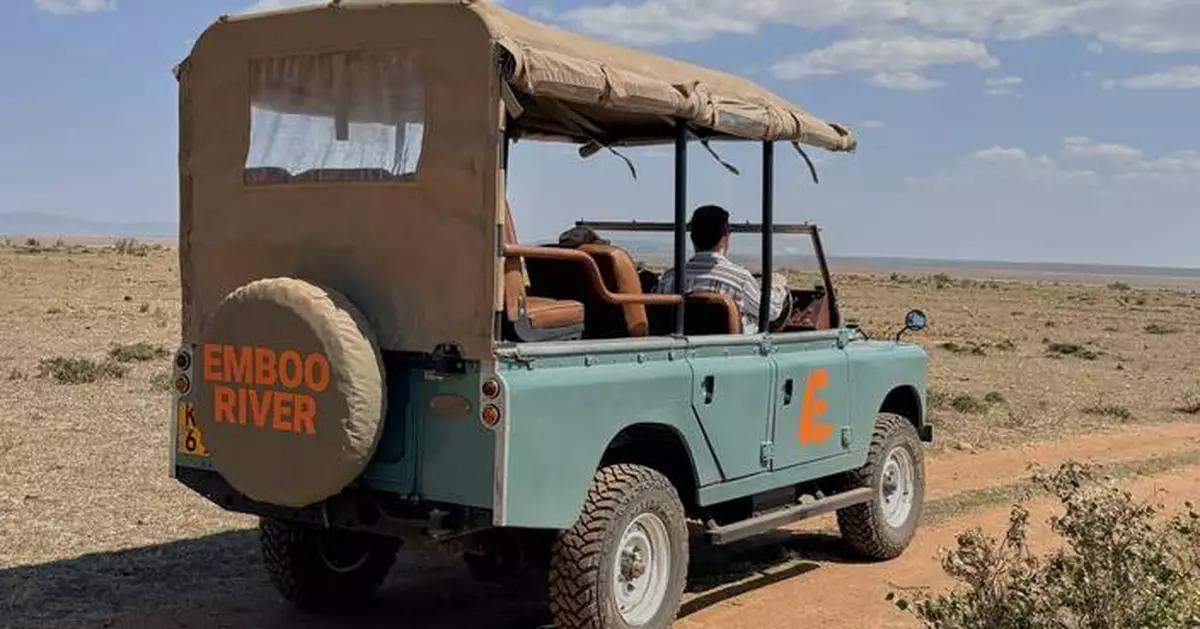
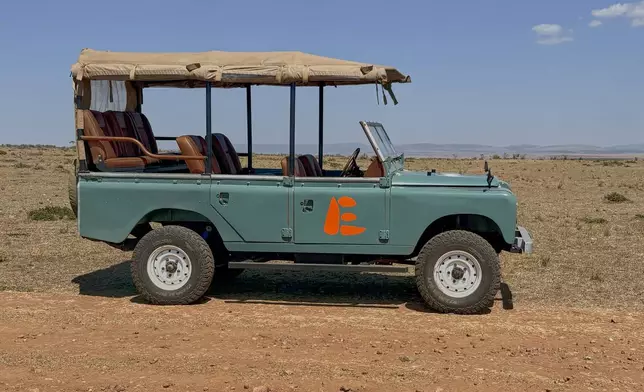
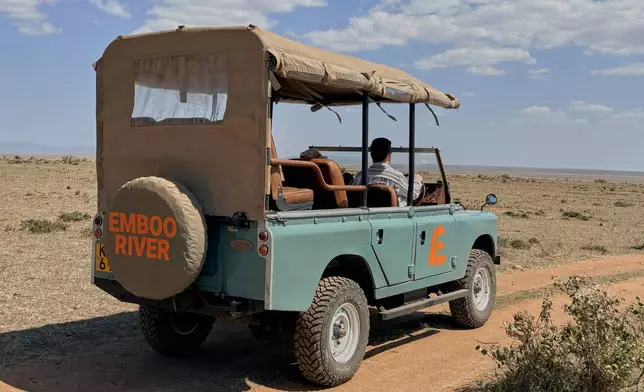
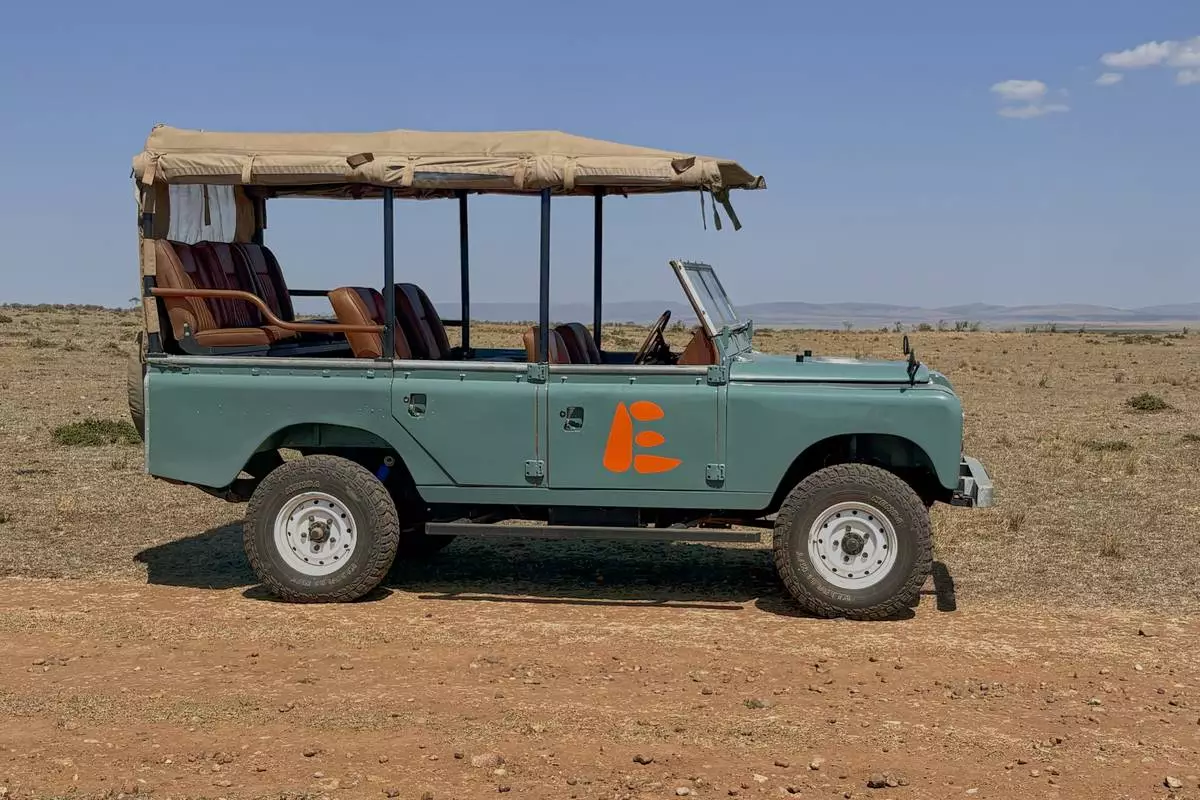
In this photo taken with a smartphone, an electric safari van operated by Emboo Camp is parked in the Maasai Mara, Kenya, Saturday, Aug. 29, 2026. (AP Photo/Allan Olingo)

In this photo taken with a smartphone, an electric safari van operated by Emboo Camp is parked in the Maasai Mara, Kenya, Saturday, Aug. 29, 2026. (AP Photo/Allan Olingo)

In this photo taken with a smartphone, Loic Amado, founder of Emboo Camp and Era Lab, speaks with The Associated Press during an interview in the Maasai Mara, Kenya, Saturday, Aug. 29, 2026. (AP Photo/Allan Olingo)
In this photo taken with a smartphone, Loic Amado, founder of Emboo Camp and Era Lab, speaks with The Associated Press during an interview in the Maasai Mara, Kenya, Saturday, Aug. 29, 2026. (AP Photo/Allan Olingo)

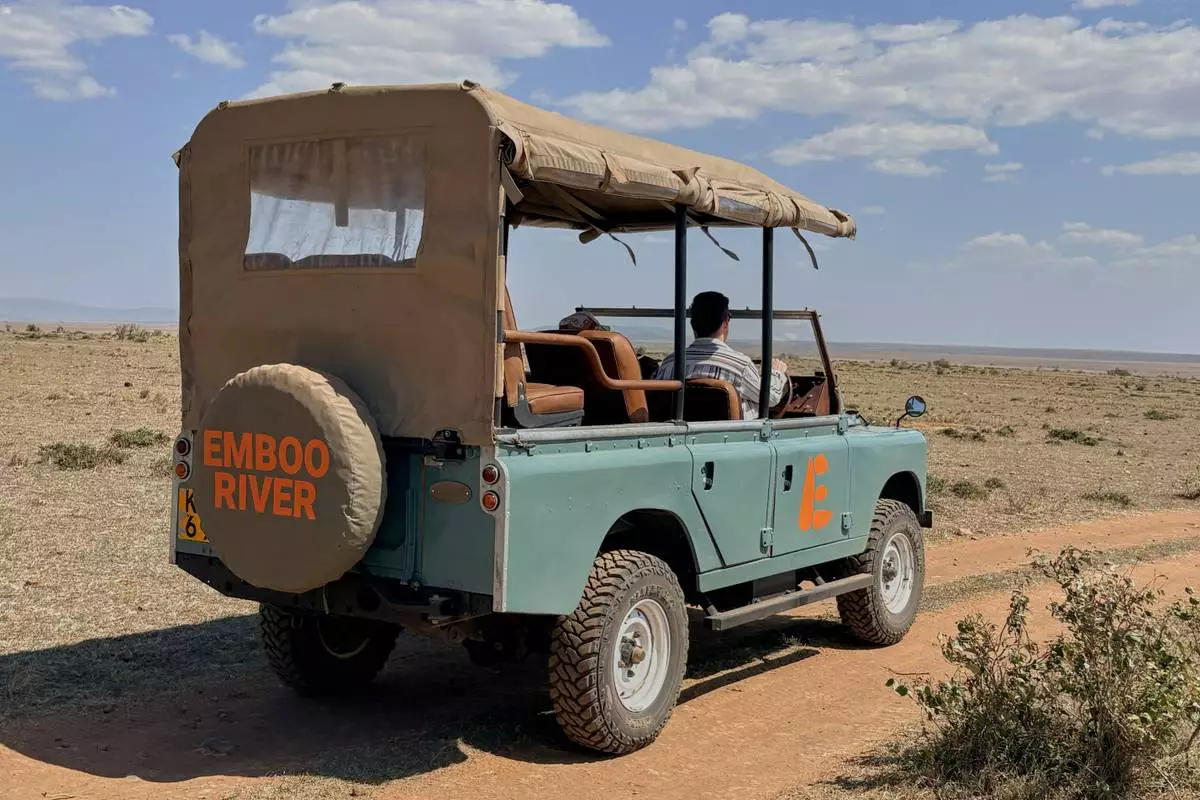
In this photo taken with a smartphone, an electric safari van operated by Emboo Camp drives through the Maasai Mara, Kenya, Saturday, Aug. 29, 2026. (AP Photo/Allan Olingo)

In this photo taken with a smartphone, an electric safari van operated by Emboo Camp drives through the Maasai Mara, Kenya, Saturday, Aug. 29, 2026. (AP Photo/Allan Olingo)

For the past year, Kijape has patrolled the Mara on an electric motorcycle, using its near-silent motor to approach wildlife and, when necessary, poachers.

“With this bike, I can get closer to the animals without disturbing them,” he said. “And when you are following poachers, they cannot hear you coming.”

The electric motorcycle is part of a growing effort to bring Africa’s energy transition into wildlife reserves, replacing petrol-powered transport with vehicles charged by the sun. In the Maasai Mara, conservation operators are testing whether electric mobility can reduce fuel use and maintenance costs while limiting noise in one of Africa’s most important ecosystems.

The move comes during one of the Mara’s busiest periods, when the annual wildebeest migration draws huge numbers of animals, tourists and conservation teams onto the grasslands.

Jason Knauf, CEO of the BBC program The Earthshot Prize, said the development shows how the energy transition is reaching places far beyond conventional urban transport.

“Seeing electric vehicles reach the Maasai Mara during the Great Migration is powerful proof that the energy transition extends far beyond cities,” Knauf said. “The Mara is one of the world’s most demanding environments, and if clean technology can prove reliable, affordable and effective there, it strengthens the case for scaling it across other conservation landscapes and remote communities,” Knauf said.

For ROAM, the Nairobi-based electric motorcycle company behind Kijape’s bike, the Mara is an engineering test of whether an e-bike built in Kenya can handle rough tracks, long patrols and remote conditions.

“Nature is worth protecting, so we think it’s important to put our motorcycles and products out there,” said ROAM CEO Filip Lovstrom. “By eliminating noise associated with petrol bikes, it creates a serene, quiet environment that is beneficial to both the animals and tourists.”

Lovstrom said economics could ultimately drive wider adoption of this approach.

“Instead of shipping petrol all the way from the port of Mombasa out into nature to fuel a bunch of petrol motorcycles, you’re now able to charge them using solar, right where you are contributing positively to the environment,” he said.

ROAM’s e-bike can travel about 160 kilometers (100 miles) between charges, but longer patrols will require charging stations along the route. Because the bikes can plug into a standard 10-amp socket, Lovstrom said, stations can be built around relatively small solar and battery systems.

“Just as you need access to petrol, which is really difficult today in an area like the Maasai Mara, you now need access to electricity,” he said.

The market also extends beyond conservation. Communities near wildlife areas often rely on motorcycles for transport, especially where roads are poor and alternatives are limited.

Emboo River Camp in the Maasai Mara has been using electric safari vehicles since 2019. The camp’s co-founder and co-director, Loic Amado, said the vehicles are charged exclusively with solar power.

“It’s an extremely good use case for electric vehicles,” Amado said. “They’re silent, sustainable, environmentally friendly and most importantly economical.”

What began as an experiment has grown, through his other firm EERA LAB, into a broader sustainability operation. Amado said it now supports 25 lodges across East Africa with solar power, wastewater treatment, and electric-vehicle conversions.

“Emboo was really a proof of concept and a test case,” he said. “It was almost like our laboratory. We tried to prove the model there.”

Emboo camp has expanded its EV fleet and more than tripled its solar energy system to meet demand.

Kenya has only a small number of electric safari vehicles in operation, concentrated in the Mara, and a handful of other conservation areas, and the concept is attracting larger safari operators. Amado said Asilia, which runs about 20 lodges across East Africa, now operates its electric fleet.

EERA LAB has developed a dashboard that tracks energy generation and consumption, water levels, recycling and the solar power used to charge vehicles.

“It removes the black box and uncertainty that safari operators have had over the past couple of years,” Amado said.

Converting conventional safari vehicles costs between $35,000 and $45,000, Amado said, but the investment can pay for itself in about two and a half to three years through fuel and maintenance savings.

“It’s all running on sunshine, and we have plenty of it,” he said.

For Amado, the goal is bigger than replacing individual petrol vehicles.

“Our goal is to make the Maasai Mara net zero by 2035,” he said.

The Associated Press’ climate and environmental coverage receives financial support from multiple private foundations. AP is solely responsible for all content. Find AP’s standards for working with philanthropies, a list of supporters and funded coverage areas at AP.org.
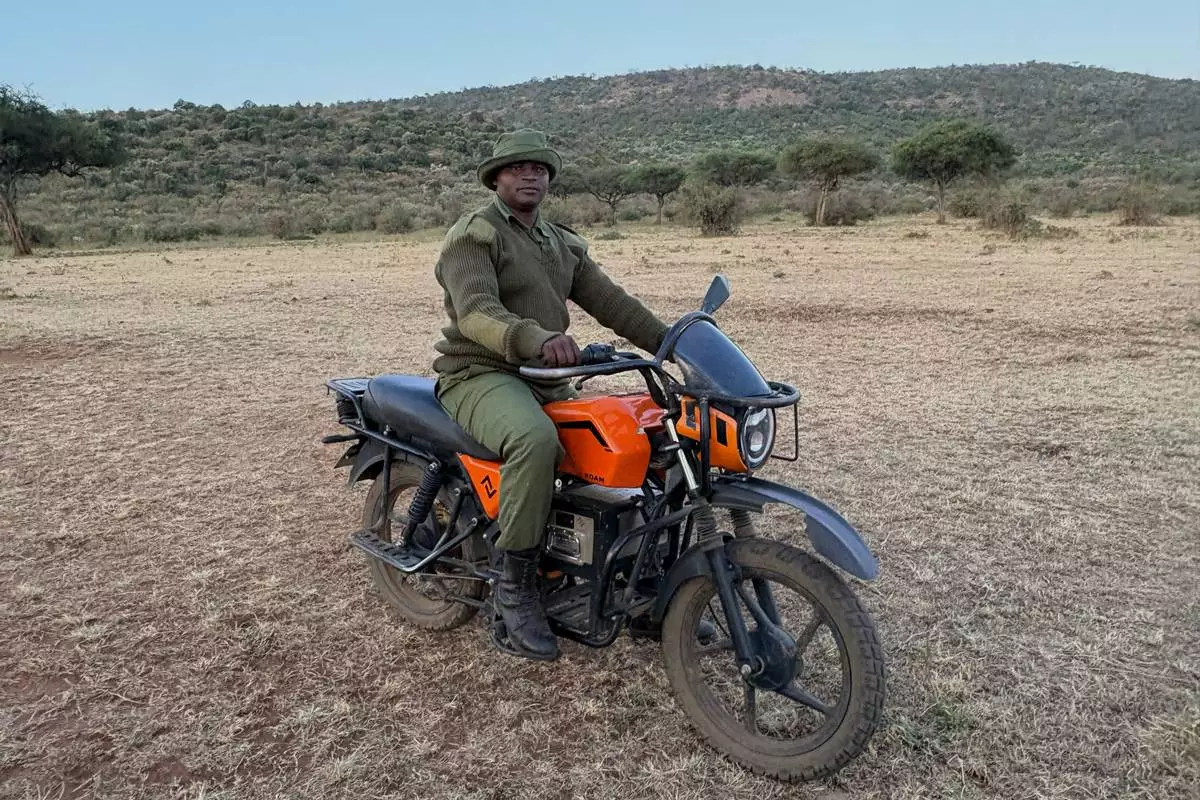
In this photo taken with a smartphone, Mara Siena ranger Joshua Kijape stands beside his electric motorcycle, which he uses while patrolling the Maasai Mara, Kenya, Saturday, Aug. 29, 2026. (AP Photo/Allan Olingo)
In this photo taken with a smartphone, Mara Siena ranger Joshua Kijape stands beside his electric motorcycle, which he uses while patrolling the Maasai Mara, Kenya, Saturday, Aug. 29, 2026. (AP Photo/Allan Olingo)

In this photo taken with a smartphone, Loic Amado, founder of Emboo Camp and Era Lab, checks the battery charge of an electric safari van with a colleague at Emboo Camp in the Maasai Mara, Kenya, Saturday, Aug. 29, 2026. (AP Photo/Allan Olingo)
In this photo taken with a smartphone, Loic Amado, founder of Emboo Camp and Era Lab, checks the battery charge of an electric safari van with a colleague at Emboo Camp in the Maasai Mara, Kenya, Saturday, Aug. 29, 2026. (AP Photo/Allan Olingo)

In this photo taken with a smartphone, an electric safari van operated by Emboo Camp is parked in the Maasai Mara, Kenya, Saturday, Aug. 29, 2026. (AP Photo/Allan Olingo)

In this photo taken with a smartphone, an electric safari van operated by Emboo Camp is parked in the Maasai Mara, Kenya, Saturday, Aug. 29, 2026. (AP Photo/Allan Olingo)

In this photo taken with a smartphone, Loic Amado, founder of Emboo Camp and Era Lab, speaks with The Associated Press during an interview in the Maasai Mara, Kenya, Saturday, Aug. 29, 2026. (AP Photo/Allan Olingo)
In this photo taken with a smartphone, Loic Amado, founder of Emboo Camp and Era Lab, speaks with The Associated Press during an interview in the Maasai Mara, Kenya, Saturday, Aug. 29, 2026. (AP Photo/Allan Olingo)

In this photo taken with a smartphone, an electric safari van operated by Emboo Camp drives through the Maasai Mara, Kenya, Saturday, Aug. 29, 2026. (AP Photo/Allan Olingo)

In this photo taken with a smartphone, an electric safari van operated by Emboo Camp drives through the Maasai Mara, Kenya, Saturday, Aug. 29, 2026. (AP Photo/Allan Olingo)
BANJARMASIN, Indonesia (AP) — Indonesian authorities intensified a search Monday for 129 people who were missing after a ferry overturned in bad weather in the Java Sea on Sunday, killing at least six passengers.

The Virgo Transport 8 was carrying more than 240 people when its captain issued a distress call, saying the ship was listing in rough seas with waves of up to 3 meters (10 feet) while traveling from Surabaya in East Java province to Banjarmasin in South Kalimantan province, on Borneo Island.

Contact was lost with the ferry at about 2 a.m. Sunday and about two hours later authorities received information that the vessel had overturned in the Java Sea’s Masalembo waters, about 148 kilometers (92 miles) from Banjarmasin.

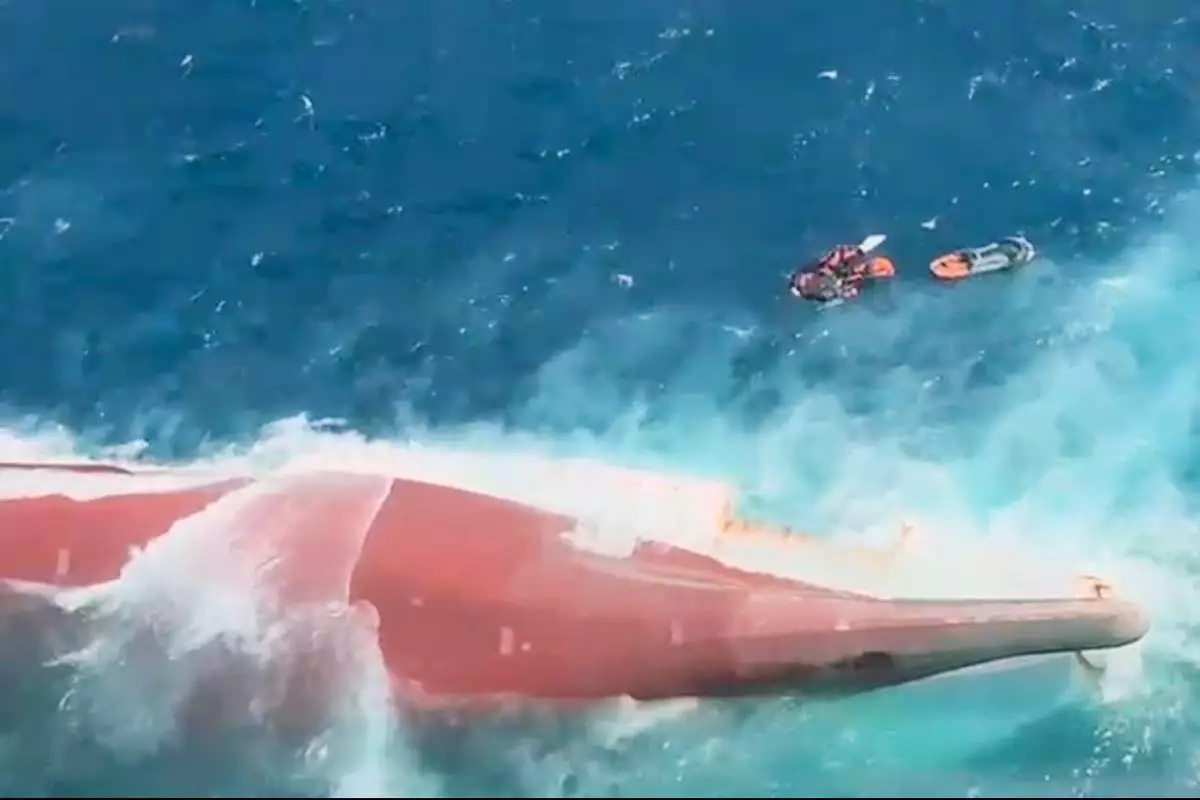
Videos released by the National Search and Rescue Agency on Sunday showed an overturned ferry floating in choppy waters during a helicopter search operation.

On Monday, 17 ships and aircraft were deployed for the search carrying about 655 personnel deployed from the military, police and other agencies, said Mohammad Syafii, the National Search and Rescue Agency chief.

Authorities were also deploying specialized underwater teams and navy-operated underwater thermal drones to strengthen search efforts and speed up the evacuation of victims, he said.

“We remain hopeful of finding more survivors,” Syafii told a video briefing.

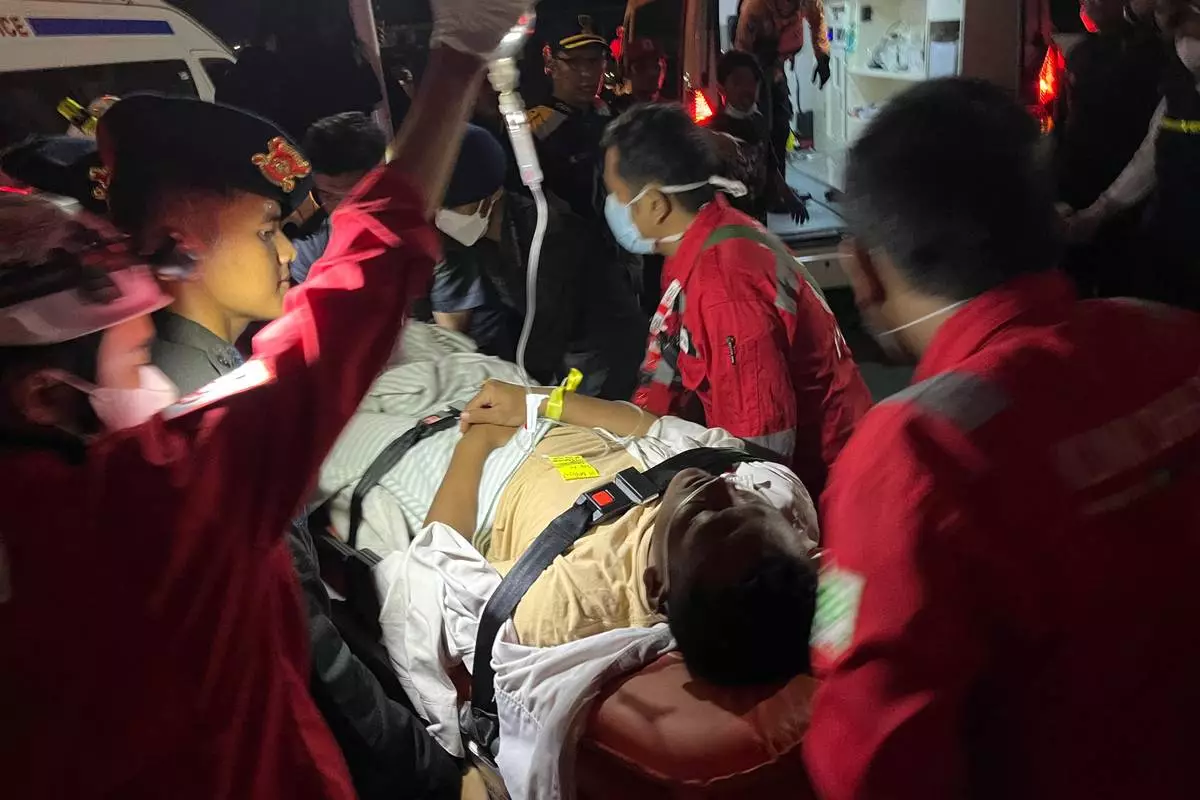
Search teams, assisted by nearby tugboats and other passing vessels, rescued 108 people and recovered six bodies on Sunday.

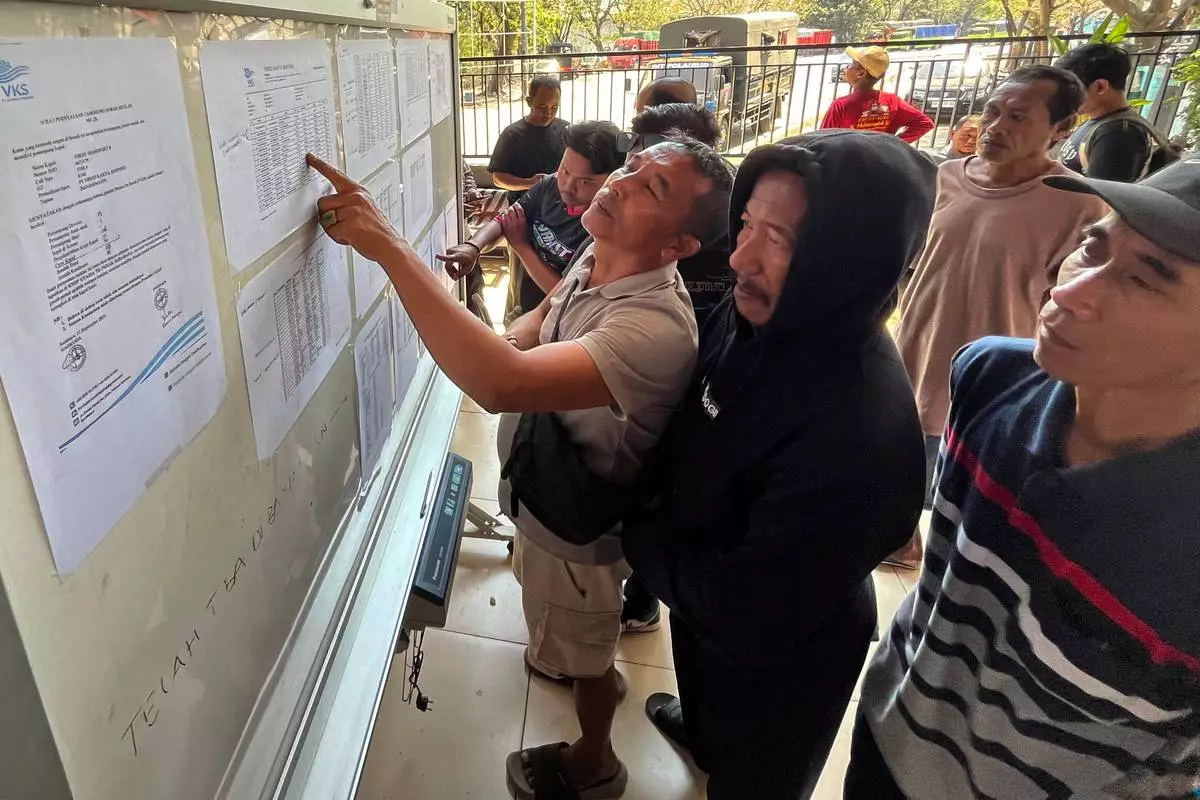
The manifest said the ship carried 243 people including 213 passengers and 30 crew members, although it is common in Indonesia for the number of passengers to differ from the manifest. The 119-meter (390-foot) ferry, which was built in Japan in 1987, also was transporting 89 vehicles.

Authorities have not determined the cause of the accident.

A survivor, Ahmad Saudi, said the ferry appeared overcrowded, with many passengers forced to sleep in hallways and common areas because the cabins were full.

Saudi, a bus driver traveling with a vehicle he was transporting, recalled how the ferry suddenly listed without warning, triggering panic among passengers as rough seas battered the vessel in the Java Sea.

Passengers initially tried to hold on before scrambling to the higher side of the ship as it tilted further, he said, speculating the ferry’s balance may have been affected by trucks loaded on one side.

“The women staying in the economy-class cabins likely didn’t survive because the ferry listed so quickly,” Saudi said. “There were no alarms or announcements warning passengers about what was happening, many people in the cabins may not have had enough time to get out.”

Faisal, another survivor who goes by one name, said he and 14 other passengers clung to a section of the overturned ferry that remained above water after it capsized.

“After the ship listed, people panicked and rushed to the upper deck, but eventually the ferry rolled over completely,” he said. “Fourteen of us were left stranded there.”

The group repeatedly recited the Islamic call to prayer, or adhan, while battling exhaustion and rough seas as awaiting rescue. A wave later swept Faisal toward a lifeboat, helping him survive, he said.

Indonesia is an archipelago of more than 17,000 islands. Ferries are a common method of travel and accidents occur regularly, in part due to weak enforcement of safety standards.

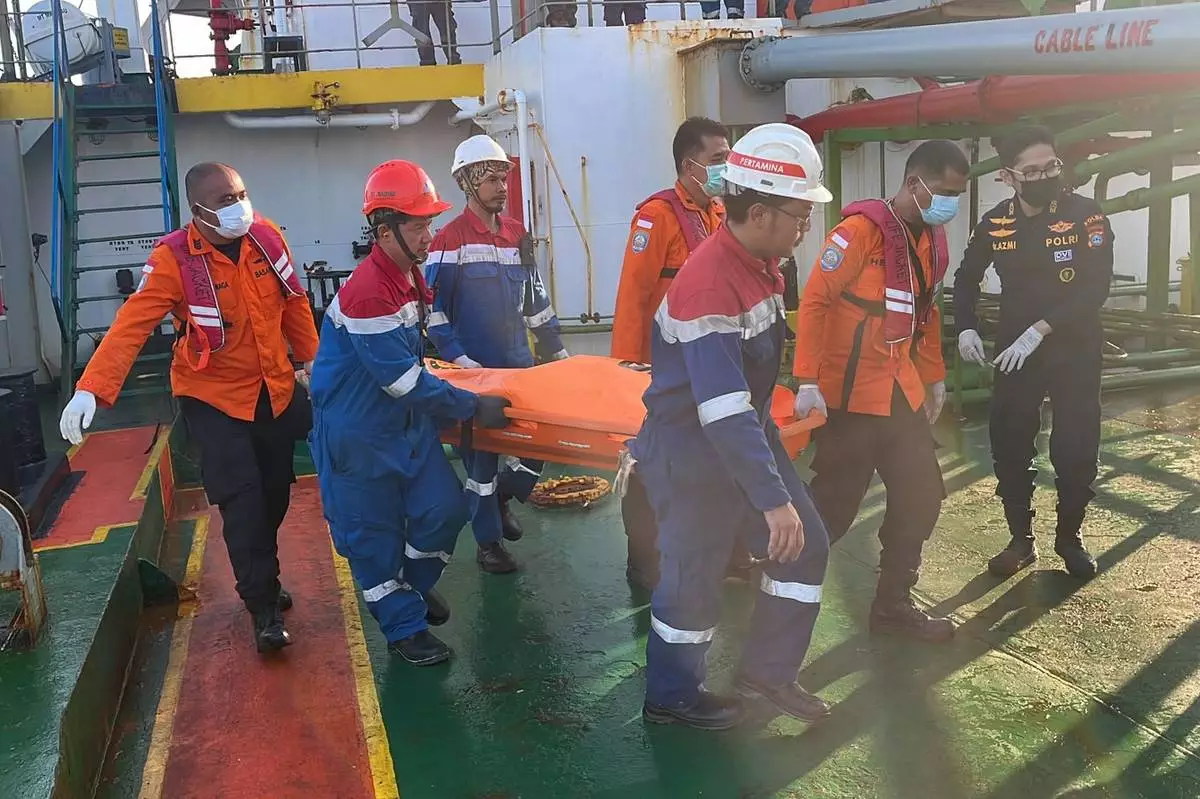
In this photo released by the Indonesia's National Search and Rescue Agency (BASARNAS), rescuers carry the body of a victim on a stretcher in Banjarmasin, South Kalimantan, Indonesia Monday, Sept. 14, 2026 after a passenger ferry overturned in bad weather in the Java Sea on Sunday. (BASARNAS via AP)

In this photo released by the Indonesia's National Search and Rescue Agency (BASARNAS), rescuers carry the body of a victim on a stretcher in Banjarmasin, South Kalimantan, Indonesia Monday, Sept. 14, 2026 after a passenger ferry overturned in bad weather in the Java Sea on Sunday. (BASARNAS via AP)

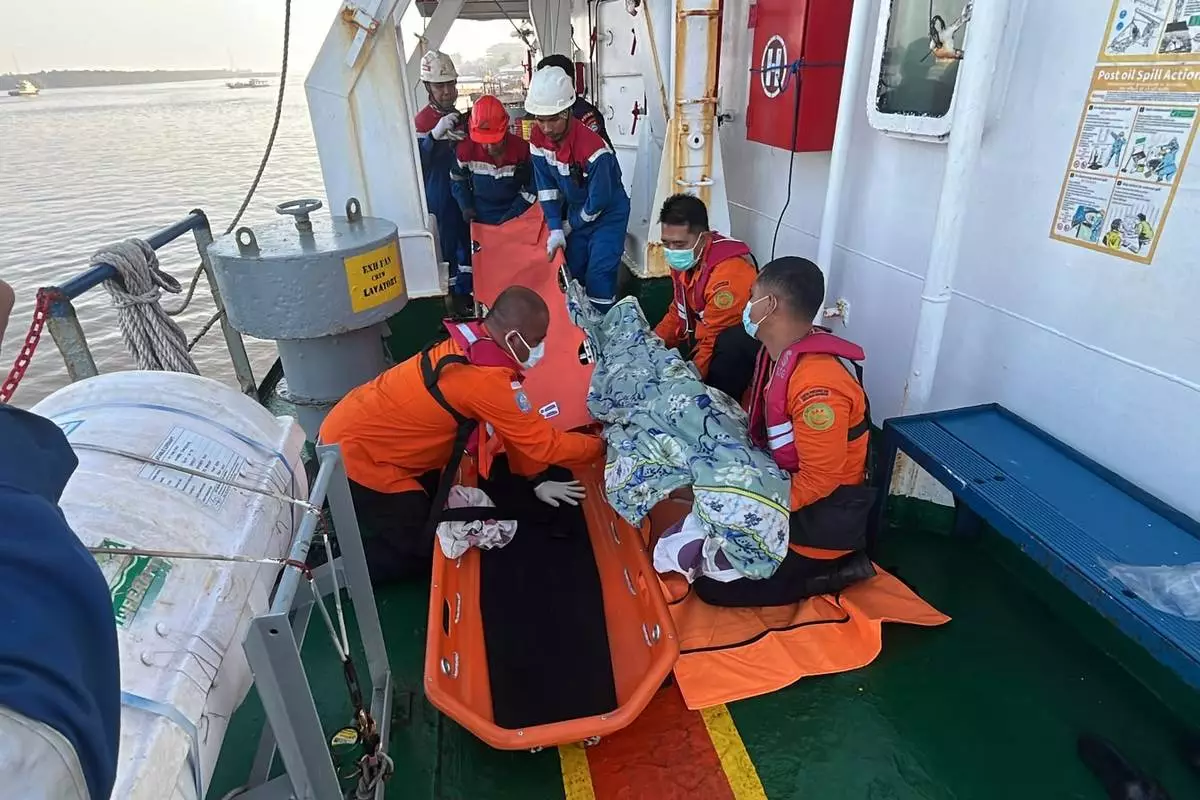
In this photo released by the Indonesia's National Search and Rescue Agency (BASARNAS), rescuers put the body of a victim on a stretcher in Banjarmasin, South Kalimantan, Indonesia Monday, Sept. 14, 2026, after a passenger ferry overturned in bad weather in the Java Sea on Sunday. (BASARNAS via AP)

In this photo released by the Indonesia's National Search and Rescue Agency (BASARNAS), rescuers put the body of a victim on a stretcher in Banjarmasin, South Kalimantan, Indonesia Monday, Sept. 14, 2026, after a passenger ferry overturned in bad weather in the Java Sea on Sunday. (BASARNAS via AP)

In this photo taken with a smartphone, rescuers wheels a survivor of a sinking ferry on a stretcher upon arrival at a port in Banjarmasin, South Kalimantan, Indonesia, Sunday, Sept. 13, 2026. (AP Photo/Iman Satria)

In this photo taken with a smartphone, rescuers wheels a survivor of a sinking ferry on a stretcher upon arrival at a port in Banjarmasin, South Kalimantan, Indonesia, Sunday, Sept. 13, 2026. (AP Photo/Iman Satria)

In this aerial image taken from video released by Indonesia's National Search and Rescue Agency (BASARNAS), the bottom of passenger ferry Virgo Transport 8 is seen above the water after it overturned in bad weather in the Java Sea, Sunday, Sept. 13, 2026. (BASARNAS via AP)

In this aerial image taken from video released by Indonesia's National Search and Rescue Agency (BASARNAS), the bottom of passenger ferry Virgo Transport 8 is seen above the water after it overturned in bad weather in the Java Sea, Sunday, Sept. 13, 2026. (BASARNAS via AP)

People check the passenger manifest of Virgo Transport 8 passenger ferry which overturned in bad weather in the Java Sea, at the rescuers' command center in Banjarmasin, South Kalimantan, Indonesia, Monday, Sept. 14, 2026. (AP Photo/Iman Satria)

People check the passenger manifest of Virgo Transport 8 passenger ferry which overturned in bad weather in the Java Sea, at the rescuers' command center in Banjarmasin, South Kalimantan, Indonesia, Monday, Sept. 14, 2026. (AP Photo/Iman Satria)

Recommended Articles