The International Electrochemical Summit 2026 cum Post-Conference Satellite Meeting of the 77th Annual Meeting of ISE, and the 9th Young Academy of Sciences Summit (YASS) Sub-Conference, jointly hosted by The Hong Kong Young Academy of Sciences (YASHK) and The Hong Kong University of Science and Technology (HKUST), was successfully held at the HKUST from 12 to 14 September. The three-day event brought together over 50 renowned electrochemistry scholars to serve as speakers. They held in-depth discussion on cutting-edge topics such as the application of artificial intelligence (AI) in electrochemistry and new sustainable battery technologies. The summit attracted approximately 300 faculty members and students, as well as members of the academic and industry communities, building a world-class platform for research and academic exchange, and pooling wisdom and strength to drive the future development of electrochemical technologies.
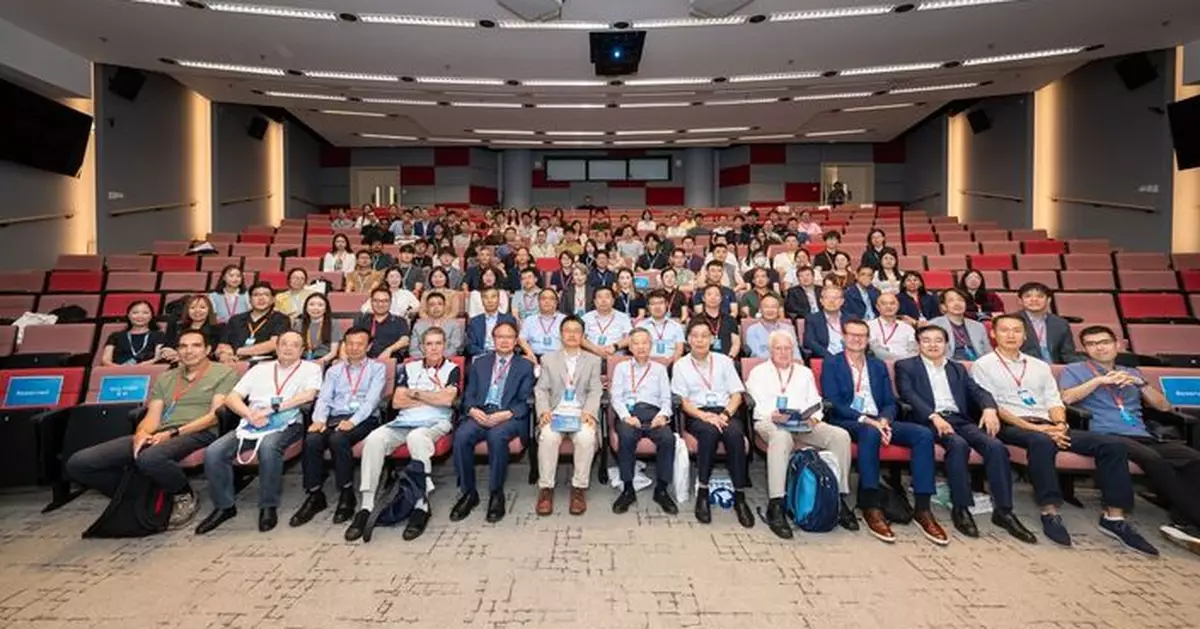
The International Electrochemical Summit 2026 cum Post-Conference Satellite Meeting of the 77th Annual Meeting of ISE, and 9th Young Academy of Sciences Summit (YASS) Sub-Conference was held over three consecutive days at HKUST, attracting approximately 300 participants in person. (Photo provided by the organiser)
The summit is jointly hosted by YASHK, HKUST’s Department of Chemical and Biological Engineering, the HKUST Energy Institute, the Changchun Institute of Applied Chemistry (CAS) – HKUST Joint Laboratory for Hydrogen Energy, and the InnoHK Hong Kong Center for Renewable Energy and Storage. The co-organisers include the Tencent Charity Foundation, the Foundation for the Development of Science and Technology in China, and the Beijing-Hong Kong Exchange of Personnel Centre.
Click to Gallery
The International Electrochemical Summit 2026 cum Post-Conference Satellite Meeting of the 77th Annual Meeting of ISE, and 9th Young Academy of Sciences Summit (YASS) Sub-Conference was held over three consecutive days at HKUST, attracting approximately 300 participants in person. (Photo provided by the organiser)
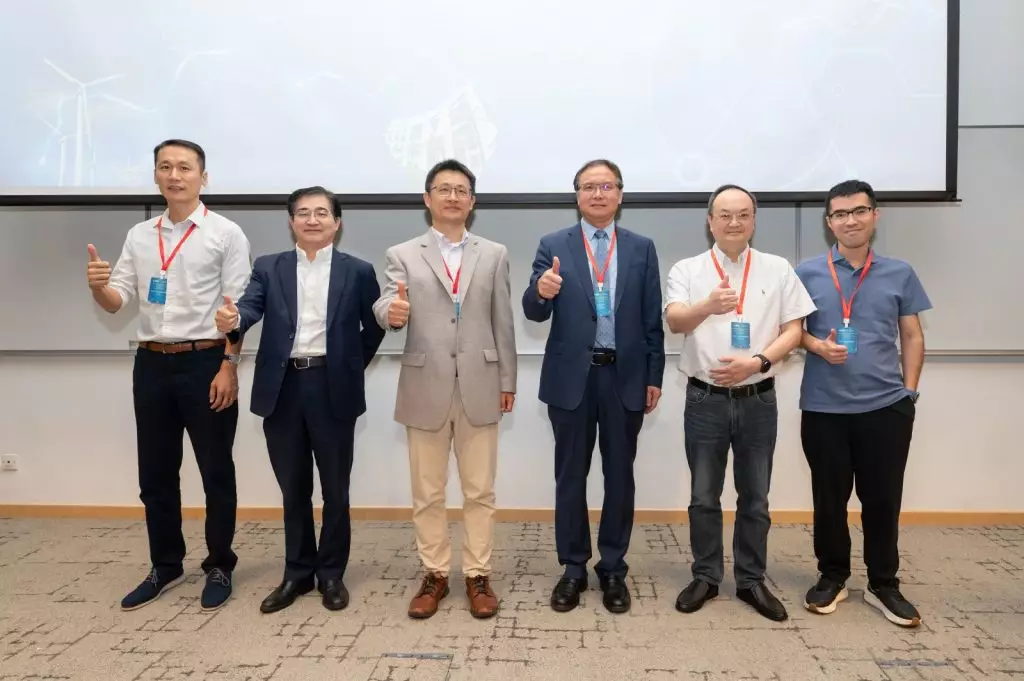
Officiating guests, including Professor Minhua Shao, Founding Member and Honorary Secretary of YASHK (third left); Mr Heting Du, Executive General Manager of the Beijing-Hong Kong Exchange of Personnel Centre (third right); and Professor Lin Zhuang, Deputy Director of the Chinese Society of Electrochemistry (second right) inaugurated the event. (Photo provided by the organiser)
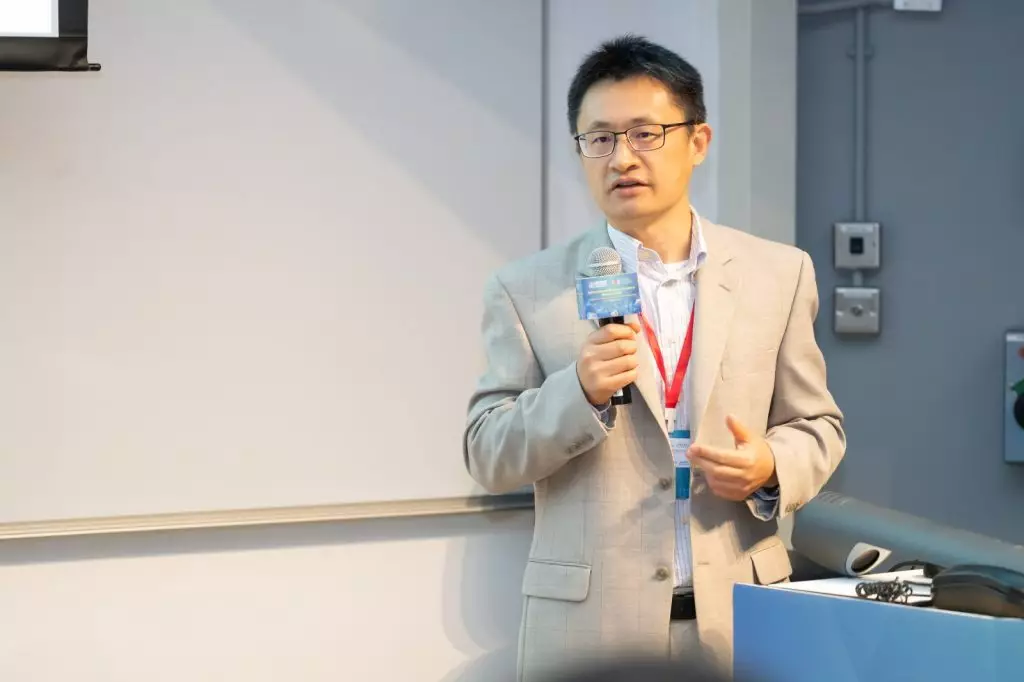
Professor Minhua Shao, Founding Member and Honorary Secretary of YASHK stated that the summit brought together outstanding scholars and researchers from around the world to exchange ideas in Hong Kong and built an academic bridge connecting global electrochemical research. (Photo provided by the organiser)
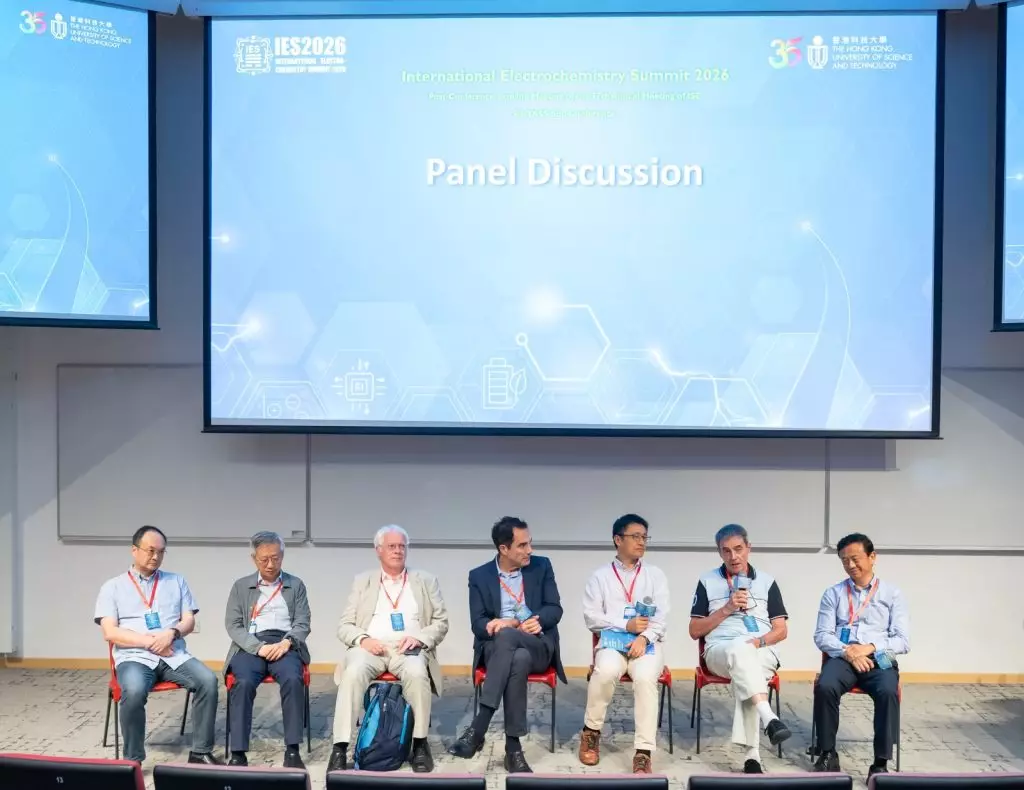
In addition to keynote speeches, the summit featured a panel discussion for scholars to foster cross-exchange and spark innovative ideas. (Photo provided by the organiser)
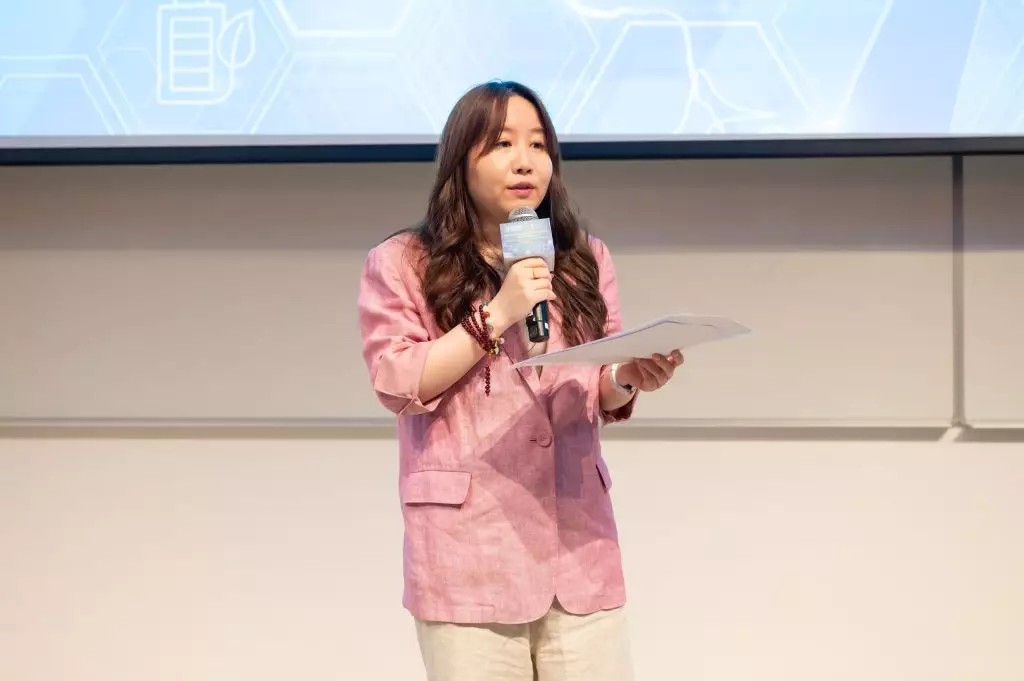
Ms Jin Zhu, Deputy Secretary-General of the Foundation for the Development of Science and Technology in China, delivered the closing remarks for the event. (Photo provided by the organiser)
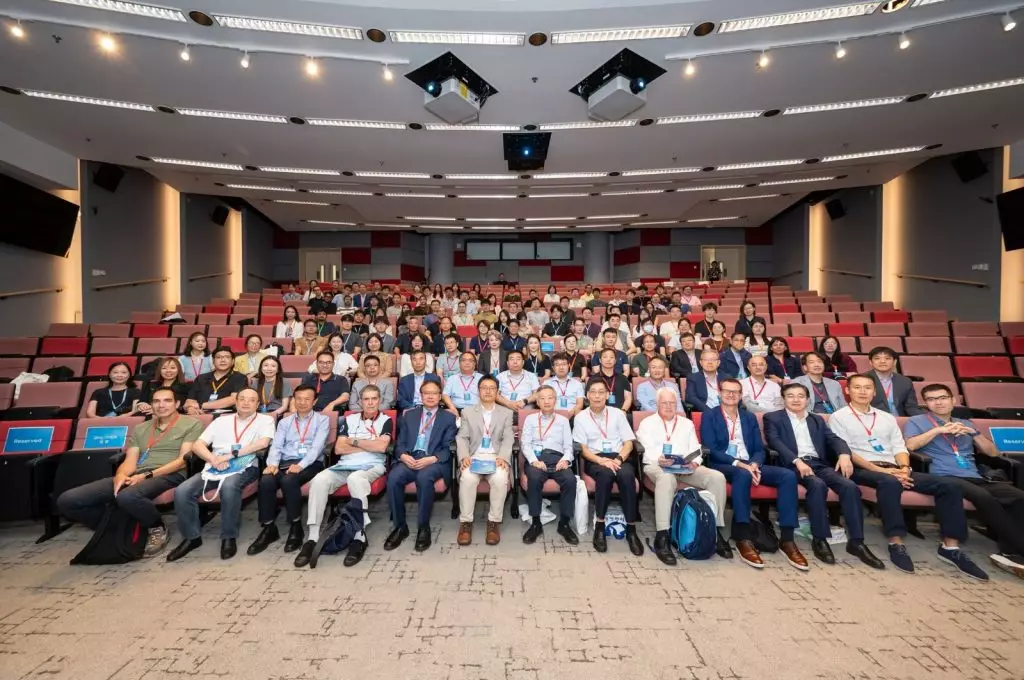
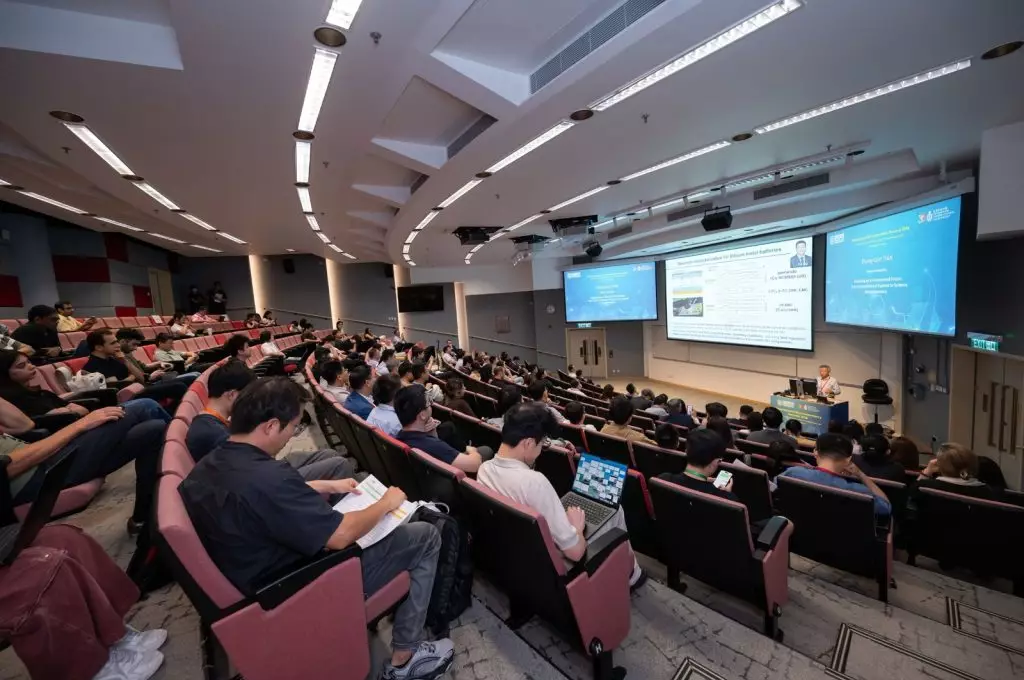
The summit invited over 50 electrochemical experts from around the world as keynote speakers to share forward-looking views on the future development of electrochemical technologies. (Photo provided by the organiser)
Officiating guests, including Professor Minhua Shao, Founding Member and Honorary Secretary of YASHK (third left); Mr Heting Du, Executive General Manager of the Beijing-Hong Kong Exchange of Personnel Centre (third right); and Professor Lin Zhuang, Deputy Director of the Chinese Society of Electrochemistry (second right) inaugurated the event. (Photo provided by the organiser)
At the opening ceremony, Professor Minhua Shao, Founding Member and Honorary Secretary of YASHK, Head and Chair Professor of the Department of Chemical and Biological Engineering, and Director of the Energy Institute at HKUST, said that the summit had brought together leading electrochemistry scholars from around the world to Hong Kong, creating an academic bridge connecting the global electrochemistry research community, providing fertile ground for interdisciplinary collaboration allowing top research achievements to exchange and collaborate, and sparking innovation. Professor Shao expressed the hope that, Hong Kong is building itself into an international innovation and technology centre at full speed, and that high-level academic and research exchange activities such as this will position Hong Kong as a key force driving global transformation in the field of electrochemistry.
Professor Minhua Shao, Founding Member and Honorary Secretary of YASHK stated that the summit brought together outstanding scholars and researchers from around the world to exchange ideas in Hong Kong and built an academic bridge connecting global electrochemical research. (Photo provided by the organiser)
A number of world-leading scientists delivered keynote speeches at the summit. Among them, Professor John Irvine from the School of Chemistry at the University of St Andrews in the United Kingdom introduced the achievements in sodium-ion chemistry for sustainable batteries, providing pioneering research ideas for the global energy transition and the realisation of carbon neutrality goals; Professor Thomas Justus Schmidt, Head of the Energy and Environment Research Division at the Paul Scherrer Institute in Switzerland, shared the latest research on the alkaline oxygen evolution process; Professor Vojislav R. Stamenkovic from the Department of Chemical and Biomolecular Engineering at the University of California in the US explained kinetic research on electrochemical interfaces; Professor Zhong-Qun Tian, Academician of the Chinese Academy of Sciences, and Professor of the College of Chemistry and Chemical Engineering at Xiamen University, shared insightful views on how artificial intelligence can empower the development of electrochemical systems in the future; Academician Andy Xueliang Sun, International Member of the Chinese Academy of Engineering, and Chair Professor of the School of Materials Science and Engineering at The Eastern Institute of Technology, Ningbo analysed the past, present, and future of halide-based solid-state electrolytes; Professor Chunzhong Li, Vice President of East China University of Science and Technology in Shanghai, introduced new green electrochemical engineering technologies, covering catalyst development and system design; and Professor Jean-Marie Tarascon, Chair Professor in Chemistry of Materials and Energy at the Collège de France and Senior Visiting Fellow of HKUST Jockey Club Institute for Advanced Study, shared how chemistry can be used to create better and more sustainable lithium (sodium)-ion batteries.
In addition to keynote speeches, the summit featured a panel discussion for scholars to foster cross-exchange and spark innovative ideas. (Photo provided by the organiser)
The summit also featured a panel discussion session, allowing scholars and researchers from around the world to share their research findings, covering various areas such as sustainable batteries, electrochemical energy materials, and lithium-ion battery safety. They also exchanged views on the use of AI in electrochemistry and the impact of fundamental electrochemical research on electrochemical devices. Through interactive exchange, participants jointly devised strategies to promote the vigorous development of electrochemical technologies.
Ms Jin Zhu, Deputy Secretary-General of the Foundation for the Development of Science and Technology in China, delivered the closing remarks for the event. (Photo provided by the organiser)
This event was also the finale sub-conference of the 3rd YASS. The summit and its three sub-conferences together attracted over a thousand participants. The 4th YASS will kick off in December 2026, continuing its mission to build a global academic exchange platform for young scientists.
The summit invited over 50 electrochemical experts from around the world as keynote speakers to share forward-looking views on the future development of electrochemical technologies. (Photo provided by the organiser)