China is ready to push for a community with a shared future in cyberspace, Chinese Foreign Ministry spokesman Guo Jiakun said at a press conference Monday in Beijing on the eve of this year's Cybersecurity Week.
The opening ceremony of this year's China Cybersecurity Week was held on Monday in Jinan, capital city of east China's Shandong Province, launching a week of related activities from Sept. 14 to 20 across the country.
"The network spans tens of thousands of miles and connects tens of thousands of households. A peaceful, secure, open and cooperative cyberspace is of great significance to every country in the world. Since 2014, China has carried out the annual cybersecurity week activities, aiming to enhance everyone's awareness and skills in cybersecurity, foster a healthy and civilized network environment, and also provide useful Chinese practice for global internet governance," Guo said.
"Today, emerging technologies led by AI are reshaping the cyberspace landscape. As a steadfast defender of cybersecurity, China has formally brought AI into the national cybersecurity legal framework, and keeps improving related institutions, guidelines and ethical standards. China is ready to work with the international community to tackle cybersecurity risks in the AI era, advance the building of a community with a shared future in cyberspace, and let the internet better serve the peoples of all countries," he said.
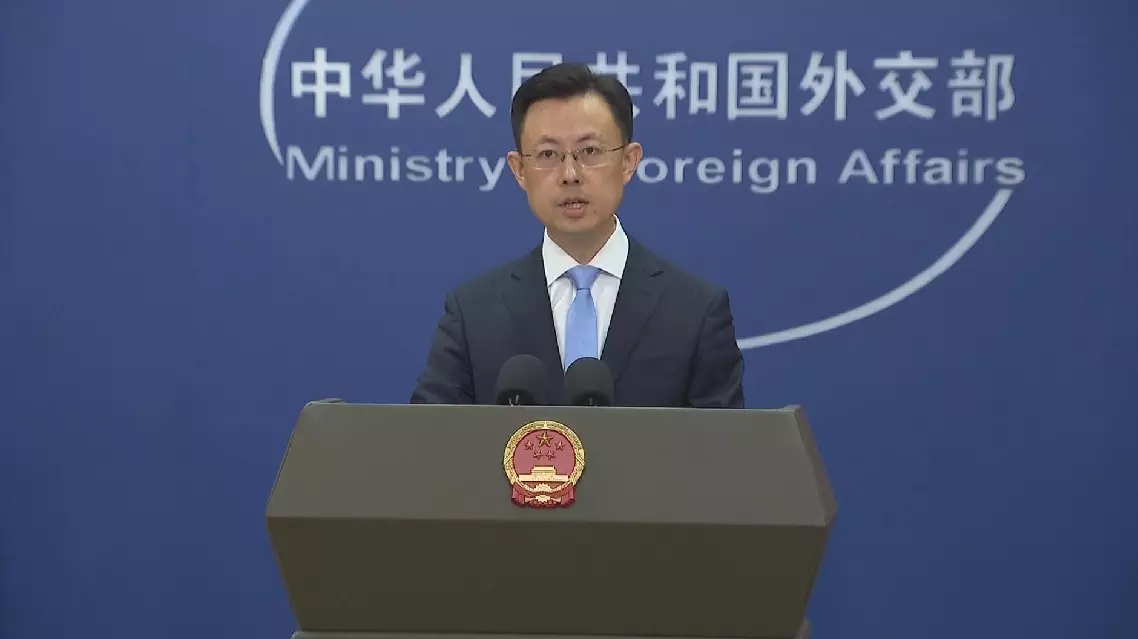
China pushes for community with shared future in cyberspace: spokesman
Iran's Supreme Leader Mojtaba Khamenei on Wednesday warned that neither partisan changes in the United States nor concessions to Washington would end U.S. hostility toward the Iranian nation.
"If there are still individuals who pin even the slightest hope on a shift in the U.S. behavior, or partisan changes within the hegemonic system, or imagine that by granting concessions to the United States, they can dissuade it from its hostility toward the Iranian nation, they are gravely mistaken," Khamenei said in a message to mark the 47th anniversary of the 1979 takeover of the U.S. embassy in Tehran.
He said the only way to achieve a state of "absolute deterrence" is to continue to make Iran stronger, noting that "on this path, (national) solidarity and unity, and social cohesion serve as the fundamental pillars of success."
The supreme leader said that should the "acts of aggression" be repeated, Iran's fight will expand to encompass a much broader scope.
In the U.S., Democrats are projected to flip control of the Senate after winning several key races in battleground states, securing control of both chambers of Congress in the midterm elections, election forecasting agency Decision Desk HQ reported late Tuesday.
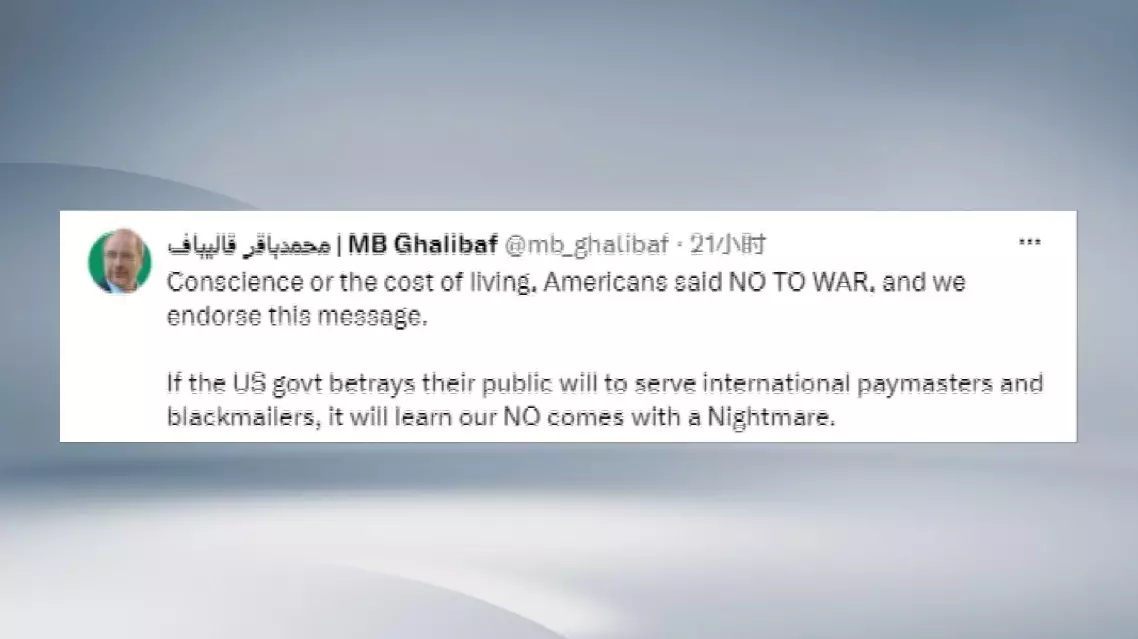
Reacting to the U.S. election's results in a post on social media platform X, Iran's Parliament Speaker Mohammad Bagher Ghalibaf said on Wednesday, "Conscience or the cost of living, Americans said NO TO WAR, and we endorse this message."
Iran's supreme leader warns against pinning hope on partisan changes in U.S.