NEW YORK (AP) — Democratic-led states and cities filed lawsuits Monday challenging a federal rule set to begin Friday that they say gives President Donald Trump’s administration broad discretion to deny green cards to immigrants who rely on public assistance for food, healthcare, housing and other basic needs.
New York Attorney General Letitia James, who is leading a coalition of 21 other states in one of the suits, said the rule would force needy immigrant families to choose between seeking assistance and seeking legal status in the country. California, Colorado, Hawaii, Massachusetts, Michigan, Nevada, New Mexico and Wisconsin are among the states involved in the legal challenge.
Click to Gallery
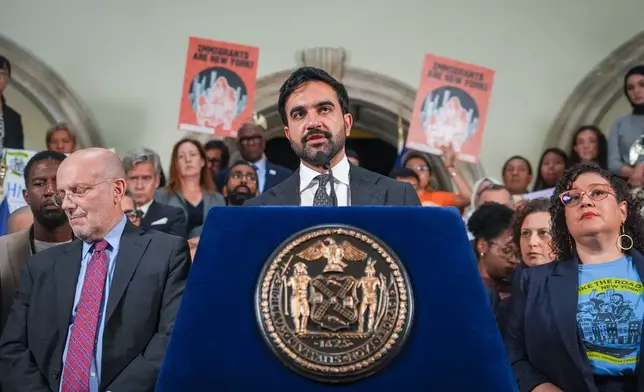
New York City Mayor Zohran Mamdani speaks during an announcement of a lawsuit filed by New York and 21 other states challenging the federal government's new public charge rule, on Monday, Sept. 14, 2026, in New York. (AP Photo/Ryan Murphy)
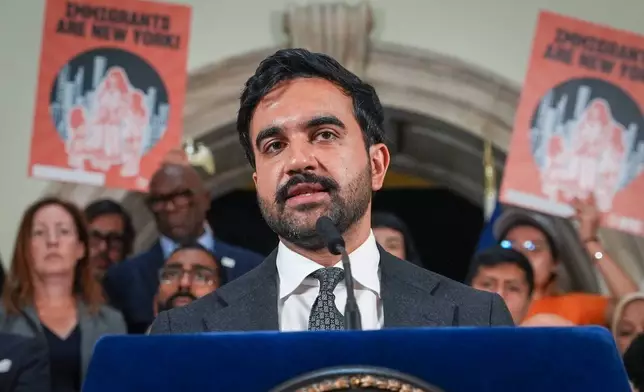
New York City Mayor Zohran Mamdani speaks during an announcement of a lawsuit filed by New York and 21 other states challenging the federal government's new public charge rule, on Monday, Sept. 14, 2026, in New York. (AP Photo/Ryan Murphy)
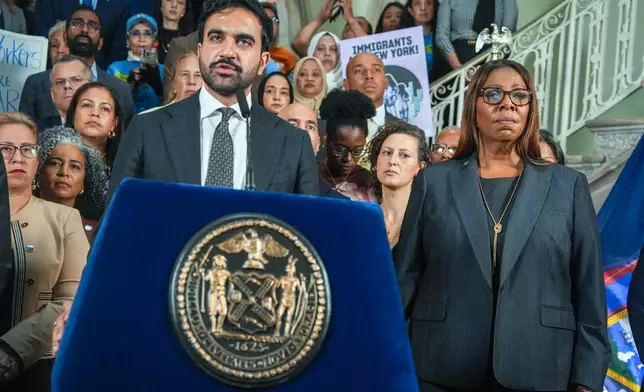
New York City Mayor Zohran Mamdani and New York Attorney General Letitia James announce a lawsuit filed by New York and 21 other states challenging the federal government's new public charge rule, on Monday, Sept. 14, 2026, in New York. (AP Photo/Ryan Murphy)
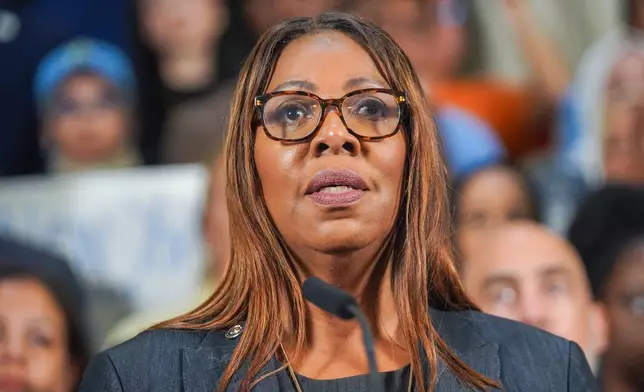
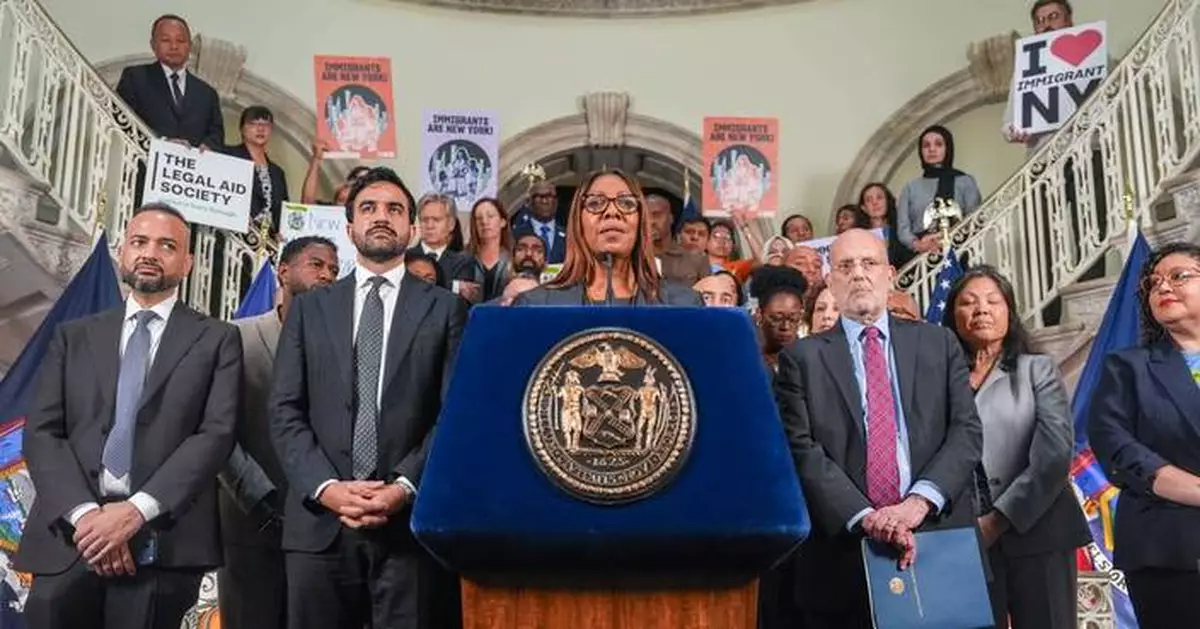
New York Attorney General Letitia James speaks during an announcement of a lawsuit filed by New York and 21 other states challenging the federal government's new public charge rule, on Monday, Sept. 14, 2026, in New York. (AP Photo/Ryan Murphy)
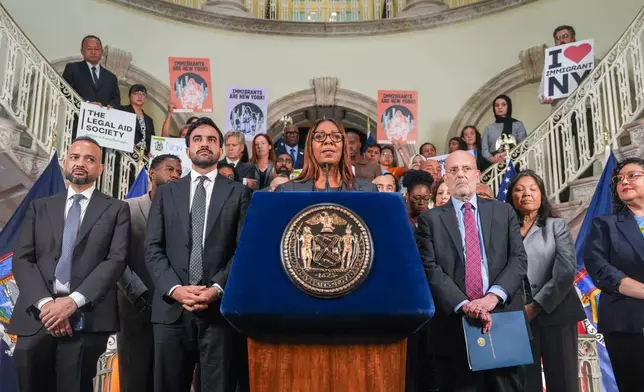
New York Attorney General Letitia James speaks during an announcement of a lawsuit filed by New York and 21 other states challenging the federal government's new public charge rule, on Monday, Sept. 14, 2026, in New York. (AP Photo/Ryan Murphy)
“This rule preys on that fear and counts on families forfeiting the food assistance, health care coverage, and other public benefits to which they are legally entitled,” she said Monday at a news conference in City Hall alongside New York City Mayor Zohran Mamdani and immigrant advocates.
Mamdani filed a separate suit with leaders of other U.S. cities, including Chicago, San Francisco and Seattle. He said the rule would have a “chilling effect” not just on immigrants seeking legal status but other residents of the nation’s largest city.
“The new public charge rule seeks to push immigrant families away from the programs that have kept people fed and healthy for decades,” the mayor said. “New Yorkers will be afraid to see a doctor or ask for help they are legally entitled to. That fear will not stop at the families that the federal government is targeting.”
The U.S. Department of Homeland Security, which is named in the lawsuits, dismissed the dire warnings.
“Let’s get this straight, sanctuary states are terrified they will lose federal funds because hundreds of thousands of illegals and noncitizens might remove themselves from American welfare programs,” the agency said in a statement. “We’re shaking in our boots over this supposedly terrible outcome.”
The lawsuits challenge DHS’s plan to revive a “public charge” rule the Republican president originally imposed during his first term, only to have it reversed under his successor, Democratic President Joe Biden.
The lawsuits, which were both filed in federal court in Manhattan, argue the new rule is “arbitrary and capricious,” exceeds the DHS’s statutory authority, and departs from the longstanding meaning of the federal government’s public charge provision.
Specifically, James said, the rule unlawfully gives immigration officials broad discretion to consider a wide range of public benefits when making their decisions on immigrants seeking legal status in the country.
She said the rule lets immigration officers count nearly any public benefit, used for any length of time, against a green card applicant -- even if it’s a U.S. citizen family member who is taking advantage of the benefit.
That means a parent’s green card application could be at risk simply because their U.S. citizen child used state-provided health insurance or participated in a school’s free lunch program, James said.
“This new rule sweeps away more than a century of settled law to unlawfully broaden the definition of ‘public charge’ in a way that Congress never intended,” added Steve Banks, the city’s corporation counsel.
California Attorney General Rob Bonta called the rule a “cruel policy.”
Federal law already requires those seeking permanent residency or legal status to demonstrate they will not rely on public benefits.
The new rule does not specify the programs that could be taken into account. It simply says officers, “using good judgment and discretion,” will make “individualized, fact-specific public charge inadmissible determinations, based on a totality of the alien’s circumstances.”
__
Associated Press reporters Sophie Austin in Sacramento, Calif. and Cybele Mayes-Osterman in Chicago contributed to this story.
Follow Philip Marcelo at https://x.com/philmarcelo
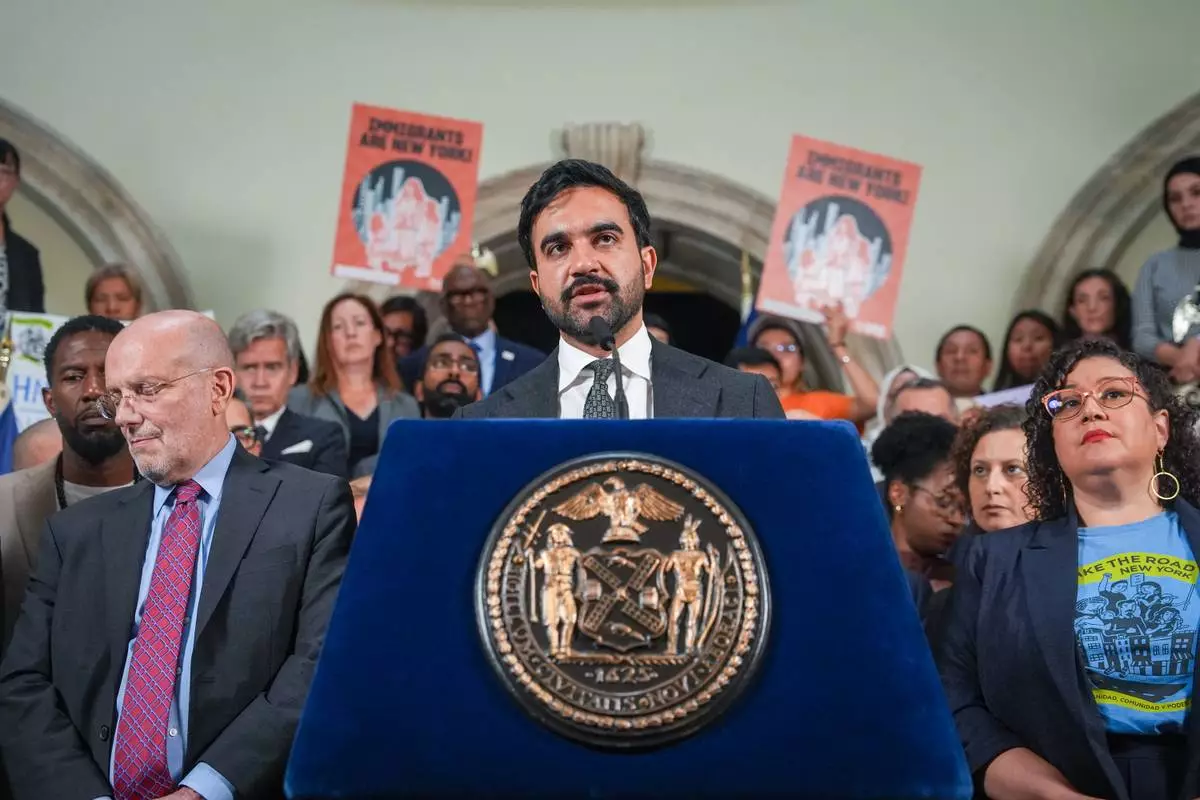
New York City Mayor Zohran Mamdani speaks during an announcement of a lawsuit filed by New York and 21 other states challenging the federal government's new public charge rule, on Monday, Sept. 14, 2026, in New York. (AP Photo/Ryan Murphy)
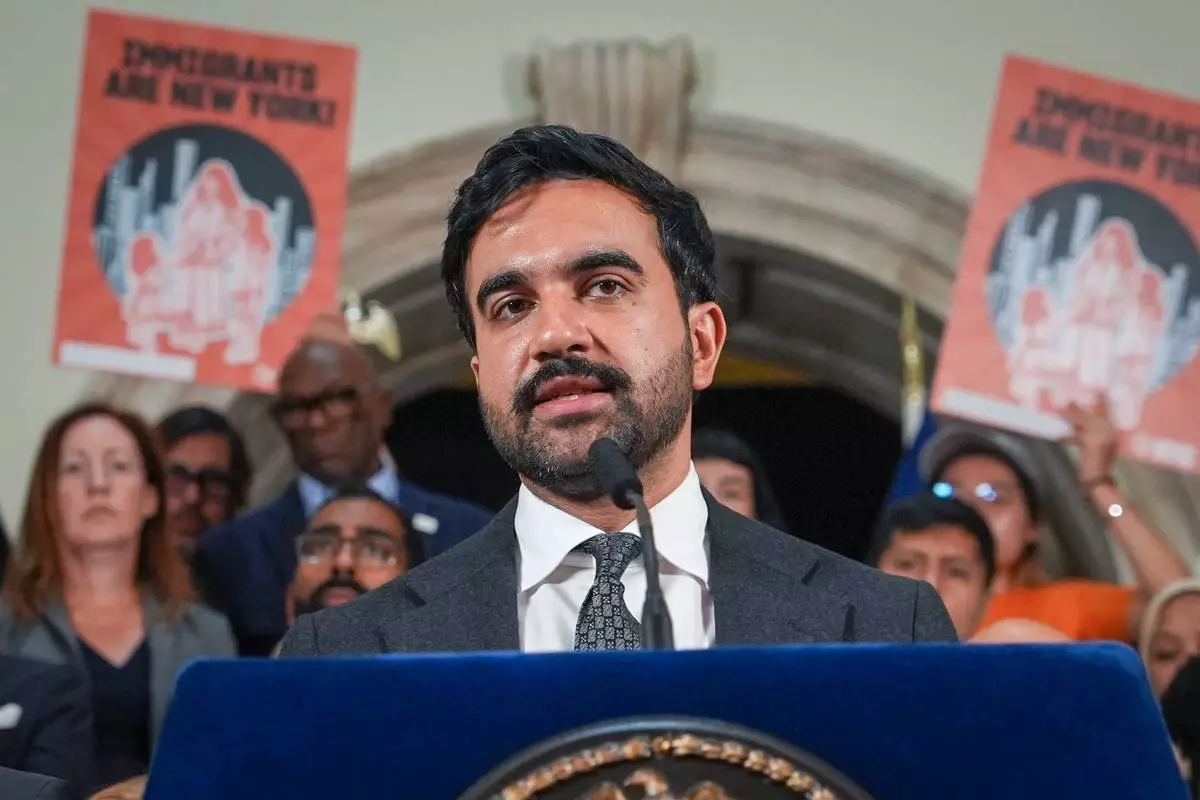
New York City Mayor Zohran Mamdani speaks during an announcement of a lawsuit filed by New York and 21 other states challenging the federal government's new public charge rule, on Monday, Sept. 14, 2026, in New York. (AP Photo/Ryan Murphy)
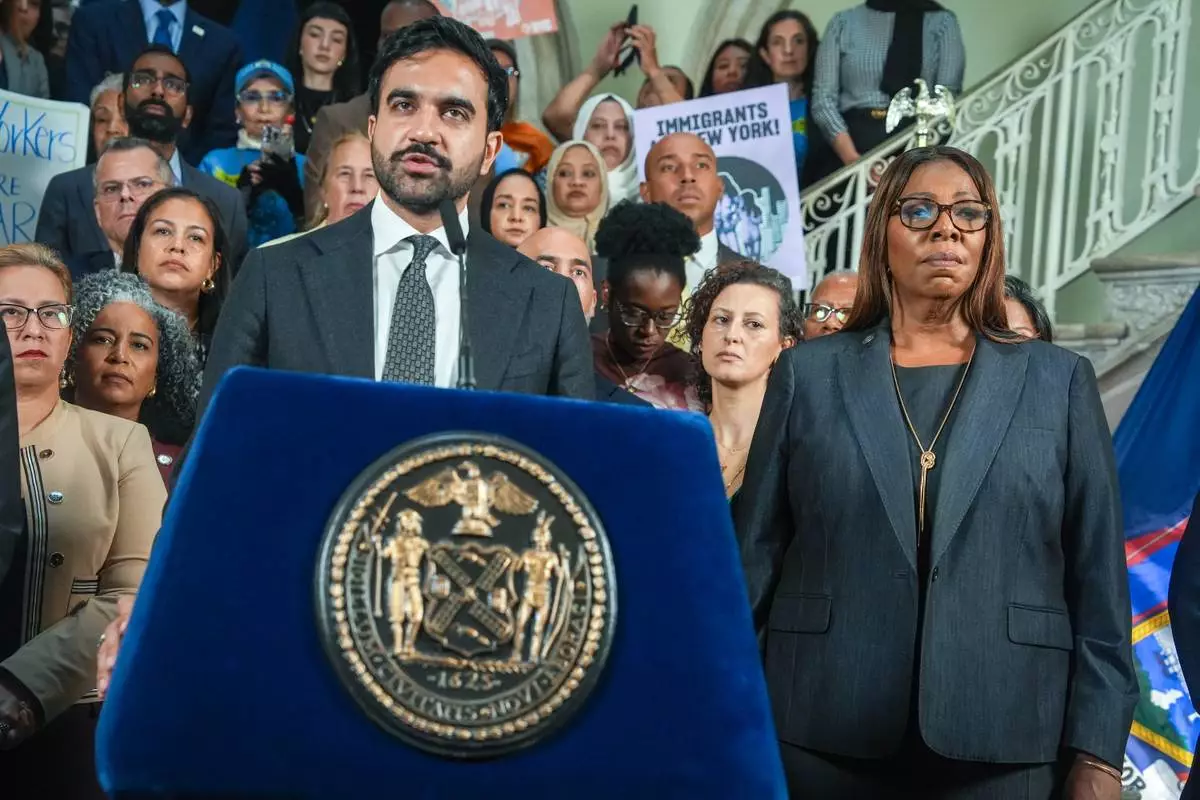
New York City Mayor Zohran Mamdani and New York Attorney General Letitia James announce a lawsuit filed by New York and 21 other states challenging the federal government's new public charge rule, on Monday, Sept. 14, 2026, in New York. (AP Photo/Ryan Murphy)
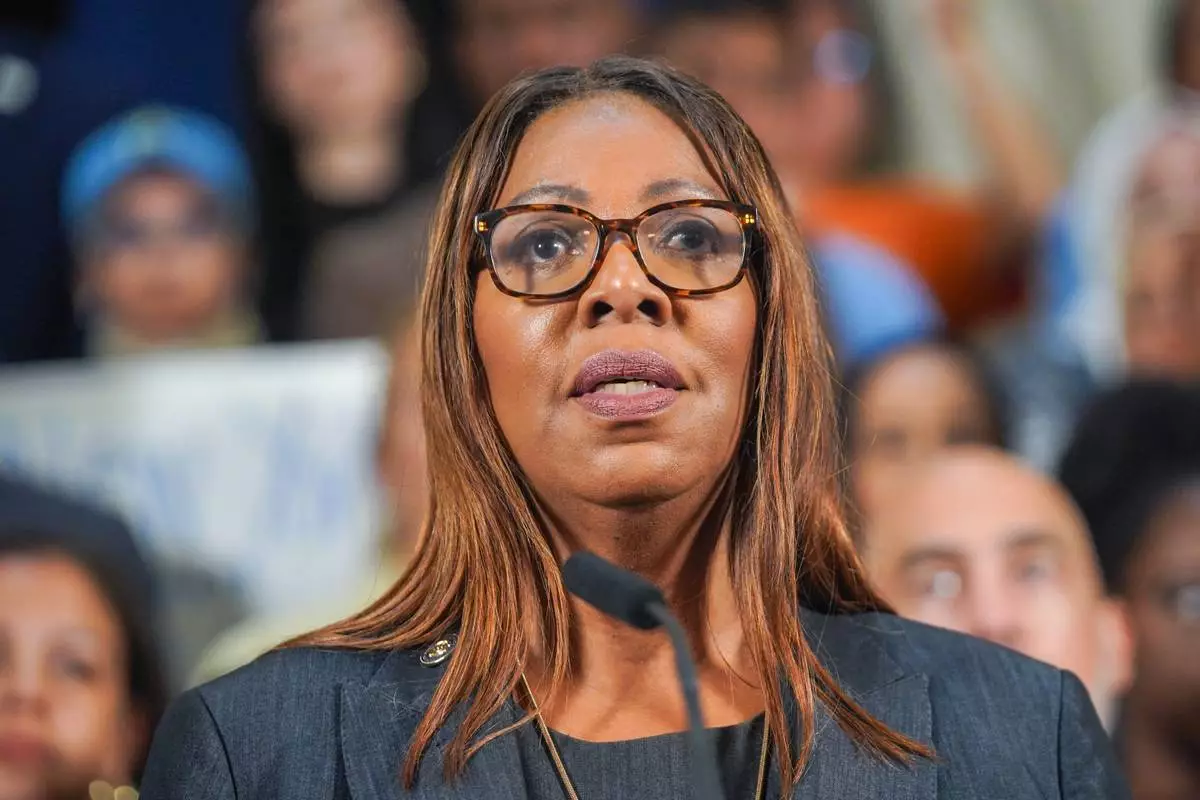
New York Attorney General Letitia James speaks during an announcement of a lawsuit filed by New York and 21 other states challenging the federal government's new public charge rule, on Monday, Sept. 14, 2026, in New York. (AP Photo/Ryan Murphy)
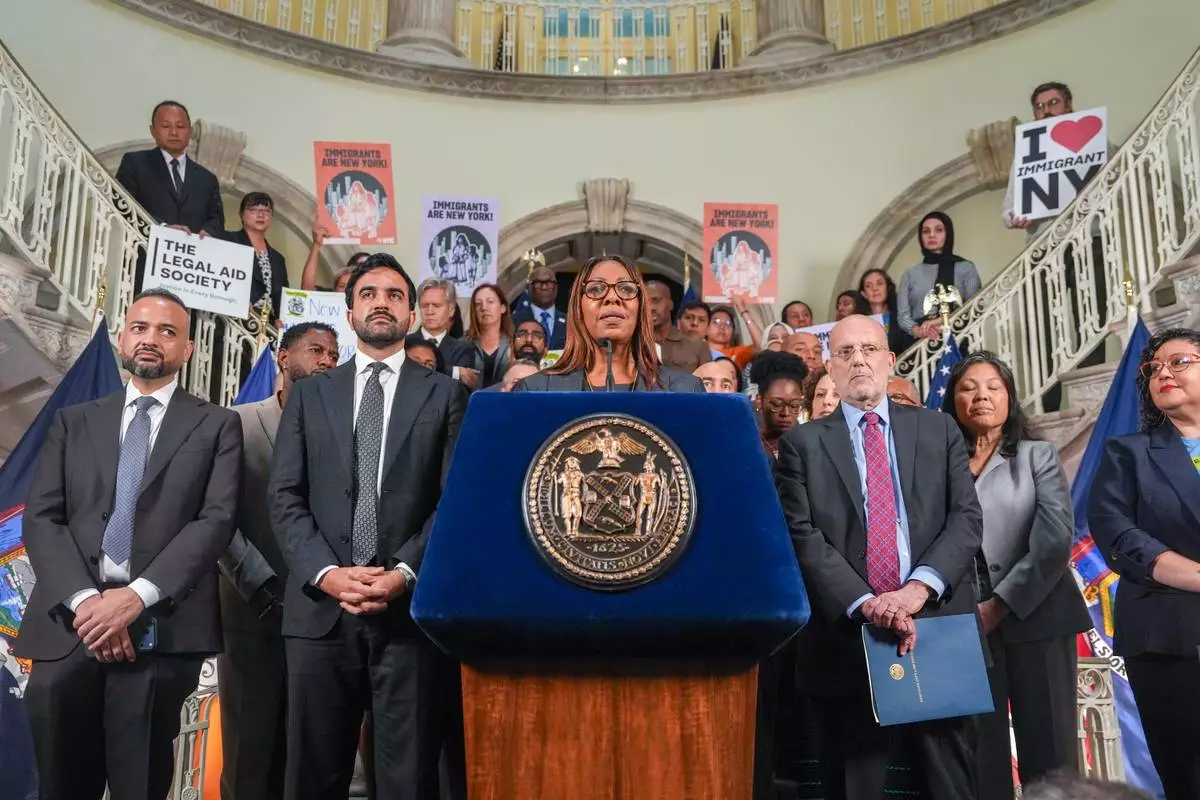
New York Attorney General Letitia James speaks during an announcement of a lawsuit filed by New York and 21 other states challenging the federal government's new public charge rule, on Monday, Sept. 14, 2026, in New York. (AP Photo/Ryan Murphy)