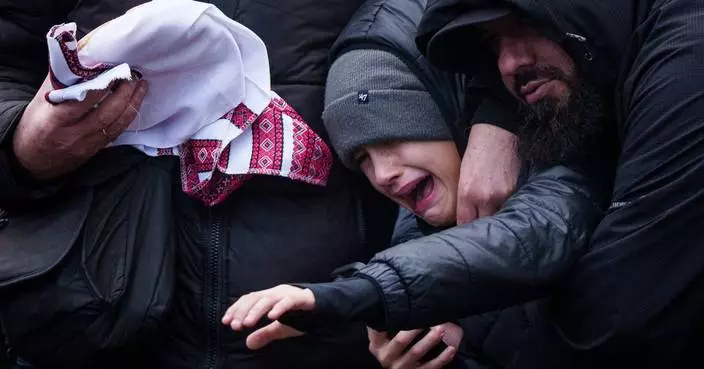
KRAKOW, Poland (AP) — Poland was in shock Sunday, a day after a gunman opened fire, killing six people and wounding 15 in the city of Krakow before police shot and wounded him.
Authorities say the attacker held far-right views, though they have not disclosed whether he was affiliated with any organized extremist group. Prosecutors say they are investigating the shooting as a terrorist offense.
Click to Gallery
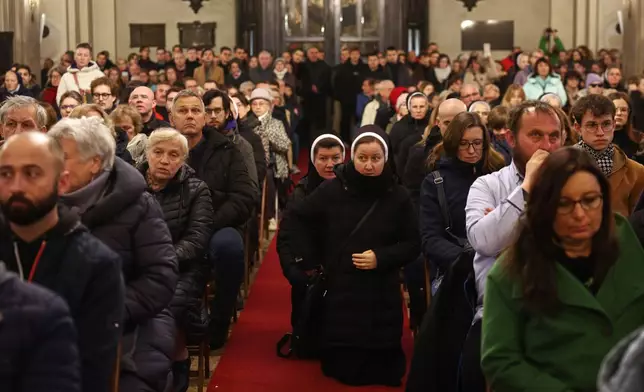
Worshippers attend a Mass for the victims of the previous day's shooting in Krakow, Poland, Sunday, Nov. 8, 2026. (AP Photo/Beata Zawrsel)
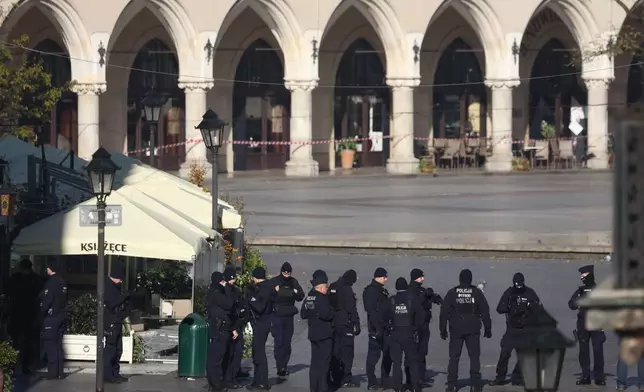
Police officers stand at the market square in Krakow, Poland, Sunday, Nov. 8, 2026, where several people were shot the day before. (AP Photo/Beata Zawrzel)
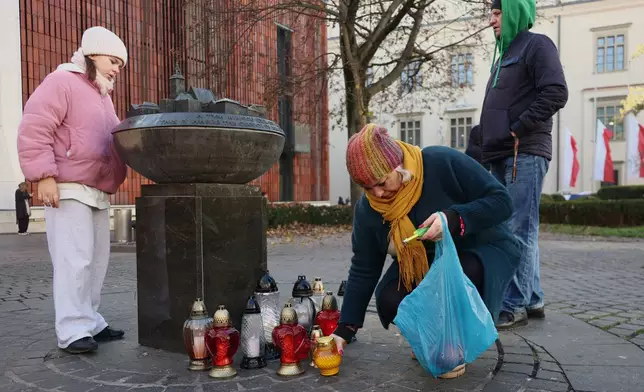
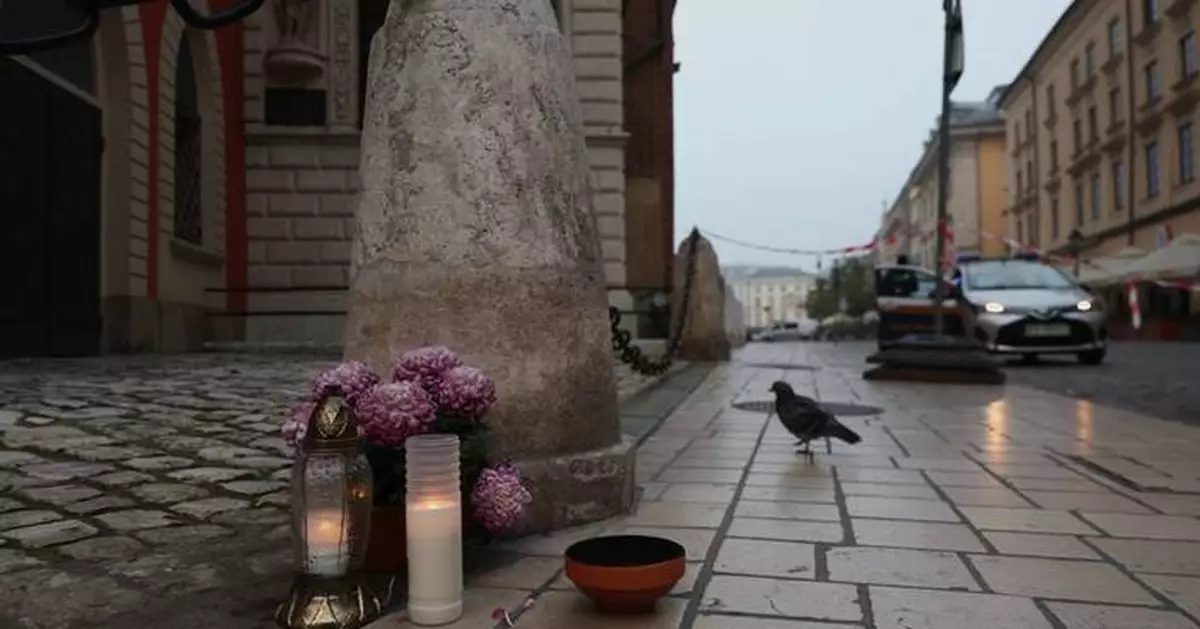
People place candles near the market square in Krakow, Poland, Sunday, Nov. 8, 2026, where several people were shot the day before. (AP Photo/Beata Zawrzel)
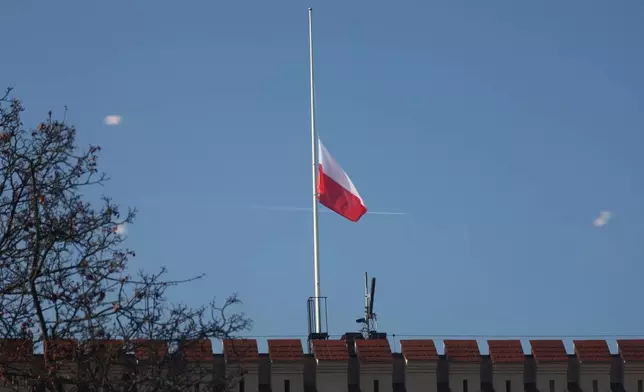
The flag of Poland flies at half-mast at the town hall in Krakow, Poland, Sunday, Nov. 8, 2026, where several people were shot the day before. (AP Photo/Beata Zawrzel)
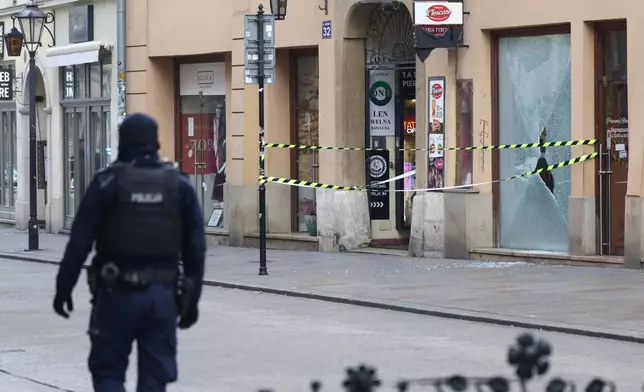
A police officer guards near the market square in Krakow, Poland, Sunday, Nov. 8, 2026, where several people were shot the day before. (AP Photo/Beata Zawrzel)
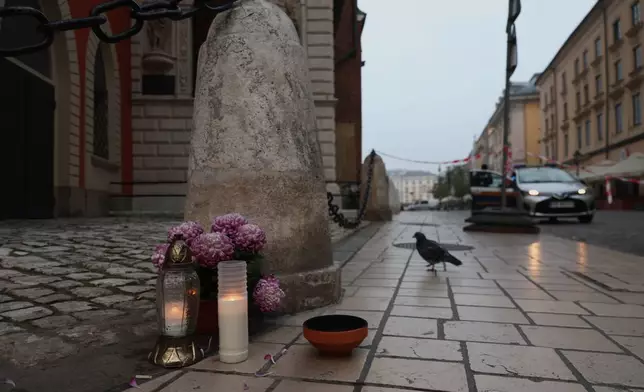
Candles stand near the market square in Krakow, Poland, Sunday, Nov. 8, 2026, where several people were shot the day before. (AP Photo/Beata Zawrzel)
Police have also found the bodies of the suspect's parents and sister at the family's home.
Here is what we know about the mass killing that marked a grim first in modern-day Poland:
Police say the 24-year-old attacker, wearing military-style clothing and a bulletproof vest, drove into the city's Main Square and opened fire. The square, in Krakow’s Old Town, is a major tourist destination in Poland’s second-largest city.
What unfolded was a scene of chaos and terror.
Witnesses described fleeing into nearby shops. British visitor Neil Thaxton said employees ushered him and his wife into the back of a gift shop, locked the doors and switched off the lights. They survived unharmed.
Marie-Ange Collaer, who was visiting from Brussels with her family, wrote on Facebook that they ran for their lives and “managed to hide from the bullets.”
Videos posted on social media show people running away from the square into narrow streets nearby, as well as first responders trying to resuscitate victims.
Even after he was wounded by police officers, the attacker continued firing, Krakow police spokesperson Katarzyna Cisło said.
Four women and two men were killed in the square.
Three of the women and one man were Polish, Krzysztof Jan Klęczar, the Malopolska regional governor, said on Sunday. A man from the U.K. and a woman from Austria were also among the dead. The wounded included people from Britain, Portugal, Russia, Germany and Austria.
The two police officers who stopped the gunman, in actions authorities described as heroic, remained in the hospital. They were both conscious, with one emerging from a coma on Sunday afternoon.
After the shooting, authorities overnight paused St. Mary’s Trumpet Call — a traditional five-note melody that is played every hour from the highest tower of St. Mary’s Basilica on Main Square — in tribute to the victims.
It was the first time the call had been missed since World War II.
On Sunday afternoon, St. Anne’s Church in Krakow filled with mourners attending a service for the victims.
The attacker, a 24-year-old Polish national, remained in critical condition on Sunday after undergoing several surgeries. Police have not released his name.
Interior Minister Marcin Kierwiński described his views as radical and ultranationalist, and said evidence indicated he had a fascination with far-right ideologies.
Prosecutors said they had opened an investigation into murder and attempted murder, including attacks on police officers, describing the shooting as a terrorist offense.
At the suspect's home in Ostrowiec Świętokrzyski, about 150 kilometers (93 miles) northeast of Krakow, authorities said they discovered three bodies.
Police identified them as the suspect's parents and sister. They said the three likely died from gunshot wounds.
The suspect’s dead sibling was a young artist studying at the Krakow Academy of Fine Arts. “Nothing will ever be like before. The delicate tissue of our academic community was painfully wounded,” the academy wrote in a statement Sunday, confirming that Magdalena Oksińska was a third-year student.
“Magdalena Oksińska, 21 years old, a queer person, was an absolutely talented painter, photographer, poet and writer,” architect Pavko Krajka wrote on social media, in a post accompanied by images of the artist’s paintings. “Her death is a great loss for Krakow, Polish, European and queer culture.”
Police found four firearms at the scene of the attack. They were recovered from the attacker or from his car.
Klęczar said the attacker’s father legally owned more than 10 guns and that the attacker also owned firearms. Local officials said seven weapons were also seized from the family home, bringing the total number of firearms recovered to 11.
The Swit shooting club in Starachowice, where the attacker is believed to have trained issued a statement Sunday saying it offered only “static shooting,” which involves firing from a fixed position at a stationary target.
The suspect, it said, “was never trained in our club in the areas of dynamic, tactical or combat shooting.”
Mass shootings are uncommon in Poland, a country of 37 million people where about 411,000 people hold gun permits. Interest in gun ownership has been rising.
Kacper Rekawek, a researcher at the International Center for Counterterrorism in The Hague, Netherlands, said the attack resembled incidents of far-right “lone wolf” attacks in Europe over the past years.
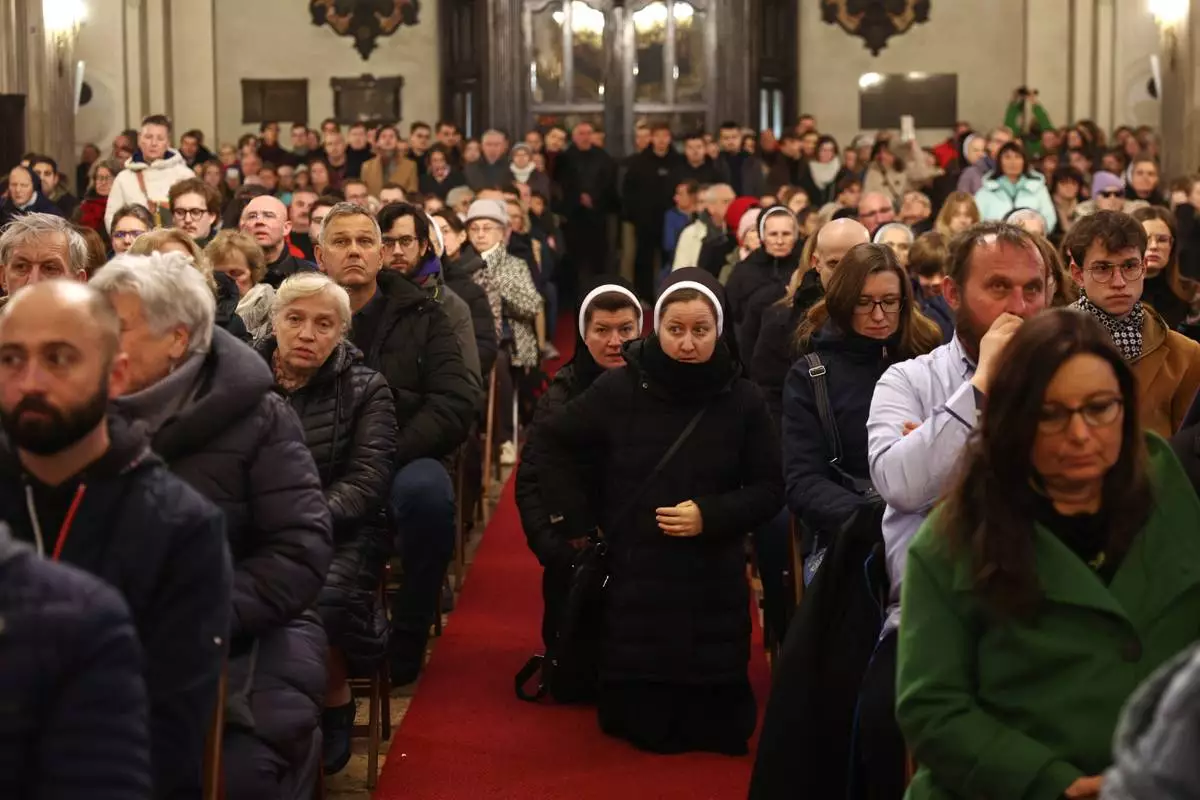
Worshippers attend a Mass for the victims of the previous day's shooting in Krakow, Poland, Sunday, Nov. 8, 2026. (AP Photo/Beata Zawrsel)
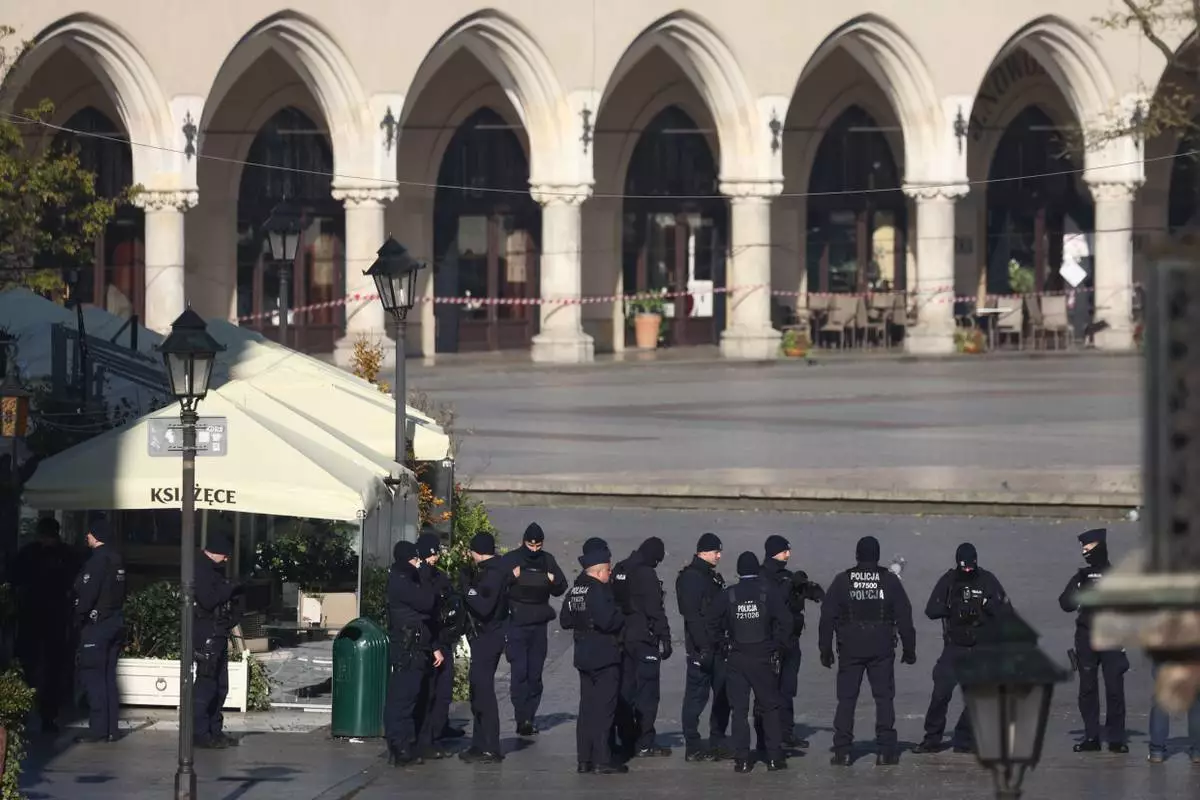
Police officers stand at the market square in Krakow, Poland, Sunday, Nov. 8, 2026, where several people were shot the day before. (AP Photo/Beata Zawrzel)
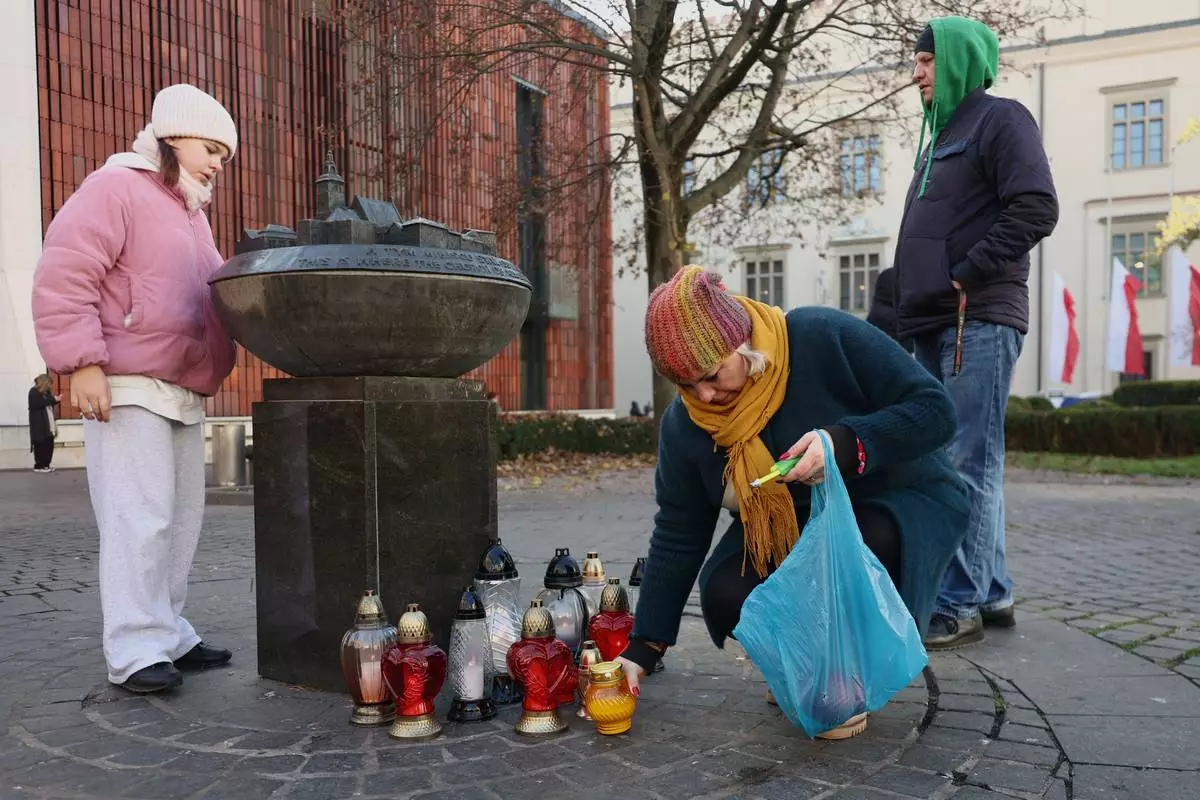
People place candles near the market square in Krakow, Poland, Sunday, Nov. 8, 2026, where several people were shot the day before. (AP Photo/Beata Zawrzel)
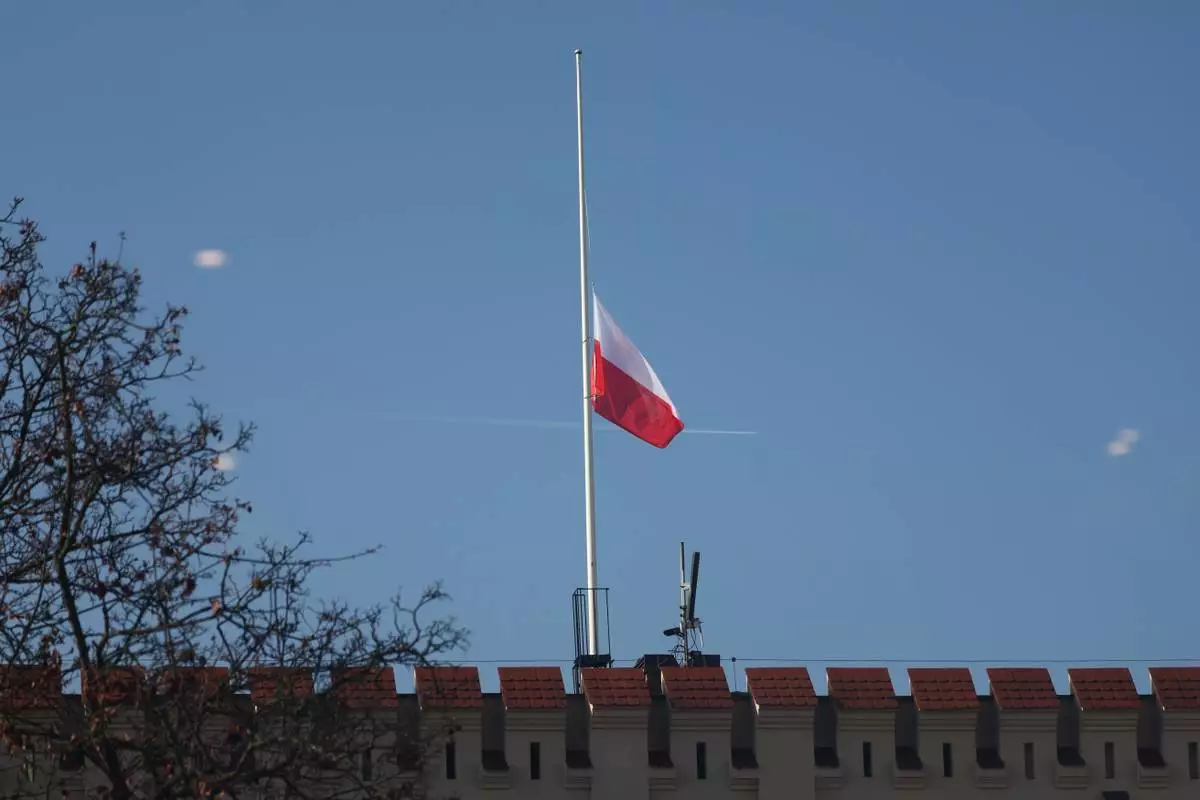
The flag of Poland flies at half-mast at the town hall in Krakow, Poland, Sunday, Nov. 8, 2026, where several people were shot the day before. (AP Photo/Beata Zawrzel)
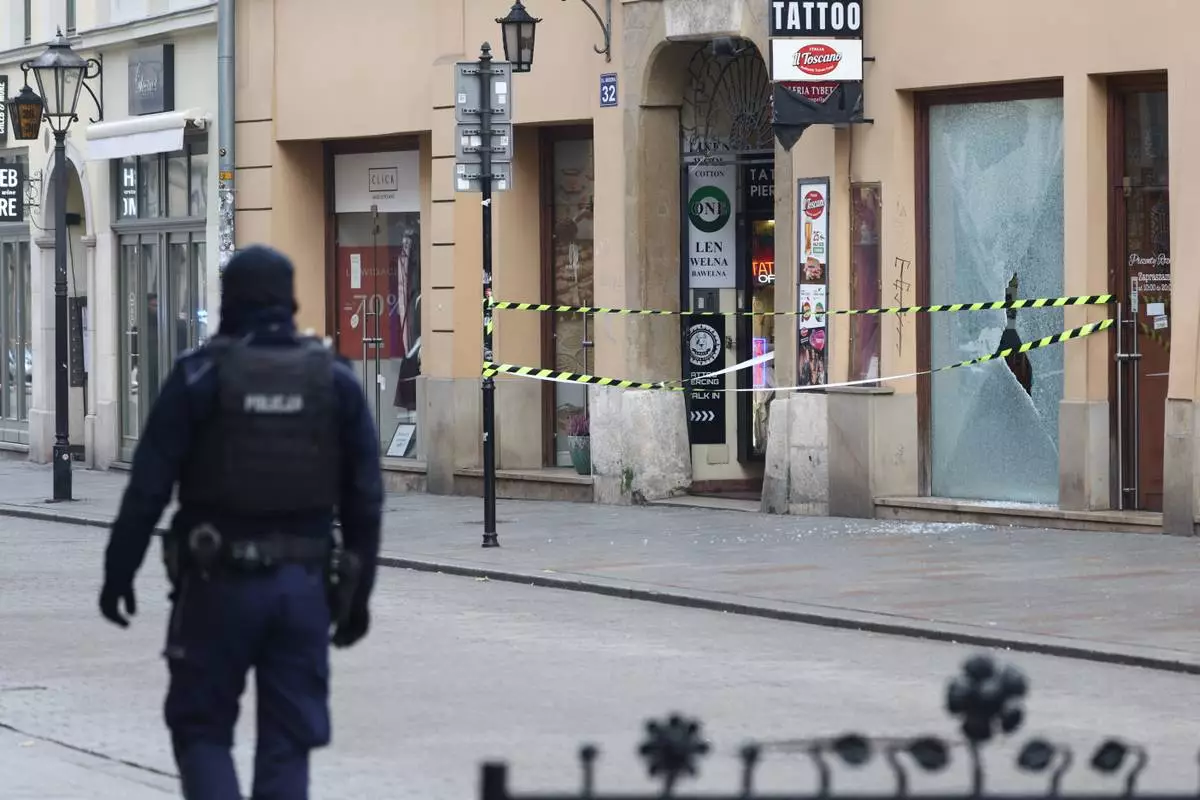
A police officer guards near the market square in Krakow, Poland, Sunday, Nov. 8, 2026, where several people were shot the day before. (AP Photo/Beata Zawrzel)
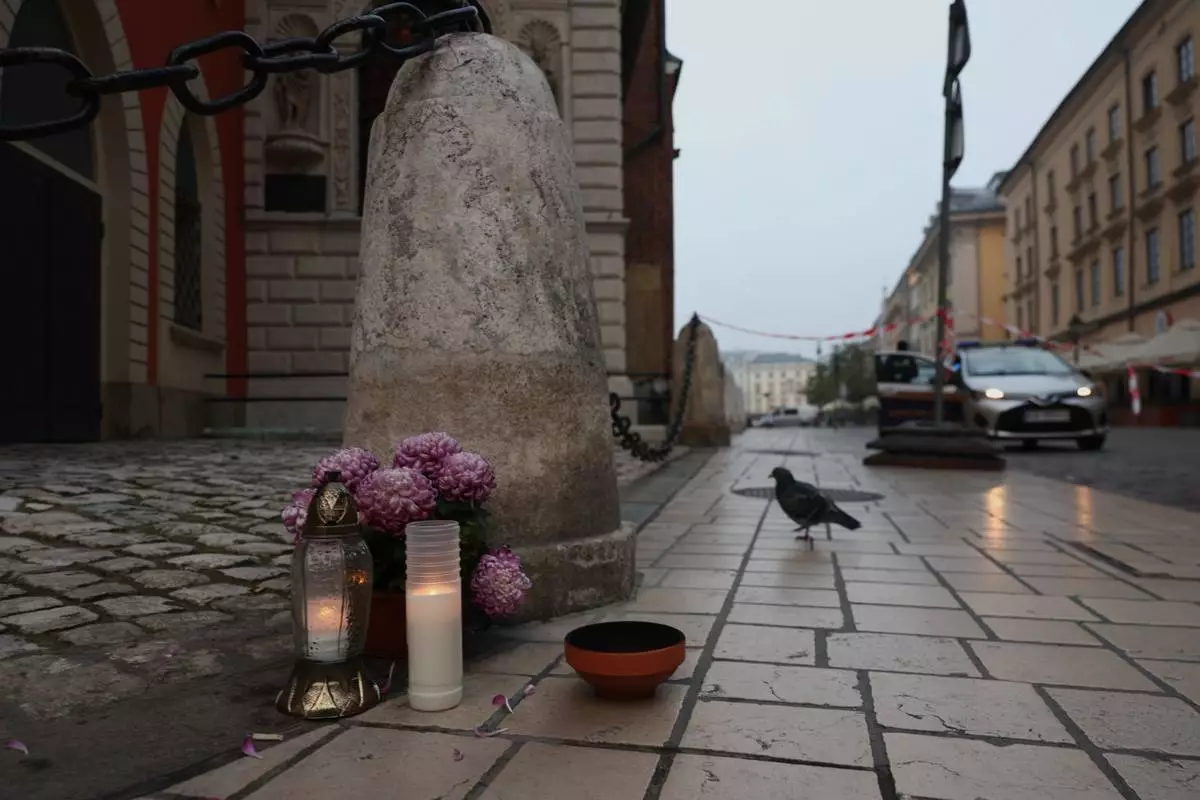
Candles stand near the market square in Krakow, Poland, Sunday, Nov. 8, 2026, where several people were shot the day before. (AP Photo/Beata Zawrzel)