ORLANDO, Fla.--(BUSINESS WIRE)--Nov 8, 2026--
A type of cellular therapy originally developed to treat cancer is showing promise as a potential treatment for people with difficult-to-treat lupus, according to a new study from researchers at Hospital for Special Surgery (HSS). Known as chimeric antigen receptor (CAR) T-cell therapy, the approach is increasingly being investigated for the treatment of systemic lupus erythematosus (SLE). The study, CAR T-Cell Therapy in SLE: A Pooled Analysis, was presented today at the annual meeting of the American College of Rheumatology, ACR Convergence 2026.
This press release features multimedia. View the full release here: https://www.businesswire.com/news/home/20261108016132/en/
Lupus is a chronic autoimmune disease in which the immune system mistakenly attacks healthy tissue, causing widespread inflammation that can damage the organs, joints and skin. 1 While advances in treatment have greatly improved care, lupus has no cure, and some patients do not respond adequately to available therapies.
Cellular therapy harnesses the power of the immune system to fight malignancies and, more recently, autoimmune diseases. In lupus, CAR T therapies under investigation include approaches that target B cells involved in the autoimmune response.
To better understand the potential of CAR T-cell therapy for these patients, HSS researchers conducted a systematic review of 31 studies involving 243 people with lupus who had previously tried at least two immunosuppressants and evaluated outcomes over a two-year period. The majority of participants were treated with personalized CD19-targeted CAR T therapies using their own immune cells. In the analysis, CAR T-cell therapy demonstrated consistent efficacy in those who initially had high disease activity, leading to near-complete resolution of symptoms by six months.
The analysis also found an encouraging safety profile. Cytokine release syndrome (CRS), a damaging inflammatory response that can occur as a side effect of advanced immunotherapies, was generally mild; immune effector cell-associated neurotoxicity syndrome (ICANS), a neurological complication of T-cell therapy, was infrequent. Together, these findings highlight the potential for CAR T-cell therapy to transform lupus treatment.
“CAR T-cell therapy is poised to revolutionize the management of lupus and other autoimmune diseases, shifting treatment goals from disease control toward sustained remission and, potentially, a cure,” said Anca D. Askanase, MD, MPH, Chair of the Department of Medicine and Chief of the Division of Rheumatology at HSS and senior author of the study. “This study provides clinicians and people living with lupus, particularly those for whom conventional treatments have failed, with a broader perspective on the efficacy and safety of CAR T-cell therapy across clinical trials. These encouraging findings may help inform patient selection for future studies and, ultimately, clinical practice.”
Key findings include:
As data on CAR T-cell therapy in SLE rapidly accumulates, individual studies remain limited by small sample size, making it challenging to assess the efficacy and safety of these new therapies. This comprehensive analysis brings together the available evidence to provide a broader understanding of CAR T-cell therapy in refractory SLE. The findings add to a growing body of research supporting the continued investigation into immunotherapy for lupus. Larger prospective studies will be important to better understand long-term outcomes, identify which patients stand to benefit the most, and determine how CAR T therapy could reshape lupus care.
References:
About HSS
HSS is the world’s leading academic medical center focused on musculoskeletal health. At its core is Hospital for Special Surgery, nationally ranked No. 1 in orthopedics (for the 17th consecutive year), No. 3 in rheumatology by U.S. News & World Report (2026-2027), and the best pediatric orthopedic hospital in NY, NJ and CT by U.S. News & World Report “Best Children’s Hospitals” list (2026-2027). HSS is the worlds most awarded hospital in orthopedics by Newsweek each year since the “World’s Best Specialized Hospitals” survey was introduced in 2020. Founded in 1863, the Hospital has the lowest readmission rate in the nation, and among the lowest infection and complication rates. HSS was the first in New York State to receive Magnet Recognition for Excellence in Nursing Service from the American Nurses Credentialing Center six consecutive times. An affiliate of Weill Cornell Medical College, HSS has a main campus in New York City and facilities in New Jersey, Connecticut and in the Long Island and Westchester County regions of New York State, as well as in Florida. In addition to patient care, HSS leads the field in research, innovation and education. The HSS Research Institute comprises 20 laboratories and 300 staff members focused on leading the advancement of musculoskeletal health through prevention of degeneration, tissue repair and tissue regeneration. In addition, more than 200 HSS clinical investigators are working to improve patient outcomes through better ways to prevent, diagnose, and treat orthopedic, rheumatic and musculoskeletal diseases. The HSS Education Institute is a trusted leader in advancing musculoskeletal knowledge and research for physicians, nurses, allied health professionals, academic trainees, and consumers in more than 165 countries. The institution is collaborating with medical centers and other organizations to advance the quality and value of musculoskeletal care and to make world-class HSS care more widely accessible nationally and internationally. www.hss.edu.

Anca D. Askanase, MD, MPH, Chair of the Department of Medicine and Chief of the Division of Rheumatology at HSS and senior author of the study, CAR T-Cell Therapy in SLE: A Pooled Analysis.
KRAKOW, Poland (AP) — Poland began two days of national mourning on Sunday, after a 24-year-old man with far-right views drove into a busy central square in Krakow and opened fire, killing six people and wounding 15 others before police shot and wounded him.
The attack, which Poland’s defense minister described as an “act of terror,” happened on Saturday in the Main Square, in the heart of Krakow’s Old Town. It is a major tourist hub in the country’s second-largest city.
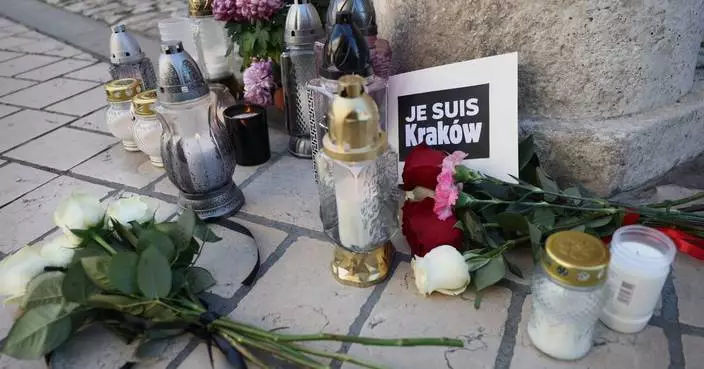
By Saturday evening, mourners had left candles in memory of the victims. The square remained partially closed on Sunday as authorities continued their investigation.
St. Mary’s Trumpet Call, a traditional five-note melody played every hour from the highest tower of St. Mary’s Basilica on the Main Square, was paused overnight in tribute to the victims. It was the first time the call had been missed since World War II.
On Sunday afternoon, St. Anne’s Church in Krakow filled with mourners attending a memorial service for the victims of the tragedy.
Authorities also found the bodies of the assailant’s sister, mother and father at the man’s family home in Ostrowiec Świętokrzyski, a city about 150 kilometers (93 miles) northeast of Krakow. They likely died from gunshot wounds.
Marie-Ange Collaer wrote on Facebook that she and her family survived the shooting during a trip to Krakow from Brussels.
“We literally ran for our lives and managed to hide from the bullets flying around,” she wrote. “Lying on the floor in a shop like in a bad police movie whilst you hear bullets everywhere.”
U.K. resident Neil Thaxton and his wife also lived through the attack.
“We had just walked through the main square and heard the gunshots,” Thaxton wrote on Facebook. “We thought it was fireworks then people started running, we went into a gift shop and the staff took us in the back of the shop and locked the doors and turned the lights off.”
Alexandros Maronitis, a tourist from Greece, told The Associated Press that he couldn't get back to his lodgings for five hours after the tragedy.
“We saw the shooter when they picked him up with the ambulance," Maronitis said. “So, we’re a bit afraid. It’s our first time in Poland. We heard it’s a safe country.”
American tourist Marylin Green mourned the losses in the “beautiful city" during her first trip to Poland that also included the capital.
“I’m Polish, my parents were from here,” she said. "I loved Warsaw. So I was really looking forward to coming here, too.”
Witness Andy Hill told the BBC that he'd felt like he was in a movie scene.
"It doesn’t feel real,” the British tourist said. “And the trouble is, you have such an instantaneous moment to make a decision: Run. Stand still. There’s an element of shock. But I just thought the easiest thing to do is dive through a doorway and just take refuge behind the windows.”
Prosecutors said Sunday they opened an investigation into the murder and attempted murder of numerous people, including police officers, with the act “constituting a terrorist offense.”
Four women and two men were killed in the Main Square shooting. Three of the women and one of the men were Polish, Krzysztof Jan Klęczar, the Malopolska regional governor, said on Sunday. A man from the U.K. and a woman from Austria were also among the dead.
A video posted on social media showed a police officer repeatedly shooting the attacker, who was lying on the street. The officer later slowly collapsed to the ground.
The two police officers who stopped the gunman, in actions authorities hailed as heroic, remain in the hospital. They were both conscious by Sunday afternoon.
“If it weren’t for the efficient and selfless intervention of these two young men, the number of victims could have been significantly higher,” Klęczar said.
Michał Pędziwiatr and Mateusz Wierdak, two local surgeons who were having a bite to eat nearby, also stepped in.
Wierdak "took care of the officer who subdued the attacker because he truly needed urgent help,” Pędziwiatr told Polish news website onet. “Without protection, without gloves, he simply focused on the officer, stopping the bleeding in his chest. This probably saved his life.”
Five foreigners are among the wounded. They come from the U.K., Portugal, Russia, Germany and Austria.
The suspect is also in critical condition after undergoing multiple surgeries. There was confusion on Saturday about his age, with authorities first saying 24 and later 25. On Sunday they confirmed that he is 24.
The suspect’s dead sibling was a young artist studying at the Krakow Academy of Fine Arts. “Nothing will ever be like before. The delicate tissue of our academic community was painfully wounded,” the academy wrote in a statement on Sunday, confirming that Magdalena Oksińska was a third year student and that, additionally, the sister of an employee of the academy was shot twice on Saturday.
“Magdalena Oksińska, 21 years old, a queer person, was an absolutely talented painter, photographer, poet and writer,” architect Pavko Krajka wrote in a post on social media, accompanied by images of the artist’s colourful paintings. “Her death is a great loss for Krakow, Polish, European and queer culture.”
Interior Minister Marcin Kierwiński said the suspect holds “very radical” and “ultranationalistic” views.
“Everything indicates that he was fascinated by far-right ideologies,” Kierwiński said at a news conference.
Local officials in Ostrowiec Świętokrzyski said they seized seven weapons from the family home, bringing the total number recovered to 11, including four found on the suspect or in his car in Krakow. Both father and son had gun permits, they said.
Around 411,000 people hold gun permits in Poland, which has a population of 37 million, and interest in gun ownership has been rising.
The Swit shooting club in Starachowice, where the suspect is believed to have trained, issued a statement on Sunday saying it offered only “static shooting,” which involves firing from a fixed position at a stationary target. The club added that the suspect “was never trained in our club in the areas of dynamic, tactical or combat shooting.”
Mass shootings are uncommon in Poland. However, in mid-October three attacks at schools in the central province of Mazovia took place within four days, leaving one person dead and many wounded, including children. The young attackers used knives or other sharp objects. Officials blamed the school attacks on online “glorification of violence,” and said that some of the attackers were active in the far-right environment.
The Krakow shooter’s military gear, guns and overall look were similar to those of other “extreme right lone actors” committing attacks around Europe, said Kacper Rekawek, a senior researcher at the International Center for Counterterrorism in The Hague.
“We have had attempts before, but now we can say that these kinds of attacks have become successful in Poland,” he said.
Ciobanu reported from Warsaw, Poland. Associated Press writer Stefanie Dazio in Berlin contributed to this report.
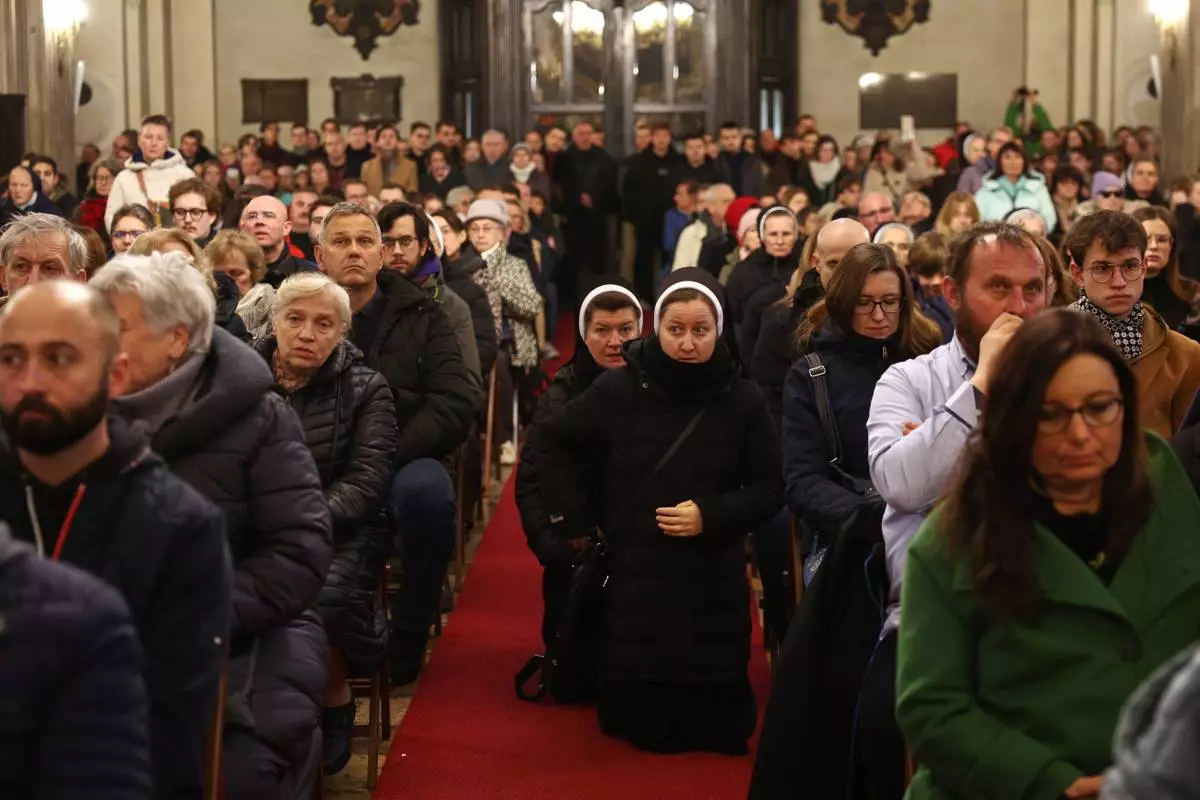
Worshippers attend a Mass for the victims of the previous day's shooting in Krakow, Poland, Sunday, Nov. 8, 2026. (AP Photo/Beata Zawrsel)
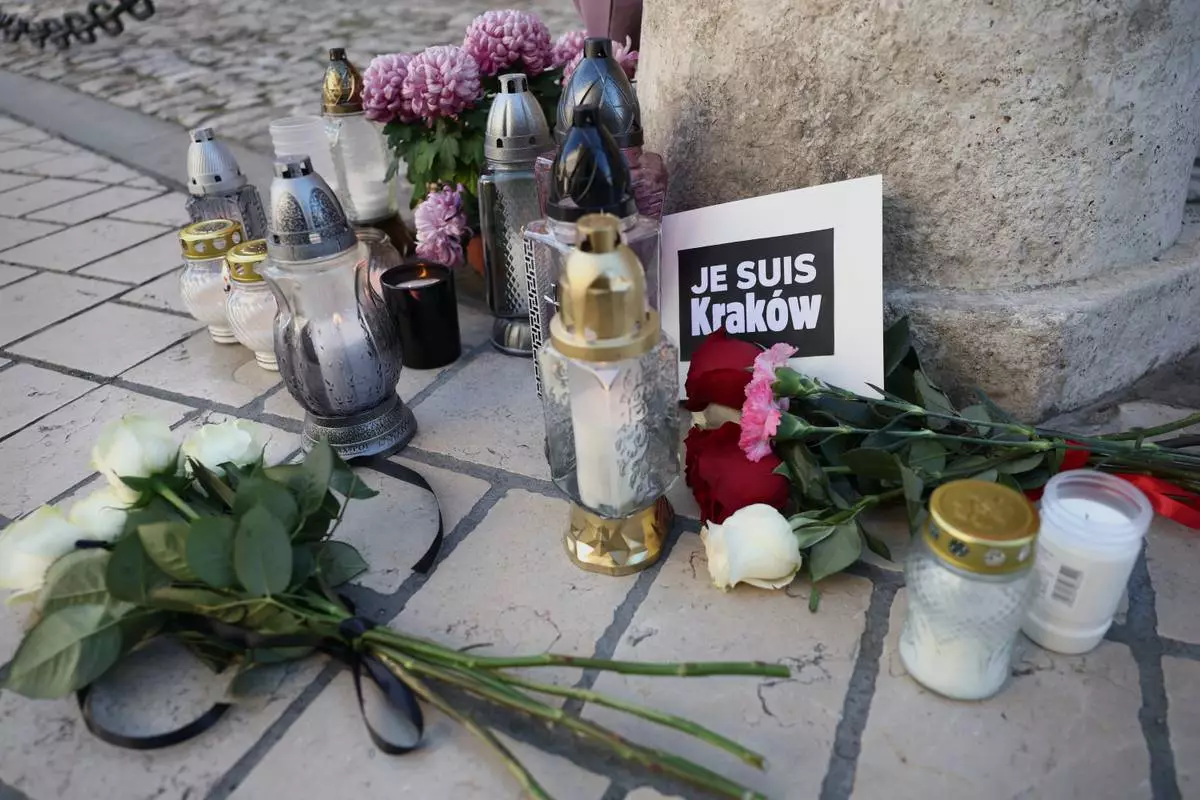
Candles and flowers are placed near the market square in Krakow, Poland, Sunday, Nov. 8, 2026, where several people were shot the day before. (AP Photo/Beata Zawrzel)
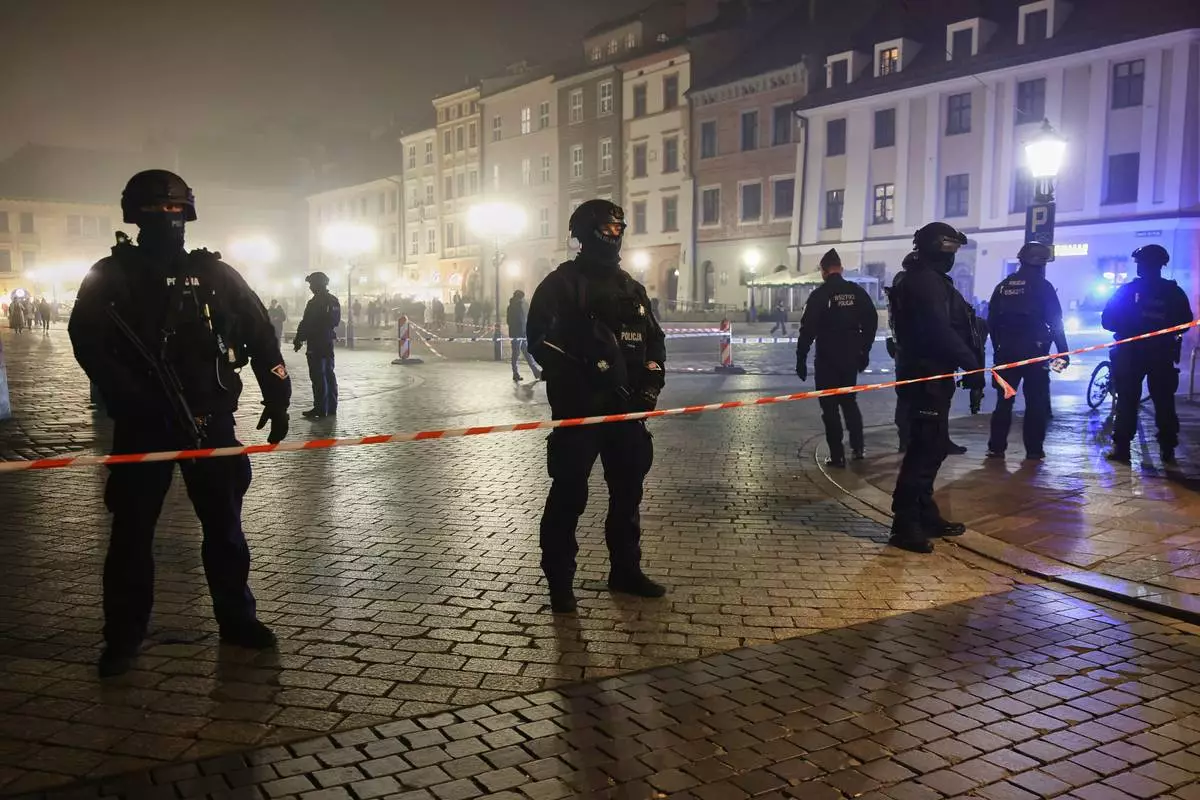
Armed police officers secure a cordoned off area after a shooter opened fire in a market square in Krakow, Poland, Saturday, Nov. 7, 2026, leaving people dead and injured, according to authorities. (AP Photo/Beata Zawrzel)
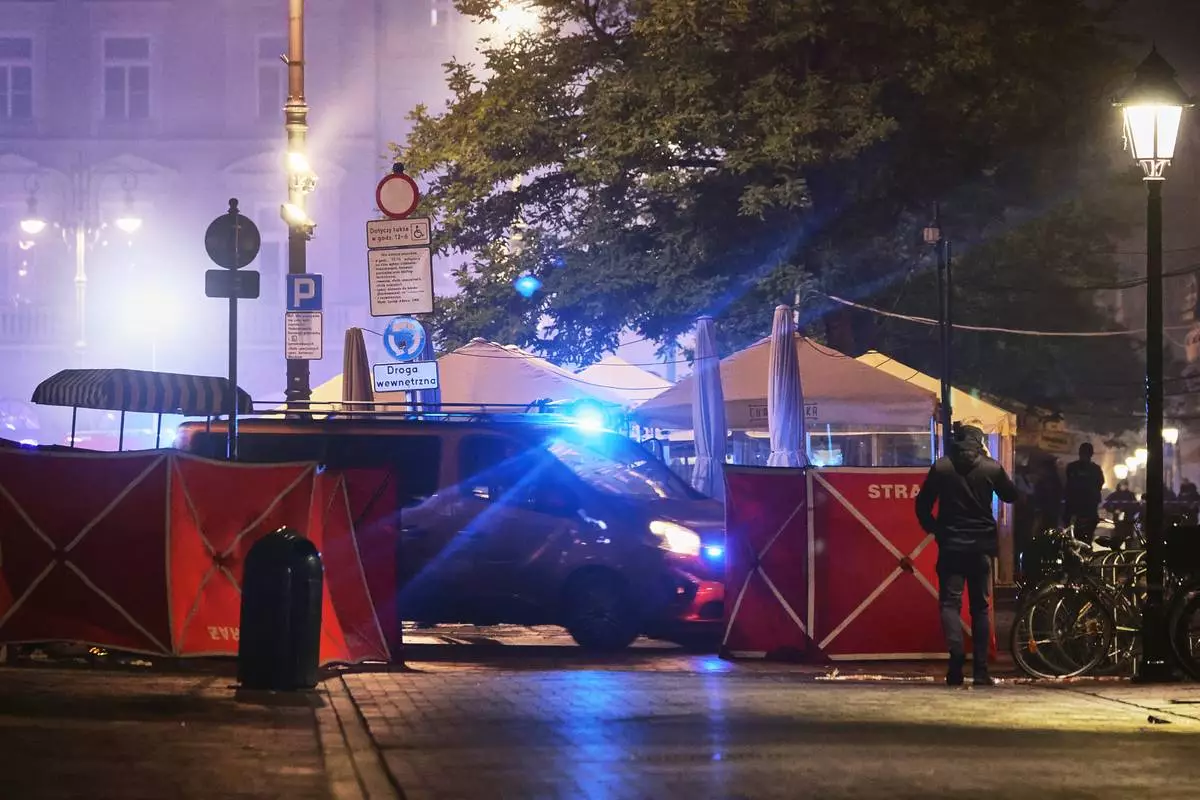
Police privacy screens are installed in a cordoned off area after a shooter opened fire in a market square in Krakow, Poland, Saturday, Nov. 7, 2026, leaving people dead and injured, according to authorities. (AP Photo/Beata Zawrzel)
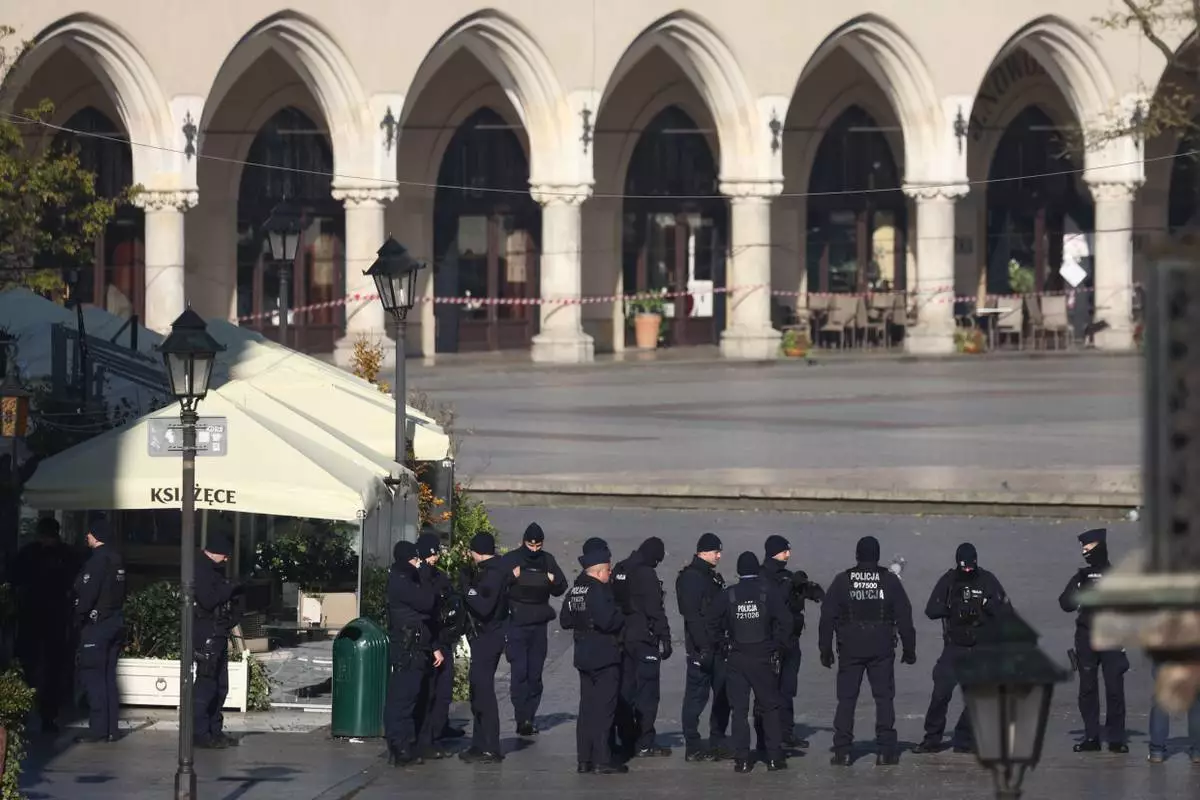
Police officers stand at the market square in Krakow, Poland, Sunday, Nov. 8, 2026, where several people were shot the day before. (AP Photo/Beata Zawrzel)
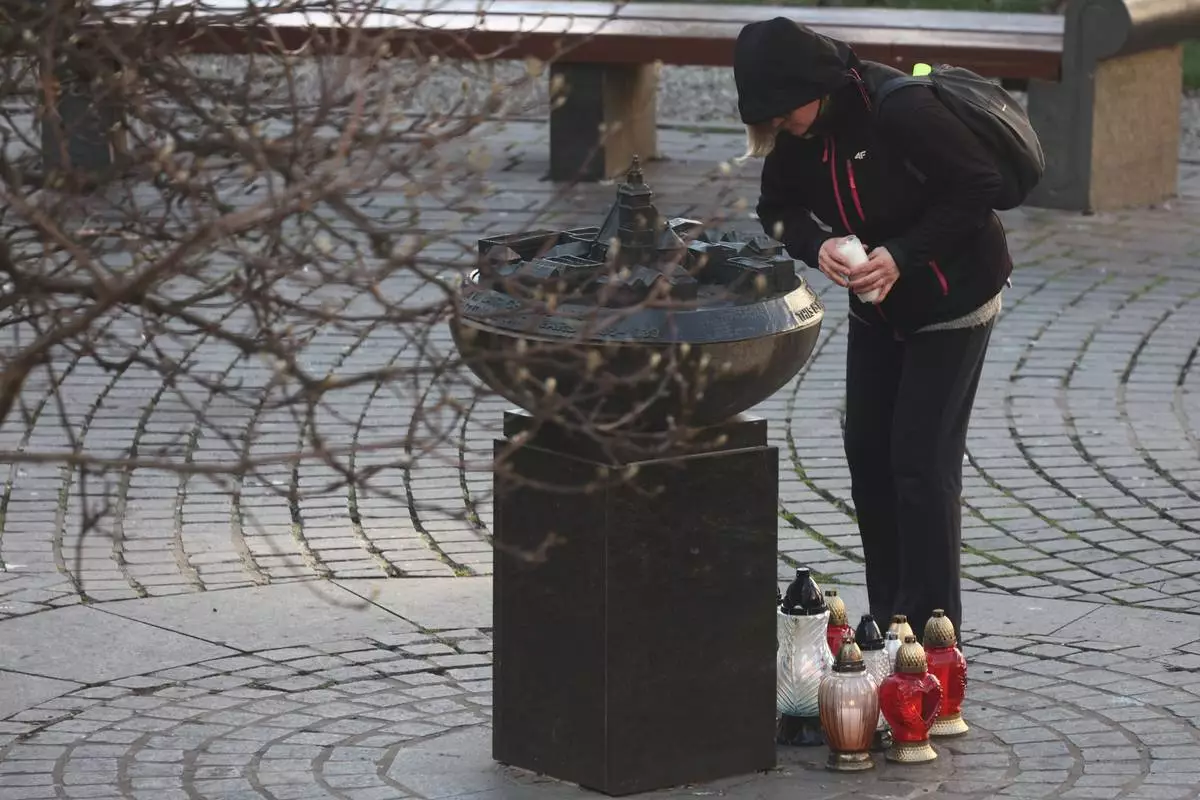
A woman lights a candle near the market square in Krakow, Poland, Sunday, Nov. 8, 2026, where several people were shot the day before. (AP Photo/Beata Zawrzel)
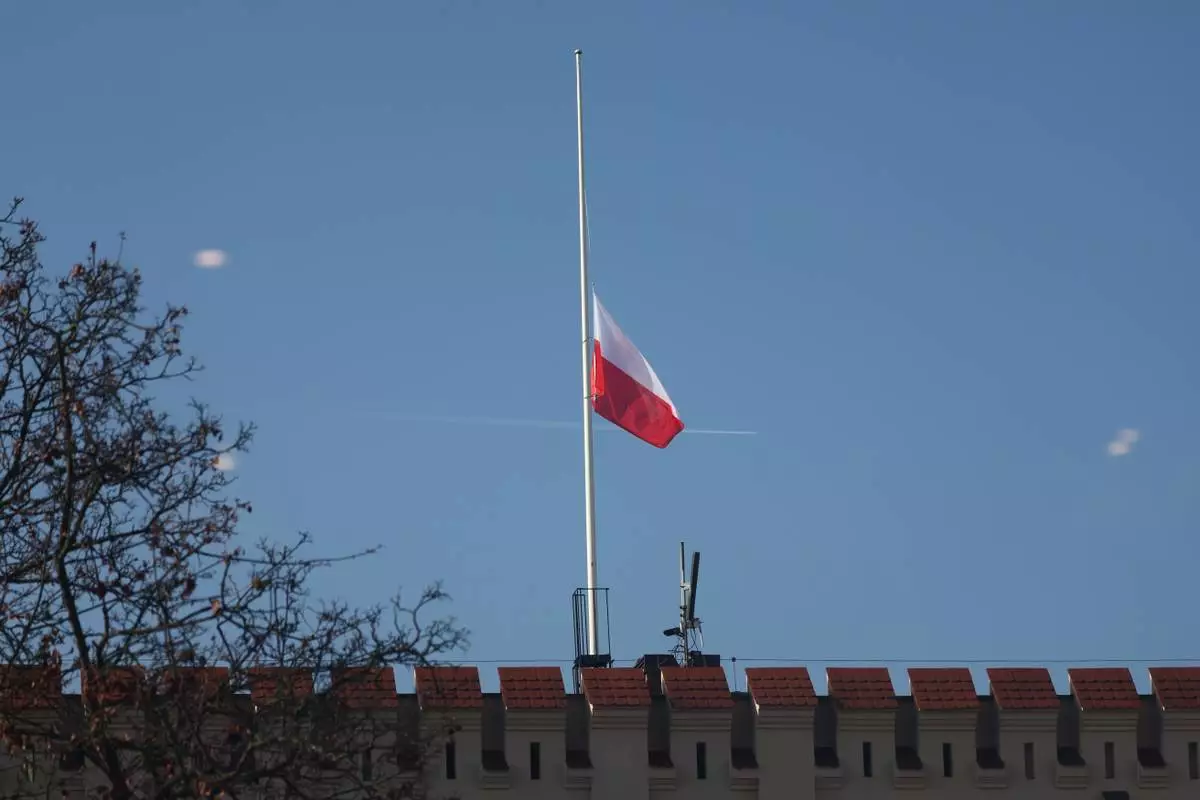
The flag of Poland flies at half-mast at the town hall in Krakow, Poland, Sunday, Nov. 8, 2026, where several people were shot the day before. (AP Photo/Beata Zawrzel)
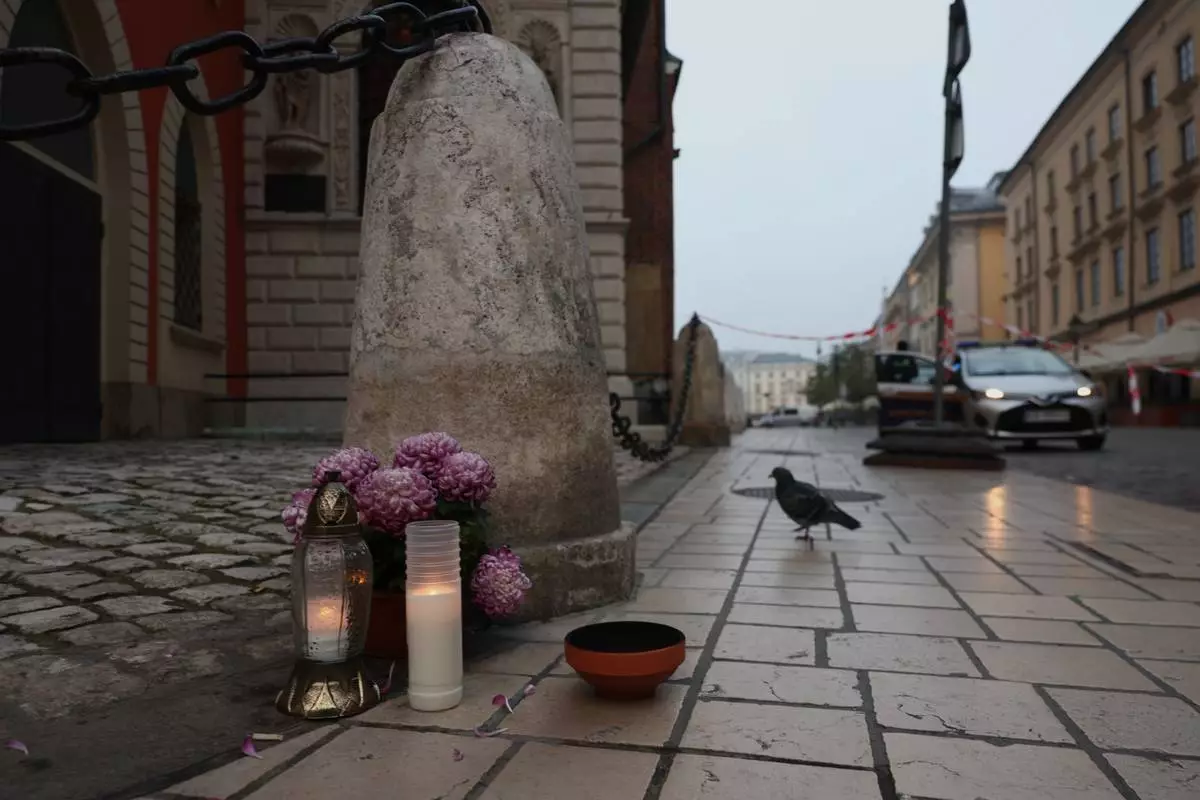
Candles stand near the market square in Krakow, Poland, Sunday, Nov. 8, 2026, where several people were shot the day before. (AP Photo/Beata Zawrzel)
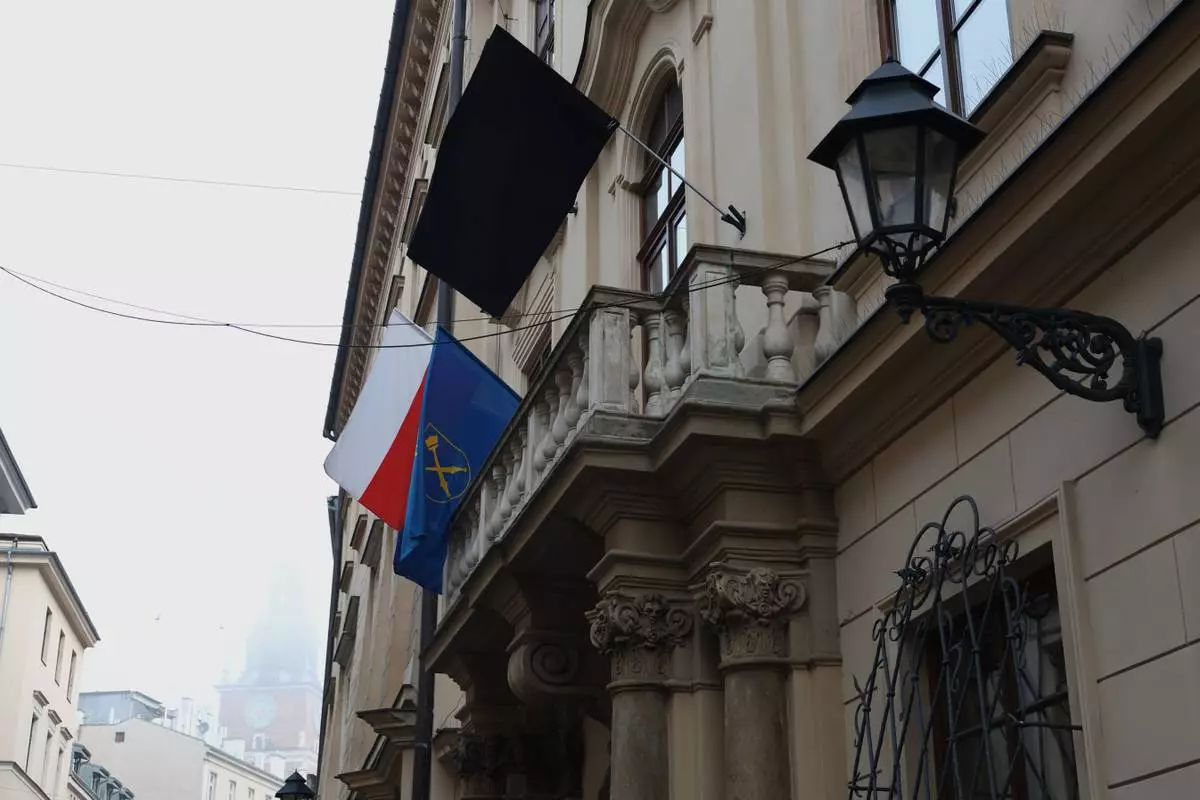
A back flag hangs at a house near the market square in Krakow, Poland, Sunday, Nov. 8, 2026, where several people were shot the day before. (AP Photo/Beata Zawrzel)
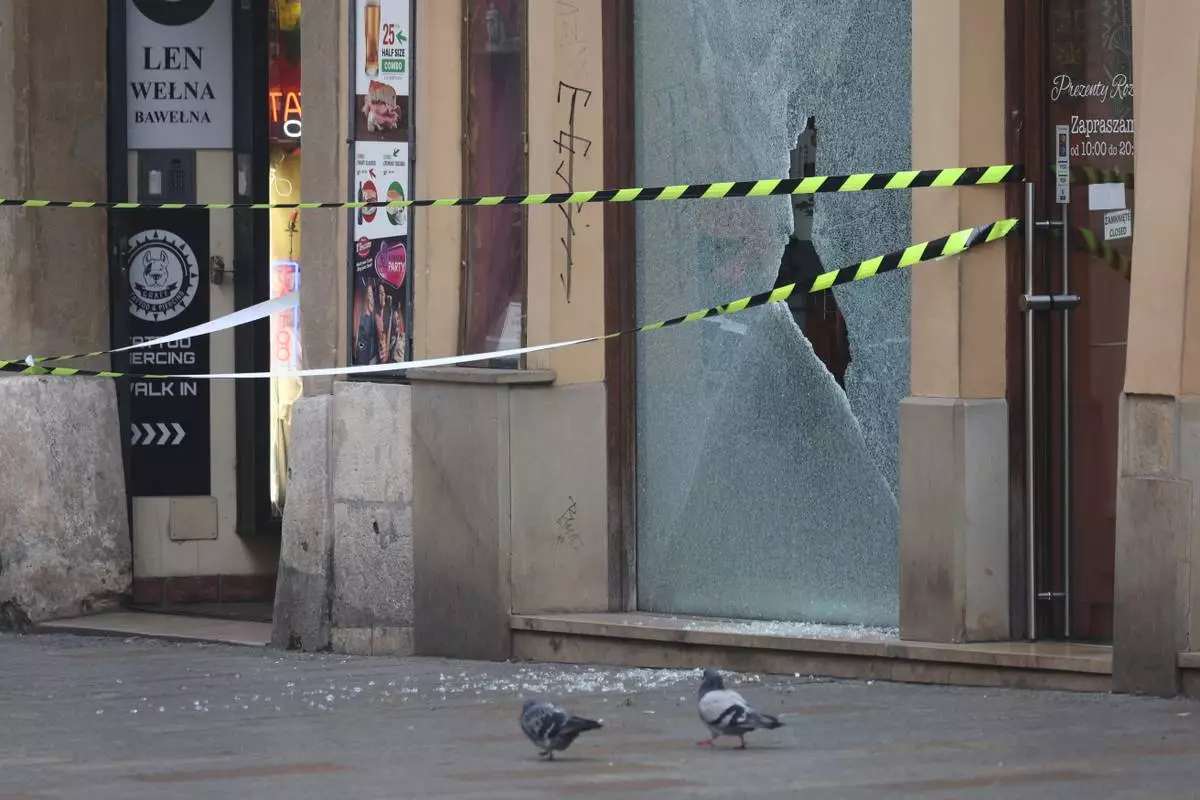
A police barrier tape is fixed at a broken storefront window near the market square in Krakow, Poland, Sunday, Nov. 8, 2026, where several people were shot the day before. (AP Photo/Beata Zawrzel)
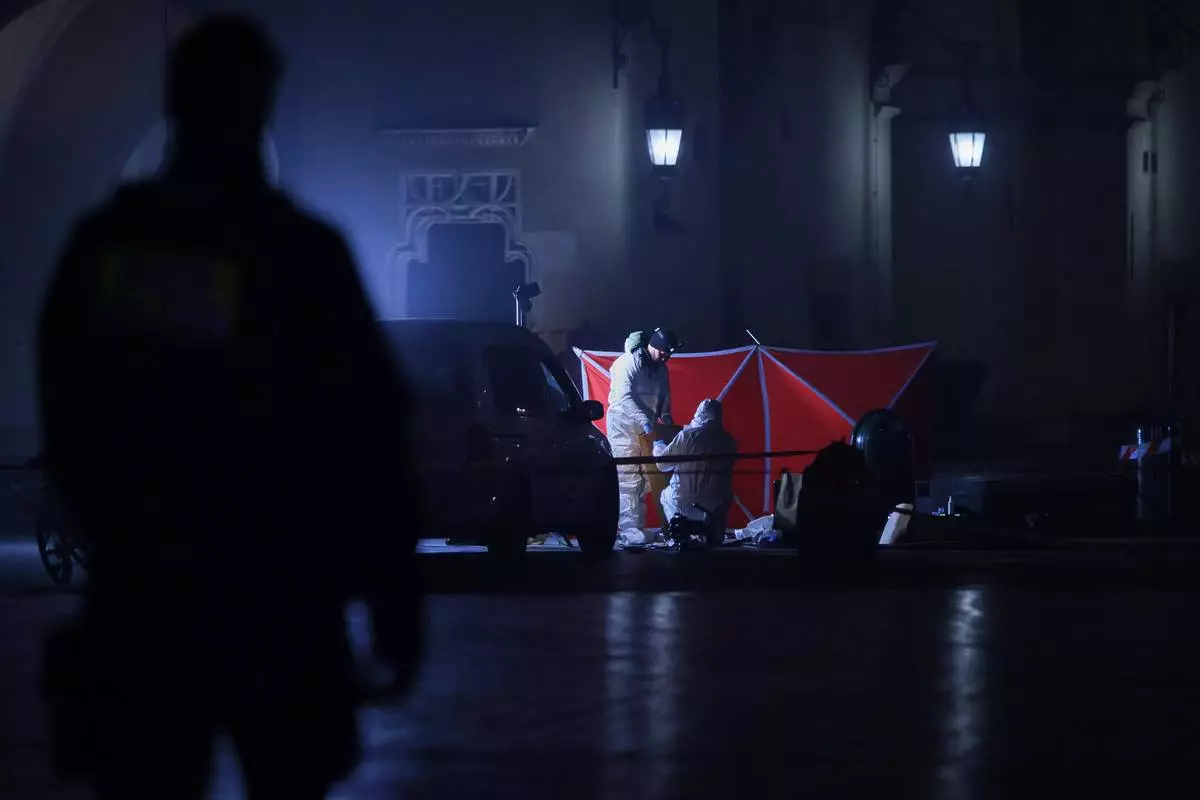
Forensic investigators work next to police privacy screens in a cordoned off area after a shooter opened fire in a market square in Krakow, Poland, Saturday, Nov. 7, 2026, leaving people dead and injured, according to authorities. (AP Photo/Beata Zawrzel)
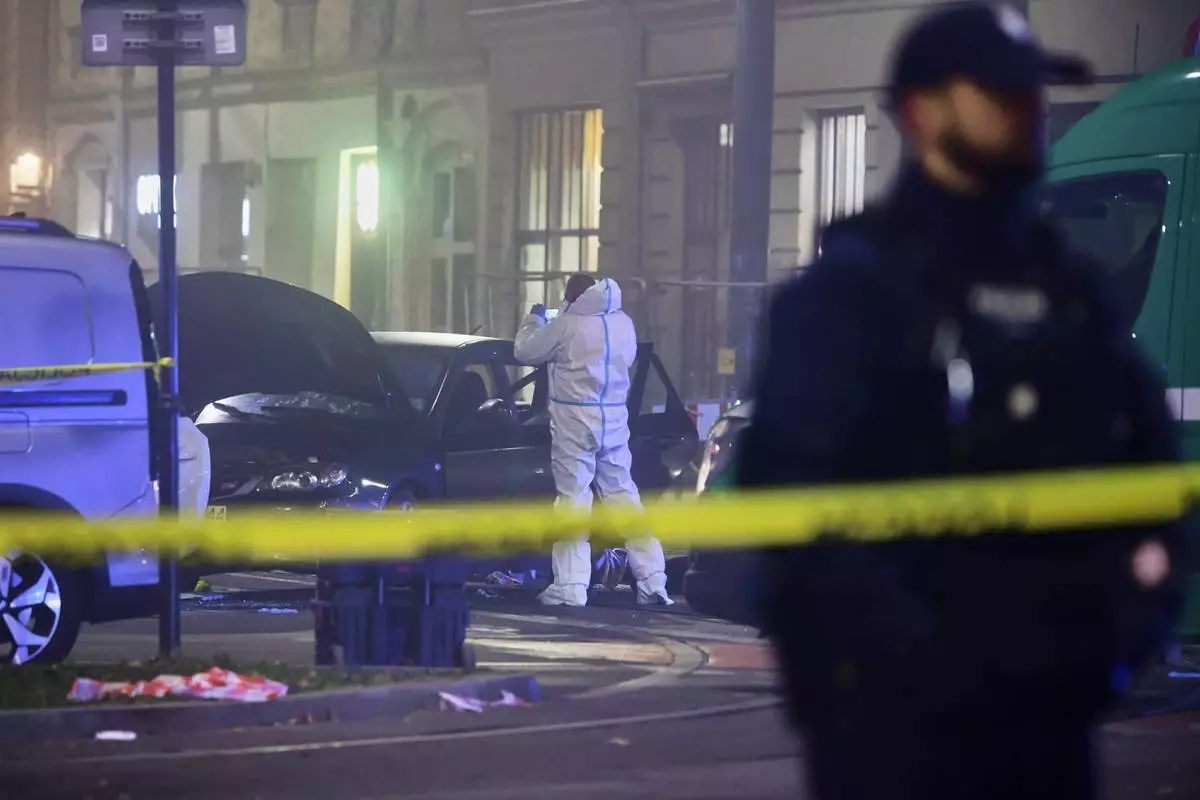
A forensic investigator takes photos next to the vehicle allegedly used by a shooter who opened fire in a market square in Krakow, Poland, Saturday, Nov. 7, 2026, leaving people dead and injured, according to authorities. (AP Photo/Beata Zawrzel)