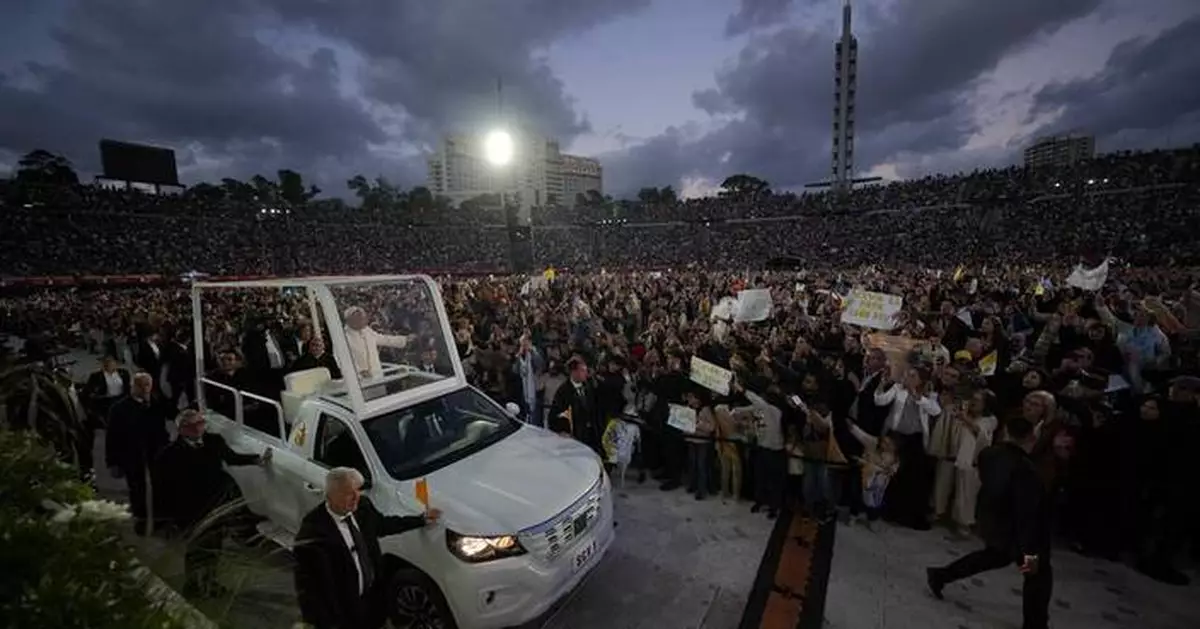
MONTEVIDEO, Uruguay (AP) — Pope Leo XIV is wrapping up his visit to Uruguay on Sunday by marking an important Catholic feast day that is tied to the country’s independence, capping his effort to draw attention to the role the church has played in Latin America’s most secular country.
Leo was traveling to the city of Florida, north of Montevideo, before heading to Argentina for the second leg of his three-nation tour of South America. It's expected to be the most politically delicate, given the Catholic Church's sharp criticisms of the austerity program of libertarian President Javier Milei.
Click to Gallery
Pope Leo XIV arrives too lead a vigil payer at Centenario Stadium in Montevideo, Uruguay, Saturday, Nov. 7, 2026. (AP Photo/Natacha Pisarenko)
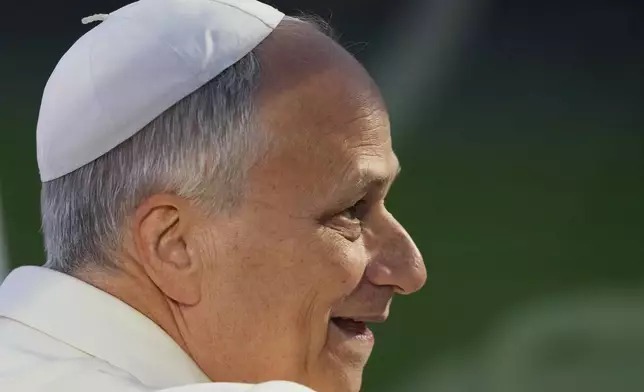
Pope Leo XIV leads a vigil prayer at Centenario Stadium in Montevideo, Uruguay, Saturday, Nov. 7, 2026. (AP Photo/Matilde Campodonico)
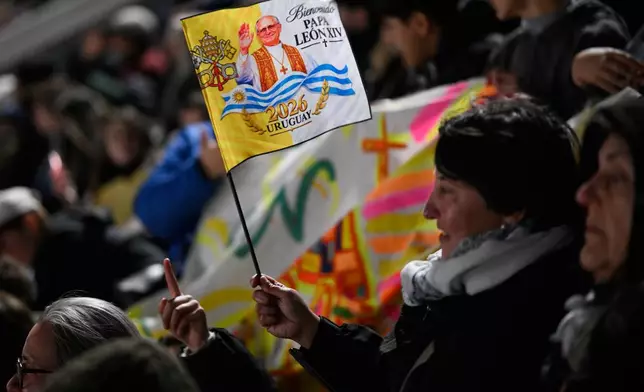
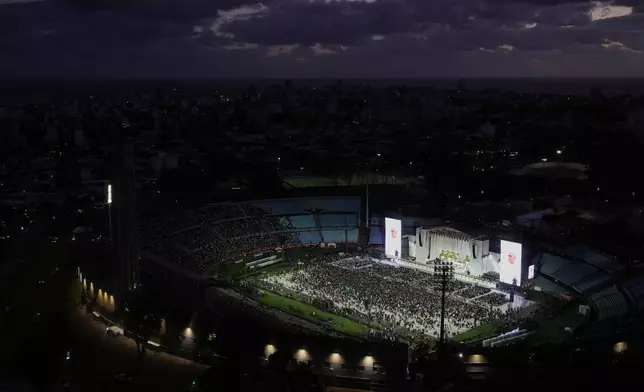
Faithful listen to Pope Leo XIV leading a prayer vigil at Centenario Stadium in Montevideo, Uruguay, Saturday, Nov. 7, 2026. (AP Photo/Santiago Mazzarovich)
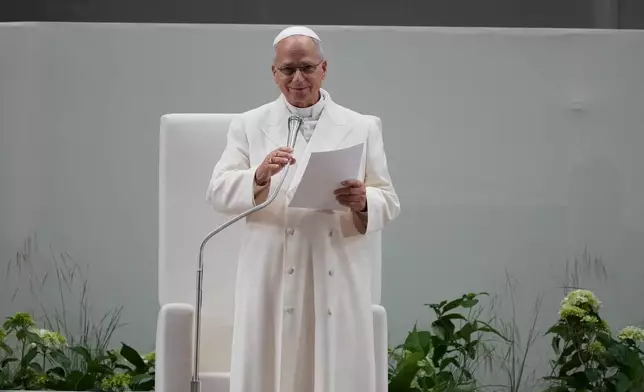
Pope Leo XIV leads a prayer vigil at Centenario Stadium in Montevideo, on the second day of his twelve-day apostolic journey to South America, Saturday, Nov. 7, 2026. (AP Photo/Andrew Medichini)
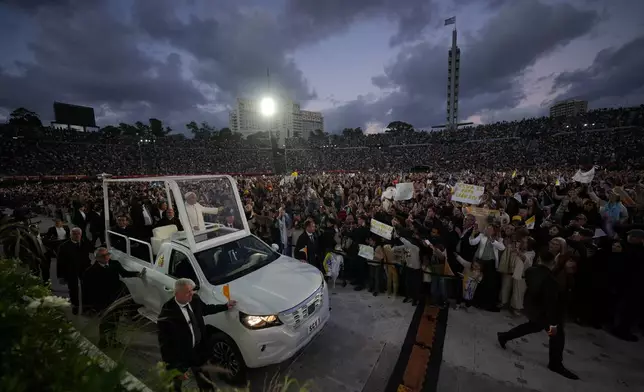
Pope Leo XIV is cheered by faithful as he arrives for a prayer vigil at Centenario Stadium in Montevideo, on the second day of his twelve-day apostolic journey to South America, Saturday, Nov. 7, 2026. (AP Photo/Andrew Medichini)
For his final event in Uruguay, Leo was commemorating the feast of the Virgin of the Thirty-three. Every year, thousands of pilgrims flock to the city to pray before the small wooden icon of the Virgin Mary.
According to tradition, 33 independence patriots acquired the Guaraní statue and had it with them when independence was declared from the Brazilian empire in Florida on Aug. 25, 1825.
Leo became the first pope in nearly four decades to visit Uruguay, in hopes of reminding its people that the Catholic Church is part of their very identity as a nation — even if in subsequent decades the country went on a deeply secular, and at times anticlerical, route.
Leo was hoping to leave a final parting message before opening the second leg of his South American trip, which he went ahead with despite having undergone surgery Oct. 13 to remove a cancerous tumor from his lung. The final stop is in Peru, his second homeland.
Leo, 71, has appeared in fine form at his events, singing loudly, bounding up stairs and gamely greeting the crowds in his popemobile. He has not cut any events short, including those that have kept him out until past midnight Rome time.
“This visit will also serve to reinforce the image of Leo as a leader, not merely in a spiritual sense, but in a much broader capacity as a political leader and a widely recognized figure who, far from shying away from conflict or tension, offers a powerful perspective and commands a highly respected voice,” said Luis Bahamondes, a professor at the Center for Judaic Studies at the University of Chile.
Milei is due to meet Leo at the Buenos Aires airport and then the two will appear together for the traditional welcome ceremony and exchange of speeches. The encounter could be tense, given Milei’s austerity measures that have slashed social spending, and his embrace of artificial intelligence.
Milei’s sweeping spending cuts have greatly strained relations with Argentine church leaders, who have criticized his government for putting economic orthodoxy ahead of the needs of the poor.
Since taking office in December 2023, for example, Milei has slashed Argentina’s health care budget by 48% in real terms. Planned cuts to the public university system, which represents a near-universal point of pride in the crisis-prone country, sent students into the streets.
Much like its allies in the Trump administration, Milei's government has portrayed the cuts as part of a necessary reform process to remake Argentina’s troubled economy and eliminate fraud and waste in the federal bureaucracy.
According to official data, poverty in Argentina reached 32.3% of the population during the first half of 2026, representing about 15 million people.
Milei has also courted AI investment and data centers with promises of limited regulation. Leo has warned about the threats to humanity and the environment of the AI race and called for strict, internationally policed safeguards on its development.
In Argentina, Leo is very much completing unfinished business left by his predecessor, Pope Francis. The Argentine Jesuit, the former archbishop of Buenos Aires, never returned home during his 12-year pontificate, confounding friends and foes alike.
“There’s a lot of disagreement over Francis and his legacy in Argentina,” said David Lantigua, a theology professor and faculty fellow at the University of Notre Dame’s Kellogg Institute, which focuses especially on Latin American affairs.
Much of the polemics stems from his tenure in Buenos Aires, when the former Cardinal Jorge Mario Bergoglio was a sometimes divisive partisan figure in a politically polarized country. Bergoglio was a slum priest, who advocated for the poorest and most marginalized — the sector of Argentines who have been feeling Milei’s social spending cuts the most.
“I think we’ll see that kind of tension with Leo — that’s the ministry Francis left behind,” Lantigua said.
Leo, who spent two decades as a missionary priest in Peru ministering to poor people, is very much a pastor in Francis' image and owes his pontificate to the late pope.
Associated Press religion coverage receives support through the AP’s collaboration with The Conversation US, with funding from Lilly Endowment Inc. The AP is solely responsible for this content.
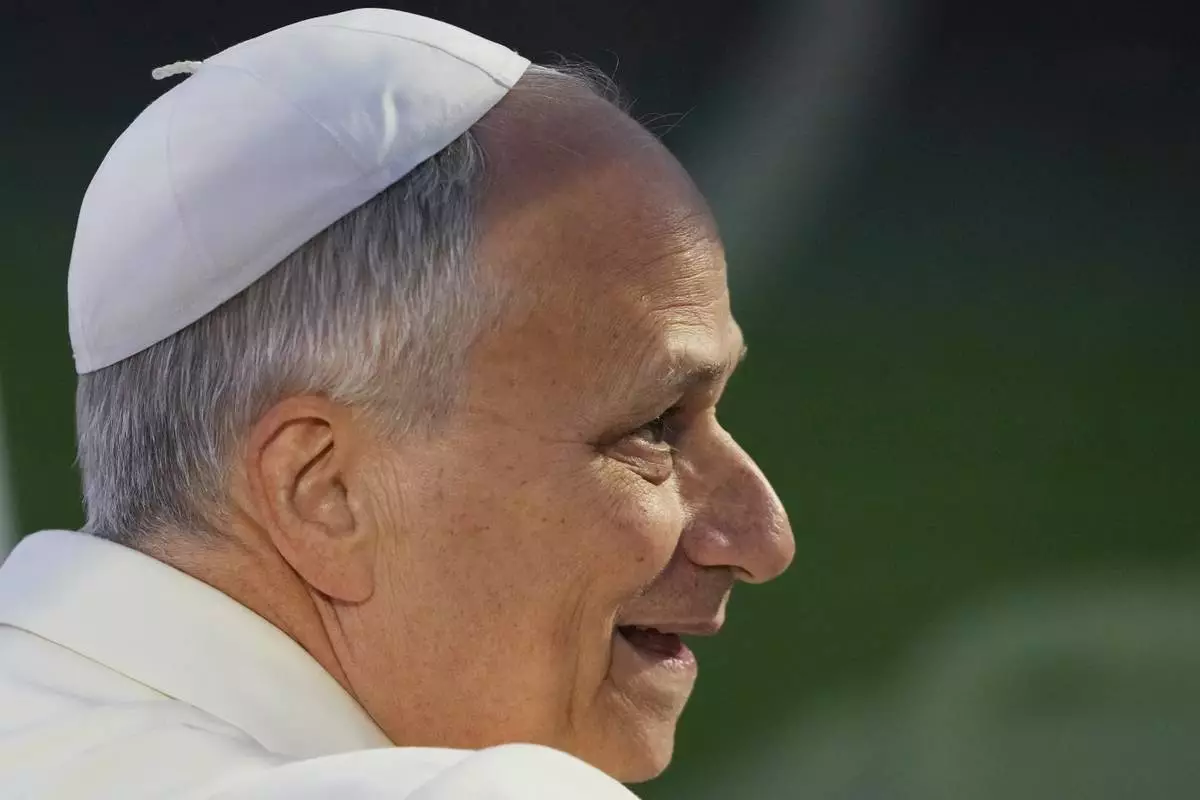
Pope Leo XIV arrives too lead a vigil payer at Centenario Stadium in Montevideo, Uruguay, Saturday, Nov. 7, 2026. (AP Photo/Natacha Pisarenko)
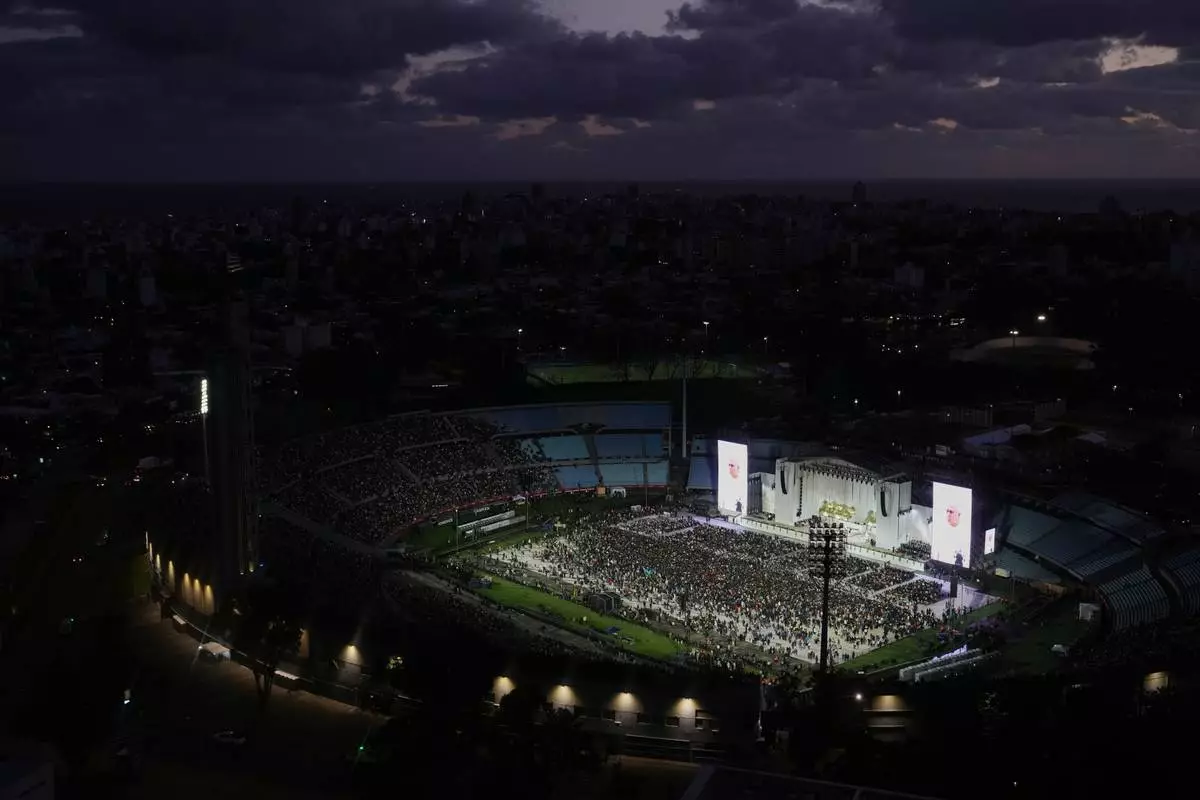
Pope Leo XIV leads a vigil prayer at Centenario Stadium in Montevideo, Uruguay, Saturday, Nov. 7, 2026. (AP Photo/Matilde Campodonico)
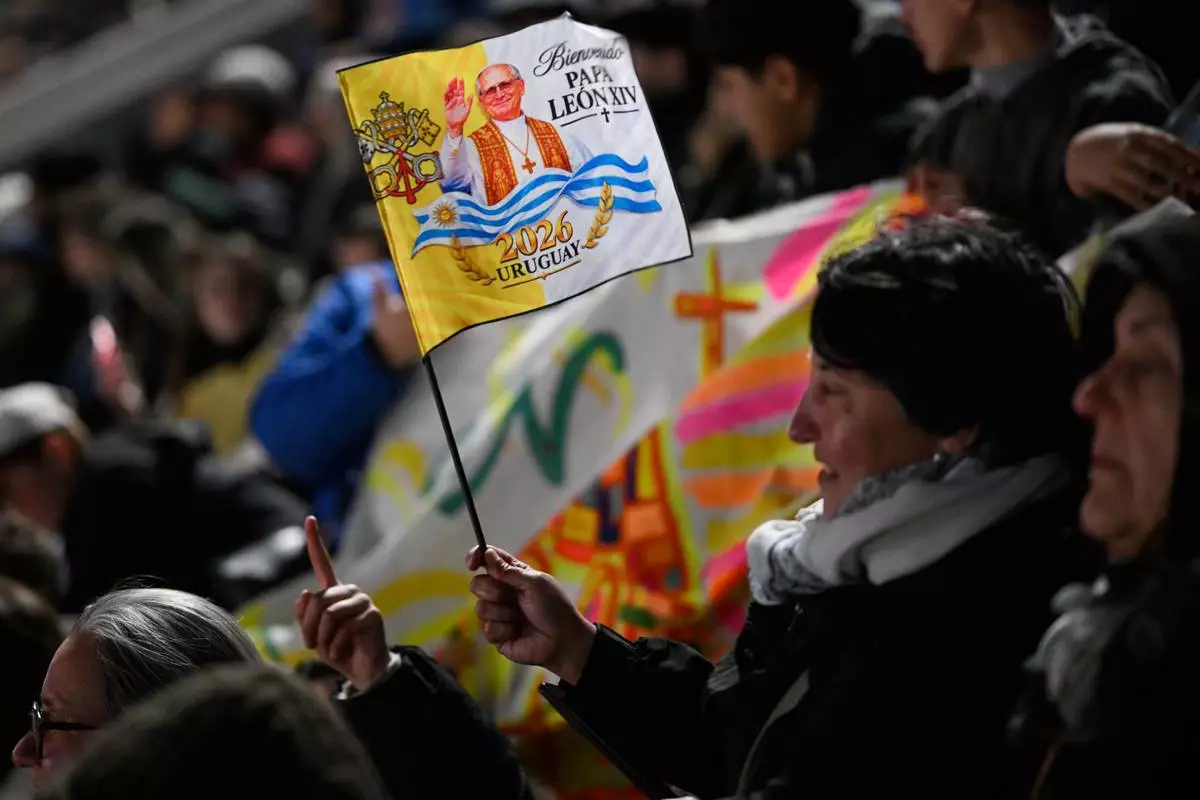
Faithful listen to Pope Leo XIV leading a prayer vigil at Centenario Stadium in Montevideo, Uruguay, Saturday, Nov. 7, 2026. (AP Photo/Santiago Mazzarovich)
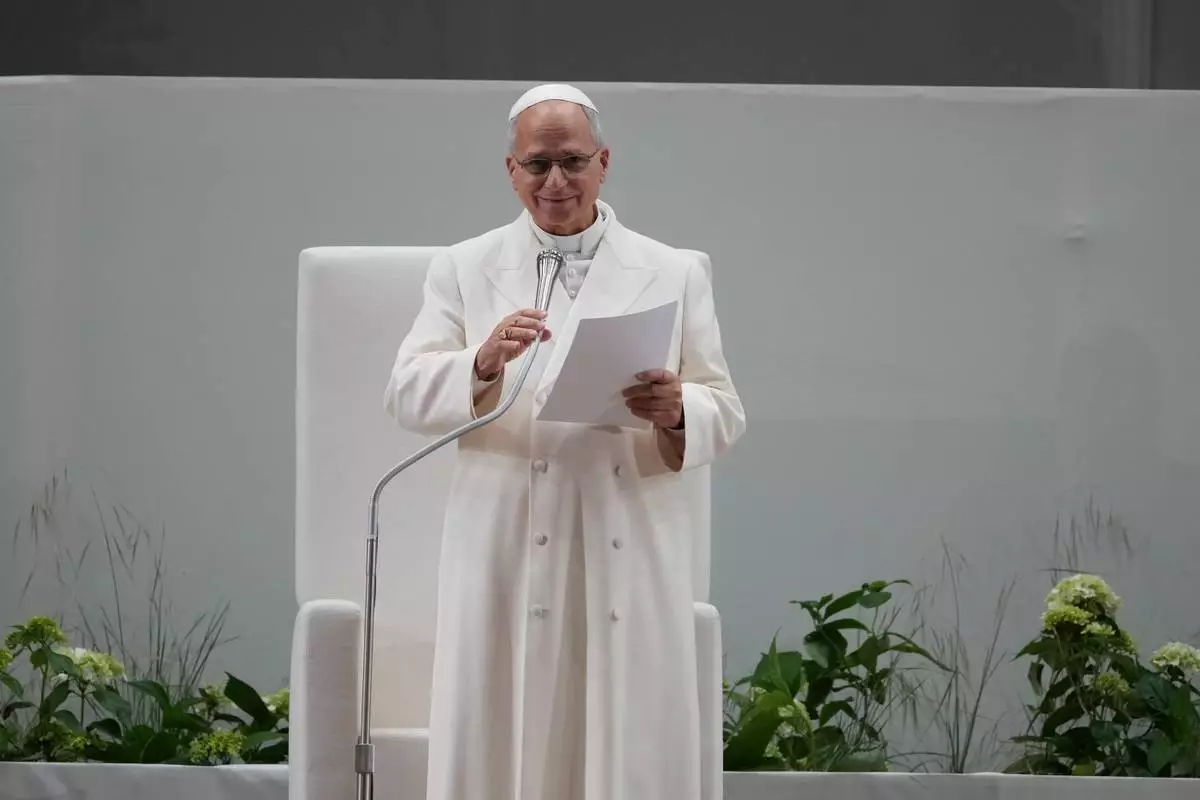
Pope Leo XIV leads a prayer vigil at Centenario Stadium in Montevideo, on the second day of his twelve-day apostolic journey to South America, Saturday, Nov. 7, 2026. (AP Photo/Andrew Medichini)
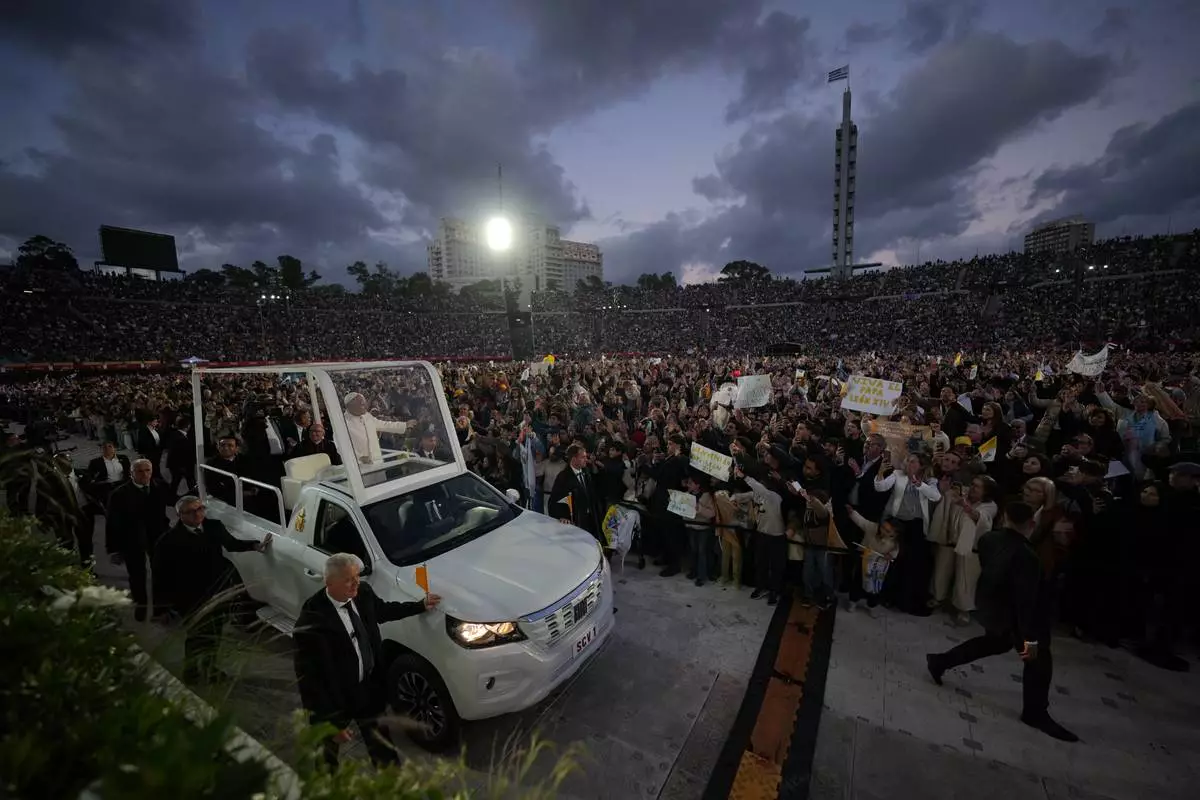
Pope Leo XIV is cheered by faithful as he arrives for a prayer vigil at Centenario Stadium in Montevideo, on the second day of his twelve-day apostolic journey to South America, Saturday, Nov. 7, 2026. (AP Photo/Andrew Medichini)