The 13th Beijing Xiangshan Forum opened Tuesday in the Chinese capital, with delegates and experts sharing their priority concerns on security and stability, ranging from China-U.S. relations to China's role in global security governance.
Delegations, including experts and scholars from about 100 countries and international organizations have gathered in Beijing for the forum, which will run until Thursday.
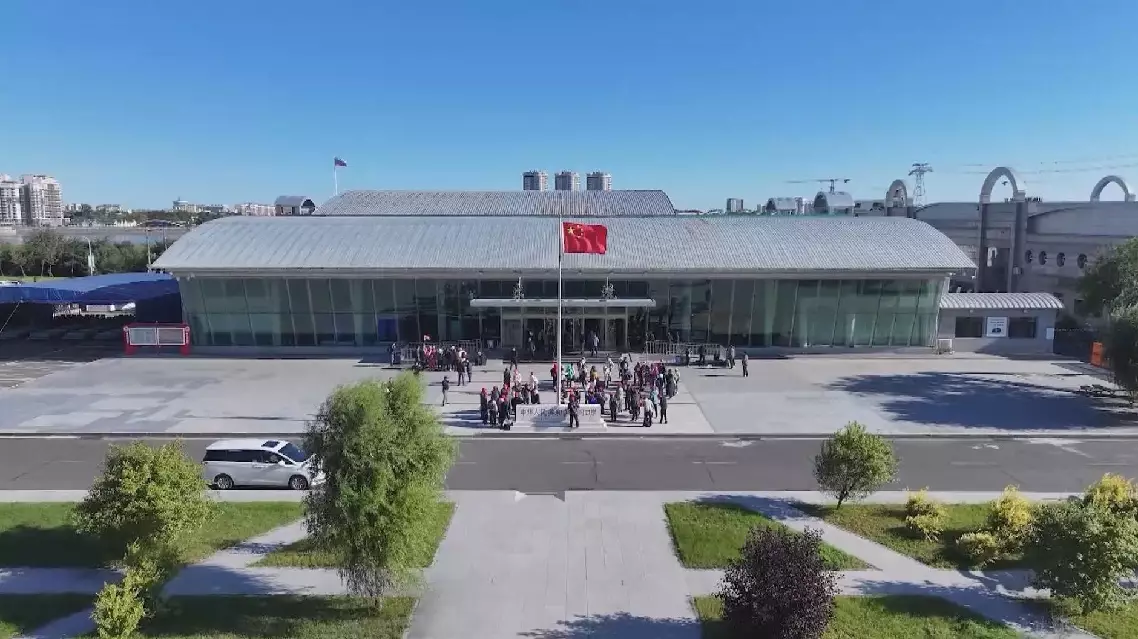
At one of the official delegation residences for the forum, participants were seen signing in on Monday afternoon. In separate interviews with China Media Group (CMG) on the sidelines of the event, they shared issues they would focus on during the forum.
"I have talked with others about how China-U.S. relations are going," said Michael D. Swaine, senior research fellow with the Quincy Institute for Responsible Statecraft's East Asia Program.
"The most interesting question is the developments of China's strategic posture. Of course, because the world is so volatile, so unstable, China remains one of the anchors of stability in the world, and it's important to keep an eye on how China positions itself in this environment," said Andrey Kortunov, academic director of the Russian International Affairs Council, also former director general of the council.
"I think governance is the most important. Without governance, there will not be a multipolar world. I think China can help a lot. I think China is currently the 'engine' of world peace. No other country can do this," said Jean Christophe Iseux von Pfetten, chairman of the Royal Institute for East-West Strategic Studies in Britain.
This year's forum, themed "Build Consensus on Stability, Advance Security Governance Together," features four plenary sessions and eight parallel sessions.
Spanning traditional and non-traditional security, global governance, regional flashpoints, military technology and international law, the forum's agenda aims to address pressing real-world concerns.
"I hope the outcomes of this forum will make greater contributions to promoting regional security and stability and safeguarding world peace and development," said Li Fei, director of the office of the Chinese Military Science Association.
High-end interview sessions were held on Tuesday morning, with senior Chinese and foreign experts and scholars exchanging views around the two key topics of "stability" and "governance."
Dialogues between Chinese and foreign experts, and a seminar for young military officers and scholars will be held later Tuesday.
This year's forum marks the 20th anniversary of the Beijing Xiangshan Forum, which was launched in 2006 as a "track-two" think-tank exchange.
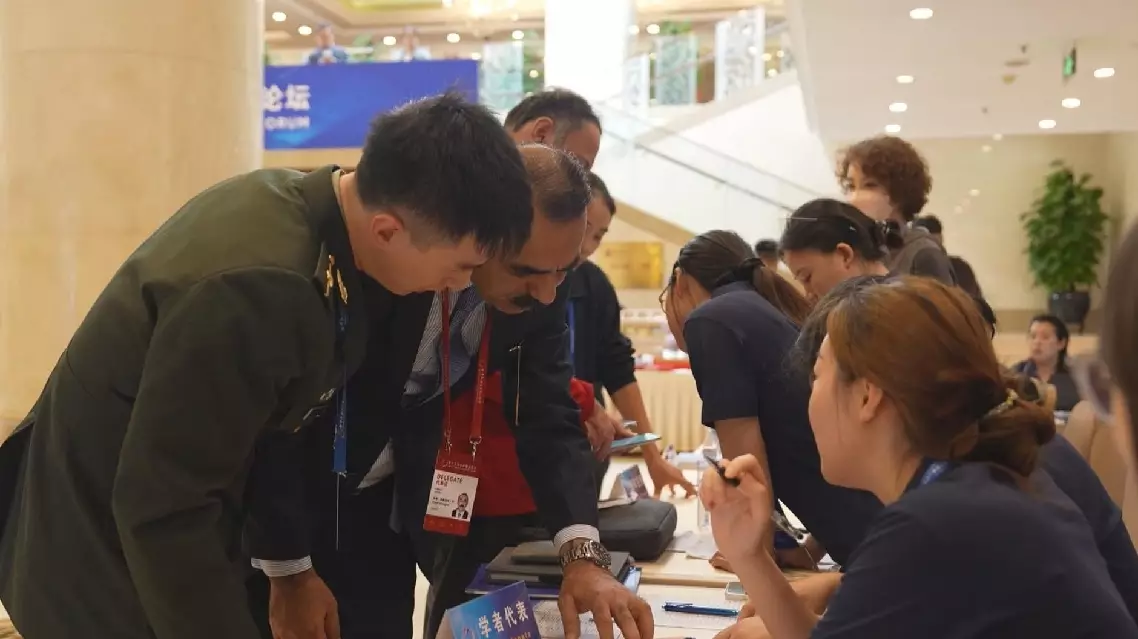
Beijing Xiangshan Forum opens as delegates share priority security concerns