A U.S. government watchdog on Monday released its first report on the impact of the Iran war, detailing shortfalls in advanced weapons and damage to U.S. aircraft, military bases and diplomatic facilities in the Middle East.
The Pentagon inspector general's report, covering the period from April 1 to June 30, offered the fullest official accounting so far of the conflict's costs in American lives, taxpayer dollars and physical damage.
The war with Iran "has resulted in strategic inventory shortfalls and revealed industrial base bottlenecks for munitions resupply" of advanced weapons, said the report.
The report said Iranian strikes damaged or destroyed hundreds of buildings and other structures at U.S. bases in Kuwait, Bahrain, Qatar, the United Arab Emirates (UAE), Saudi Arabia, Iraq, Oman and Jordan. Dozens of U.S. aircraft and drones were also damaged or destroyed.
The report also provided previously undisclosed figures on damage to U.S. diplomatic facilities.
U.S. diplomatic posts in Iraq, Kuwait, Saudi Arabia and the UAE suffered the most extensive physical damage, with the estimated cost reaching 184 million U.S. dollars, according to the report.
The U.S. naval base in Bahrain, a Navy logistics hub in the region, was targeted byIranian drones and missiles. The U.S. Central Command (CENTCOM) stated that it shifted naval sustainment resources from Bahrain to alternate hubs further away, which lead to 14-to-18 day logistics cycles for military support in the Middle East region.
The report stated that dozens of U.S. military aircraft and drones were also damaged or destroyed, including 30 MQ-9 drones, seven KC-135 refueling aircraft, one F-35A, and four F-15E fighter jets.
As of June 29, the cost of the U.S. operation in the Middle East is estimated to be 33.4 billion U.S. dollars, excluding infrastructure repair costs, the report said.
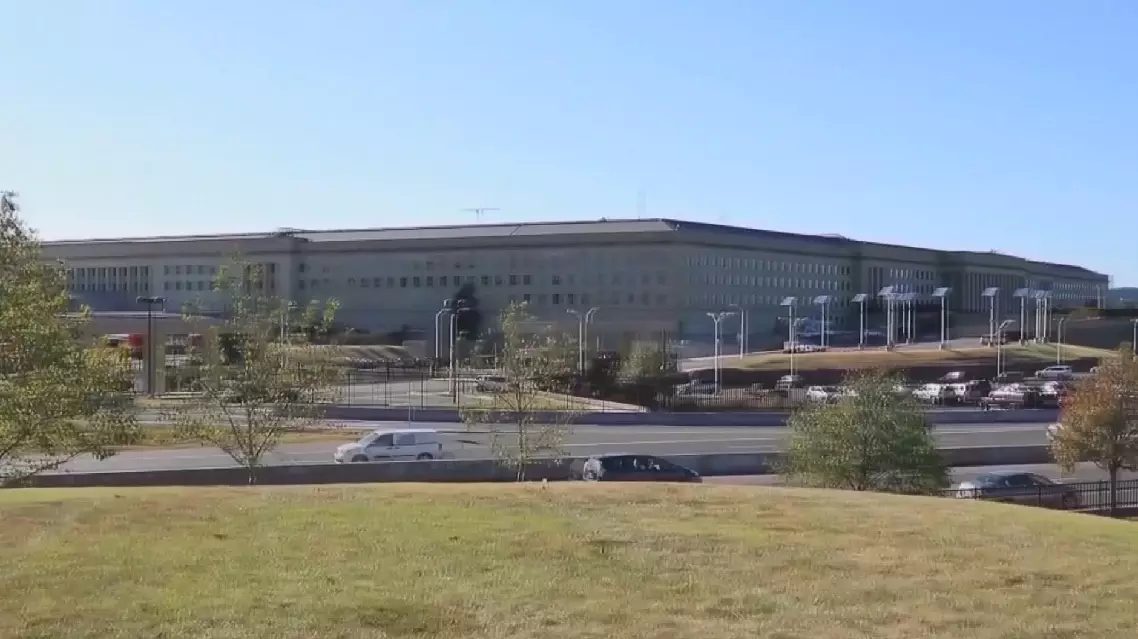
U.S. watchdog reports weapons shortfalls, damage from Iran war