China's national carbon market has traded close to one billion tons of carbon emission allowances in the first eight months this year, according to a report released at the 2026 China Carbon Market Conference in Wuhan, central China's Hubei Province.
The National Carbon Market Development Report (2026), published by the Ministry of Ecology and Environment, showed that from January to August this year, trading volume rose 46.53 percent year on year, while turnover climbed 67.64 percent.
As of the end of August, cumulative trading volume stood at nearly one billion tons, with turnover exceeding 60 billion yuan.
"Over the past five years, the thermal power sector alone has cut 530 million tons of carbon emissions through the carbon market. It has also reduced conventional pollutants such as sulfur dioxide and nitrogen oxides, a win-win for cutting both carbon consumption and pollution. Emitting carbon now is costly, while reducing carbon brings returns. The carbon price is increasingly acting as a baton," said Yan Gang, director of South China Institute of Environmental Sciences of the Ministry of Ecology and Environment.
Launched in July 2021, China's national carbon emission trading market has since been joined by a national greenhouse gas voluntary emission reduction market, which began operating in January 2024. The two together make up China's carbon market system.
Over the five years, coverage has expanded from the power generation sector to steel, cement and aluminum smelting.
A total of 3,680 key emitting entities across four industries are now included, covering about 8.3 billion tons of carbon dioxide emission, or more than 65 percent of the country's total emissions.
The greenhouse gas voluntary emission reduction market has registered 43 projects and issued more than 24 million tons of certified emission reductions, forming an effective carbon market system combining mandatory constraints with market incentives.
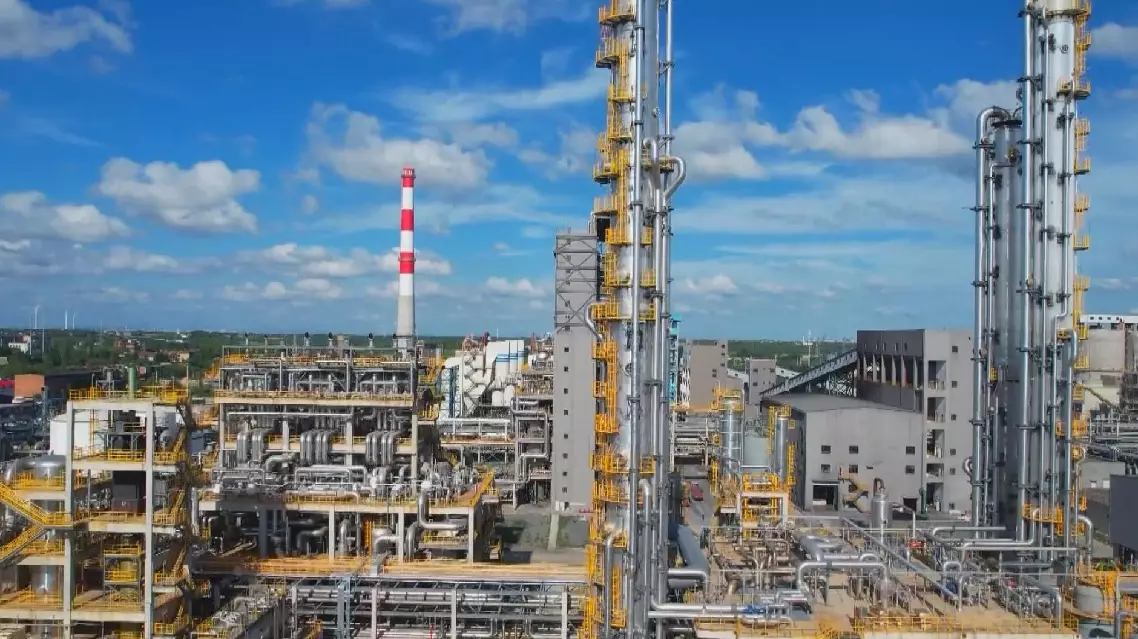
China records nearly 1 bn tons of carbon transaction
China has continued to push forward the rural construction initiative this year, bringing steady improvements to rural production and day to day living conditions.
So far, the total mileage of rural roads across the country has reached 4.7 million kilometers.
In Songhui Village, Zanhuang County of north China's Hebei Province, local authorities have invested over 40 million yuan (about 5.96 million U.S. dollars) this year to upgrade 287,000 square meters of roads and install streetlights. A new road is currently under construction in the village.
"Once completed, the road will connect three nearby townships and 16 administrative villages, fundamentally improving travel for local farmers, the transport of agricultural produce, and the development of tourism," said Hao Longhai, a local construction official.
Villages in China have also focused on the needs of local specialty industries, targeting shortcomings in production-related infrastructure.
In Taihu County of east China's Anhui Province, where cattle farming is a major driver of villagers' incomes, local authorities have coordinated roughly 30 million yuan in rural development funds this year to advance a provincial-level breed conservation center and an organic fertilizer processing plant.
"Conditions have been improved significantly. What matters most is that my cattle pen can now connect to the province-wide remote monitoring system for livestock and poultry genetic resources, enabling work such as breed conservation, breeding, scientific research and disease prevention to be managed through an online platform," said Zhu Yong, head of a local breed conservation center.
Infrastructure for day to day living is also a key priority in rural development efforts this year.
As of the end of August, over 130 billion yuan in project funding had been secured for rural construction, and steady improvements have been made to village roads, water supply and drainage systems, sanitary toilet upgrades, household waste and sewage treatment and elderly care facilities.
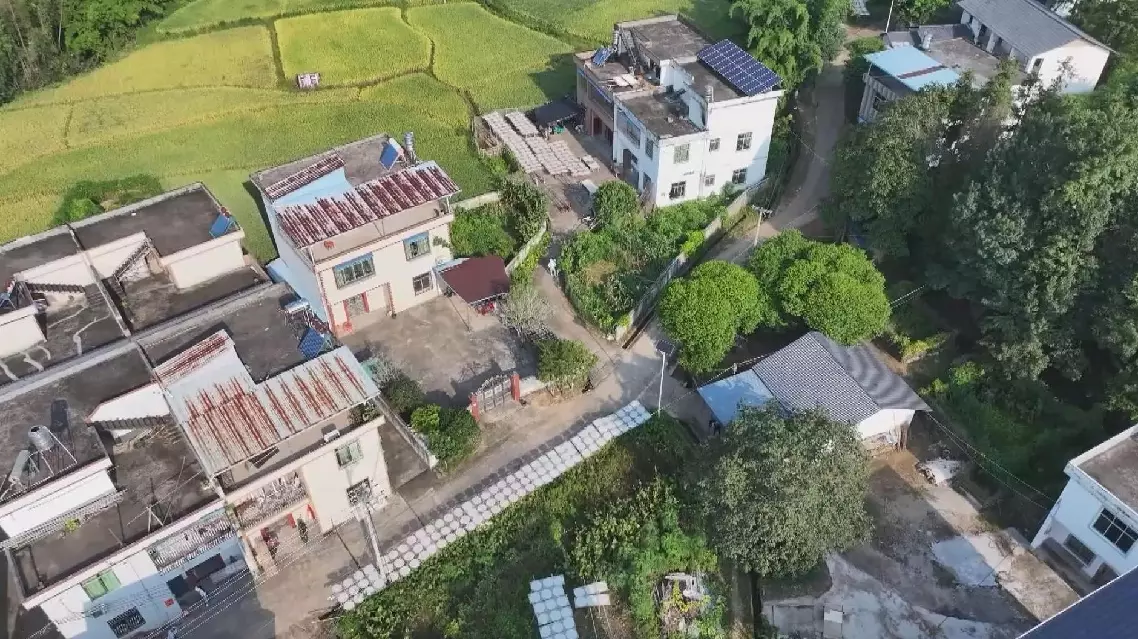
Living, production conditions in China's rural areas continuously improved