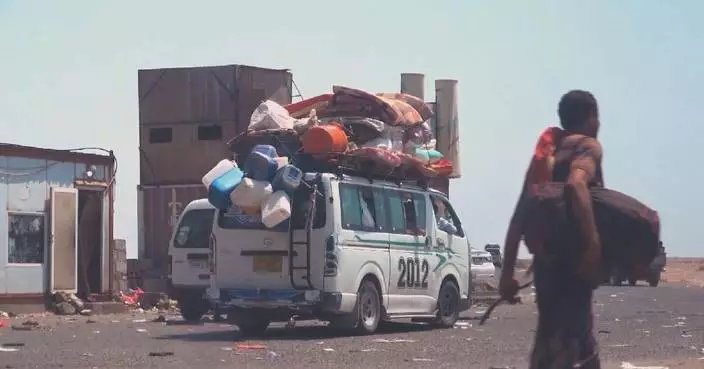
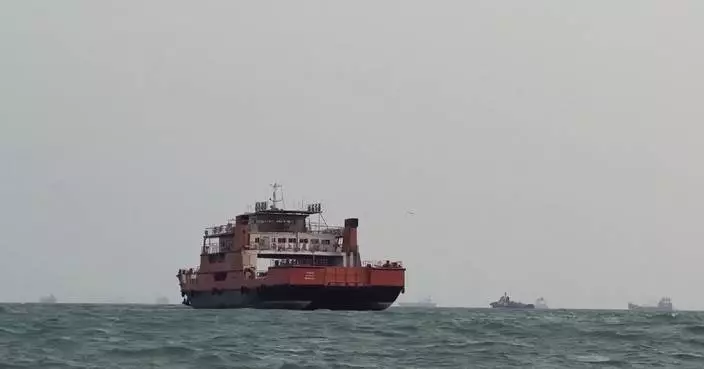
The shipping disruptions through the Strait of Hormuz will lead to reduced global food production and supplies in the second half of 2026 and in 2027, an official with the United Nations Food and Agriculture Organization (FAO) has warned.
Oleg Kobiakov, head of the FAO Liaison Office in Russia, said in an interview released on Tuesday that the consequences of the blockade are affecting not only current price levels but will also be felt in the harvest of the next agricultural seasons.
According to the FAO, the chain shocks caused by the crisis of Hormuz Strait could drive up food prices and exacerbate hunger in countries and regions already suffering from protracted or acute food crises.
Kobiakov noted that agricultural work must strictly follow the crop planting cycle. Even a delay of a few weeks in fertilizer supply could cause farmers to miss the optimal fertilization window, forcing them to reduce or completely abandon the use of fertilizers and ultimately leading to lower yields.
The Strait of Hormuz is not only a key route for oil and gas transport but also an important channel for urea and other fertilizer products produced in the region to enter the global market.
Shipping through the Strait of Hormuz has been disrupted since the United States and Israel launched strikes against Iran on Feb 28, which deals a blow to fertilizer supply chains in multiple countries and regions.
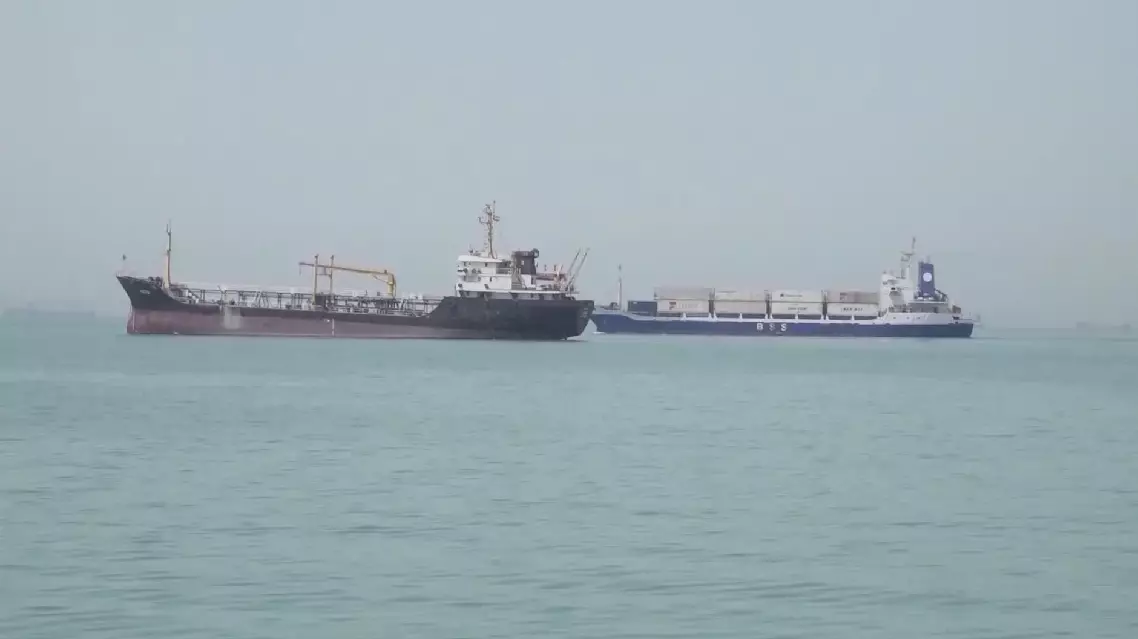
Shipping disruptions of Hormuz Strait to hit future global food production: FAO
China's first major river-to-sea canal officially opened to navigation on Wednesday, a development that will lower logistics costs for Taiwan-funded enterprises and create new opportunities for them to tap the ASEAN market, a mainland spokeswoman said at a regular press conference in Beijing.
The 134.2-km Pinglu Canal in south China's Guangxi Zhuang Autonomous Region is expected to shorten the shipping distance between China's southwestern hinterland and ASEAN countries by 560 km, reducing logistics costs by 18 to 30 percent.
The canal is part of the New International Land-Sea Trade Corridor, a logistics network linking western China with Southeast Asia through railways, roads, waterways and ports. It adds a water connection to the corridor, linking China's inland river system with the ports and shipping routes of the Beibu Gulf.
"It is widely agreed among businesspeople from Taiwan that the Pinglu Canal will facilitate Taiwan-funded enterprises in connecting with resources in western mainland cities, effectively reduce import and export logistics costs through rail-river-sea multimodal transport, and create new opportunities for Taiwan-funded enterprises to explore the ASEAN market after an industrial chain is created, spanning raw material processing in the west, river-to-sea transshipment in Guangxi, and sales in ASEAN markets. We welcome the vast number of businesspeople and enterprises from Taiwan to share in the opportunities of the New International Land-Sea Trade Corridor in the west, take root in the mainland, and achieve a greater development," said Zhu Fenglian, a spokeswoman for the State Council Taiwan Affairs Office, on Wednesday.
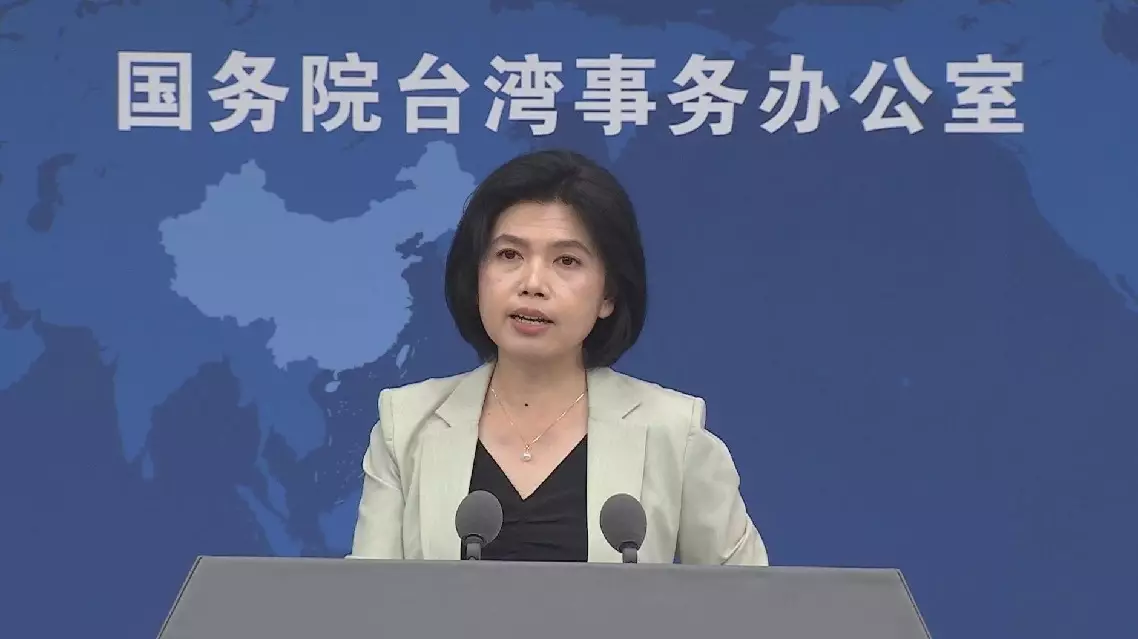
Pinglu Canal creates new opportunities for Taiwan-funded enterprises: spokeswoman