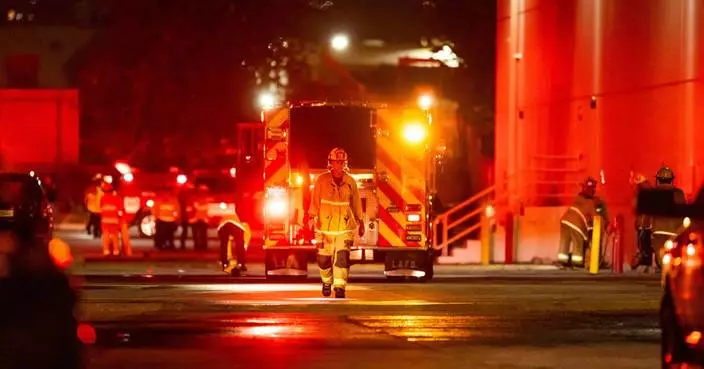
BRUSSELS (AP) — A scorching summer that dried up rivers and killed tens of thousands across the European Union from Portugal to Hungary has shown that the bloc needs to develop new tools to meet a worsening climate, European Commission President Ursula von der Leyen said Wednesday.
She said that this instability led her to propose a new European Heatwave Plan as well as a future European firefighting fleet of airplanes. Currently, the EU operates a small fleet itself but coordinates a network of aircraft, water trucks and volunteers that move across the 27-nation bloc as fires ignite.
“This summer was the summer of truth. Almost no part of our continent was spared,” said the EU executive during her annual State of the European Union address in Strasbourg.
“Key rivers like the Danube, the Rhine or La Garonne are disappearing before our eyes. More than 35,000 additional deaths during the heat waves. Care homes and hospitals dangerously overheated.”
The extreme heat, which hit Europe exceptionally hard and early this year appears to have led to a much higher spike in deaths than expected. Where Von der Leyen's figure of 35,000 comes from is unclear, but it is triple the estimates of “excessive deaths” by monitoring groups in July.
Fires in France and Spain drove hundreds of thousands of people to flee their homes, shut down nuclear reactors in Hungary and France, ignited century-old munitions on Belgium's border with Germany and revealed previously lost ships sunk on riverbeds like a tugboat in Serbia.
The heat and humidity that broke many records during the summer would not have been possible without climate change, according to a study by the World Weather Attribution group.
“All of this is a mere preview. These were the hottest summer months ever, but probably the coolest of the years to come,” von der Leyen said. “Science is clear: Europe is warming at double the global rate.”
While commending those who battled blazes this summer, von der Leyen said that she's asked emergency responders and senior firefighters to “think bigger and learn faster” to design “new capabilities” for the EU to tackle climate instability.
When she praised a Danish helicopter pilot named Rune Kyndal, who died in August while fighting fires in Greece, the assembly erupted in applause.
“Rune gave his life to save others and today, all of Europe owes him,” von der Leyen said.
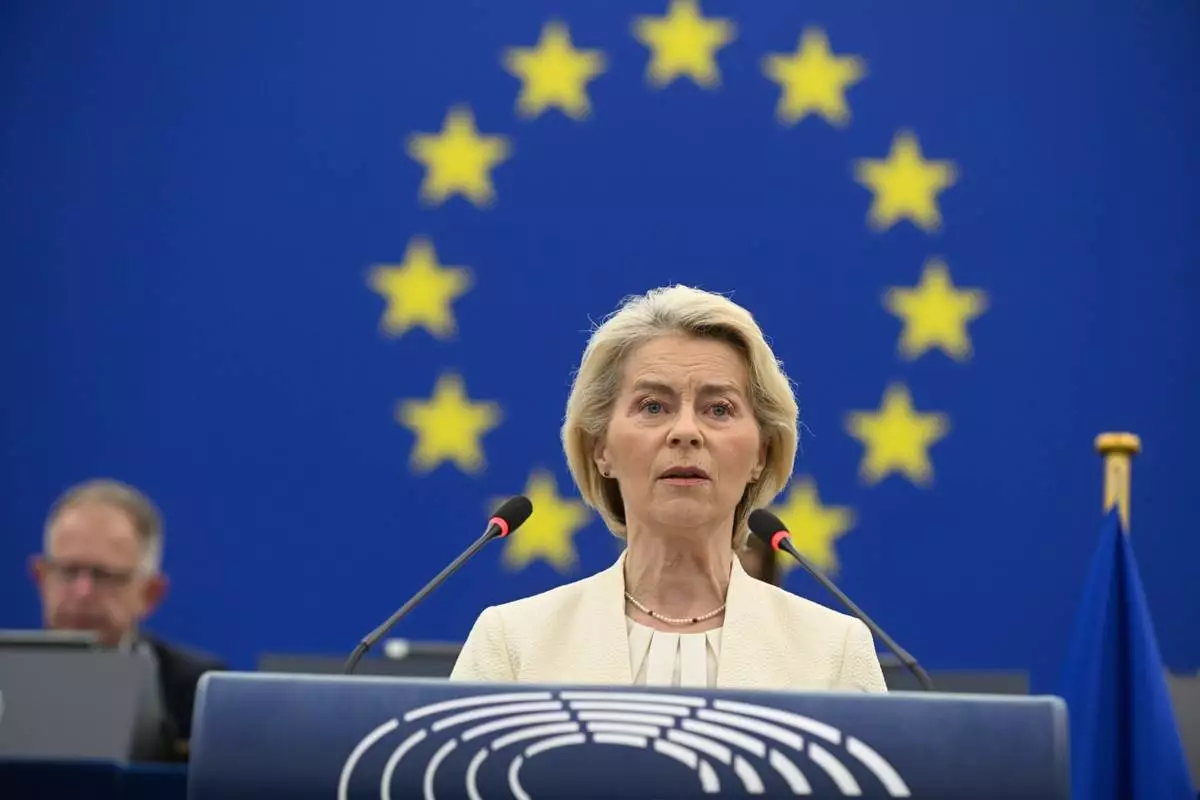
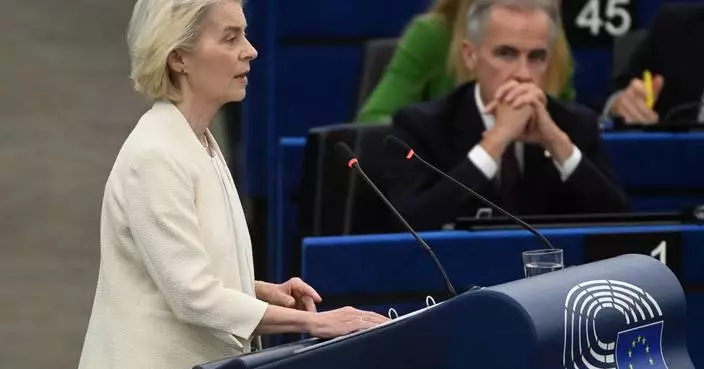
European Commission President Ursula von der Leyen delivers a speech at the annual State of the European Union at the European Parliament in Strasbourg, eastern France, Wednesday, Sept 16, 2026. (AP Photo/Pascal Bastien)
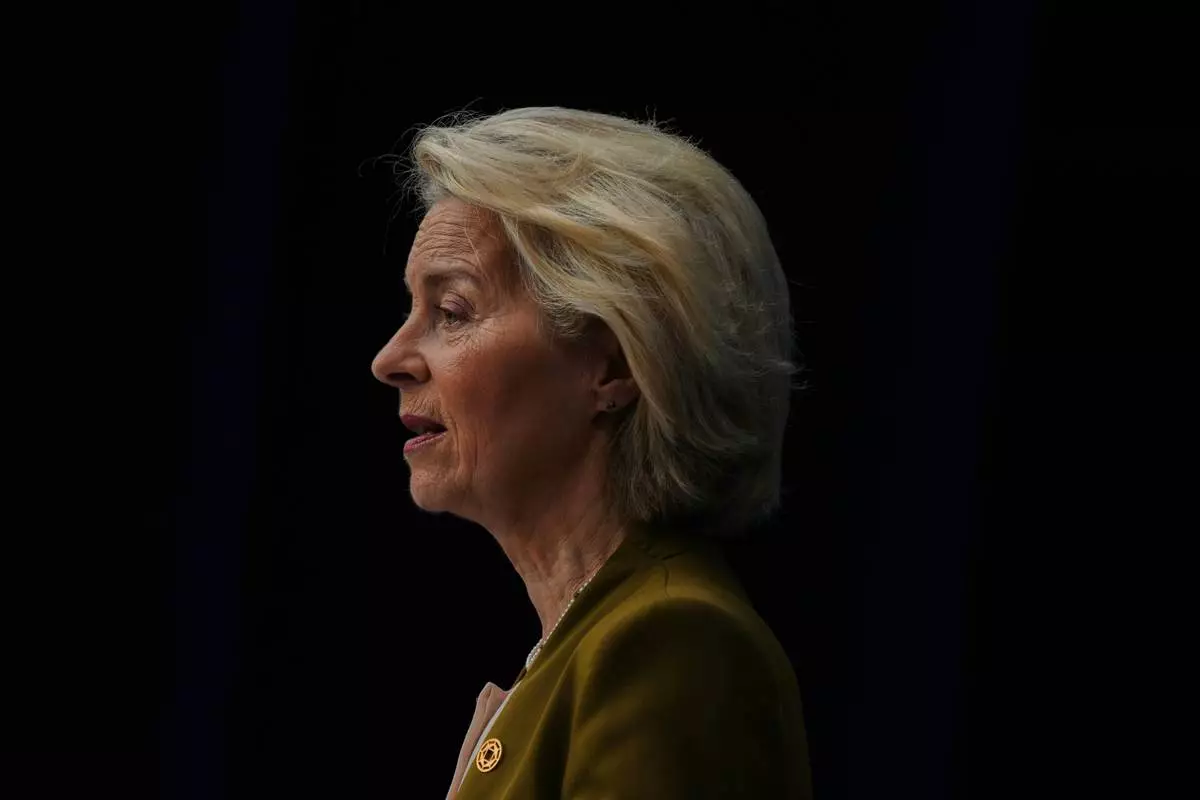
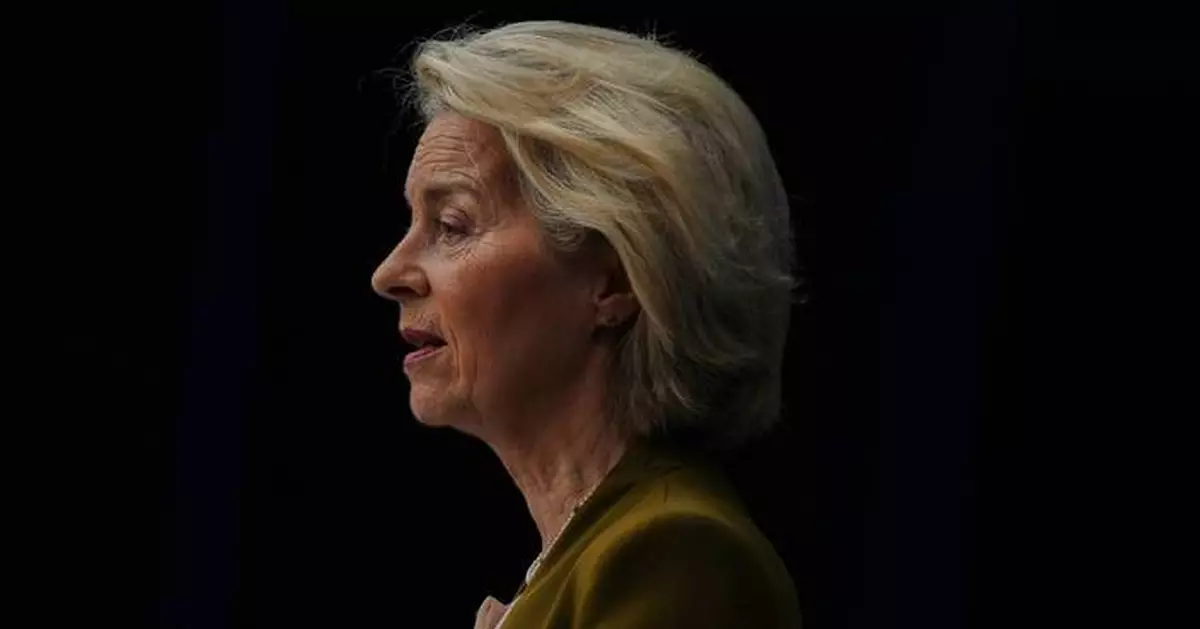
European Commission President Ursula von der Leyen delivers a speech at the International Space Summit at the Grand Palais in Paris, Thursday, Sept. 10, 2026. (AP Photo/Aurelien Morissard, Pool)
BRUSSELS (AP) — European Commission President Ursula von der Leyen is delivering a major state of the European Union speech on Wednesday setting out her priorities for the next year and her vision for tackling the challenges faced by the world’s biggest trading bloc.
Canadian Prime Minister Mark Carney is a special guest as von der Leyen gives her address to the European Parliament in Strasbourg, France.
The speech is likely to touch on AI, climate change and the fires that have swept Europe this summer, as well as protection for children online, Russia’s war on Ukraine, conflict across the Middle East and international trade tensions.
Last year, she said Europe must stake out its independence as the U.S. continued to impose tariffs on nations and the Trump administration criticized the bloc’s migration policies, warning of “civilizational erasure.”
“Europe is in a fight,” von der Leyen said. “A fight for our values and our democracies.”
“Battle lines for a New World order based on power are being drawn right now,” she said, adding that the EU “must fight for its place in a world in which many major powers are either ambivalent or openly hostile to Europe.”
The event has become an annual ritual modeled on the State of the Union addresses to Congress by U.S. presidents, but it won’t be broadcast widely and few of the European Union’s 450 million citizens across 27 member countries are likely to tune in.
It’s a carefully crafted communications exercise in front of often applauding lawmakers that is appreciated most by EU insiders. Von der Leyen tends to conclude with what has become her rallying cry: “Long Live Europe.”
Routinely, its themes are aspirational. They touch on von der Leyen’s hopes and plans for the commission — the EU’s increasingly powerful executive branch – over the coming year but often lack detail. Critics say the commission’s work is opaque.
Eric Maurice, an analyst at the European Policy Centre think-tank, warned against her using it “to placate political groups” or “to raise the Commission President’s profile and extend the Commission’s political and institutional domain.”
“The EU is facing the crumbling of all the premises on which it was built. The rules-based order with benevolent free-trade and U.S. friendship and support is disappearing,” Maurice said.
The commission proposes laws used across the 27 countries and watches to ensure that those already in place are not being broken. It negotiates trade on behalf of all its members and is Europe’s top antitrust investigator.
At its helm stands the 67-year-old former German defense minister, who has become a prominent figure at summits with leaders around the world, despite being a political appointee who hasn’t been elected to Europe’s top post.
Von der Leyen is hard to ignore. She has accumulated influence over seven years in office by securing vaccines during the COVID-19 pandemic, managing the energy crisis sparked by Russia’s invasion and support to Ukraine through the war.
She also seems to have the begrudging respect of Trump. She, her chief of cabinet, and her trade commissioners have labored to limit the damage caused by Trump’s tariff war to the European economy.
But the Trump administration has also been riled by the commission’s crackdown on Big Tech companies, many of them in the United States, over their perceived flouting of Europe’s data regulations.
Ahead of the speech, the commission has set up a website dedicated to its leader and the event and has been distributing brochures laying out their achievements over the last 12 months.
The list is considerable, and includes sealing new trade agreements, boosting economic competitiveness, cutting energy costs, spurring defense investment, providing billions of euros in support to Ukraine and slapping sanctions on hundreds of Russian officials and organizations.
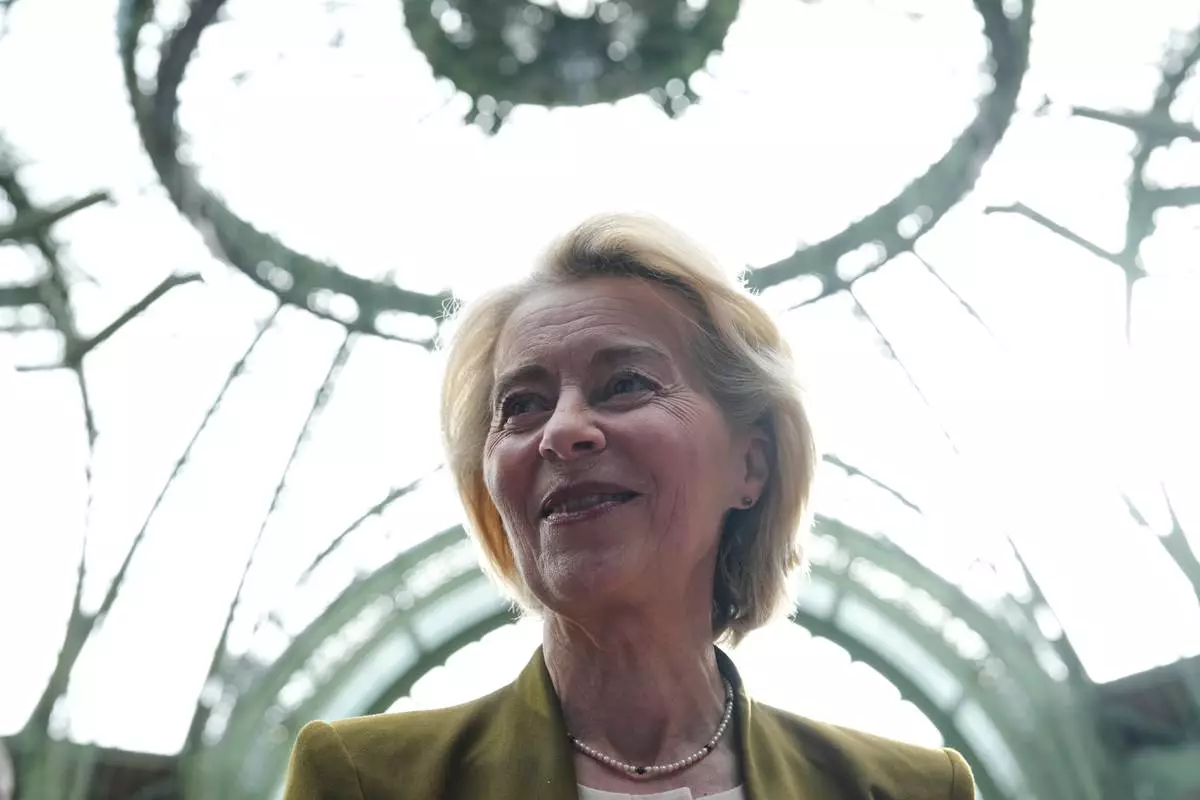
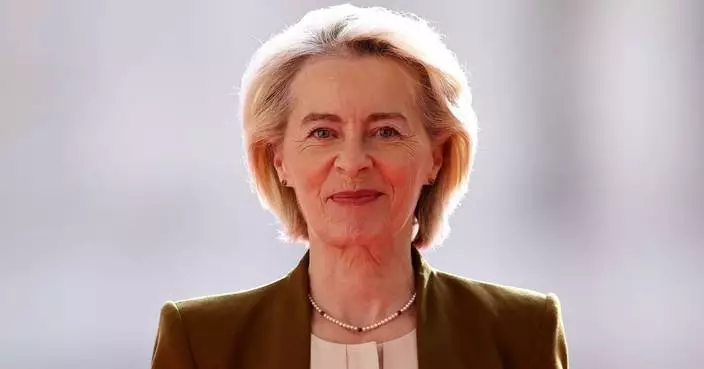
European Commission President Ursula von der Leyen arrives at the International Space Summit at the Grand Palais in Paris, Thursday, Sept. 10, 2026. (AP Photo/Aurelien Morissard, Pool)
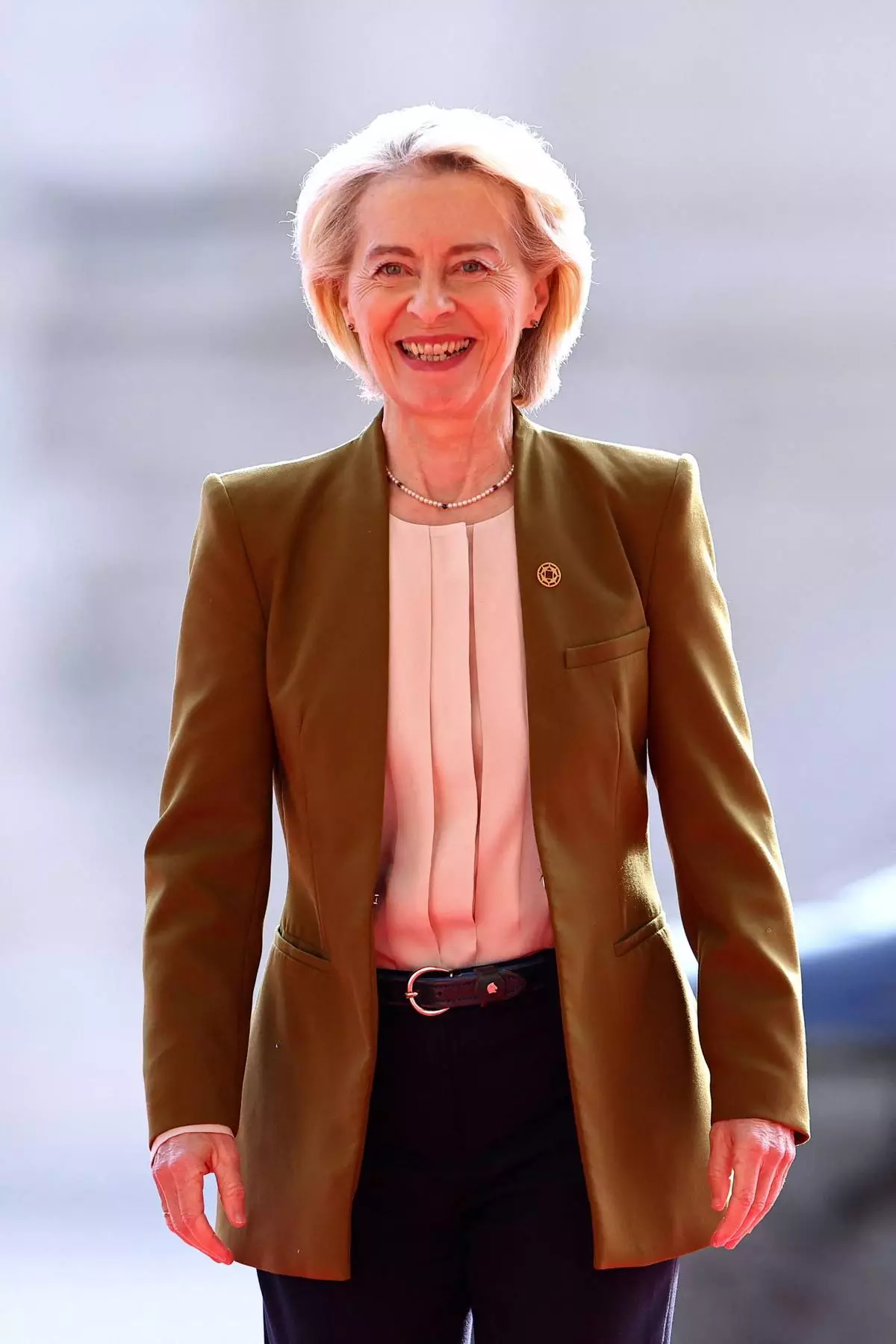
European Commission President Ursula von der Leyen arrives to attend the International Space Summit in Paris Thursday, Sept. 10, 2026. (Abdul Saboor/Pool Photo via AP)
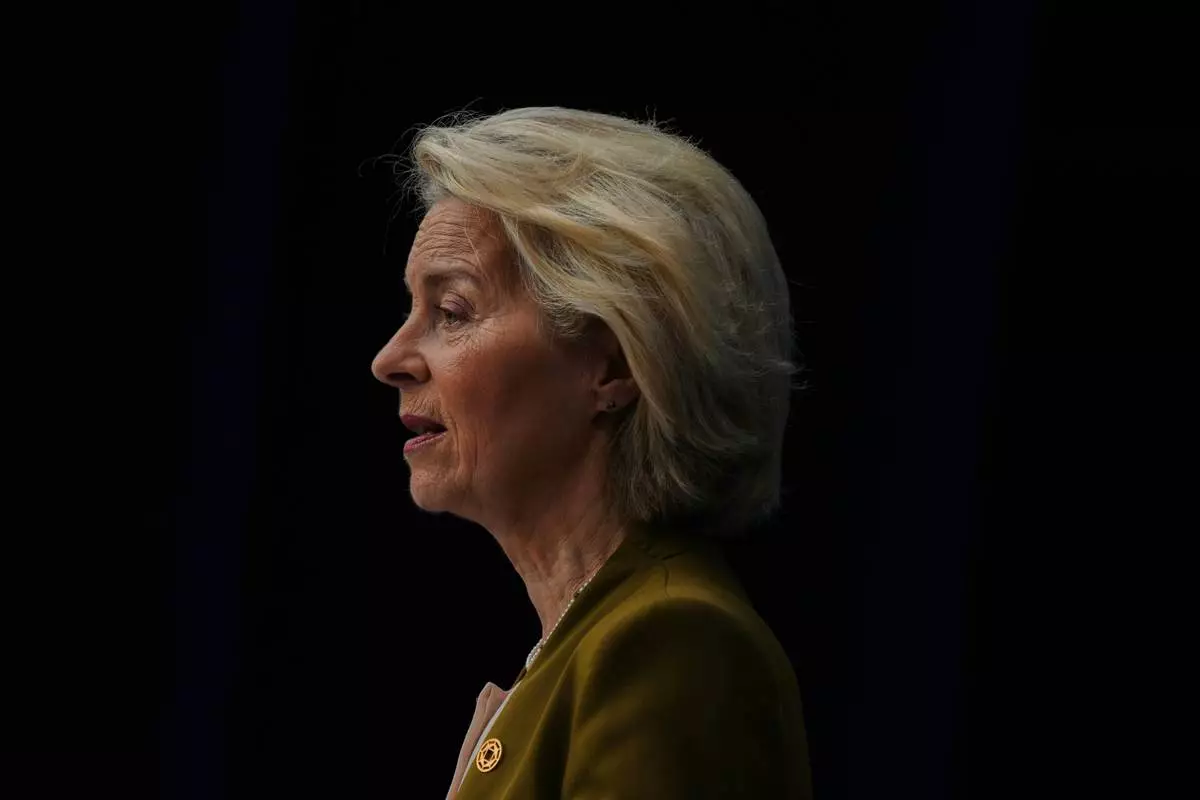
European Commission President Ursula von der Leyen delivers a speech at the International Space Summit at the Grand Palais in Paris, Thursday, Sept. 10, 2026. (AP Photo/Aurelien Morissard, Pool)
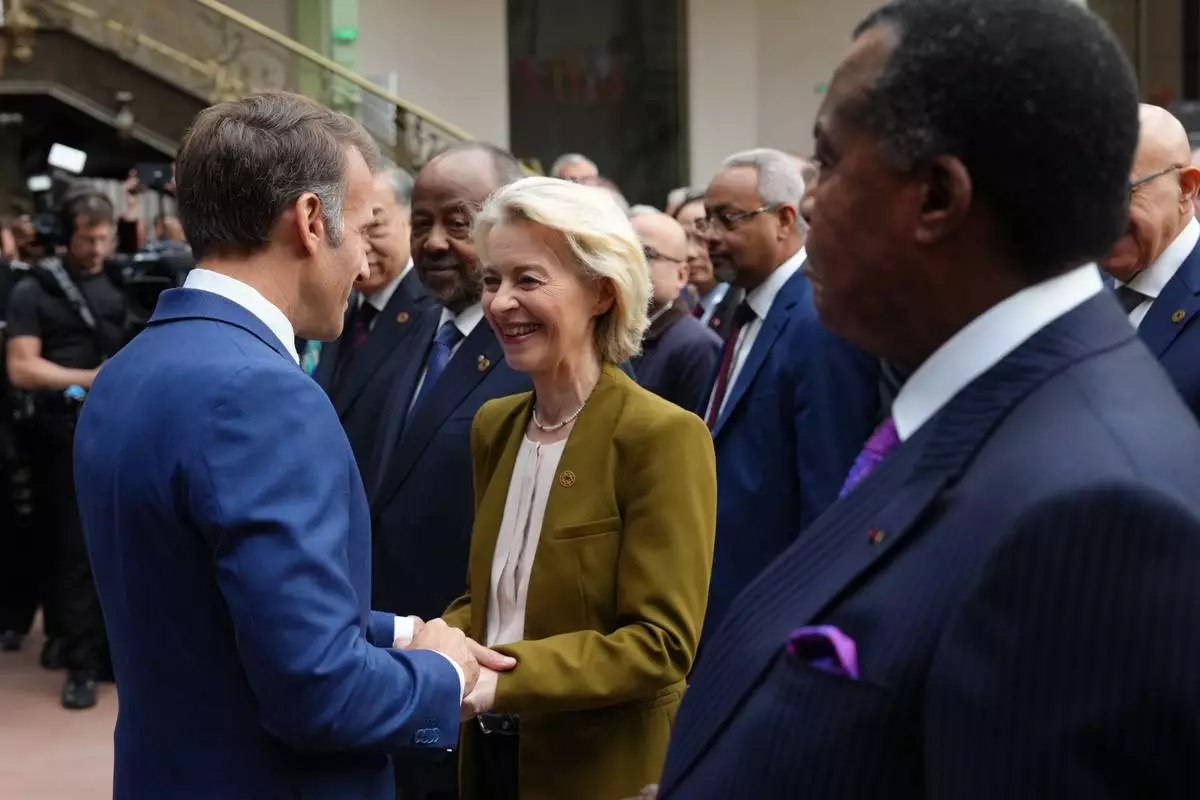
French president Emmanuel Macron, left, greets European Commission President Ursula von der Leyen at the International Space Summit at the Grand Palais in Paris, Thursday, Sept. 10, 2026. (AP Photo/Aurelien Morissard, Pool)
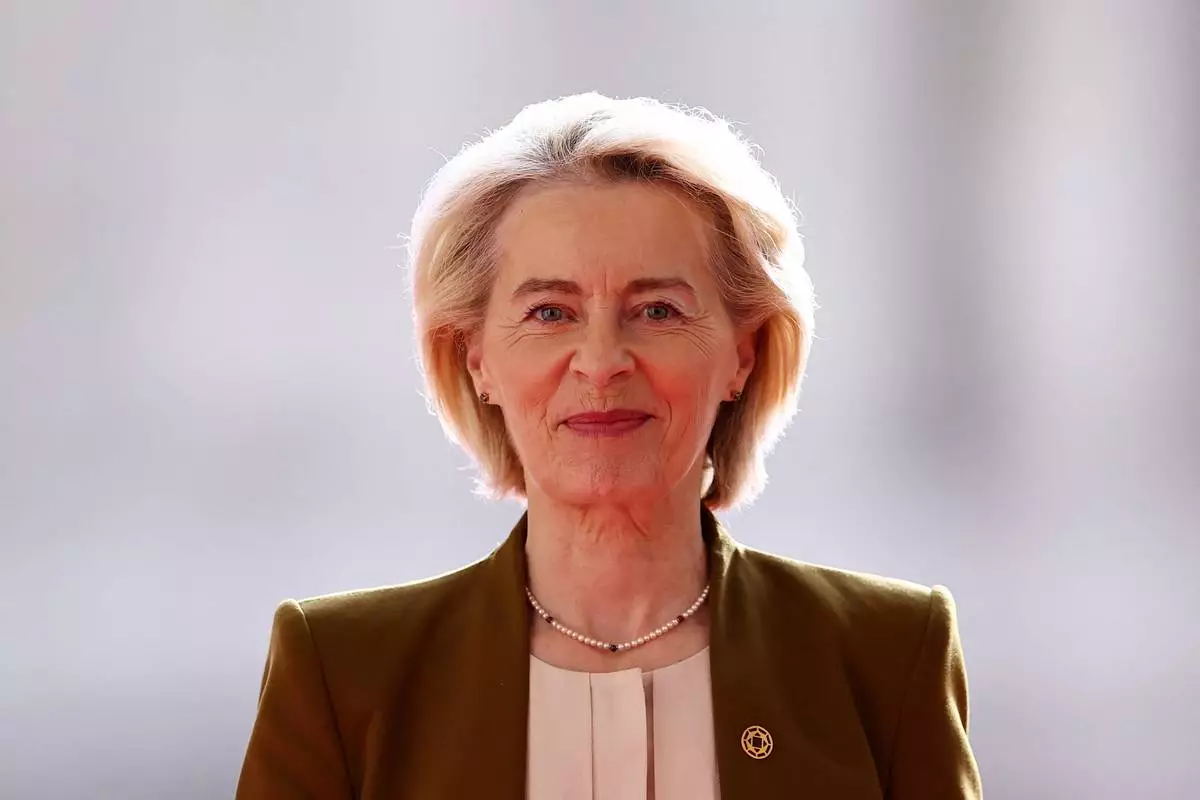
European Commission President Ursula von der Leyen arrives to attend the International Space Summit in Paris Thursday, Sept. 10, 2026. (Abdul Saboor/Pool Photo via AP)