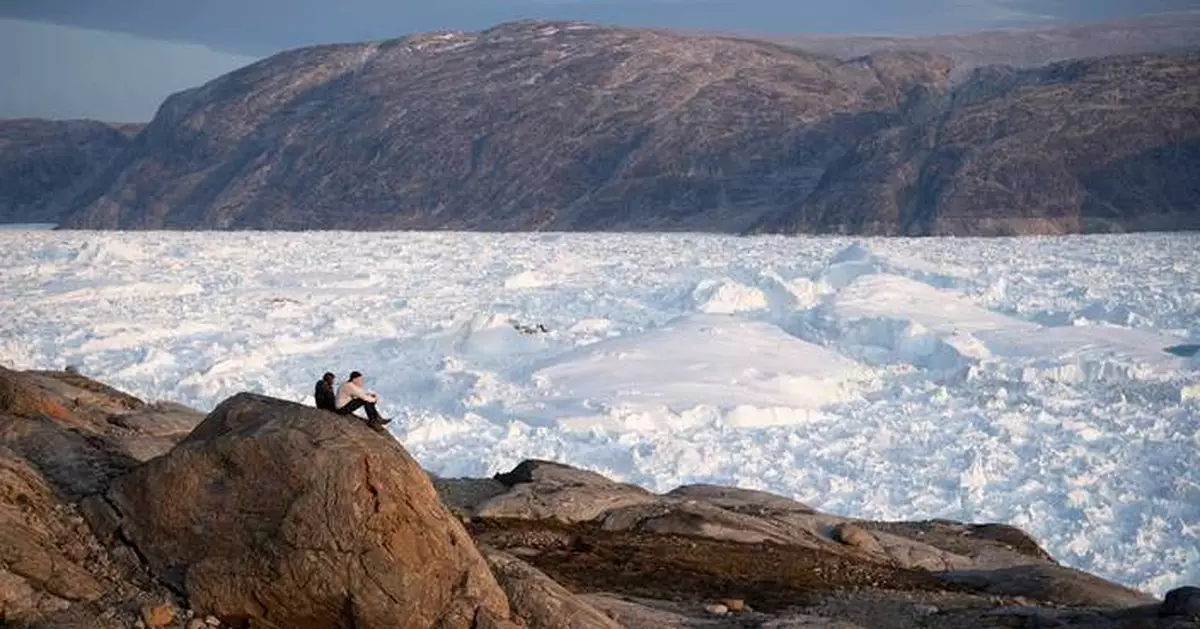
About 12.5 trillion tons (11.3 trillion metric tons) of ice from glaciers in Greenland and Antarctica have melted since 1979, which is enough frozen water to stack ice 5 feet (1.5 meters) deep across the continental United States, according to a major scientific report.
A warming Earth is accelerating the melting of the planet's two major ice sheets, with five-sixths of the melt not coming from hotter air, but from warmer waters eating away at the ice sheets from below and the sides, with glaciers flowing into the oceans, according to a study in Wednesday's journal Scientific Data. That's bad news for future sea level rise, the study's authors said.
“The ice sheets are melting away fast,” said study co-author Eric Rignot, an ice scientist at University of California, Irvine. “We are melting the polar regions, sea level is rising worldwide and will exacerbate the vulnerability of coastal regions.”
The numbers behind the melt are both mind-bogglingly huge and deceptively small.
All that melted ice turned into nearly 3 quadrillion gallons of water (11.3 quadrillion liters), which pushed global sea levels up about an inch (3.1 centimeters) since 1979, on top of other climate factors raising ocean heights, the report said.
An inch may not sound like much, but for every third of an inch (or centimeter) of sea level rise, another 2 to 3 million people get flooded at least once a year, said lead study author Ines Otosaka, an ice scientist at Northumbria University in England.
The Jakobshavn glacier in Greenland is now retreating up to 164 feet (50 meters) a day, Otosaka said.
The international collaboration of polar scientists, headed by the European Space Agency, had in the past only looked at ice sheet melt since the 1990s based on European satellite data. But by incorporating NASA satellites, the scientists were able to chart ice sheet volumes in Antarctica back to 1979 and in Greenland back to 1972.
“There is a clear trend that the ice sheets are losing more mass and it has been increasing from decade to decade, especially if you look at the ice being discharged to the ocean,” Otosaka said. “And that’s quite clear that there’s a link to climate change.”
It showed that in the 1970s, 1980s and into the 1990s, the ice sheets were relatively stable, but then melt started happening and it really kicked in during the 2010s, Otosaka said.
“That’s something to be concerned about as it shows that the changes are tracking decades behind global warming, which means we can expect them to continue for decades more — even if we are able to stop heating the planet,” said study co-author Andrew Shepherd, also of Northumbria.
The accelerating numbers seemed to pause from 2020 to 2023, but the study's authors said it more reflected short-term weather variations not long-term trends. Otosaka said the study stopped with 2023 data, but she's looked at measurements since and found the accelerating trend has picked back up.
A lot of the stability in Antarctica was because East Antarctica had record snowfall, which compensated for the rapid melting in the less stable West Antarctic Ice Sheet, the authors said.
The three-year hiatus was “just a bump in the record,” Rignot said. “The long rise is climate and the threat is crystal clear.”
The biggest changes scientists saw are in what they call dynamic processes, which are more abrupt and active than the slow steady melting from the air, and that's something prone to trigger runaway “tipping points,” Otosaka said.
New York University ice scientist David Holland said that's what concerns him “because most of the ice loss is dynamical and that is exactly what you would expect in an ice sheet instability collapse scenario.”
The international team used 45 independent surveys and 27 different satellites. “The use of relatively independent methods gives me greater confidence in the result,” said Holland, who wasn't part of the study. “The upward trend is real.”
“The ‘wild cards’ of Antarctic mass loss continue to pose a challenge for human management of the planet — a clear and present danger, but many decades in the future,” said University of Colorado ice scientist Ted Scambos, who wasn't part of the study. “We are now as a society smart enough to know the future, but not prudent enough to act upon the knowledge.”
The Associated Press’ climate and environmental coverage receives financial support from multiple private foundations. AP is solely responsible for all content. Find AP’s standards for working with philanthropies, a list of supporters and funded coverage areas at AP.org.
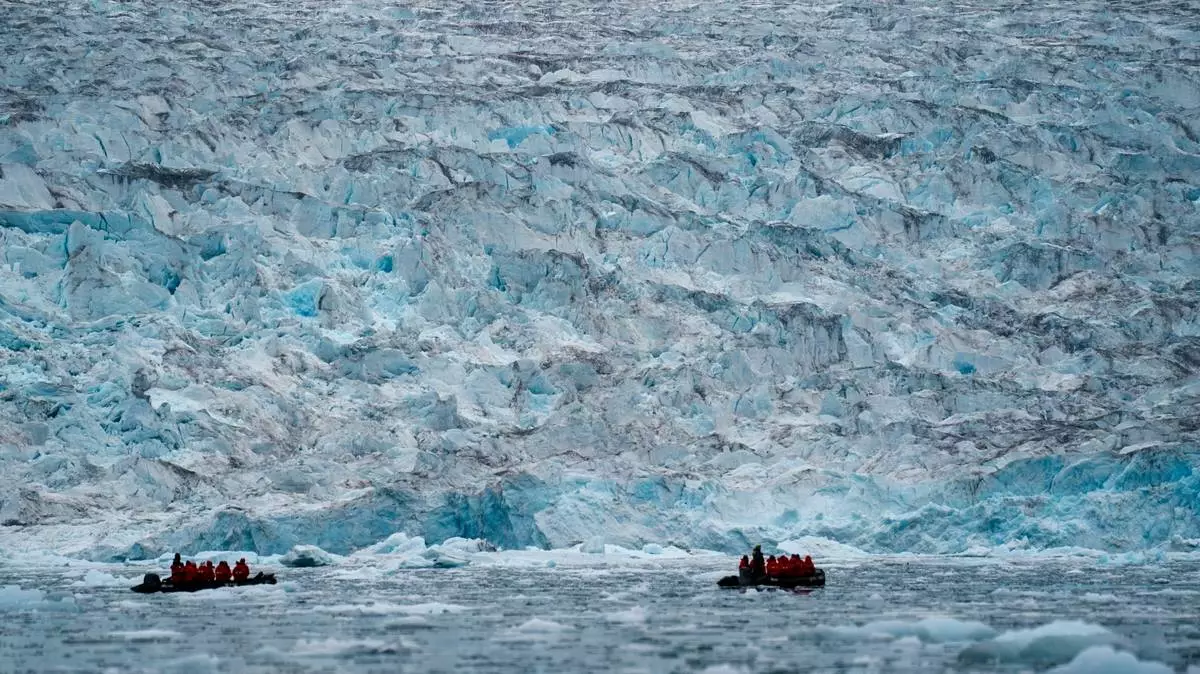
FILE - Two groups from the Poseidon Expeditions tour company look at a glacier in the Scoresby Sund, Sept. 7, 2023, in Greenland. (AP Photo/Chris Szagola, File)
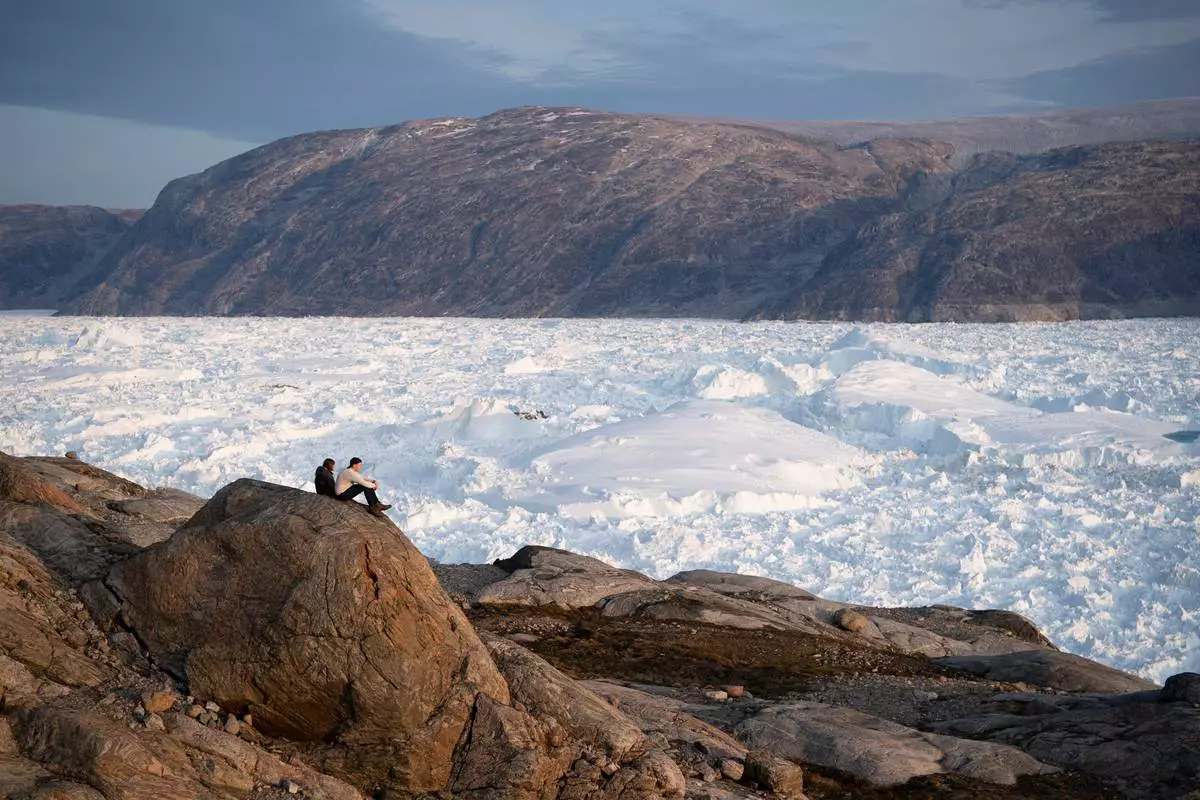
FILE - NYU student researchers sit on top of a rock overlooking the Helheim glacier in Greenland, Aug. 16, 2019. (AP Photo/Felipe Dana, File)
CAIRO (AP) — Saudi Arabia accused Yemen’s Iran-backed Houthi rebels overnight of trying to attack Islam’s holiest city, prompting condemnation from countries in the region but no sign of military support. The kingdom, a key U.S. ally, declared Mecca a “red line” as it slid deeper into the new front of the Iran war.
With the world’s biggest oil exporter under fire from the rebels backed by the Saudis' regional adversary, Tehran, the kingdom needs a safe outlet for its crude as well as military assistance. A path to either one remains unclear.
A crucial Saudi pipeline is reportedly shut down for weeks after an attack The Yemen-based Houthis have been targeting infrastructure in the kingdom as well as its shipping on the Red Sea, where they have seized several islands on the Bab el-Mandeb Strait. And Iran is still targeting ships in the Strait of Hormuz. Oil prices remain above $100 a barrel.
The Houthis denied firing drones toward Mecca, about 1,100 kilometers (680 miles) from Yemen’s border. The Saudis said they intercepted and destroyed the drone before it entered the airspace over the birthplace of the Prophet Muhammad.
The attacks are the first test of a new defense pact among Saudi Arabia, NATO member Turkey and nuclear power Pakistan. But officials from Turkey and Pakistan told The Associated Press they have not received a Saudi request for support in response to the Houthis' escalation.
The Turkish official added that efforts to “institutionalize” the alliance need to be completed before the pact becomes operational. The officials spoke on condition of anonymity because they were not authorized to speak publicly on the issue.
As part of the condemnation of the attempted drone attack on Mecca, Pakistani Prime Minister Shehbaz Sharif said his country and the Saudis stand “unwaveringly, shoulder to shoulder.” Criticism also came from the Organization of Islamic Cooperation, representing over 57 Muslim states, which said the attempt violates the “sanctity of holy sites.”
This was the second attempted attack by the Houthis against Mecca after the rebels fired a ballistic missile toward the city in 2017, according to Col. Turki al-Maliki, spokesperson for the Saudi-led military coalition fighting the rebels.
Later Wednesday, the rebels claimed, without offering evidence, that they shot down an F-15 fighter jet operated by the Saudi-led coalition over the central province of Marib. Houthi military spokesperson Brig. Gen. Yahya Saree didn’t say when it occurred, and the AP couldn’t independently verify the claim.
The rebels at times take days to claim attacks.
Spokespeople for the Saudi-led coalition and the Saudi government didn’t immediately respond to a request for comment.
The United States has sold billions of dollars in weapons to Saudi Arabia and has committed to providing training and other support to protect the kingdom, but top U.S. officials in recent days have indicated a lack of desire to get involved in the conflict.
“The Houthis called us, and they don’t want to fight with us,” U.S. President Donald Trump said Saturday, adding that the rebels appear focused on the Saudis.
Vice President J.D. Vance on Monday said Washington had been in “constant contact” with the Saudis and had been “engaged in direct conversations with the Houthis themselves,” calling it “a very fluid and dynamic thing” to be monitored.
On the ground, forces with Yemen's internationally recognized government have said they are regrouping to combat the Houthis after fleeing the rebels' advance. But those forces are a collection of armed groups with varying aims.
While Saudi Arabia appeared to face the choice of pursuing diplomacy or taking the fight to the Houthis, the top diplomat for rival Iran was in China, the biggest buyer of Iranian oil.
Chinese Foreign Minister Wang Yi called on the U.S. and Iran to exercise restraint and reopen the Strait of Hormuz as soon as possible, and expressed China’s concern about the fighting's spread to Yemen and the Red Sea, according to China’s foreign ministry after the meeting with Abbas Araghchi.
There was no immediate comment from Araghchi afterward.
China has avoided direct involvement in the war, but President Xi Jinping at the BRICS summit in New Delhi over the weekend again offered Beijing's help in ending it.
Oil flows through the Strait of Hormuz have recovered somewhat as tankers risk using a route near Oman on the other side of the waterway, with guidance from U.S. forces. Estimates vary because ships can turn off location systems but range from 5 million to 7 million barrels per day on average, less than half the amount before the war began with U.S. and Israeli strikes on Iran on Feb. 28.
Frazer reported from Ankara, Ahmed from Islamabad and Anna from Jerusalem. Associated Press writers Abby Sewell in Beirut, Ken Moritsugu in Beijing and David McHugh in Frankfurt contributed to this report.
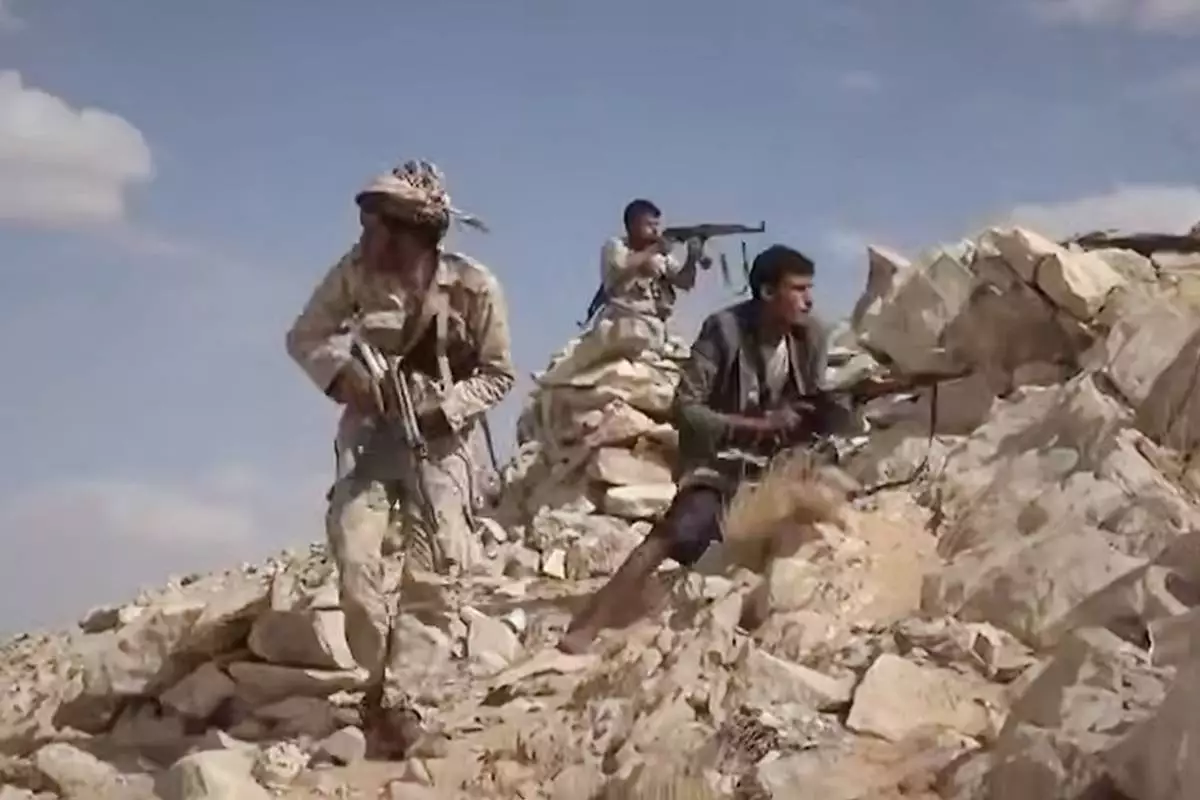
This image taken from an undated video released Tuesday, Sept. 15, 2026, by the Ansar Allah Media Office, the media arm of Yemen's Houthi rebels, shows what the group says are Houthi fighters battling Saudi-backed forces in eastern Jawf, Yemen. (Ansar Allah Media Office via AP)

A man stands beside a portrait of Houthi fighter Mohammed Omar Ali al-Saqqaf, also known as Abu Fatima, mounted on a pickup truck during a mass funeral procession, with Al-Saleh Mosque in the background, in Sanaa, Yemen, Wednesday, Sept. 16, 2026. (AP Photo)
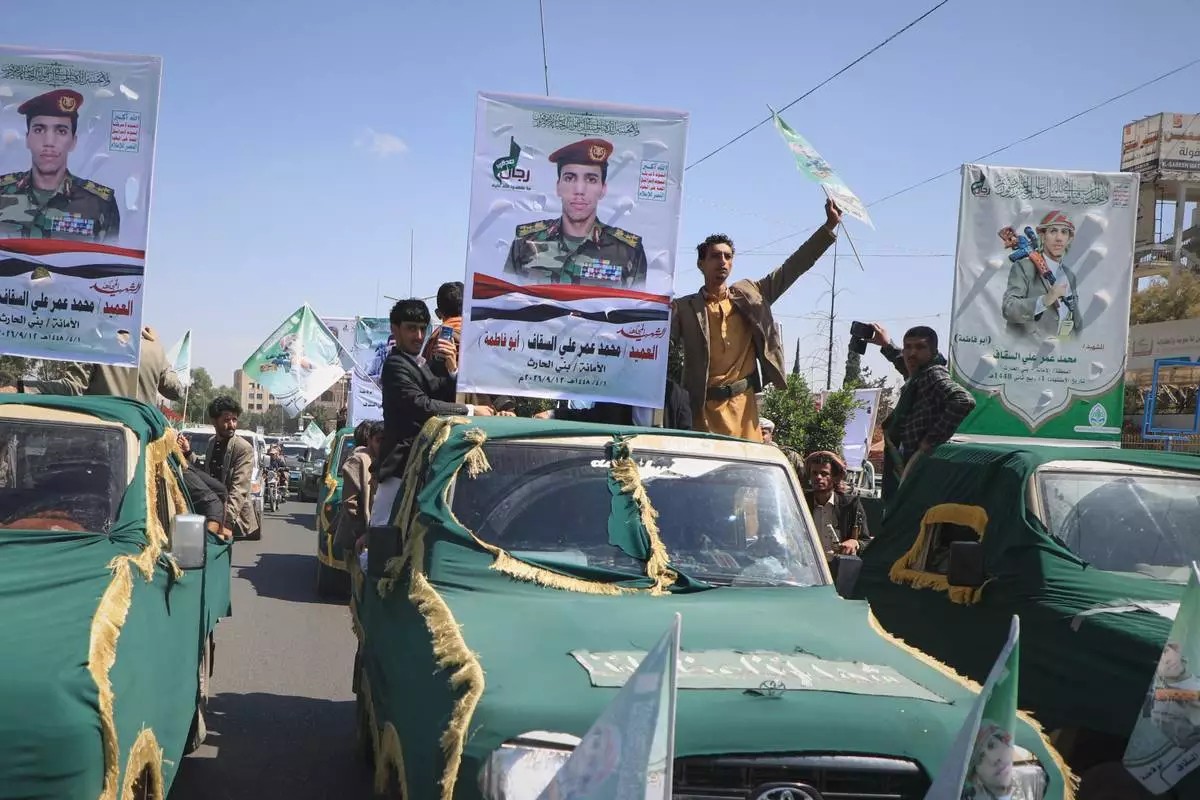
Pickup trucks travel in a mass funeral procession for Houthi officers and other military personnel in Sanaa, Yemen, Wednesday, Sept. 16, 2026. (AP Photo)
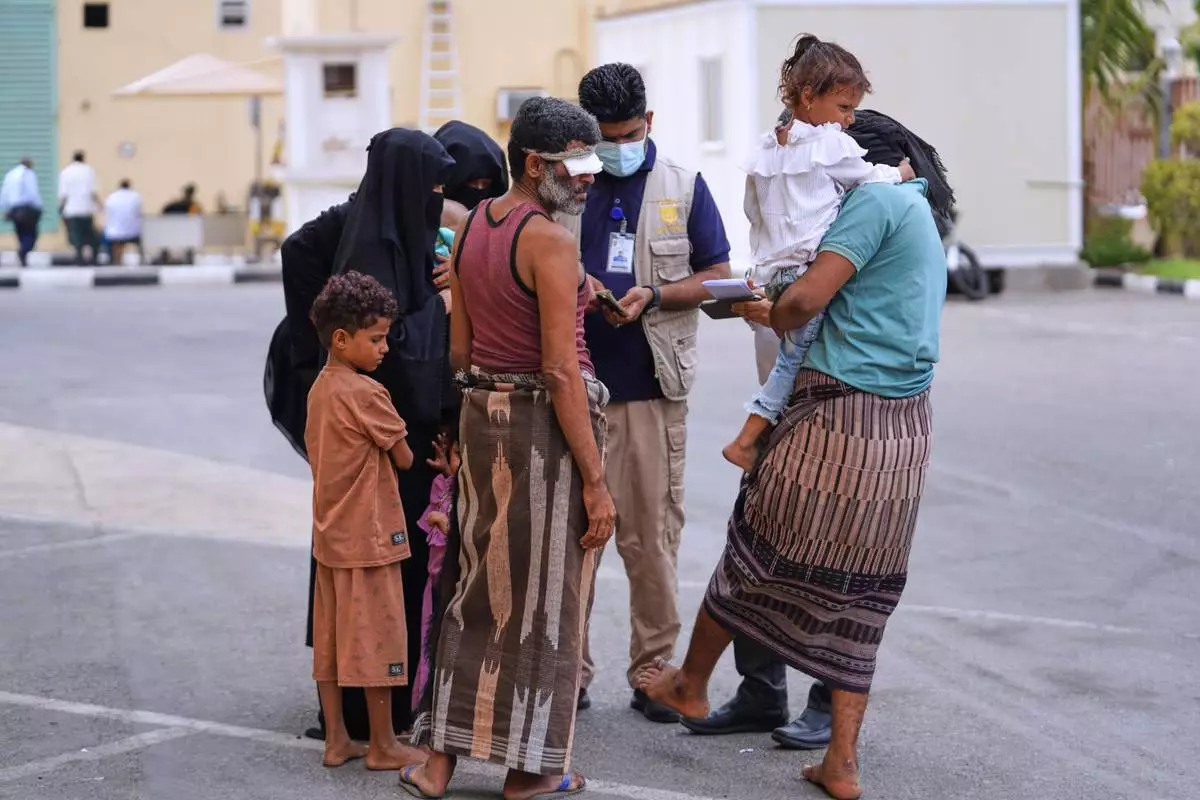
Displaced Yemenis from the west coast, register to receive free medical care at The Prince Mohammed bin Salman Hospital in Aden, Yemen, Wednesday, Sept. 16, 2026. (AP Photo/Abdulnasser Alseddik)

Displaced Yemenis from the West coast wait to receive medical care at Prince Mohammed bin Salman Hospital in Aden, Yemen, Wednesday, Sept. 16, 2026. (AP Photo/Abdulnasser Alseddik)
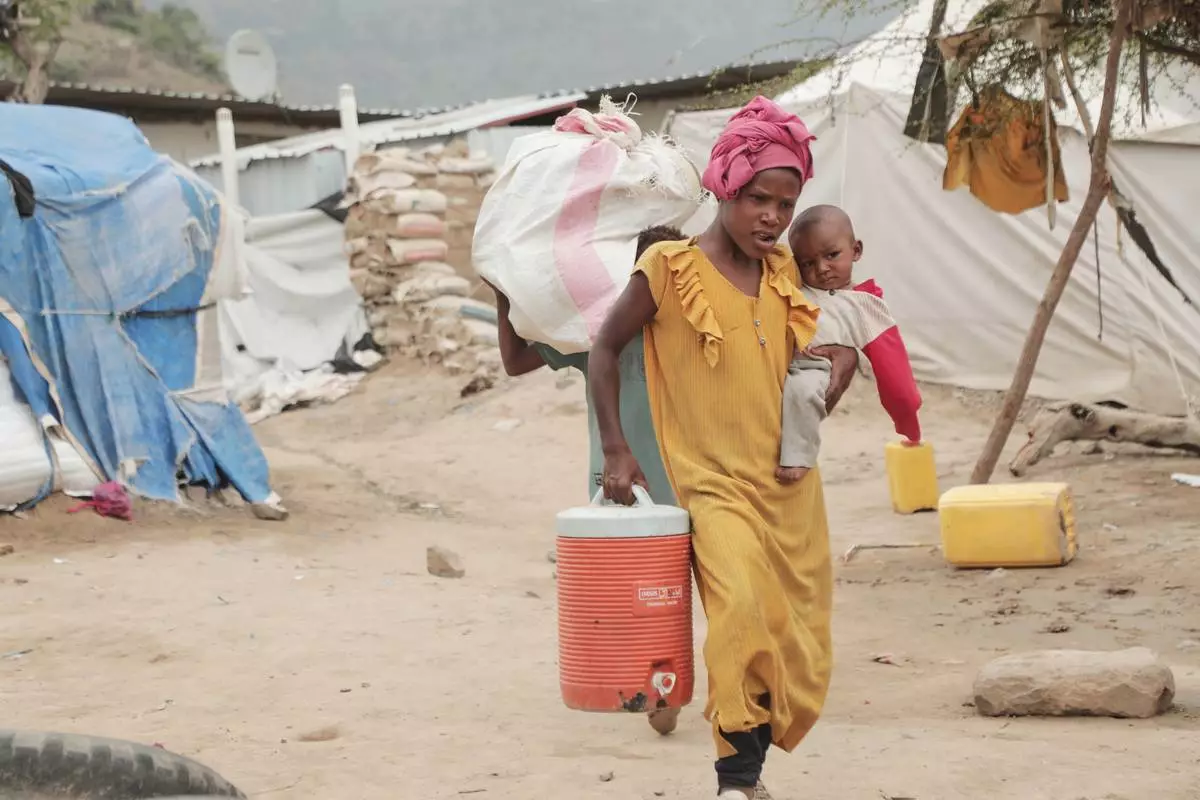
A displaced person walks through a camp in Taiz province, Yemen, Tuesday, Sept. 15, 2026. (AP Photo/Marzouq Al Jabri)
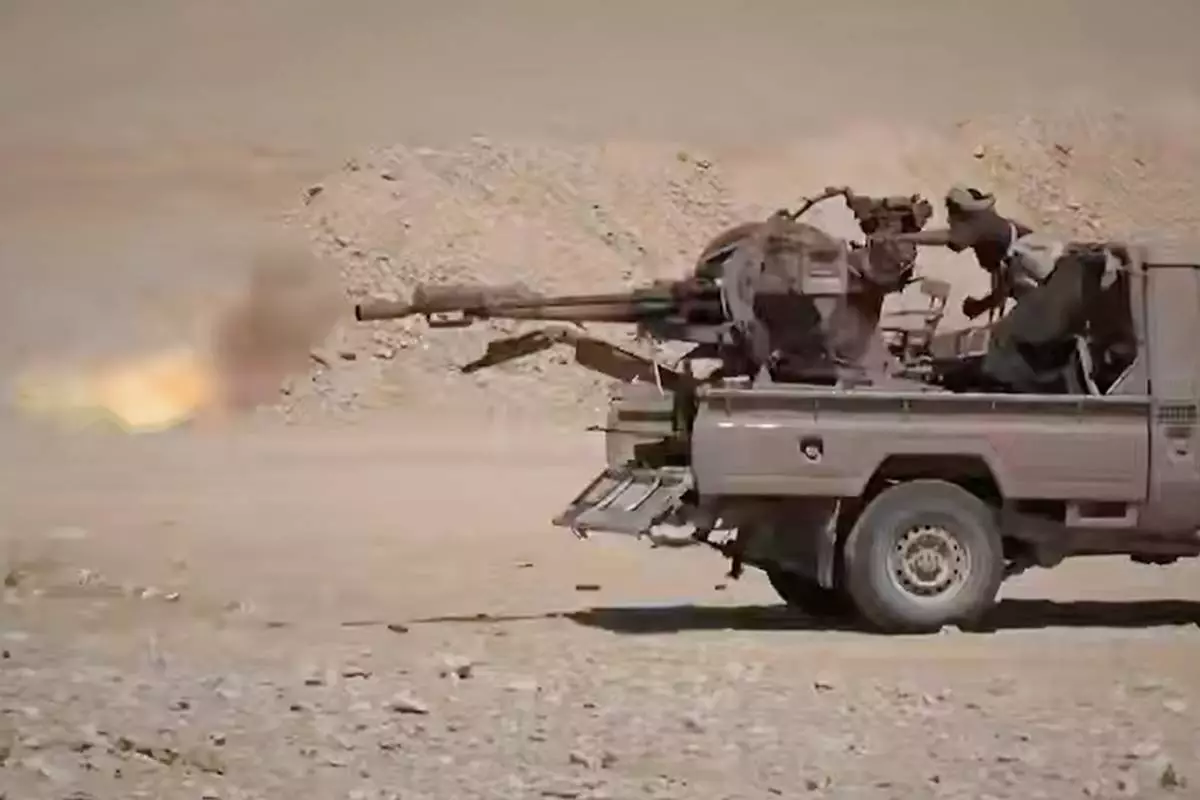
This image taken from an undated video released Tuesday, Sept. 15, 2026, by the Ansar Allah Media Office, the media arm of Yemen's Houthi rebels, shows what the group says are Houthi fighters firing a weapon mounted on a pickup truck during combat with Saudi-backed forces in eastern Jawf, Yemen. (Ansar Allah Media Office via AP)