Three people were charged by federal authorities in Los Angeles on Wednesday with stealing $12 million in federal and state homelessness aid dollars to buy real estate, go on luxury trips and buy vintage vehicles.
This is the second such arrest of people on federal fraud charges in Southern California this week, as President Donald Trump's administration tries to emphasize a crackdown on fraud and waste in government and aid programs. On Tuesday, 12 people were charged with stealing more than $10 million in federal childcare aid.
Click to Gallery
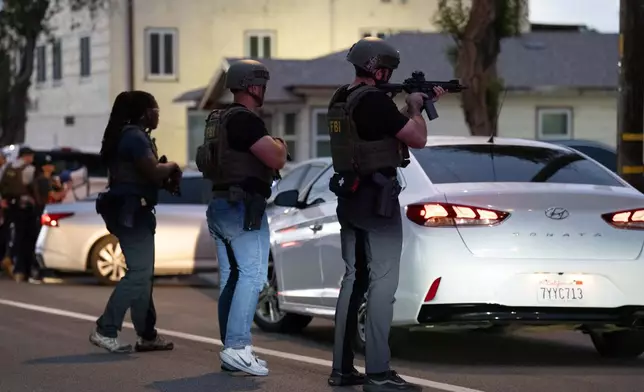
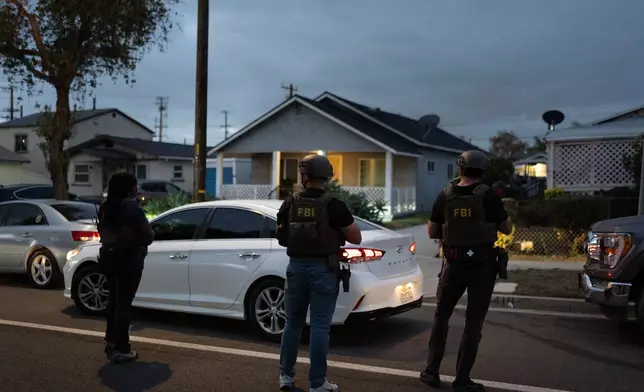
FBI agents take positions outside the home of Lakiya Malone, who is charged with fraud involving federal homelessness aid programs, in Los Angeles, Wednesday, Sept. 16, 2026. (AP Photo/Jae C. Hong)
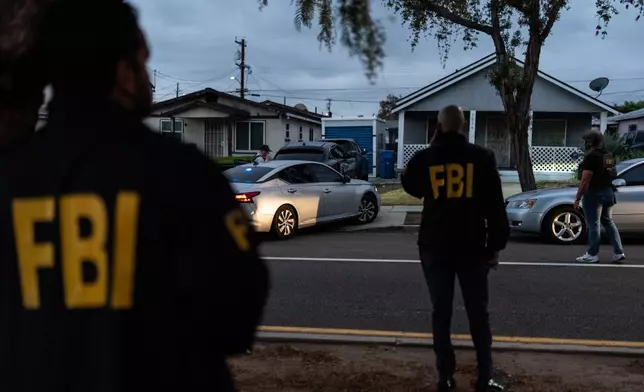
FBI agents stand outside the home of Lakiya Malone, who is charged with fraud involving federal homelessness aid programs, in Los Angeles, Wednesday, Sept. 16, 2026. (AP Photo/Jae C. Hong)
FBI agents take positions outside the home of Lakiya Malone, who is charged with fraud involving federal homelessness aid programs, in Los Angeles, Wednesday, Sept. 16, 2026. (AP Photo/Jae C. Hong)
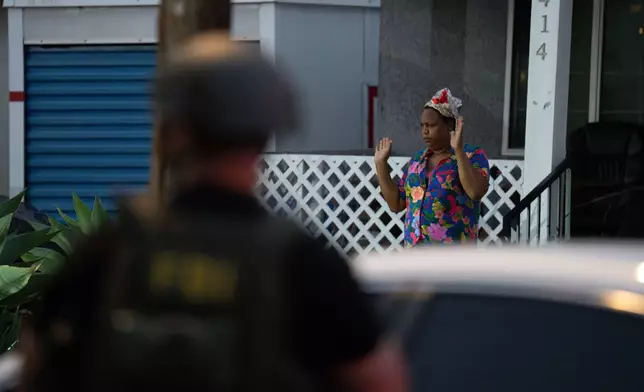
Lakiya Malone, charged with fraud involving federal homelessness aid programs, walks out of her home toward federal authorities with her hand raised in Los Angeles, Wednesday, Sept. 16, 2026. (AP Photo/Jae C. Hong)
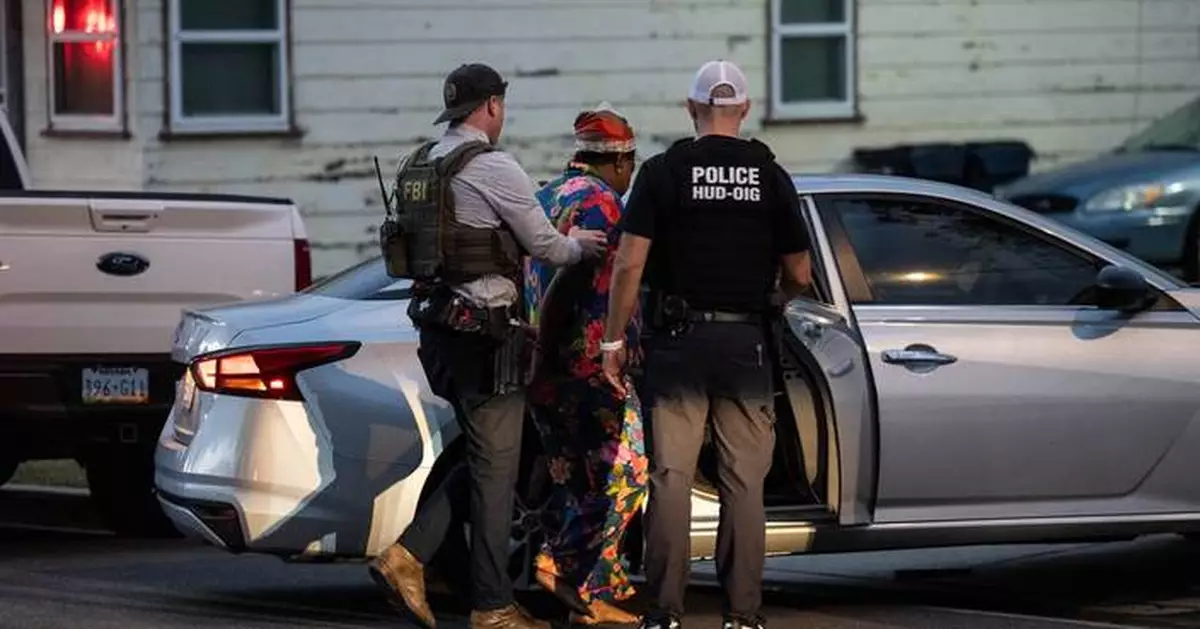
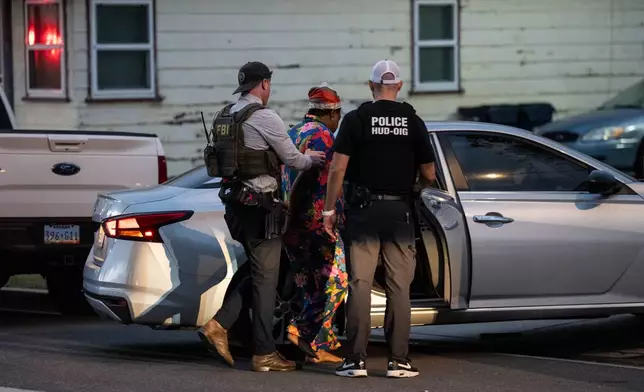
Lakiya Malone, center, charged with fraud involving federal homelessness aid programs, is arrested by federal agents in Los Angeles, Wednesday, Sept. 16, 2026. (AP Photo/Jae C. Hong)
The three defendants each worked for or ran Southern California-based nonprofit organizations, which often contracted with city, county, state or federal agencies to provide aid or money to find housing and social services for homeless people. Prosecutors allege that the defendants used funds from those contracts to pay personal expenses, accepted bribes, and billed for services that were never provided.
“Make no mistake, HUD and the Trump administration will not tolerate the theft and abuse of taxpayers in this country,” Secretary of Housing and Urban Development Scott Turner said at a news conference.
Turner used the indictments to accuse the Los Angeles Homeless Services Authority, which was the public entity that approved grants to these defendants, of being negligent with taxpayer dollars.
Two defendants, Lakiya Malone, 48, and Michael Young, 46, were arrested early Wednesday in Los Angeles. A third defendant charged with wire fraud, Donye Mitchell, 55, is considered a fugitive.
Young is the founder of Home At Last, a nonprofit that took in more than $118 million in public funds since 2019 for its stated mission of providing housing and aid to the homeless.
Instead, federal prosecutors say Young created shell companies that he claimed were independent contractors but were, in fact, controlled by him. This alleged self-dealing allowed Young to be paid both at Home At Last and overbill federal and local authorities, prosecutors said. They say Young misused an estimated $7.5 million in taxpayer funds through fake contractors and vendors.
Young used the proceeds to take luxury trips to Tahiti, and used funds to open a nightclub in Inglewood called the Six Seven Five Lounge and other commercial real estate projects, prosecutors allege.
Mitchell is the CEO of Big Blue Umbrella, which was awarded more than $1.2 million from a federally supported nonprofit for housing and mental healthcare aid. Prosecutors say Mitchell not only misstated his organization’s ability to provide such services, but also used money from the award to pay off his credit card debts, give funds to family members, buy video games and pay legal expenses for an unrelated case.
Malone was charged with accepting more than $180,000 in bribes from another homelessness-aid nonprofit. Malone allegedly not only accepted bribes but also placed people in homeless aid programs who weren’t homeless.
Separately, federal prosecutors announced that a fourth person pleaded guilty to wire fraud and money laundering charges for stealing at least $2 million in homeless aid. Alexander Soofer, the executive director of Abundant Blessings, admitted to working with Malone to bill federal and state authorities for homelessness aid services when there were no participants in his programs.
Some of the Trump administration's efforts to go after fraud and abuse of government benefit programs have faced criticism and legal challenges. In December, Vice President JD Vance, who chairs the administration’s task force on the subject, amplified a YouTube video of a popular right-wing influencer accusing childcare providers in Minnesota, many of them immigrants from Somalia, of running scams. State authorities visited the centers and found nearly all of them operating normally.
Nonetheless, the administration launched a massive immigration crackdown in Minnesota. Officials later attempted to freeze federal funds for childcare in five Democratic-led states, but were halted by a lawsuit.
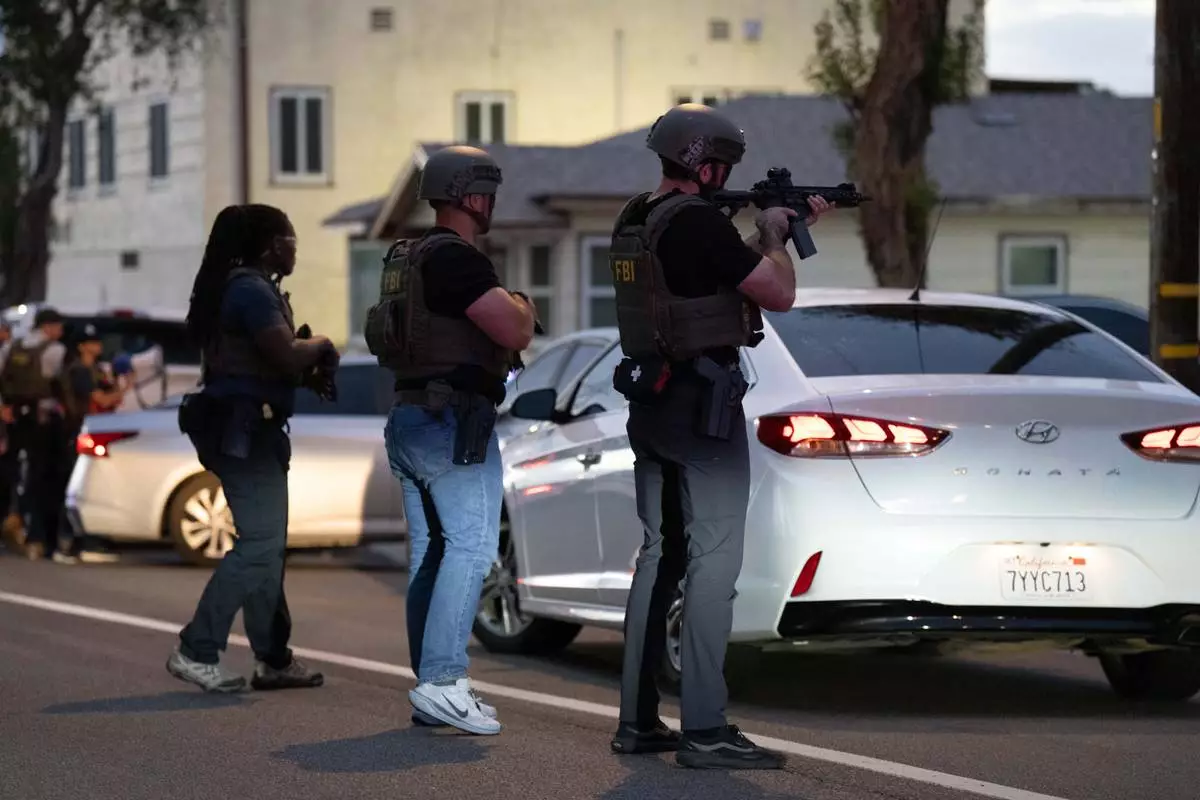
FBI agents take positions outside the home of Lakiya Malone, who is charged with fraud involving federal homelessness aid programs, in Los Angeles, Wednesday, Sept. 16, 2026. (AP Photo/Jae C. Hong)
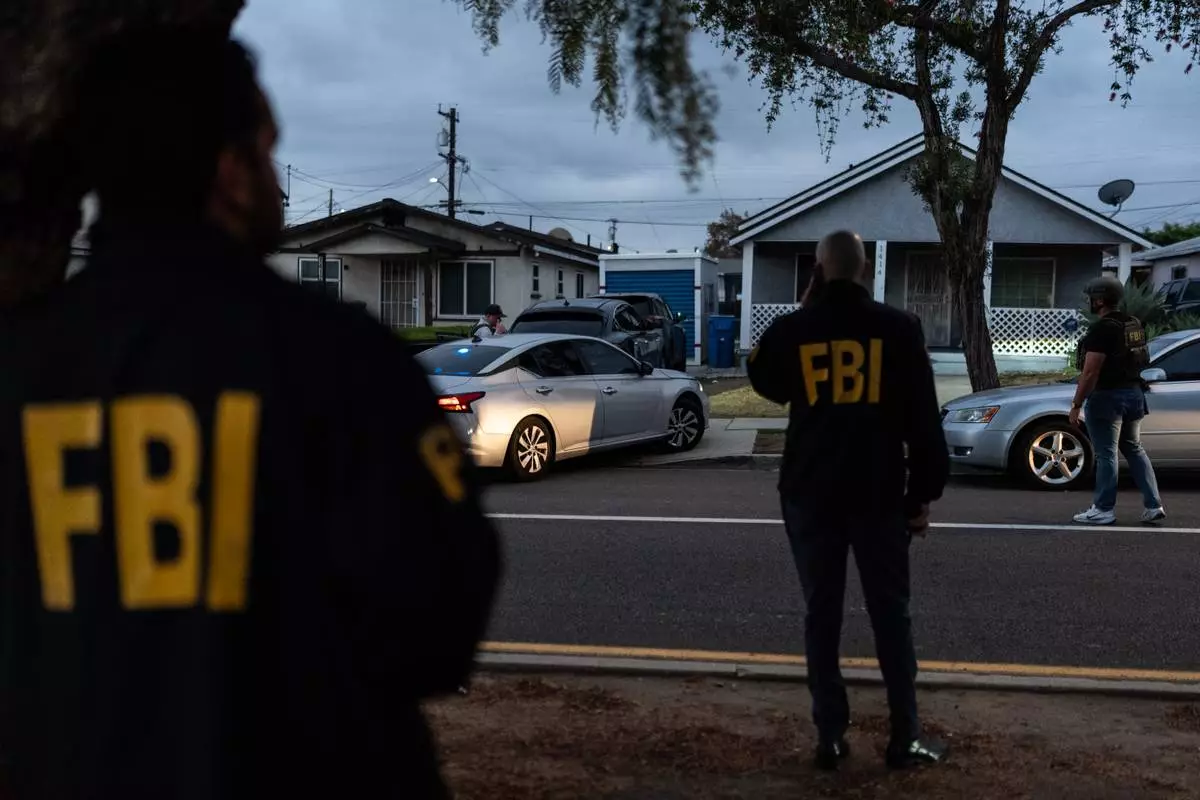
FBI agents stand outside the home of Lakiya Malone, who is charged with fraud involving federal homelessness aid programs, in Los Angeles, Wednesday, Sept. 16, 2026. (AP Photo/Jae C. Hong)
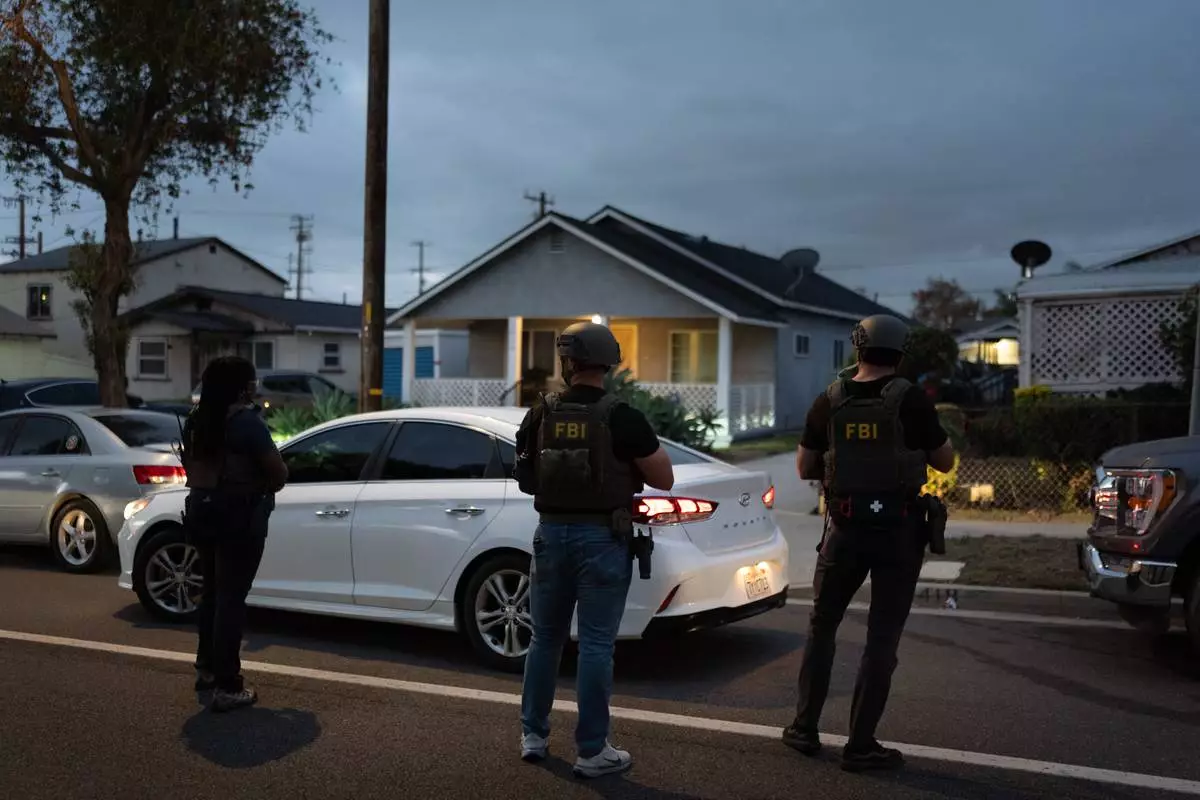
FBI agents take positions outside the home of Lakiya Malone, who is charged with fraud involving federal homelessness aid programs, in Los Angeles, Wednesday, Sept. 16, 2026. (AP Photo/Jae C. Hong)
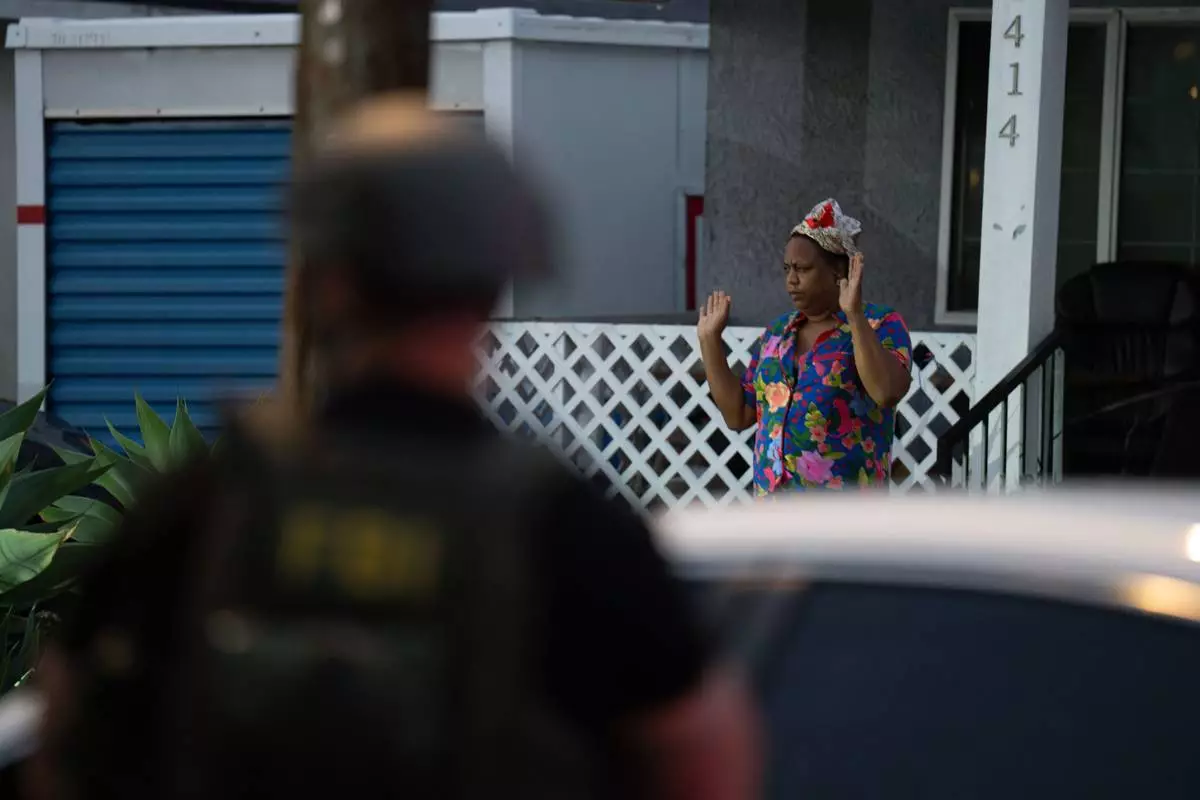
Lakiya Malone, charged with fraud involving federal homelessness aid programs, walks out of her home toward federal authorities with her hand raised in Los Angeles, Wednesday, Sept. 16, 2026. (AP Photo/Jae C. Hong)
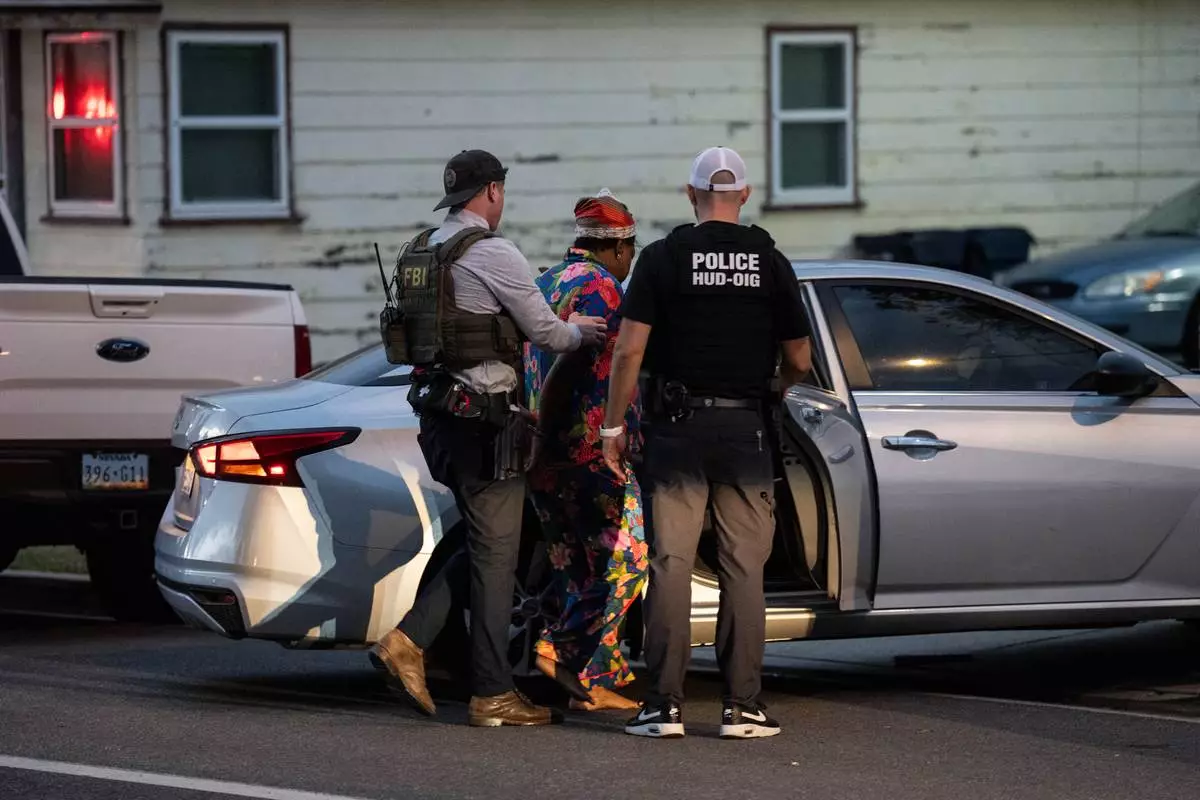
Lakiya Malone, center, charged with fraud involving federal homelessness aid programs, is arrested by federal agents in Los Angeles, Wednesday, Sept. 16, 2026. (AP Photo/Jae C. Hong)
CAIRO (AP) — Saudi Arabia accused Yemen’s Iran-backed Houthi rebels of trying to attack Islam’s holiest city, as the region responded with condemnation Wednesday but no sign of military support. The kingdom, a key U.S. ally, declared Mecca a “red line” as it slid deeper into the new front of the Iran war.
With the world’s biggest oil exporter under fire from the rebels backed by the Saudis' regional adversary, the kingdom needs a safe outlet for its crude as well as military assistance. There's no clear path to either.
A crucial Saudi pipeline has been shut down, reportedly for weeks, after an attack by Iranian-backed militias in Iraq. The Houthis have been targeting infrastructure in the kingdom and its shipping on the Red Sea, where they have seized several islands in the Bab el-Mandeb Strait. And Iran is still targeting ships in the Strait of Hormuz. Oil prices remain above $100 a barrel.
The Houthis denied firing drones toward Mecca, about 1,100 kilometers (680 miles) from Yemen’s border. The Saudis said they intercepted and destroyed the drone before it entered the airspace over the birthplace of the Prophet Muhammad.
The attacks are the first test of a new defense pact among Saudi Arabia, NATO member Turkey and nuclear power Pakistan. But officials from Turkey and Pakistan told The Associated Press they have not received a Saudi request for support in response to the Houthis' escalation.
The Turkish official said efforts to “institutionalize” the alliance need to be completed before the pact becomes operational. The officials spoke on condition of anonymity because they were not authorized to speak publicly on the issue.
Amid the condemnation of the attempted attack on Mecca, Pakistani Prime Minister Shehbaz Sharif said his country and the Saudis stand “unwaveringly, shoulder to shoulder.” Turkey's foreign minister expressed solidarity and said no country can “remain indifferent,” state-run Anadolu Agency reported.
Criticism also came from the Organization of Islamic Cooperation, representing over 57 Muslim states, which said the attempt violates the “sanctity of holy sites.”
This was the second attempted attack by the Houthis against Mecca after the rebels fired a ballistic missile toward the city in 2017, according to Col. Turki al-Maliki, spokesperson for the Saudi-led military coalition fighting the rebels.
Saudi Arabia has been in talks with allies in hopes of replenishing its stock of interceptors, which has been depleted because of the U.S.-Israeli war on Iran, according to two regional officials.
The officials said the Saudis have asked allies, including France, Britain, Pakistan and Egypt, to deploy air-defense teams to help defend against missiles and drones.
The officials spoke on condition of anonymity because they weren’t authorized to brief the media.
One of the officials said the Saudis turned to European and regional allies because the United States has seen its own stock of interceptors depleted.
A second official said Saudi Arabia is also seeking to rally its regional and international allies to launch a collective response against the Houthis. “But the decision now is to give diplomacy a chance,” he said, noting the roles of Oman and Egypt in the process.
The United States has sold billions of dollars in weapons to Saudi Arabia and has committed to other support, but top U.S. officials have indicated a lack of desire to get involved in the conflict.
U.S. Vice President JD Vance on Monday said Washington had been in “constant contact” with the Saudis and had “engaged in direct conversations with the Houthis.”
When asked whether Saudi Arabia had requested intervention, a U.S. official said the U.S. military’s Central Command has a task force in place for “enhancing intelligence sharing and planning support with Saudi forces.”
CENTCOM last week hosted senior military leaders from eight countries at a conference in Germany to discuss “opportunities for enhancing security cooperation in the Middle East,” the official also said, speaking on condition of anonymity because they were not authorized to comment publicly. The official did not confirm which countries attended.
On the ground, forces with Yemen's internationally recognized government have said they are regrouping to combat the Houthis after fleeing the rebels' advance. But those forces are a collection of armed groups with varying aims.
Later Wednesday, the rebels claimed, without offering evidence, that they shot down an F-15 fighter jet operated by the Saudi-led coalition over Yemen’s central province of Marib.
Houthi military spokesperson Brig. Gen. Yahya Saree didn’t say when it occurred, and the AP could not independently verify the claim. The rebels at times take days to claim attacks.
Spokespeople for the Saudi-led coalition and the Saudi government didn’t immediately respond to a request for comment.
While Saudi Arabia appeared to face the choice of pursuing diplomacy or taking the fight to the Houthis, the top diplomat for rival Iran was in China, the biggest buyer of Iranian oil.
Chinese Foreign Minister Wang Yi called on the U.S. and Iran to exercise restraint and reopen the Strait of Hormuz as soon as possible, and expressed China’s concern about the spread of the fighting to Yemen and the Red Sea, according to China’s Foreign Ministry.
Iran's Foreign Minister Abbas Araghchi said in a statement after the meeting that Tehran seeks “the restoration of calm to the region and friendly and peaceful relations with our neighbors.”
“In this regard we have begun dialogue with the countries of the region,” he added.
China has avoided direct involvement in the war, but President Xi Jinping at the BRICS summit in New Delhi over the weekend again offered Beijing's help in ending it.
Oil flows through the Strait of Hormuz have recovered somewhat as tankers risk using a route near Oman on the other side of the waterway, with guidance from U.S. forces. Estimates vary because ships can turn off location systems but range from 5 million to 7 million barrels per day on average.
That's less than half the amount before the war began with U.S. and Israeli strikes on Iran on Feb. 28.
Sewell reported from Beirut, Fraser from Ankara, Turkey, Ahmed from Islamabad and Anna from Jerusalem. Associated Press writers Samy Magdy in Cairo, Ken Moritsugu in Beijing, David McHugh in Frankfurt, Aamer Madhani in Washington and Jill Lawless in London contributed to this report.
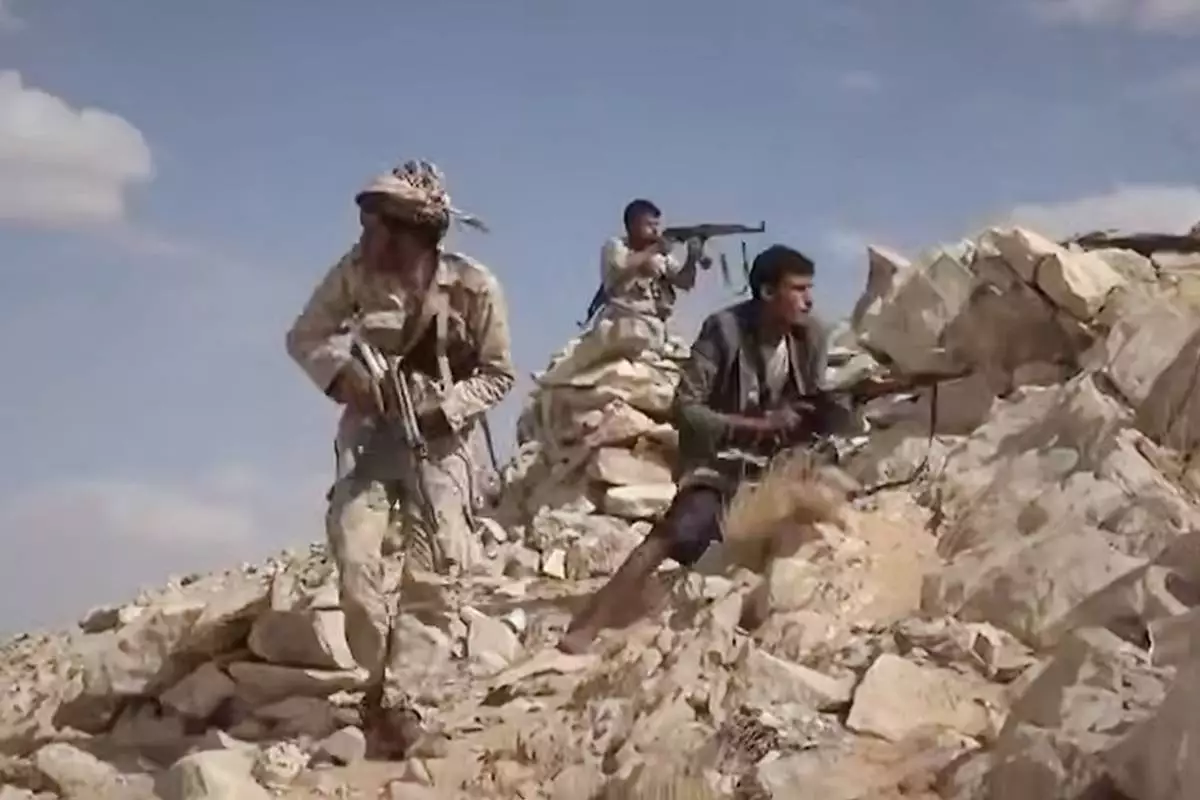
This image taken from an undated video released Tuesday, Sept. 15, 2026, by the Ansar Allah Media Office, the media arm of Yemen's Houthi rebels, shows what the group says are Houthi fighters battling Saudi-backed forces in eastern Jawf, Yemen. (Ansar Allah Media Office via AP)
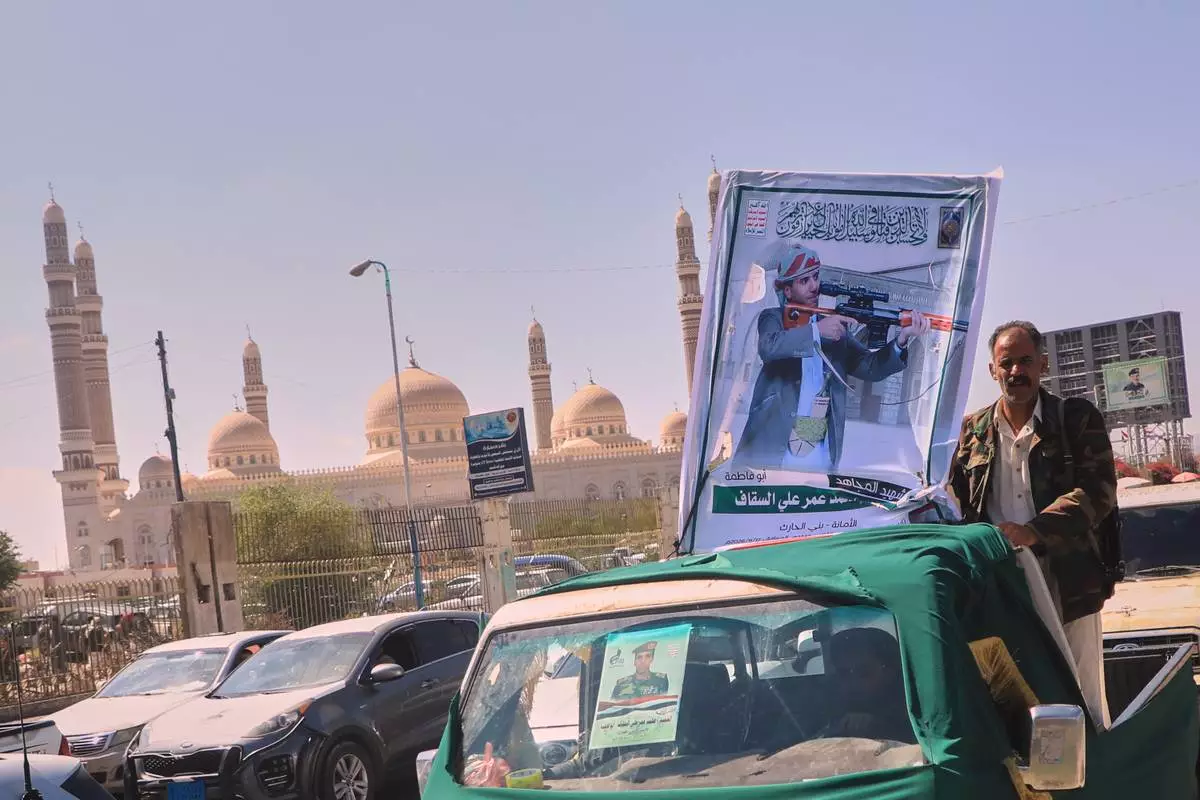
A man stands beside a portrait of Houthi fighter Mohammed Omar Ali al-Saqqaf, also known as Abu Fatima, mounted on a pickup truck during a mass funeral procession, with Al-Saleh Mosque in the background, in Sanaa, Yemen, Wednesday, Sept. 16, 2026. (AP Photo)
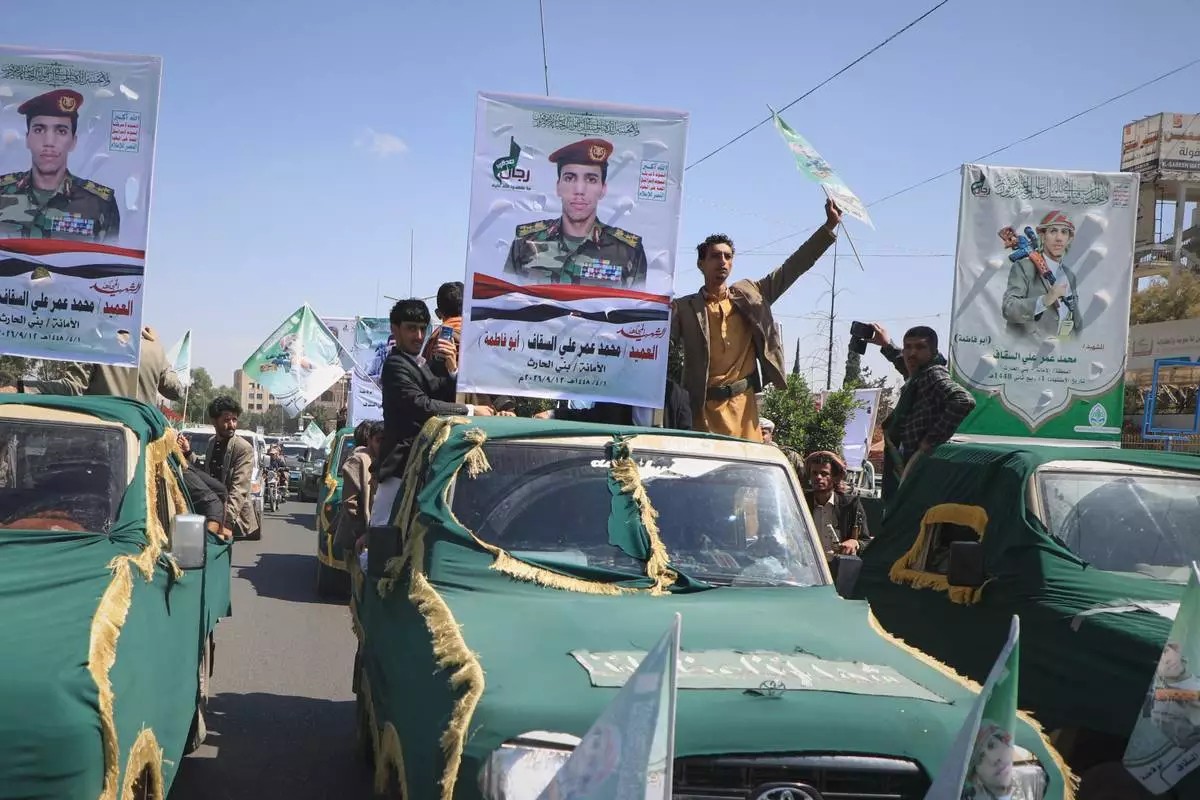
Pickup trucks travel in a mass funeral procession for Houthi officers and other military personnel in Sanaa, Yemen, Wednesday, Sept. 16, 2026. (AP Photo)
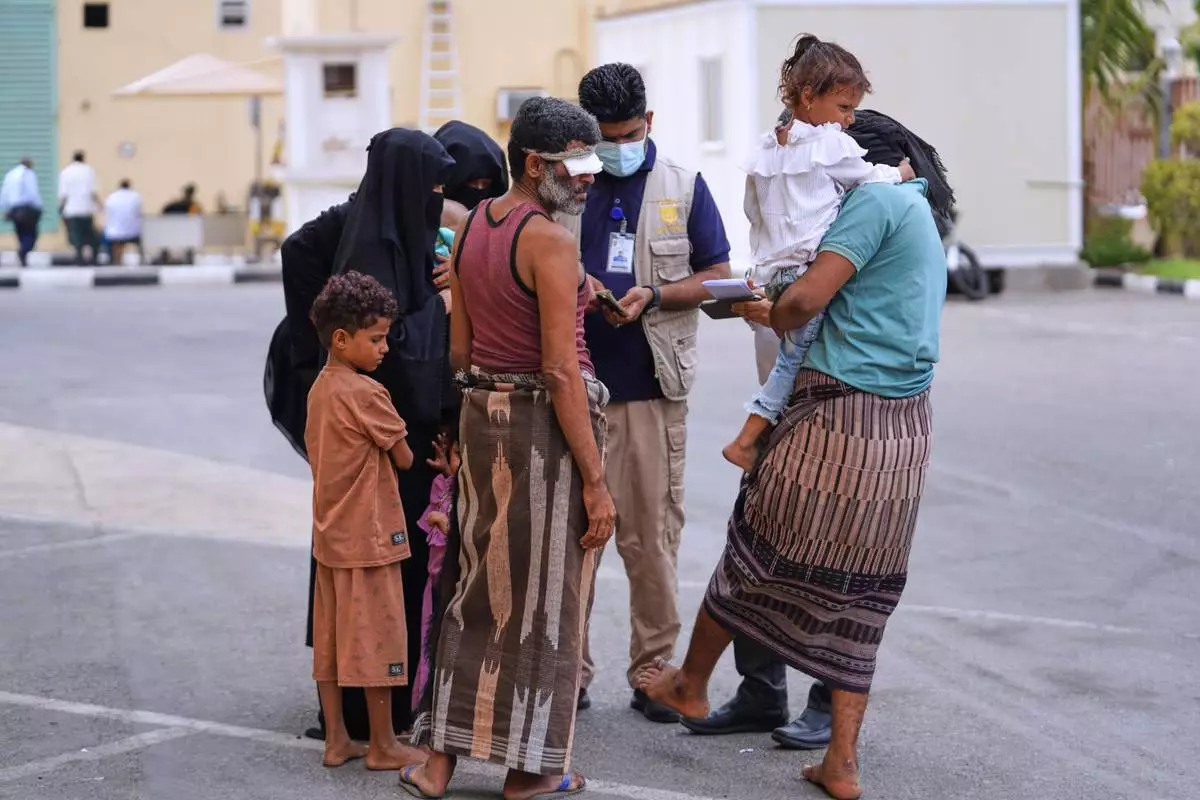
Displaced Yemenis from the west coast, register to receive free medical care at The Prince Mohammed bin Salman Hospital in Aden, Yemen, Wednesday, Sept. 16, 2026. (AP Photo/Abdulnasser Alseddik)
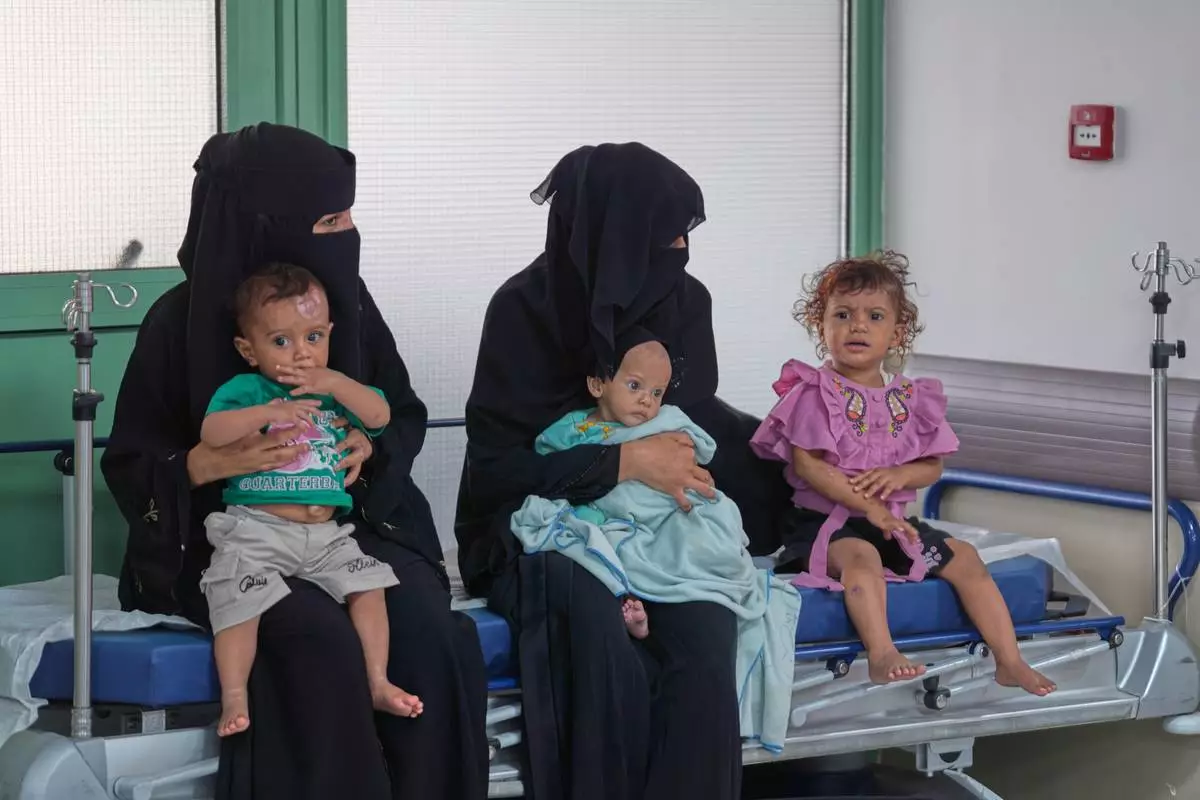
Displaced Yemenis from the West coast wait to receive medical care at Prince Mohammed bin Salman Hospital in Aden, Yemen, Wednesday, Sept. 16, 2026. (AP Photo/Abdulnasser Alseddik)
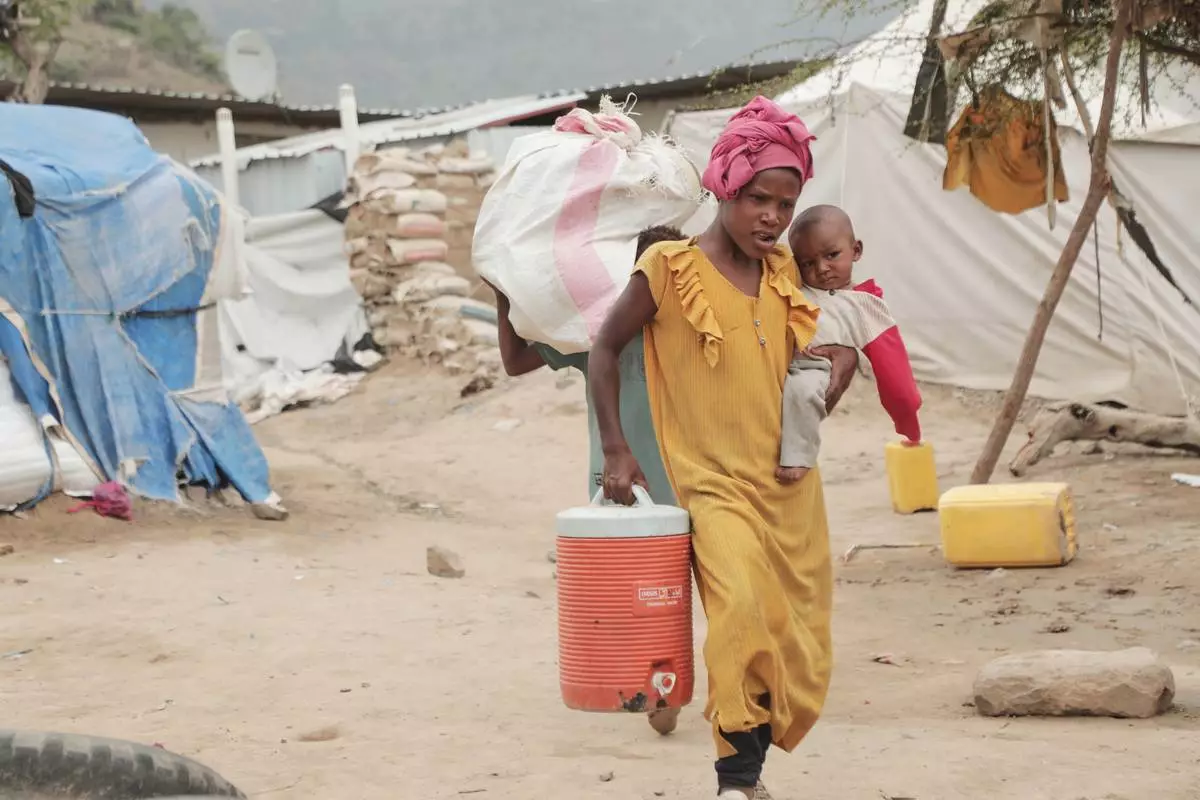
A displaced person walks through a camp in Taiz province, Yemen, Tuesday, Sept. 15, 2026. (AP Photo/Marzouq Al Jabri)
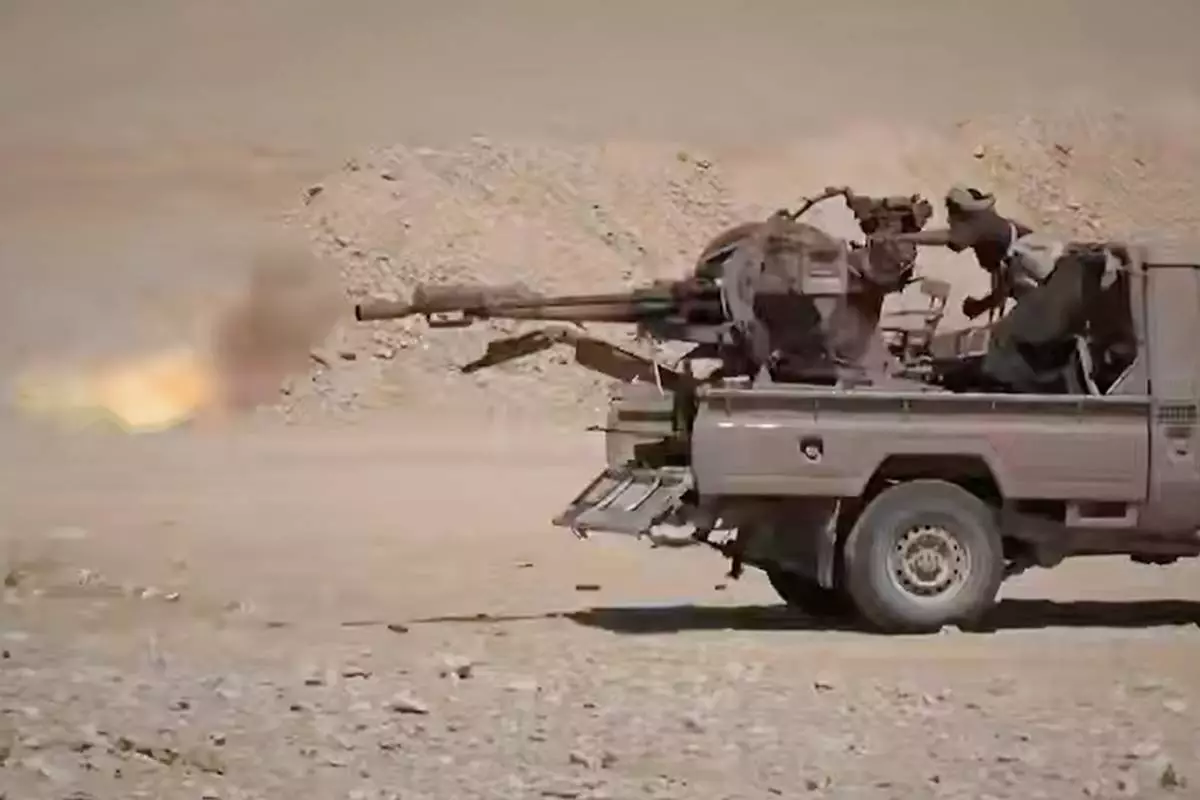
This image taken from an undated video released Tuesday, Sept. 15, 2026, by the Ansar Allah Media Office, the media arm of Yemen's Houthi rebels, shows what the group says are Houthi fighters firing a weapon mounted on a pickup truck during combat with Saudi-backed forces in eastern Jawf, Yemen. (Ansar Allah Media Office via AP)