Houthi fighters and Yemeni government forces are locked in fierce clashes over the vital high ground near the Bab al-Mandab Strait, as a heavy wave of Saudi airstrikes backing the government has reportedly killed and wounded civilians.
Fighting has centered on the strategic Kahbub mountain range in the southern province of Lahj, a key battleground in Yemen's conflict linking its Red Sea coast to inland supply routes, where government forces are trying to halt Houthi advances after the group seized large stretches of the coastline, local media reported.
Yemeni Presidential Leadership Council Chairman Rashad al-Alimi said on Thursday that the Houthis had suffered heavy losses on several fronts and that their Red Sea gains were temporary, insisting government forces could retake the initiative. The Houthis did not immediately respond.
Meanwhile, cross-border hostilities have escalated. A Houthi military spokesman reported on Thursday that Saudi Arabia's warplanes had carried out 37 airstrikes over the previous 24 hours across the the southwestern province of Taiz and the northwestern province of Hajjah, resulting in civilian casualties.
Saudi Arabia's civil defense authority announced Thursday it had intercepted and destroyed a Houthi drone over the southwestern Saudi province of Taif. However, falling debris killed one civilian, injured two others, and caused damage to nearby buildings and vehicles.
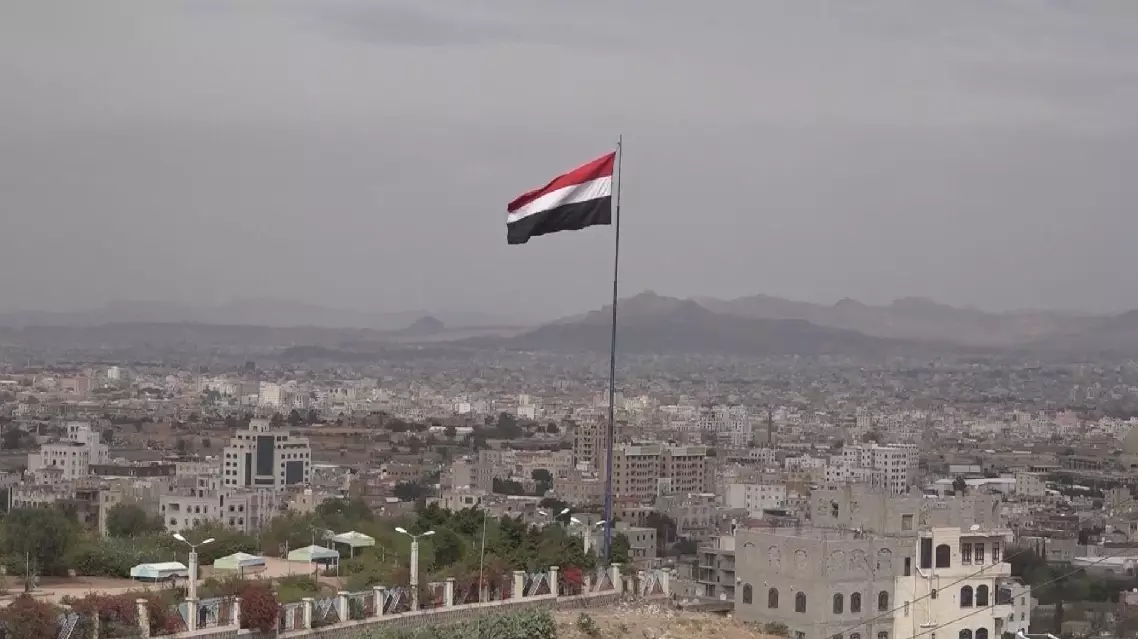
Houthis and gov't forces locked in heavy fighting over control of strategic mountains
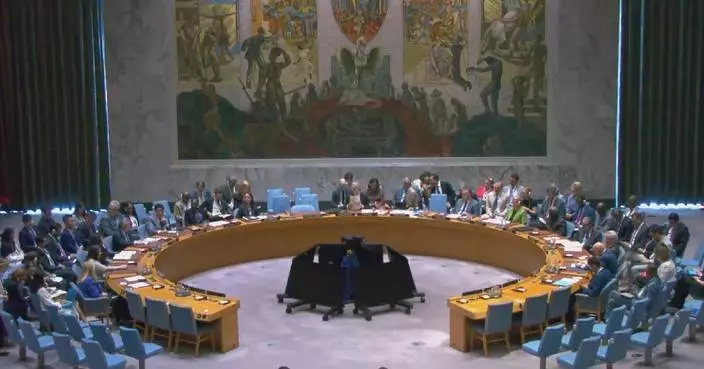
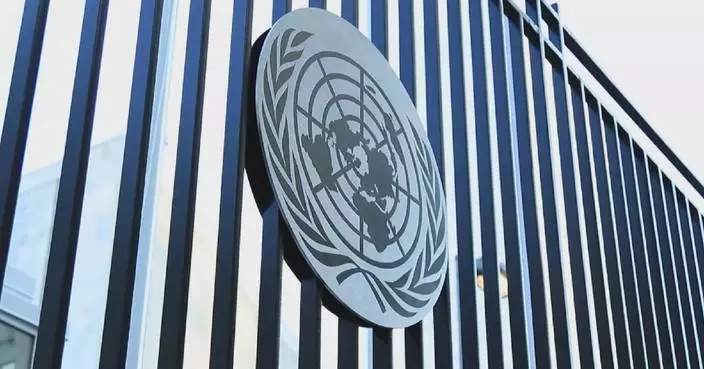
The United Nations (UN) General Assembly on Thursday adopted a resolution allowing Palestinian President Mahmoud Abbas' participation in this year's general debate via video, following the United States' denial of a visa to him.
The resolution, adopted with 152 votes in favor, 3 against and 4 abstentions, decides that Palestine may submit a pre-recorded statement by Abbas, which will be played in the General Assembly Hall during the general debate at the 81st session after introduction by its representative who is physically present.
The resolution also decides that Palestine may deliver statements via video conference or submit a pre-recorded statement at meetings of the high-level international conference for the peaceful settlement of the question of Palestine and the implementation of the two-state solution.
The resolution allows Palestine to submit a pre-recorded statement of its president or any other high-level representative at any high-level meeting or UN conference, as well as at international conferences and meetings convened under the auspices of the General Assembly or other UN organs, if representatives of Palestine are prevented from participating in UN meetings.
The United States on Wednesday extended visa restrictions on Palestinian officials, including Abbas, preventing him from attending the UN General Assembly high-level week in person for the second consecutive year.
"The leadership of the State of Palestine rejects and condemns the action of denying the Palestinian delegation headed by His Excellency President Mahmoud Abbas, to exercise their lawful right to participate in the works of the United Nations and the high-level week of the UNGA week," said Riyad Mansour, permanent observer of the State of Palestine to the United Nations.
This year's general debate will be held on September 22-26 and September 28.
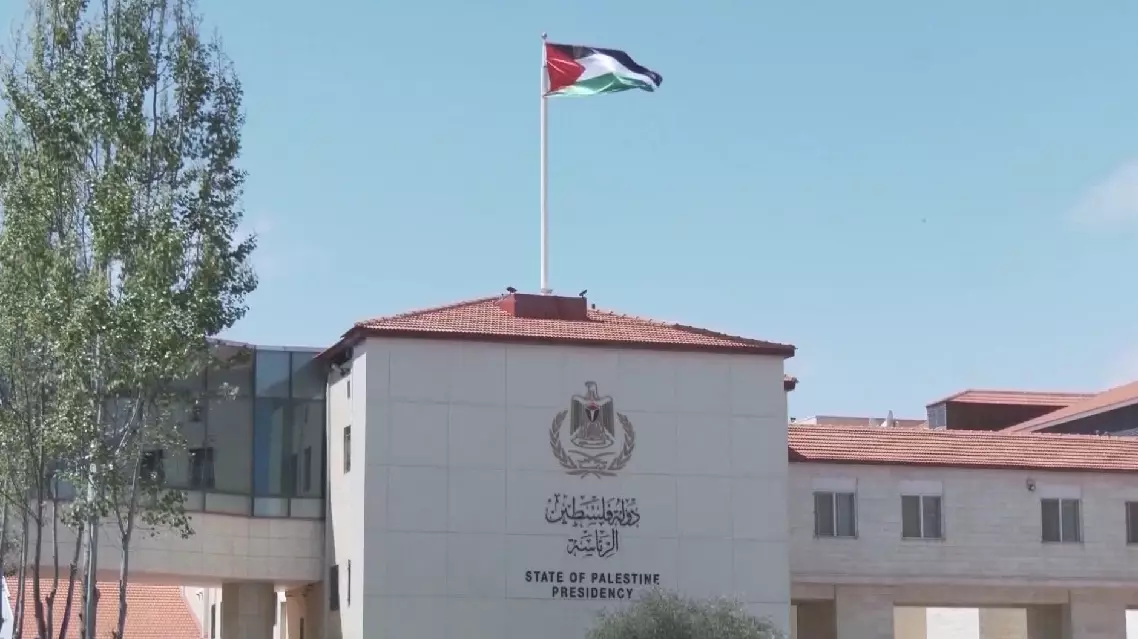
UN allows Abbas to participate in general debate via video after U.S. visa denial