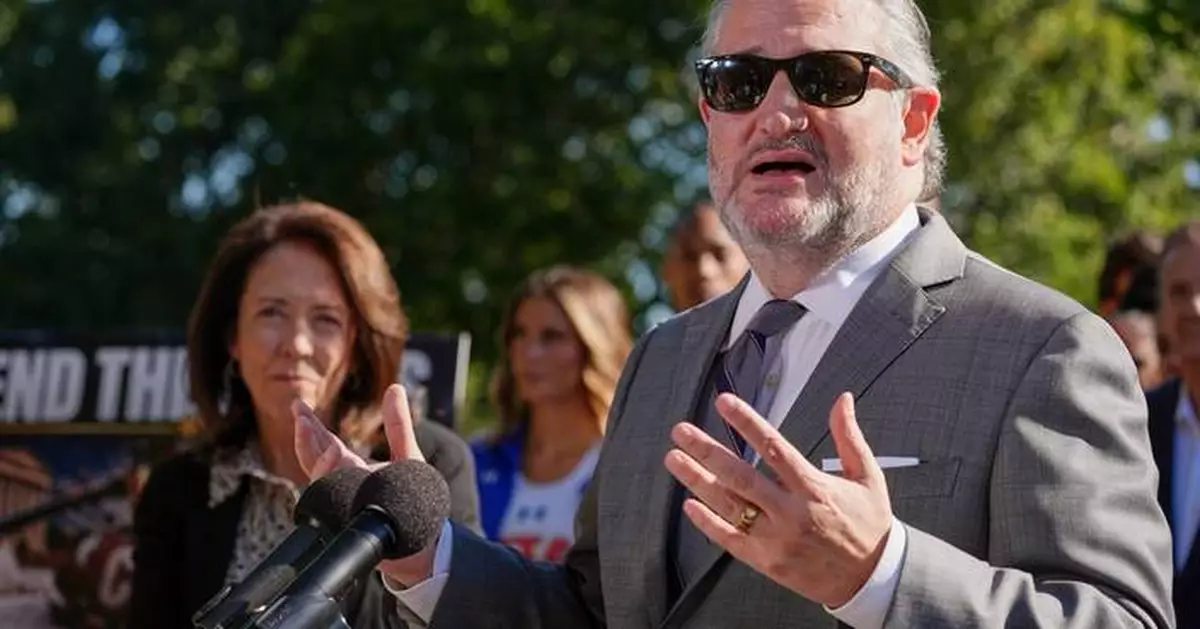
WASHINGTON (AP) — Congress has struggled to pass major legislation this year, putting off debates on annual spending, defense, cryptocurrency and artificial intelligence. But in its final weeks in session as the midterm elections approach, the Senate can agree on doing one thing — addressing college sports.
The Senate voted twice this week to move forward on legislation to overhaul the rules and financing around college sports. It's an effort to put guardrails around skyrocketing spending, prevent constant legal battles and restore order to what the bill’s supporters say is “chaos” in athletic programs.
More than 70 senators are already backing the bill, which would still have to pass the House. Final votes could come as soon as next week.
Still, some Senate critics say it’s far from the most urgent matter in front of Congress — and question why senators aren’t focused on what they say are more pressing issues before the midterm elections.
Florida Sen. Rick Scott, a Republican who opposes the sports bill, said Congress should be primarily dealing with affordability issues before lawmakers leave town to campaign. The college sports bill, Scott said, goes “way too far inserting the federal government into collegiate athletics” and could create new problems.
Democratic Sen. Chris Murphy of Connecticut said the Senate should concentrate on other things “when we are in the middle of a disastrous war and a growing cost crisis.”
The college sports legislation is addressing “a fake crisis,” Murphy said this week. He argued that it doesn’t do enough to change the system and protect athletes.
Those backing the bill say it will keep college costs down, give hundreds of thousands of student athletes new health and labor protections and create one set of rules for all colleges.
Senate Majority Leader John Thune, R-S.D., made a commitment this summer to the bill’s top sponsors — Commerce Committee Chairman Ted Cruz, R-Texas, and Washington Sen. Maria Cantwell, the top Democrat on the panel — that he would hold a vote on the bill in September. He says there is a “pent-up demand” to fix college sports, “and it’s clearly broken.”
“I think it’s been proven over time that nobody else is going to fix it,” Thune said.
The legislation addresses what Cantwell calls “a spending spiral” that has taken hold of college sports as name-image-likeness payments — money that student athletes can earn by monetizing their endorsements, social media, public appearances and more — have led to football rosters with $30 million payrolls.
A report Cantwell issued earlier this year showed there was a $519.9 million increase in institutional and government support of athletic programs between 2015 and 2025 among the 53 schools in the Power Four whose data was publicly available.
The bill would cap the revenue colleges are allowed to share with their players, add a retention pool for schools to keep current players and give conferences the option of pooling TV media rights, which could raise more revenue. It would also restrict player transfers, an effort to rein in the transfer portal that has led to players constantly switching teams.
It would also codify the NCAA’s new rule allowing players no more than five years of eligibility, cap agent fees and give the NCAA limited antitrust protections.
Supporters say that the guardrails around big spending would help save money for smaller athletic programs, including women’s and Olympic sports, that are lower priority at many schools. And it would put new requirements in place that would allow student athletes to keep scholarships and have longer-term healthcare.
“We can recognize (these rights), enshrine them today, and make sure that these athletes are protected forever,” Cantwell said.
Senators were still making last-minute changes to the bill on Friday, tweaking a provision that would reduce the wait time if schools want to change conferences and adding language that clarifies the bill does not override other laws that currently address transgender girls and women in sports.
The bill still has critics. Labor and civil rights groups are opposing it, and all four Black Democrats in the Senate — Cory Booker, Raphael Warnock, Lisa Blunt Rochester and Angela Alsobrooks — voted against the bill.
Booker said it still gives too much power to the NCAA without enough accountability for the players.
“The NCAA has a long record of ignoring the cries for justice from exploited college athletes,” he said.
But many of his Democratic colleagues are on board, arguing that the current situation is untenable.
“College sports is a uniquely American thing, part of our culture,” said Democrat Chris Coons of Delaware. He said passage of the legislation should give Americans “some hope that we can at least stabilize college sports. It’s long overdue to make progress on this issue.”
Associated Press reporter Eddie Pells in Denver contributed to this report.
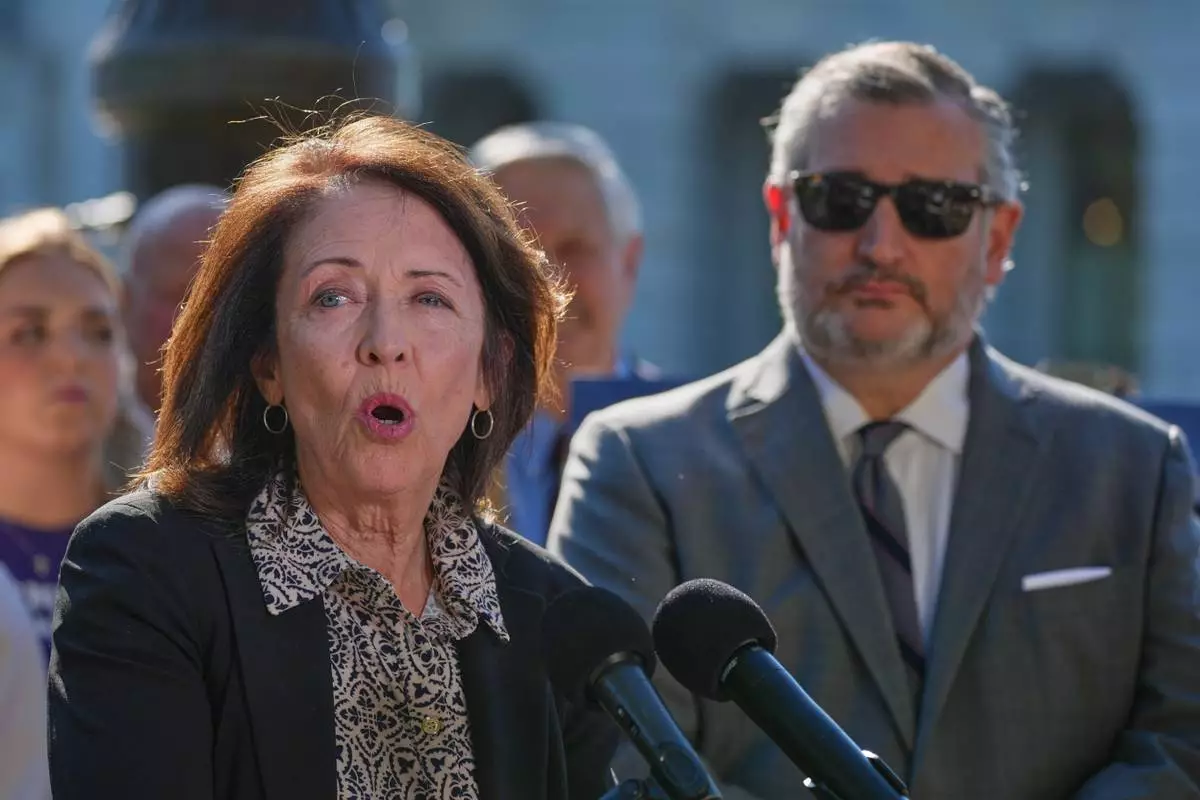
Sen. Maria Cantwell, D-Wash., left, speaks as Sen. Ted Cruz, R-Texas, right, listens during a news conference on Capitol Hill, Monday, Sept. 14, 2026, in Washington. (AP Photo/Mariam Zuhaib)
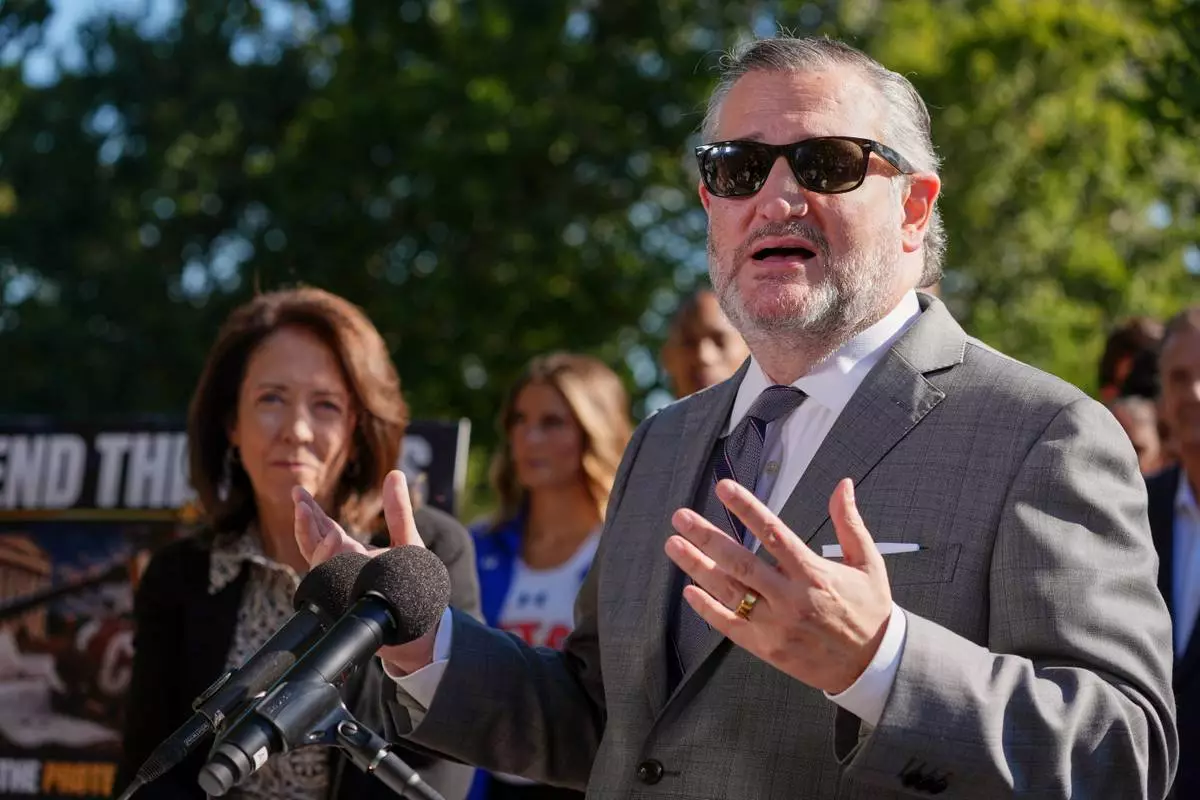
Sen. Ted Cruz, R-Texas, right, speaks as Sen. Maria Cantwell, D-Wash., left, listens during a news conference on Capitol Hill, Monday, Sept. 14, 2026, in Washington. (AP Photo/Mariam Zuhaib)