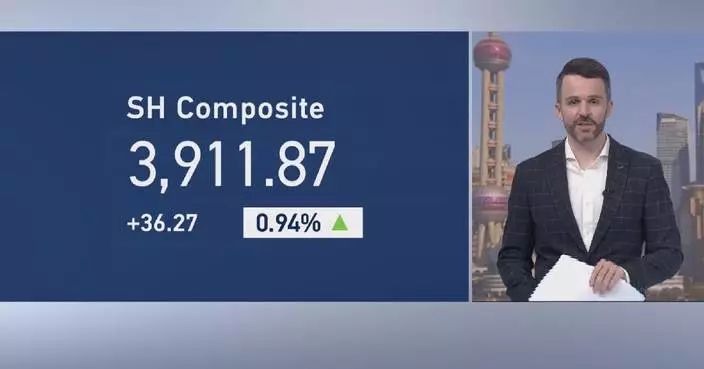
Hong Kong's stock market rebounded Friday as falling crude oil prices and robust performance in the technology sector provided a much-needed relief to investors, according to Timothy Pope, an analyst for China Global Television Network (CGTN).
The benchmark Hang Seng Index rose 0.60 percent to close at 24,750.78 points.
The Hang Seng China Enterprises Index gained 0.61 percent to 8,225.40 points, and the Hang Seng Tech Index went up 2.20 percent to 4,405.50 points.
Pope observed that regional markets have largely shaken off their initial reaction to the U.S. Federal Reserve's rate hike earlier this week.
"Around the region, the markets seem to have rebounded from the initial reaction to the Fed's rate hike this week pretty convincingly. That's thanks in part to a wave of relief caused by a dropping crude oil prices today. The Hang Seng climbed 0.6 percent at the close, leaving it about 0.2 percent lower for the week. The Fed hike itself had also been largely priced in by the time it happened. By the beginning of this week, the markets were already treating a rate rise as the overwhelming base case," said Pope.
He noted that technology stocks, alongside optimism surrounding Hong Kong's newly released five-year plan for economic and social development, served as the primary engines behind the rally.
"Chinese tech names were leading the gains in Hong Kong today as well, just like they were on the mainland. Lenovo, Hua Hong Semiconductor and Kuaishou were all rising. There was also a bit of interest in property names in Hong Kong after Hong Kong's first official five-year plan came out this week and put housing supply and the Northern Metropolis plan pretty high on the agenda," said the analyst.
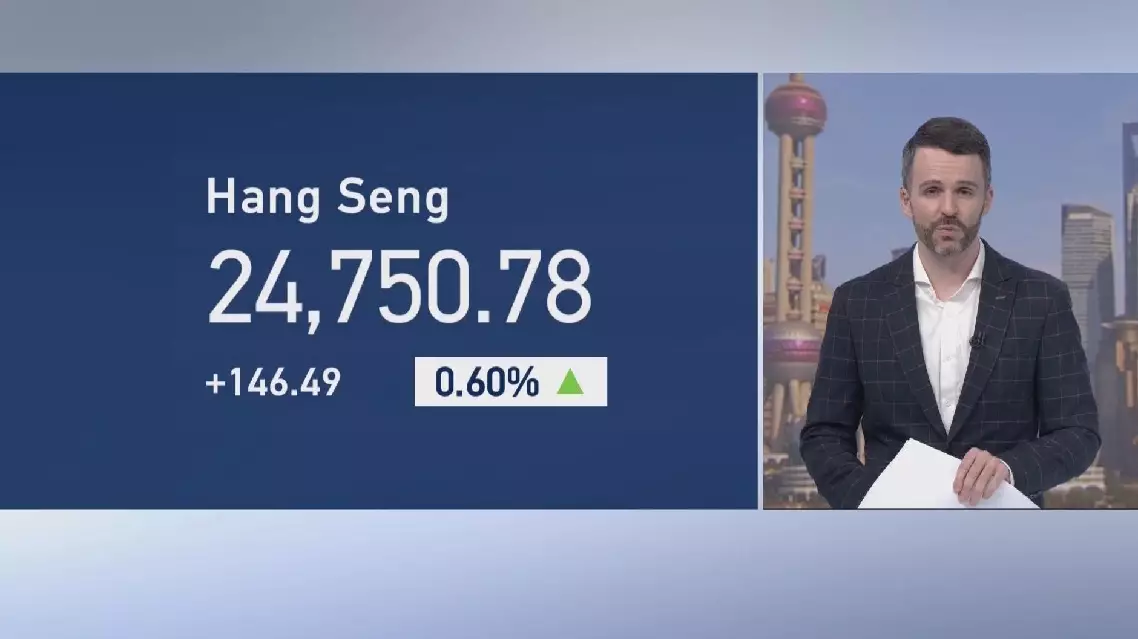
Hong Kong stocks rebound as falling oil prices, tech rally offset Fed rate hike concerns
More than eighty years after the end of World War II, the history of Okunoshima Island, Japan's "poison gas island," remains little known in Japan, concealed by its modern image as a tourist destination called "rabbit island."
Okunoshima, a small island covering about 0.7 square kilometers in Japan's Seto Inland Sea, is known today as "rabbit island" for the wild rabbits roaming across it, attracting tourists from Japan and abroad.
But during wartime, the island was a major hub operated by the Imperial Japanese Army to manufacture poison gas, where chemical warfare agents were produced and used to inflict suffering on countless innocent people. It was, in reality, a "poison gas island."
Japan's production and use of chemical weapons violated the Geneva Protocol. To conceal its activities, the Japanese military kept the construction and operation of the poison gas facility on Okunoshima secret throughout the war.
Between 1929 and 1945, Japan produced a significant amount of chemical agents in defiance of international bans, with nearly 90 percent of them originating from Okunoshima. The island housed around 200 rabbits used for testing the efficacy of poison gases.
In an attempt to cover up their chemical warfare crimes after their defeat, Japan exterminated all experimental rabbits. Rabbits seen on the island nowadays were later introduced to attract tourists.
Masayuki Yamauchi is director of the Poison Gas Island Historical Research Institute, a civic group that gives tours of the poison gas facilities. He has been sharing the history of the "poison gas island" for 28 years.
As Japan's historical education focuses on the victim's narrative while neglecting its past as a perpetrator, most visitors are aware of "rabbit island" but remain oblivious to the dark history of the "poison gas island," Yamauchi said.
"Whenever someone calls it 'rabbit island,' I get angry. I say, 'This is Okunoshima, not rabbit island. Please don't use that erroneous name, which will make this important history disappear," he said.
Records indicate that the Japanese Imperial Army established a chemical gas factory on Okunoshima in 1927. From 1929 to Japan's surrender in 1945, over 6,000 people worked in the factory, producing poison gas that was transported continuously to the Chinese battlefields. Documented instances of Japanese chemical gas warfare on Chinese soil numbered more than 1,241, resulting in over 200,000 casualties among the Chinese military and civilians.
During the years of aggression, the Japanese government wiped Okunoshima off maps to protect its secrecy and banned entry to the island without the permission of the military minister. This suppression of its aggressive history somehow persists to this day.
In Yamauchi's view, it was precisely this suppression of its aggressive history that exposed Japan's intent to use chemical weapons at the time.
"Japan knew very well that secretly using poison gas violated the international treaty, yet it still planned to use it secretly after reaching China. The international treaty stipulated was that poison gas could not be used, but it did not prohibit the production of poison gas. Even so, Japan still kept its production secret. This shows that they actually already had a plan to use it. When they first used it in China, they began in the area around Shanxi Province, in places relatively close to mountainous regions. That was because such places were relatively less likely to attract attention. But later, the war did not develop in the direction Japan had hoped. Japan moved steadily toward defeat. At that point, they could no longer afford to worry about such things. Originally, they had used it in secret. Later, they gradually began to use it openly and on a large scale," he said.
On Aug 15, 1945, Japan announced its unconditional surrender. Following Japan's surrender, the poison gas facility destroyed its stockpiles and burned relevant documents in an apparent effort to prevent the crimes from being exposed. After the war, Okunoshima was transformed from a poison-gas production island into a leisure tourism destination.
"As far as Okunoshima is concerned, from my own personal perspective, I believe the government at the time wanted to eliminate the island's 'poison gas' image as quickly as possible. Everyone actually knew about the island's production of poison gas during the war. It was just that if anyone spoke about it, they would be arrested and face very serious consequences, so no one dared to speak. After the war ended, the Japanese government neither issued a formal apology, nor compensated the Chinese victims, nor clearly acknowledged that 'Japan violated the international treaty by using poison gas.' It has always adopted an evasive and vague attitude," he said.
The Poison Gas Museum was established on the island in 1988, built through grassroots efforts and fundraising by peace advocates. The museum displays equipment for poison gas production, remnants of gas shells, gas masks, and documents ordering the use of gas in China, among others.
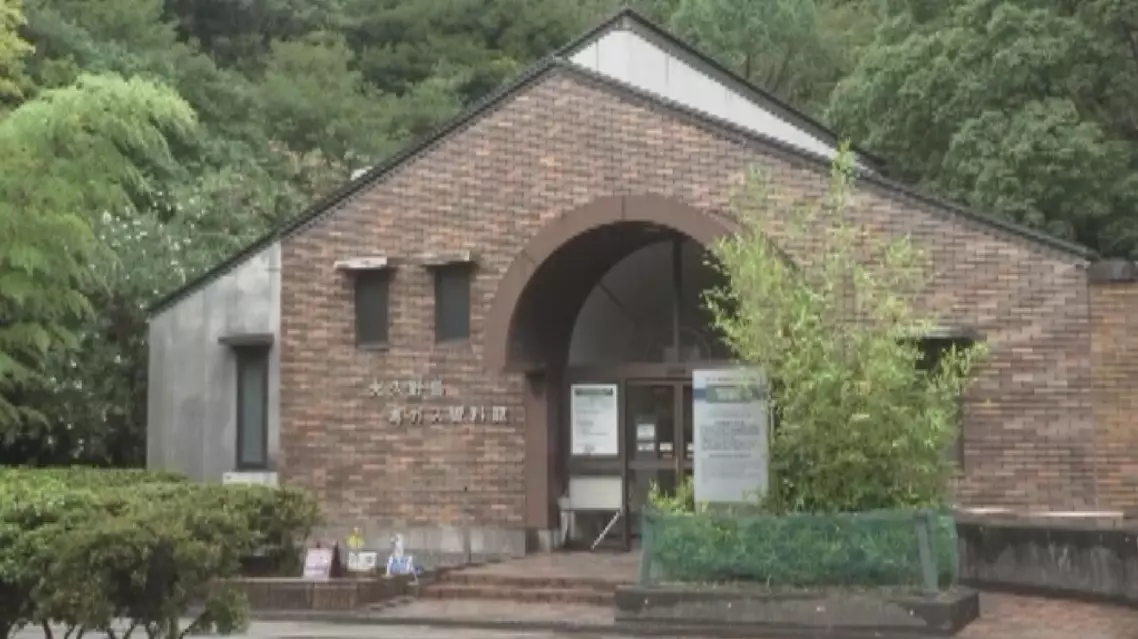
Uncovering the poison gas past of Japan’s "rabbit island"