ALEXANDRIA, Va. (AP) — A federal judge who blocked the creation of a $1.8 billion “anti-weaponization fund” for compensating President Donald Trump's political allies wasn't swayed by a government attorney's assurances Friday that the administration has abandoned the concept.
U.S. District Judge Leonie Brinkema in Virginia didn't rule from the bench on the government's request for her to dismiss a lawsuit challenging the fund's formation and operation. But the judge rejected the notion that the case's claims are moot because the Trump administration says the fund is dead and won't go forward.
“The issues that underlie this case are still alive and kicking, in my view,” Brinkema said.
The fund for compensating Trump’s political allies encountered a fierce bipartisan backlash and threatened to derail Attorney General Todd Blanche’s Senate confirmation. On Aug. 2, Blanche issued a formal order terminating the fund after negotiating for weeks with two Republican senators who wanted to see the promise in writing before they endorsed his nomination.
“The case is moot,” Justice Department attorney Andrew Block told Brinkema. “The mootness has been addressed at every stage.”
But the judge noted that Blanche's assurances have been undercut by the president and other administration officials. Trump, a Republican, continued to publicly express support for the fund even as Blanche insisted it was dead.
“They contradict themselves all the time,” Brinkema said.
The administration created the settlement fund to resolve Trump’s lawsuit against the IRS over the leak of his tax returns. The plan stoked outrage over the notion that Trump supporters who attacked police officers while storming the U.S. Capitol on Jan. 6, 2021, could be eligible for payments.
Attorneys from the legal advocacy group Democracy Forward sued in May, asking the Alexandria, Virginia, court to suspend the fund’s implementation temporarily and stop the Trump administration from disbursing any payouts. Plaintiffs’ attorneys argued the government can’t divert taxpayer money to a slush fund for enriching Trump’s allies.
Brinkema, who was nominated to the bench by Democratic President Bill Clinton, agreed in June to extend an order blocking the fund until further notice from the court.
Democracy Forward attorney Pooja Boisture told the judge on Friday that the administration will most likely move forward with the fund — “either in its current iteration or a new one” — if her order is lifted.
The Virginia lawsuit’s plaintiffs include a fired prosecutor and a college professor acquitted of assaulting federal agents at a protest. Also named as plaintiffs are the government watchdog Common Cause; the city of New Haven, Connecticut; and the National Abortion Federation, an association of abortion providers.
“This scheme is an unprecedented, unlawful, and corrupt attempt to manipulate the legal process and laws intended to prevent political interference to achieve benefits that President Trump and his political allies could not have obtained lawfully,” the plaintiffs’ attorneys wrote.
Justice Department attorneys argue the plaintiffs don’t have a legal basis for claims challenging a fund that “has never existed and will not exist.”
“The time has come to stop this inquisition,” they wrote.
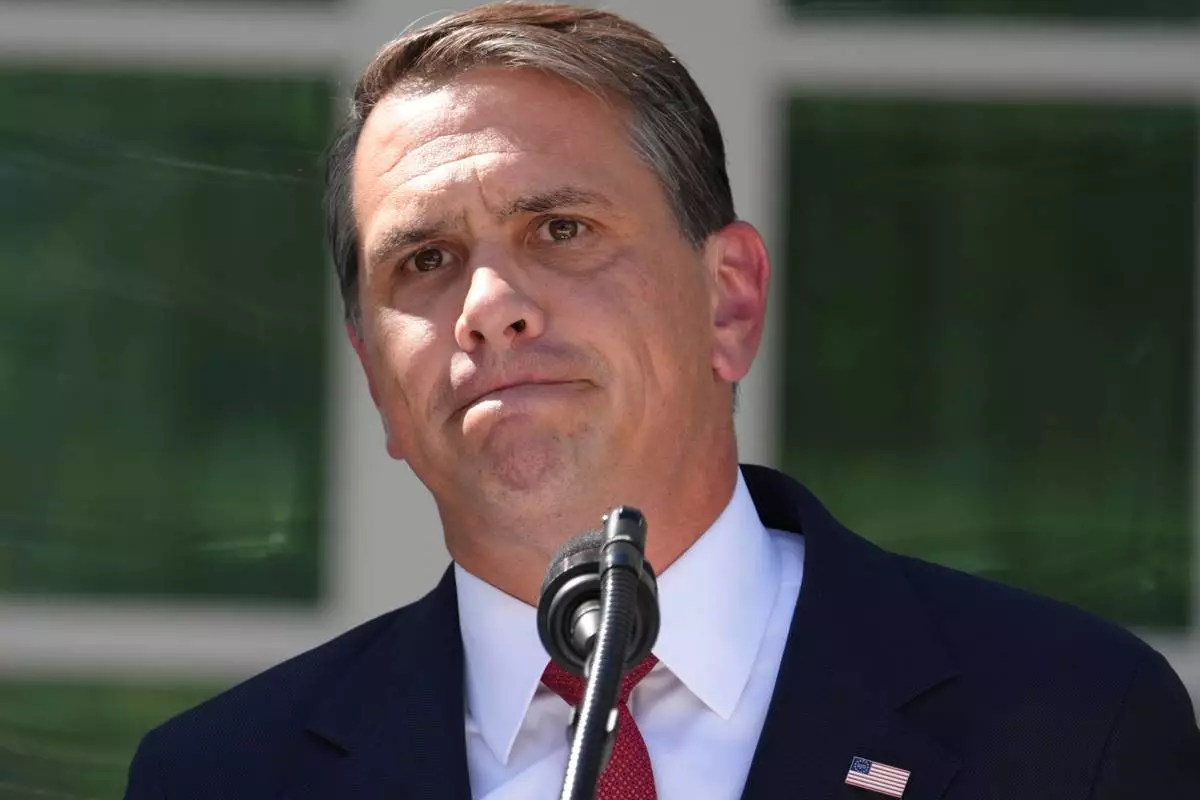
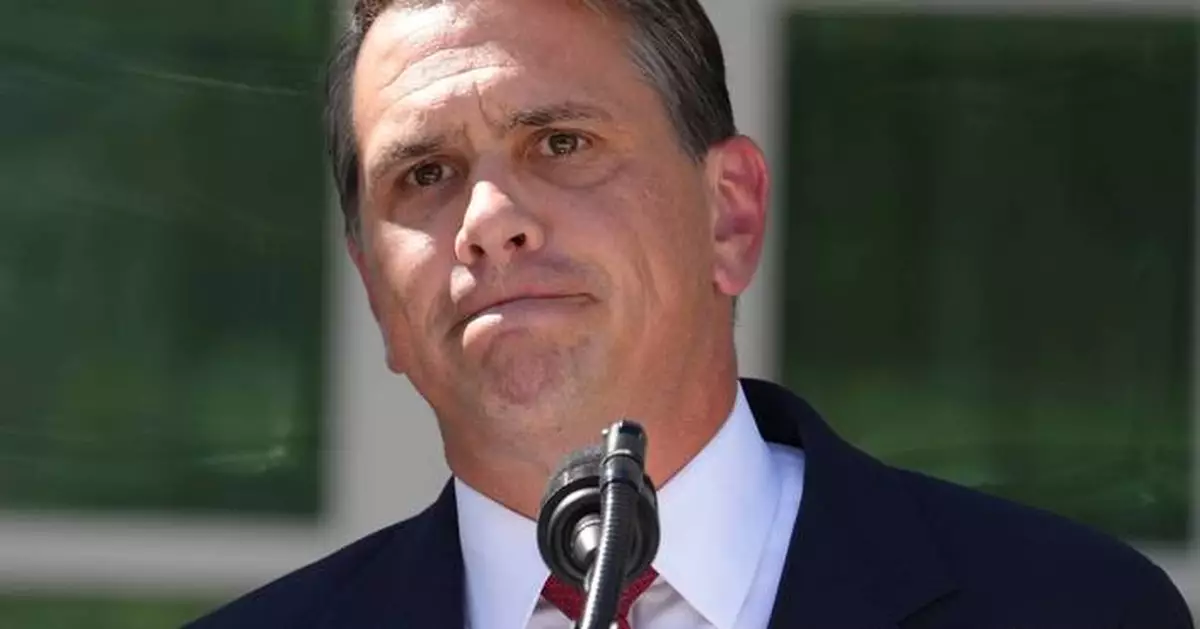
U.S. Attorney General Todd Blanche listens during a news briefing in the Rose Garden of the White House, Tuesday, Sept. 15, 2026, in Washington. (AP Photo/Jacquelyn Martin)
HENRICO, Va. (AP) — In-person voting for this year’s midterm elections began Friday, ushering in the final six weeks for Americans to decide which party they trust to lead Congress through a cost-of-living crisis, a prolonged war in Iran and other pressing issues.
Election administrators say they are prepared and confident the vote will be accurate and secure. Nevertheless, President Donald Trump has continued efforts to denigrate certain voting methods and reshape how elections are run, through court challenges, a federal hunt for noncitizen voters and a pressure campaign to force election officials to share sensitive voter data.
Friday marked the start of early voting in Virginia. Voters in a few other states, including Minnesota and South Dakota, can cast absentee ballots in person, typically at a local election office or voting center. More expansive early voting is scheduled to begin in those and other states in the coming weeks.
At a voting location in Fairfax, Virginia, 18-year-old college student Sanya Singhal was among the first to vote early in person Friday morning, arriving well before the site opened to get in line.
“Why not just have a little fun in life, you know, try to be the first early voter?” she said. “I really want to participate in my democracy.”
At a voting location in suburban Richmond, a poll worker rang a bell as the building opened and about a dozen voters in line began to file in. Stephen Gura was excited to be the first.
“This election is critical. We need to stop the Trump agenda,” said Gura, who added that he voted for U.S. Sen. Mark Warner, a Democrat, and Shannon Taylor, the Democratic nominee against Republican incumbent Rob Wittman in the 1st Congressional District.
The Nov. 3 election includes votes for governor and state legislature in most states and will determine whether Republicans maintain control of the U.S. House and Senate. If Democrats retake Congress, it will alter the trajectory of the final two years of Trump’s term, most likely leading to investigations and other oversight efforts.
At the suburban Richmond voting center, a steady stream of voters flowed in and out. William Curry, a 74-year-old retiree who described himself as a libertarian-leaning independent conservative, voted for Warner’s Republican challenger, Bert Mizusawa, and Wittman. Curry said he generally approves of the job Trump has done, apart from the war with Iran.
“He’s in a mess he can’t get rid of,” Curry said of the conflict.
On a rainy day in Sioux Falls, South Dakota, Bill Goehring, 67, said he voted early at the county office because he will be traveling later. He voted for a mix of Democrats and independents, and said Trump’s “dictatorial tendencies are bad for America.”
John Thomas, a conservative retired police officer at the Sioux Falls office, said his biggest concerns were public safety and election integrity. He said he doesn't want to see immigrants in the country illegally voting in federal elections.
The start of early voting comes at a time of deep angst and division among many Americans about issues including rising gas and grocery prices, the war in Iran, the looming risks of artificial intelligence and Trump’s aggressive immigration enforcement campaign.
It also follows an unprecedented spate of mid-decade redistricting for the U.S. House that began when Trump urged the Republican-controlled legislature in Texas to redraw its congressional map to help the party. California and other states followed.
The changes affect millions of people: Research shows 1 in 10 Americans this fall is a resident of a different congressional district than in 2024.
Those partisan efforts are expected to continue before the 2028 elections after a landmark ruling this year from the U.S. Supreme Court weakened the federal Voting Rights Act’s protections against racially discriminatory redistricting.
As the start of early voting approached, Trump was focused on efforts to assert federal control over election administration, even as the Constitution bestows the power to run elections on the states and, in some cases, Congress. The nation's highest court this week rejected Trump's bid to restrict mail ballots, but several of his administration's other efforts to influence the voting process and investigate state voter lists continue.
Virginia's attorney general said Thursday that Trump's administration may have violated the state's laws after a whistleblower accused federal employees of misrepresenting themselves on voter lookup tools to hunt for noncitizen voters. In a letter, Attorney General Jay Jones demanded that the Department of Homeland Security confirm whether it had directed anyone to access Virginia voters’ information without first obtaining permission from those voters.
Trump for years has raised the specter of widespread noncitizen voting in U.S. elections, and this year is no exception. But research continues to show noncitizen voting is exceptionally rare.
David Becker, executive director and founder of the Center for Election Innovation and Research, said he wouldn’t be surprised if the Republican president continues “his disinformation campaign and his attack on election officials.” But he said he thinks "the process will hold as it has in past years.”
At least a few Friday voters were motivated to vote early in part because of Trump's actions.
In Minneapolis, 47-year-old business processing engineer Dragan Colakovic said he didn't want to wait until Election Day for fear of being stopped by immigration agents. He said Trump's surge of agents to Minnesota in an immigration crackdown earlier this year terrified him, a naturalized U.S. citizen who moved from Bosnia in 1997 and saw the horrors of war in the former Yugoslavia.
Sixty-three-year-old Democratic voter Laura Bland in Virginia's Henrico County said she cast a ballot early to send “a signal that we're still here" amid Trump's efforts to curtail mail voting.
“Regardless of whether you vote for a Democrat, Republican, people are not going to be stopped or intimidated from participating in our elections,” Bland said, nearly moved to tears.
Voting rights advocates have encouraged voters this year to cast mail ballots early, in part because of concerns about recent changes in U.S. Postal Service operations that could delay the application of postmarks to ballots.
Voting early "gives voters options, eases lines on Election Day and can even mean faster results,” said Hannah Fried, co-founder and CEO of the voting rights group All Voting Is Local.
The top official at the U.S. Postal Service also encouraged voters who cast ballots by mail to get them in a week before they're due.
“Everything is solved if people vote early,” postmaster general David Steiner said in an interview.
In a news briefing Thursday, Minnesota Secretary of State Steve Simon urged people not to be swayed by stories they might have seen or read that cast doubt on election operations. They would be able to vote “just like they always have,” he said.
“I just want to reaffirm that Minnesota’s elections are fundamentally free, fair, accurate, honest and secure,” he said.
Swenson reported from New York and Raza from Sioux Falls, S.D. Associated Press writers Mike Catalini in Philadelphia, Tim Sullivan in Minneapolis, and AP video journalist Nathan Ellgren in Fairfax, Va., contributed to this report.
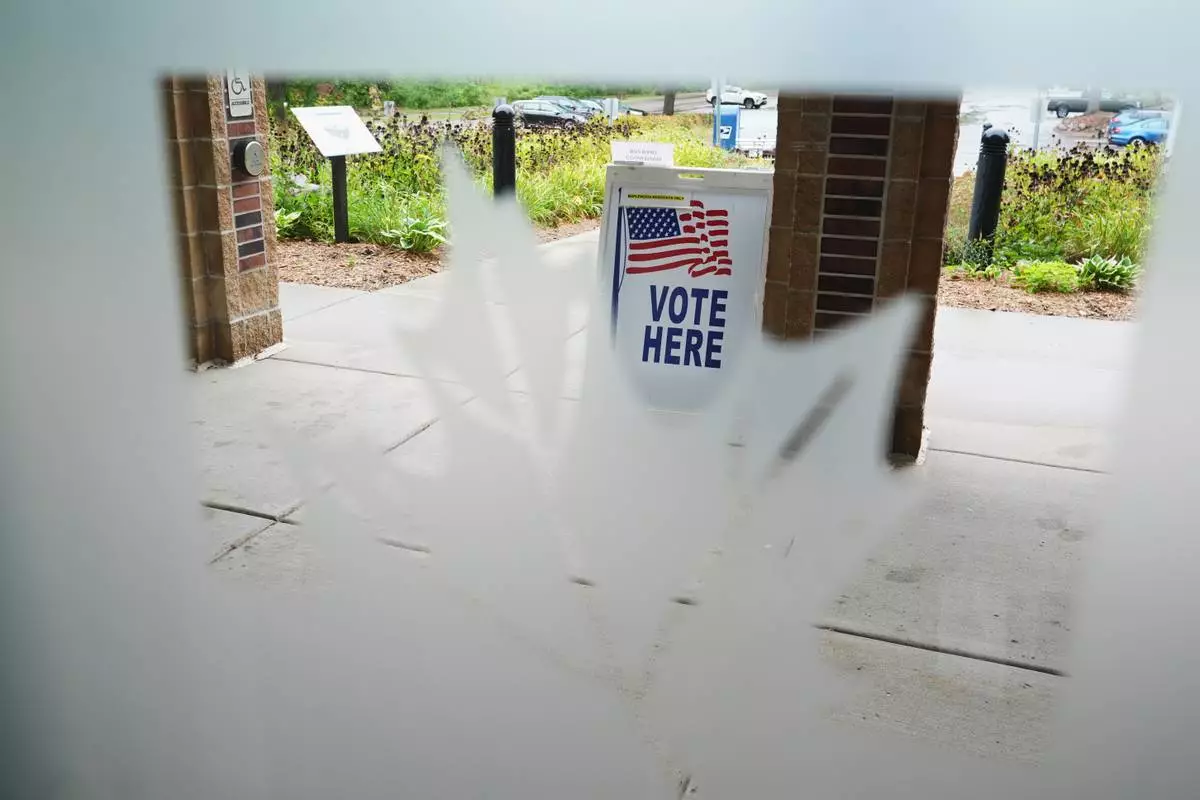
A sign welcomes voters on the first day of early voting in Minnesota at Maplewood City Hall, Friday, Sept. 18, 2026, in Maplewood, Minn. (AP Photo/Ellen Schmidt)
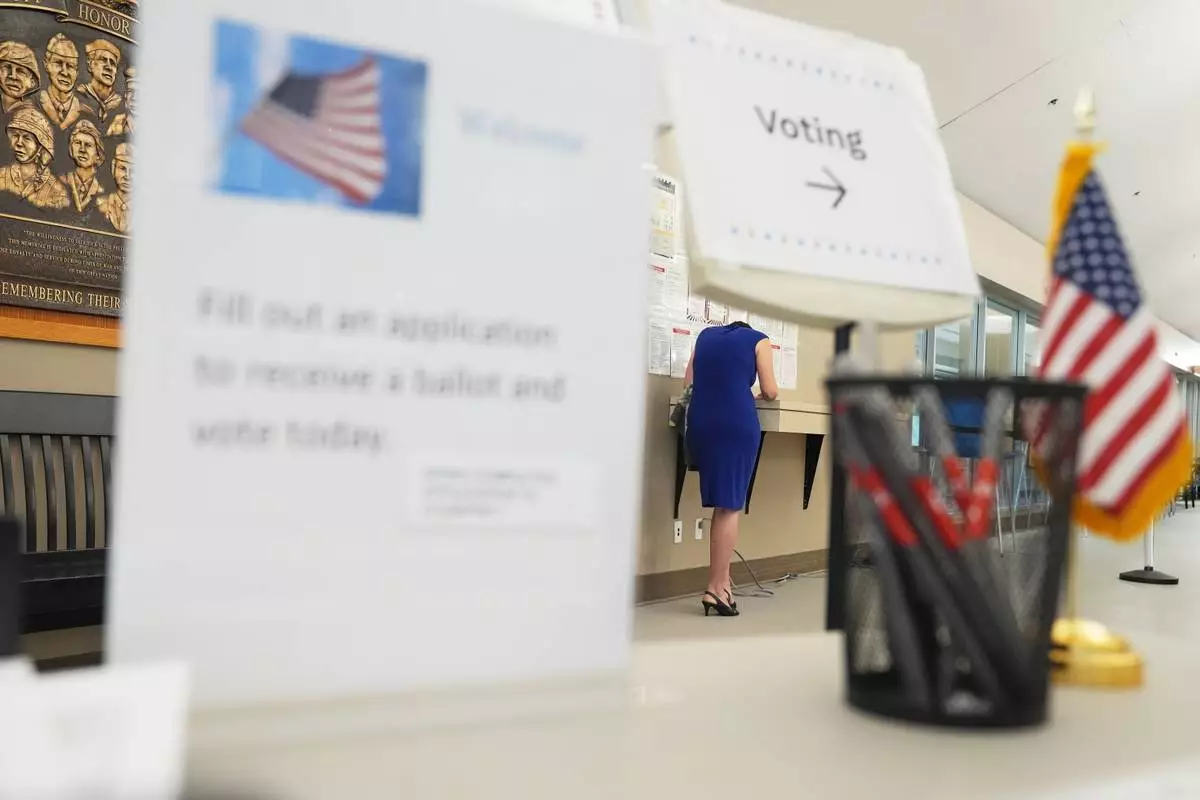
A voter fills out paperwork before casting a ballot on the first day of early voting in Minnesota at Maplewood City Hall, Friday, Sept. 18, 2026, in Maplewood, Minn. (AP Photo/Ellen Schmidt)
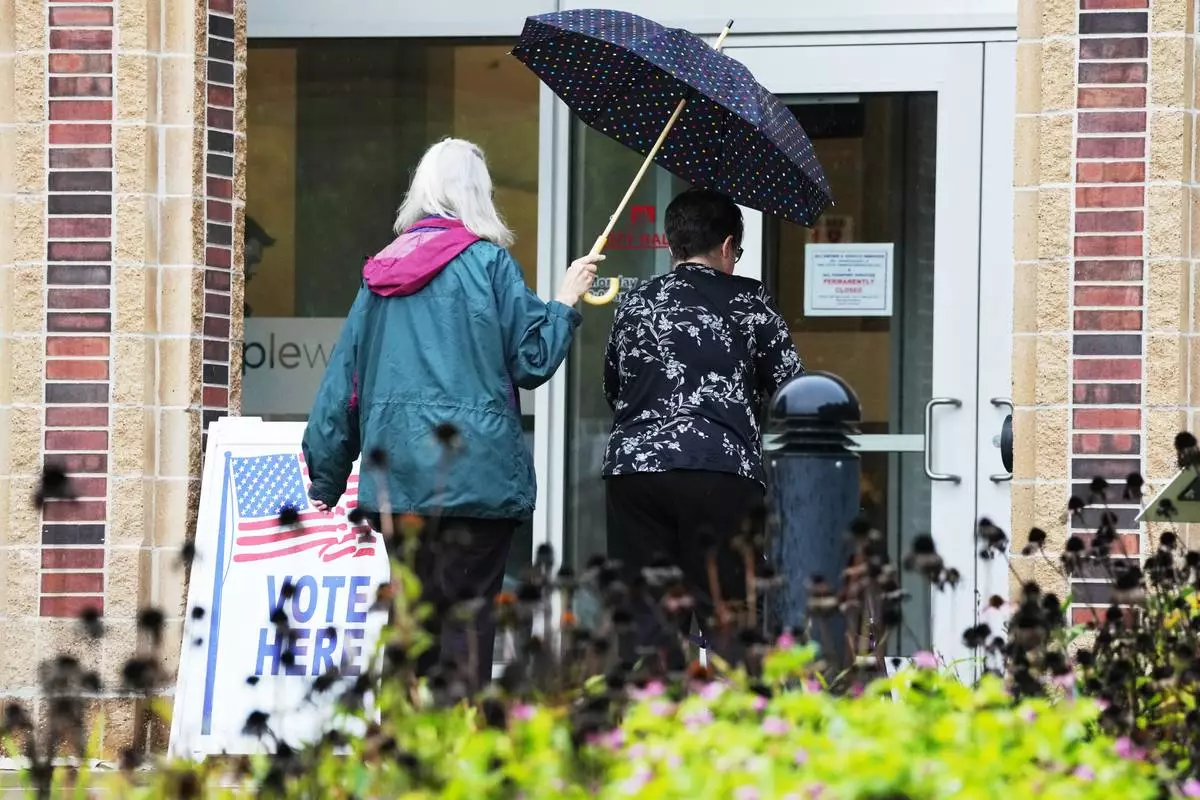
Voters walk into Maplewood City Hall on the first day of early voting in Minnesota, Friday, Sept. 18, 2026, in Maplewood, Minn. (AP Photo/Ellen Schmidt)
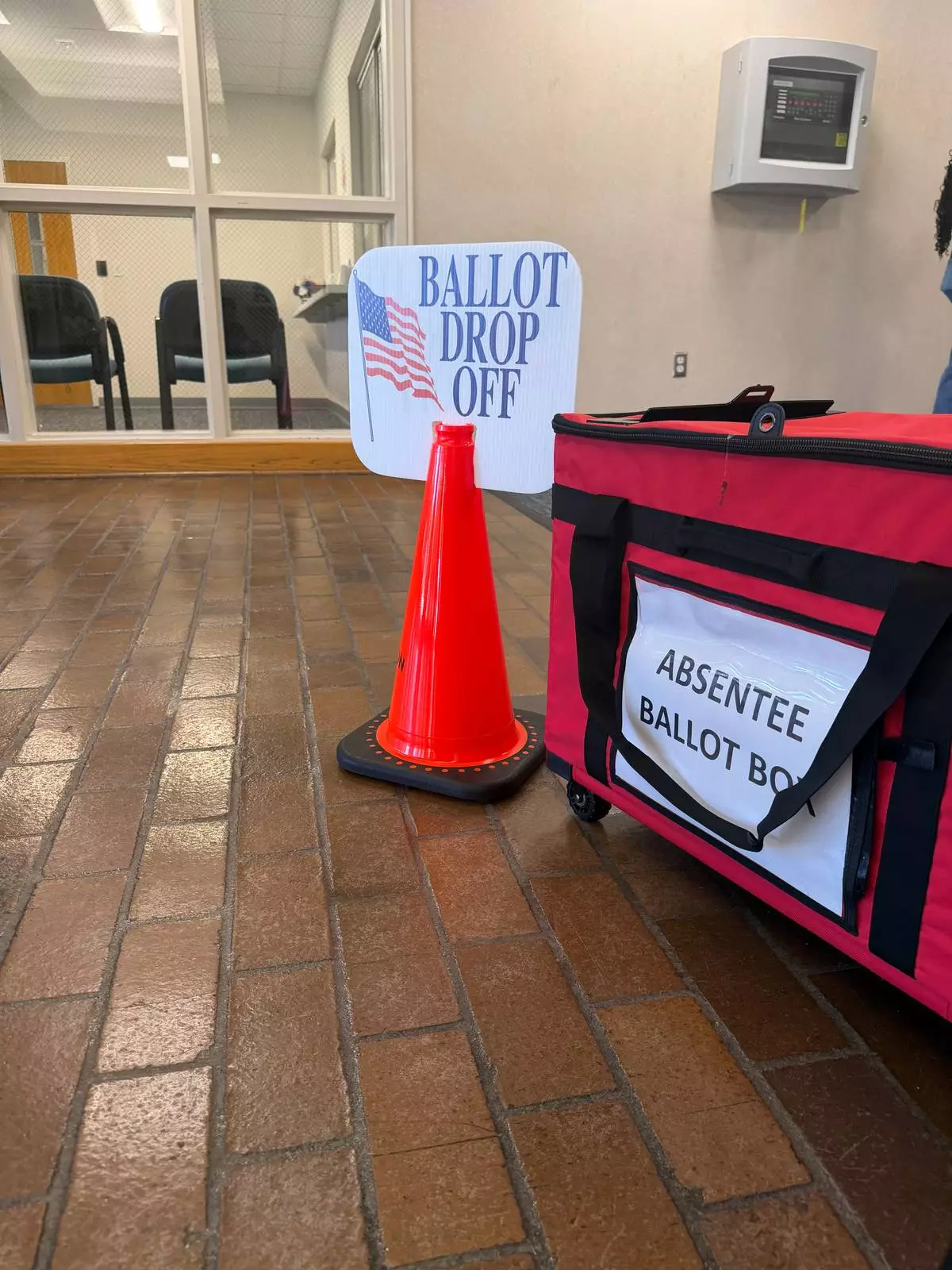
The inside of a voting center in Henrico County, Virginia, on the first day of in-person voting for this year’s midterm elections, Friday, Sept. 18, 2026. (AP Photo/Sarah Rankin)
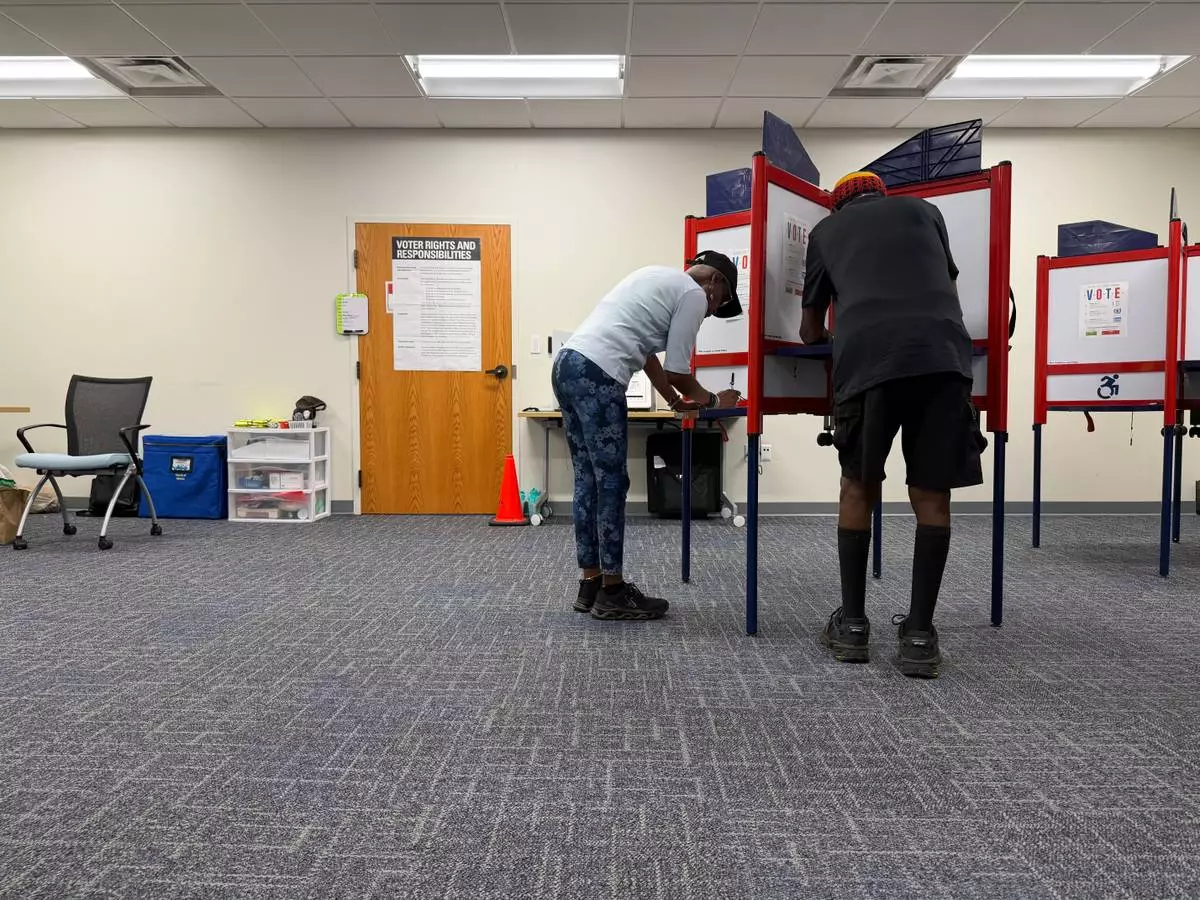
Voters cast ballots in Henrico County, Virginia, on the first day of in-person voting for this year’s midterm elections, Friday, Sept. 18, 2026. (AP Photo/Sarah Rankin)
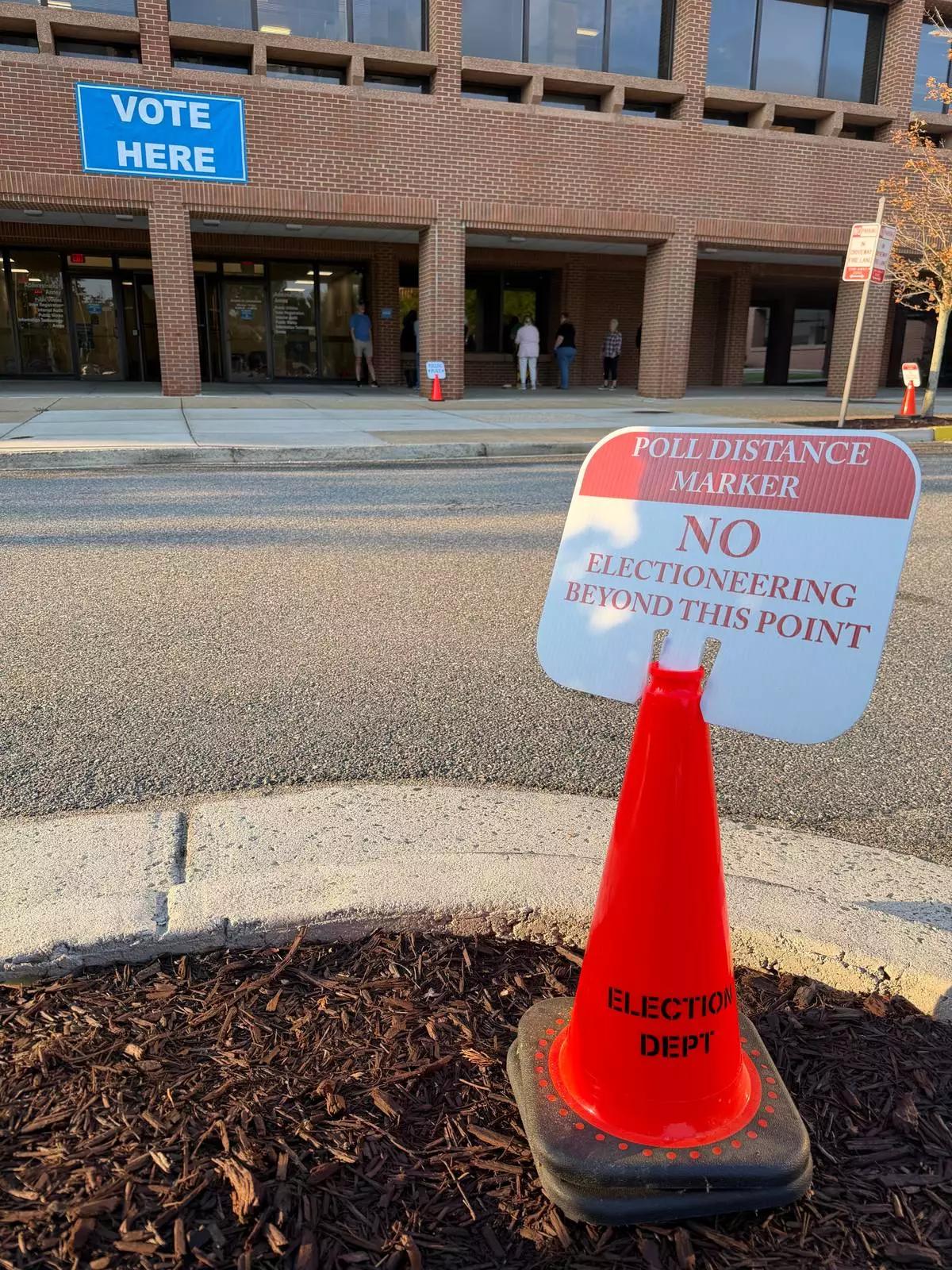
A government building hosting early voting in Henrico County, Virginia, on the first day of in-person voting for this year’s midterm elections, Friday, Sept. 18, 2026. (AP Photo/Sarah Rankin)
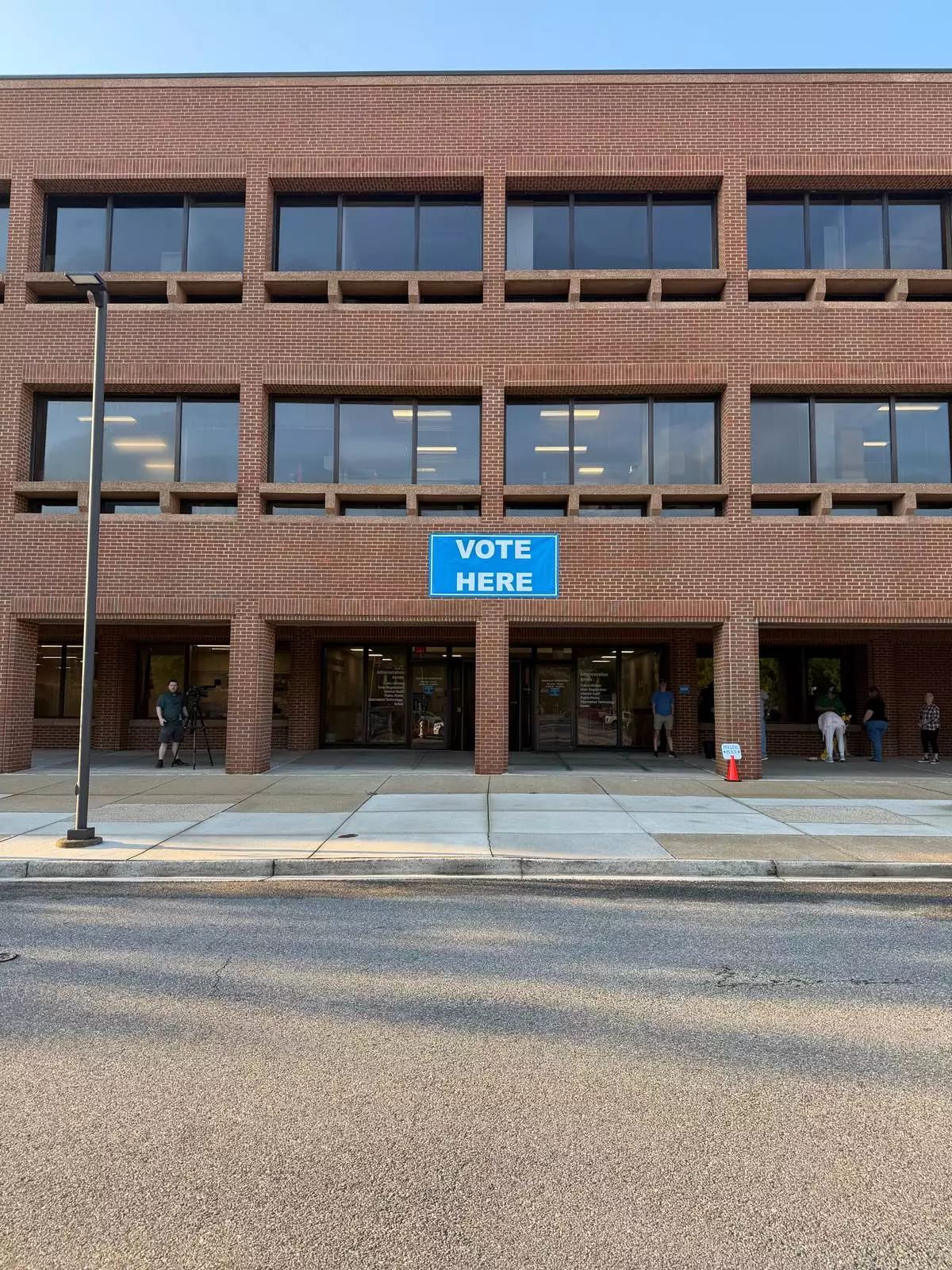
A government building hosting early voting on the first day of in-person voting for this year’s midterm elections, in Henrico County, Virginia, Friday, Sept. 18, 2026. (AP Photo/Sarah Rankin)
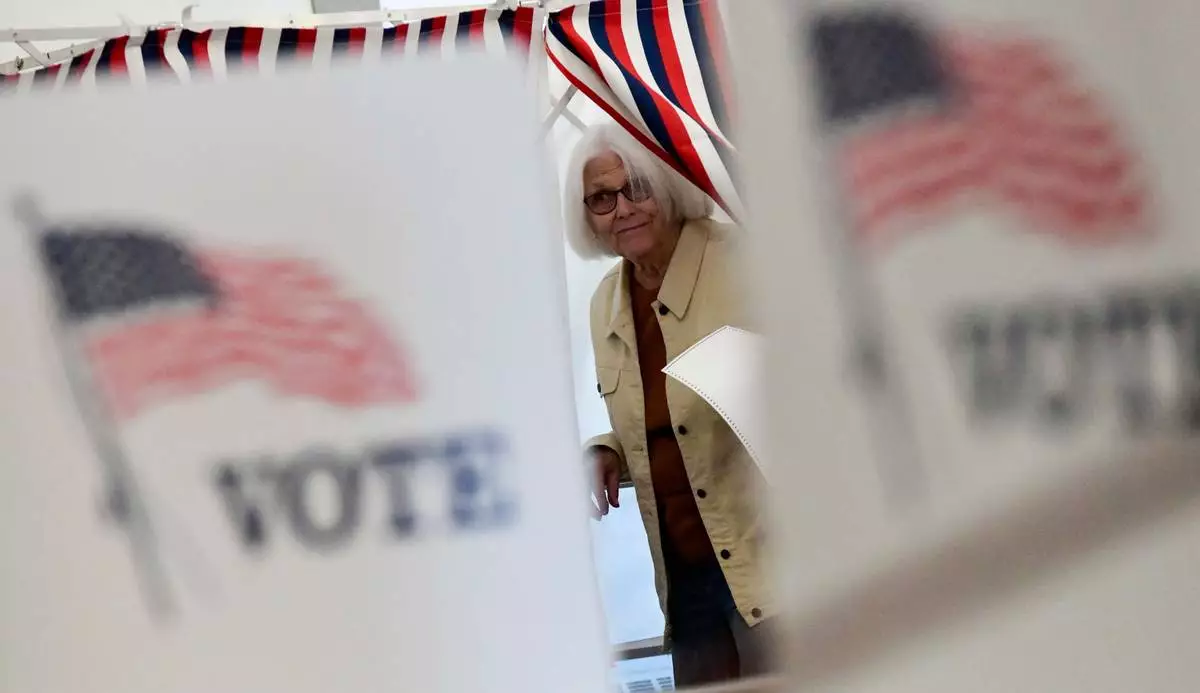
Peggy Jacobs of Chesterfield, N.H., leaves the voting booth in Chesterfield during the New Hampshire State Primaries on Tuesday, Sept. 8, 2026. (Kristopher Radder/The Brattleboro Reformer via AP)
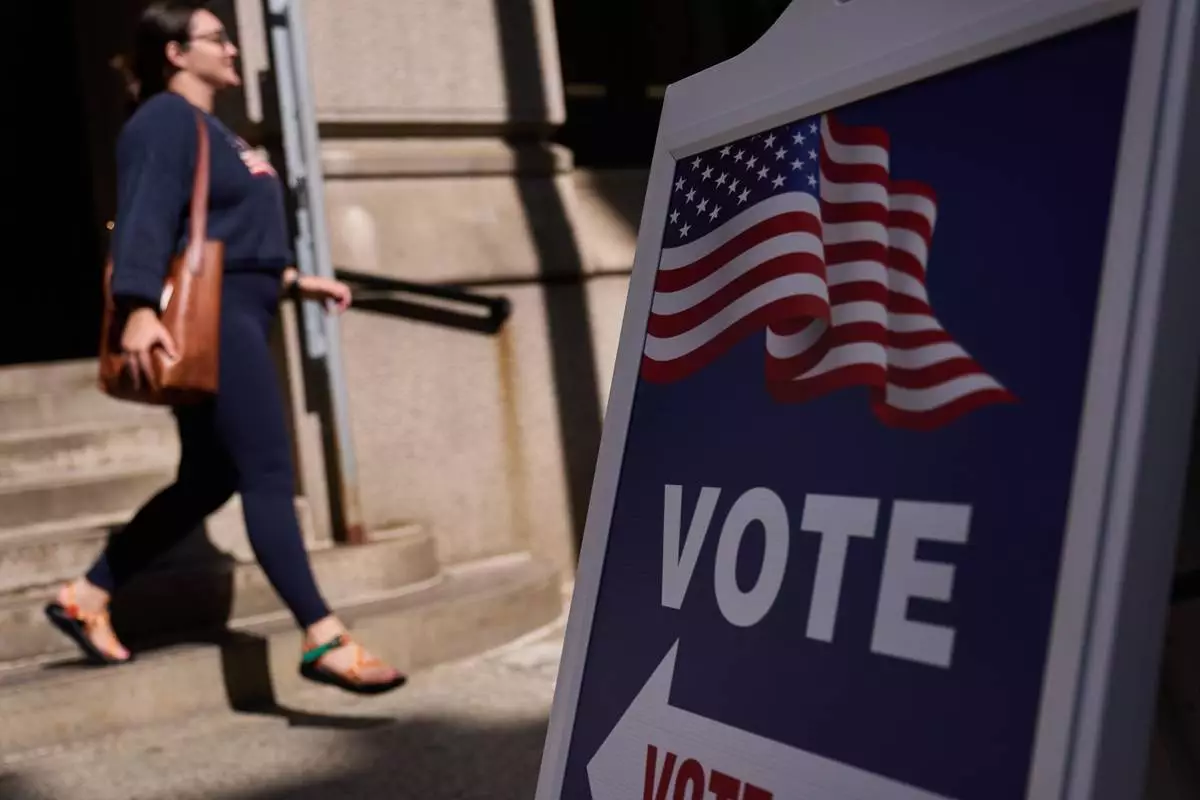
A sign directs voters to an entrance for City Hall during early voting for the Rhode Island primary election, Wednesday, Sept. 2, 2026, in Providence, R.I. (AP Photo/David Goldman)