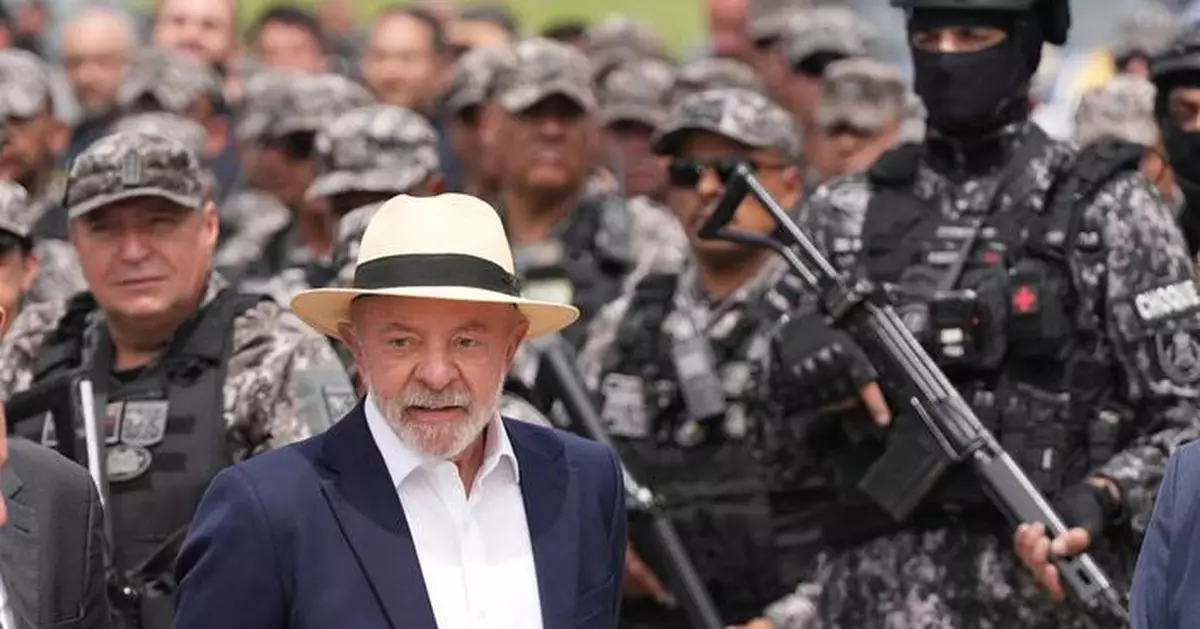
RIO DE JANEIRO (AP) — Brazilian President Luiz Inácio Lula da Silva unveiled a pilot plan Friday to expand the federal government’s role in fighting organized crime in Rio de Janeiro, spotlighting a major voter concern in the lead-up to October’s presidential election.
The plan expands existing joint operations among federal, state and municipal authorities along Rio’s key highways and in selected territories, with a focus on increased shared intelligence, coordinated policing and inspections.
Click to Gallery
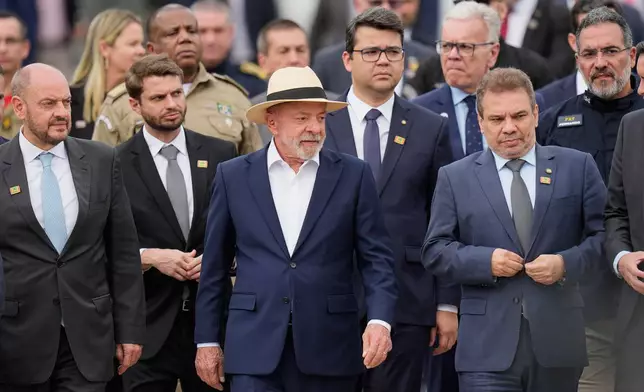
Brazilian President Luiz Inacio Lula da Silva, center, arrives for a ceremony to announce a new security plan to combat organized crimes in Rio de Janeiro, Friday, Sept. 18, 2026. (AP Photo/Silvia Izquierdo)
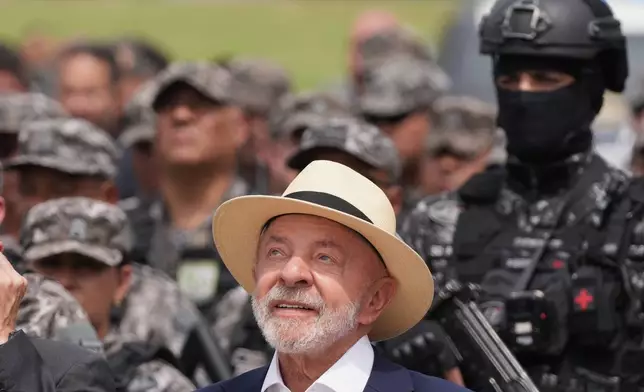
Brazilian President Luiz Inacio Lula da Silva poses for photos during a ceremony to announce a new security plan to combat organized crime in Rio de Janeiro, Friday, Sept. 18, 2026. (AP Photo/Silvia Izquierdo)
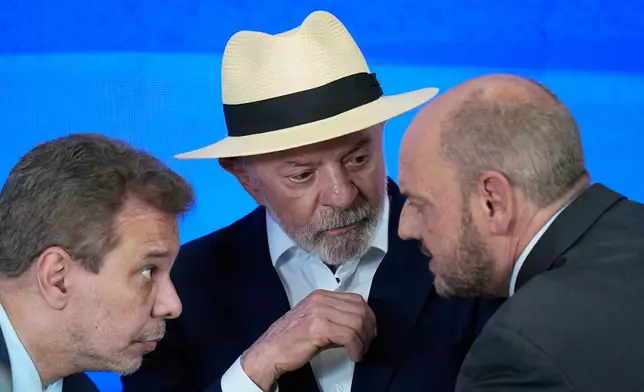
Brazilian President Luiz Inacio Lula da Silva, center, talks with the Rio de Janeiro's Gov. Ricardo Couto, right, and Brazil's Justice Minister Wellington Lima e Silva during a ceremony to announce a new security plan to combat organized crime in Rio de Janeiro, Friday, Sept. 18, 2026. (AP Photo/Silvia Izquierdo)
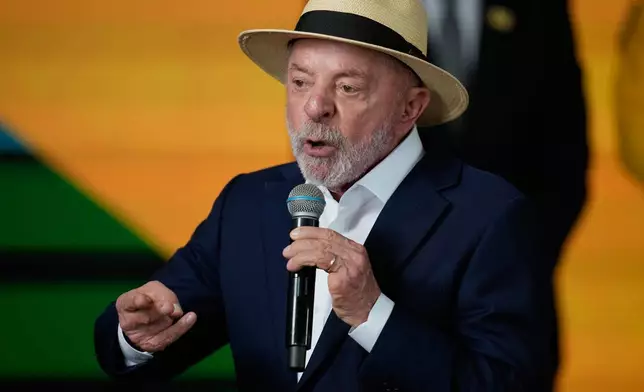
Brazilian President Luiz Inacio Lula da Silva speaks during a ceremony to announce a new security plan to combat organized crime in Rio de Janeiro, Friday, Sept. 18, 2026. (AP Photo/Silvia Izquierdo)
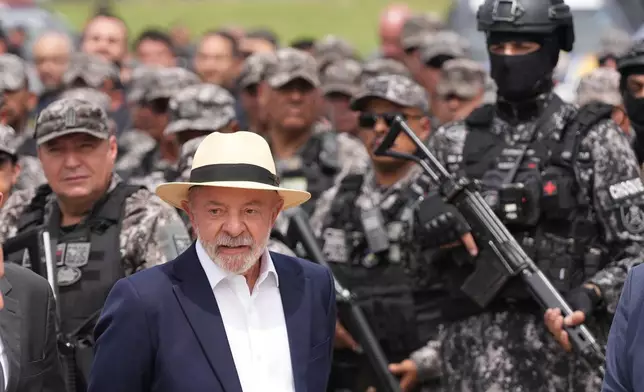
Brazilian President Luiz Inacio Lula da Silva arrives for a ceremony to announce a new security plan to combat organized crime in Rio de Janeiro, Friday, Sept. 18, 2026. (AP Photo/Silvia Izquierdo)
Sen. Flávio Bolsonaro, Lula’s main rival and son of ex-President Jair Bolsonaro, and U.S. President Donald Trump have accused Lula of insufficient action to curb organized crime groups that control large swaths of Rio and remote areas such as the Amazon.
“This is a new beginning to create a new template for public security in this country,” Lula said. “God wanted us to begin with Rio de Janeiro, because if it works in Rio, it will work across the country.”
Efforts include expanding coordinated policing, inspections, intelligence and surveillance along the state’s main logistics corridors to target cargo theft and weapons and drug trafficking, while also going after the financial networks of organized crime.
“Lots of people ask why Lula, who has been president three times, hasn’t already taken responsibility for public security,” Lula said. He said most of the public security has been in the hands of state governments since the 1988 Constitution, a mistake he said his government wishes to rectify.
Some observers say Lula’s government accelerated efforts to combat organized crime after Rio’s deadliest police operation last year, when more than 120 people were killed. Polls afterward showed an increase in then-Gov. Claudio Castro’s approval rating and strong support for the deadly raid.
In May, Lula launched a $2 billion anti-organized crime project that included beefing up the fight against arms trafficking, attacking the finances of criminal organizations, raising the quality of homicide investigations and investing in the country’s prison system.
On Friday, Lula again criticized Trump’s decision earlier this year to classify the First Command of the Capital, or PCC, and the Red Command, or CV, as foreign terrorist organizations, saying that while the groups terrorize local populations they are not terrorist organizations because they seek profit rather than political change.
Some analysts and politicians have said the classification of the PCC and CV is an attempt to meddle in Brazil's crucial election by making Lula look soft on crime.
Follow AP’s coverage of Latin America and the Caribbean at https://apnews.com/hub/latin-america
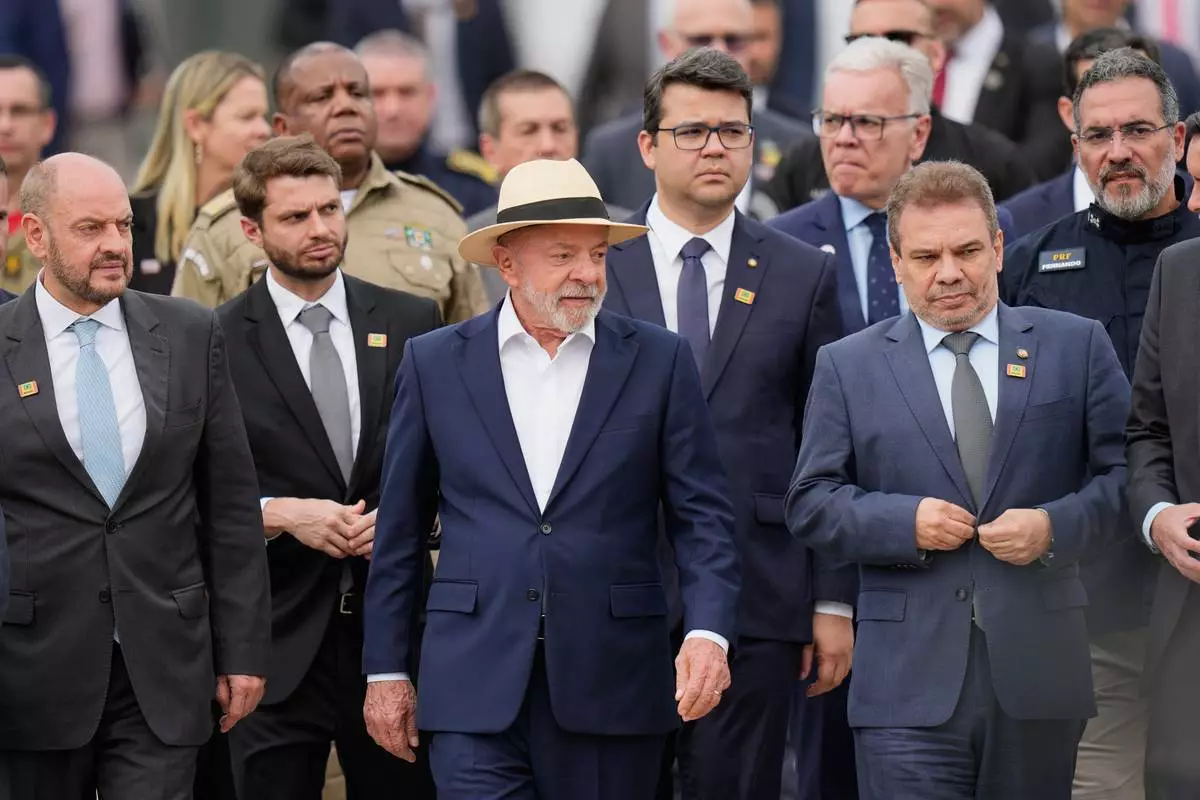
Brazilian President Luiz Inacio Lula da Silva, center, arrives for a ceremony to announce a new security plan to combat organized crimes in Rio de Janeiro, Friday, Sept. 18, 2026. (AP Photo/Silvia Izquierdo)
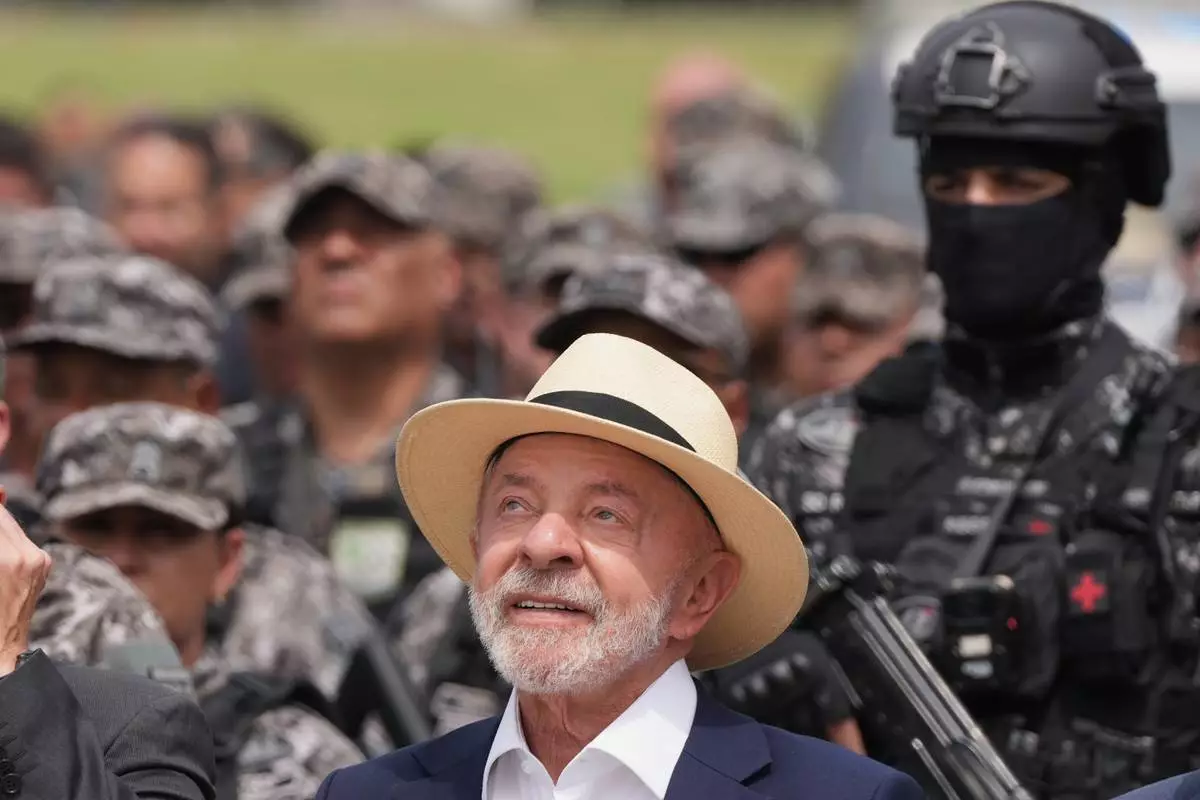
Brazilian President Luiz Inacio Lula da Silva poses for photos during a ceremony to announce a new security plan to combat organized crime in Rio de Janeiro, Friday, Sept. 18, 2026. (AP Photo/Silvia Izquierdo)
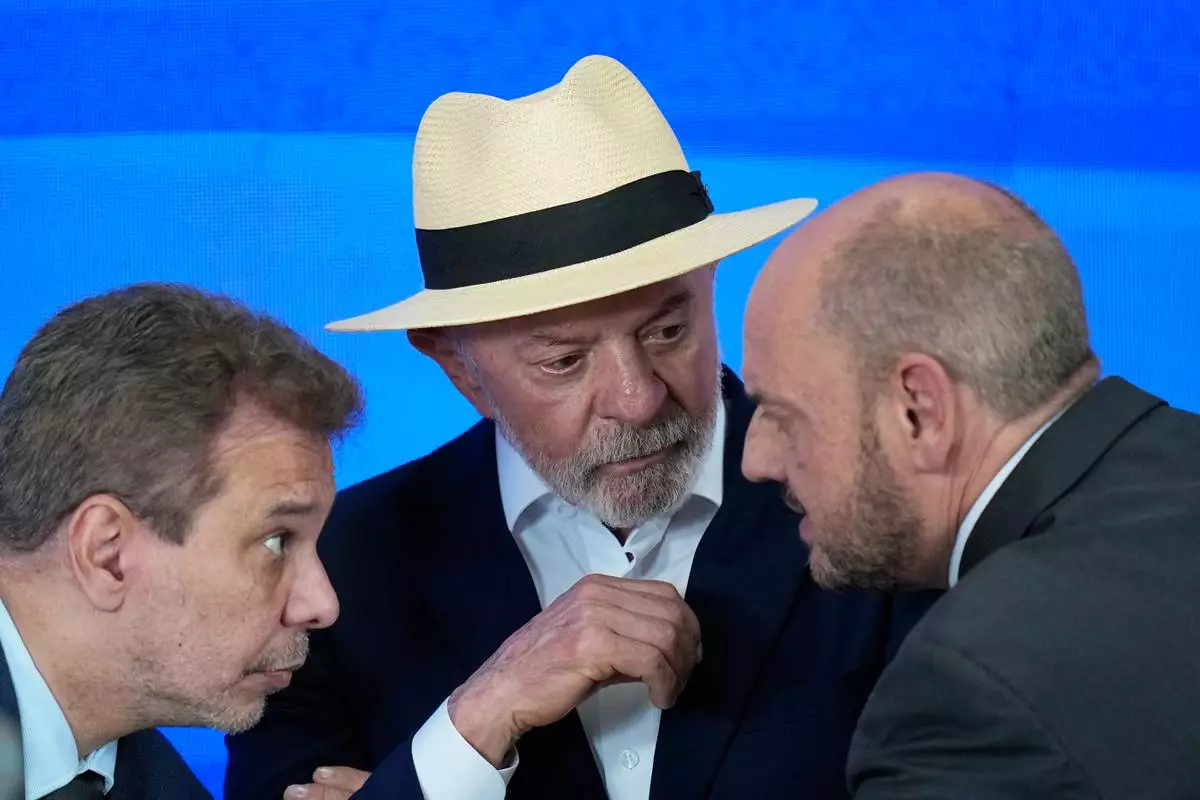
Brazilian President Luiz Inacio Lula da Silva, center, talks with the Rio de Janeiro's Gov. Ricardo Couto, right, and Brazil's Justice Minister Wellington Lima e Silva during a ceremony to announce a new security plan to combat organized crime in Rio de Janeiro, Friday, Sept. 18, 2026. (AP Photo/Silvia Izquierdo)
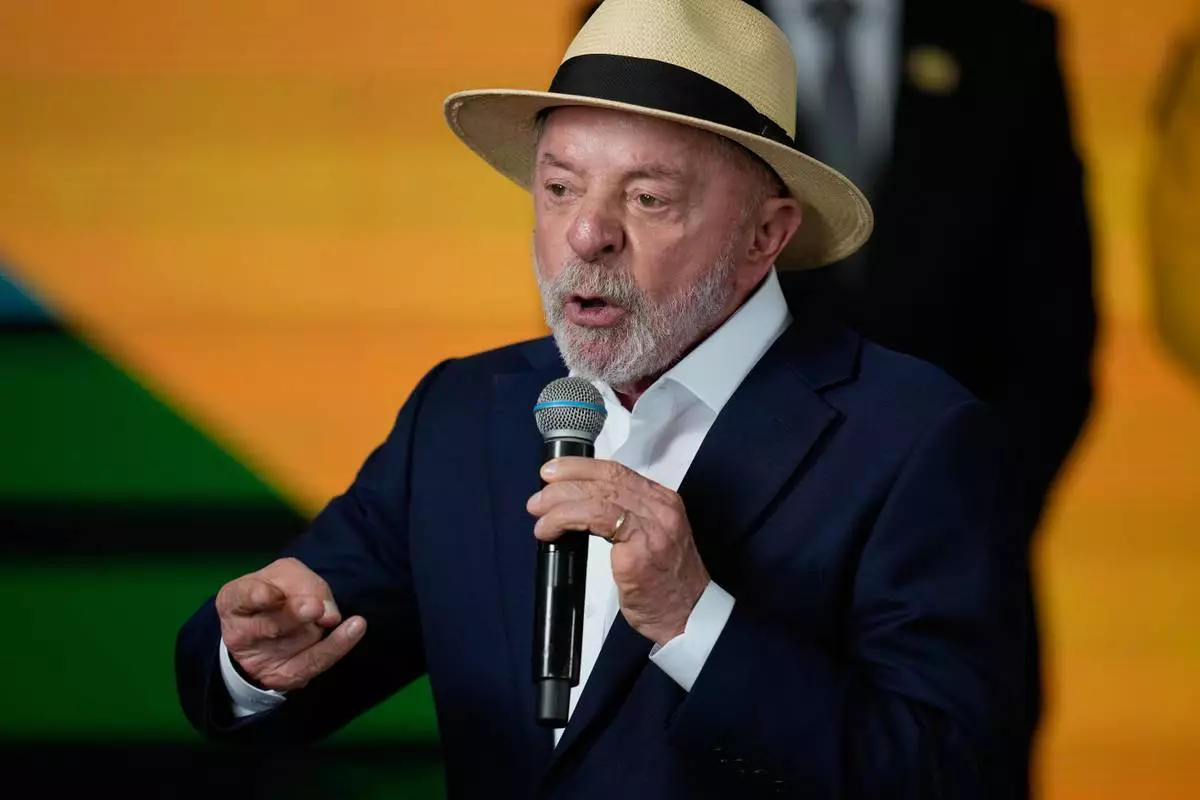
Brazilian President Luiz Inacio Lula da Silva speaks during a ceremony to announce a new security plan to combat organized crime in Rio de Janeiro, Friday, Sept. 18, 2026. (AP Photo/Silvia Izquierdo)
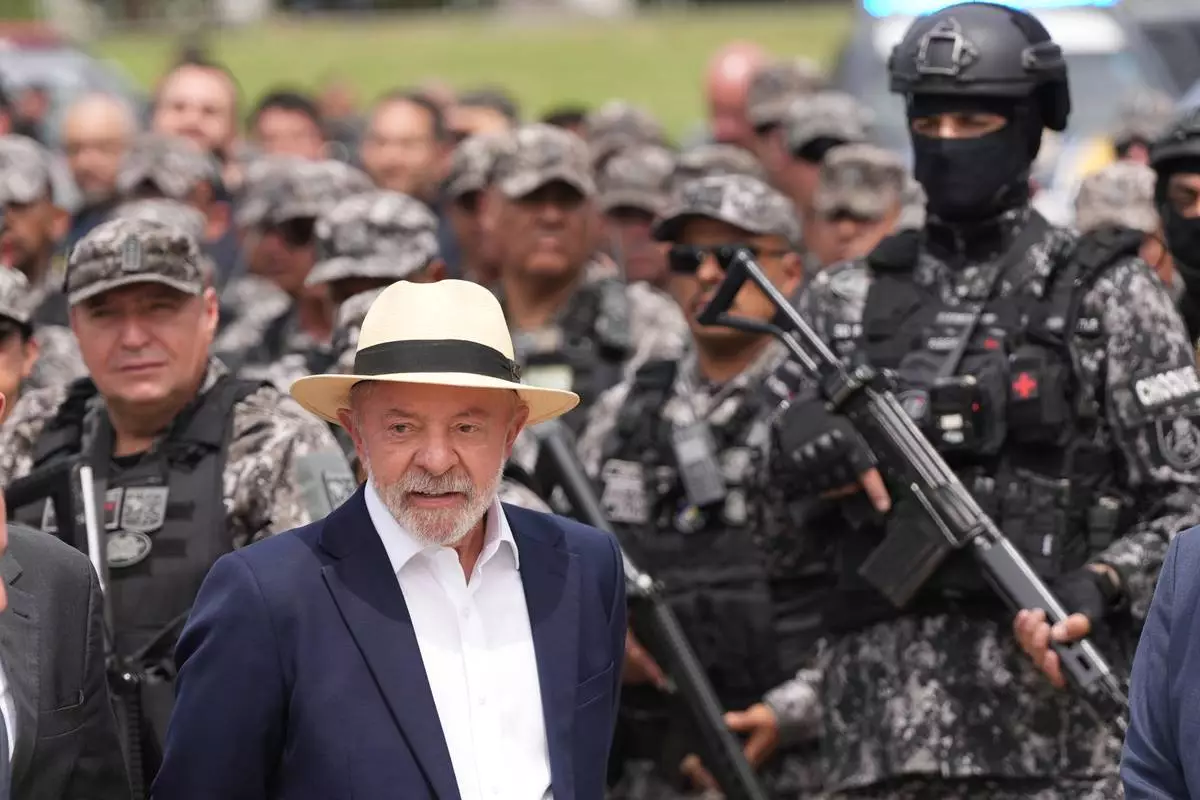
Brazilian President Luiz Inacio Lula da Silva arrives for a ceremony to announce a new security plan to combat organized crime in Rio de Janeiro, Friday, Sept. 18, 2026. (AP Photo/Silvia Izquierdo)