HAVANA (AP) — Cuba’s power grid collapsed once again on Friday, leaving millions of people across the island without electricity for at least the sixth time since U.S. President Donald Trump cut off fuel to the island in January.
The Ministry of Energy and Mines announced the islandwide power outage on its official X account and added that officials had begun “activating service-restoration protocols.”
Click to Gallery
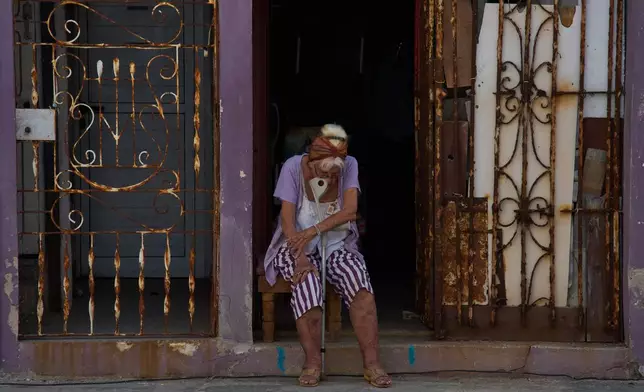
An elderly woman sits in the doorway of her home to catch the cool air during a blackout in Havana, Cuba, Friday, Sept. 18, 2026. (AP Photo/Ramon Espinosa)
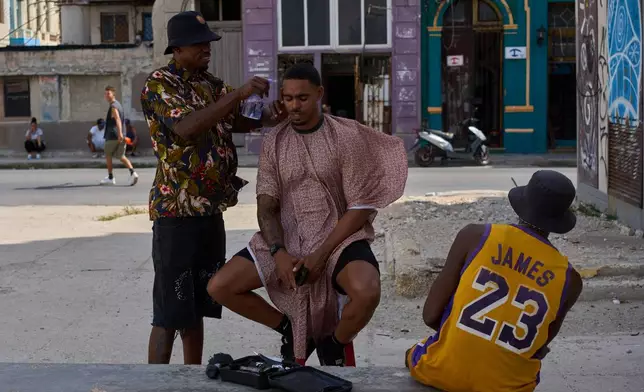
A barber provides service to a client on a street during a blackout in Havana, Cuba, Friday, Sept. 18, 2026. (AP Photo/Ramon Espinosa)
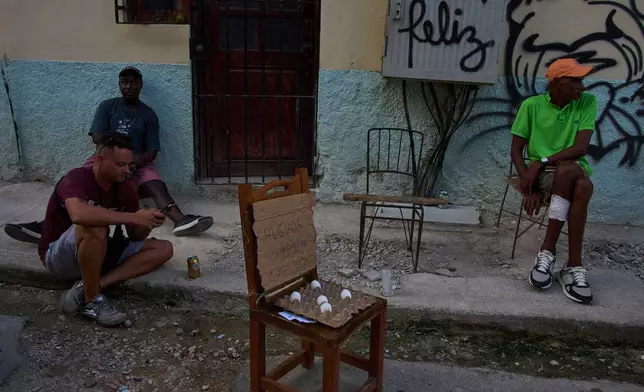
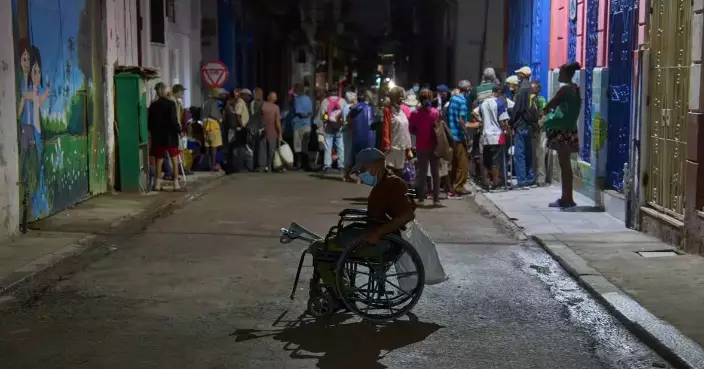
People hang out near eggs for sale on a street during a blackout in Havana, Cuba, Friday, Sept. 18, 2026. (AP Photo/Ramon Espinosa)
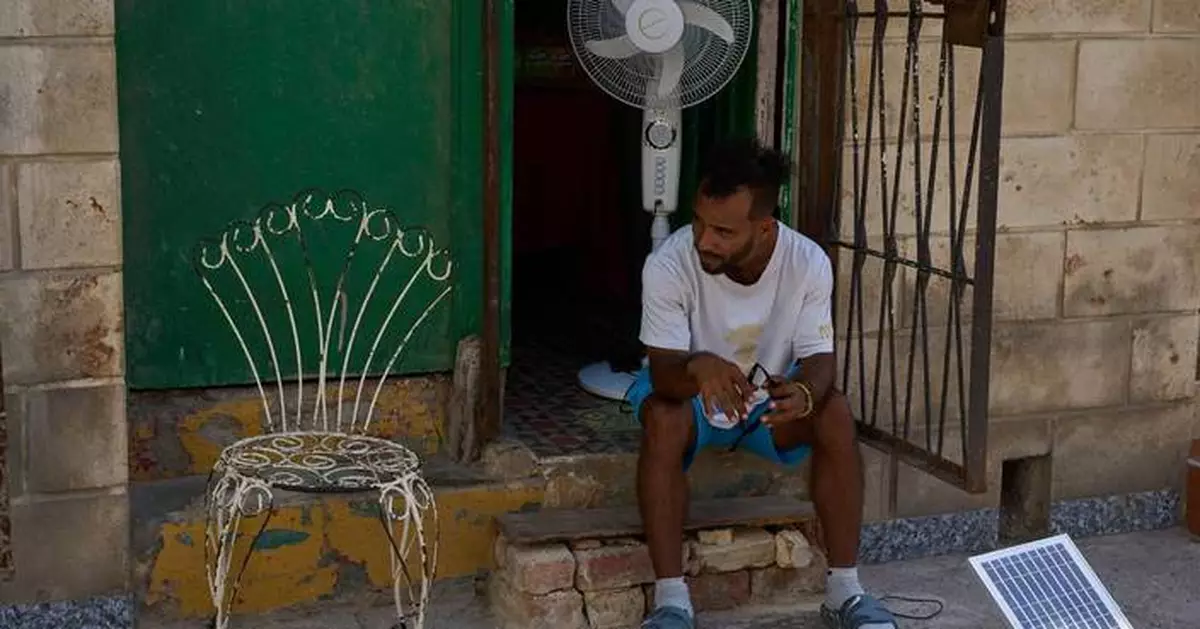
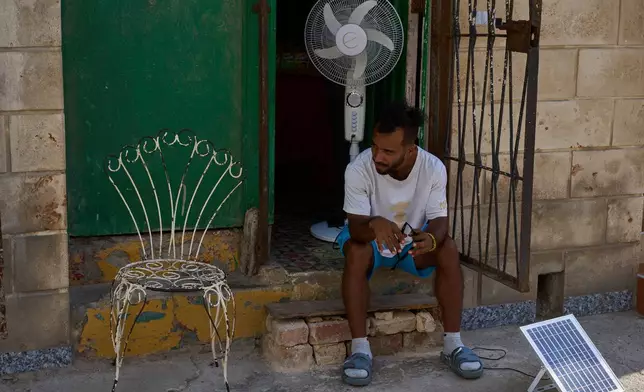
A man charges his fan's battery at his doorway using a small solar panel set up on the street during a blackout in Havana, Cuba, Friday, Sept. 18, 2026. (AP Photo/Ramon Espinosa)
“No one can stand these constant blackouts. There isn’t enough food, there’s no water, there’s no electricity -- you have no idea,” Mercedes Rodriguez, a 60-year-old worker in Havana, told The Associated Press as she waited for public transportation to return home. “The country is in such a sad state, and there are no words for what we’re going through.”
According to Cuban authorities, a failure reportedly occurred in transmission lines in the western part of the country, causing the system to collapse in that area — as far as Matanzas province — and the eastern section of the island was subsequently disconnected.
The official newspaper Granma reported that “unstable” weather conditions further aggravated the grid’s situation.
By dusk, power had been restored to 5% of users in Havana, which has a total of about 862,000 customers, according to official data. Small power-distribution “micro-islands” were being established in the provinces of Camagüey, Pinar del Río and Granma. Some systems serving hospitals and other emergency facilities were being reactivated.
Power grid collapses have become increasingly common over the past two years because of the severe economic crisis gripping the island. They have worsened since January, after the United States imposed an energy blockade aimed at forcing a change in Cuba’s political system.
The restrictions prevent Cuba from importing the fuel needed to operate its thermoelectric power plants, as well as replacement parts required to maintain infrastructure that in many cases has become obsolete. Just one tanker of fuel has been delivered since, by a Russian tanker in March.
The two most recent nationwide blackouts occurred in early August, following others in July and March, as well as several regional outages.
Even when the national power grid is working, Cubans regularly endure outages lasting more than 30 consecutive hours.
The blackouts have had a significant impact on the population and, combined with the energy embargo, have led to transportation limitations, reduced work hours and flight cancellations, in addition to serious public health consequences.
The power outages also affect basic activities such as cooking, water supply, and internet and telephone service.
Abilén Marrero, a homemaker, sat resignedly at the entrance to her building in central Havana on Friday.
“Maybe it’ll come back this afternoon or tomorrow—there’s no way to know. We just have to wait," she said.
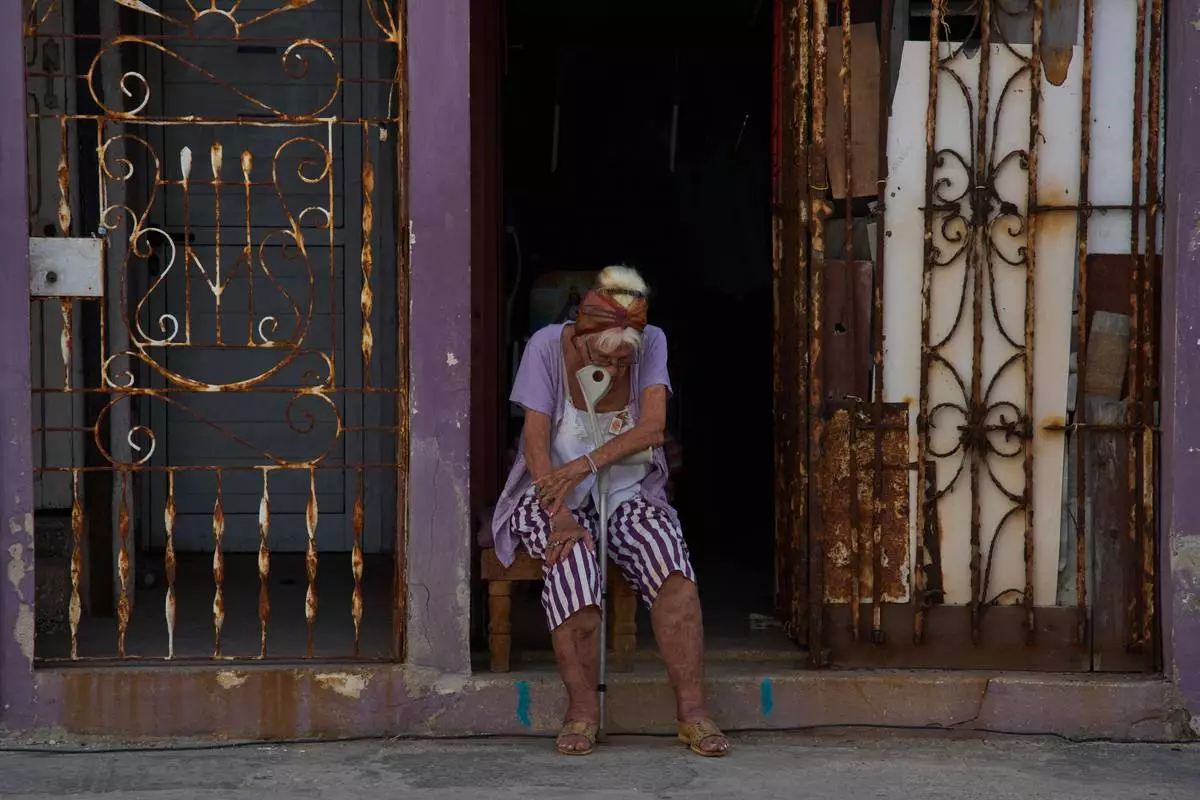
An elderly woman sits in the doorway of her home to catch the cool air during a blackout in Havana, Cuba, Friday, Sept. 18, 2026. (AP Photo/Ramon Espinosa)
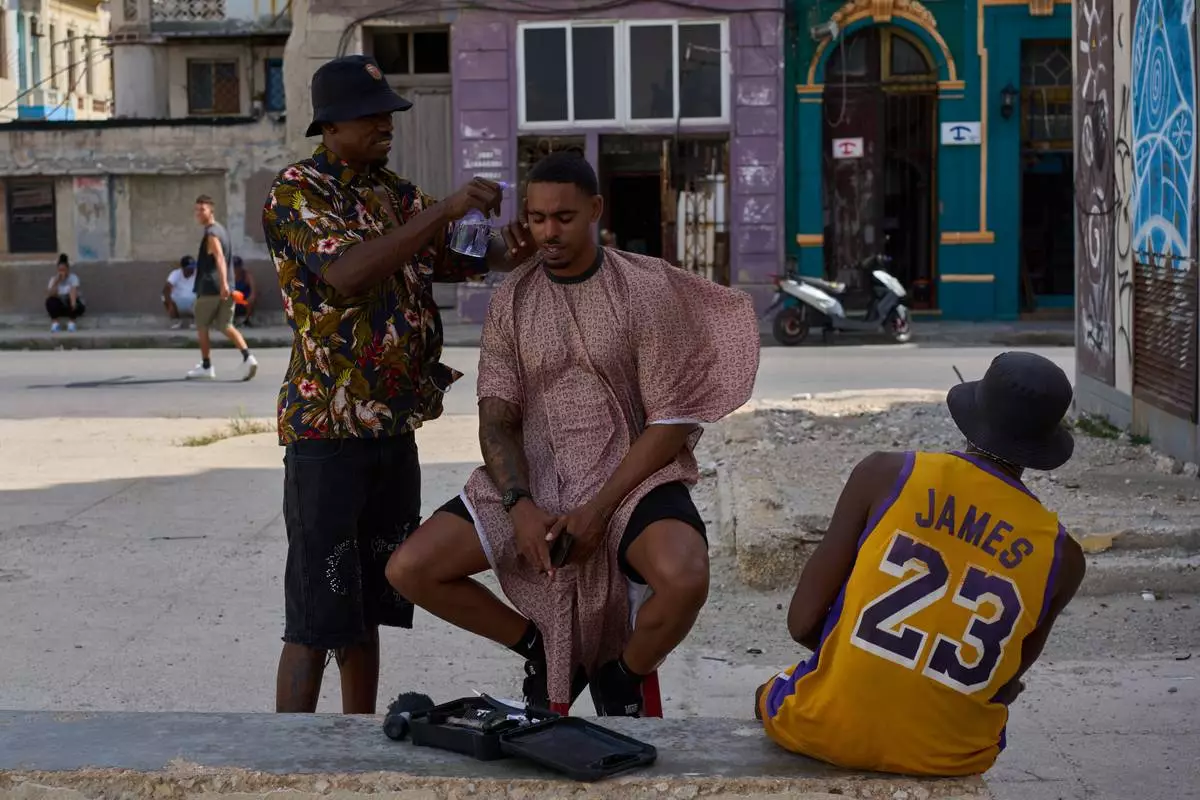
A barber provides service to a client on a street during a blackout in Havana, Cuba, Friday, Sept. 18, 2026. (AP Photo/Ramon Espinosa)
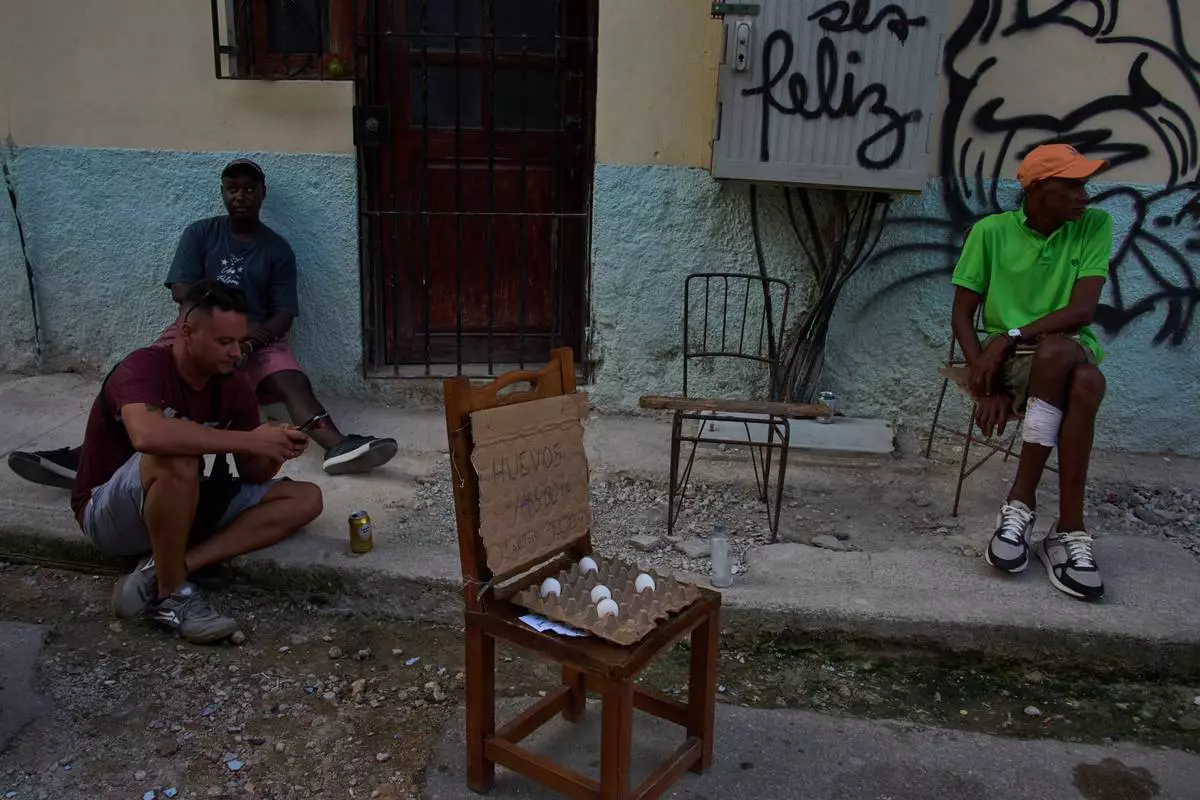
People hang out near eggs for sale on a street during a blackout in Havana, Cuba, Friday, Sept. 18, 2026. (AP Photo/Ramon Espinosa)
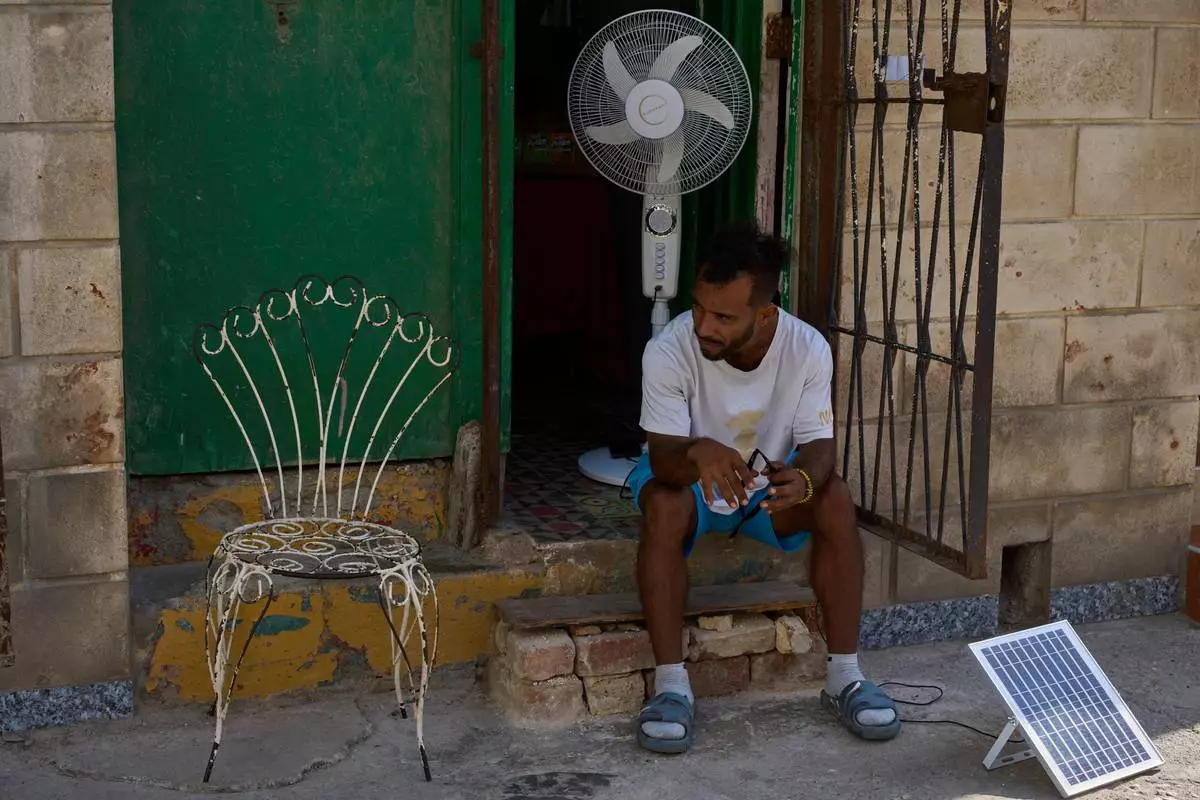
A man charges his fan's battery at his doorway using a small solar panel set up on the street during a blackout in Havana, Cuba, Friday, Sept. 18, 2026. (AP Photo/Ramon Espinosa)
DUBLIN (AP) — European nations are seeking an envoy to represent them in talks on ending the Russia-Ukraine war, concerned that a U.S.-backed process will leave them sidelined and Kyiv vulnerable as Moscow and Washington decide the fate of a conflict that has roiled the continent.
Whether Europe should be represented by one person or a team — and who should take on the role — is being debated Friday as leaders from the 27-nation European Union meet at a summit in Dublin. Senior EU officials and politicians have been suggested, but there is no consensus yet.
What the job might entail is also unclear and contested. But there is broad agreement by governments from the U.K. to Ukraine on the need for Europe to join the ongoing negotiations involving Moscow, Kyiv and Washington.
“This needs to be resolved," Irish Prime Minister Micheál Martin said as he arrived at the summit.
“I would hope that today’s discussions bring clarity around this,” he said. "It needs to be, in my view, finally decided upon within the next week or two.”
Ukraine is eager for support from its European allies. It's reluctant to leave the talks solely in the hands of a U.S. administration that has often seemed to lean toward Moscow’s views. Russia does not want European countries involved in direct negotiations, complaining they are financing and supplying Ukraine’s military effort.
European leaders also distrust U.S. President Donald Trump to negotiate on their behalf after a series of tense standoffs over trade, Greenland and conflicts in Iran and Ukraine.
“Without Europeans, there is no support for Ukraine,” French President Emmanuel Macron said at a meeting of the European Political Community in Dublin on Thursday. “There is no more U.S. support."
“At the end of the day, we will be the ones to define and decide for our future security as Europeans,” he said.
European leaders fear Russian President Vladimir Putin will press Trump to back a peace settlement that weakens not just Ukraine but broader European security. Putin has demanded NATO troops be pulled back from Russia’s borders and that no European forces be deployed in Ukraine.
As envoys from Washington, Moscow and Kyiv met in Abu Dhabi, several European countries, including the U.K., France and Germany, attended discussions nearby.
U.S. envoy Jared Kushner and Ukrainian President Volodymyr Zelenskyy said after they met in Dublin late Thursday that Europe would be part of the next round of talks. Zelenskyy said Europe would send a negotiating team, adding, "They will have a voice.”
“We cannot conclude this deal without the Europeans being at the table,” Kushner said. He said Putin "is willing to give it a try.”
Supporters of a single envoy, like Italian Prime Minister Giorgia Meloni, argue that the absence of a united European voice has allowed individual countries or small groups to engage in freelance diplomacy.
“There are too many different groupings discussing the issue,” she said.
Meloni has criticized a series of seemingly uncoordinated initiatives, including an October call to Putin by Finnish President Alexander Stubb and Norwegian Prime Minister Jonas Gahr Støre, that she said could undermine European interests.
Martin said that European representation at the negotiations “can't just be European Union” because the Coalition of the Willing — a group of over two dozen countries that have pledged military support to help maintain a future peace in Ukraine — “has involved far more than the European Union.”
“It's a European continentwide issue,” he said, pointing to Norway and the U.K.'s support for Ukraine.
Kremlin spokesperson Dmitry Peskov said Thursday that for Europe to join peace talks, it first must name a representative. “The Europeans squabble like spiders in a jar."
The question of who represents Europe is an old one. Europe itself is loosely defined. Is it the 27-nation EU, the 32-nation NATO military alliance made up mostly of European countries, the 29-nation Schengen zone, or the 47-nation European Political Community?
That has frustrated Washington in the past and present.
After this week's U.S.-brokered talks between Ukraine and Russia in the United Arab Emirates, Kushner said that “if Europe could identify one person to speak on their behalf, that would be a bigger achievement than getting the Russians to include them in the negotiation.”
That echoes the famous question often misattributed to former U.S. Secretary of State Henry Kissinger: “Who do I call if I want to call Europe?”
France, Germany and the U.K., the region’s top three economies collectively known as the European trio or E3, have so far been the most engaged European body in negotiations. But while London is deeply involved with Ukraine, the U.K. left the EU in 2020.
But an E3 envoy would leave out the other 25 EU nations and rankle smaller nations like those that border Russia and Belarus on the bloc’s “eastern flank,” which face constant hybrid threats, including influence campaigns and disruptive drones.
Some back a top EU official for the job. Even inside Brussels, however, there are two leading contenders: European Council President Antonio Costa and the EU's top diplomat Kaja Kallas.
“European security cannot be discussed without a European voice at the table,” Costa said in Dublin on Thursday. “That European voice needs to be a team effort between European nations, the European Union and NATO.”
But earlier this year, Costa faced criticism within the EU after his office set up a hush-hush back-channel with Moscow.
The perhaps obvious candidate, however, is Kallas, a former prime minister of Estonia.
She laid claim to the envoy role Friday, saying “I’m the one who is representing Europe in the foreign and security policy.”
“I know that the Russians don’t want me, but, you know, do we have a say, who is representing Russia?” she said. "We can’t send any person that has no institutional role like the Americans are sending.”
Another name that has been floated is Stubb, the Finnish president. He has warm relations with Trump and met in Oslo with U.S. envoys Steve Witkoff and Kushner in October.
But some leaders deeply distrust the U.S.-brokered talks. Polish Prime Minister Donald Tusk was critical of the negotiations, reflecting the pessimism of EU countries formerly dominated by the Soviet Union.
“In my opinion, calling them negotiations is an exaggeration," Tusk said Thursday. “We will not build a new security architecture simply because the Russian president, or someone in the United States, wishes it."
Associated Press writers Geir Moulson in Berlin, Lorne Cook in Brussels, and Colleen Barry in Milan contributed to this report.
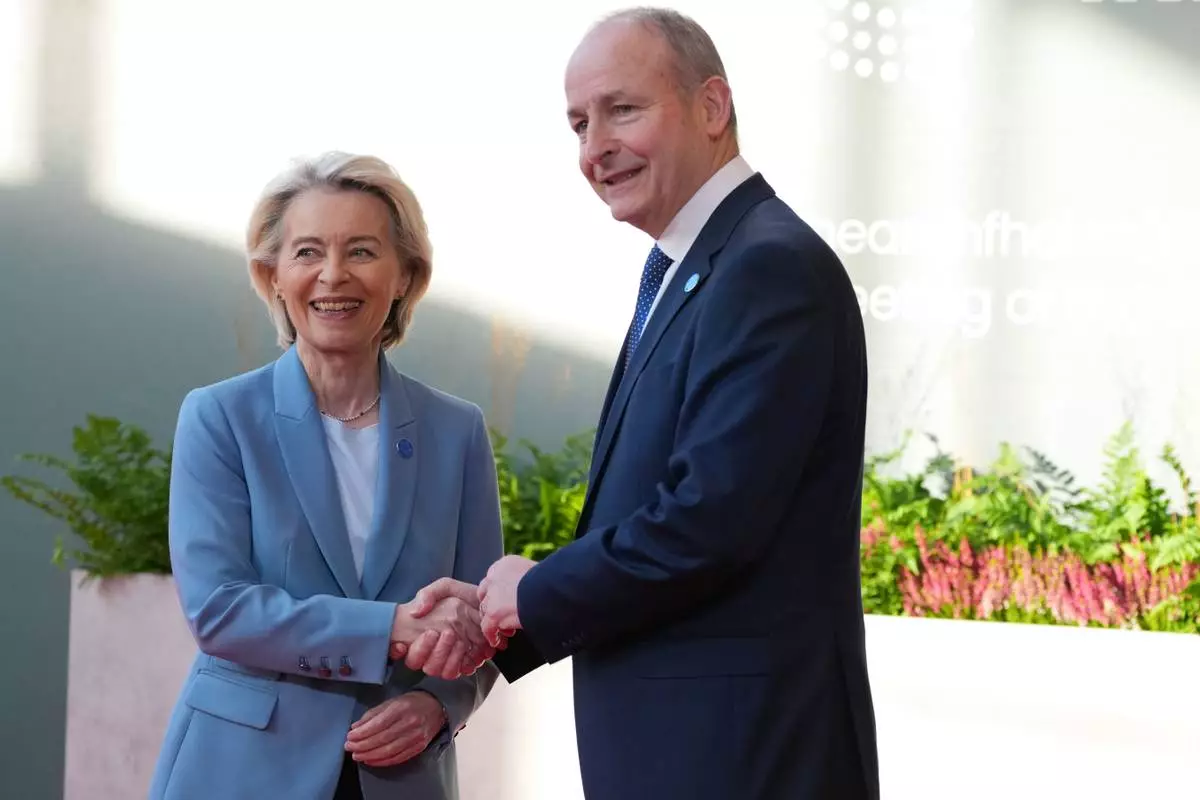
Ireland's Prime Minister Micheál Martin welcomes European Commission President Ursula von der Leyen to the EU Summit in Dublin, Friday, Nov. 13, 2026.(AP Photo/Virginia Mayo)
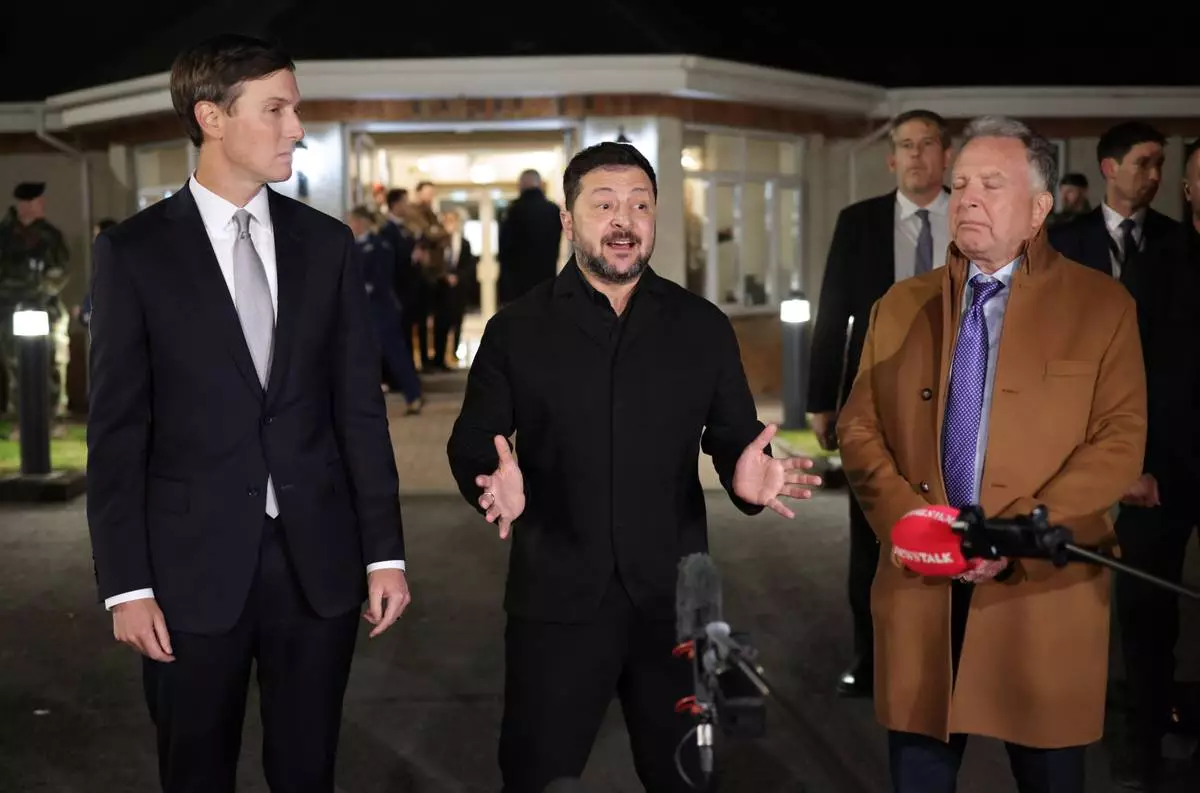
U.S. special envoys Steve Witkoff, right, Jared Kushner, U.S. President Donald Trump's son-in-law, left, and Ukraine's President Volodymyr Zelenskyy speak to the media at the airport in Dublin, Thursday, Nov. 12, 2026.(AP Photo/Peter Morrison)
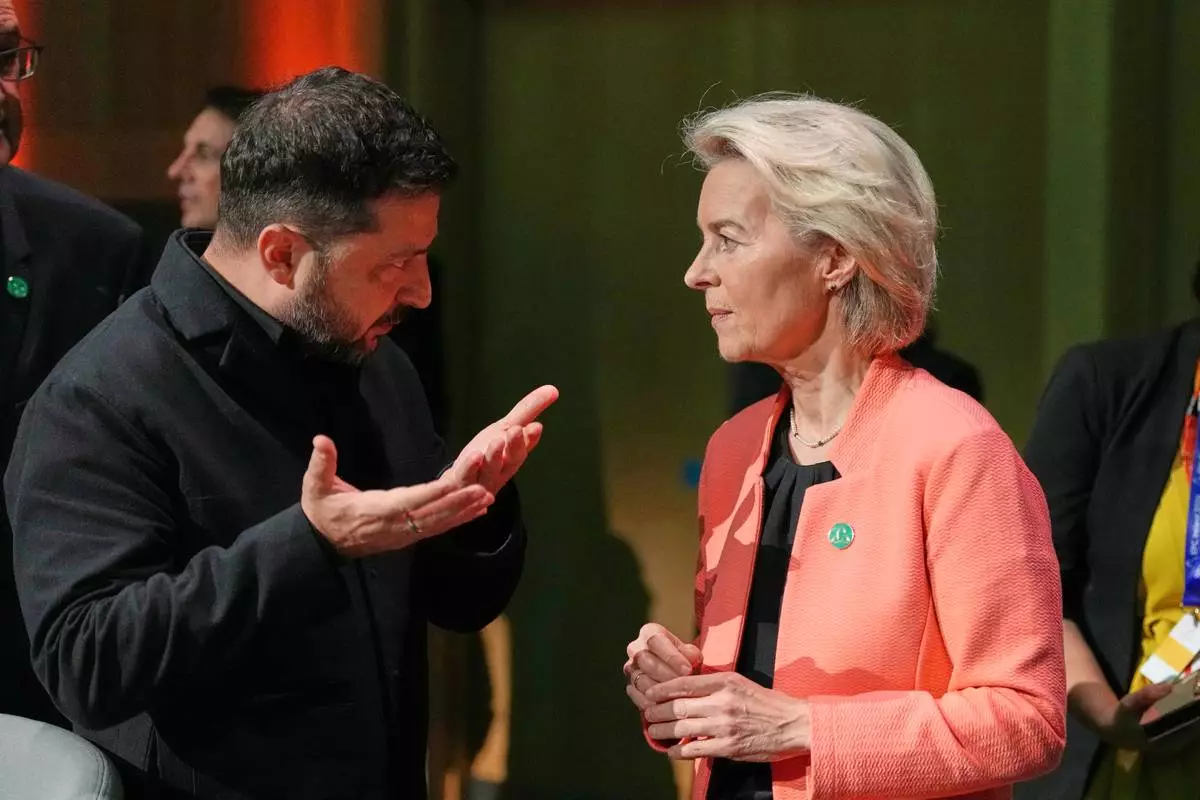
Ukraine's President Volodymyr Zelenskyy, left, speaks with European Commission President Ursula von der Leyen during a meeting of the European Political Community (EPC), in Dublin, Thursday, Nov. 12, 2026. (AP Photo/Virginia Mayo)
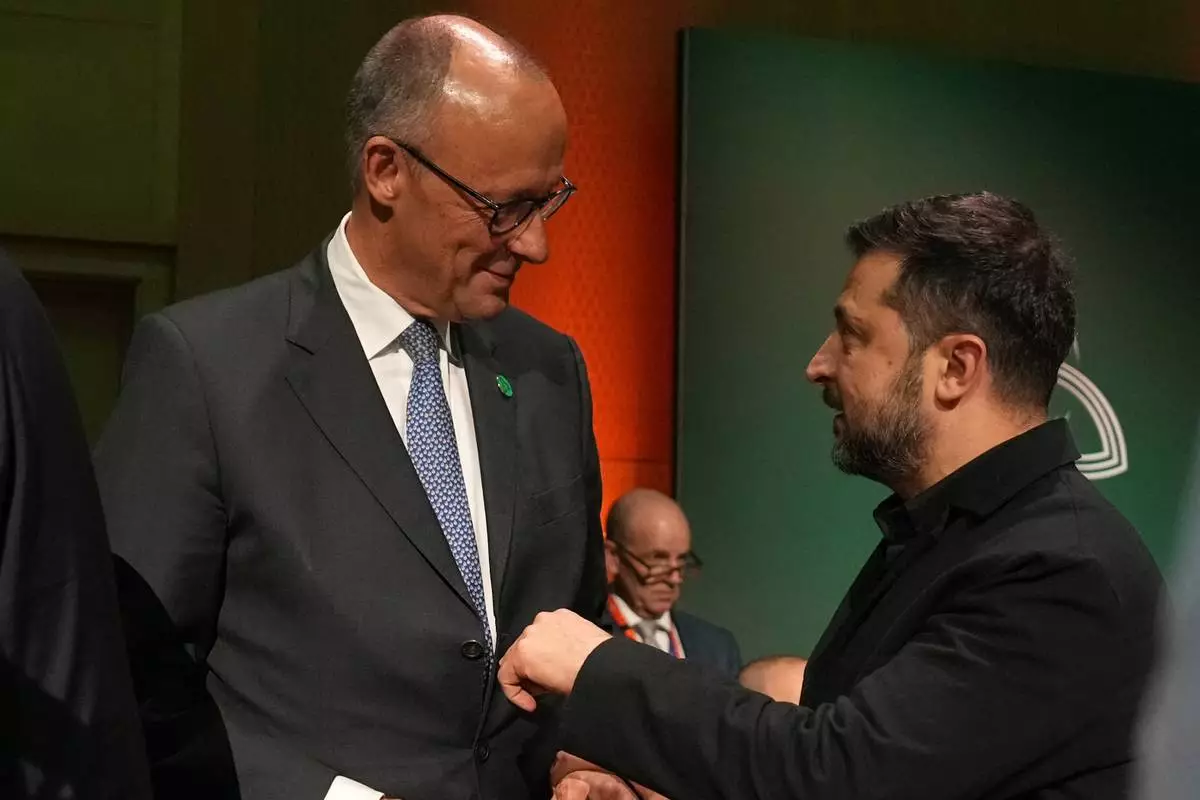
Ukraine's President Volodymyr Zelenskyy, right, speaks with Germany's Chancellor Friedrich Merz during a round table meeting of the European Political Community (EPC), in Dublin, Thursday, Nov. 12, 2026. (AP Photo/Virginia Mayo)
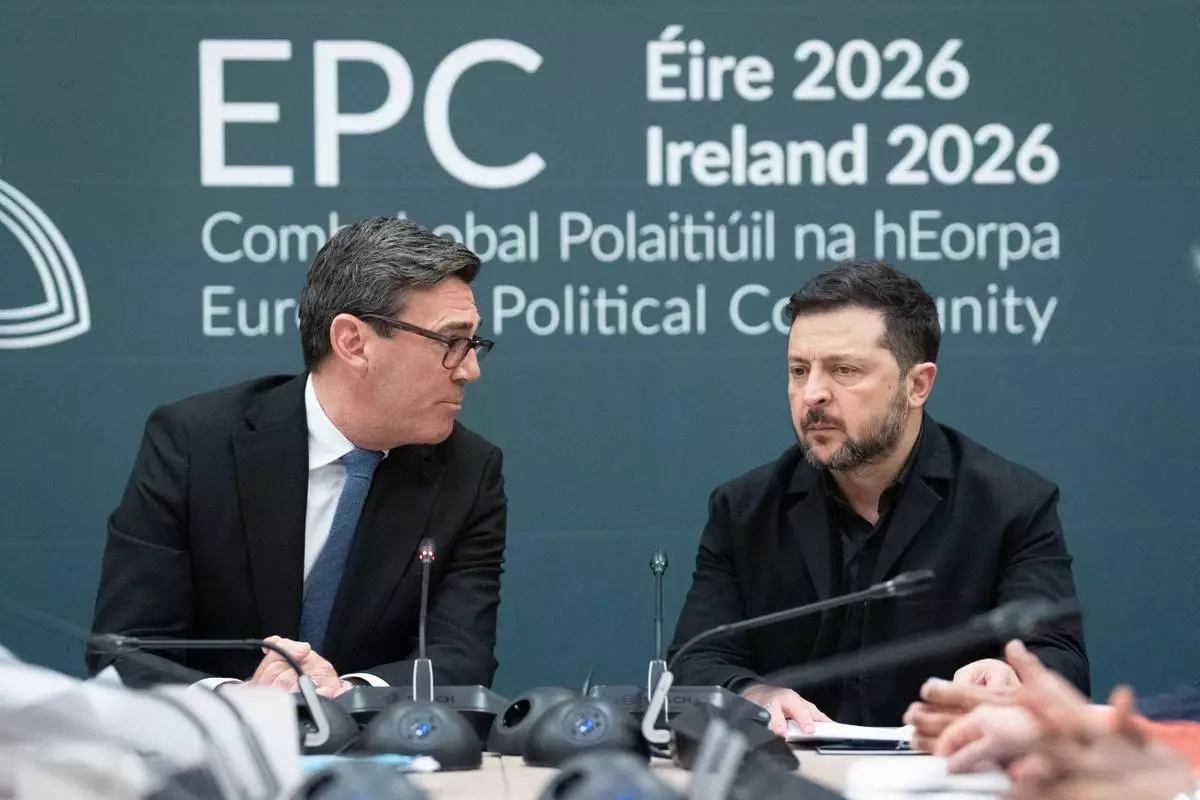
Britain's Prime Minister Andy Burnham, left, sits next to the President of Ukraine Volodymyr Zelenskyy, with other European leaders in attendance, during the Ukraine security meeting as part of the European Political Community (EPC) summit in Dublin, Ireland, Thursday, Nov. 12, 2026. (Stefan Rousseau/PA via AP, Pool)
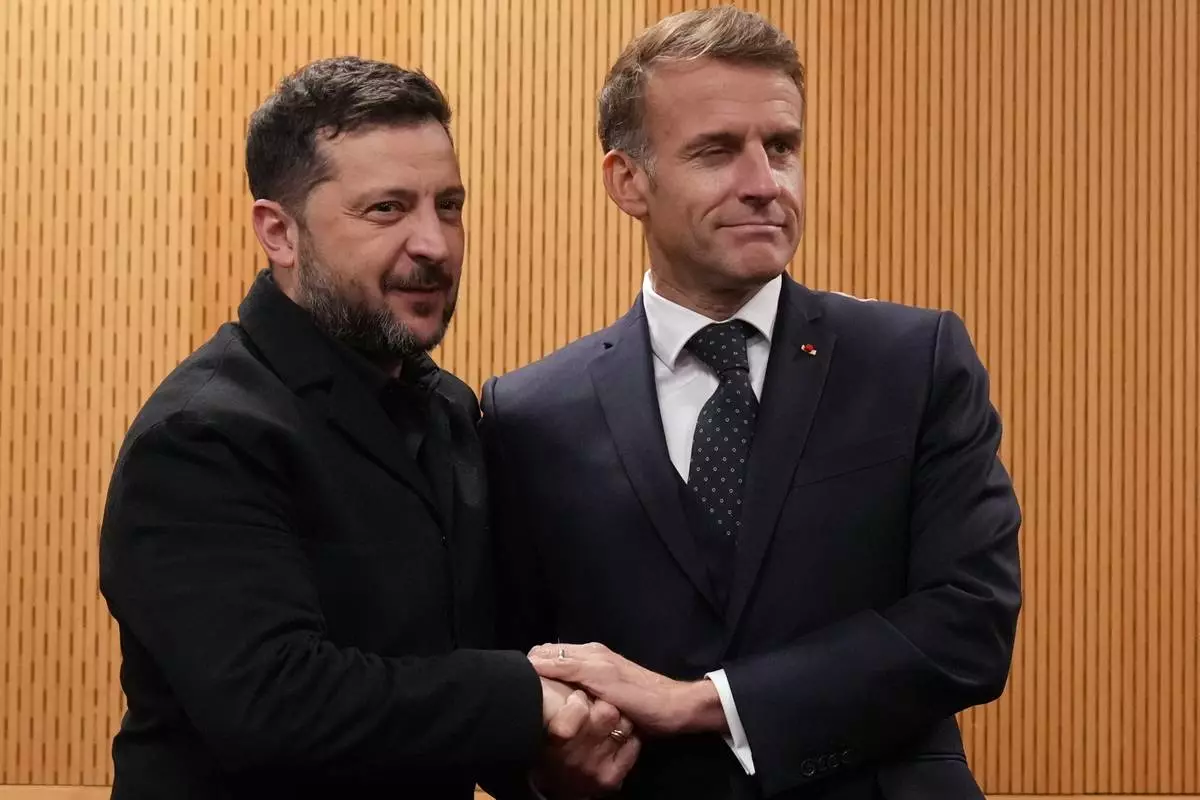
Ukraine's President Volodymyr Zelenskyy and French President Emmanuel Macron meet during the European Political Community (EPC) Summit in Dublin, Thursday, Nov. 12, 2026.(AP Photo/Virginia Mayo)
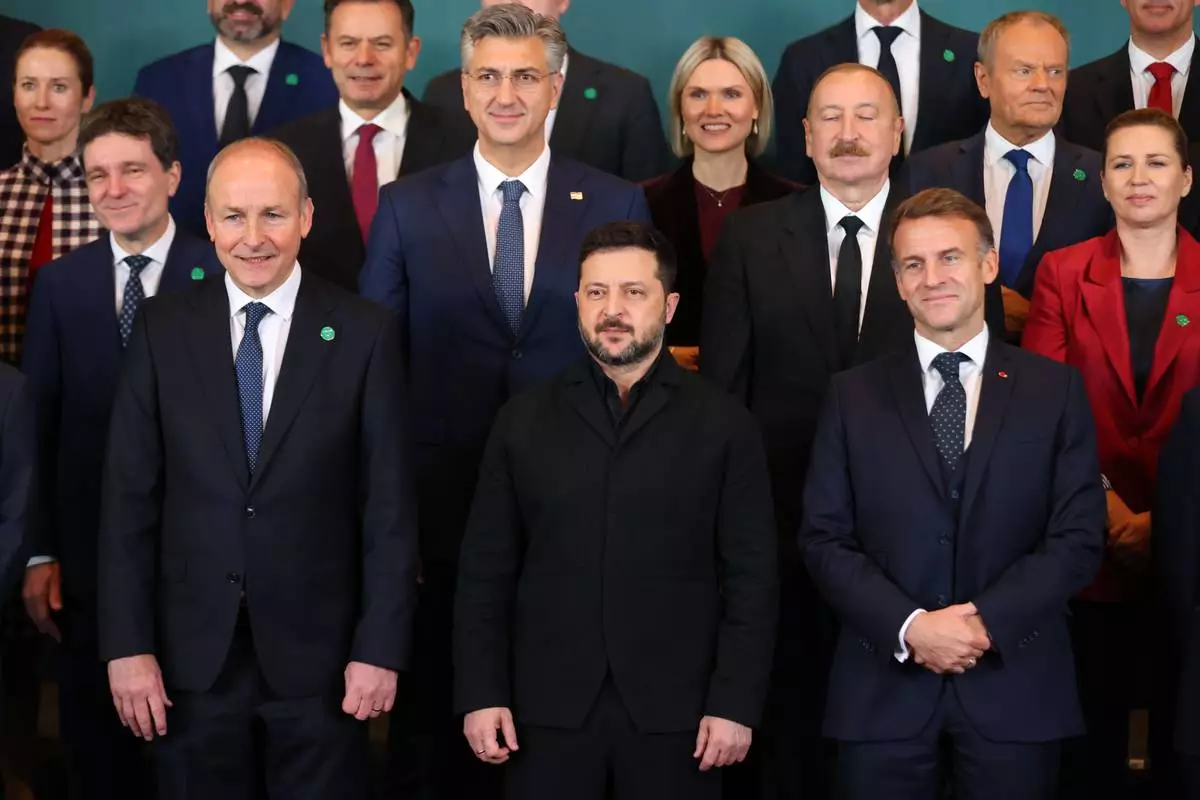
Ukraine's President Volodymyr Zelenskyy stands next to French President Emmanuel Macron, right, and Ireland's Prime Minister Micheál Martin as they pose for a family photo of all participants during the European Political Community (EPC) Summit in Dublin, Thursday, Nov. 12, 2026.(AP Photo/Peter Morrison)