Stalled flood control projects in Argentina's farming heartland of Buenos Aires Province has left the region exposed to potential heavy rains as the ongoing El Nino phenomenon intensifies.
Fueled by exceptionally warm ocean conditions across the tropical Pacific, the current El Nino phenomenon is likely to peak toward the end of this year, according to the World Meteorological Organization's El Nino/La Nina Update. Heavy rains are expected in Argentina's main farming region, where delays to flood control infrastructure projects could hurt local farmers.
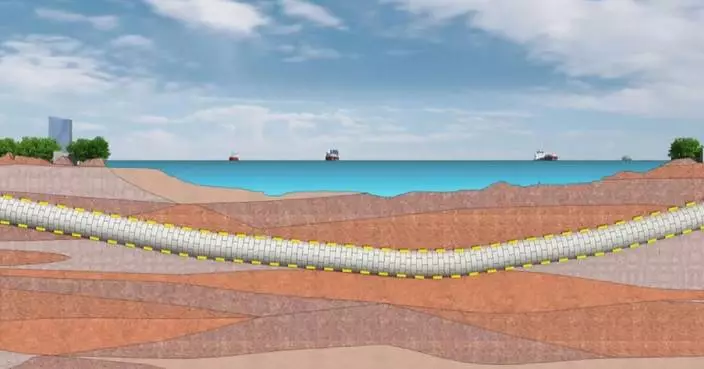
In Buenos Aires Province, agricultural producer Ignacio Iturriaga came to check on the government infrastructure project to widen the Salado River, which aims to prevent flooding in the region. The project was halted by the government last year and remains uncompleted, which means the river may not be able to handle the rains that El Nino is expected to bring.
Iturriaga said he knows what that could mean. He recalled the flood that devastated his farm last year.
"Last year, we had a very big flood. Just in three days there was a huge amount of water coming down the river that flooded all the farm, nearly 90 percent of the farm was underwater, with a height of nearly a meter and a half," said Iturriaga who has 600 hectares of land there.
"There are some calculations that nearly 5 million hectares were under water and 2.4 billion [U.S.] dollars were lost," he said.
Last year's disaster struck without El Nino's influence, suggesting that climate change is already driving extreme weather in the region.
Buenos Aires Province accounts for around a third of Argentina's GDP. By April, some areas there had already received half of their annual rainfall, adding to concerns about saturated ground ahead of the coming rains.
"We're preparing for El Nino, super El Nino, but really we're preparing for climate change, or for extreme weather events that are already occurring in Argentina and the region and that will most likely become more and more frequent," said Gabriel Katopodis, minister of infrastructure and public services for the Province of Buenos Aires.
Provincial authorities have launched a mitigation plan, but without support from the national government. They said Argentine President Javier Milei's austerity drive has brought cuts across the economy, particularly in the infrastructure sector — the reason why the Salado River project remains at a standstill.
"An 85 percent cut to the budget means public works at a standstill. National infrastructure investment is reduced to a level that's minimal, almost insignificant," said the minister.
The government said that such projects should be funded privately or by the provinces themselves. But the approach leaves the Salado River widening and the region's flood defenses in limbo as El Nino approaches.
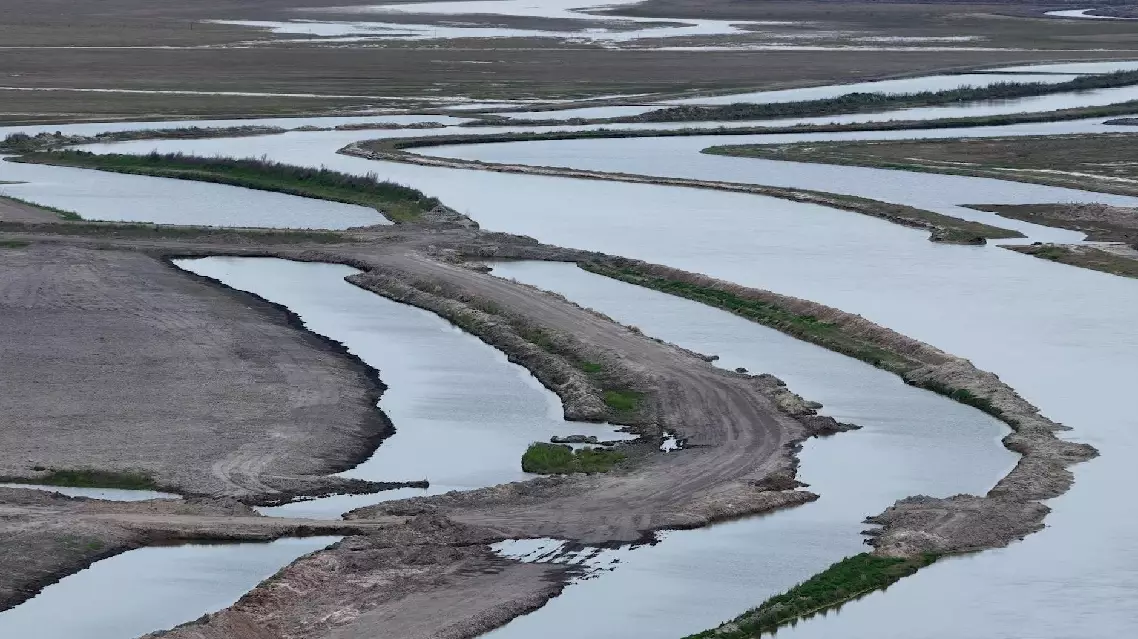
El Nino threatens Argentina's farm belt as flood control projects stall