Only two commercial vessels navigated through the Strait of Hormuz on Monday, a further decline from 10 vessels the day before, the latest data from maritime data firm Kpler showed on Tuesday.
According to the data, commercial vessels that transited the Strait of Hormuz that day were a bulk carrier loaded with mineral products and flying the Panamanian flag, and a bulk carrier flying the Liberian flag.
However, the figure did not include vessels that might have passed through the strait with their automatic identification system (AIS) switched off to avoid detection.
The Strait of Hormuz is a global energy-transportation chokepoint. It previously handled approximately one-fifth of the world's crude oil and refined-product shipments and was also an important route for liquefied natural gas transportation.
Before the U.S.-Israeli war on Iran, around 125 large commercial vessels could pass through the strait every day, including oil tankers, gas carriers, bulk carriers, and container ships.
Iran's Parliament Speaker Mohammad Bagher Ghalibaf said on Sunday that Iran has clearly conveyed its conditions through intermediaries. Unless those conditions are met, Iran's legitimate rights are recognized, and U.S. commitments are fulfilled, there is no possibility of returning to the previous negotiating state or reopening the Strait of Hormuz.
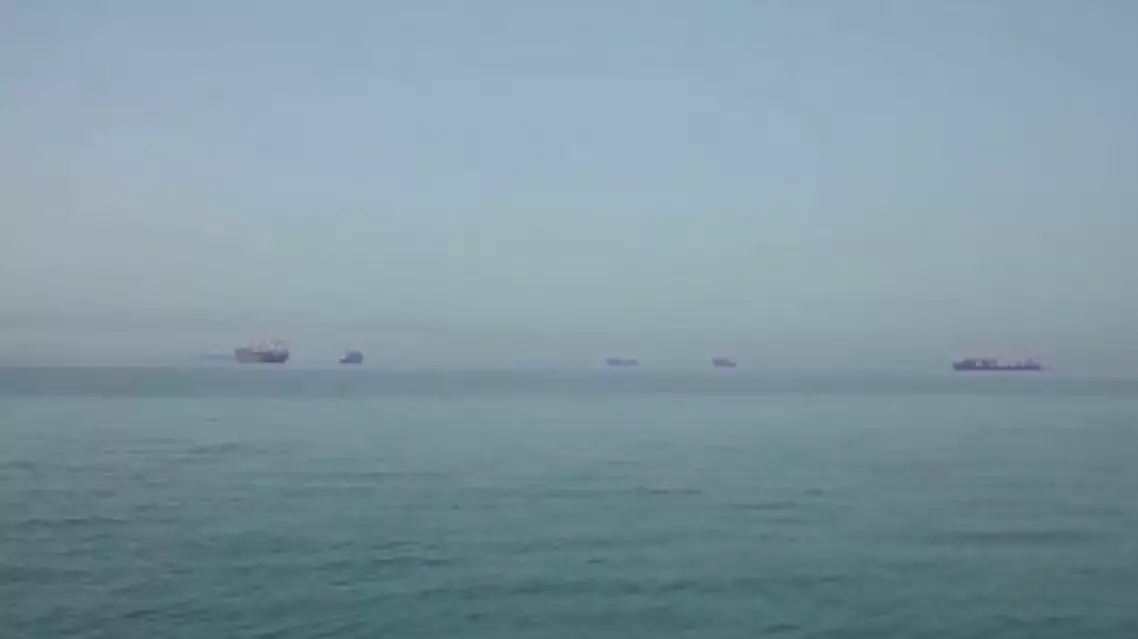
Only 2 commercial vessels pass through Strait of Hormuz on Monday: Kpler
A themed exhibition commemorating the 90th anniversary of the victory of the Long March opened Tuesday at the Military Museum of the Chinese People's Revolution in Beijing.
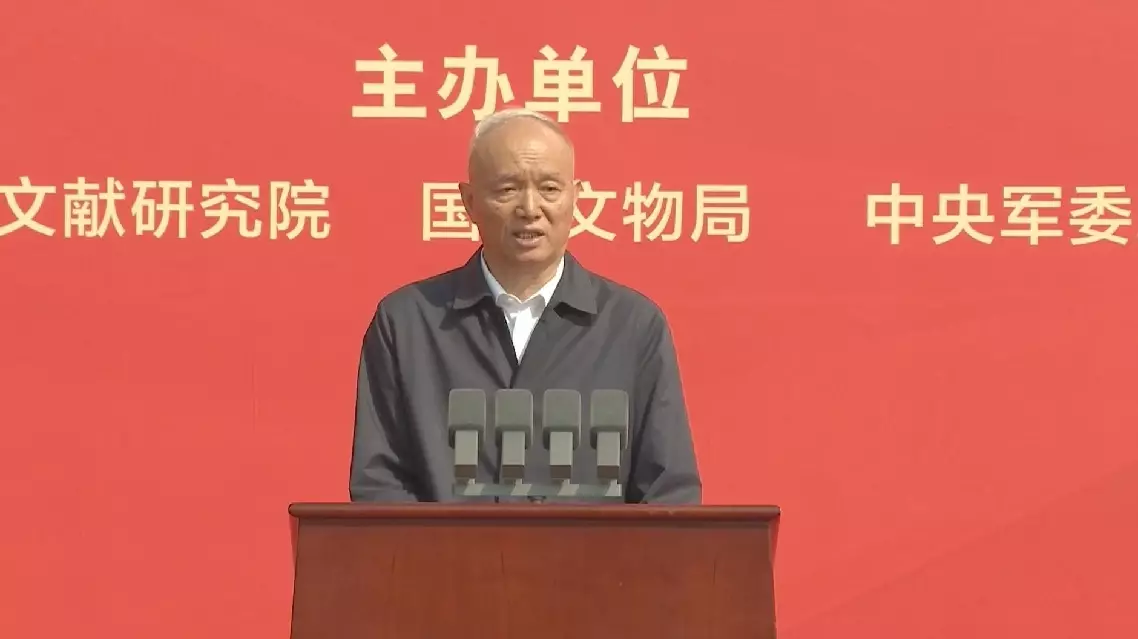
In his address at the opening ceremony, Cai Qi, a member of the Standing Committee of the Political Bureau of the Communist Party of China (CPC) Central Committee and a member of the Secretariat of the CPC Central Committee, said the victory stunned the world and continues to shine in the annals of history.
Cai stressed that the victory of the Long March marked a great turning point for the CPC and the Chinese revolution, and stands as a towering monument in the historic process of the rejuvenation of the Chinese nation.
The Long March was an epic military trek from 1934 to 1936, during which the CPC-led Red Army broke through encirclement by Kuomintang forces. Red Army soldiers braved raging rivers, snow-covered mountains and treacherous grasslands, with some marching as far as 12,500 kilometers. The maneuver helped lay the foundation for the eventual victory of the Chinese revolution.
Cai said the spirit forged through the sacrifices of Chinese Communists and Red Army soldiers continues to inspire the Chinese people to overcome difficulties and advance from victory to victory.
The exhibition provides an important platform for education on ideals and convictions, patriotism and revolutionary traditions, he said, calling for carrying forward the Long March spirit on the new journey.
The exhibition comprises seven main sections, including the Zunyi Meeting, major military operations and the enduring legacy of the Long March. English captions accompany each exhibit.
The exhibition takes up approximately 3,300 square meters on the western side of the museum's third floor, with a display route stretching more than 760 meters.
It features 875 cultural relics or sets of relics, a substantial increase from previous exhibitions in 2006 and 2016. The museum also said it is displaying 186 historical documents, 357 photographs and charts, 73 artworks and 16 videos.
According to the museum, more than 300 relics and documents are being exhibited for the first time, accounting for approximately 28 percent of the total number of relics and documents on display.
The exhibition also presents 60 stories from the Long March. It features 14 scenes depicting key episodes, including the Battle of the Xiangjiang River, the Zunyi Meeting and the Four Crossings of the Chishui River.
About 600 people, including officials, military personnel and representatives from various walks of life, attended the opening ceremony. Cai and other leaders toured the exhibition with members of the public afterward.
China holds exhibition to mark 90th anniversary of Long March victory