Chinese Premier Li Qiang met with WorldSkills International (WSI) President Francis Hourant and CEO David Hoey in Shanghai on Tuesday.
Li said the 48th WorldSkills Competition is a major event that President Xi Jinping has personally cared about and promoted, adding that China is confident of delivering a successful competition for the world.
China is ready to deepen cooperation with the WSI to advance the global skills agenda and contribute to steady global economic growth, Li said.
China will continue strengthening its domestic skills development and hopes the WSI will share more international experience with China in areas including talent development and trainer training, while supporting China in playing a greater role in global governance of skills development, he said.
Hourant and Hoey spoke highly of China's vigorous development of skills training and its experience as a reference for other countries.
They expressed confidence that China would present an unprecedented competition to the international community, and said they are looking forward to working with China to contribute to global development and prosperity.
The 48th WorldSkills Competition is scheduled to be held in Shanghai from Sept 22 to 27.
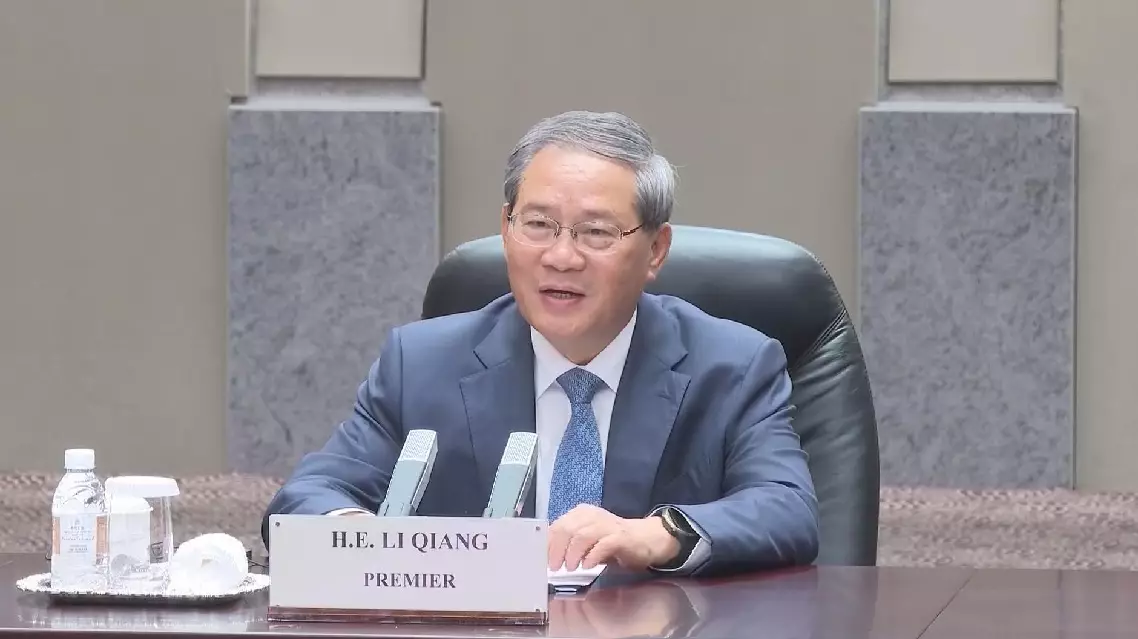
Chinese premier meets WorldSkills International leaders in Shanghai
Only two commercial vessels navigated through the Strait of Hormuz on Monday, a further decline from 10 vessels the day before, the latest data from maritime data firm Kpler showed on Tuesday.
According to the data, commercial vessels that transited the Strait of Hormuz that day were a bulk carrier loaded with mineral products and flying the Panamanian flag, and a bulk carrier flying the Liberian flag.
However, the figure did not include vessels that might have passed through the strait with their automatic identification system (AIS) switched off to avoid detection.
The Strait of Hormuz is a global energy-transportation chokepoint. It previously handled approximately one-fifth of the world's crude oil and refined-product shipments and was also an important route for liquefied natural gas transportation.
Before the U.S.-Israeli war on Iran, around 125 large commercial vessels could pass through the strait every day, including oil tankers, gas carriers, bulk carriers, and container ships.
Iran's Parliament Speaker Mohammad Bagher Ghalibaf said on Sunday that Iran has clearly conveyed its conditions through intermediaries. Unless those conditions are met, Iran's legitimate rights are recognized, and U.S. commitments are fulfilled, there is no possibility of returning to the previous negotiating state or reopening the Strait of Hormuz.
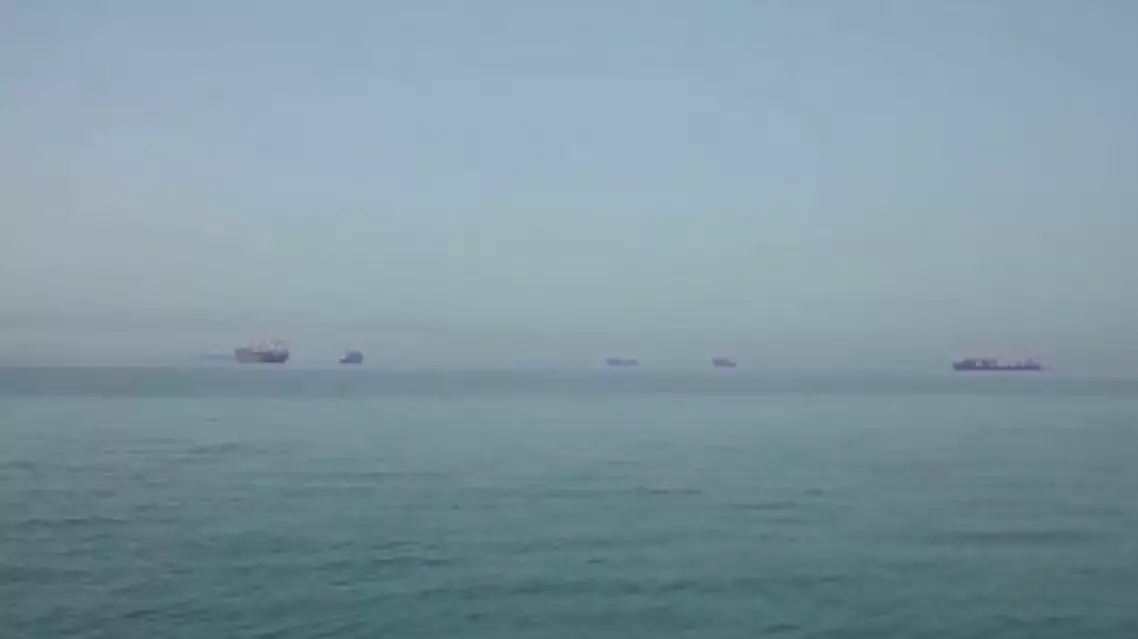
Only 2 commercial vessels pass through Strait of Hormuz on Monday: Kpler