WASHINGTON (AP) — A federal judge in Rhode Island has struck down a Trump administration directive that would have barred some immigrants from accessing certain federal programs, including Head Start preschools, community health clinics and adult education programs.
U.S. District Judge Mary McElroy, who was appointed by President Donald Trump in 2019, last year had temporarily barred his administration from moving forward with the rule, so it was never implemented. On Monday, she made the injunction permanent.
The rule from the Republican administration would have reclassified broad swaths of federally funded social services programs under a Clinton-era law, the Personal Responsibility and Work Opportunity Reconciliation Act, making them inaccessible to immigrants who are considered “nonqualified aliens.” That category includes adults and children who are in the United States illegally. But it also includes those on certain work visas and recipients of Temporary Protected Status and Deferred Action for Childhood Arrivals, which provided temporary protection from deportation and work authorization to some immigrants who were brought to the country illegally as children.
Those groups are already barred from receiving full Medicaid benefits and federally funded food and cash assistance.
The Trump administration issued its directive in July 2025. Democratic attorneys general from 20 states and the District of Columbia sued.
In her ruling, McElroy declared the directive “unlawful” and said the Trump administration did not follow the proper avenues to rewrite the rules. She called the administration's actions “procedurally invalid.”
Requests for comment from the departments of Labor, Education, Justice and Health and Human Services, which were named as defendants, were not immediately returned. The Administration for Children and Families, a division of HHS that oversees Head Start, said it does not comment on ongoing litigation.
In a statement, New York Attorney General Letitia James, who was among those who sued, hailed the judge’s ruling.
“From cancer screenings to food banks to early childhood education, the federal government’s attempts to decimate the social safety net would have been catastrophic for working families,” James said.
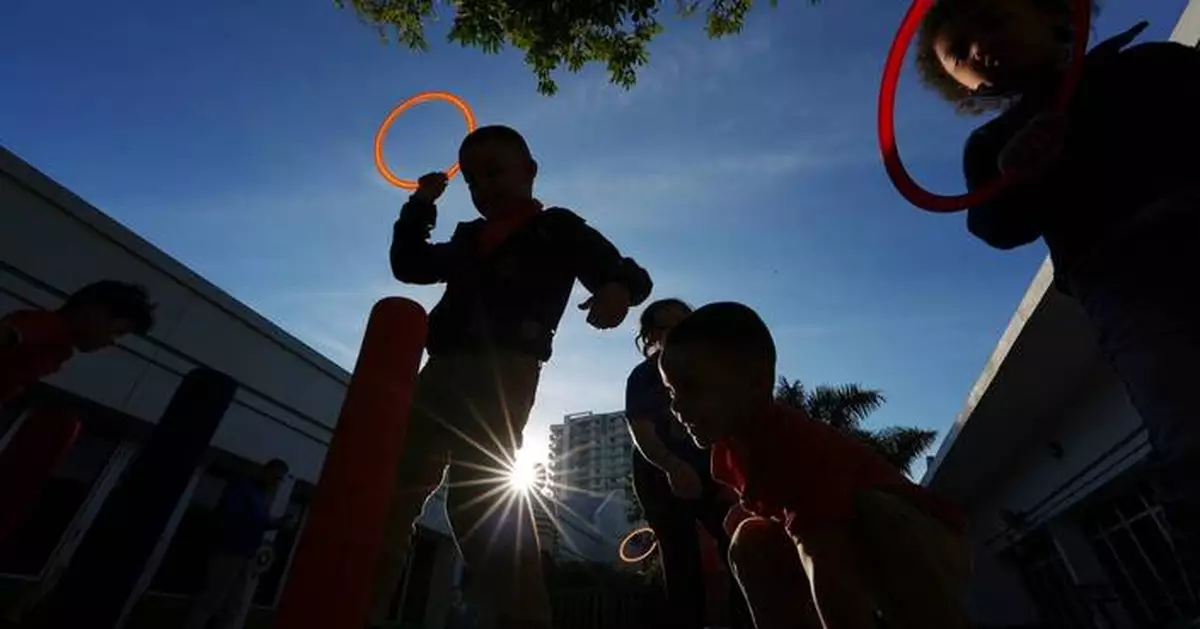
Proponents of Head Start had voiced concern that the new policy would have harmed immigrant communities by taking away health services and educational opportunities. The administrative burdens of implementing the new rule would have caused many underresourced Head Start programs to close, according to the lawsuit filed by the states.
The Associated Press’ education coverage receives financial support from multiple private foundations. The AP is solely responsible for all content. Find the AP’s standards for working with philanthropies, a list of supporters and funded coverage areas at AP.org.
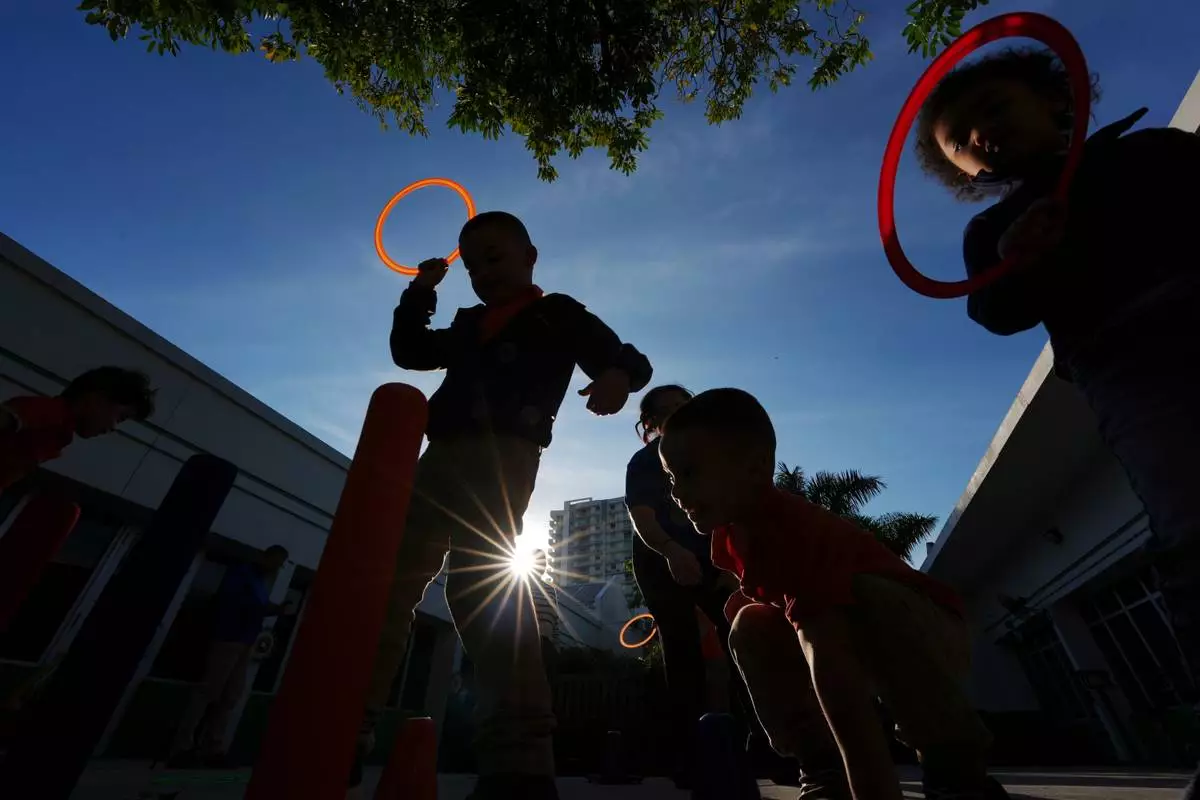
FILE - Children play during aftercare for the Head Start program at Easterseals South Florida, Jan. 29, 2025, in Miami. (AP Photo/Rebecca Blackwell, File)
COLOMBO, Sri Lanka (AP) — A Sri Lankan court convicted 15 men on Tuesday over their involvement in the 2019 Easter Sunday bombings that killed more than 260 people, and sentenced them each to 200 years in prison, meaning they will spend the rest of their lives behind bars.
The three-judge High Court panel also ordered their property confiscated. The verdict was delivered after a lengthy trial that spanned for nearly five years.
The April 21 attacks targeted three churches and three hotels across the island nation during Easter services and celebrations. The bombings, which were inspired by the Islamic State group, were among the deadliest attacks in Sri Lanka’s history. They killed 42 foreigners and devastated communities across the country.
THIS IS A BREAKING NEWS UPDATE. AP’s earlier story follows below.
COLOMBO, Sri Lanka (AP) — A Sri Lankan court convicted 15 men on Tuesday over their involvement in the 2019 Easter Sunday bombings, which killed more than 260 people and wounded about 500.
The April 21 attacks targeted three churches and three hotels across the island nation during Easter services and celebrations. The bombings, which were inspired by the Islamic State group, were among the deadliest attacks in Sri Lanka’s history. They killed 42 foreigners and devastated communities across the country.
A three-judge High Court panel delivered the verdict amid tight security, with hundreds of police officers deployed around the courthouse.
Authorities filed 23,270 charges in 2021 against 24 suspects accused of planning or inspiring the attacks. The charges included murder, conspiracy to commit terrorism, and firearms and explosives offenses under the Prevention of Terrorism Act.
None of those believed to have directly participated in the attacks are alive.
Two Sri Lanka-based Islamic militant groups were accused of carrying out the bombings.
Sri Lanka’s Catholic Church has claimed, without providing evidence, that those identified so far as perpetrators are not the masterminds behind the bombings, and that there was a bigger conspiracy behind the attacks.
A parliamentary committee found that police and intelligence officials failed to act on repeated intelligence warnings of the attacks.
In July, a former police chief and a former senior defense ministry official were also sentenced to death for failing to act promptly on foreign intelligence warnings of possible attacks.
Sri Lanka has not carried out executions since 1976, meaning death sentences typically result in life imprisonment.
After the bombings, allegations emerged that the attackers had links to Sri Lanka’s state intelligence services. The country’s Defense Ministry denied any involvement.
In February, police arrested Suresh Salley, a former intelligence chief and retired army major general, in connection with the bombings. The government has alleged that Salley, who remains in custody, had prior knowledge of the attacks and actively conspired to carry them out.
Salley was a prominent military intelligence official credited with playing a major role in the campaign that ended the country’s civil war in 2009.
The bombings shook the island nation and revived memories of the 26-year conflict with the Liberation Tigers of Tamil Eelam, widely known as the Tamil Tigers, a separatist group that fought to establish an independent state for Sri Lanka’s ethnic Tamil minority.
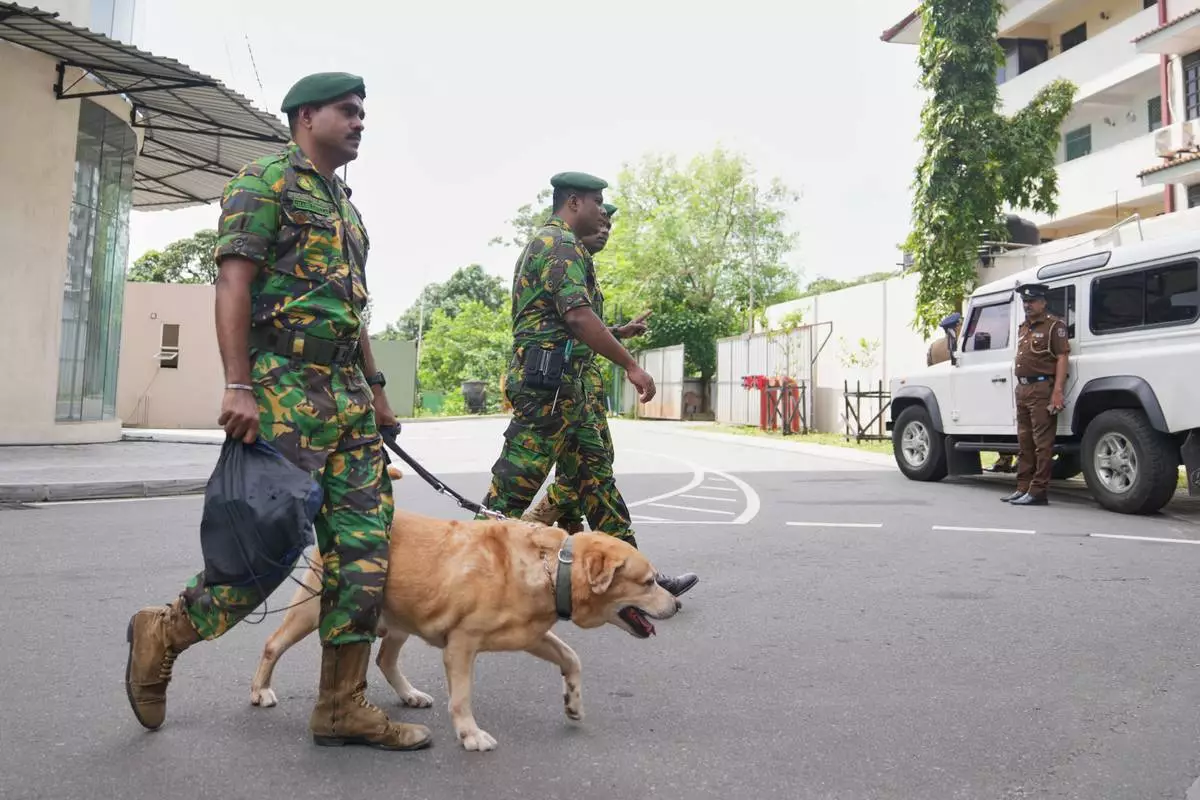
Police commandos patrol with a sniffer dog at the High Court complex ahead of a verdict related to the 2019 Easter bombings in Colombo, Sri Lanka, Tuesday, Sept. 22, 2026.(Eranga Jayawardane)
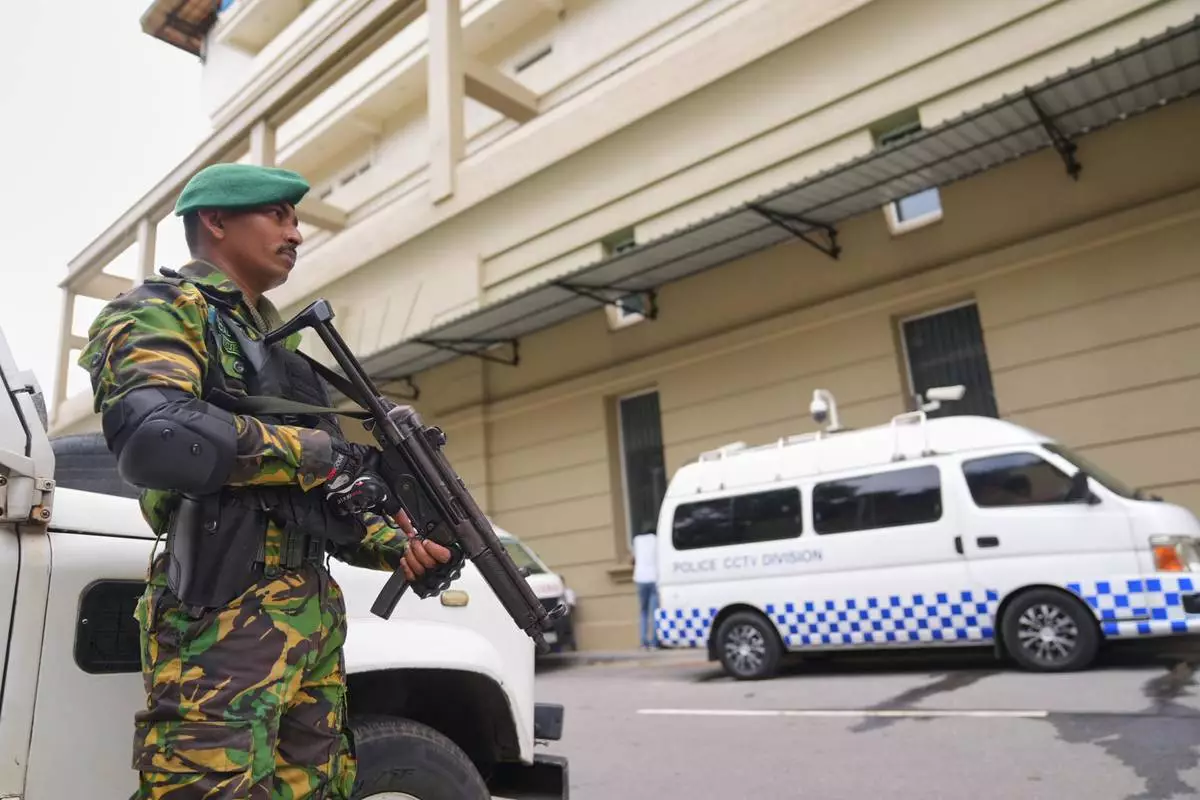
A police commando stands guard at the High Court complex ahead of a verdict related to the 2019 Easter bombings in Colombo, Sri Lanka, Tuesday, Sept. 22, 2026.(Eranga Jayawardane)
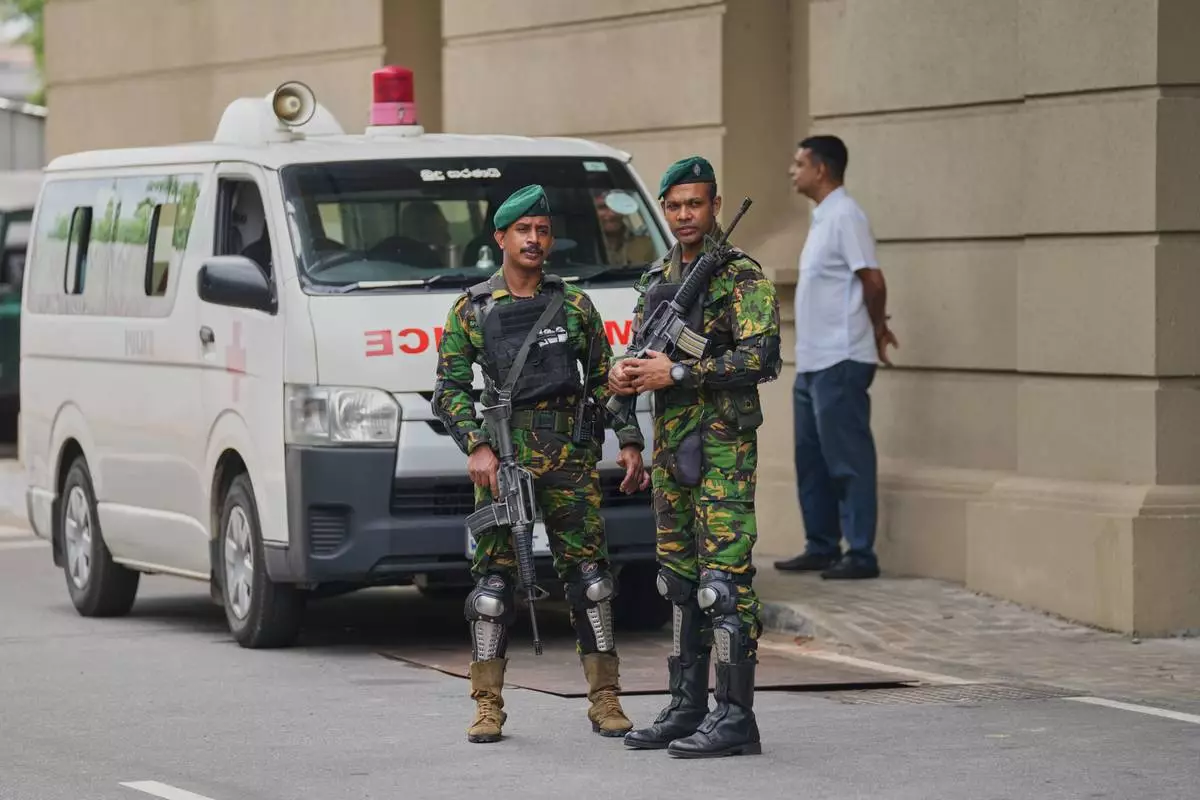
Police commandos stand guard at the High Court complex ahead of a verdict related to the 2019 Easter bombings in Colombo, Sri Lanka, Tuesday, Sept. 22, 2026.(Eranga Jayawardane)