China said on Tuesday that it has maintained the ecological protection "red line" zones stable and improved the country's ecological conservation over the past five years.
China first introduced the concept of "ecological protection red lines" in 2011, and by 2022 had completed the nationwide delineation of ecological protection red lines covering both land and sea.
Within the the eco-environmental conservation red lines framework, functional areas of vital importance, exceedingly fragile areas, and areas of potentially vital eco-environmental value are all placed under the strictest protection.
Today, these red lines encircle 3.19 million square kilometers, including about 3.04 million square kilometers of land and about 150,000 square kilometers of marine areas.
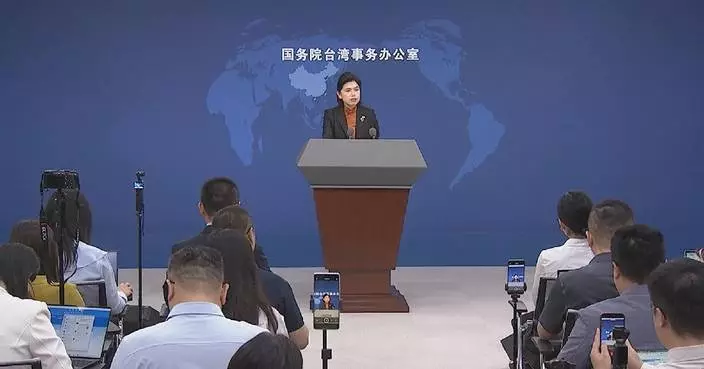
Briefing reporters at a press conference in Beijing on outcomes of the country's ecological and environmental protection achieved in the 14th Five-Year Plan period (2021–2025), leading officials of the Ministry of Ecology and Environment said that areas within the coverage of the ecological conservation red lines remained stable and that the functions of ecosystem improved across core ecological barriers and strategic ecological zones, including the Yangtze River Economic Zone, the Yellow River basin, the Qinghai-Tibet Plateau, the Qinling Mountains, coastal belts, and city clusters including Beijing-Tianjin-Hebei, the Yangtze River Delta, and the Greater Bay Area.
Leading officials of the ministry also said that water conservation, biodiversity protection and vegetation coverage all improved across these zones in the five-year period, indicating steady improvement, as well as lower ambient air and water pollution levels, with no major destruction incidents.
In the Yangtze River Economic Zone, habitats of aquatic organisms within the coverage of the red line zones were restored, the diversity of species steadily increased, and the mainstream water quality remained steady at the Grade II standard, according to the leading officials.
The Yellow River basin posted a 28.6-percent surge in its water conservation capacity index and a 2.1-percent rise in vegetation coverage.
On the Qinghai-Tibet Plateau, protected key wildlife species coverage expanded 8.7 percent and carbon-fixation capacity edged up 3.1 percent, while the Qinling range recorded an improvement in biodiversity, a 7.1-percent increase in water conservation capacity, and a 3.4-percent rise in key species protection.
Coastal zones also registered higher natural shoreline retention indices, according to the leading officials.
In the 2021-2025 period, Even dense economic powerhouses -- including the Beijing-Tianjin-Hebei cluster, the Yangtze River Delta, and the Greater Bay Area -- saw an improvement of ecological functions within the coveage of the red lines, despite high-intensity industrial and urban activity, said the leading officials.
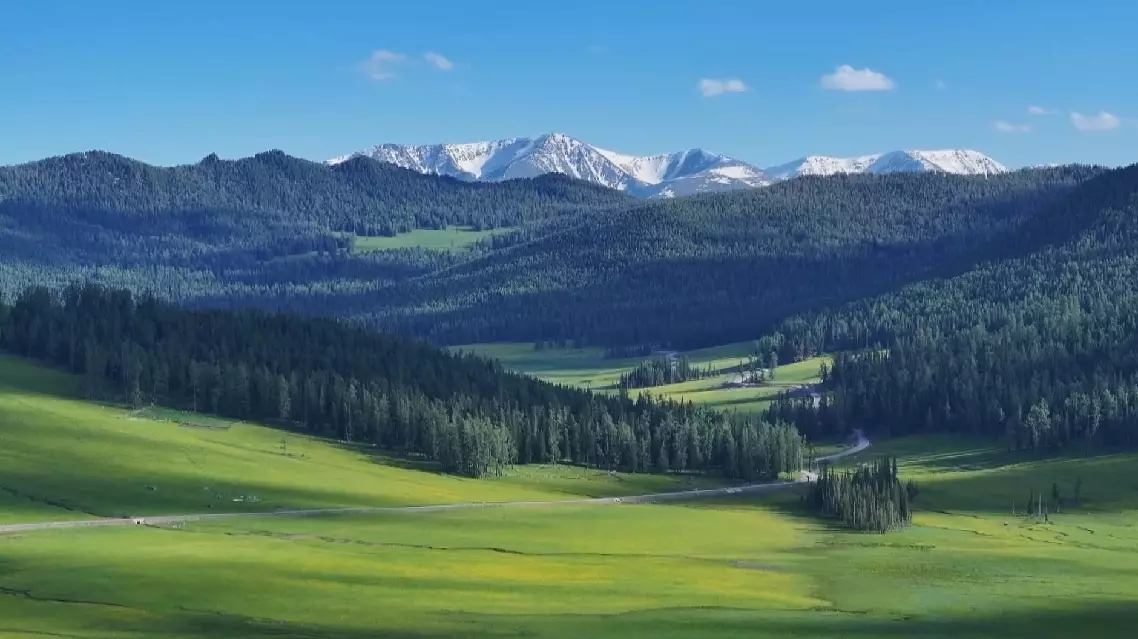
China reports stability of ecological "red lines", environment improvement over past five years