China will expand undergraduate enrollment at its top universities in a way that aligns with the national strategic needs and enhances education quality, the Ministry of Education said on Wednesday.
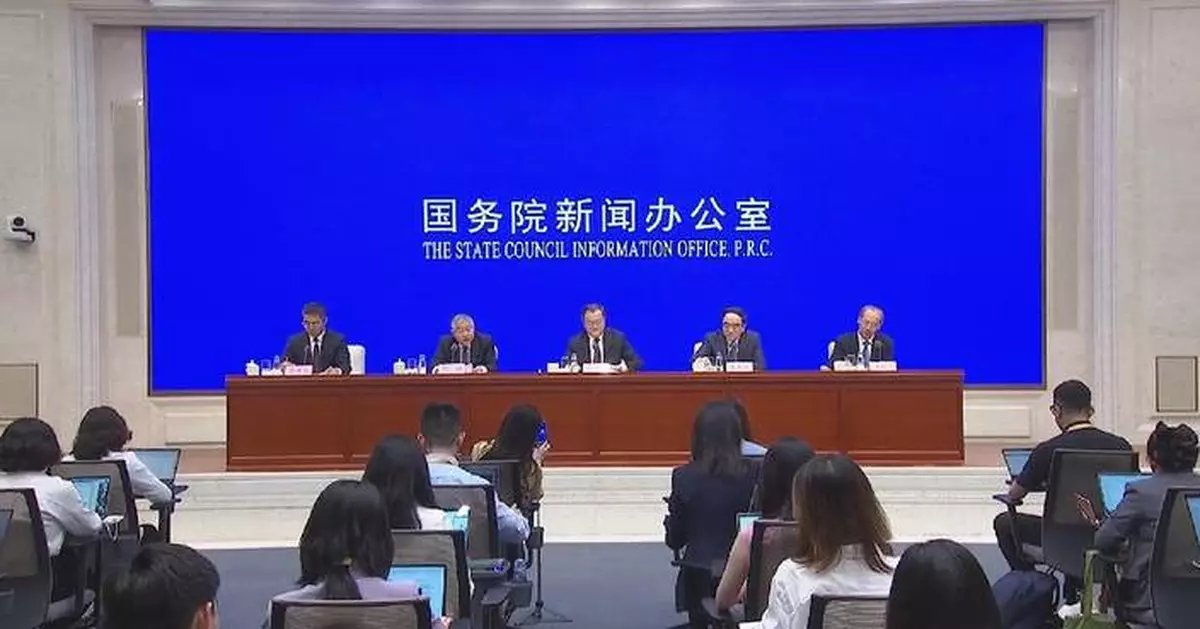
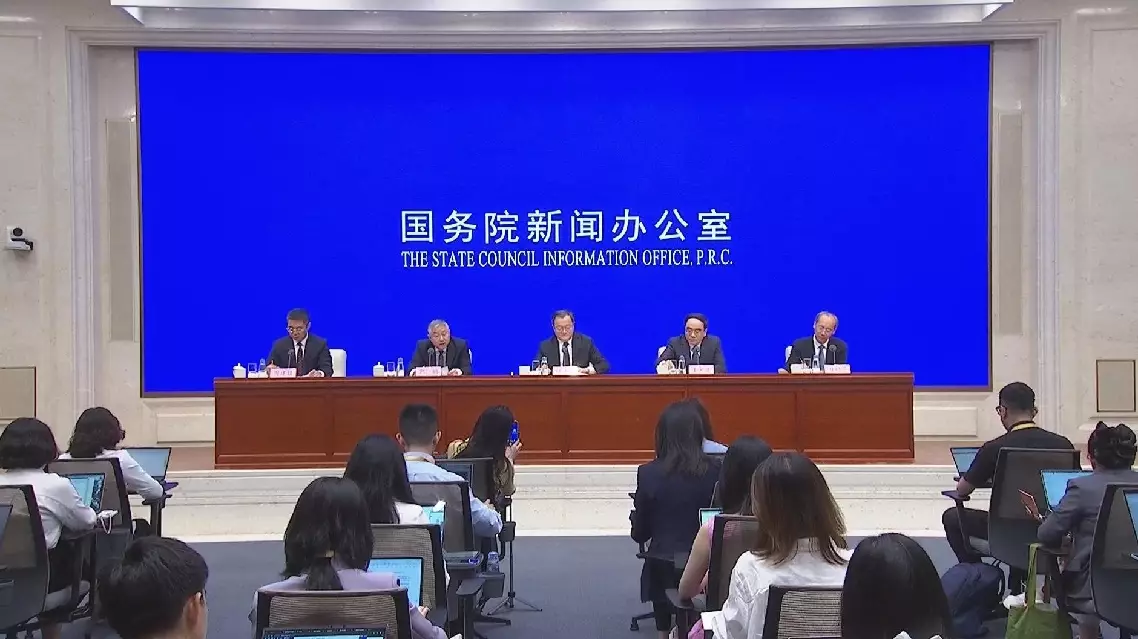
Speaking at a press conference in Beijing, Guo Peng, director of the Department of Development Planning of the Ministry of Education, briefed the media on the enrollment expansion.
He said that universities under China's "Double First-Class Initiative" will expand undergraduate enrollment by 76,000 places between 2027 and 2030.
The initiative supports a select group of universities and academic disciplines with the goal of achieving world-class status.
"This expansion of undergraduate enrollment is not simply a quantitative increase, but a simultaneous advancement of structural optimization and quality improvement. On the one hand, we will optimize and adjust academic disciplines in line with the national strategic needs, strengthen the alignment between supply and demand, and focus on supporting frontier technologies and emerging interdisciplinary fields such as artificial intelligence, integrated circuits, biomedicine and new energy, to cultivate more strategic talents and urgently needed professionals for the country," said Guo.
"On the other hand, we will fully utilize policies such as central budget investment and ultra-long special government bonds to support the construction of new campuses at universities under the 'Double First-Class' initiative, improve basic teaching conditions such as dormitories, canteens, sports venues and laboratories, and provide strong guarantees for the high-quality development of universities and students' study and life," he said.
China to expand top university enrollment with focus on national strategic needs
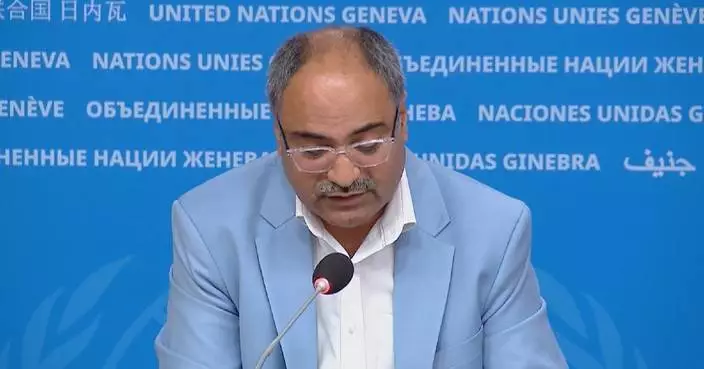
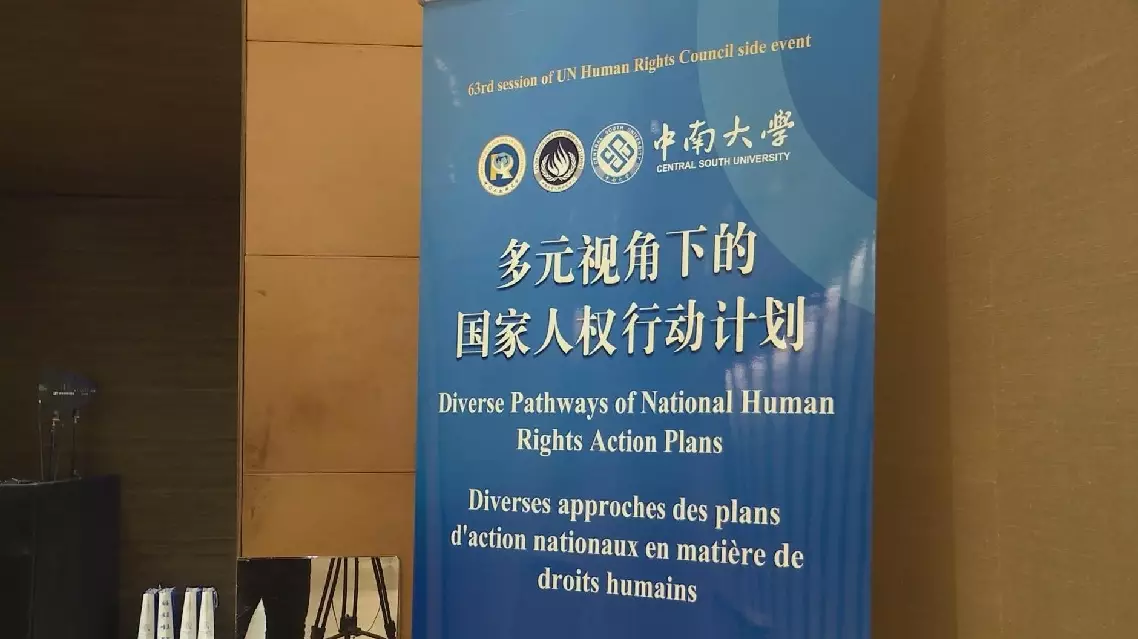
Human rights action plans must roll out in diverse, context-specific pathways according to the needs of each country, experts stressed at a side event on Tuesday held at the Palais des Nations in Geneva during the 63rd session of the United Nations Human Rights Council (UNHRC).
Titled "Diverse Pathways of National Human Rights Action Plans," the event convened researchers, scholars, and civil society representatives from multiple countries to hold in-depth discussions on the formulation and execution of national human rights strategies.
Participants reached a broad consensus on the need to deepen international dialogue and mutual learning to jointly advance the healthy development of the global human rights endeavor.
At the event, Chinese experts provided a systematic overview of China's National Human Rights Action Plan, which was released in June this year.
Mao Junxiang, executive director of the Human Rights Center at Central South University in central China's Changsha City, highlighted that the action plan is closely aligned with the country's 15th Five-Year Plan (2026-2030) for national economic and social development. He outlined five defining characteristics of the plan, noting that it is grounded in reality, people-centered, keeps pace with the times, maintains a global vision, and focuses on action. Mao noted that this approach has enabled China to forge a distinct path of human rights development centered on strategic planning and concrete implementation.
Li Juan, a Chinese researcher at the same center, focused on the protection of digital rights. She introduced China's tangible achievements in bridging the digital divide through robust network infrastructure, leveraging digital and intelligent technologies to empower public services, healthcare, education, and livelihoods, and establishing sound ethical frameworks for artificial intelligence.
A representative from the China Ethnic Minorities' Association for External Exchanges detailed the country's practices in forging a strong sense of community for the Chinese nation, promoting common prosperity and development and safeguarding the equal rights of all ethnic groups.
International comparison and theoretical reflection were another key focus of the event. Peter Herrmann, a member of the European Academy of Sciences and Arts, pointed out existing shortcomings in some European countries regarding the protection of immigrants' rights and basic social welfare.
Meanwhile, Efe Can Gurcan, a Turkish scholar and researcher at the Human Rights Center of Central South University, drew upon the Vienna Declaration and Program of Action to compare the different pathways of human rights governance between China and the United States, elaborating on how diverse cultural and political contexts shape human rights practices.
UN side event highlights diverse pathways for national human rights plans