Expansion of Immigration Facilitation Scheme for Visitors Participating in Short-term Activities in Designated Sectors announced
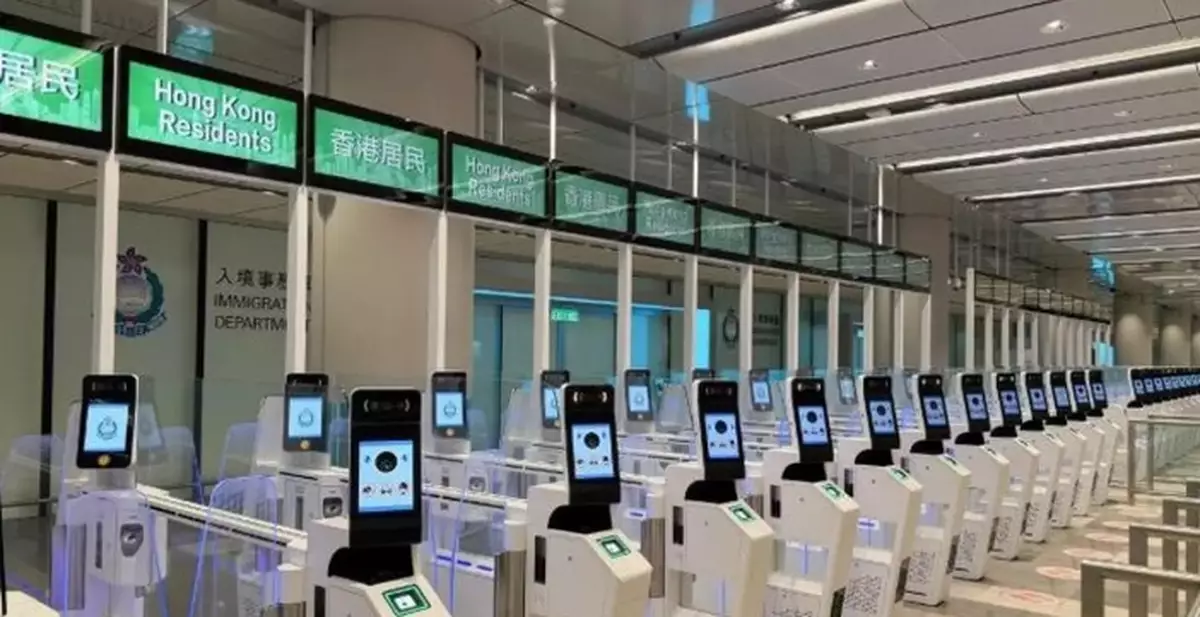
With effect from October 1, the Government will expand the Immigration Facilitation Scheme for Visitors Participating in Short-term Activities in Designated Sectors (STV Scheme), enabling more non-local talent to participate in specified short-term activities as visitors without the need to apply for employment visas/entry permits. Following a review, in addition to the existing 17 designated sectors, the STV Scheme will be expanded to cover the Social Welfare sector, with the addition of more authorised organisations and specified short-term activities.
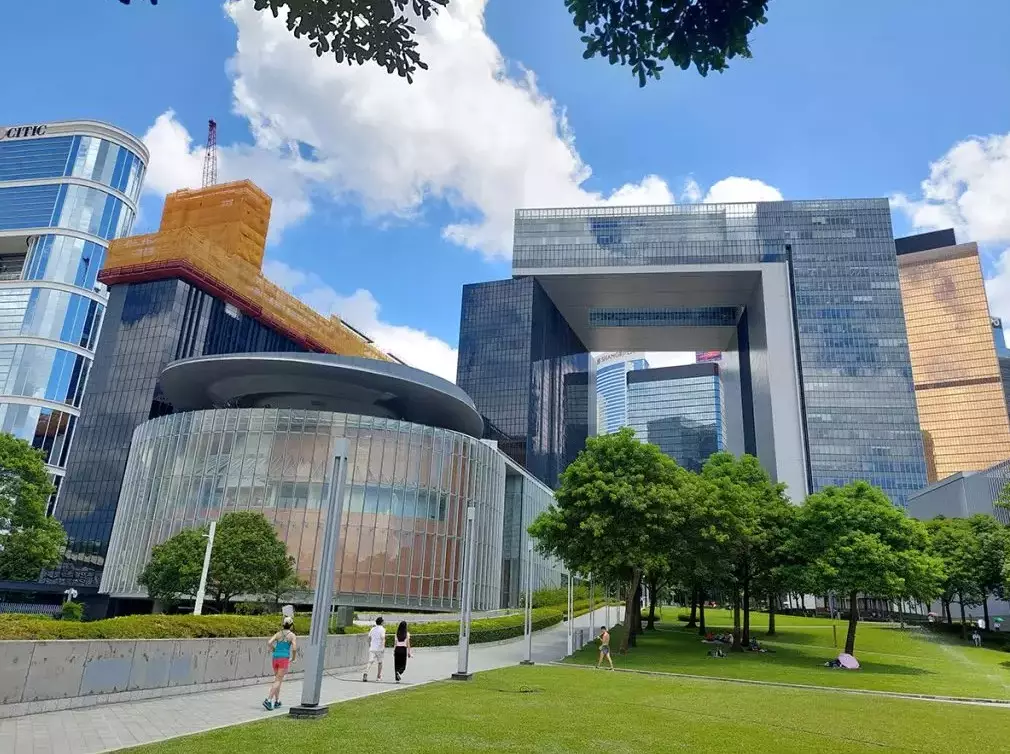
The Central Government Offices, Photo source: reference image
With a view to facilitating business, promoting development of relevant sectors and raising Hong Kong's international profile, the Government launched the Pilot Scheme on Immigration Facilitation for Visitors Participating in Short-term Activities in Designated Sectors (Pilot Scheme) in June 2022, which was regularised as the STV Scheme in June2024. As of end-June 2026, the Pilot Scheme/STV Scheme had benefited over 56000 non-local talent, enabling their entry into Hong Kong as visitors to participate in over 9500 short-term activities, including the International Chinese New Year Night Parade, the Asian Financial Forum, the Hong Kong Sevens, the Hong Kong Performing Arts Expo and other major events. The STV Scheme enables more talent to visit Hong Kong for exchanges, giving full play to Hong Kong's strength as a "super connector" under the "one country, two systems" framework.
Upon review, the Government decided to further expand the STV Scheme to cover the Social Welfare sector, with a view to facilitating the entry of non-local talent into Hong Kong to participate in specified short-term activities (including symposiums, workshops, research, etc) organised by authorised host organisations for the benefit of the welfare sector. Moreover, more authorised organisations and specified short-term activities are added in three existing sectors (including international/mega events, higher education, and finance). For more details, please refer to the Annex. Other arrangements will remain unchanged after the expansion.
The expanded STV Scheme will cover the following 18 sectors with a total of some-490 authorised organisations:
- Innovation and technology;
- The Hong Kong Laureate Forum;
- International/mega events;
- Development and construction;
- Occupational safety and health;
Under the STV Scheme, organisations authorised by relevant government bureaux/departments can issue invitation letters to relevant non-local talent in their sectors. Invited persons may come to Hong Kong and participate in specified short-term activities as visitors without the need to apply for employment visas/entry permits from the Immigration Department (ImmD). Participation of non-local talent in specified activities in Hong Kong must be conducive to economic development or achieving relevant policy objectives, without displacing the local workforce. They may participate in the specified short-term activities for up to 14 consecutive calendar days upon each arrival, and receive remuneration for the specified activities concerned. Through an established mechanism, all participating bureaux/departments would assist in ensuring that the implementation of the scheme consistently meets relevant policy objectives and will neither displace the local workforce nor constitute a risk of abuse (including illegal employment).
For more information on the STV Scheme, please visit the ImmD's website (www.immd.gov.hk/eng/services/visas/stv.html).
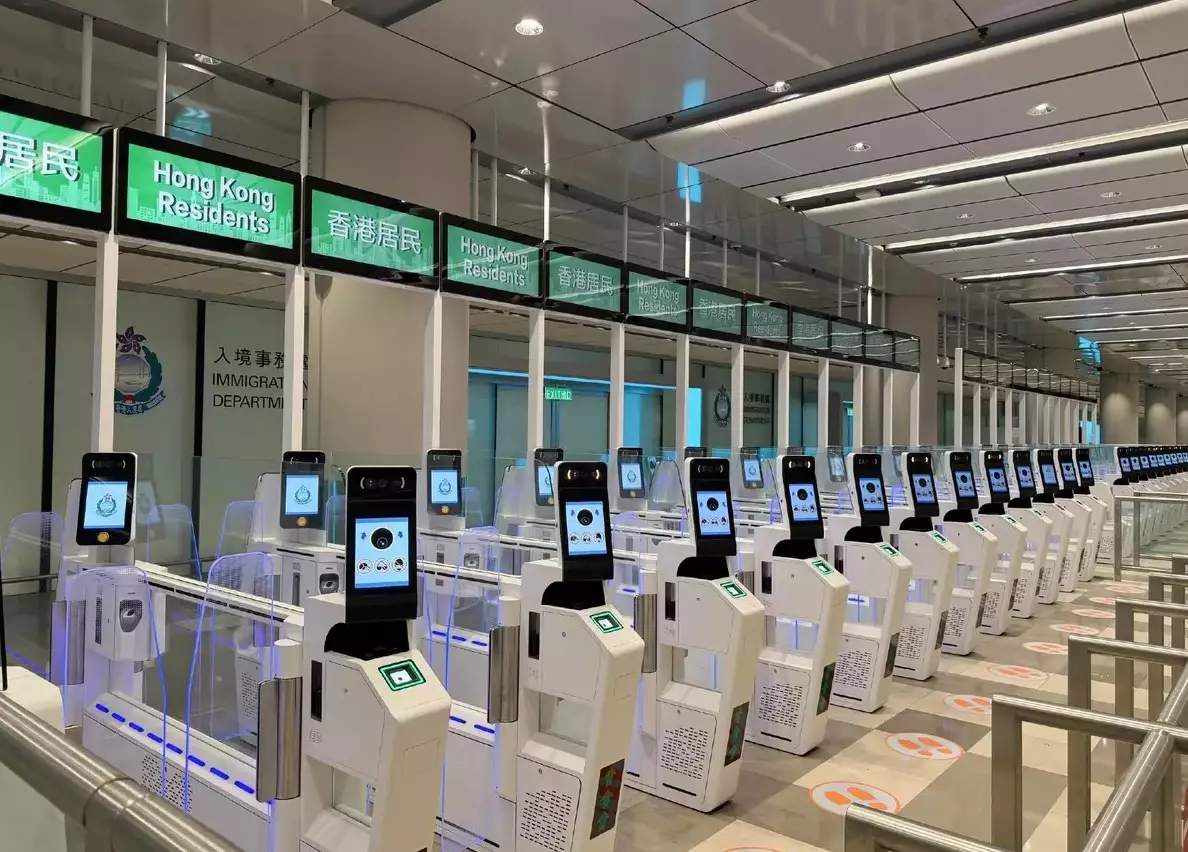
Photo source: reference image
CHP collaborates with private hospitals to enhance infection control measures and tackle antimicrobial resistance
The Infection Control Branch (ICB) of the Centre for Health Protection (CHP) under the Department of Health (DH) today (September 24) convened a meeting of the Working Group on Collaboration between the CHP and Private Hospitals on Infection Control (working group) to discuss the Antibiotic Stewardship Programme (ASP) and infection control measures with representatives from private hospitals across Hong Kong. The goal is to jointly combat antimicrobial resistance(AMR).
The Head of the ICB of the CHP, Dr Edmond Ma, said at the meeting that private hospitals are key stakeholders in preventing infectious diseases and combating AMR. AMR surveillance data in private hospitals in 2025 revealed that among all the Staphylococcus aureus strains isolated from clinical specimens, the proportion of methicillin-resistant strains ranged from 9 to 24 per cent. While this is comparable to the corresponding proportions of 2024, the trends still require close monitoring.
"Optimising the use of antimicrobials, including antibiotics, is one of the major strategies for controlling AMR under the Hong Kong Strategy and Action Plan on Antimicrobial Resistance (Action Plan).One of the objectives is to enhance ASP in private hospitals toreduce unnecessary prescriptions and curb the development of AMR," said Dr Ma.
At the meeting, representatives from the CHP and private hospitals exchanged views on the current status and practical implementation of ASP. Drawing on international and local experiences, the representatives focused their discussion on five key elements, including leadership support, monitoring of antibiotic usage, implementing and reporting ASP, and continuous education among healthcare workers. The CHP recommended that private hospitals strengthen their existing ASP in these five key areas to ensure that doctors within the hospital prescribe antibiotics based on scientific evidence and in accordance with patients' needs.
The CHP also reminded doctors at private hospitals that they can refer to the antimicrobialguidelines, IMPACT, which was compiled jointly by the CHP, the Hospital Authority, the Li Ka Shing Faculty of Medicine of the University of Hong Kong, the Faculty of Medicine of the Chinese University of Hong Kong, the Hong Kong Medical Association and the Hong Kong Private Hospitals Association. Updated last year, the IMPACT serves as a reference for clinical treatment. It provides medication recommendations for different types of infections, enabling doctors in Hong Kong to prescribe appropriate antimicrobial drugs for inpatients. In addition, the working group held in-depth discussions on infection control measures implemented in hospitals, covering the optimisation of environmental cleaning and disinfection procedures as well as the maintenance of water-supply systems to ensure that the hospital environment effectively reduces the risk of transmission.
"The CHP will continue to hold regular meetings with private hospitals through the working group to strengthen collaboration on infection control and the promotion of appropriate antibiotic use, and to facilitate communication and the sharing of experiences between private hospitals and the public healthcare sector to jointly address the challenges posed by infectious diseases and antimicrobial resistance," said Dr Ma.
The CHP set up the working group in 2011, comprising representatives from the CHP and infection control officers from local private hospitals. The group is cochaired by the Head of the ICB and a representative from the private hospital sector. The working group aims to facilitate co-ordination between the CHP and private hospitals on infection control measures and responses to AMR, thereby optimising surveillance and ASP to promote the appropriate use of antibiotics.
Members of the public and healthcare professionals can visit the CHP's website to learn more about AMR and to review the details of the Action Plan (2023-2027).
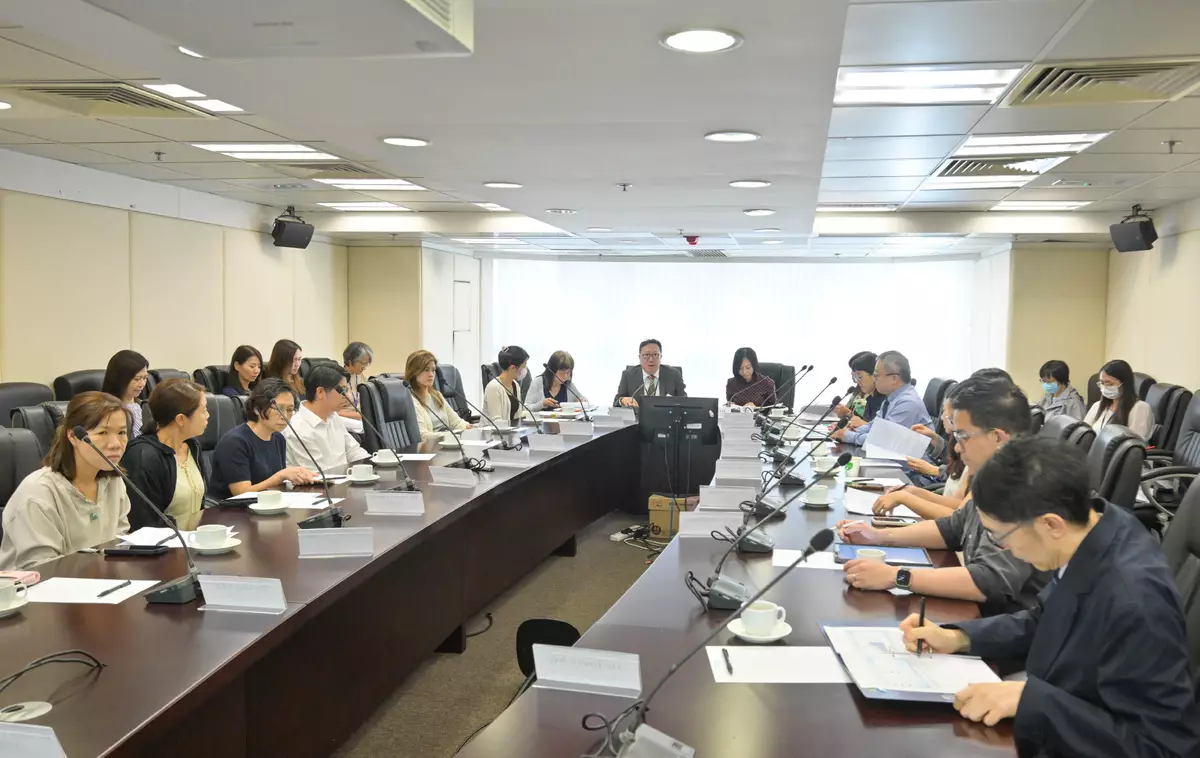
CHP collaborates with private hospitals to enhance infection control measures and tackle antimicrobial resistance Source: HKSAR Government Press Releases
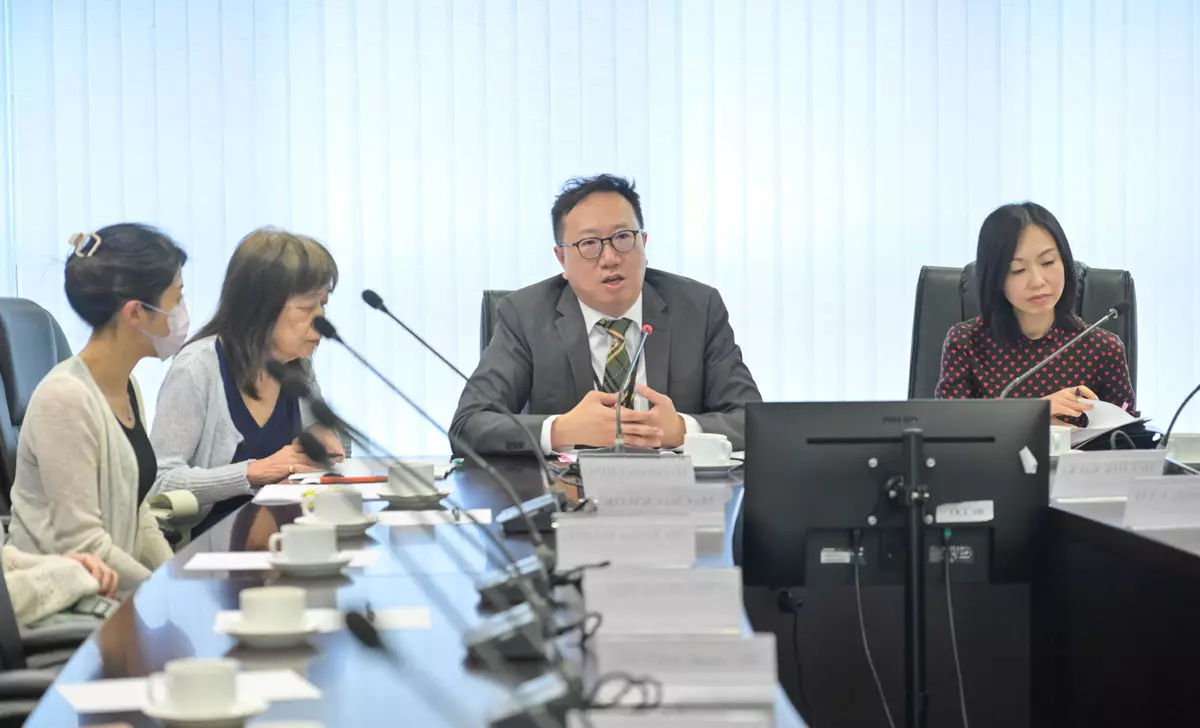
CHP collaborates with private hospitals to enhance infection control measures and tackle antimicrobial resistance Source: HKSAR Government Press Releases