Government will not appeal against judgment regarding environmental impact assessment report for development at former Fanling Golf Course Site
A Government spokesperson said today (September 24) that the Court of Appeal had earlier handed down the judgment regarding the judicial review case concerning the environmental impact assessment (EIA) report for the development of public housing on part of the former Fanling Golf Course Site, upholding the judgment of the Court of First Instance which quashed the decision of the Director of Environmental Protection (the Director) in approving the EIA report of the project. The judgment provides clear legal guidance on issues including the applicable criteria under the Environmental Impact Assessment Ordinance (Cap. 499) (the Ordinance), the statutory public consultation procedures for additional information relating to an EIA report, and procedural fairness. Having holistically considered legal advice and conducted a cautious assessment, the Government has decided not to appeal against the judgment.

The former Fanling Golf Course Site, Photo source: reference image
The spokesperson added that the judgment had clarified a number of important legal principles under Hong Kong’s EIA regime, including that not all additional information outside an EIA report is required to be included in the statutory public consultation process; rather, this depends on the circumstances of each case. In respect of this judicial review case, the Court considered that the original EIA report contained deficiencies which could have been cured by the additional information. Based on the principle of fairness, it was necessary to conduct a further but limited public consultation on the additional information. The Environmental Protection Department will carefully study the legal guidance set out in the judgment and will strictly adhere to the Ordinance and the legal principles established by the Court in carrying out EIA approval work in the future, thereby maintaining the reasonableness, legality, transparency and credibility of Hong Kong's EIA regime.
The spokesperson pointed out that, as the judgment had in effect overturned the approval granted by the Director for the EIA report for the proposed public housing development project, the Government shall review the way forward for the proposed development plan for public housing, including factors such as the impacts on the scale and timing of the development resulting from the non-approval of the EIA report. The Government will announce the way forward at an appropriate time.
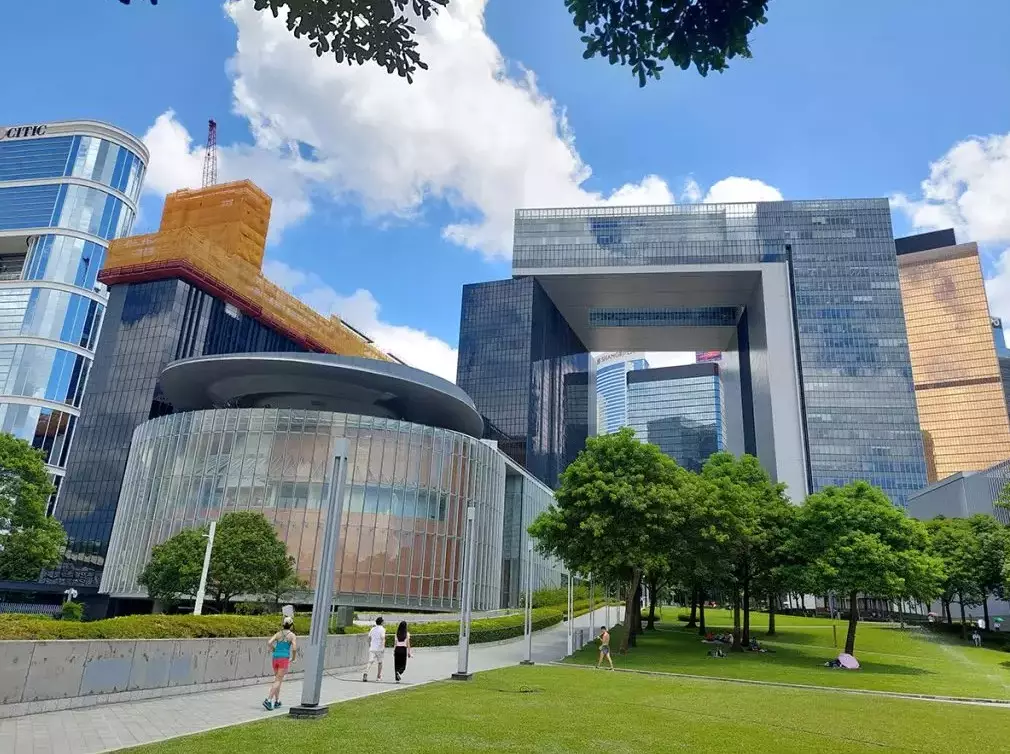
The Central Government Offices, Photo source: reference image
CHP collaborates with private hospitals to enhance infection control measures and tackle antimicrobial resistance
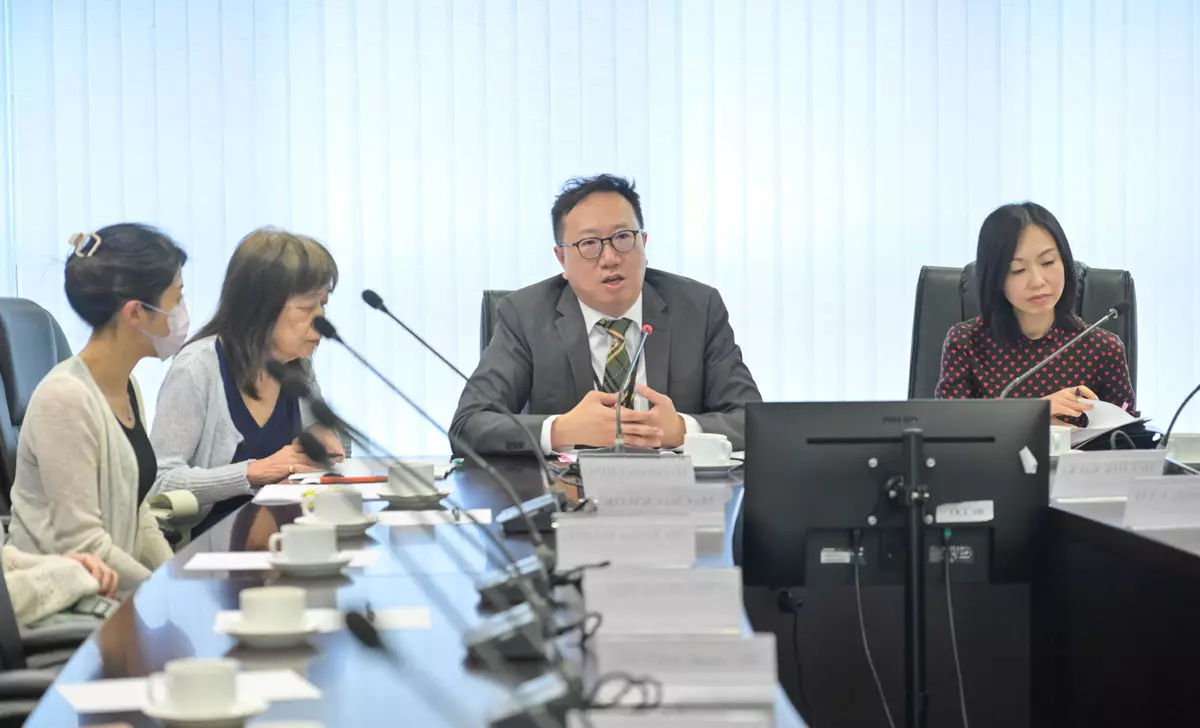
The Infection Control Branch (ICB) of the Centre for Health Protection (CHP) under the Department of Health (DH) today (September 24) convened a meeting of the Working Group on Collaboration between the CHP and Private Hospitals on Infection Control (working group) to discuss the Antibiotic Stewardship Programme (ASP) and infection control measures with representatives from private hospitals across Hong Kong. The goal is to jointly combat antimicrobial resistance(AMR).
The Head of the ICB of the CHP, Dr Edmond Ma, said at the meeting that private hospitals are key stakeholders in preventing infectious diseases and combating AMR. AMR surveillance data in private hospitals in 2025 revealed that among all the Staphylococcus aureus strains isolated from clinical specimens, the proportion of methicillin-resistant strains ranged from 9 to 24 per cent. While this is comparable to the corresponding proportions of 2024, the trends still require close monitoring.
"Optimising the use of antimicrobials, including antibiotics, is one of the major strategies for controlling AMR under the Hong Kong Strategy and Action Plan on Antimicrobial Resistance (Action Plan).One of the objectives is to enhance ASP in private hospitals toreduce unnecessary prescriptions and curb the development of AMR," said Dr Ma.
At the meeting, representatives from the CHP and private hospitals exchanged views on the current status and practical implementation of ASP. Drawing on international and local experiences, the representatives focused their discussion on five key elements, including leadership support, monitoring of antibiotic usage, implementing and reporting ASP, and continuous education among healthcare workers. The CHP recommended that private hospitals strengthen their existing ASP in these five key areas to ensure that doctors within the hospital prescribe antibiotics based on scientific evidence and in accordance with patients' needs.
The CHP also reminded doctors at private hospitals that they can refer to the antimicrobialguidelines, IMPACT, which was compiled jointly by the CHP, the Hospital Authority, the Li Ka Shing Faculty of Medicine of the University of Hong Kong, the Faculty of Medicine of the Chinese University of Hong Kong, the Hong Kong Medical Association and the Hong Kong Private Hospitals Association. Updated last year, the IMPACT serves as a reference for clinical treatment. It provides medication recommendations for different types of infections, enabling doctors in Hong Kong to prescribe appropriate antimicrobial drugs for inpatients. In addition, the working group held in-depth discussions on infection control measures implemented in hospitals, covering the optimisation of environmental cleaning and disinfection procedures as well as the maintenance of water-supply systems to ensure that the hospital environment effectively reduces the risk of transmission.
"The CHP will continue to hold regular meetings with private hospitals through the working group to strengthen collaboration on infection control and the promotion of appropriate antibiotic use, and to facilitate communication and the sharing of experiences between private hospitals and the public healthcare sector to jointly address the challenges posed by infectious diseases and antimicrobial resistance," said Dr Ma.
The CHP set up the working group in 2011, comprising representatives from the CHP and infection control officers from local private hospitals. The group is cochaired by the Head of the ICB and a representative from the private hospital sector. The working group aims to facilitate co-ordination between the CHP and private hospitals on infection control measures and responses to AMR, thereby optimising surveillance and ASP to promote the appropriate use of antibiotics.
Members of the public and healthcare professionals can visit the CHP's website to learn more about AMR and to review the details of the Action Plan (2023-2027).
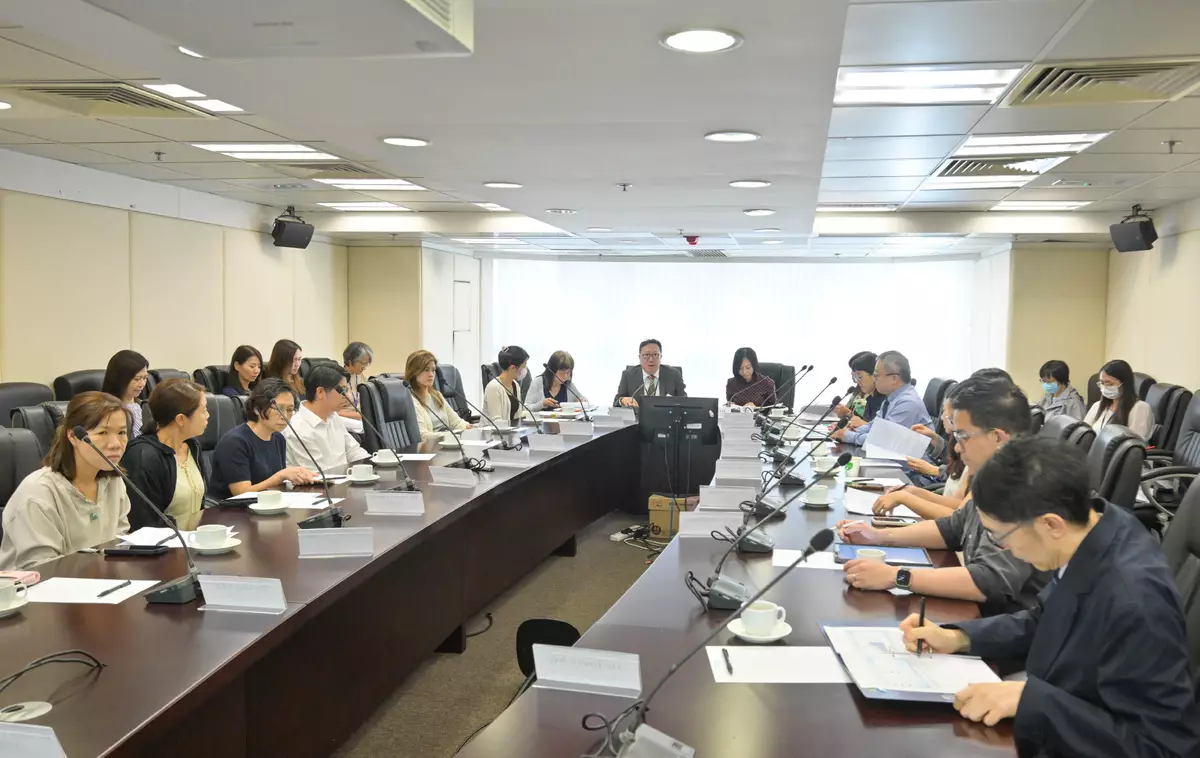
CHP collaborates with private hospitals to enhance infection control measures and tackle antimicrobial resistance Source: HKSAR Government Press Releases
CHP collaborates with private hospitals to enhance infection control measures and tackle antimicrobial resistance Source: HKSAR Government Press Releases