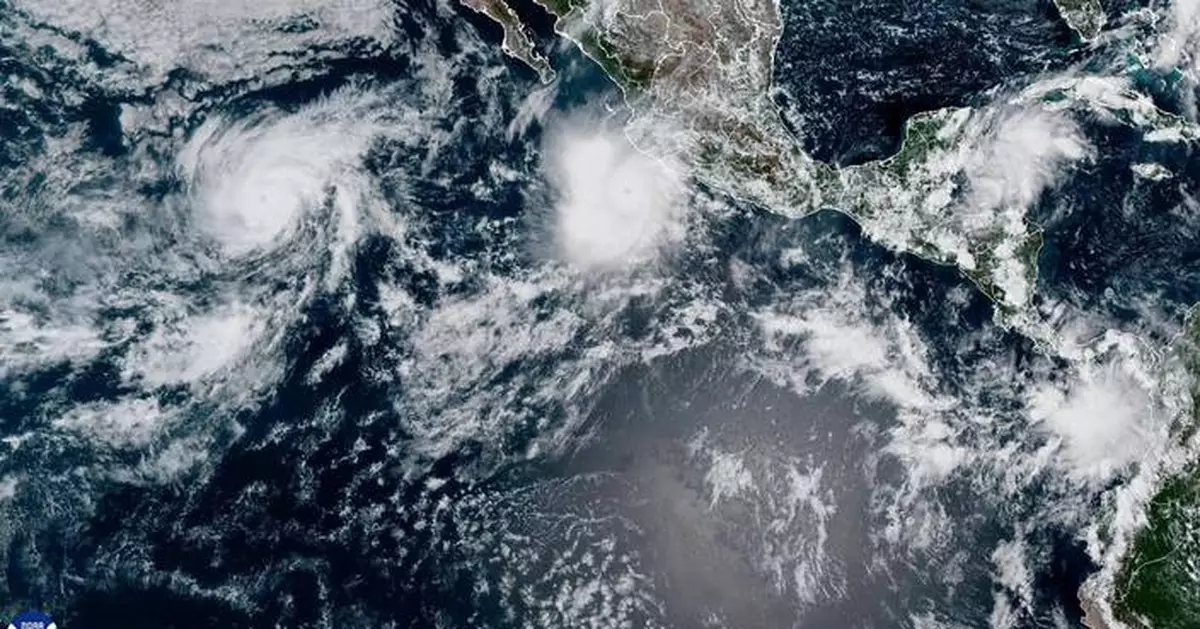
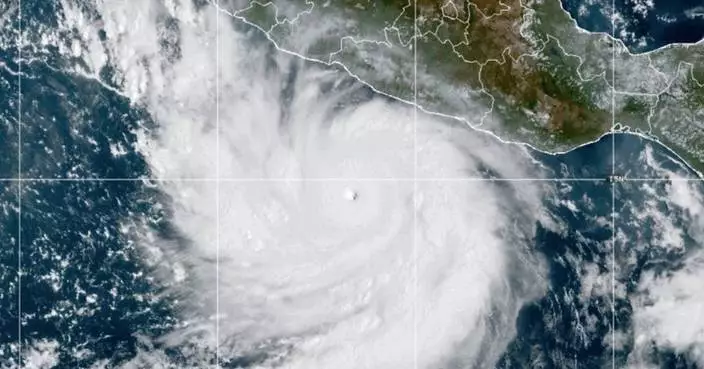
It’s already been an intense hurricane season in the Pacific Ocean — and there’s still quite a ways to go.
Tropical storms have spawned in what seems like assembly-line fashion in recent weeks, as El Nino conditions that emerged in June have caused waters to grow warmer than normal, setting off a chain of unusual weather around much of the world.
“It’s ramping up to be perhaps the strongest El Nino on record,” University of Miami hurricane expert Brian McNoldy said.
The number of hurricanes in the eastern Pacific has already surpassed what occurs in a typical season. This week alone, Hurricane Polo drenched Mexico’s Pacific coast as it seesaws between Category 4 and 5. And in storm-weary Hawaii, there’s the potential for catastrophic flooding from a growing Hurricane Nolo.
During El Nino, low-level surface winds blowing from east to west across the Pacific are weakened or sometimes reversed. It causes a shift in the jet stream and drives record global heat, severe droughts, wildfires and shrinking water supplies.
El Ninos don’t follow a regular schedule, occurring every two to seven years on average. Some can be mild. Others can pack a punch. McNoldy predicted that the current El Nino will peak during the coming winter but linger into 2027.
“It doesn’t turn off right away,” he said.
While the focus is on the increased number of Pacific storms, El Ninos conversely curtail hurricane activity in the Atlantic Ocean: Tropical weather activity in the Atlantic has been virtually silent this year.
Thanks to El Nino, both the eastern Pacific and the central Pacific have seen four more tropical storms than is normal to date with more than two months left in the hurricane season, said Matthew Rosencrans, lead hurricane season forecaster with NOAA’s National Weather Service.
From 1991 to 2020, there was an average of 15 named storms in the eastern Pacific per season, which runs from May 15 to Nov. 30.
But surpassing the yearly average in September? “That's a different story,” Rosencrans said.
What also sets this year’s El Nino-fueled storms apart is that three Pacific hurricanes have reached Category 5 strength, tying a record set in 2002, also during an El Nino, he said.
The most active season on record in the eastern Pacific was 1992, when there were 25 named storms, Rosencrans said. For the central Pacific, it was 14 in 2015.
In 2015 there were nine major hurricanes, of Category 3 or higher, in the eastern Pacific, but no reported deaths. Due to El Nino, forecasters said the eastern Pacific storms formed farther west and tracked more westward, remaining over the open ocean throughout their cycle.
During another strong El Nino in 1997, hundreds of people died when Hurricane Pauline tore across Mexico’s Pacific coast. That same year Tropical Storm Nora gave landlocked southwestern Arizona an unusual soaking. And a December storm in Southern California caused flooding that swept cars into a storm channel and prompted evacuations of some mobile home parks.
In 1998, El Nino was blamed for flooding in China that killed 4,150 people, most along the Yangtze River.
Hawaii has felt the wrath of two hurricanes over the past month. Lala in August and Lowell in early September combined to destroy or damage more than 510 homes and cause $168 million in damage to public infrastructure. Lala also caused $21.5 million in damage to 38 schools.
Nolo, which strengthened to a hurricane Thursday night, is expected to make it three. Forecasters say the storm could drop rainfall amounts on Hawaii that are measured in feet, not inches.
On top of that, heavy rains in March caused the worst flooding to hit Hawaii in two decades. That was followed in May by a magnitude-6.0 earthquake, prompting Gov. Josh Green to remark that this year has been “unlike anything I can recall.”
Two hurricanes came within 200 miles (320 kilometers) of Hawaii in 1957, but that did not happen again for more than a half century. Then it occurred in 2014, 2016 and 2018 before this year's predicted trifecta.
Meteorologists often worry about “preparedness fatigue,” when communities gear up for storms that never arrive or fall short of their potential strength. But John Bravender, a weather service warning coordination meteorologist, said 2026 has yielded a different type of weariness in Hawaii.
“The fact that we’ve had these damaging impacts that keep happening, and as we’re recovering from them, we have to get ready for the next event — that’s a new one that really drains the resources and leads to this overall sense that this is a very busy hurricane season for us,” he said.
Residents understand the risks and are getting more accustomed to preparing.
“I think community members realize how dangerous the weather can be, how important it is for them to be self-sufficient, have food, water and also look out for their neighbors,” Bravender said.
Associated Press writer Gabriela Aoun Angueira contributed to this report.
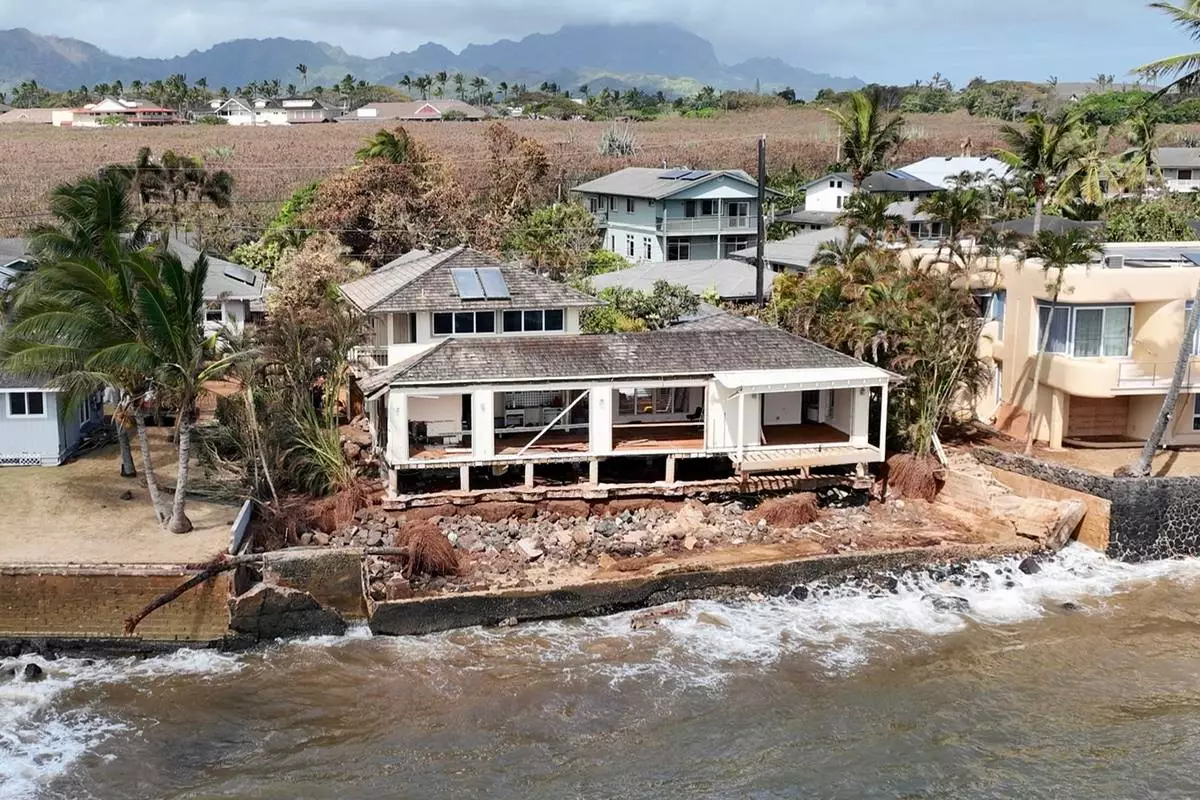
A home damaged by Hurricane Lowell is seen Thursday, Sept. 10, 2026, in Poipu, Hawaii. (Nathan Eagle/Honolulu Civil Beat via AP)
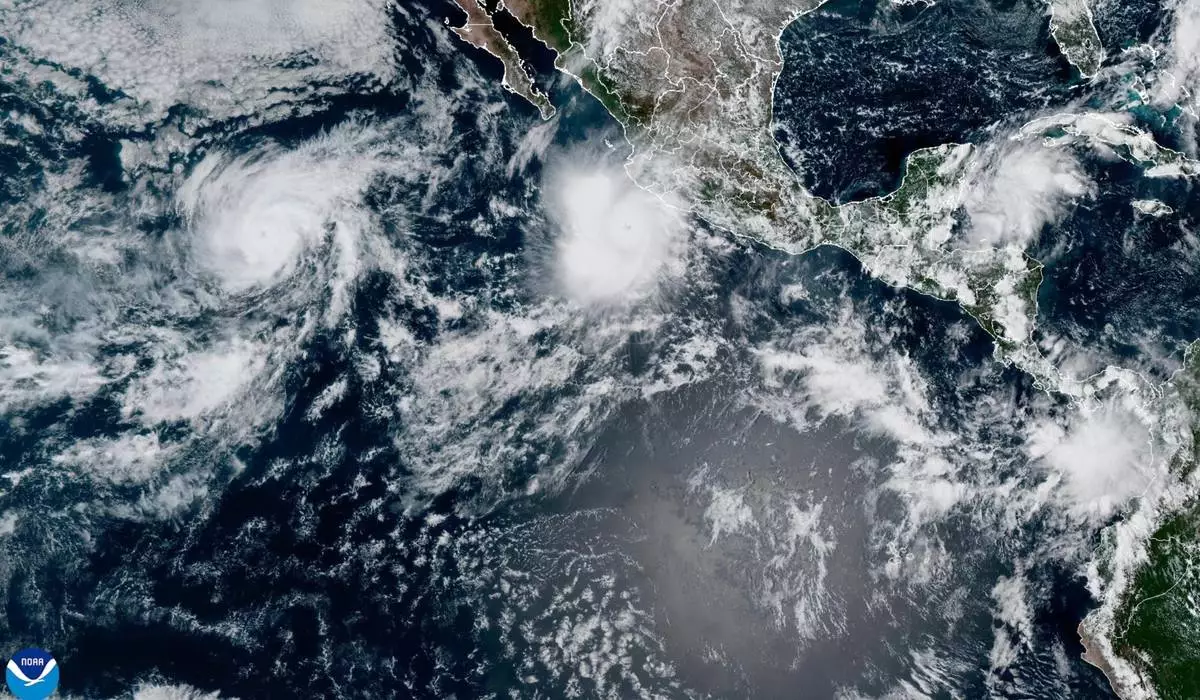
This satellite image provided by NOAA shows Hurricane Polo off the southwestern coast of Mexico and Hurricane Odalys, left, on Thursday, Sept. 24, 2026. (NOAA via AP) CORRECTION: Changes to Hurricane Odalys, not Tropical Storm Nolo.
NEW YORK--(BUSINESS WIRE)--Sep 25, 2026--
NineDot Energy ®, the leading developer of community battery energy storage systems (BESS) in the New York City metro area, joined elected officials, policymakers, and community organizations to celebrate the ribbon-cutting of NineDot’s battery storage site in Hunts Point, The Bronx yesterday afternoon. This clean energy storage system will bring significant benefits to a community which has long suffered environmental injustice and disinvestment. Fully operational in time for next summer’s heat waves, this system will deliver nearly 20 megawatts of power to the local Hunts Point community, enough energy to power nearly 20,000 homes during peak grid hours.
This press release features multimedia. View the full release here: https://www.businesswire.com/news/home/20260924797350/en/
“We’re honored to bring this battery storage site to the Hunts Point community,” said Adam Cohen, NineDot’s Chief Technology Officer and Co-founder. “Hunts Point has historically been overburdened by high-emitting fossil fuels, and this battery storage facility marks an inflection point in improving the local environment and grid reliability.”
Maria Torres, President and COO of The POINT CDC (Community Development Corporation) said “As the leading local organization dedicated to youth development and the cultural and economic revitalization of the Hunts Point section of the South Bronx, we are thrilled to celebrate this milestone with NineDot, supportive elected officials and agencies. We look forward to creating the mural that will adorn the project’s street side, and experiencing the benefits of the zero-emissions energy and improved grid reliability provided by this site in the coming years.”
Vanessa Gibson, Bronx Borough President, said “Today’s ribbon-cutting marks a meaningful investment in the future of Hunts Point. For too long, this community has been disproportionately affected by environmental injustice and disinvestment. By delivering nearly 20 megawatts of clean, reliable power, NineDot Energy is helping ensure that Hunts Point has the resilient infrastructure it needs and deserves. More than four years ago, I joined NineDot and the community to cut the ribbon at the company’s first site, and I am happy to be here once again as we celebrate the future of battery energy storage in our borough."
Assembly Member Amanda Septimo (District 84, The Bronx) said “Battery storage is foundational to delivering environmental justice: it’s key to retiring peaker plants, allowing for electrification of polluting sources like diesel refrigerators and trucks and ensuring reliable power on hot summer days. Along the way, batteries will help reduce future costs to ratepayers by avoiding expensive utility upgrades. All of these benefits are positive for the residents and businesses in Hunts Point.”
Council Member Justin Sanchez (District 17, The Bronx) explained “In addition to the direct environmental and grid benefits of this site, we’re excited by the workforce training NineDot is engaged in, such as the creation and execution of solar and storage engineering training curriculum at 5 CTE high schools (including at Co-Op Tech – Longwood Campus) in partnership with Solar One, and support for The HOPE Program in building employment pathways to the Green Economy. Partnerships like this help unlock additional value for the community, beyond the obvious energy-related improvements.”
David Sandbank, Senior Vice President,New York State Energy Research and Development Authority(NYSERDA), said “Battery energy storage is an important tool for modernizing New York’s electric grid and making it more resilient to extreme weather and high-stress conditions. This Hunts Point project demonstrates how the right policies, partners and programs can deliver benefits for communities throughout New York City and beyond.”
“Battery energy storage is essential to New York City’s transition to a cleaner, more resilient energy future, helping strengthen the electric grid and reduce reliance on fossil fuel peaker plants that have long disproportionately burdened communities like Hunts Point,” said New York City Economic Development Corporation(NYCEDC) President & CEO Anthony Shorris. “This project reflects the City’s commitment to building an equitable green economy, supporting our critical industrial hubs, and ensuring communities benefit from the investments needed to power that transition.”
Lauren Phillips, Senior Advisor for Clean Energy at the Mayor's Office of Climate & Environmental Justice(MOCEJ) said “Mayor Mamdani is focused on making the City cleaner and more affordable for all residents—especially for those struggling the most to get fresh air and reliable, affordable electricity. Community battery storage sites are essential elements to a clean, affordable electric grid. We’re so excited to see NineDot’s Hunts Point project come to fruition—it will bring real air quality and energy affordability benefits to Hunts Point residents. We look forward to seeing many other battery projects come online around New York City so that more New Yorkers can experience their advantages.”
Julie Tighe, President,New York League of Conservation Voters(NYLCV) said “Energy storage is indispensable to our clean energy future, and community-scale projects like the one in Hunts Point will help stabilize electricity costs for families while reducing toxic emissions from peaker plants in the surrounding area – communities long overburdened by air pollution and environmental neglect. NYLCV congratulates NineDot on the completion of this project and we applaud their ongoing commitment to providing a safe, reliable, affordable energy solution for New Yorkers.”
Daniel Chu, Senior Energy Planner,New York City Environmental Justice Alliance(NYC-EJA), stated “Environmental Justice communities like Hunts Point have been subjected to intense pollution for decades. Battery energy storage projects like this will reduce utility costs, improve energy reliability, and relieve pollution burdens. We need more of them directly serving our communities today. Thank you to NineDot for being a good local development partner, and NYC-EJA looks forward to helping get more and better energy storage projects done across New York.”
Residents of Hunts Point have suffered a decades-long history of environmental injustice. This has included the more than 10,000 diesel trucks that travel each day through the area, as well two high-emissions “peaker” power plants located in nearby Port Morris. In 2023, the combined Hunts Point - Mott Haven area recorded asthma-related ER visits at 2-3 times the citywide average, which can be attributed to fine particle air pollution. Energy storage will be integral not only in retiring these gas-fired plants – which operate only during peak grid hours, as battery storage does – but also in providing grid resiliency as Hunts Point moves toward an electrified produce and fish market, truck fleet, and more. This NineDot battery storage site replaces the former home of a fuel oil trucking company, exemplifying the transition to a modern energy grid.
During New York's extreme July 1-4, 2026, heat wave, NineDot Energy's fleet of community battery energy storage systems helped reduce stress on the electric power grid precisely when and where it was most needed. Across nine battery projects, NineDot exported nearly 34 megawatts during the peak hours, supporting Con Edison’s local distribution system and the statewide transmission system. That’s the equivalent of removing the power load from about 50,000 window air conditioners from the grid or powering approximately 34,000 households for four hours each day during times of peak demand.
NineDot Energy is on track to meet its goal of having 400MW of battery storage in operation, construction or development by the end of 2026. The company currently has eleven operating projects at six locations totalling 39 MW in Staten Island and The Bronx – the largest battery fleet operating in Con Edison's NYC service territory – with more than 60 additional projects in development, and a pipeline greater than 1 GW. Based on public interconnection queue data, NineDot's portfolio of mature community battery storage projects is second to none in ConEd’s New York territory.
Contact NineDot at nine.energy/connect.
About NineDot Energy
NineDot Energy is the leading community battery storage developer and operator in the New York City metropolitan region. We create innovative urban energy solutions that support a more resilient and affordable grid, reduce carbon emissions, and improve environmental equity. Overall our solutions make New York a cleaner, safer, healthier place to live, work and visit. NineDot is also expanding beyond stationary storage to incorporate mobile batteries and electric vehicle charging into some of our current and future sites. NineDot Energy’s name derives from the classic mathematical puzzle for sparking out-of-the-box solutions. We are based in Brooklyn, New York at NYU’s Urban Future Lab. Learn more at nine.energy.
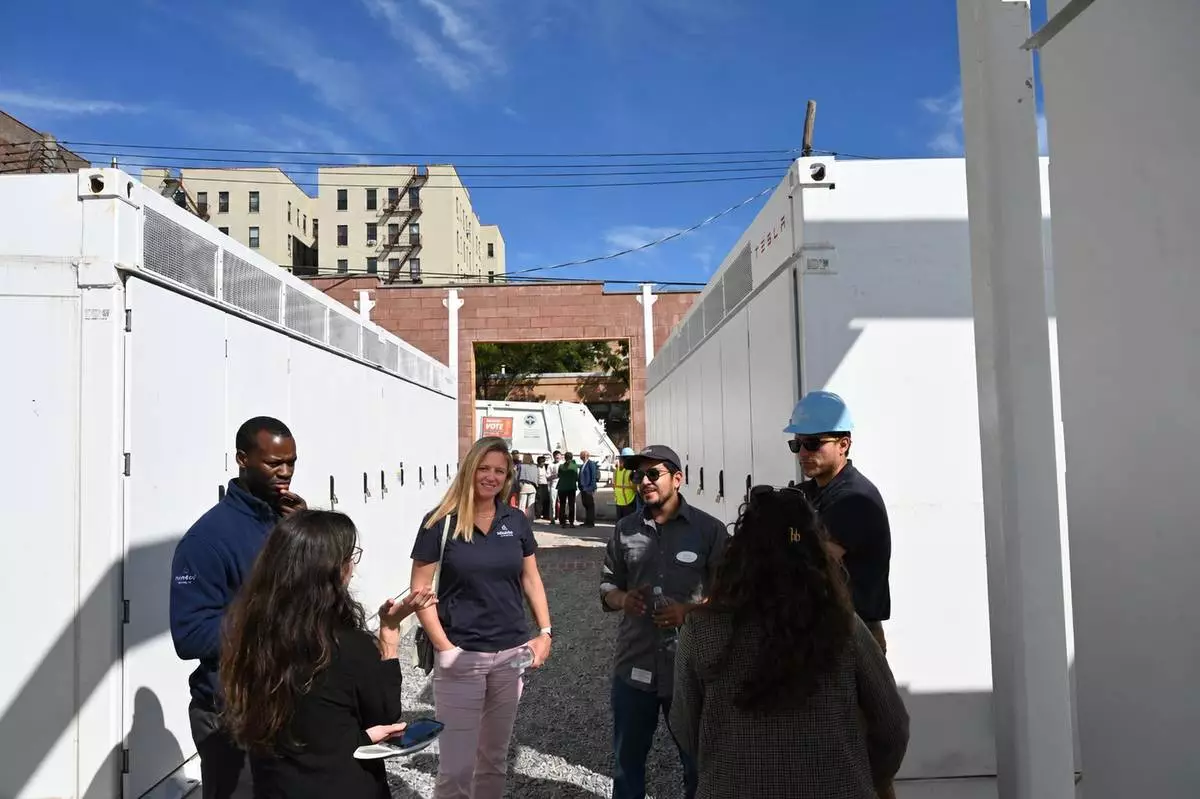
Team members and guests at NineDot’s Hunts Point battery storage site, across the street from a NYC Sanitation Dept. facility (and truck) in background.
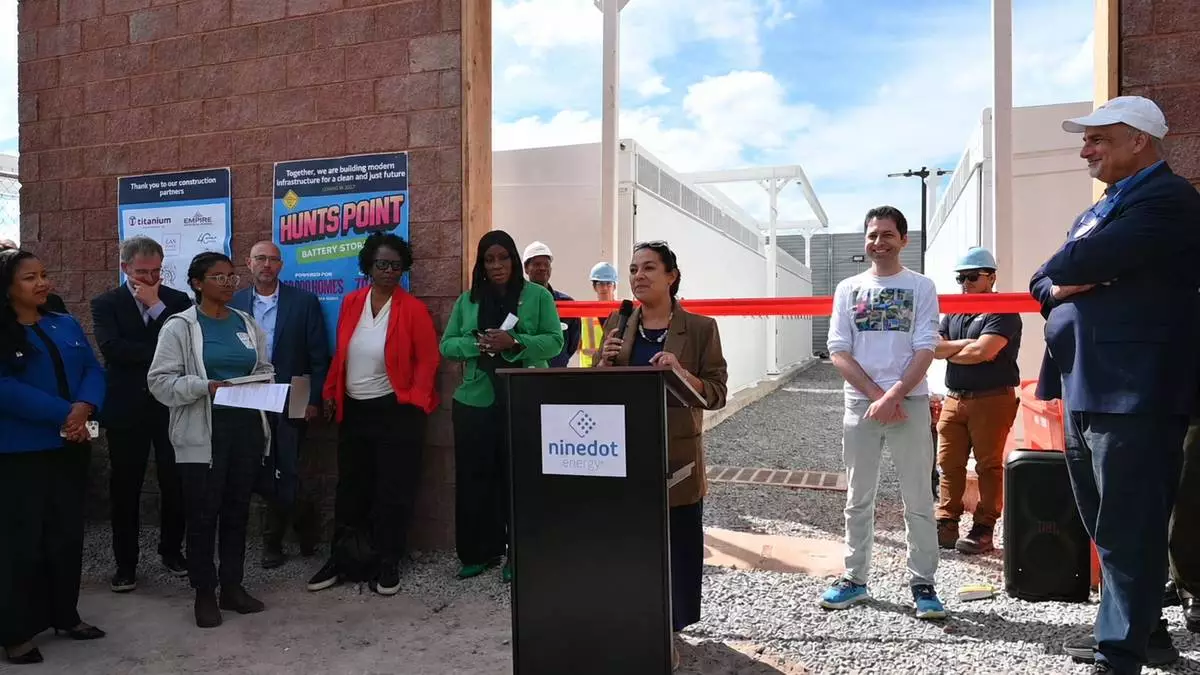
New York City and State elected officials, community leaders, senior energy agency staff, and NineDot Energy team members.
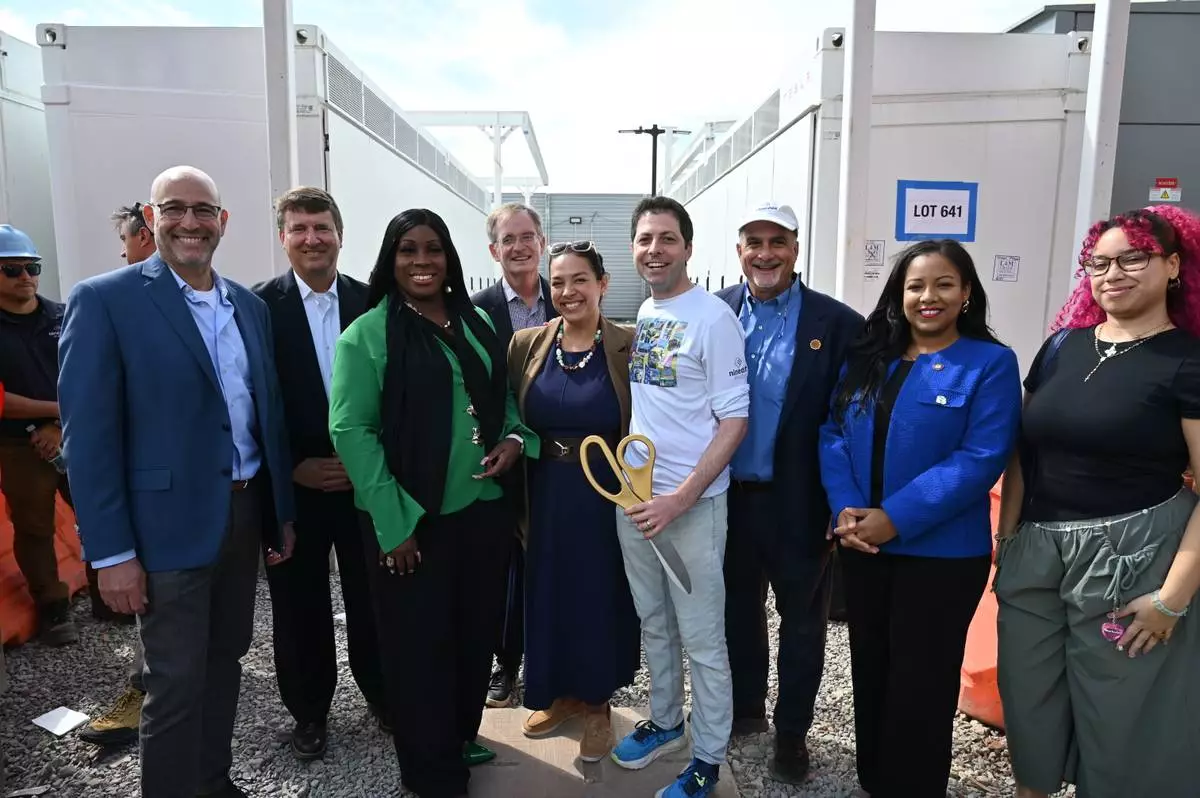
Left to right: David Sandbank, SVP, NY State Energy Research and Development Authority (NYSERDA); Giacomo Landi, Executive VP, NYC Economic Development Corporation (NYC EDC); Vanessa Gibson, Bronx Borough President; John Rhodes, Chief Program Officer, NYS Department of Public Service (DPS); Lauren Phillips, Senior Advisor, NYC Mayor's Office of Climate & Environmental Justice (MOCEJ); Adam Cohen, Co-founder & CTO, NineDot Energy; David Arfin, Co-founder & CEO, NineDot Energy; Amanda Septimo, NY State Assembly Member (The Bronx); Maria Reyes, NYC Climate Justice Hub Advocate