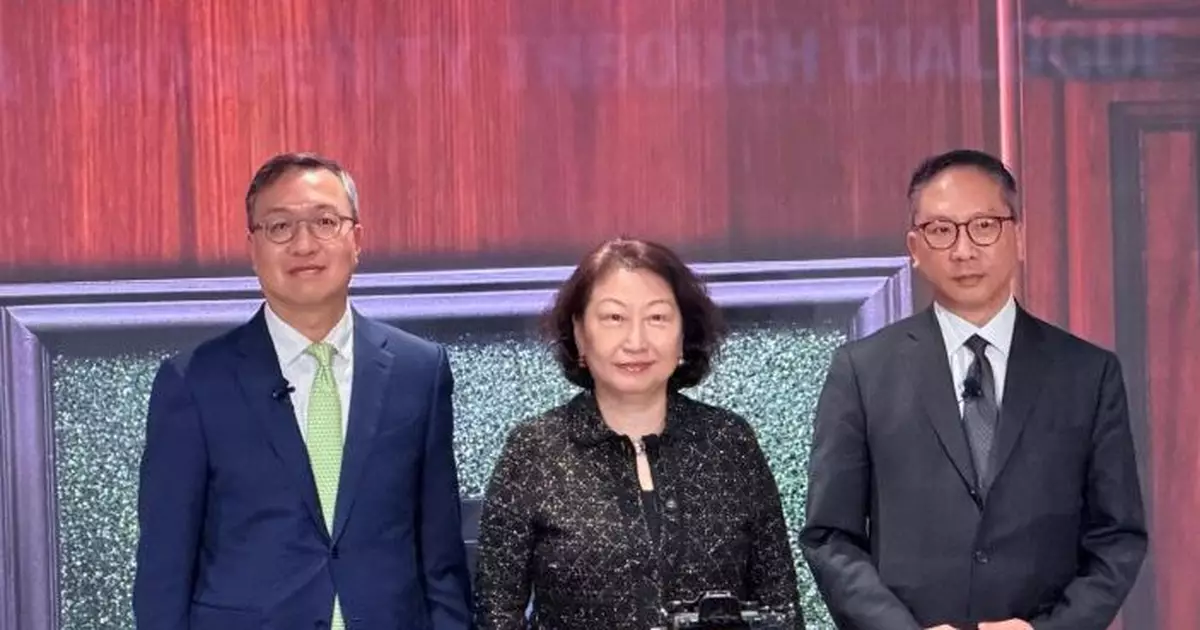
The International Organization for Mediation (IOMed) held its inaugural “IOMed Global Series” fireside chat on September 24 under the theme “The Journey to Peace and Prosperity Through Dialogue.” The event brought together three current and former HKSAR Secretaries for Justice, including Mr. Paul Lam SC, Prof. Teresa Cheng SC, and Mr. Rimsky Yuen SC, to share and analyse the evolution of Hong Kong’s mediation policies and legal framework, review the journey of IOMed's establishment, and explore the role of mediation in peacefully resolving international disputes.
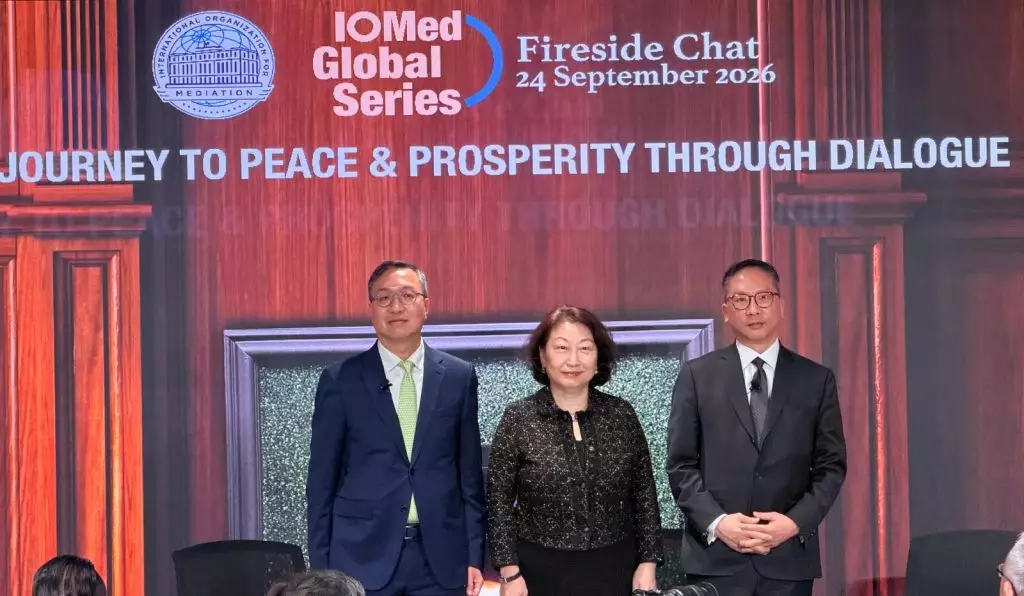
From left to right: Mr. Paul Lam SC, Prof. Teresa Cheng SC, and Mr. Rimsky Yuen SC. Photo by Bastille Post
Prof. Teresa Cheng SC, Secretary-General of IOMed, former Secretary for Justice of HKSAR (2018-2022), said the HKSAR Government’s current measures are steering Hong Kong towards becoming an international legal hub and gradually realising the vision of a “Capital of Mediation.” She emphasised that IOMed’s decision to establish its headquarters in Hong Kong was essentially a vote of confidence from the international community, and that the authorities hope the institution can in turn empower Hong Kong to achieve this goal. The “IOMed Global Series” is a continuing project that combines in-person gatherings with global live-streaming to disseminate information on international law, international relations and dispute resolution.
Click to Gallery
From left to right: Mr. Paul Lam SC, Prof. Teresa Cheng SC, and Mr. Rimsky Yuen SC. Photo by Bastille Post
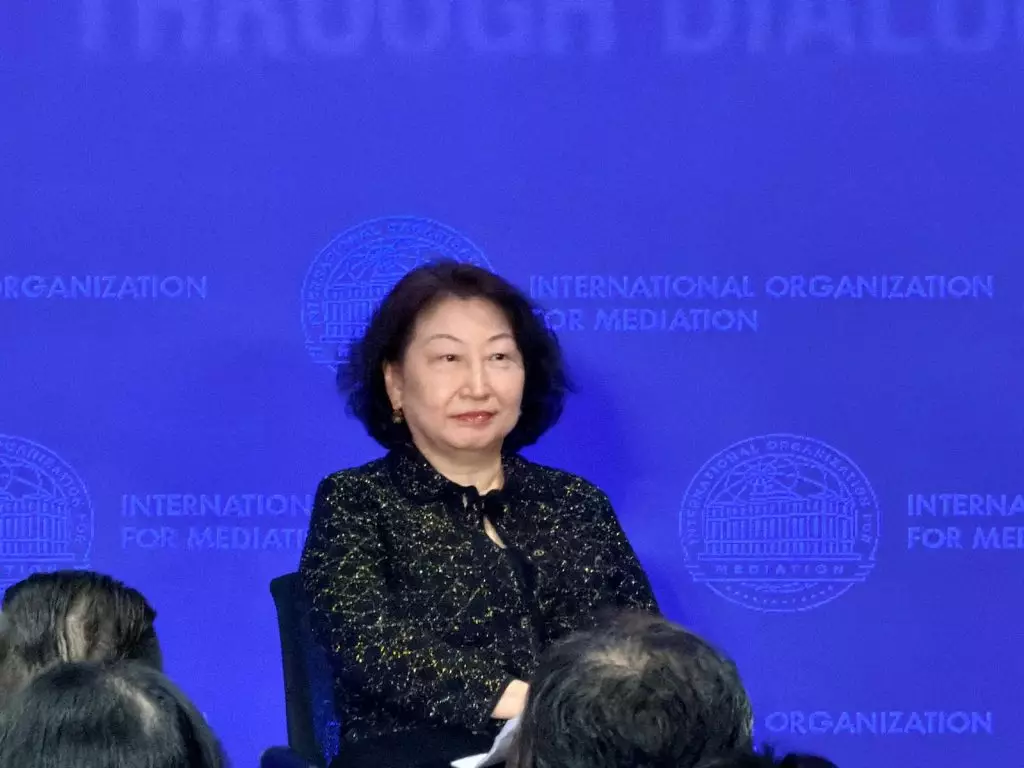
Prof. Teresa Cheng SC, Photo by Bastille Post
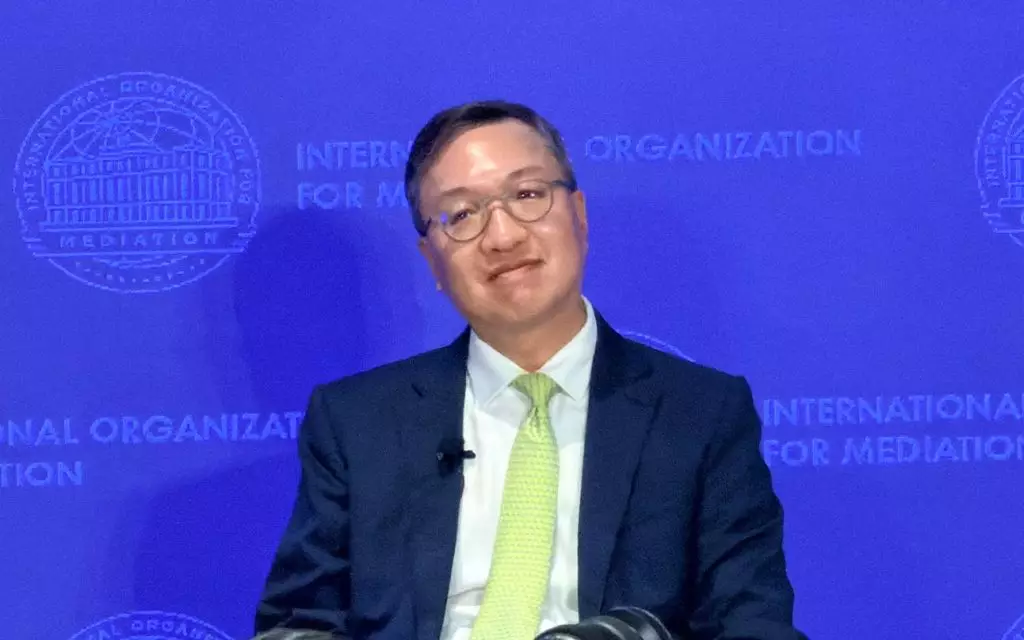
Mr. Paul Lam SC, Photo by Bastille Post
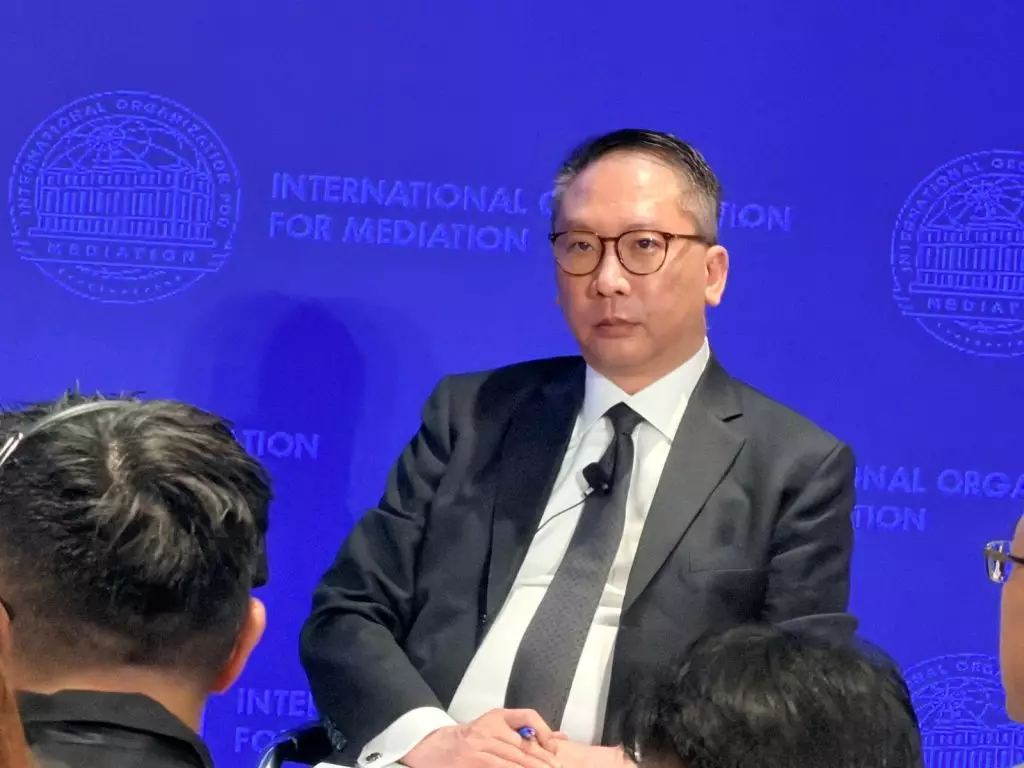
Mr. Rimsky Yuen SC, Photo by Bastille Post
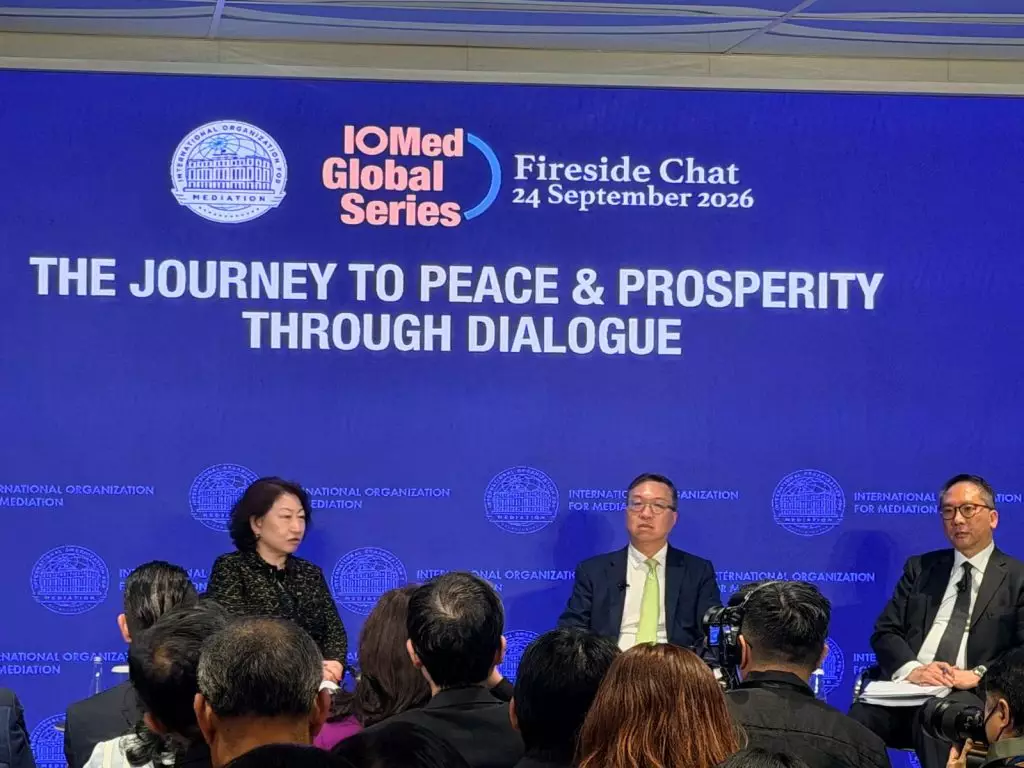
From left to right: Prof. Teresa Cheng SC, Mr. Paul Lam SC, and Mr. Rimsky Yuen SC. Photo by Bastille Post
Prof. Teresa Cheng SC, Photo by Bastille Post
Prof. Cheng added that as Hong Kong’s mediation profession continues to grow, IOMed, rooted in the city, will be better able to fulfil its mission, and that the insights shared by participants, such as the industry’s ongoing review and refinement of mediation practices, will provide valuable reference for the organisation’s future operations.
Mr. Paul Lam SC, Secretary for Justice of HKSAR (2022-present), noted that the HKSAR Government has been committed to improving the mediation mechanism and boosting public confidence in the system. Hong Kong has signed numerous investment promotion and protection agreements with different jurisdictions, and the first Five-Year Plan and the 2026 Policy Address announced last week support the work of IOMed. Going forward, the Government will make efforts to include mediation clauses in these agreements, with IOMed as the mediation institution, to promote the wider use of IOMed’s services.
Mr. Paul Lam SC, Photo by Bastille Post
Mr. Lam added that under the advantages of "One Country, Two Systems," Hong Kong has long enjoyed a strong reputation as an international legal services centre, widely recognised internationally. IOMed’s choice of Hong Kong as its headquarters was thus a natural development. At the same time, there is enormous potential for collaboration between the Greater Bay Area and IOMed. In response to the numerous cross-border disputes arising under the Greater Bay Area’s "One Country, Two Systems, and Three Jurisdictions" framework, the Mainland, Hong Kong and Macao have since 2020 established a collaborative mechanism and reached consensus on accreditation standards for mediators, a professional code of conduct, model mediation rules and a unified Greater Bay Area mediator panel. This interoperable mechanism helps parties involved in cross-border disputes make more convenient use of mediation services.
Mr. Rimsky Yuen SC, former Secretary for Justice of HKSAR (2012-2018), recalled that the 2007-08 Policy Address first included the promotion of mediation in government policy, which is a significant historical milestone. Subsequent civil justice reform, coupled with the introduction of overseas training resources by the Hong Kong Bar Association and the Law Society of Hong Kong, gave rise to the “Mediate First” Pledge campaign, which achieved good social results, and a working group on mediation was formally established. He noted that Hong Kong initially adopted a voluntary accreditation model for mediators, but the industry generally believed that a dedicated body should be set up to handle accreditation and regulate conduct in order to build public trust; that body ultimately operates as a statutory body in the form of a company limited by guarantee.
Mr. Rimsky Yuen SC, Photo by Bastille Post
Mr. Yuen also noted that Hong Kong’s mediation system primarily relies on the Mediation Ordinance (Cap. 620) and the Apology Ordinance (Cap. 631). The former sets out only the most essential basic guidelines, with a focus on protecting the confidentiality of proceedings while retaining flexibility, so that both facilitative and evaluative mediation are applicable. The latter responds to scenarios such as medical disputes, where some parties wish to clarify what happened and receive an apology; the legislation has received broad support from the medical sector since its enactment. He considered that the two ordinances can largely meet practical needs, but laws must keep pace with the times. The Department of Justice set up a working group in 2022 to review the system, completed its study in 2024 and proposed amendments to the Mediation Ordinance to address the difficulty where parties cannot agree on the choice of mediator; the relevant proposals have been incorporated into the Policy Address.
From left to right: Prof. Teresa Cheng SC, Mr. Paul Lam SC, and Mr. Rimsky Yuen SC. Photo by Bastille Post