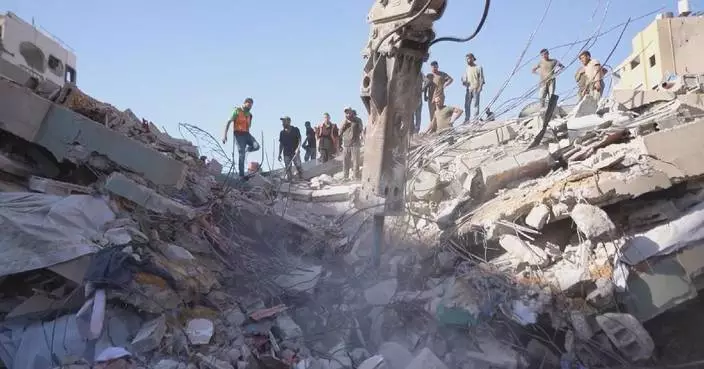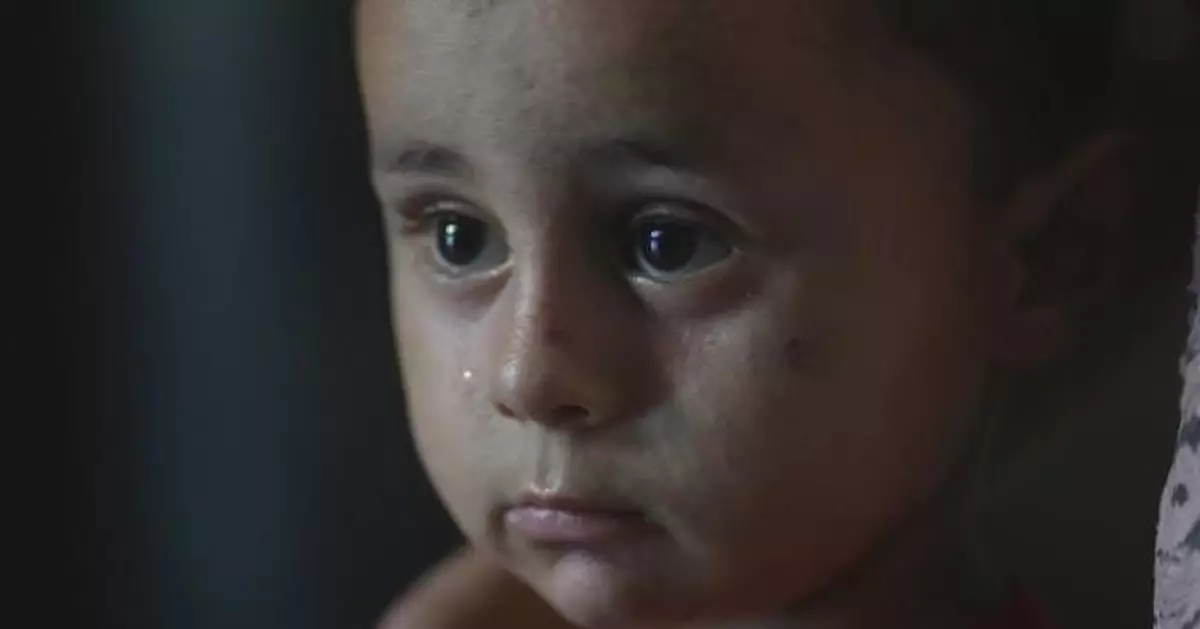
As late-summer heat continues to grip the Gaza Strip, children living in crowded tent camps face a heightened risk of skin disease, with limited water, sanitation and medicines hampering their prevention and treatment.
By May 21, more than 125,000 cases of skin diseases and parasitic infestations had been reported in Gaza since the start of the year, according to the United Nations Relief and Works Agency for Palestine Refugees in the Near East, or UNRWA.
Eight-year-old Shahd Al-Basous has been living in a tent with her family for the past three years. She has developed a widespread rash amid heat, humidity and poor ventilation.
"Before the war, we lived in a house. We had fans and electricity, but now everything has changed. We have to live in a tent. I've got allergy, and the rash hurts all over my body. Three months ago, it began to spread across my body. It has grown worse, and I can barely stand it," Shahd said.
Her mother said Shahd's condition had deteriorated rapidly as the weather became hotter and more humid.
"Before summer, the rash affected only a small area. But as the weather got hotter and more humid, it became much worse and rapidly spread across her whole body. She is in terrible pain and can barely stand it. The itching is unbearable. She scratches constantly, sometimes until she bleeds," she said.
Shahd's experience reflects the conditions faced by many displaced children in Gaza. An April assessment by the UN Office for the Coordination of Humanitarian Affairs found that people in about half of Gaza's displacement sites had been affected by skin diseases.
Health workers say food insecurity, limited access to clean water, poor sanitation and overcrowded shelters can worsen skin conditions and increase the risk of infection. Children are especially vulnerable, and without timely treatment, rashes and skin lesions can develop into bacterial infections.
"We are working tirelessly to contain these diseases and prevent them from turning into a catastrophic public health crisis in Gaza. But we face multiple obstacles, above all the acute shortage of medicines," said Dr. Abdullah Rabah, a dermatologist in Gaza.
Mohammad Abu Afash, director of Medical Relief in Gaza, said this week that stocks of 45 types of medicines had been depleted, while hospitals faced a 54 percent shortage of medical supplies.
For Shahd and other displaced children, cooler weather may bring some respite from the heat, but treatment remains difficult while poor living conditions and medical shortages persist.
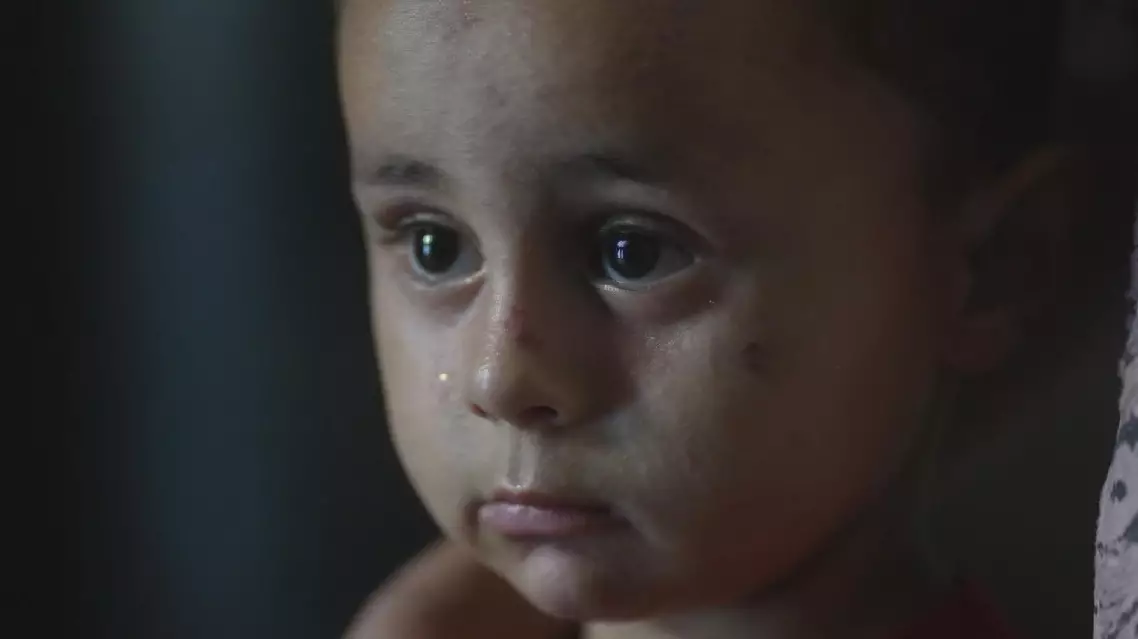
Children face skin disease crisis in Gaza tent camps
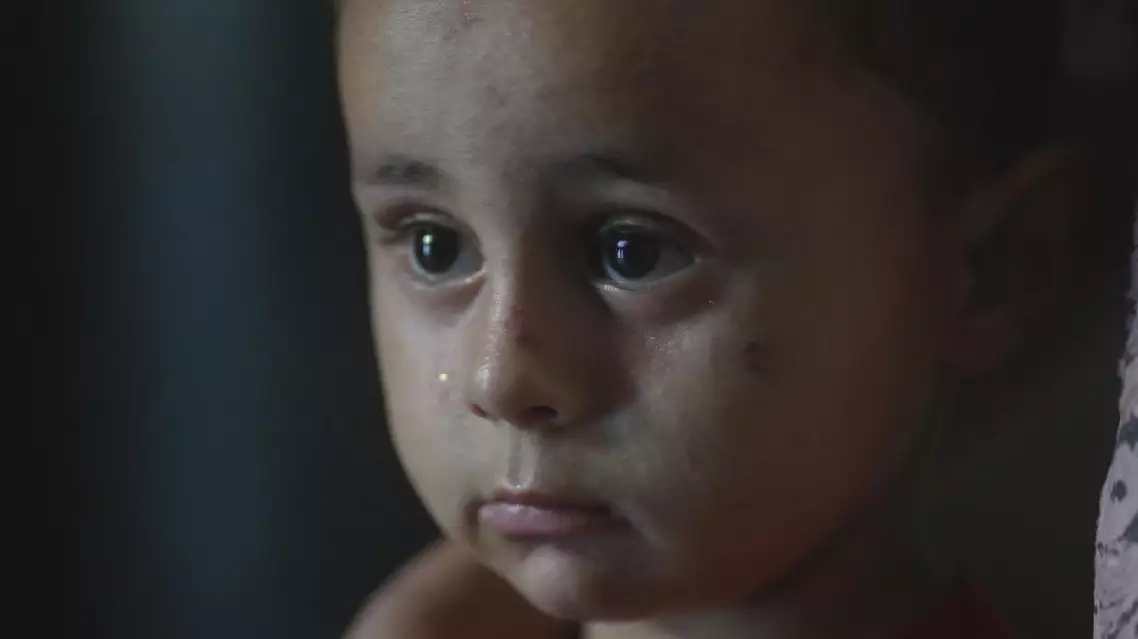
Children face skin disease crisis in Gaza tent camps