LONDON (AP) — After an absence of nearly two years, the biggest rivalry in women's rugby returns when England hosts New Zealand in front of more than 55,000 at Twickenham on Saturday.
Such a break would have concerned both teams not so long ago, for different reasons.
The English, the serial queens of Europe, wanted to keep tabs on how they rated against the serial world champion.
New Zealand's excuse was far more desperate: It needed games, exposure, vindication.
If not for England, New Zealand would not have played any rugby in 1997, 2001, 2005, 2009, 2011, 2012, 2013.
In that period, the Black Ferns still won the Women's World Cup in 1998, 2002, 2006 and 2010 but became a victim of their own success.
New Zealand Rugby chronically underfunded the women's game, and sexism and apathy were allowed to persist because there was no public pressure to change its attitude while the Black Ferns kept winning World Cups.
England, winner of the 1994 World Cup that New Zealand was banned from attending because the tournament wasn't officially sanctioned, made first contact with New Zealand in 1997 with only players who could afford the 2,000 pounds to travel.
England returned in 2001, again a year out from the World Cup, and won the second test in Auckland 22-17 for its first win over the Black Ferns, who suffered their first loss in 10 years.
There was another visit in 2005, and New Zealand finally went to England in 2009 for two of the only six matches it played between the 2006 and 2010 World Cups.
Having lost three consecutive World Cup finals to New Zealand, England strategized more matches with the Black Ferns before hosting the 2014 World Cup. The English Rugby Football Union largely bankrolled tours by New Zealand in 2011 and 2012 and a reciprocal visit in 2013.
When New Zealand suffered consecutive defeats for the first time during the 2011 tour and failed to beat England in six straight matches, the alarm bells in New Zealand were not heard outside of women's rugby circles.
They finally were at the 2014 World Cup, where the Black Ferns lost to Ireland for the first time, failed to reach the semifinals, and England won the title. From that point on, the Black Ferns began to be taken more seriously by NZR. They regained the world crown in 2017 and 2022.
Saturday's game will be the first between them since the Red Roses won the World Cup they hosted a year ago and replaced New Zealand as world champions. They were on track to meet in that 2025 final but New Zealand was humbled by Canada in the semifinals.
Canada went on to lose the final but rebounded last weekend by stopping England's unprecedented 39-match winning streak in a gripping 26-26 draw in Exeter.
New Zealand is unbeaten this year at 7-0 under new coach Whitney Hansen.
See AP’s full rugby coverage here

England's Sadia Kabeya is tackled by Canada's Taylor Perry during the WXV Global Series match between England and Canada in Exeter, England, Saturday Sept. 19, 2026. (David Davies/PA via AP)
HILO, Hawaii (AP) — People on Hawaii’s Big Island are preparing for another potentially life-threatening and catastrophic storm as Hurricane Nolo is expected to bring flash floods and extreme surf as it churns just south of the islands through the weekend.
Nolo was expected to strengthen to a major hurricane on Saturday. Its maximum sustained winds increased to 105 mph (165 kph) Friday. The storm’s center was located about 185 miles (300 kilometers) south of Hawaii’s southernmost point.
Forecasters warned parts of the Big Island could see rainfall totals up to 15 inches (38 centimeters), with a possibility of up to 25 inches (64 centimeters). That was down from an earlier forecast that called for up to 35 inches (89 centimeters).
“People are going to want to kind of shelter in place on the Big Island, be in their safe place, certainly by later today, tonight, well into Saturday," Michael Brennan, director of the National Hurricane Center, said Friday. “Don’t venture out if you don’t have to into the dangerous flooding environment, but also high winds. We can have trees and power lines down.”
Heavy rainfall also was possible on Hawaii's other islands, the hurricane center said. Maui also could see heavy rainfall and potential life-threatening flooding and mudslides, forecasters said.
Crews on the Big Island spent hours Friday trying to build berms to guide water and move large debris ahead of the worst of the rain, said Erika Kapu, Hawaii program manager for the humanitarian nonprofit CORE.
CORE and other nonprofit partners spent the week packing and shipping supplies like camp stoves and hygiene products by air cargo from Oahu to the Big Island for a community relief hub that has been active since August's Hurricane Lala.
President Donald Trump on Friday approved an emergency declaration for the state of Hawaii, authorizing the Federal Emergency Management Agency to coordinate assistance from across the federal government and provide funding support for emergency measures.
Hawaii officials told residents to put together emergency kits, and the governor issued an emergency proclamation, activating more than 230 Hawaii National Guard members. Schools were closed in some areas.
Hawaii County officials on the Big Island were urging residents in flood-prone areas to consider taking refuge at shelters being set up or other locations.
The heaviest rain from Nolo is likely to fall over the same southeastern region of the Big Island that was hit by Lala and where grounds are still wet from additional precipitation. The storm surge could hit 1 to 3 feet (30 to 91 centimeters), creating large and dangerous waves and coastal flooding, the hurricane center said.
Hawaiian Electric, the state’s primary utility, said crews that had been helping restore power in Kauai after this month’s Hurricane Lowell would return to Oahu, Maui and the Big Island in preparation for the coming storm.
Residents and tourists on the Big Island were busy preparing.
In Hilo, where light rain was falling Friday, residents filled bags with sand and gravel at Francis Wong Stadium, where authorities set up a sand distribution center.
Dean Taise said water was starting to get into his driveway from the street, so he decided to get a few sandbags ready ahead of possible floods.
“They say, prepare for the worst, right? Hope for the best,” Taise said.
Piles of sandbags lined the terminal at Hilo International Airport, where Daniela Mendoza was trying to get home to Oahu after Southwest Airlines canceled flights. Only Hawaiian Airlines was still flying out of the airport Friday afternoon.
“I hope I can leave,” Mendoza said. “My cats are waiting for me.”
Meanwhile, Mexico is under the threat of Hurricane Polo as it heads toward the Baja California peninsula after bringing storm conditions to the southwestern coast.
The hurricane center said Polo gained significant force overnight into Friday morning and doused parts of Mexico's Pacific Coast. No major damage or flooding was reported along the coast overnight into Friday.
By midday Friday, attention turned to the peninsula, where the hurricane was slated to arch back and hit between Monday and Tuesday. Local authorities were preparing shelters, and Mexico’s government announced Friday afternoon that they were closing ports in the region as dark clouds swirled overhead.
The latest estimated sustained winds were 180 mph (290 kph).
Residents stacked sandbags to fortify beachfront shops and evacuated their homes in some coastal areas on Thursday. Mexican authorities opened shelters and cleared people from beaches, and 15,000 security personnel were deployed across the coast. Schools were closed.
In the port city of Lázaro Cárdenas in Michoacán, seawater swept through homes and left wooden planks and furniture strewn on the streets. Locals and government officials were clearing debris and shoveling thick mud coating much of the town.
Alicia Contreras said the walls and roof of her restaurant had been severely damaged by 15-foot (4.5-meter) waves. She worried about how she would recover economically, saying she has no other source of income.
Brennan said some moisture associated with Polo will be pushed into parts of the southwestern U.S. by Monday, possibly producing scattered flash flooding in the Four Corners region, particularly portions of Arizona and New Mexico.
Biologists on Friday relocated eggs from two olive ridley sea turtle nests on Southern California beaches to the Aquarium of the Pacific in Long Beach over concern about high tides and hazardous surf as officials monitor Hurricane Polo.
El Niño is prompting major environmental shifts across the world, fueling drought in some areas and flooding in others. It traditionally dampens the Atlantic hurricane season, while it tends to rev up tropical cyclone activity in the Pacific with moist air and little wind shear.
A third storm in the Pacific, Hurricane Odalys, was at Category 4 status and was still far from land Friday, roughly 955 miles (1,537 kilometers) west-southwest of the southern tip of the Baja California peninsula.
Two other powerful storms were churning in the Atlantic Ocean but were not near land.
In the northern Atlantic, Tropical Storm Fay reformed early Thursday. As of Friday, it was about 1,040 miles (1,674 kilometers) west-southwest of the Azores, the hurricane center said. Off Africa's western coast, Tropical Storm Gonzalo strengthened early Friday as it approached the Cabo Verde Islands.
Associated Press reporters Dave Collins in Hartford, Connecticut; Gabriela Aoun Angueira in San Diego; Kathy McCormack in Concord, New Hampshire; and Hannah Schoenbaum in Salt Lake City contributed.
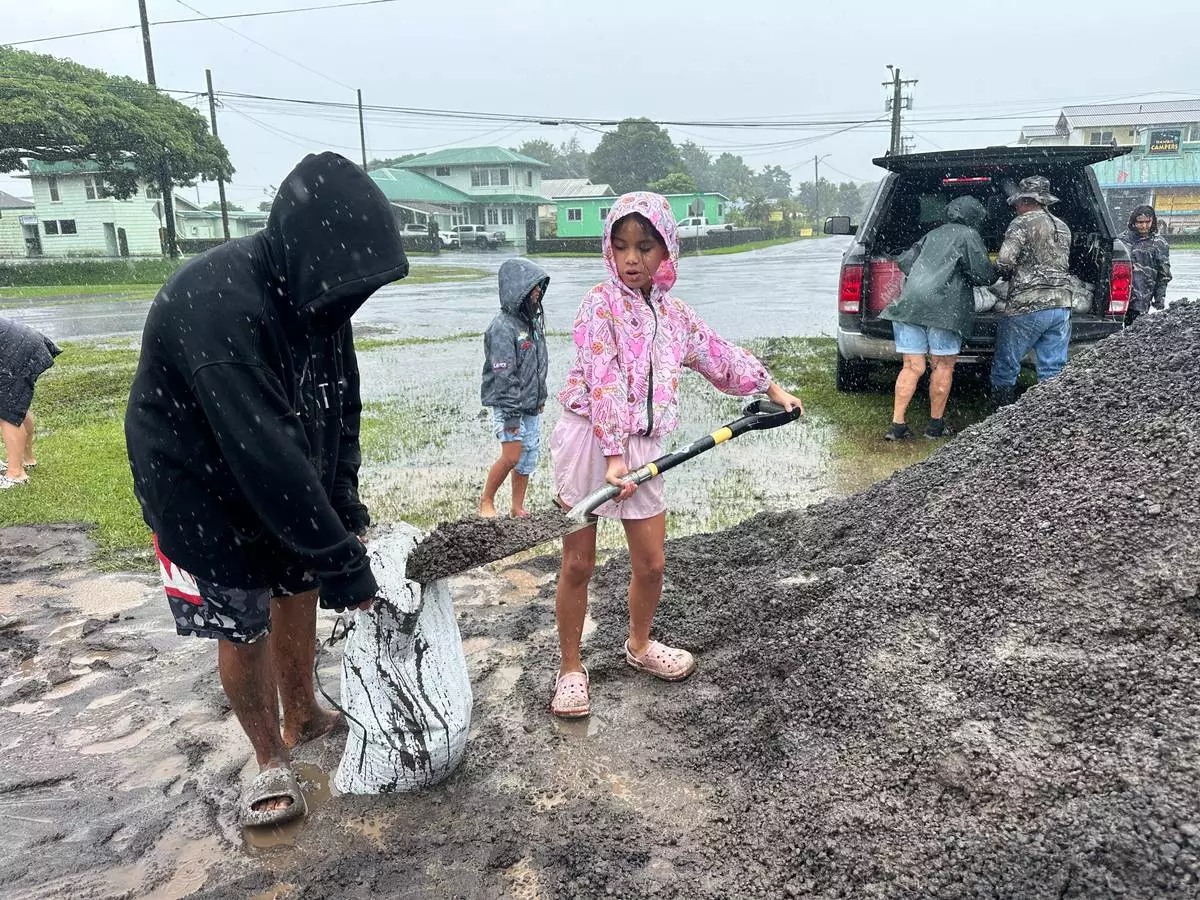
Kenzielynn Kekoa, center, of Hilo, Hawaii, helps her family fill sand bags as Hurricane Nolo sits nearby Friday, Sept. 25, 2026, in Hilo, Hawaii. (AP Photo/Eugene Garcia)
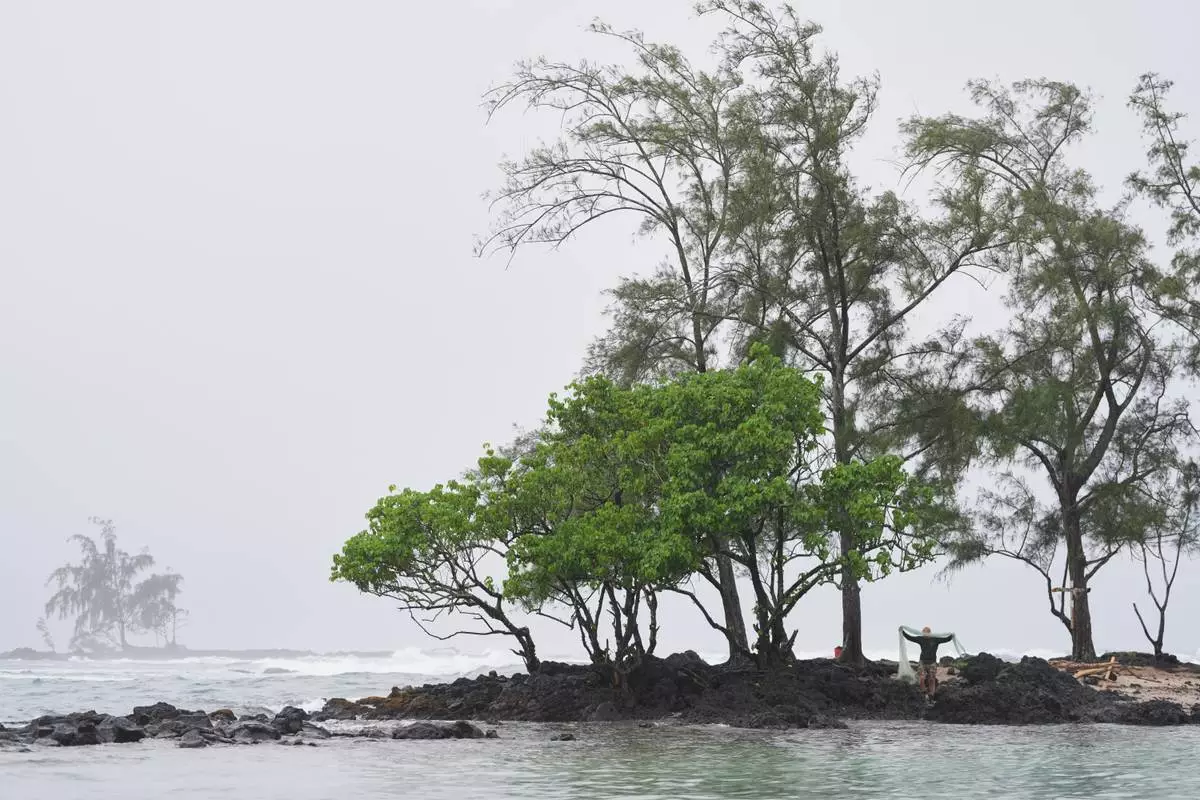
Kawika Ige fishes as Hurricane Nolo sits nearby Friday, Sept. 25, 2026, in Hilo, Hawaii. (AP Photo/Gregory Bull)
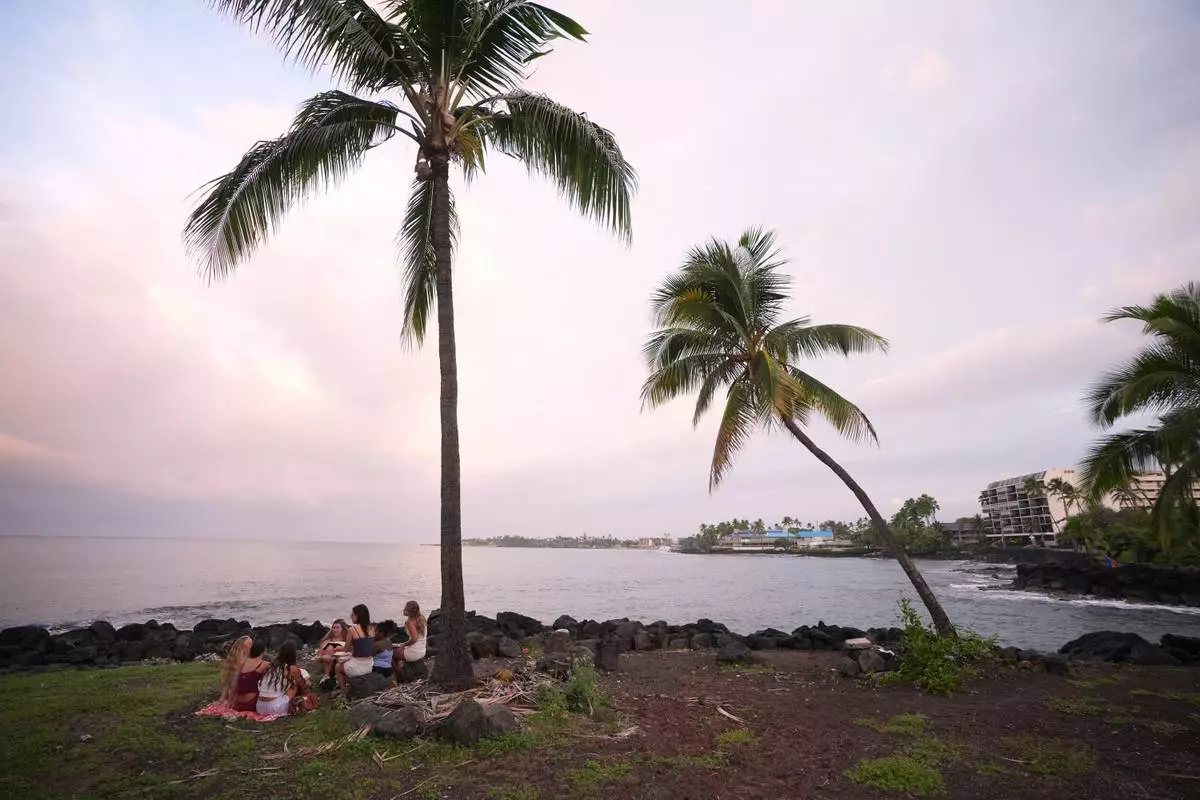
Members of Youth With A Mission read under a palm tree as Hurricane Nolo sits nearby Friday, Sept. 25, 2026, in Kona, Hawaii. (AP Photo/Gregory Bull)
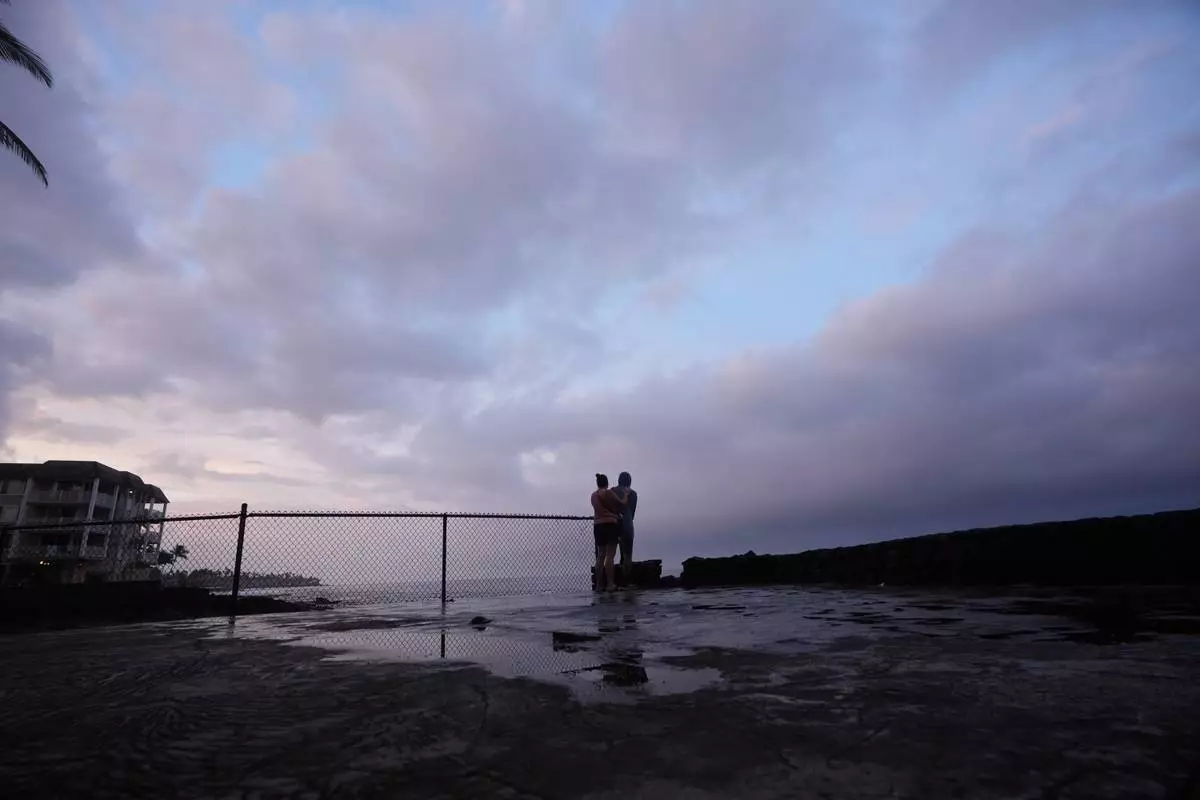
Ryanna and Jim Fry, of Kona, Hawaii, look out at clouds as Hurricane Nolo sits nearby Friday, Sept. 25, 2026, in Kona, Hawaii. (AP Photo/Gregory Bull)
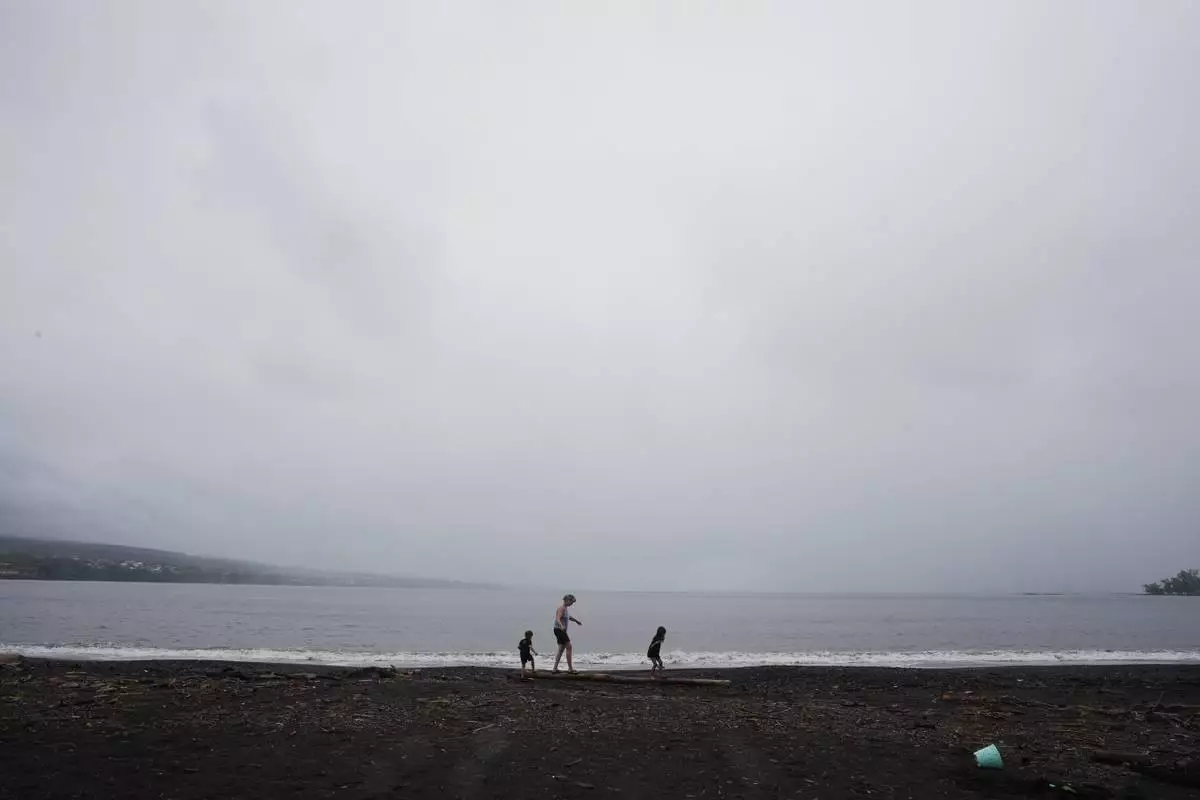
Sheila, of Hilo, Hawaii, plays with her grandchildren as clouds from nearby Hurricane Nolo blanket the skies Friday, Sept. 25, 2026, in Hilo, Hawaii. (AP Photo/Gregory Bull)
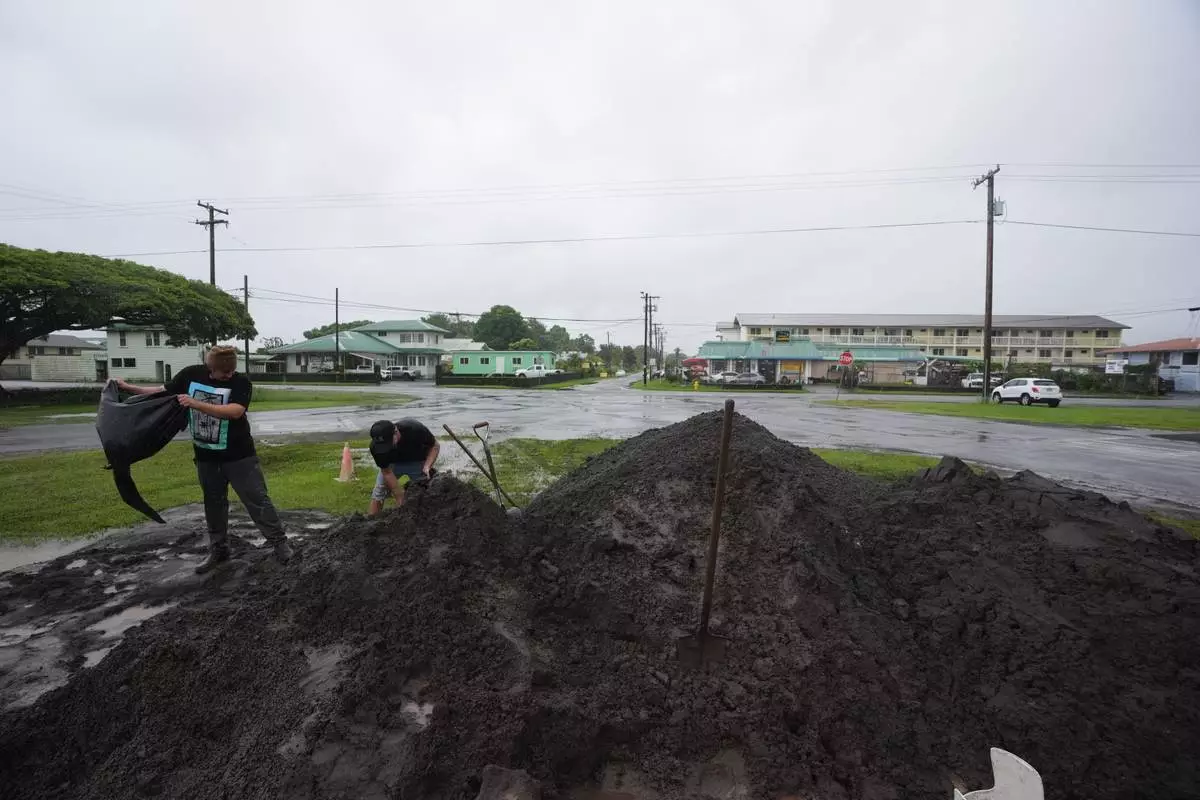
Austin, left, and Darren Montalvo load sand bags to help keep water out of their restaurant as Hurricane Nolo sits nearby Friday, Sept. 25, 2026, in Hilo, Hawaii. (AP Photo/Gregory Bull)
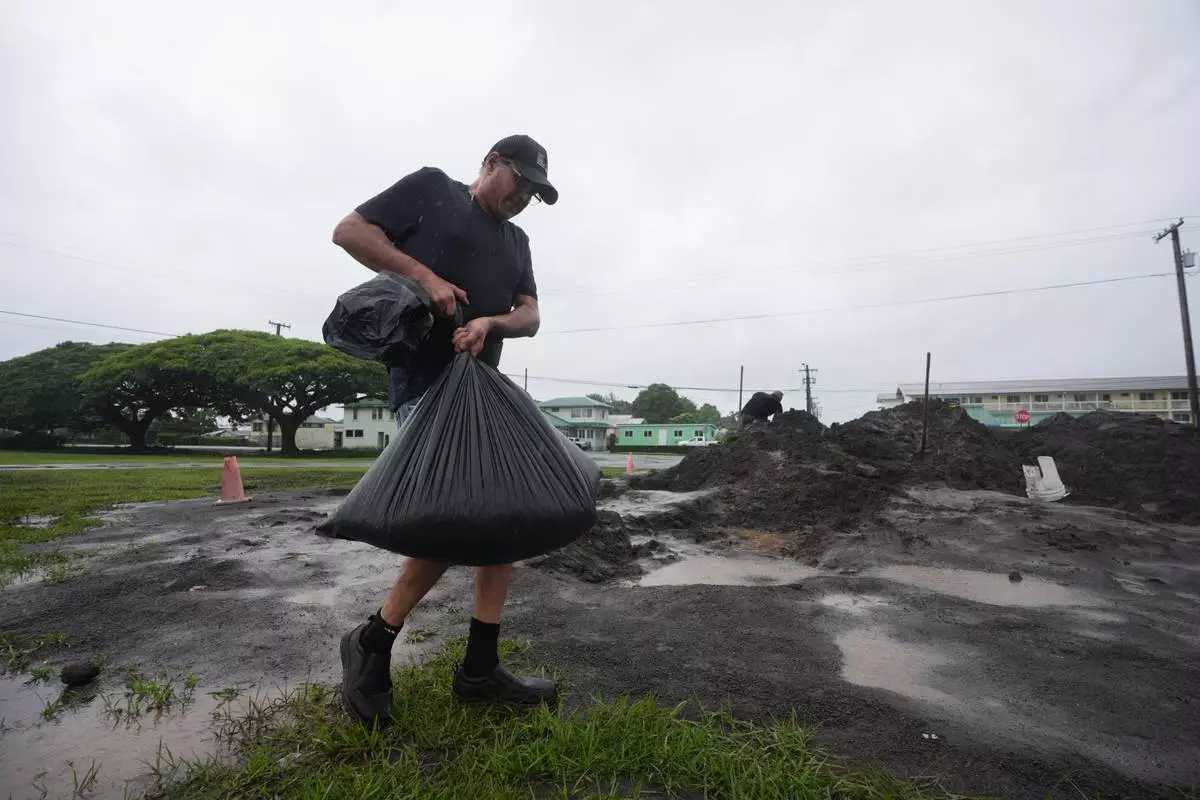
Darren Montalvo carries sand bags he will use to help keep water out of his restaurant as Hurricane Nolo approaches in Hilo, Hawaii, Friday, Sept. 25, 2026. (AP Photo/Gregory Bull)
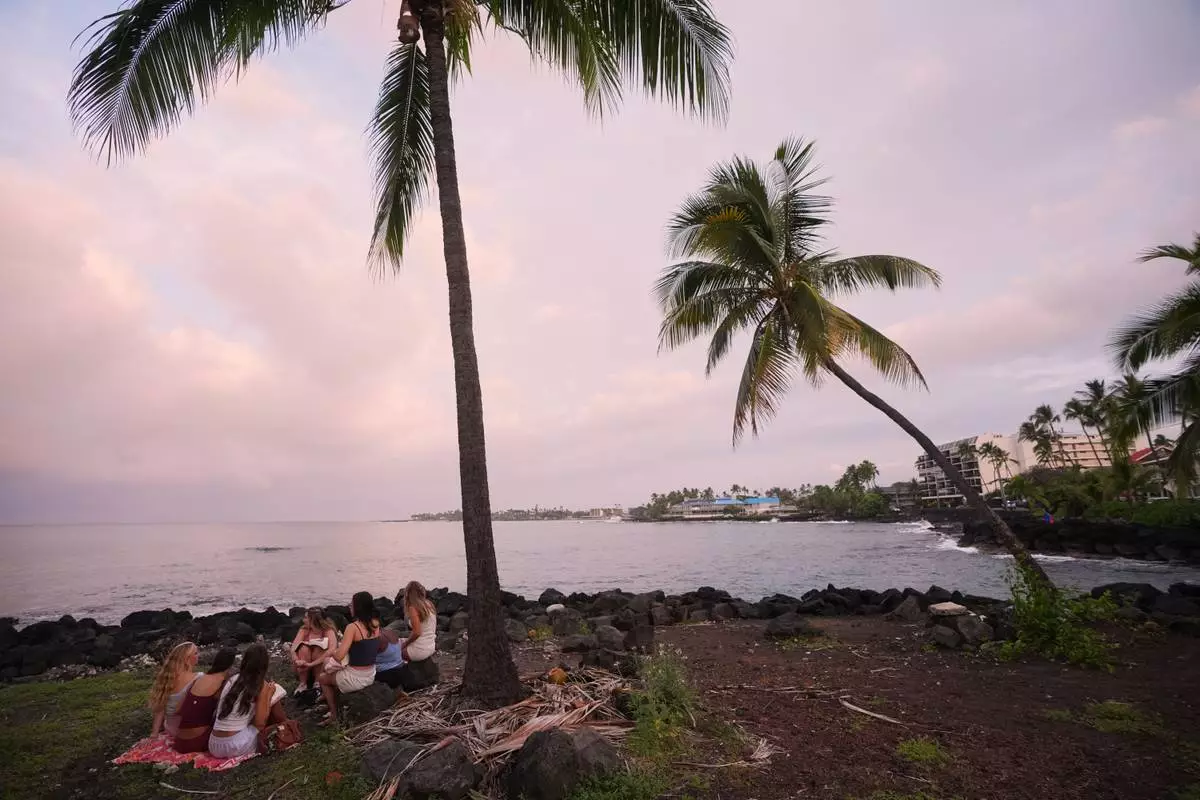
Members of Youth With A Mission read under a palm tree as Hurricane Nolo sits nearby Friday, Sept. 25, 2026, in Kona, Hawaii. (AP Photo/Gregory Bull)
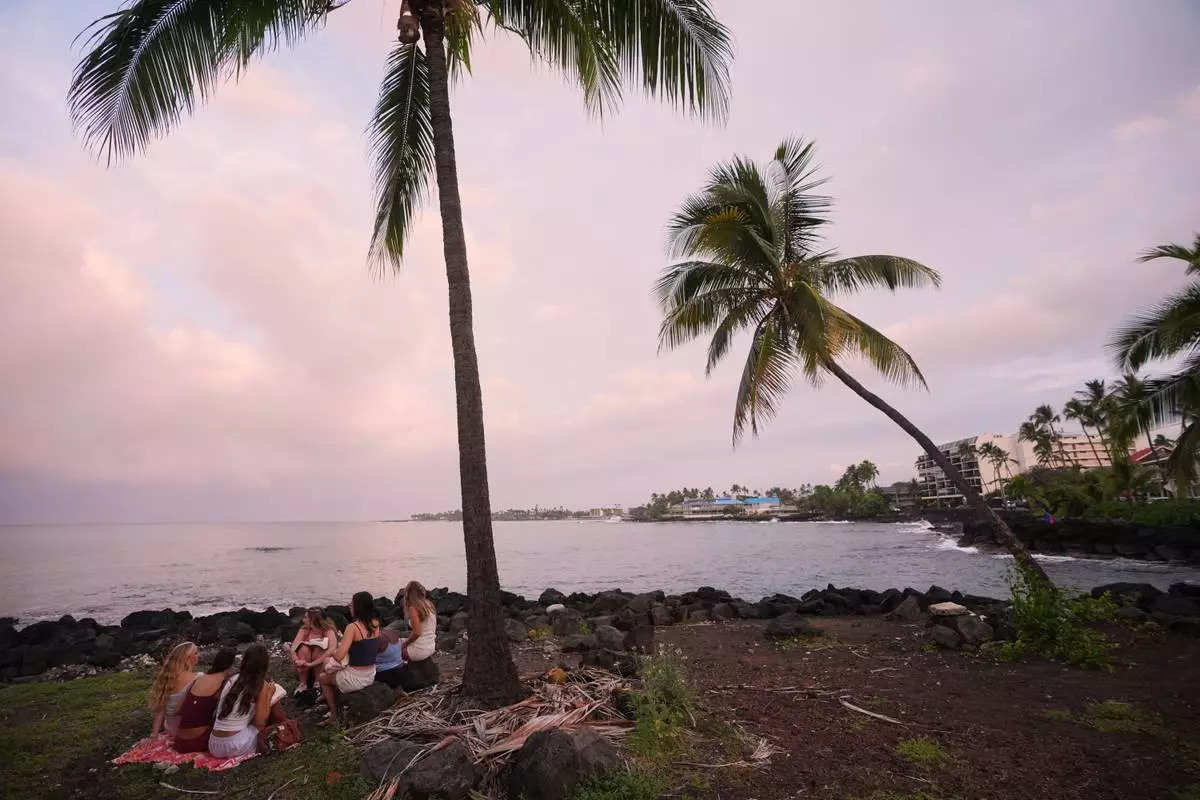
Members of Youth With A Mission read under a palm tree as Hurricane Nolo sits nearby Friday, Sept. 25, 2026, in Kona, Hawaii. (AP Photo/Gregory Bull)
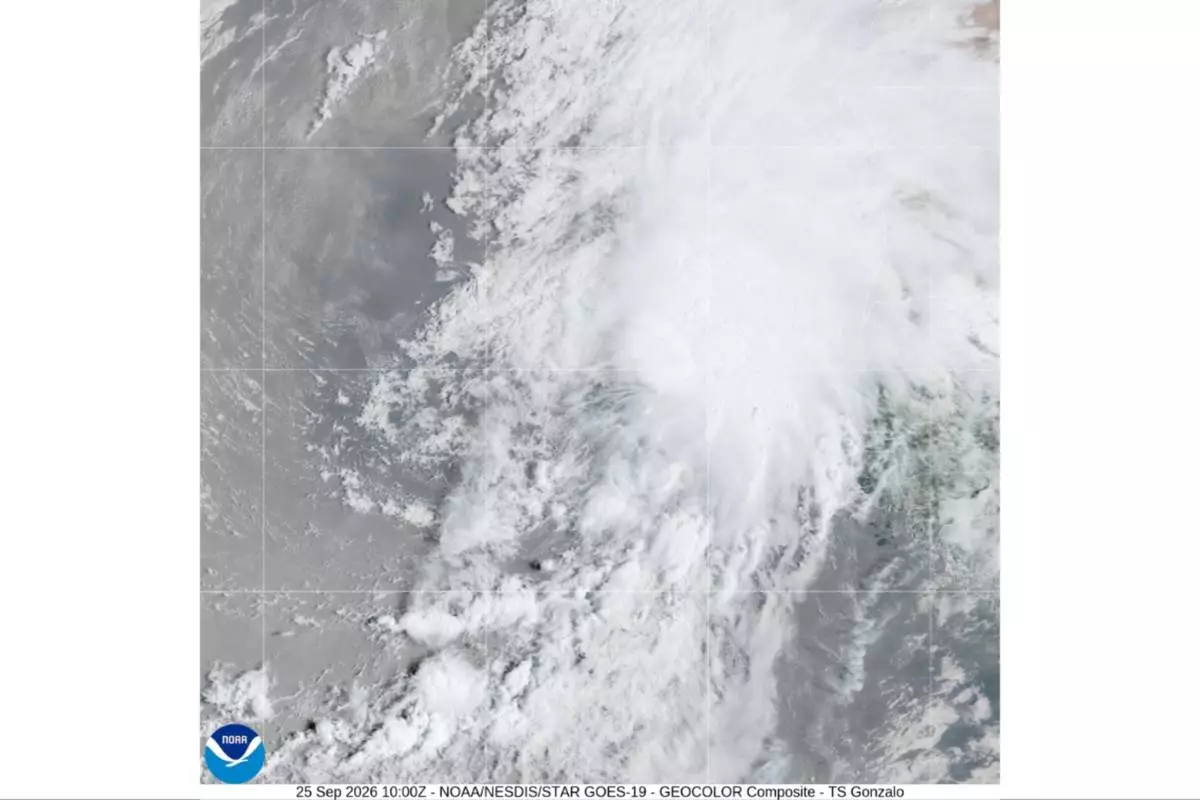
This satellite image from the National Oceanic and Atmospheric Administration shows Tropical Storm Gonzalo in the Atlantic Ocean, Friday, Sept. 25, 2026. (NOAA via AP)
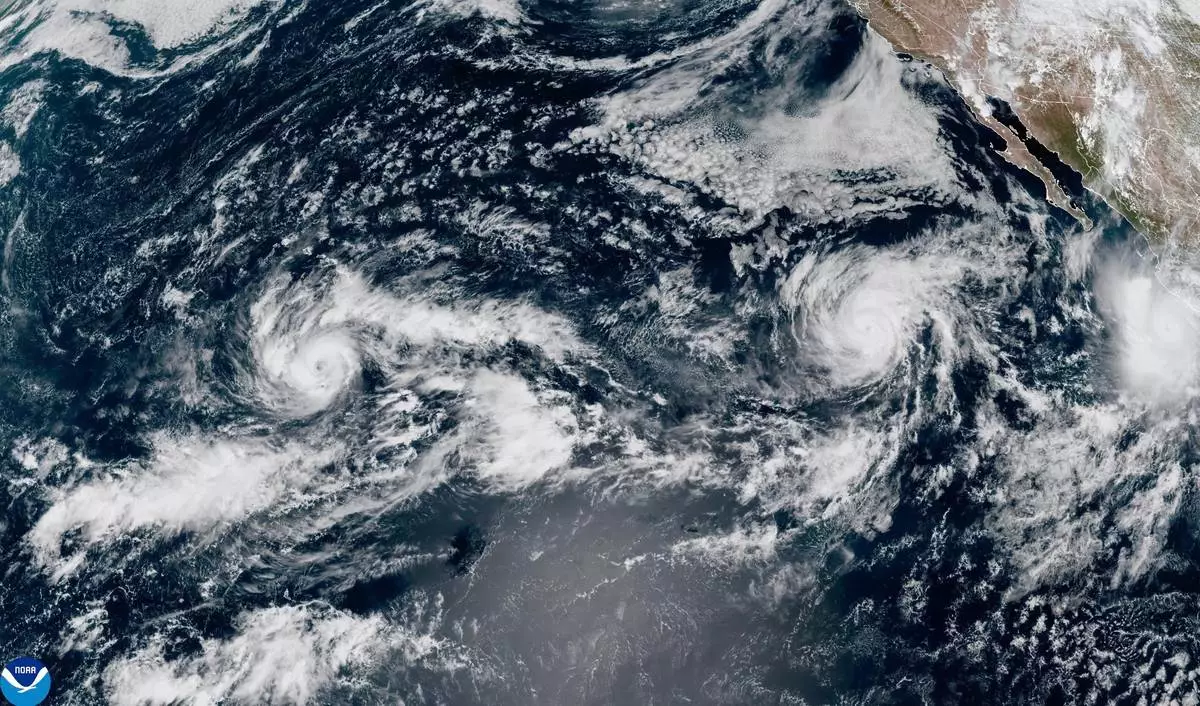
This satellite image provided by NOAA shows Tropical Storm Nolo, left, south of Hawaii; Hurricane Odalys, middle, and Hurricane Polo, right, off the coast of Mexico, in the Pacific Ocean on Thursday, Sept. 24, 2026. (NOAA via AP)
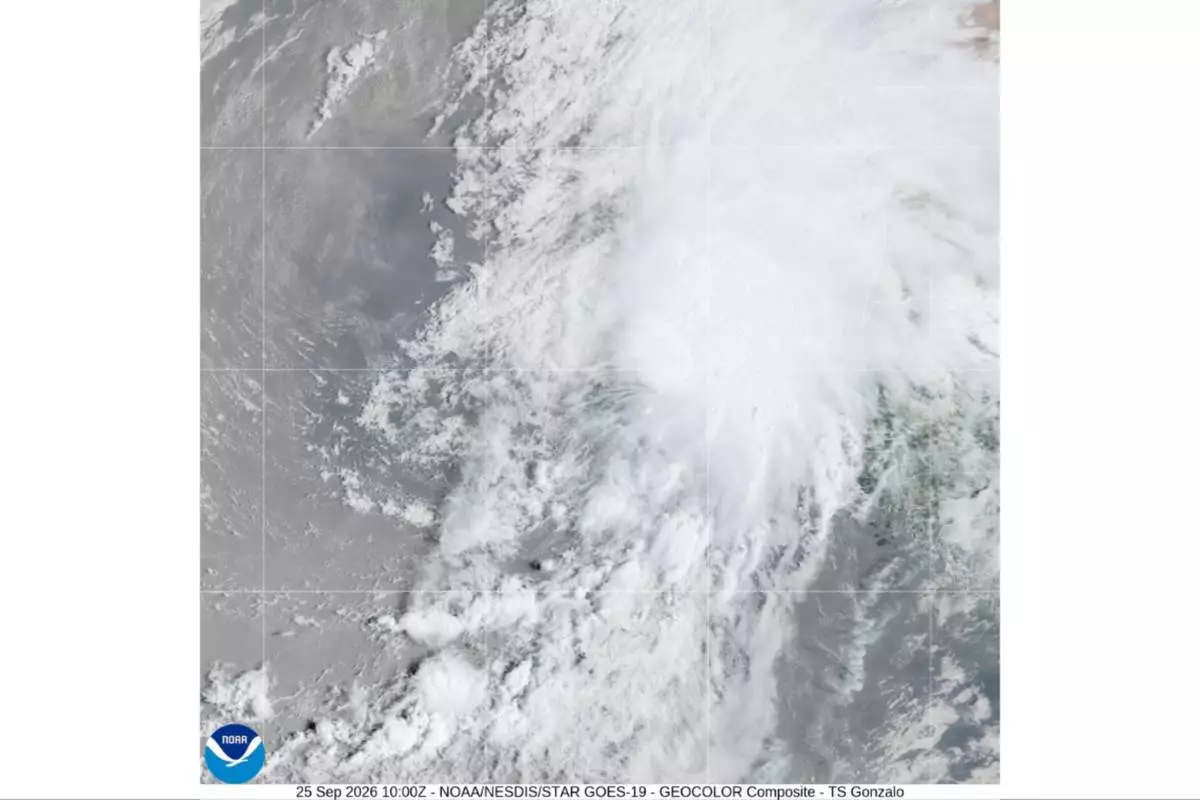
This satellite image from the National Oceanic and Atmospheric Administration shows Tropical Storm Gonzalo in the Atlantic Ocean, Friday, Sept. 25, 2026. (NOAA via AP)
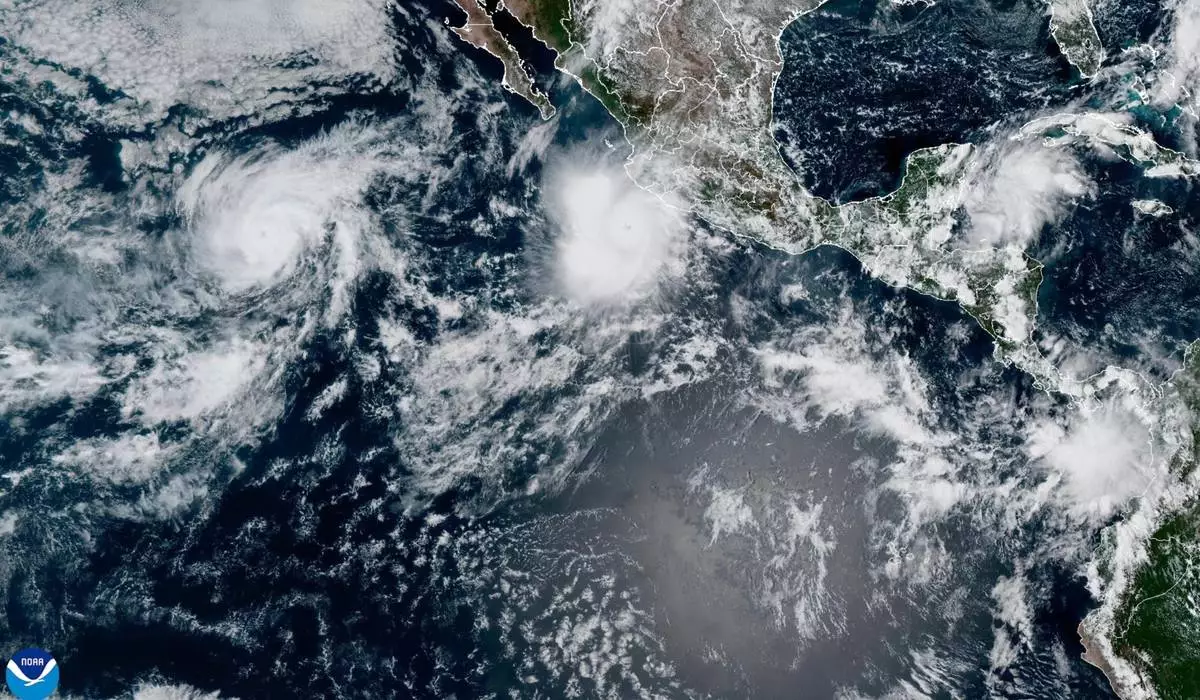
This satellite image provided by NOAA shows Hurricane Polo off the southwestern coast of Mexico and Hurricane Odalys, left, on Thursday, Sept. 24, 2026. (NOAA via AP) CORRECTION: Changes to Hurricane Odalys, not Tropical Storm Nolo.
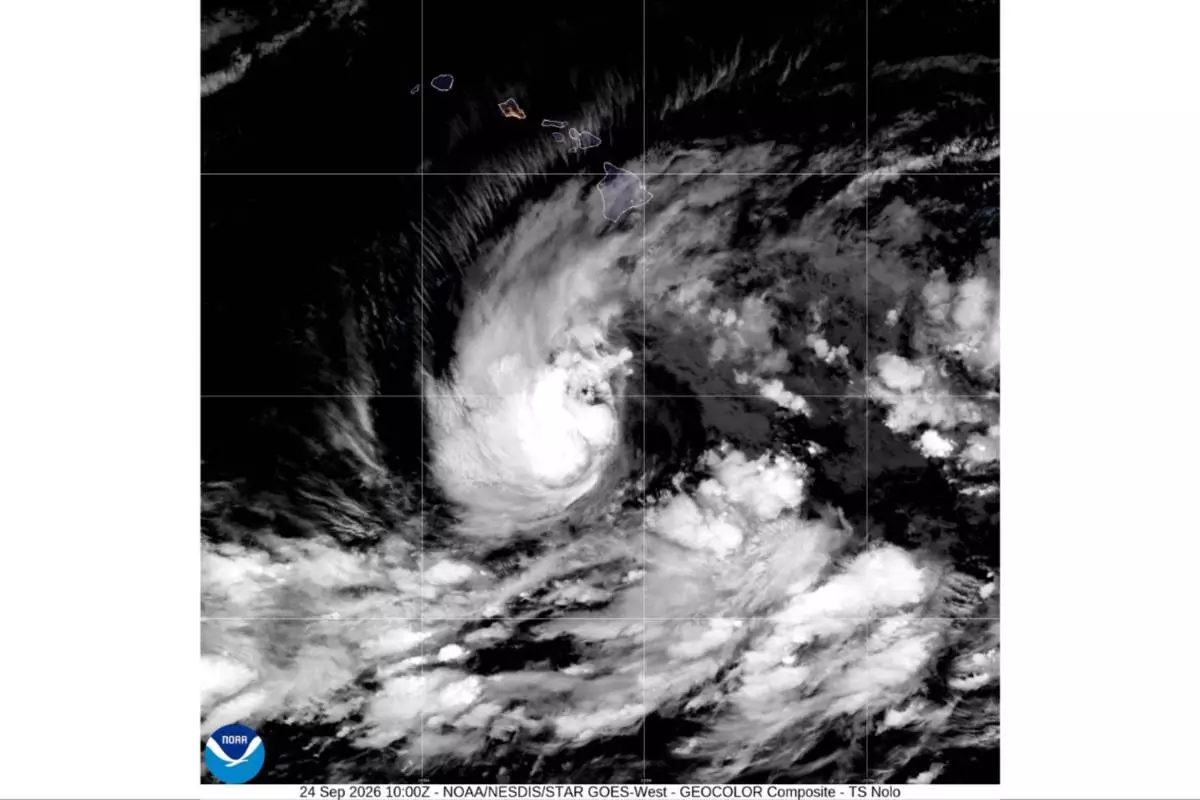
This satellite image from the National Oceanic and Atmospheric Administration shows Tropical Storm Nolo in the Pacific Ocean, Thursday, Sept. 24, 2026. (NOAA via AP)
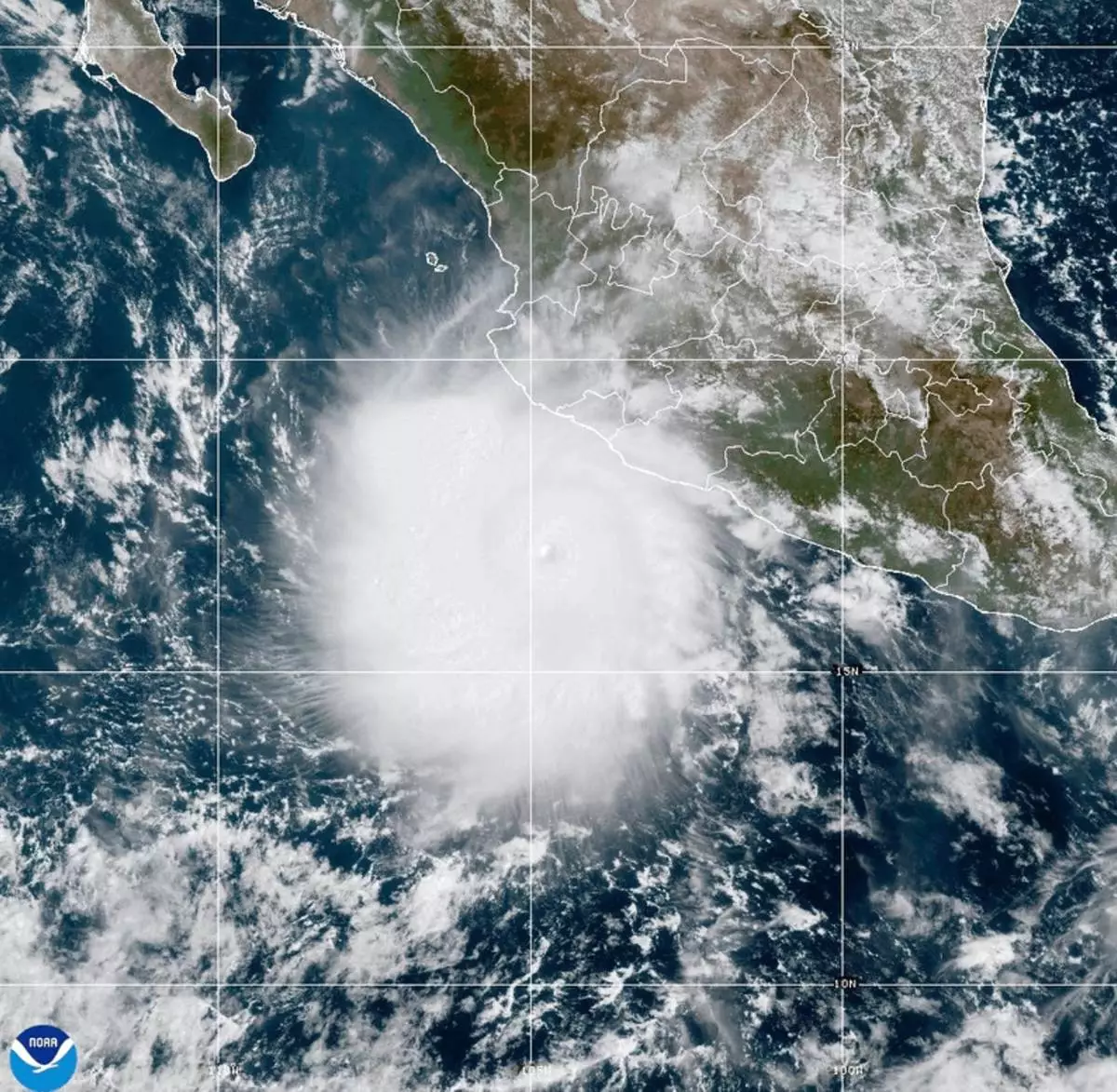
This photo provided by NOAA shows Hurricane Polo moving away from the southwestern coast of Mexico on Thursday, Sept. 24, 2026. (NOAA via AP)
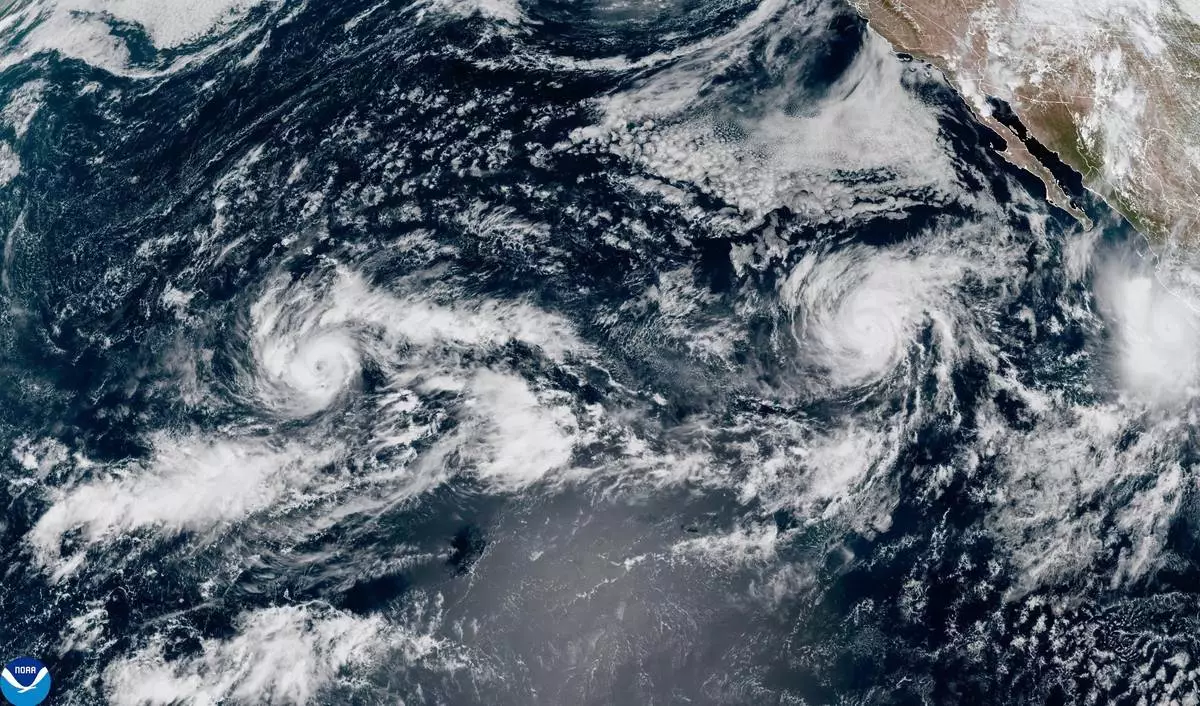
This satellite image provided by NOAA shows Tropical Storm Nolo, left, south of Hawaii; Hurricane Odalys, middle, and Hurricane Polo, right, off the coast of Mexico, in the Pacific Ocean on Thursday, Sept. 24, 2026. (NOAA via AP)