Chinese President Xi Jinping and his wife, Peng Liyuan, had a chat over tea with U.S. President Donald Trump and his wife, Melania Trump, at the White House on Friday morning.
At the invitation of Trump, Xi is paying a state visit to the United States from Wednesday to Friday.

Xi, Peng Liyuan have tea chat with Trump and his wife
Humanoid robots could become widespread within the decade because advances in actuators, sensors, cameras and AI computing can give them a fundamental advantage over human biology in reaction speed and physical performance, Tesla and SpaceX CEO Elon Musk said on Tuesday.
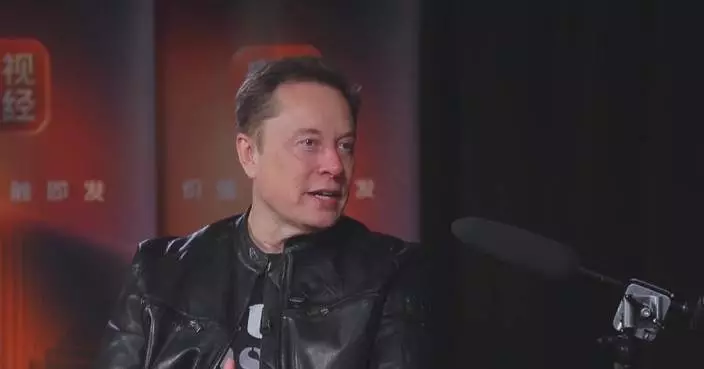
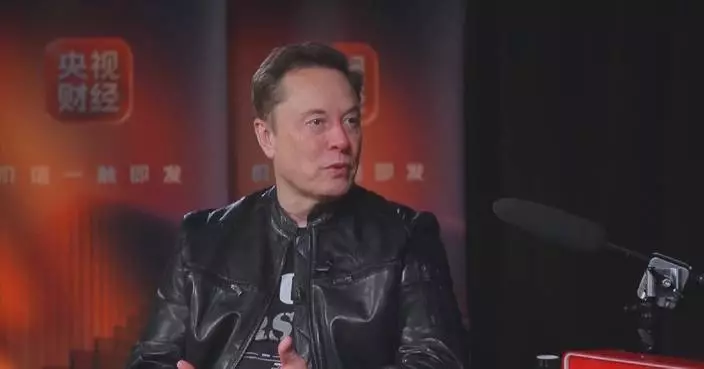
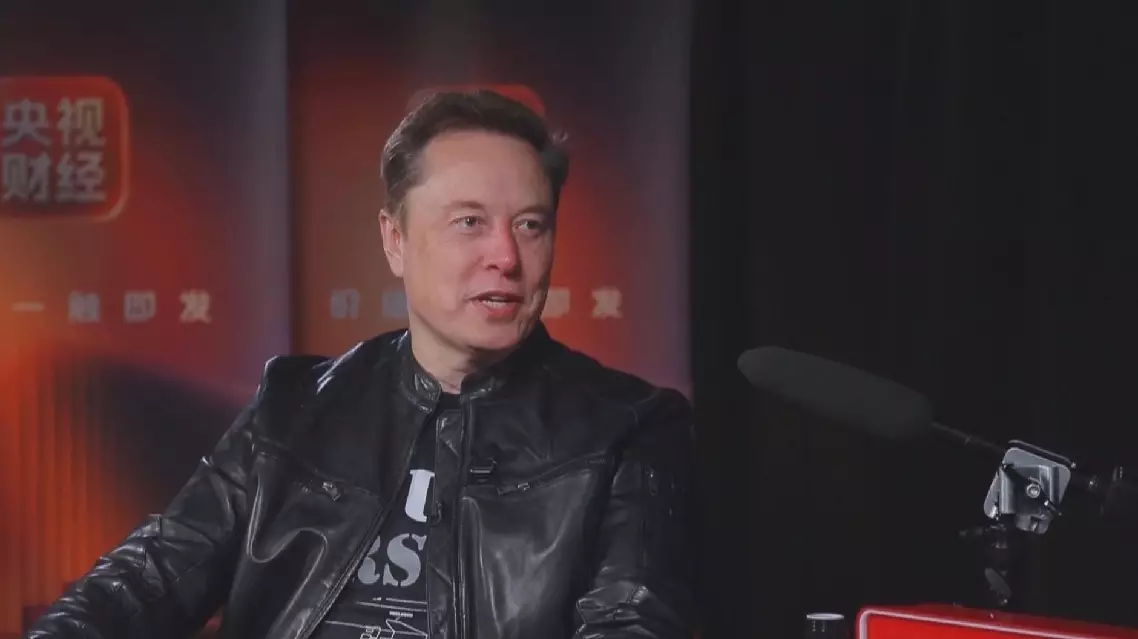
Speaking to the China Media Group (CMG) in Silicon Valley, California, Musk shared his views on the rapid evolution of humanoid robotics.
"Robots have a very fast reaction time, so it's going to be very difficult to beat a robot for reaction time. Because we are somewhat constrained by our biology. But a robot, you can just improve the actuators, improve the sensors, improve the frame rate of the cameras, increase the amount of AI compute there is and it's going to just fundamentally be much better and have faster reactions than humans. I enjoyed watching the robot games. I mean, everyone in America was fascinated by that. Yeah, it was all over U.S. social media," said Musk. Referring to the robot games, Musk further elaborated on how such demonstrations reflect the broader progress of humanoid robotics.
"It's entertaining to watch, but it also shows you the progress of humanoid robotics. It wouldn't be entertaining to watch if the robot just fell over. But the robots are like boxing, wrestling, running, doing gymnastics. It's pretty cool. So, I mean, the future is going to have a lot of robots. I think that's an easy prediction. I'd say no later than 10 years," he said.
Humanoid robots could outpace humans in reaction, go mainstream within 10 years: Musk