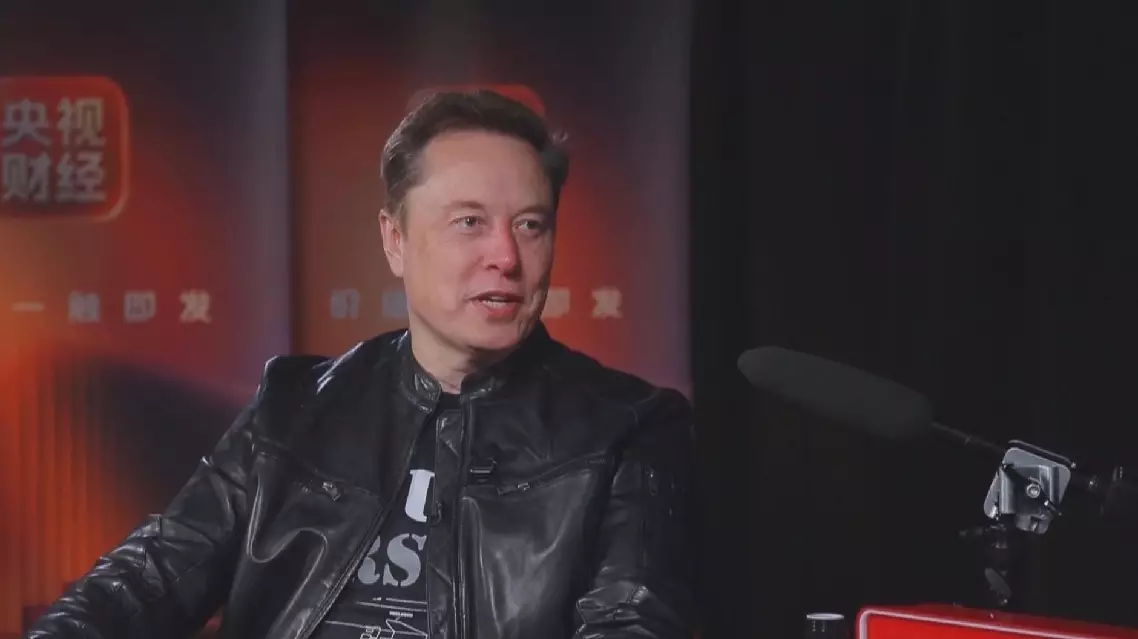
Tesla and SpaceX CEO Elon Musk on Tuesday highlighted stronger coordination between the United States and China to avoid potential satellite collisions as the most important area of bilateral space cooperation.
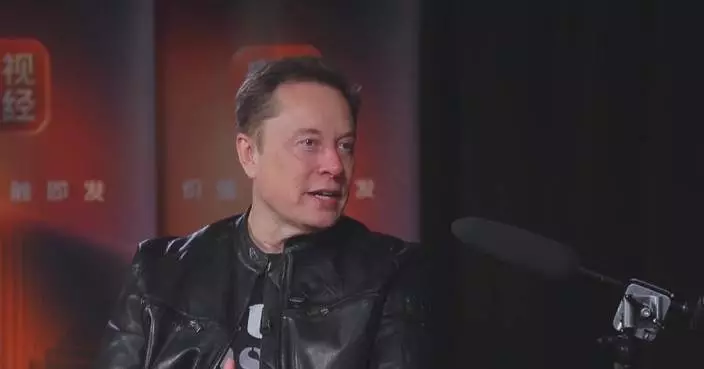
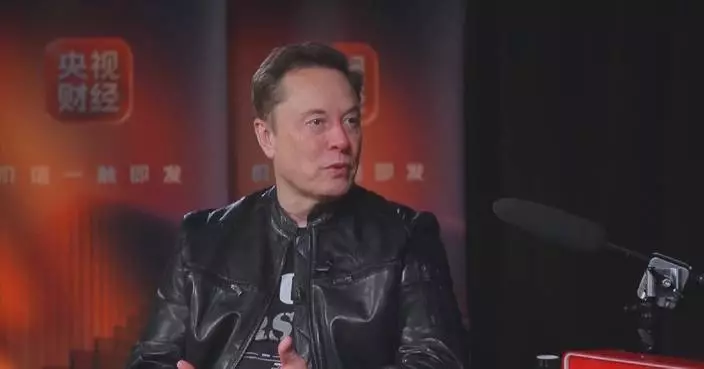
Speaking to the China Media Group (CMG) in an interview in Silicon Valley, California, Musk shared his views on U.S.-China space cooperation.
"In space I think the most important thing to achieve cooperation with is to make sure that when satellites are launched from the U.S. or China that we closely coordinate what orbits the satellites are going to to avoid a potential collision. I mean that's the most important area of cooperation," he said.
He added that achieving "full and rapid reusability of a rocket" is a critical task in space launch because the technology can help drastically lower the cost of space exploration.
"And then in general I would say that the important thing for space launch, the fundamental breakthrough that's needed, is full and rapid reusability, which we're hoping to achieve with the Starship design by catching the ship, hopefully around the end of next month and then re-flying the ship either later this year or early next year. That will be a very important breakthrough and I'm sure others will solve that problem as well. I'm sure China will at some point solve that problem too. The full and rapid reusability of a rocket is the fundamental breakthrough needed to make life multiplanetary," said Musk.
Musk said that once human beings are able to build self-growing cities on other planets, their chances of surviving potential existential threats would be much greater.
"I can't emphasize enough -- and I've said this so many times over the years -- full and immediate reusability of rockets, like aircraft, is the fundamental breakthrough that's needed to extend life beyond Earth, to make life multiplanetary, and to create self-growing cities on the moon and Mars. And as soon as we are able to create a self-growing city on the moon and Mars, the probable lifespan of consciousness is dramatically greater because now we don't have all our eggs in one basket. So, if something wrong would go wrong with, say, the moon or Mars or Earth, but we've got human civilizations on all three of those places, then our chances of surviving are much greater," he said.
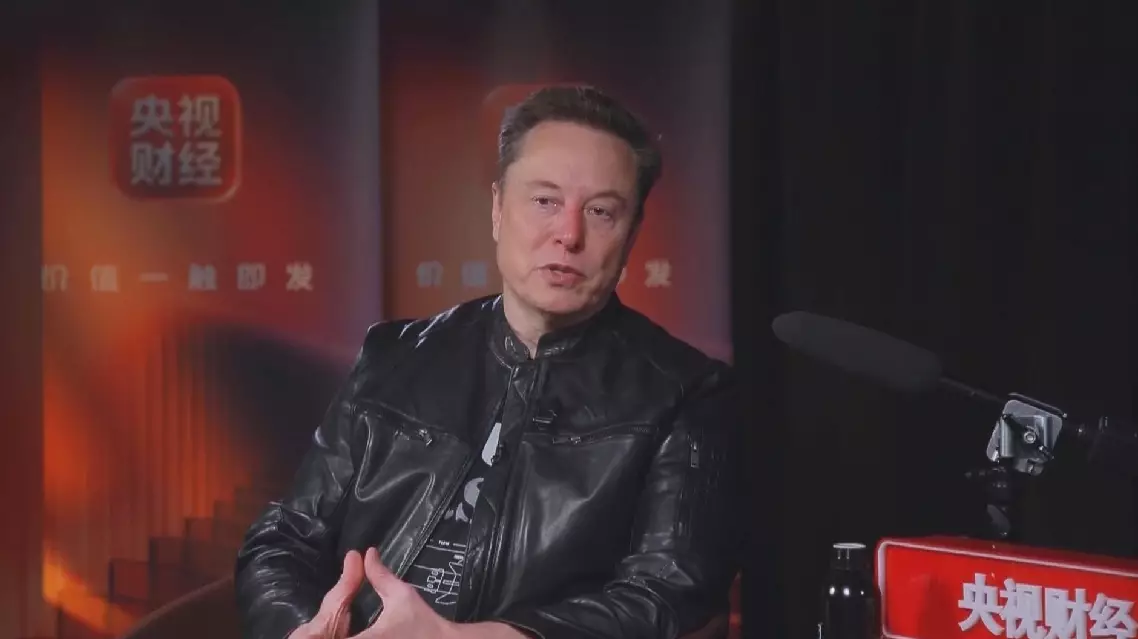
Elon Musk highlights key areas in US-China space cooperation