KAIMOSI, Kenya (AP) — A choir blasts a local hymn complete with musical instruments as congregants, mostly women clad in white dresses, dance and clap along. The Quaker meeting house in western Kenya is a sharp contrast to the deafening silence that is the norm among practitioners of the faith in the United States.
The atmosphere feels similar to Pentecostal churches, with the hymns and spiritual declarations very familiar to those sung in other churches. But the Friends Church in Cheptulu bears no sign of the cross, paintings or sculptures of Jesus Christ, which is the norm in most Christian churches.
Click to Gallery

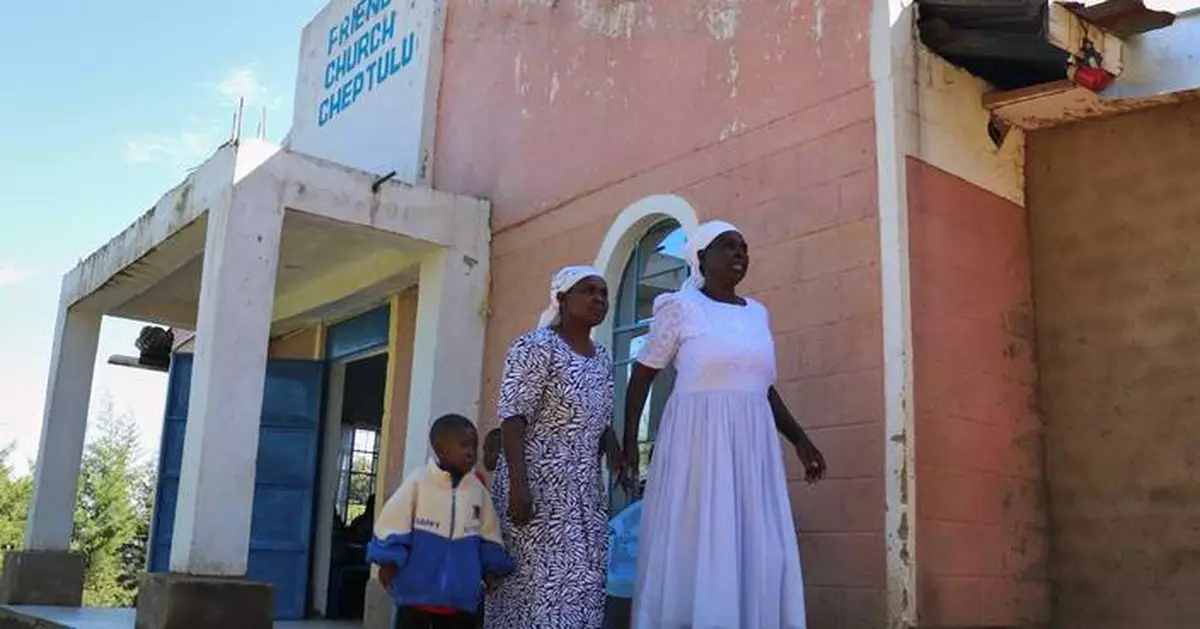
Quakerism faithful walk outside Friends Church Cheptulu in Kaimosi, Kenya after a service, in Kaimosi, Kenya, Sunday, Sept. 20, 2026. (AP Photo/Jackson Njehia)

Linet Mmbone, an assistant librarian at the Friends Theological College holding out a book from the shelf, in Kaimosi, Kenya, Saturday, Sept. 19, 2026. (AP Photo/Jackson Njehia)
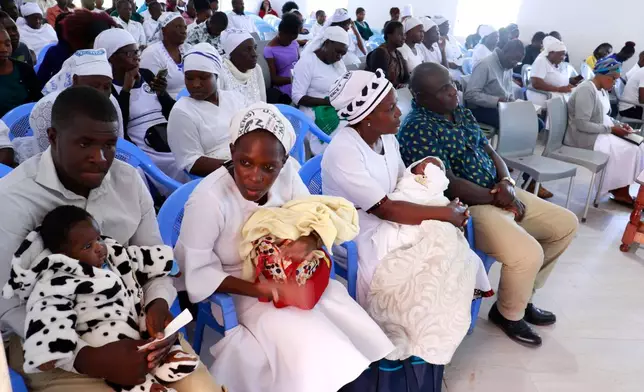
Quakerism faithful attend a congregation at Friends Church Cheptulu in Kaimosi, Kenya, Sunday, Sept. 20, 2026. (AP Photo/Jackson Njehia)
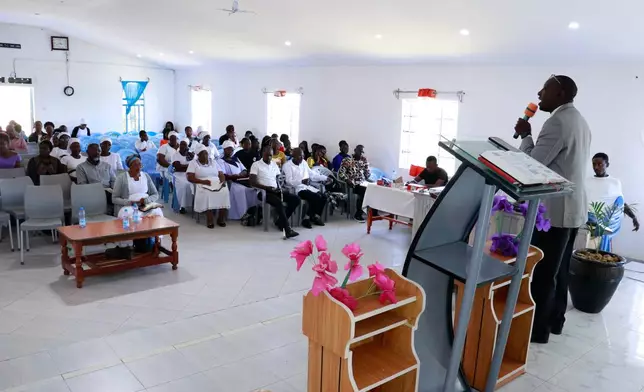
Senior Pastor Kennedy Shiverenje of Friends Church Cheptulu delivers a sermon during mass in Kaimosi, Kenya, Sunday, Sept. 20, 2026. (AP Photo/Jackson Njehia)

Thomas Amalemba, 90, poses for a photo at his home in Kaimosi, Kenya, Sunday, Sept. 20, 2026. (AP Photo/Jackson Njehia)

Quakerism faithful are silhouetted while singing during a church service in Kaimosi, Kenya, Sunday, Sept. 20, 2026. (AP Photo/Jackson Njehia)
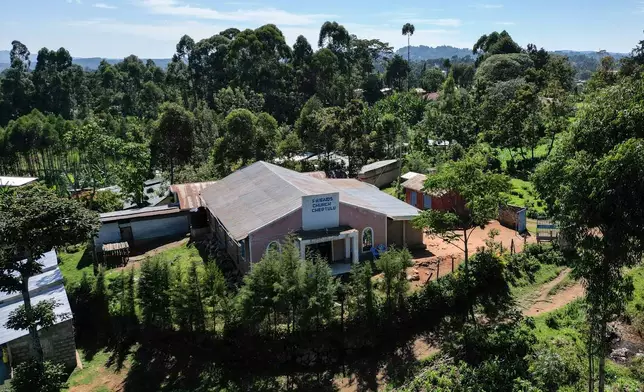
A view of Friends Church Cheptulu in Kaimosi, Kenya, Sunday, Sept. 20, 2026. (AP Photo/Jackson Njehia)

People walk outside Friends Church Cheptulu in Kaimosi, Kenya after a service, in Kaimosi, Kenya, Sunday, Sept. 20, 2026. (AP Photo/Jackson Njehia)
Quakerism originated in 17th-century England when George Fox, who objected to the Anglican emphasis on ceremony, founded the group. In the 1640s, he said he heard a voice that led him to develop a personal relationship with Christ, described as the Inner Light.
There are an estimated 400,000 members worldwide of the Religious Society of Friends, or Quakers. About half live in Africa with most in Kenya, where Americans introduced the religion. Quakers in the U.S. believe in the Inner Light and eschew loud worship and preaching in favor of silently awaiting individual messages from God.
In Kenya, 90-year-old Thomas Amalemba, who was born to a Quaker father and a Salvation Army mother, remembers the days when music was slower and different from the current music that has been modernized by the introduction of contemporary instruments.
“The old people when we go to the church service, we feel uncomfortable,” Amalemba said.
In Amalemba’s Cheptulu Church, senior pastor Kennedy Shiverenje said the music needed to be relevant and appropriate to the local context.
“We needed to capture the youth and re-energize the elderly so that our service is vibrant,” Shiverenje said.
In most Quaker houses of worship, there is no clergy, pulpit or altar. No one sings or chants, burns incense or lights candles. They do not speak until a message from God moves through them.
In Kenya, the Quakers worship loudly.
When American missionaries from the Friends United Meeting in Indiana arrived in the hilly western Kenya town of Kaimosi in 1902, they introduced a version of Quakerism that featured slow hymns and evangelism. They invested in schools and hospitals that helped convert many locals.
Pastor Shiverenje’s grandfather was the first pastor of the Cheptulu church, which stands on a hill near their family’s home. He believes silent worship, or the unprogrammed version of Quakerism, may not have won his grandfather, who was among the first converts.
“If you just brought an unprogrammed service where people sit silently, I’m not sure people would concentrate,” he said.
Over the years, Kenyan Quakers have grown in numbers after adding more tempo to the music and incorporating modern musical instruments to attract young people, who previously found them boring.
“We used to joke about how our grandmothers would sing the songs so slowly, taking forever to finish a single song until they eventually dozed off. They wouldn’t even clap their hands, let alone play African drums. The songs were the slowest I had ever heard in my life,” Rose Oside remembered.
At a recent Sunday service in Cheptulu Church, which has been around for 100 years, it was mostly young people who led praise and worship sessions. Even when the older women led a hymn before a baby dedication program, they were still guided in their tempo by the keyboard played by a young Quaker man.
Catherine Ikalakala has been a Quaker for almost 50 years. She remembers when young people avoided going to church.
“The young people used to see us singing slow motion while other churches had faster music,” she said. “So they used to go to other churches and so we bought a keyboard that has brought all these young people to church.”
Evangelism isn’t practiced by Quakers who follow silent worship. They believe in growth through self-convinced followers. The Friends Theological College in Kaimosi now boasts of more than 400 students on campus and online.
College Principal Robert Wafula said the training ensures the correct message is taught to congregations and has helped in other countries such as Rwanda, where the government closed 70 Quaker churches in a recent crackdown led by untrained pastors.
Wafula said the role of pastoral ministers is especially important in the modern world, where political frictions often threaten peace in the community. He noted that Quaker doctrine, which is founded on peace, has been useful during ethnic tensions and postelection violence in Kenya, as well as in regional conflicts.
“Quakerism has spread peace across East Africa, for example in Rwanda and even in the Congo, where Quakers are participating in peace-building through the major groups,” Wafula said. “We have a pastor from this college working in the peace center in Rwanda.”
The college now houses a Quaker Archive program. Among the archives is the old Bible, written in the local Maragoli language, used by early Quakers and the first converts.
With the missionaries gone, the church has made changes to ensure it keeps spreading, but some of the updates have rattled the older generation.
Pastor Shiverenje said the mission was initially funded by donors, but now the locals have to raise funds for programs to continue.
Amalemba agreed change is important. But he warned the emphasis on congregants giving money in church created a sense that they were “buying blessings.”
Linet Mmbone, an assistant librarian at the college, said a group of researchers realized young people needed a reference point and embarked on a project to speak to early Quakers and obtain material like notes from early yearly meetings.
“Because we don’t want to lose our dignity as Quakers, we want to go back to the roots and conduct our services the way the early Quakers used to do it,” Mmbone said.
Associated Press religion coverage receives support through the AP’s collaboration with The Conversation US, with funding from Lilly Endowment Inc. The AP is solely responsible for this content.

Quakerism faithful walk outside Friends Church Cheptulu in Kaimosi, Kenya after a service, in Kaimosi, Kenya, Sunday, Sept. 20, 2026. (AP Photo/Jackson Njehia)

Linet Mmbone, an assistant librarian at the Friends Theological College holding out a book from the shelf, in Kaimosi, Kenya, Saturday, Sept. 19, 2026. (AP Photo/Jackson Njehia)
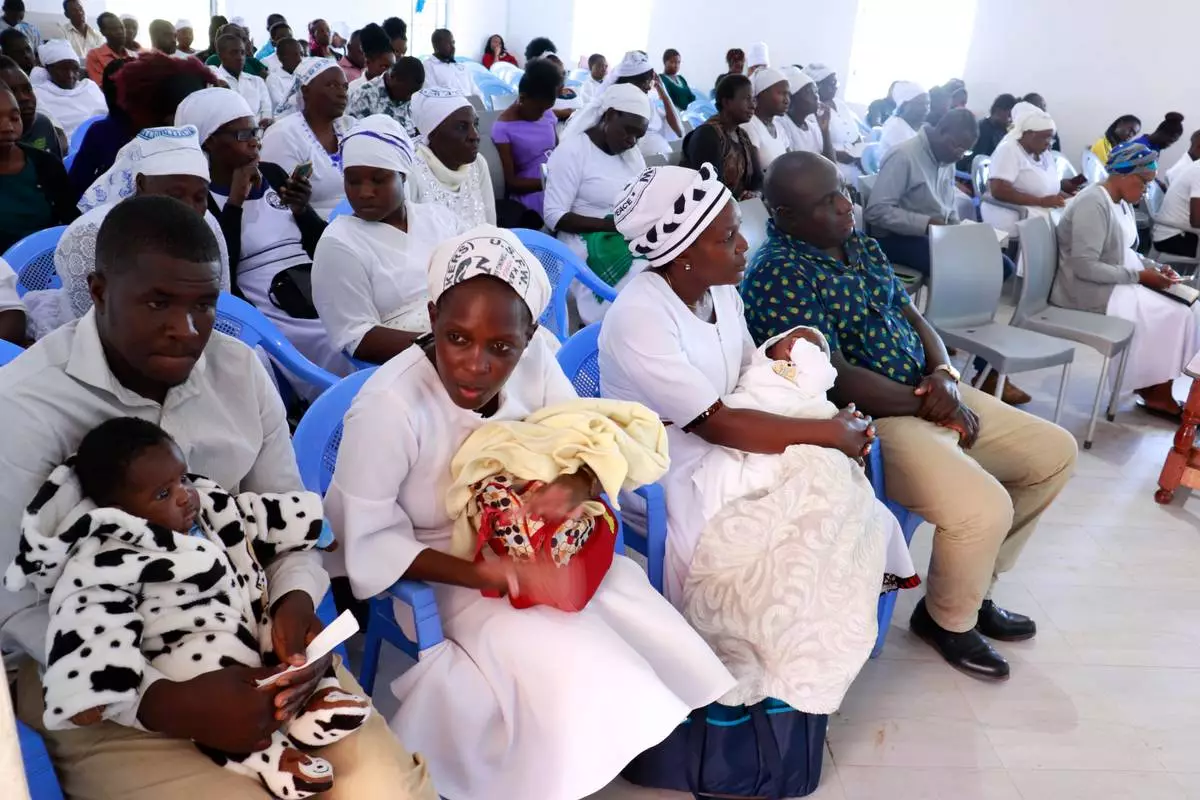
Quakerism faithful attend a congregation at Friends Church Cheptulu in Kaimosi, Kenya, Sunday, Sept. 20, 2026. (AP Photo/Jackson Njehia)
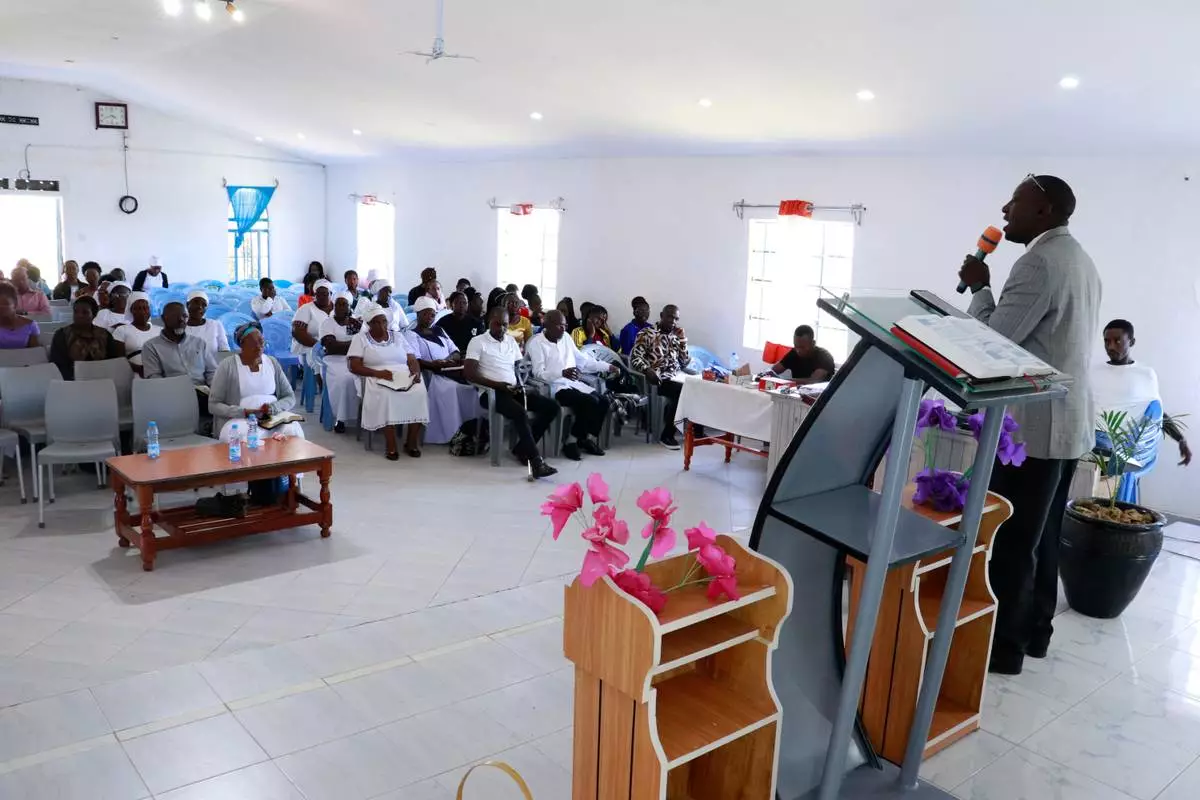
Senior Pastor Kennedy Shiverenje of Friends Church Cheptulu delivers a sermon during mass in Kaimosi, Kenya, Sunday, Sept. 20, 2026. (AP Photo/Jackson Njehia)

Thomas Amalemba, 90, poses for a photo at his home in Kaimosi, Kenya, Sunday, Sept. 20, 2026. (AP Photo/Jackson Njehia)

Quakerism faithful are silhouetted while singing during a church service in Kaimosi, Kenya, Sunday, Sept. 20, 2026. (AP Photo/Jackson Njehia)
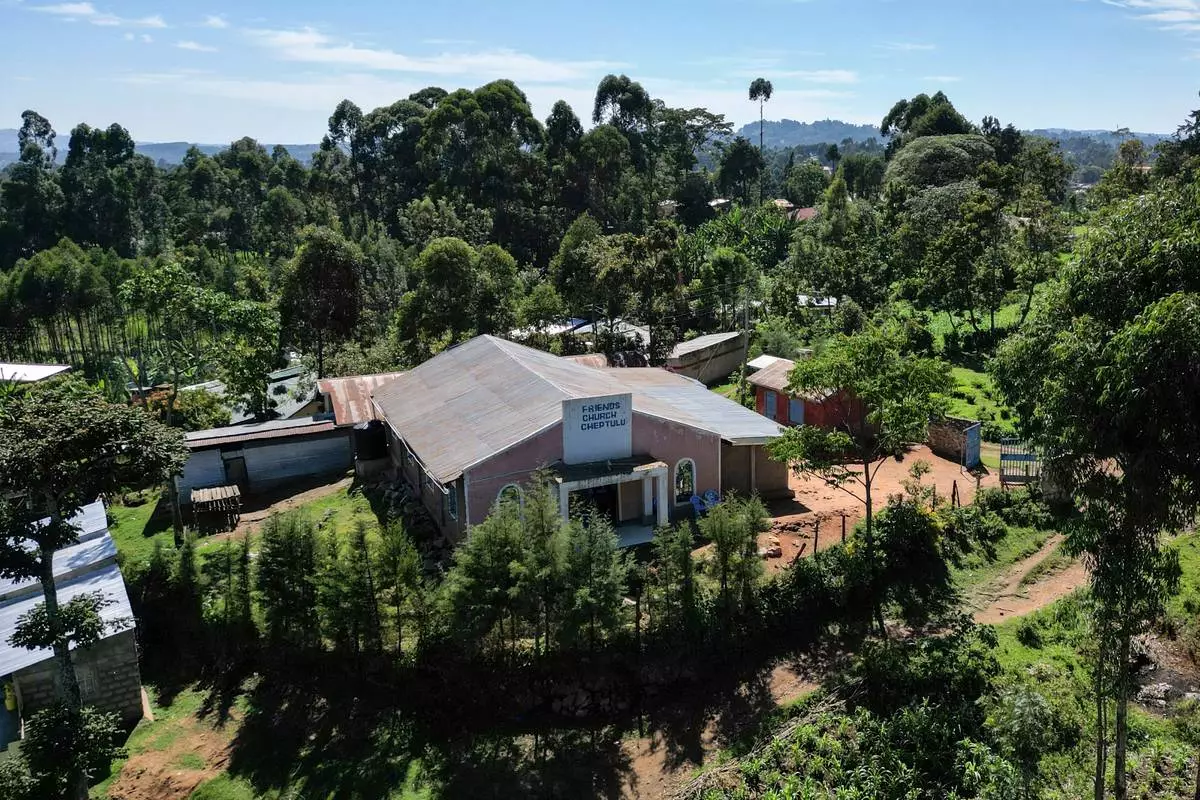
A view of Friends Church Cheptulu in Kaimosi, Kenya, Sunday, Sept. 20, 2026. (AP Photo/Jackson Njehia)

People walk outside Friends Church Cheptulu in Kaimosi, Kenya after a service, in Kaimosi, Kenya, Sunday, Sept. 20, 2026. (AP Photo/Jackson Njehia)