GENEVA (AP) — Early projections on Sunday suggested voters in Switzerland were on track to reject a right-wing proposal aimed at the strict implementation of the country’s neutrality.
Backers of the plan, championed by the Swiss People’s Party that has members with pro-Russia leanings, insist the government has gravitated too close to the European Union and NATO, notably over Russia’s war in Ukraine.
The proposal followed Switzerland’s decision to join EU sanctions against Russia. It aims to prohibit the Alpine country from joining punitive measures against hostile countries except United Nations sanctions. Russia wields a veto on the U.N. Security Council as one of its five permanent members.
Switzerland has been committed to neutrality, enshrined in the constitution since the mid-19th century. Swiss neutrality has faced years of debate over what it really means.
Projections from the Swiss public broadcaster SRG, based partly on information from polling agency gfs bern and initial counts from the government, indicated that more than two-thirds of voters rejected the idea.
A final official count is expected later Sunday. Polls closed at noon local time; most voters cast ballots by mail.
Switzerland is not a member of any military alliance. However, if the proposal passed, it would bar the Swiss government from even cooperating with any alliance — as it has with NATO for three decades, including through joint exercises — except in cases of threat.
Supporters claim that the government has moved “dangerously close” to the EU and NATO in ways that threaten Switzerland's security and independence of action.
Opponents, including the federal government and parliament, say the constitution already gives the federal government the leeway it needs to protect national interests.
Voters on both sides of the issue had security in mind.
Ruth Bolomey, a 65-year-old retiree originally from Hawaii, said she voted for the initiative. “I believe we need neutrality and should keep neutrality for security reasons — for the people."
New York native Jihad Azkoul, 78, said he voted “no” and had in mind “the question of what happens if Russia attacks us – would we be, would we get protection from our neighbors?”
"(They) probably would, but just to be sure,” he added.
In Swiss democracy, voters typically cast ballots four times a year, giving the public a direct say in policymaking.
The Swiss government is led by an executive branch whose seven members come from across the political spectrum and make decisions by consensus.
The Swiss presidency rotates each year among its members, and the role of president is largely ceremonial, currently held by Guy Parmelin of the Swiss People’s Party.
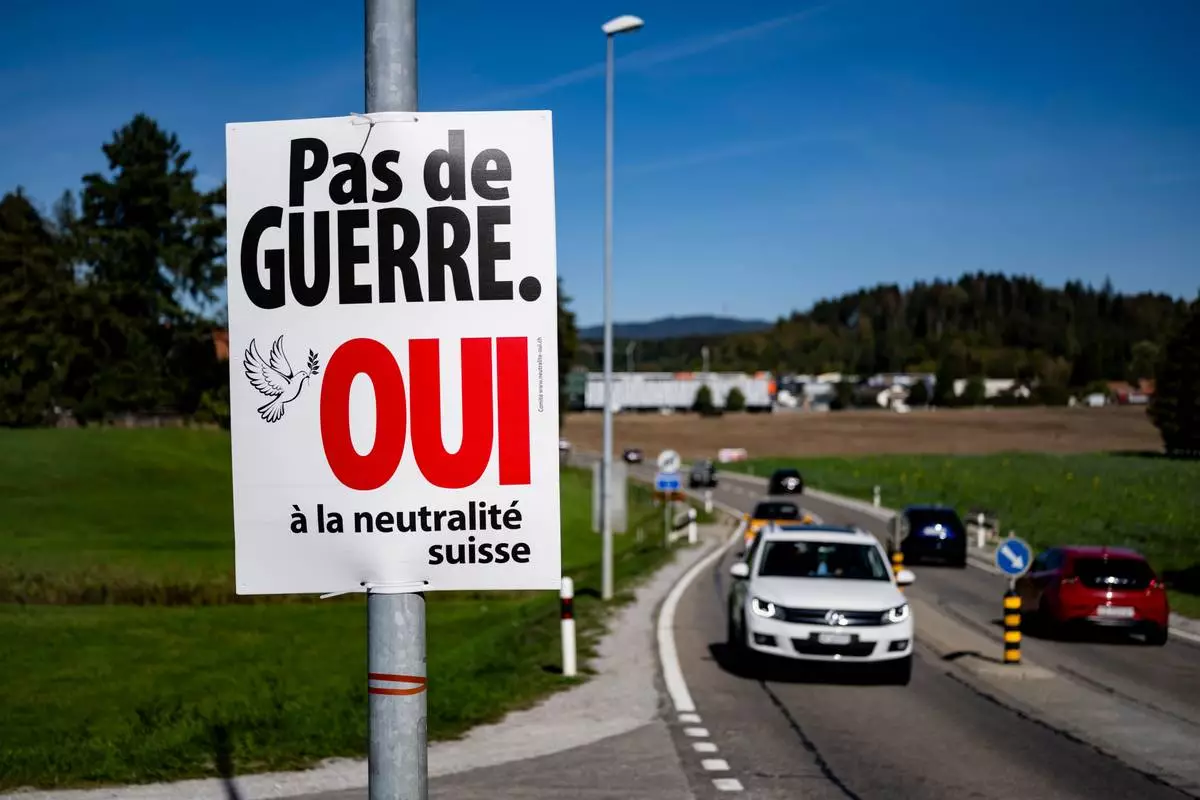
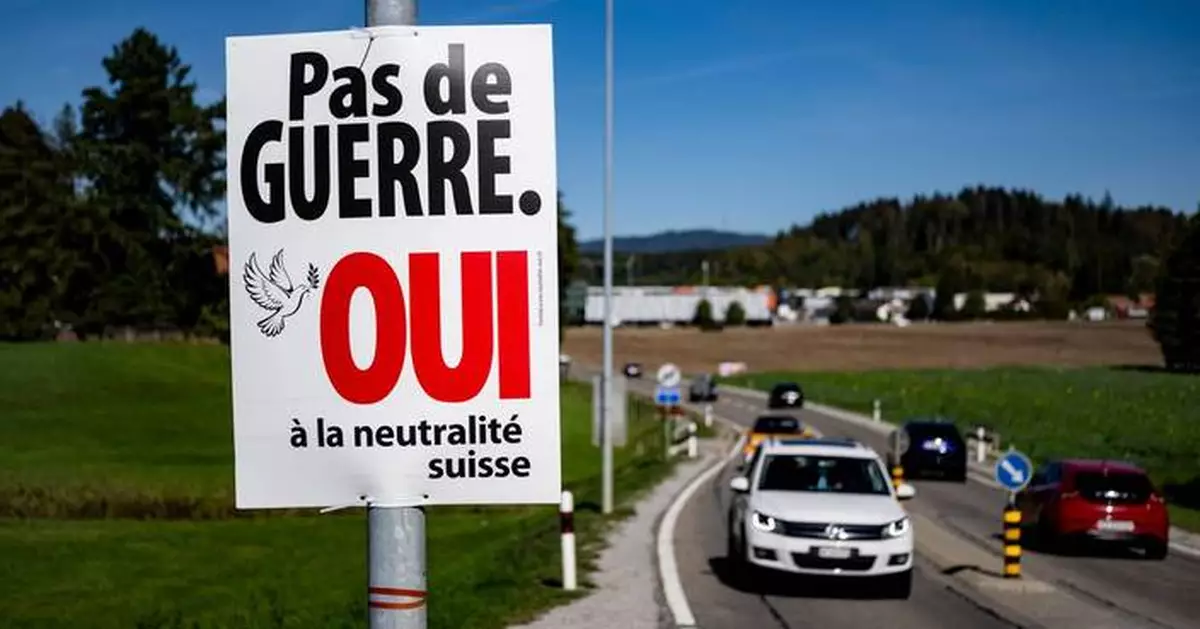
An electoral poster reads "No war, Yes to Swiss neutrality" is posted along a road in Epagny, Switzerland, Friday, Sept. 25, 2026. (Jean-Christophe Bott/Keystone via AP)
UNITED NATIONS (AP) — Presidents, premiers, monarchs and cabinet ministers have plenty to say at their annual gathering at the U.N. General Assembly. Still, sometimes they borrow a few words, quoting from a range of sources.
Speakers this week touched on homeland sayings, ancient texts, figures of moral authority and more — even a bit of Talking Heads (not TV pundits — the 1980s new wave band.)
Here's a sampling of references:
“Laws are made to prevent the strong from oppressing the weak.” — the ancient Babylonian king Hammurabi, quoted by Iraqi Prime Minister Ali al-Zaidi
“The coral reef where different species of fish congregate to feed and seek shelter.” — a reference from a Marshallese proverb, as explained by Marshall Islands President Hilda Heine
"We're on a road to nowhere.” — David Byrne of the band Talking Heads, quoted by Greek Prime Minister Kyriakos Mitsotakis
__
“We are the land, its custodians and its inhabitants. To us it belongs, for we are its people and its home. Today belongs to the people, and the glorious yesterday belongs to them, as well. To them belong the future, history and time itself.” — a Yemeni poet, as quoted by Abdullah Abdulkader al Alimi-Bawzer, vice president of Yemen's internationally recognized governing council, and as translated by U.N. interpreters
“The breach of one rule inevitably leads to the breach of other rules." — Mahatma Gandhi, quoted by Finnish President Alexander Stubb
“Members of the United Nations General Assembly, your very name implies commitment, through your peace initiatives and humanitarian policies, to igniting the fires of conscience, empathy, unity and equity.” — Barbados’ poet laureate, Esther Phillips, quoted by Barbadian Prime Minister Mia Mottley
“When we gather together in the moonlit village ground, it is not because of the moon. Every man can see it in his own compound. We come together because it is good for kinsmen to do so.” — author Chinua Achebe, quoted by President Azali Assoumani of The Comoros
“When there is anguish in Port-au-Prince, it’s still Africa crying. We're outing fires in faraway places when our neighbors are just burning.... I refuse to believe that we good people will forever turn our hearts and our eyes away. Haiti, I’m sorry.” — calypso singer David Rudder, quoted by President Godwin Friday of Saint Vincent and the Grenadines
“Knowledge is like the ocean’s waves: It comes in many forms and sizes, yet no wave overpowers another, and all ultimately reach the same shore.” — one of a couple of Palauan sayings translated and quoted by Palau President Surangel Whipps
“How wonderful it is that no one has to wait, but we can start right now to gradually change the world!" — Anne Frank, referred to by Dutch Prime Minister Rob Jetten, who also quoted Mahatma Gandhi, Nuremberg war crimes trial prosecutor Robert H. Jackson and an inscription at a cemetery for American World War II soldiers in the Netherlands
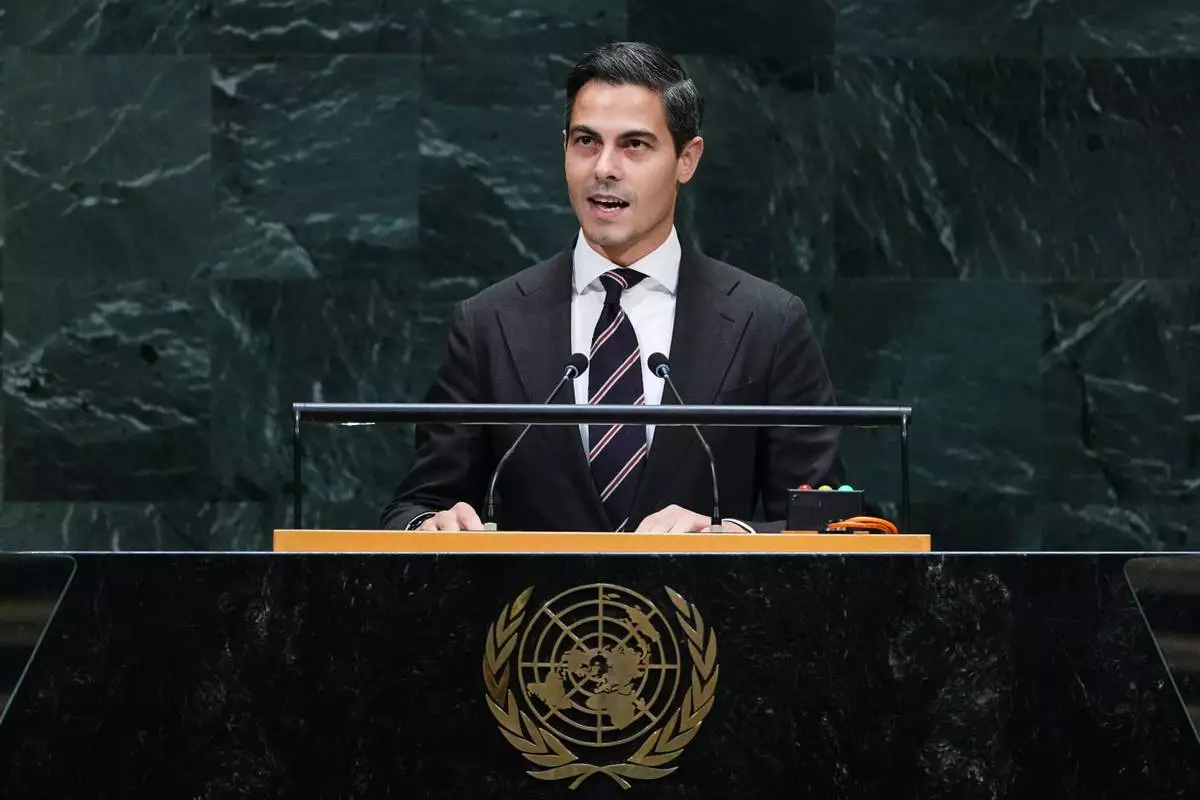
Netherlands Prime Minister Rob Jetten addresses the 81st session of the United Nations General Assembly at U.N. headquarters Thursday, Sept. 24, 2026. (AP Photo/Frank Franklin II)
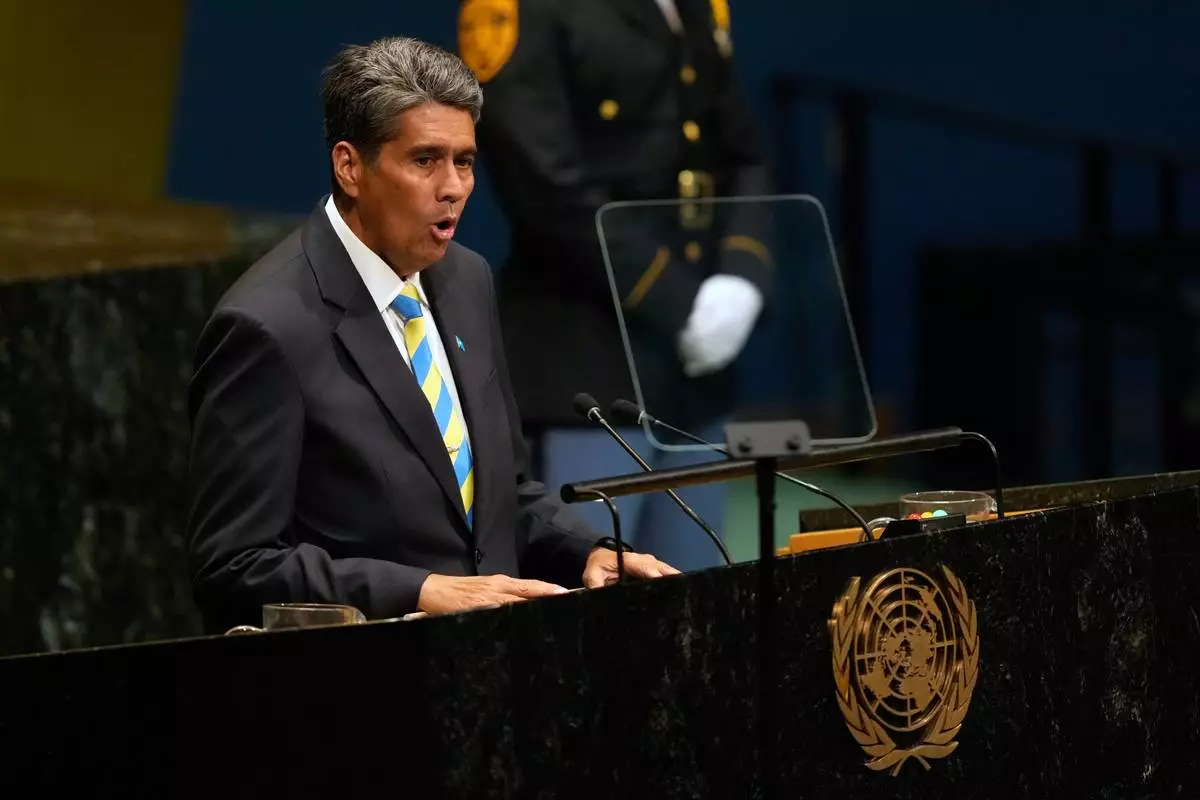
Palau's President Surangel Whipps Jr. speaks during the 81st session of the United Nations General Assembly at United Nations headquarters, Wednesday, Sept. 23, 2026. (AP Photo/Seth Wenig)
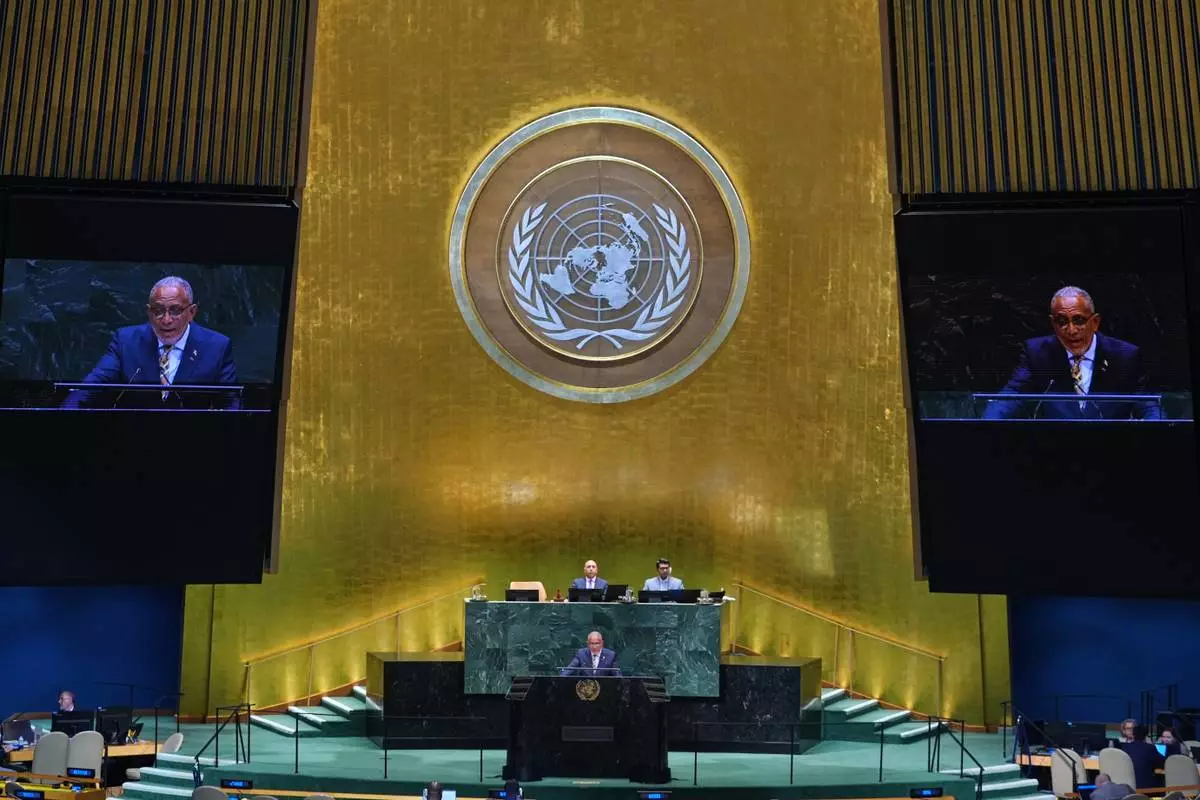
Saint Vincent and the Grenadines Prime Minister, Godwin Friday addresses the 81st session of the United Nations General Assembly at U.N. headquarters Friday, Sept. 25, 2026. (AP Photo/Frank Franklin II)
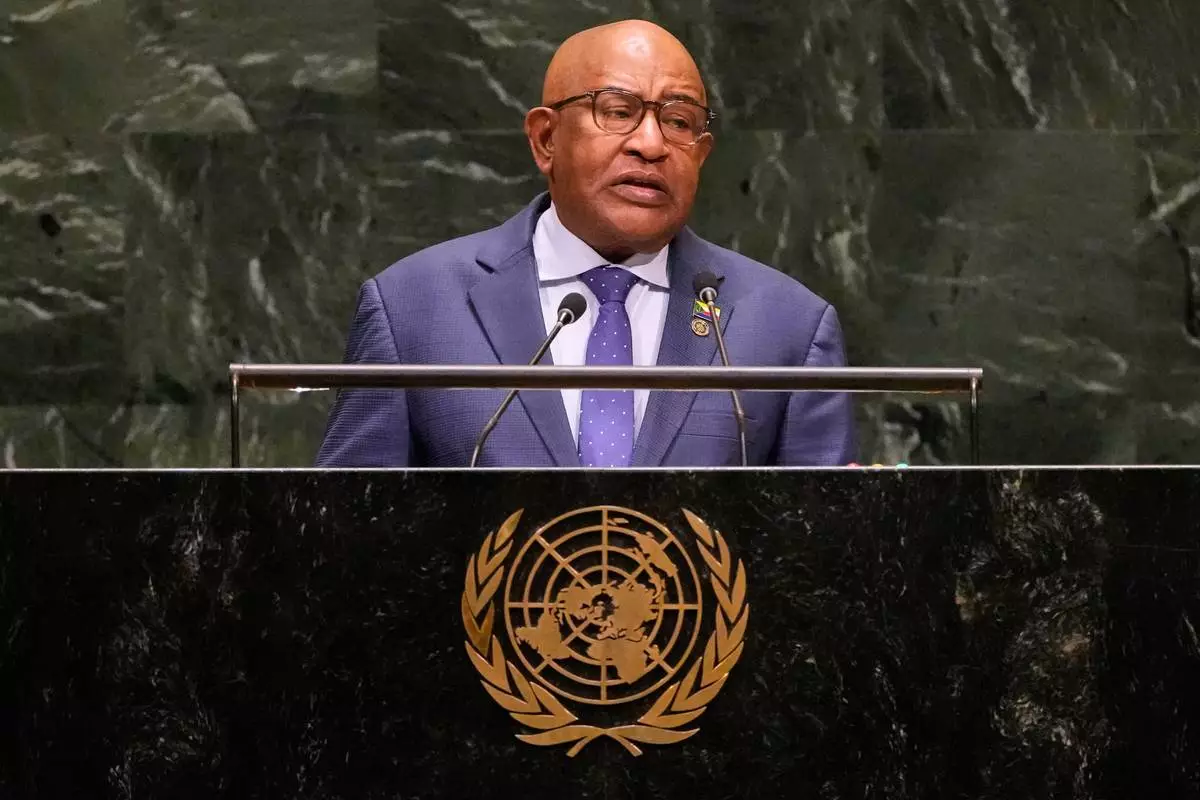
Comoros' President Azali Assouman speaks during the 81st session of the United Nations General Assembly at United Nations headquarters, Thursday, Sept. 24, 2026. (AP Photo/Seth Wenig)
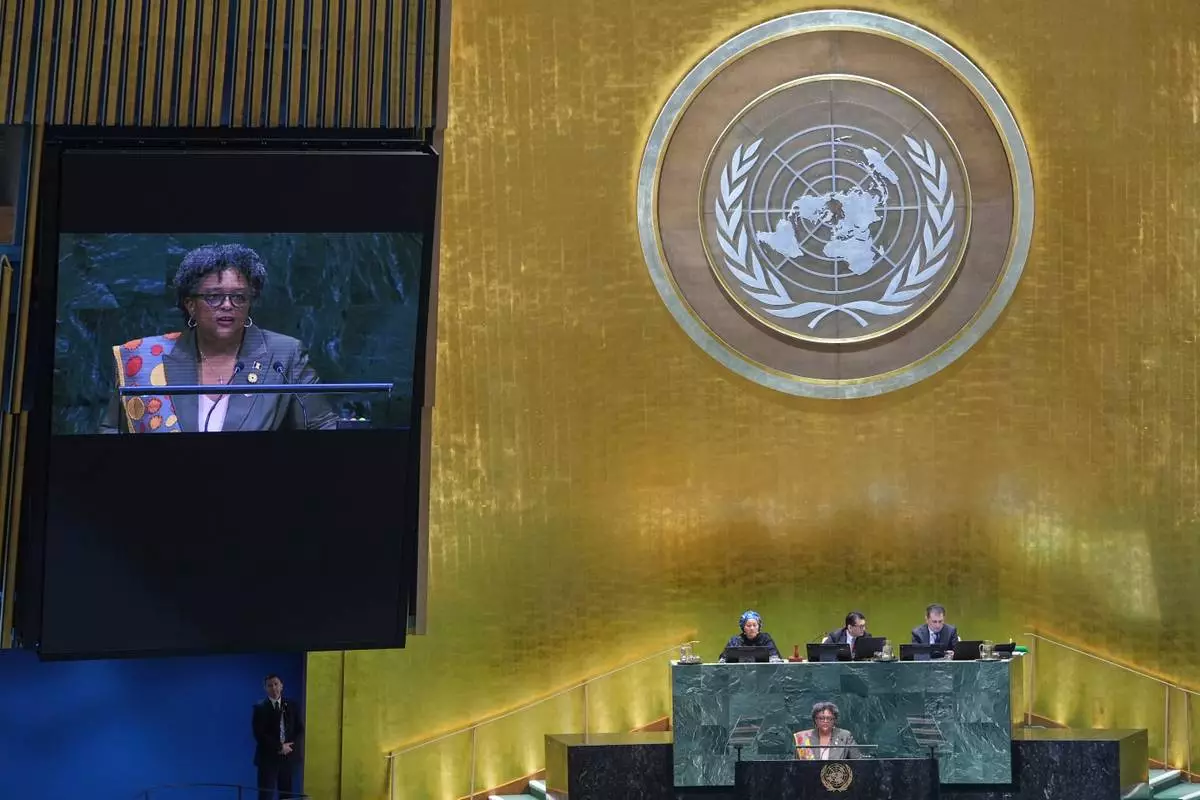
Barbados Prime Minister Mia Amor Mottley addresses the 81st session of the United Nations General Assembly at U.N. headquarters Thursday, Sept. 24, 2026. (AP Photo/Frank Franklin II)
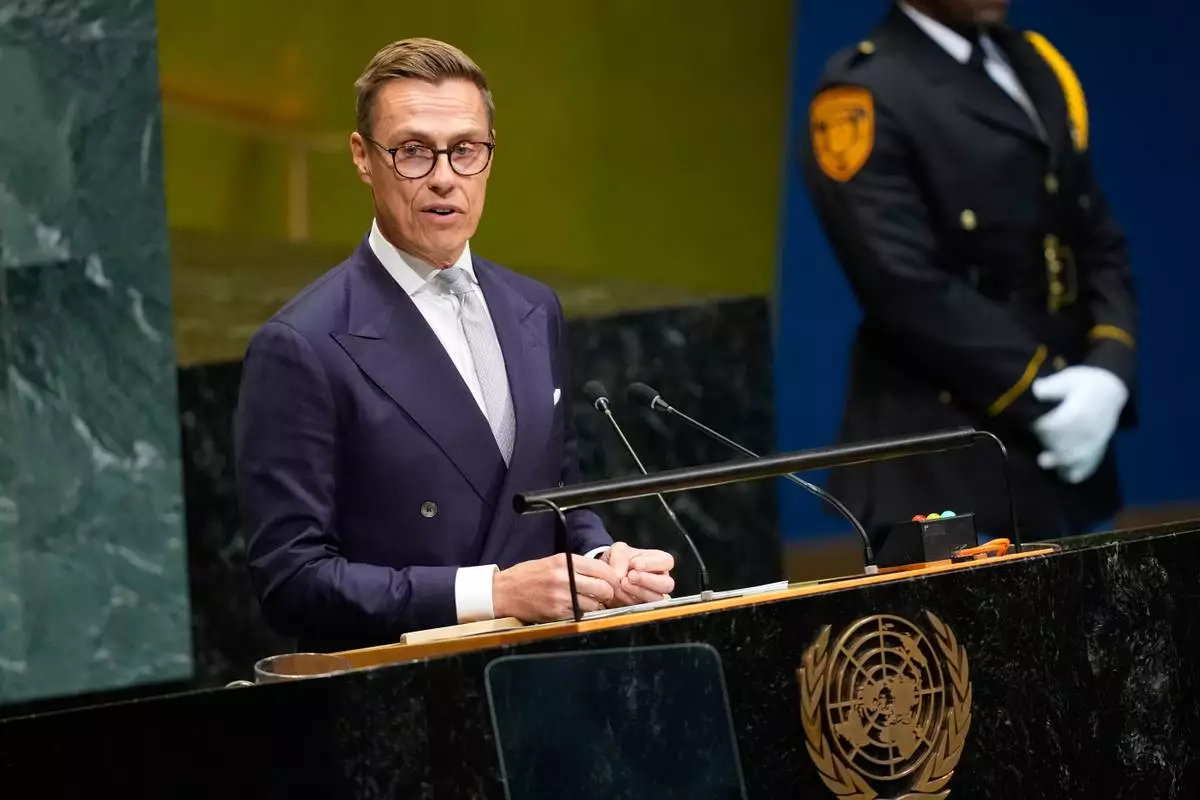
Finland's President Alexander Stubb speaks during the 81st session of the United Nations General Assembly at United Nations headquarters, Tuesday, Sept. 22, 2026. (AP Photo/Yuki Iwamura)
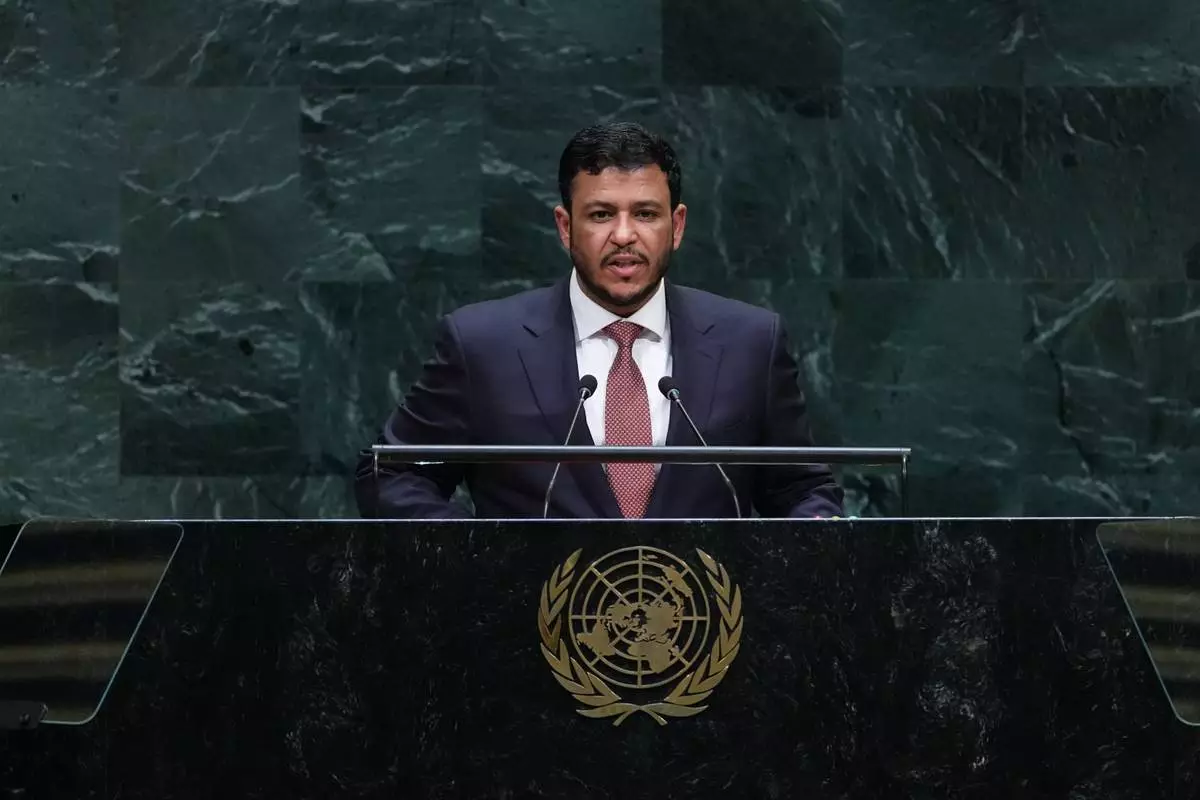
Yemen Vice President Abdullah Abdulkader Al Alimi-Bawzer addresses the 81st session of the United Nations General Assembly at U.N. headquarters Thursday, Sept. 24, 2026. (AP Photo/Frank Franklin II)
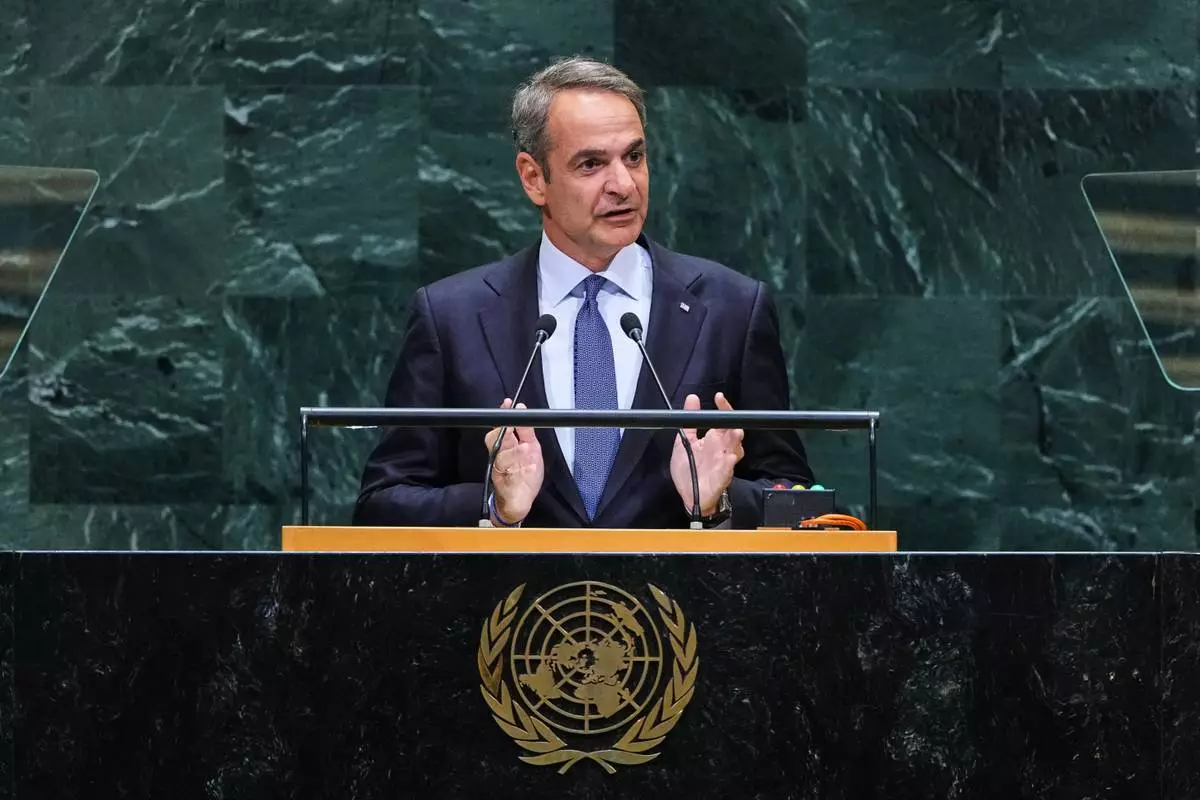
Prime Minister for Greece Kyriakos Mitsotakis addresses the 81st session of the United Nations General Assembly at U.N. headquarters Thursday, Sept. 24, 2026. (AP Photo/Frank Franklin II)
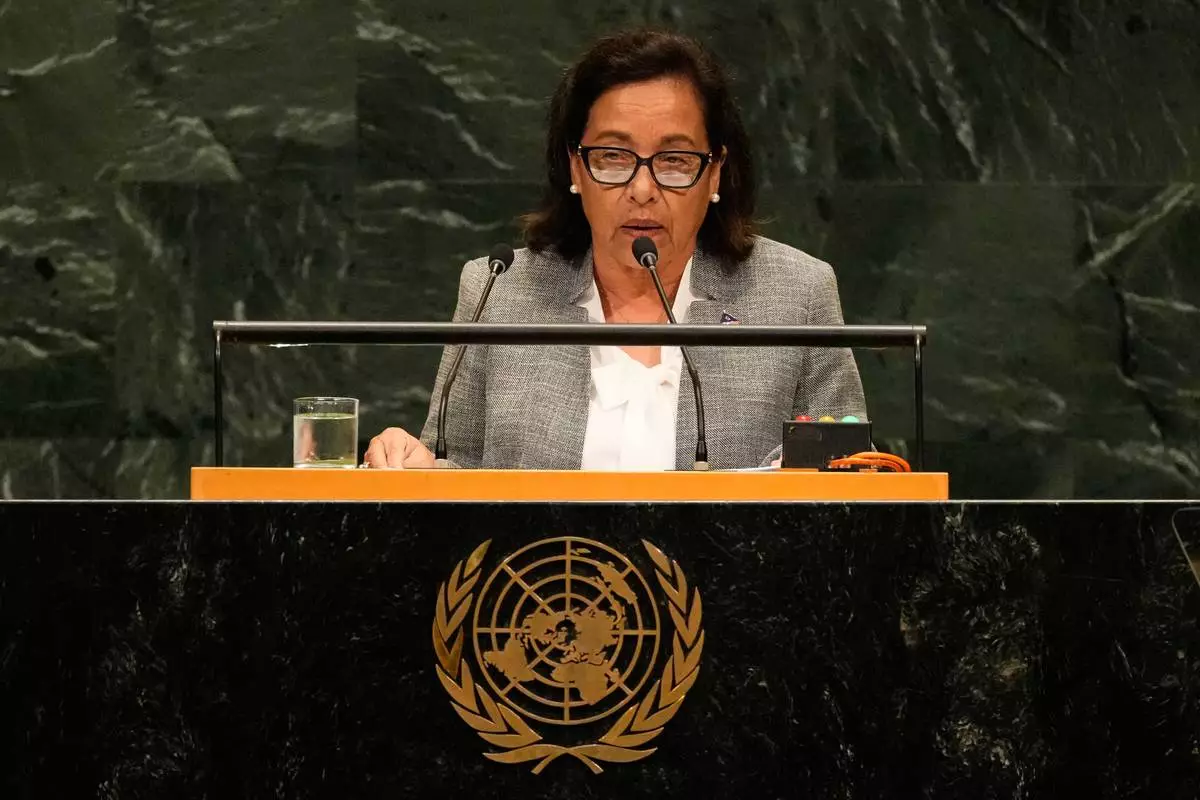
Marshall Islands' President Hilda Heine speaks during the 81st session of the United Nations General Assembly at United Nations headquarters, Friday, Sept. 25, 2026. (AP Photo/Seth Wenig)
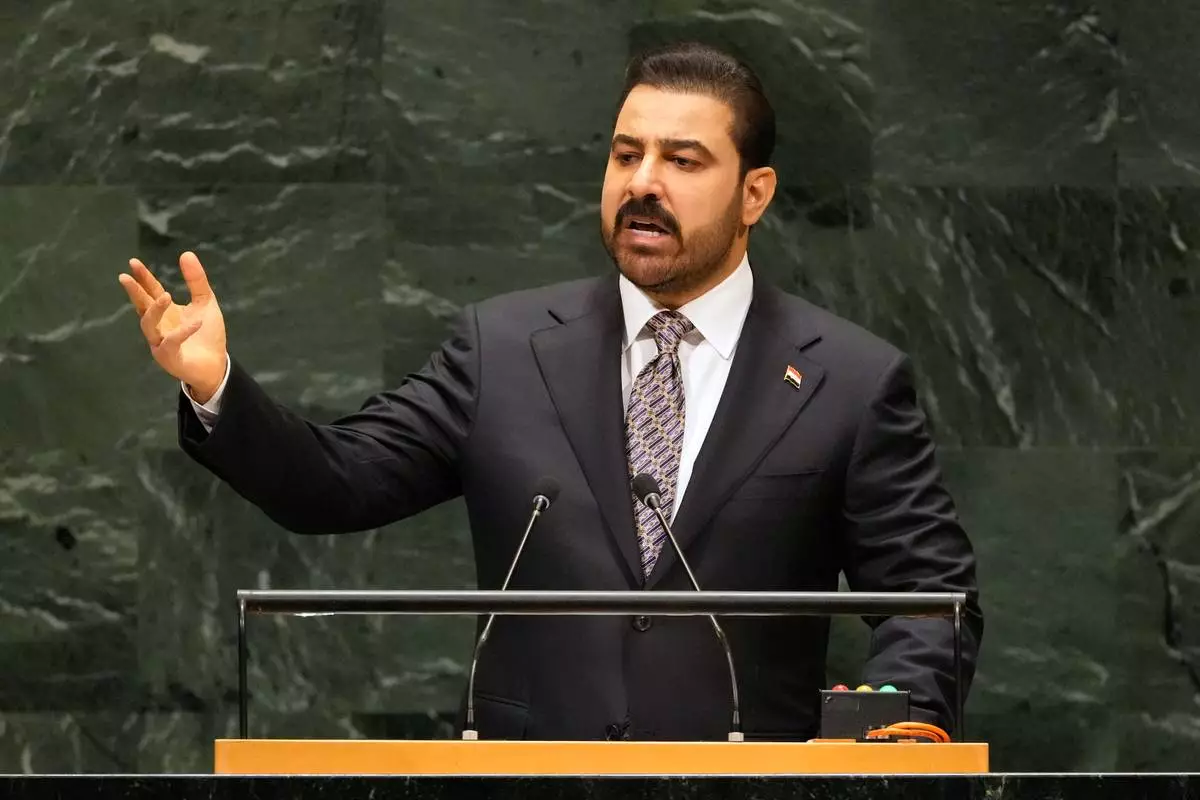
Iraq's Prime Minister Ali al-Zaidi speaks during the 81st session of the United Nations General Assembly at United Nations headquarters, Friday, Sept. 25, 2026. (AP Photo/Seth Wenig)