HAVANA (AP) — For months, two-thirds of Cuba had no electricity at night. Some neighborhoods in the capital Havana have been without running water for more than two weeks. Transportation is scarce and eggs, bread and cooking oil are hard to find.
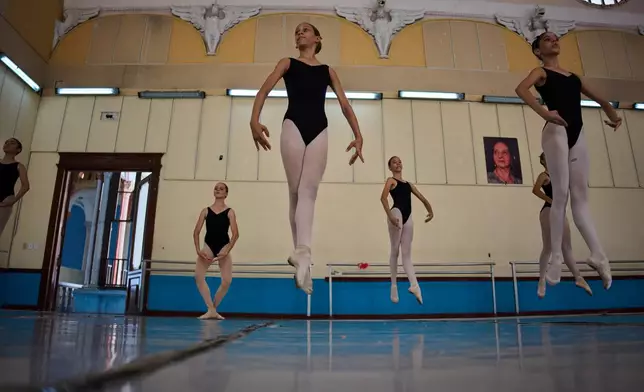
Yet every morning, about 178 young students gather for classes at the National Ballet School in the capital. Housed in an imposing Art Nouveau building in the heart of Old Havana, the school combines rigorous dance training with academic classes in math, Spanish, history and science.
Click to Gallery
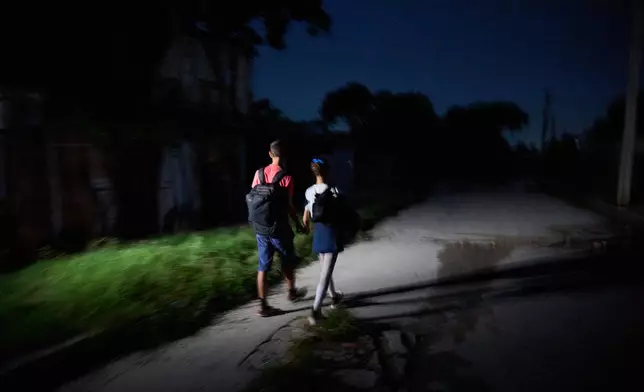
Ballet student Roxana Perez de la Mora, right, walks with her brother Rodrigo during a blackout on their way to the National Ballet School in Havana, Cuba, before sunrise, Wednesday, Sept. 16, 2026. (AP Photo/Ramon Espinosa)
Ballet student Roxana Perez de la Mora attends class at the National Ballet School in Havana, Cuba, Wednesday, Sept. 16, 2026. (AP Photo/Ramon Espinosa)
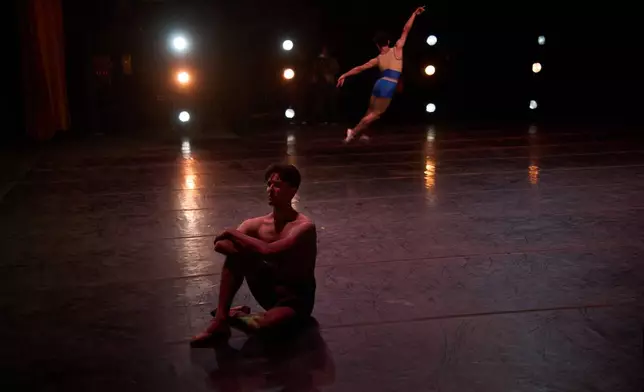
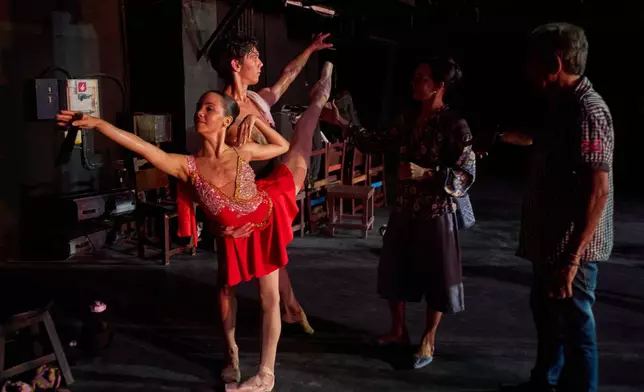
Dani Hernandez, principal dancer of the National Ballet of Cuba and director of the National Ballet School, sits on stage during rehearsal in Havana, Cuba, Friday, Aug. 21, 2026. (AP Photo/Ramon Espinosa)
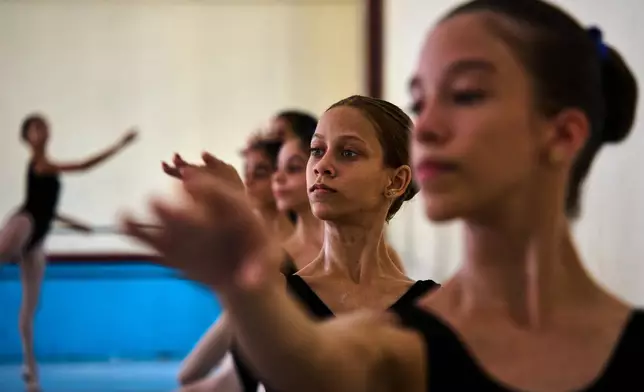
Ballet student Roxana Perez de la Mora, center, attends National Ballet School in Havana, Cuba, Wednesday, Sept. 16, 2026. (AP Photo/Ramon Espinosa)
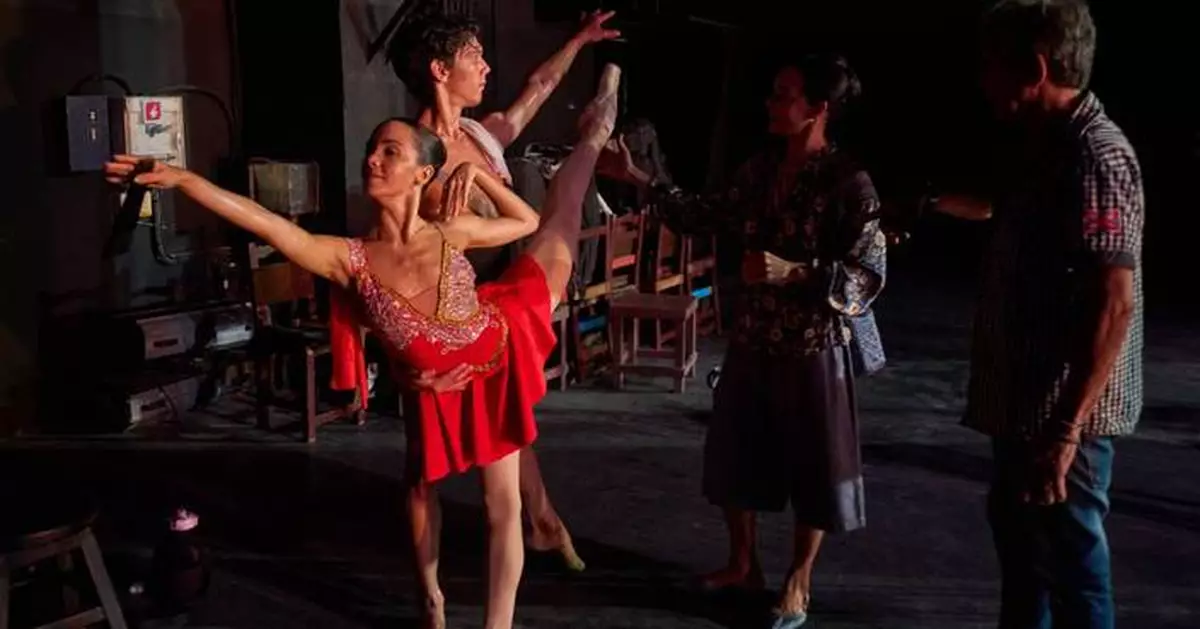
Dancers from the National Ballet of Cuba practice under the direction of National Ballet Director Viengsay Valdes, center, in Havana, Cuba, Friday, Aug. 21, 2026. (AP Photo/Ramon Espinosa)
Training to become a top-tier classical dancer demands discipline and sacrifice anywhere. In Cuba today, where blackouts and shortages of fuel, water and food complicate daily life, those demands extend far beyond the dance studio.
For 14-year-old Roxana Pérez de La Mora, that means waking up before dawn and traveling about 20 kilometers (12 miles) from her home to the school.
“Sometimes I tell my mom I don’t feel like going, but missing it could cause problems for me later in training,” she said. “I’ve always said that my dream is to be a prima ballerina.”
Despite Cuba’s ongoing crises, classical ballet remains a celebrated part of the country’s culture, nearly as popular on the island as baseball. Over the decades, Cuba has produced internationally renowned dancers and choreographers whose careers are closely followed by a knowledgeable ballet audience.
The Cuban National Ballet, founded in the 1940s by revered ballerina Alicia Alonso and her husband Fernando Alonso, is considered one of the world’s most prestigious companies. Tickets cost less than $1, while comparable performances elsewhere can cost as much as $300.
For its season-ending gala in August, the company presented “Canto Vital,” a work by Russian choreographer Azari Plisetski to music by Gustav Mahler. The performance starred Dani Hernández, a principal dancer who also directs the National Ballet School, where Roxana trains each day.
Fuel shortages had left the streets nearly empty that night, but the Avellaneda Hall at the National Theatre of Cuba was packed with elegantly dressed patrons, their hair and makeup styled for the occasion. The audience gave a standing ovation, shouting “Bravo!”
The combination of demanding leadership at the National Ballet and rigorous training at a public school has helped produce dozens of prominent dancers. Some have gone on to become principals at leading companies including the Paris Opera Ballet, the Royal Ballet in London and American Ballet Theatre in New York.
Hernández, the professional dancer and teacher, rides an electric motorcycle every day from his apartment in Havana to ballet class, which is a risky commute for someone whose career depends on avoiding injury.
During recent persistent blackouts, heat and mosquitoes forced Hernández, 37, to sleep on the terrace of his apartment building.
“Whether I have electricity or not, I have to be in the studio,” he said. “But I keep thinking: Will the food in my refrigerator spoil?”
Hernández expressed his worry about how the country's mounting crises could affect future generations of dancers.
“The entire situation we’re experiencing today could affect a generation of students training in ballet, dance, music, the visual arts,” he said in an interview with The Associated Press. “And it’s been the same for all other fields: engineering, medicine, education, everything else.”
Yet classical ballet remains a source of national pride while maintaining its internationally recognized standards, an endurance that is reflected in the discipline's broad appeal across Cuban society.
“It’s one of those things where you go out on the street and say, ‘Hey, I saw the ballet,’ and everyone starts talking to you about ballet,” he said.
Follow AP’s coverage of Latin America and the Caribbean at https://apnews.com/hub/latin-america.
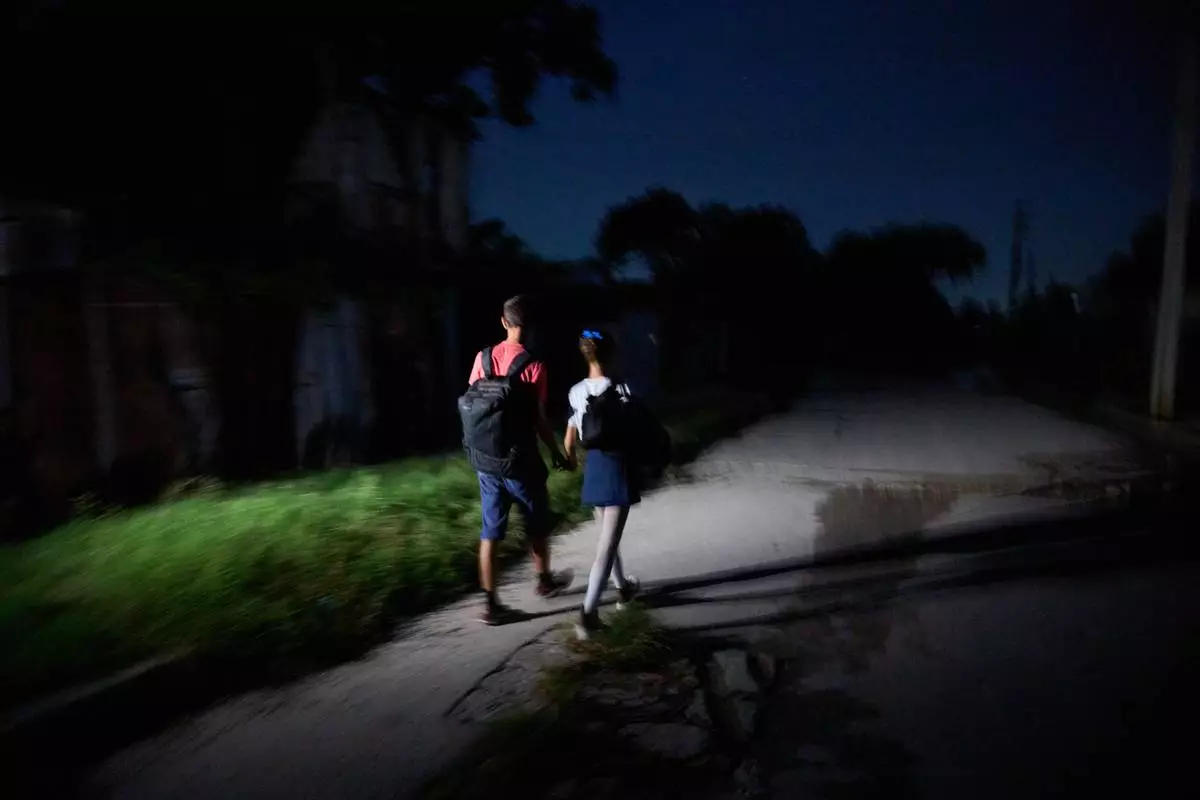
Ballet student Roxana Perez de la Mora, right, walks with her brother Rodrigo during a blackout on their way to the National Ballet School in Havana, Cuba, before sunrise, Wednesday, Sept. 16, 2026. (AP Photo/Ramon Espinosa)
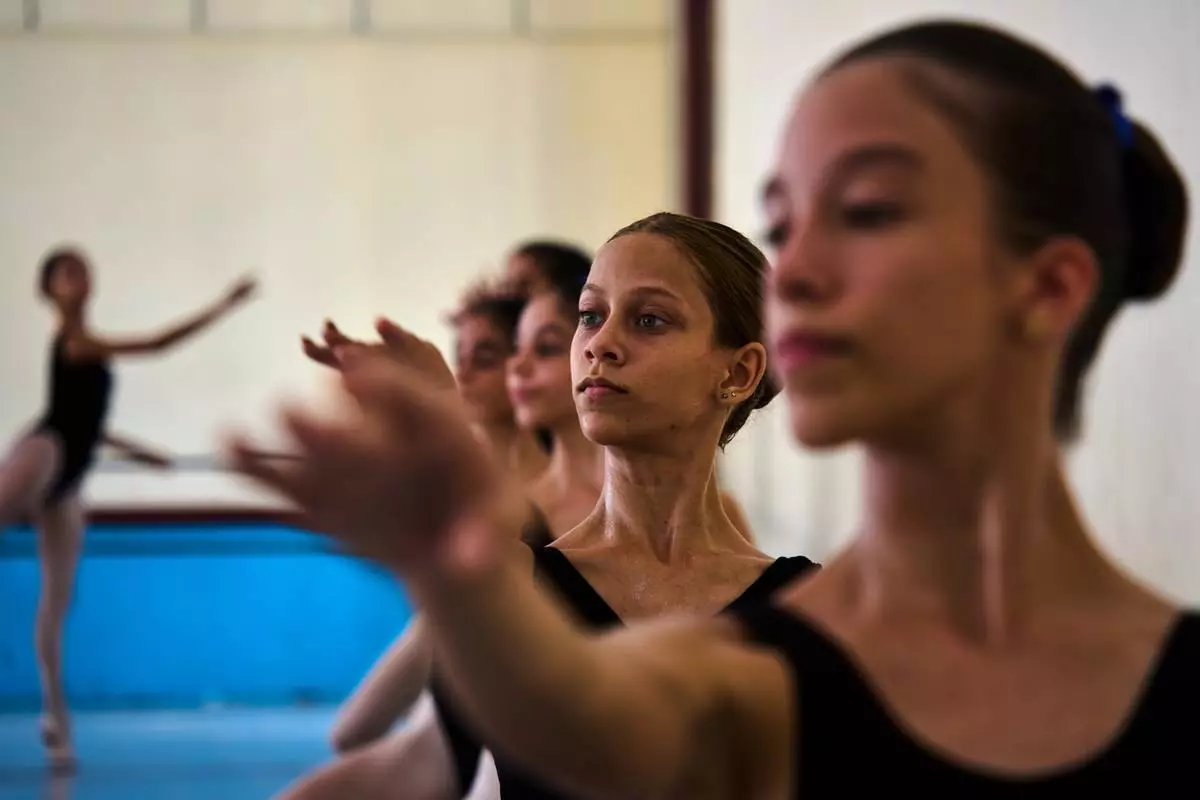
Ballet student Roxana Perez de la Mora attends class at the National Ballet School in Havana, Cuba, Wednesday, Sept. 16, 2026. (AP Photo/Ramon Espinosa)
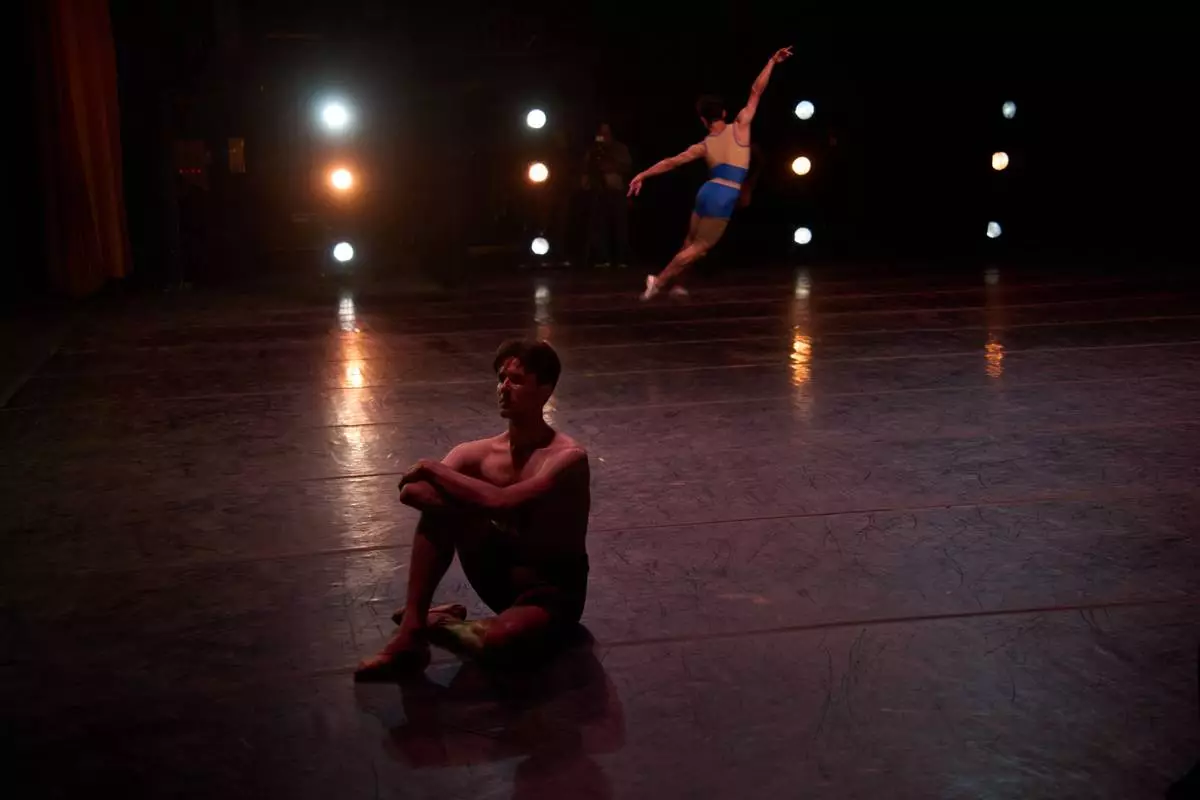
Dani Hernandez, principal dancer of the National Ballet of Cuba and director of the National Ballet School, sits on stage during rehearsal in Havana, Cuba, Friday, Aug. 21, 2026. (AP Photo/Ramon Espinosa)
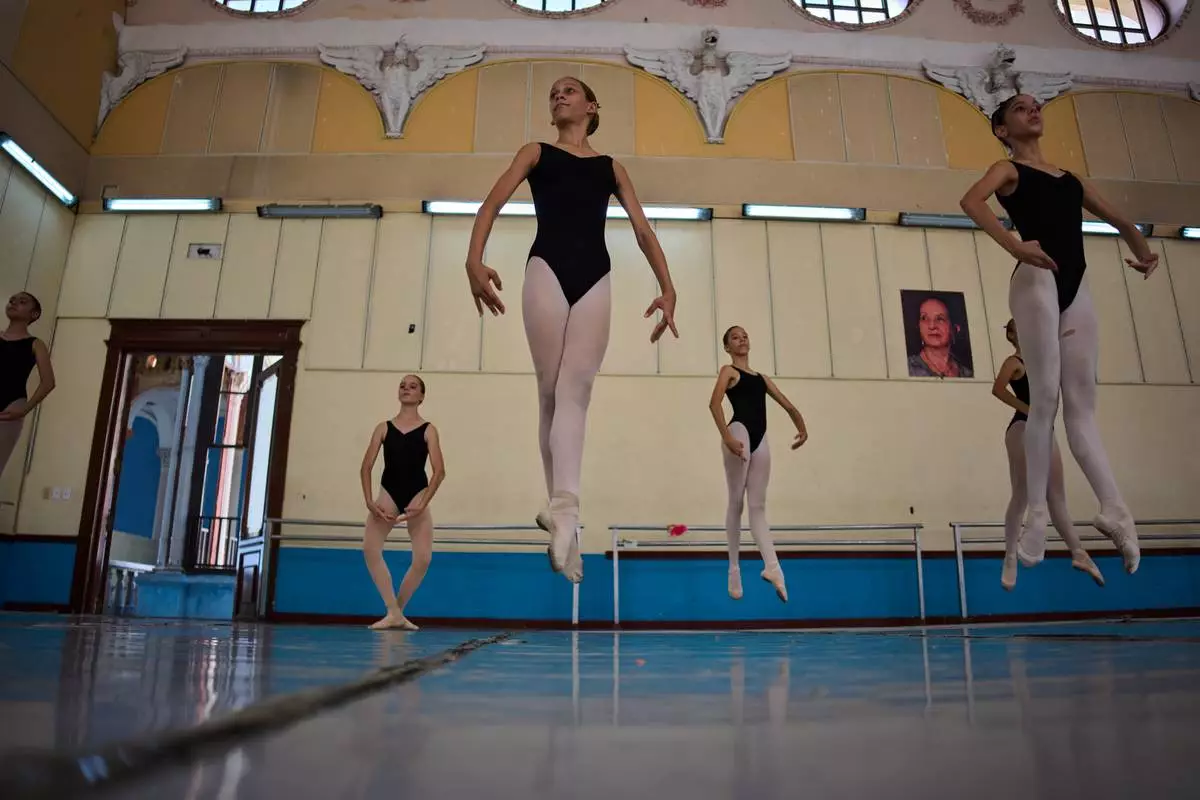
Ballet student Roxana Perez de la Mora, center, attends National Ballet School in Havana, Cuba, Wednesday, Sept. 16, 2026. (AP Photo/Ramon Espinosa)
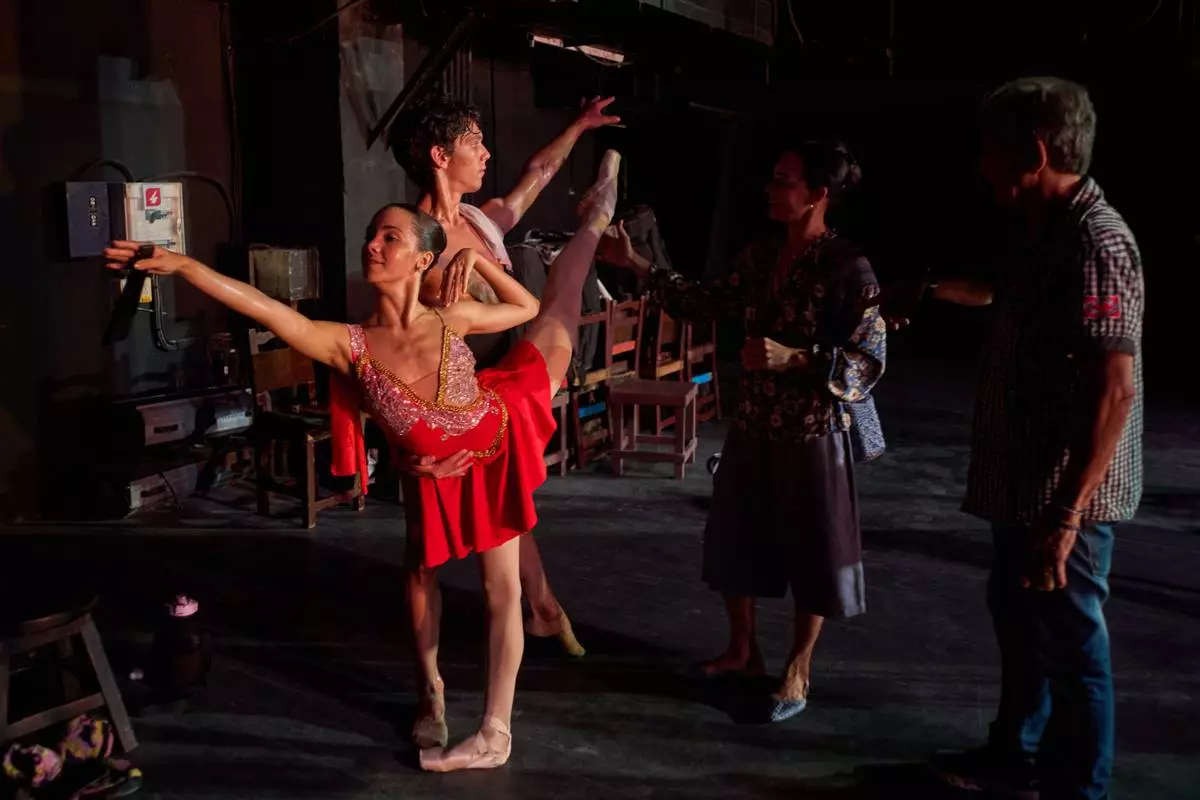
Dancers from the National Ballet of Cuba practice under the direction of National Ballet Director Viengsay Valdes, center, in Havana, Cuba, Friday, Aug. 21, 2026. (AP Photo/Ramon Espinosa)
ISLAMABAD (AP) — It's a familiar sight in Pakistan’s capital whenever a protest is expected: shipping containers lined up along streets or placed across key routes to restrict demonstrators’ movement and keep them from reaching sensitive areas.
For residents, the steel barriers have become an unmistakable warning of what may follow: blocked streets, snarled traffic and long detours across Islamabad and neighboring Rawalpindi.
The latest deployment came ahead of a march by supporters of imprisoned former Prime Minister Imran Khan demanding his release. Cranes have lifted red, blue and green containers from trucks and lowered them into place along roads.
Originally scheduled for Sept. 27, the march was postponed until Oct. 4, but many of the containers remain in place. Since last week, police have positioned them along key routes leading to the Red Zone, home to Parliament, government offices and foreign embassies.
Khan, a former cricket star turned politician and Prime Minister Shehbaz Sharif’s main political rival, has been imprisoned since 2023. He is serving multiple prison sentences following convictions on corruption and other charges. Khan and his Pakistan Tehreek-e-Insaf party say the cases are politically motivated.
Khan was ousted in a parliamentary no-confidence vote in April 2022. Sharif returned to office after lawmakers elected him prime minister following the Feb. 8, 2024, parliamentary election. Khan’s party says its mandate was stolen in that vote, an allegation the government denies.
Now against Islamabad’s green hills and tree-lined avenues, the rows of brightly colored containers are hard to miss. Some sit beside busy roads, ready to be moved. Others are stacked two high or positioned across traffic lanes, turning broad avenues into narrow, controlled passages.
“It looks like a city of containers,” Islamabad housewife Sahiba Bibi said.
She said this time the disruption began before demonstrators had even set out for Islamabad from across the country, particularly from northwestern Khyber Pakhtunkhwa province, where Khan’s party governs.
PTI's top leadership said it delayed the march because authorities had blocked key approaches to the capital, including Attock Bridge, a major crossing for convoys traveling from Khyber Pakhtunkhwa. Containers and spiked metal sheets had been placed along the route that Khyber Pakhtunkhwa Chief Minister Sohail Afridi and his supporters were expected to take, party organizers said.
Even where roads remained open, the preparations narrowed traffic lanes and created long lines of vehicles. Commuters searched for alternate routes, while shopkeepers along potential protest paths weighed whether to close their businesses, fearing damage if unrest or clashes broke out.
Authorities say they pay rent to owners of container trucks for the use of the containers. But some drivers say police stop them on highways, seize their vehicles and take their keys.
Rehmat Gul, a container-truck driver, said police stopped him and took his keys before impounding his truck. The container was later placed on a road near Rawalpindi, he said.
“Fuel prices have almost doubled because of the ongoing tensions between the United States and Iran,” said Abdul Hafeez, a government employee who commutes from Rawalpindi to Islamabad for work and also drives his children to school. “At a time when we are already struggling to keep our kitchens running, roadblocks force us to travel farther.”
“If the government does not block the roads, we have no problem with these protests,” he said.
For many residents, the containers are no longer merely a security measure. Their arrival signals that another political confrontation is approaching and that ordinary life may be disrupted.
The government, however, says the precautions are necessary.
“PTI has a track record of disruption and vandalism during protests, and its supporters would not be allowed to enter the capital,” Information Minister Attaullah Tarar told reporters in Peshawar last week.
Afridi rejected the government’s characterization, saying PTI’s sole purpose was to hold a peaceful rally demanding Khan’s release.
Authorities used similar measures in November 2024, sealing roads into Islamabad as Khan’s supporters attempted to reach the capital despite a ban on rallies. Police fired tear gas to disperse the protesters.
That experience has taught residents not to wait for a formal road-closure announcement.
Once cranes begin lowering containers into place, many start changing their routes, and some begin stocking up on food.
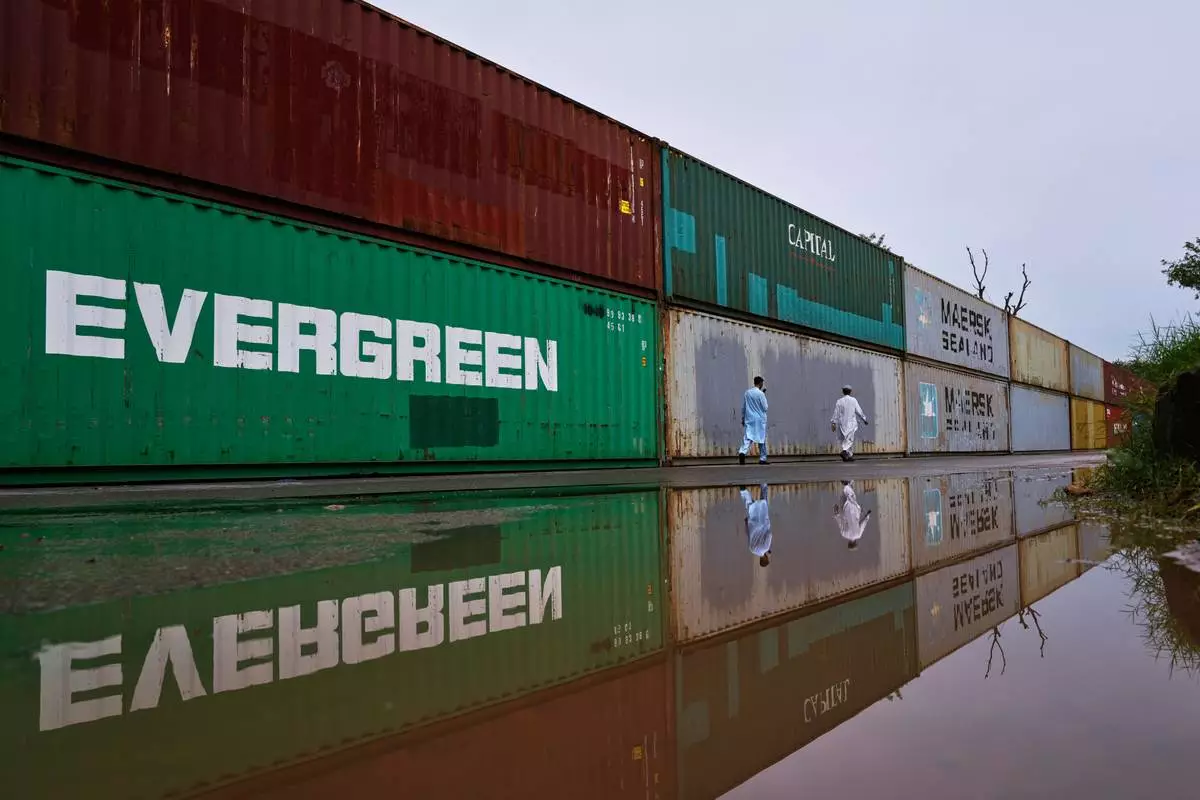
Residents walk past shipping containers placed by authorities to seal off an area ahead of a plan protest march by the supporters of imprisoned former Prime Minister Imran Khan demanding his release, in Islamabad, Pakistan, Monday, Sept. 28, 2026. (AP Photo/Anjum Naveed)
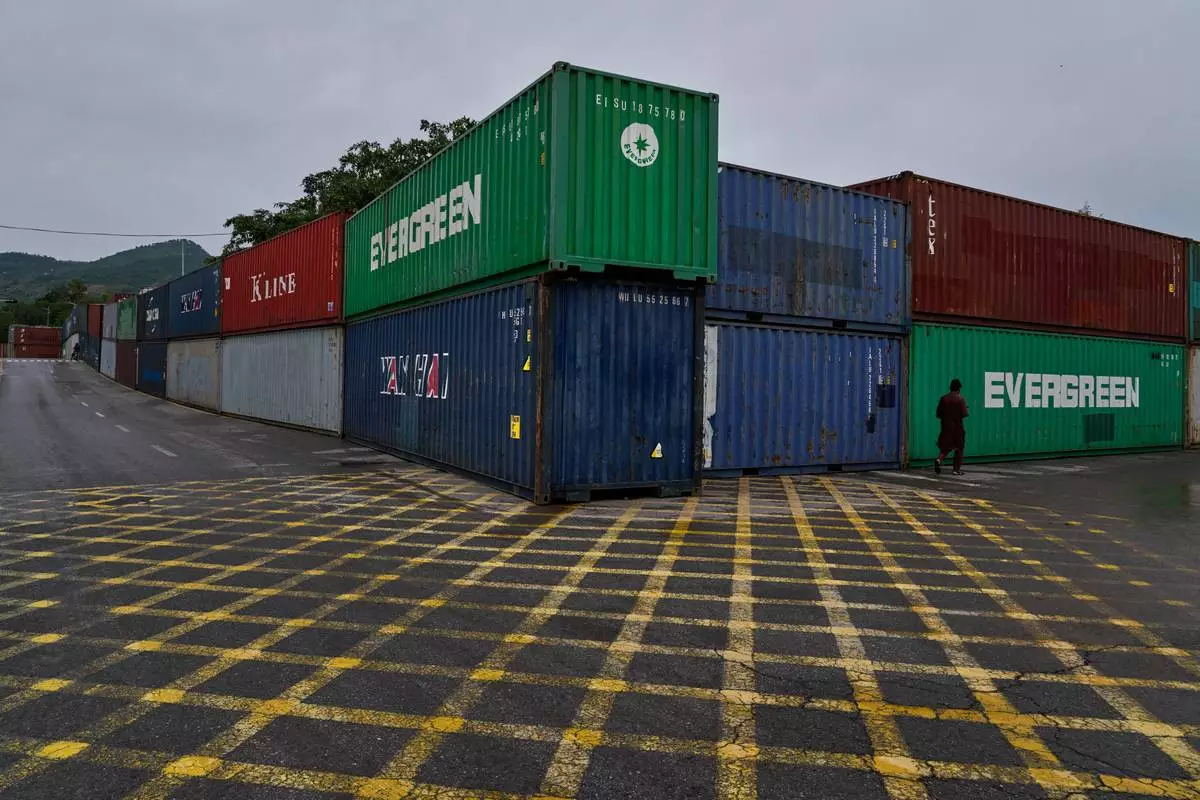
A resident walk past shipping containers placed by authorities to seal off an area ahead of a plan protest march by the supporters of imprisoned former Prime Minister Imran Khan demanding his release, in Islamabad, Pakistan, Monday, Sept. 28, 2026. (AP Photo/Anjum Naveed)
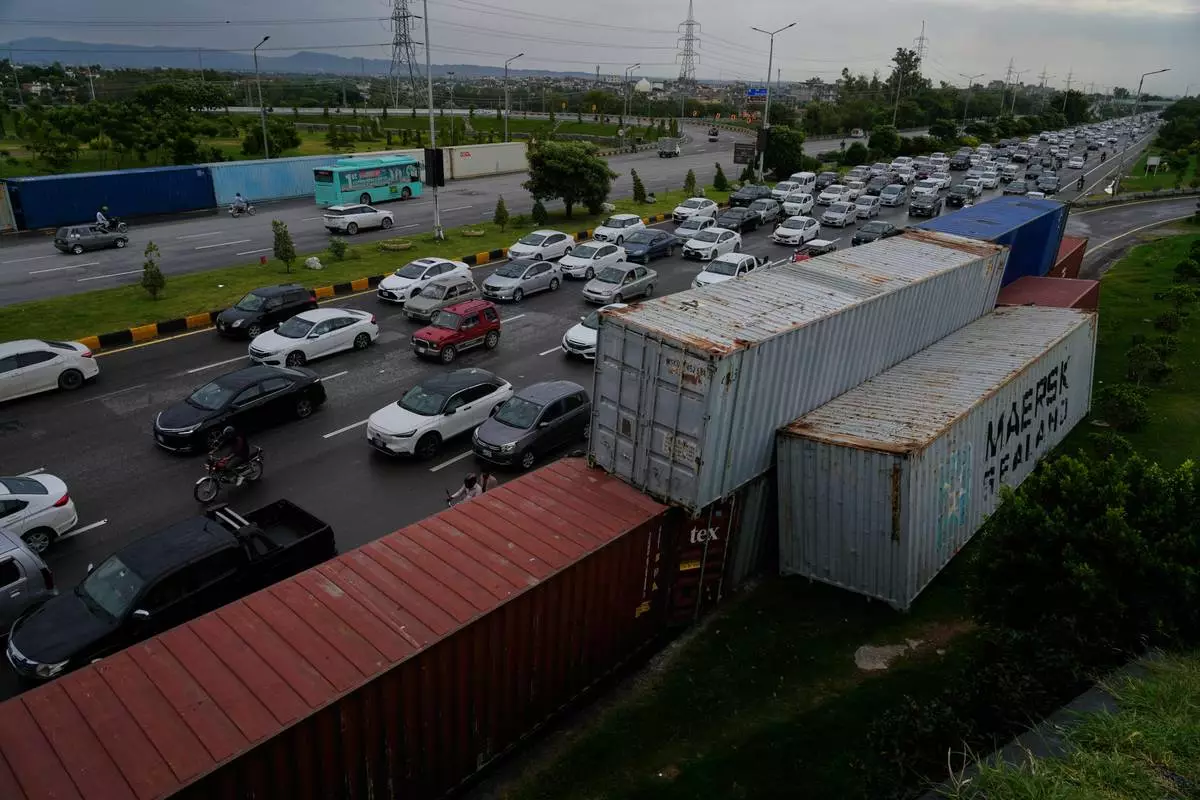
Vehicles drive past shipping containers placed by authorities along side on a highway for seal off an area ahead of a plan protest march by the supporters of imprisoned former Prime Minister Imran Khan demanding his release, in Islamabad, Pakistan, Monday, Sept. 28, 2026. (AP Photo/Anjum Naveed)
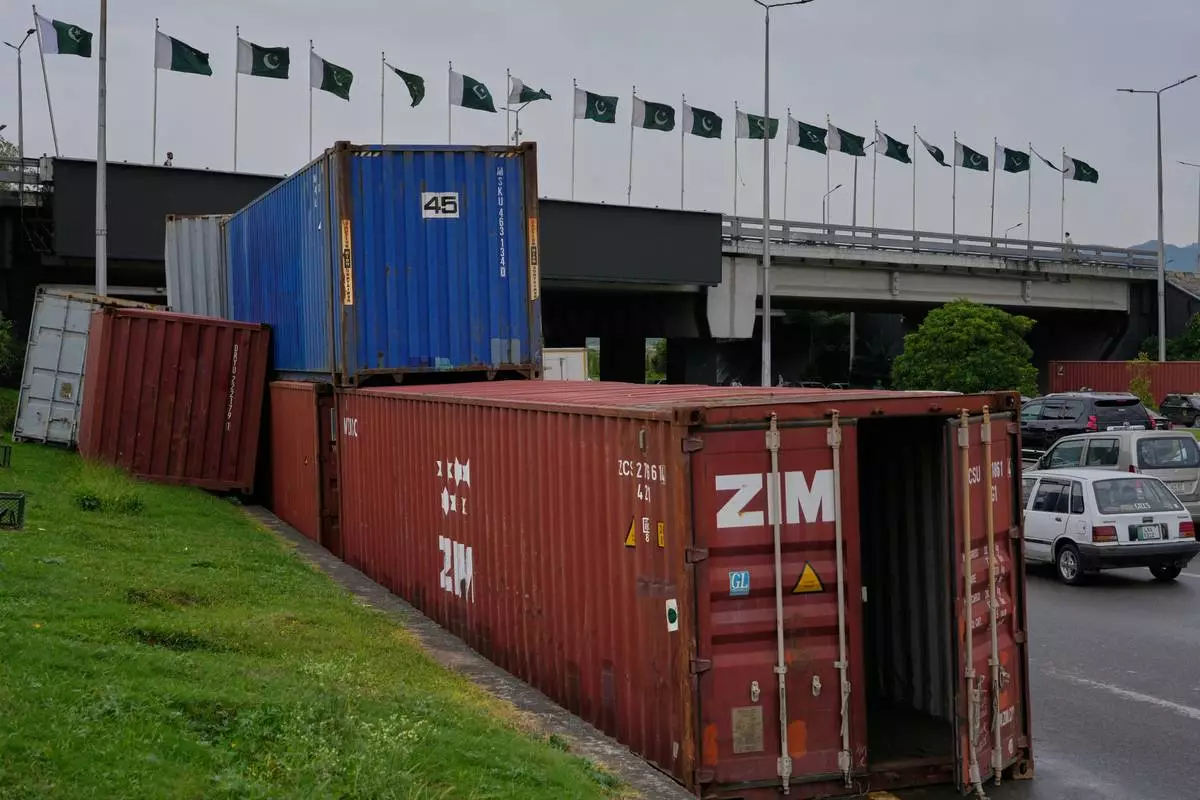
Shipping containers placed by authorities along side on a highway for seal off an area ahead of a plan protest march by the supporters of imprisoned former Prime Minister Imran Khan demanding his release, in Islamabad, Pakistan, Monday, Sept. 28, 2026. (AP Photo/Anjum Naveed)
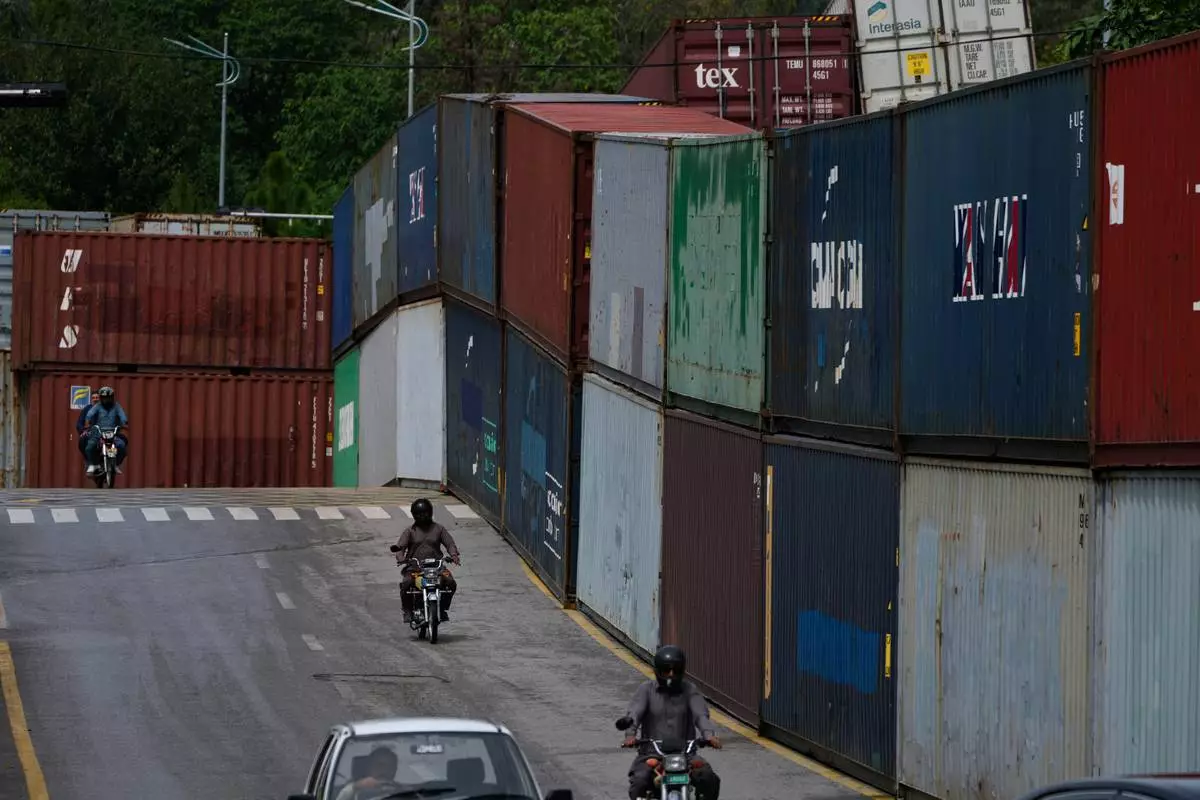
Motorcyclists drive past shipping containers placed by authorities to seal off an area ahead of a plan protest march by the supporters of imprisoned former Prime Minister Imran Khan demanding his release, in Islamabad, Pakistan, Monday, Sept. 28, 2026. (AP Photo/Anjum Naveed)
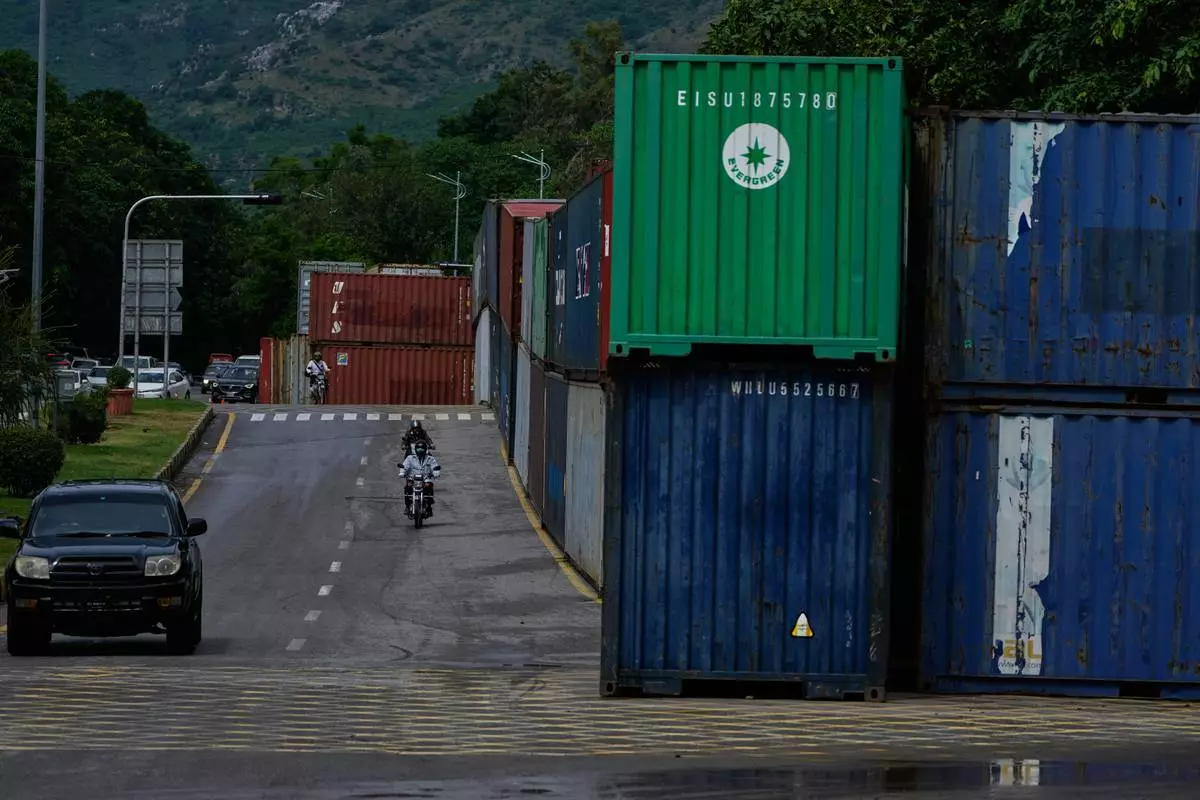
Motorcyclists drive past shipping containers placed by authorities to seal off an area ahead of a plan protest march by the supporters of imprisoned former Prime Minister Imran Khan demanding his release, in Islamabad, Pakistan, Monday, Sept. 28, 2026. (AP Photo/Anjum Naveed)
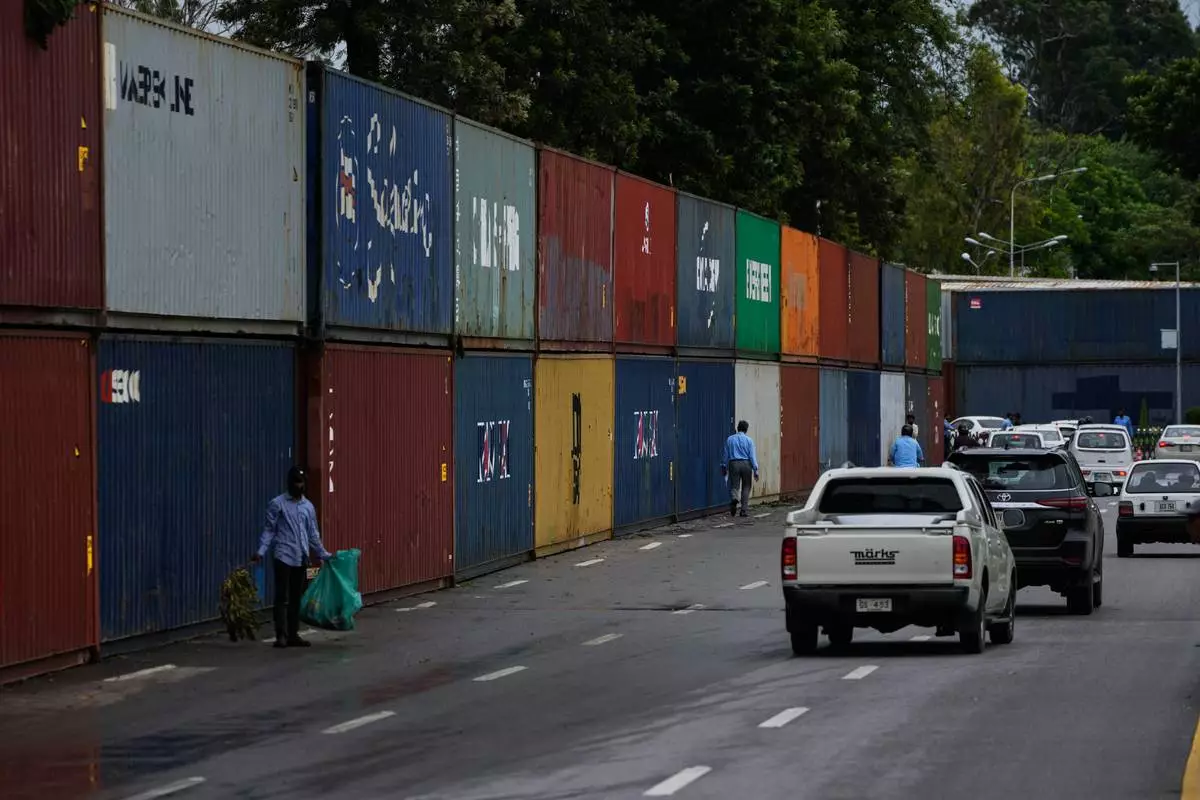
Vehicles drive past shipping containers placed by authorities to seal off an area ahead of a plan protest march by the supporters of imprisoned former Prime Minister Imran Khan demanding his release, in Islamabad, Pakistan, Monday, Sept. 28, 2026. (AP Photo/Anjum Naveed)
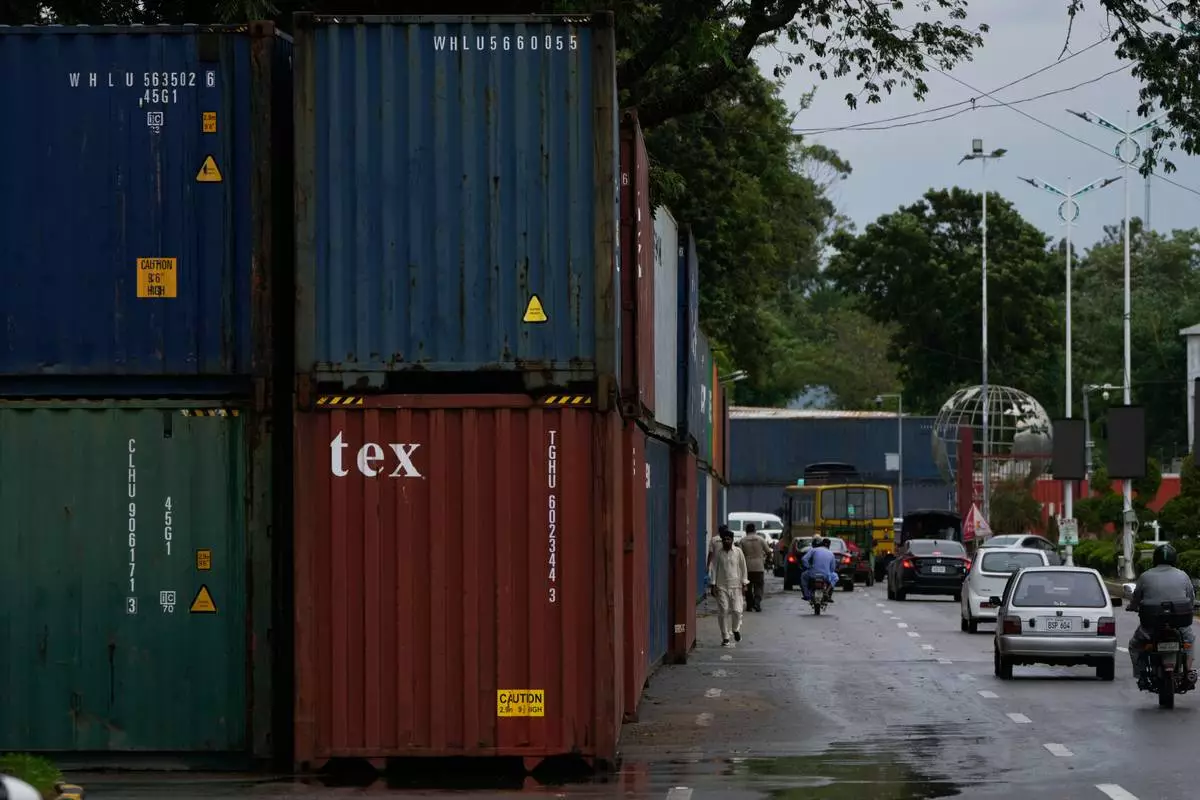
Vehicles drive past shipping containers placed by authorities to seal off an area ahead of a plan protest march by the supporters of imprisoned former Prime Minister Imran Khan demanding his release, in Islamabad, Pakistan, Monday, Sept. 28, 2026. (AP Photo/Anjum Naveed)