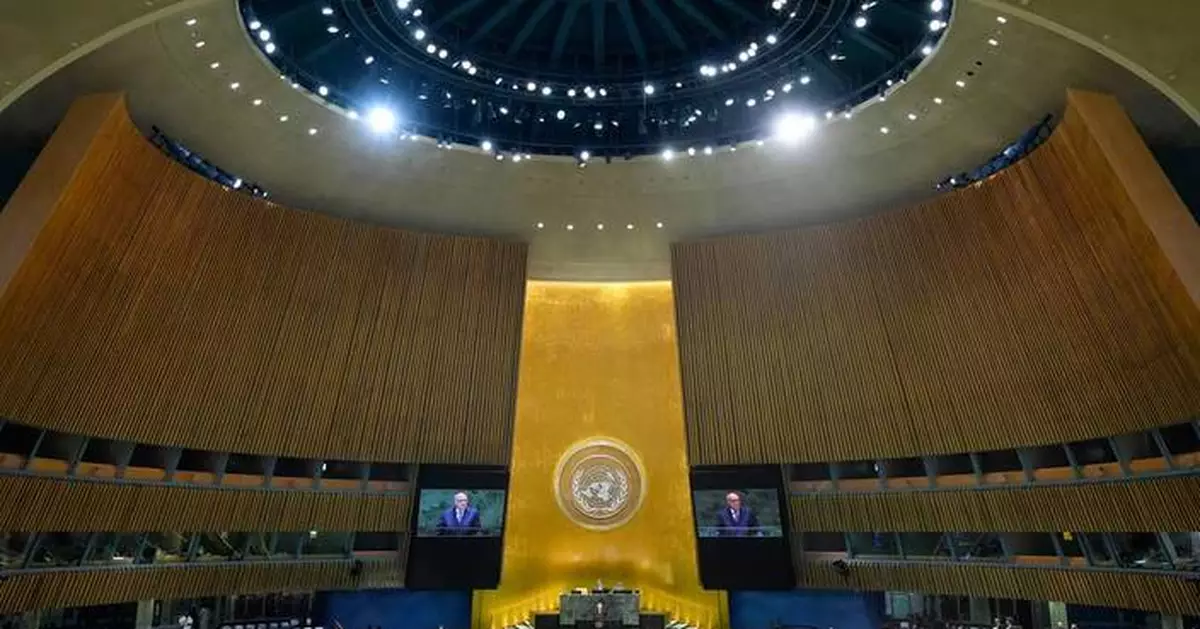
NEW YORK (AP) — There is doom. There is gloom. There is mistrust. There is insistence upon shared power and the prevention of political and military bullying. And there is a growing cry for permanent seats at the table of power — for island nations threatened by climate change and, more than anything, for Africa.
These things have often been true in recent years when world leaders orate at one another during their annual meeting at the U.N. General Assembly, which concluded Monday. This year, though, the discourse seemed even more urgent than usual. Across the words of more than 150 speeches, two things emerged as clear: Many leaders deeply want the world body to work. And many have concluded that it isn't.
Click to Gallery
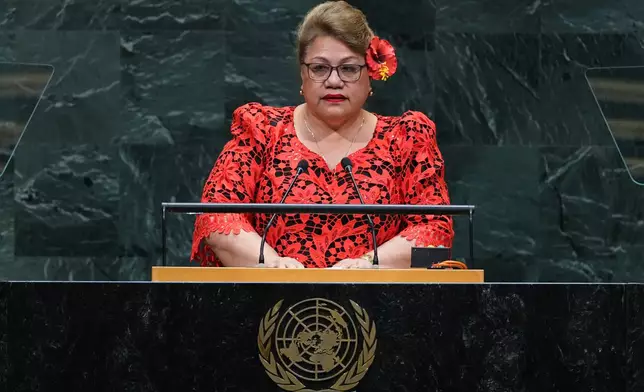
Samoa's Deputy Prime Minister Mulipola Anarosa Ale Molioo addresses the 81st session of the United Nations General Assembly at U.N. headquarters Friday, Sept. 25, 2026. (AP Photo/Frank Franklin II)
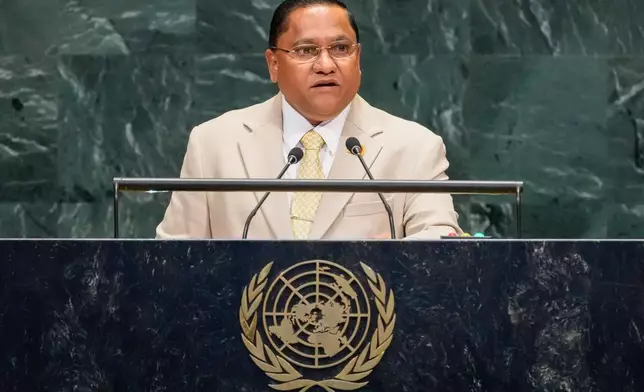
Sri Lanka's Minister of Foreign Affairs Vijitha Herath addresses the 81st session of the United Nations General Assembly at United Nations headquarters, Monday, Sept. 28, 2026. (AP Photo/Yuki Iwamura)
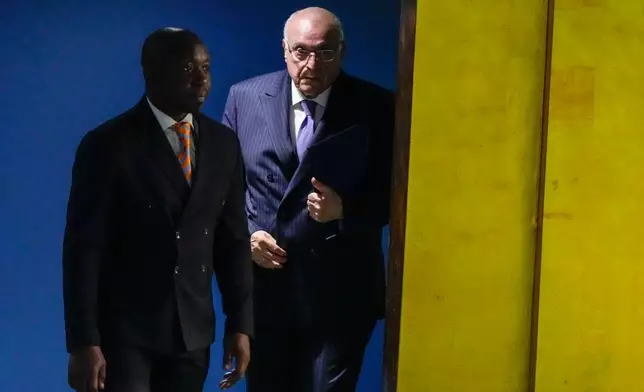
Algeria's Minister of Foreign Affairs Ahmed Attaf is escorted to the podium to address the 81st session of the United Nations General Assembly at United Nations headquarters, Monday, Sept. 28, 2026. (AP Photo/Yuki Iwamura)
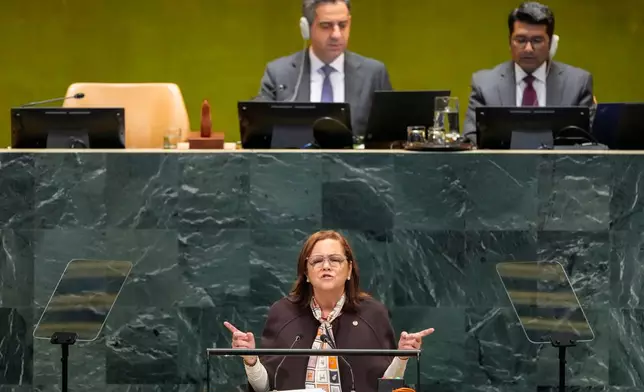
El Salvador's Minister of Foreign Affairs Alexandra Hill Tinoco addresses the 81st session of the United Nations General Assembly at United Nations headquarters, Monday, Sept. 28, 2026. (AP Photo/Yuki Iwamura)
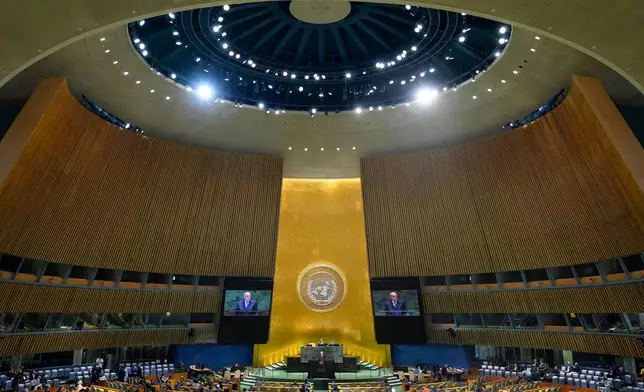
Algeria's Minister of Foreign Affairs Ahmed Attaf addresses the 81st session of the United Nations General Assembly at United Nations headquarters, Monday, Sept. 28, 2026. (AP Photo/Yuki Iwamura)
“Where are the United Nations?” Alexandra Hill Tinoco, the foreign minister of El Salvador, asked Monday. “Do we have an organization that is still relevant?”
That was the question that hung over the weeklong gathering as leader after world leader — in different words, with different details — probed at the very heart of the organization that was founded eight decades ago to prevent a conflict like World War II from ever happening again.
At the heart of the U.N. ethos sits a word that most regular people never use: “multilateralism.” The optimistic principle — that problems that cross borders, regions and oceans can be solved by cooperation and shared power — is a potent one, advocated by almost everyone (the United States under Donald Trump being a notable exception).
But that flavor of multilateralism was conceived and built in a different era, when globalized challenges like pandemics, climate change and artificial intelligence did not sit quite so front and center. Even today, those that hold the true power — the ability to veto anything that comes before the U.N. Security Council without giving a reason — are the same five nations given it at the end of World War II.
“Multilateralism is under siege," said Mulipola Anarosa Ale-Molioʻo, Samoa's deputy prime minister.
It's not surprising, then, that the theme of this year's leaders' meeting at the General Assembly was “restoring trust.” From the barrage of remarks about it being broken, it seemed obvious that something needs to give in order to, as Algerian Foreign Minister Ahmed Attaf put it, create “a shared home rather than an organization held hostage to the dominance of power politics.”
“There are problems,” said the foreign minister of Sri Lanka, Vijitha Herath, “which no country can solve alone.”
One sticking point that the scores of speeches revealed was the scratchiness between two vital notions — multilateralism and sovereignty. Nations from North Korea to the Marshall Islands invoked high principles to say that all must work together while simultaneously underscoring that they will never allow their sovereign rights to be violated. This produces contradictions that remain unsolved.
“We have never been so connected, yet we are increasingly unable to trust one another," said Grand Duke Guillaume, Luxembourg's head of state.
The tradition of American individualism plays a role here, as embodied by Trump's consistently aggressive tone toward the U.N. To many in the United States, multilateralism hints at dark echoes of “one world government” and the notion of giving up power — and thus liberty — to other stakeholders. This trait, while often recessive in U.N. meetings, is true of many nations that fear incursion, war and domination.
In reality, though, multilateralism is the way the world works today — economically and, arguably, politically. From AI to rising temperatures, many nations just aren't equipped to go it alone. And while cooperation on AI was a centerpiece this year, so too was the outlook that nations such as China offered — that each country must make its own decisions about the emerging technology.
“States alone cannot make progress," said Christophe Mirmand, Monaco's minister of state.
The hue and cry for multilateralism, always present when smaller nations meet larger ones, has been growing since the COVID-19 pandemic of 2020-21, when most of the meetings were held remotely. It has been amplified further as members — particularly island nations, whose very existence is threatened by warming oceans — increasingly assert that the world is happening at them rather than with them.
If bigger countries with different interests can make all the major decisions on problems and opportunities that transcend map borders, these smaller nations say, then they will be left in the dust. The only answer, they say, is a United Nations that truly equalizes voices and has the fortitude to make that principle stick.
“The message to small nations is clear: Be as sovereign as we allow you to be," said Philip Edward Davis, prime minister of the Bahamas. "A sovereignty that requires permission is not a sovereignty.”
Whenever the United Nations gathers, its origin story is always lurking in the background: World War II. Nowhere is that more evident than when talk of expanding the Security Council and its permanent members comes up.
The 15-member Security Council, which holds the U.N.'s only real authority, has five permanent members — the United States, Russia, Britain, China and France — that hold veto power. While other nations rotate in and out, their power is limited; they can neither veto nor prevent vetoes. Those five nations have held the power since the beginning (in Russia's case, as the Soviet Union). For so many other nations, that's not OK.
“The veto is a relic," said Matthew Wale, prime minister of the Solomon Islands, whose existence is threatened by climate change. Many island nations want permanent representation on the council. José Antonio Kast, Chile's president, put it more forcefully: “We simply cannot continue to play by the same rules of an order that was established in 1945 in 2026.”
The notion of permanent representation for Africa, which currently holds three rotating seats, has long been a goal of African leaders, who speak about it every year. They're getting louder, and they're getting more adamant.
“Africa can no longer remain on the sidelines of situations that shape its destiny,” said Constant-Serge Bounda, the Republic of Congo’s foreign minister. He and others want two permanent Security Council seats for Africa — with veto power. “Africa is not asking for a favor,” he said. “It is claiming its rightful place.”
Taken together, these various outcries point back to the theme of the meeting. Everyone respects the United Nations. Everyone sees potential in its optimistic, egalitarian vision of a fraternity of nations. But even as they praise the possibilities, the fact that so many leaders denounce the reality left an echo after this week that is hard to ignore: Stop talking. Start doing. Yes, let all voices be heard. But then act.
Or, as Beate Meinl-Reisinger, Austria's minister for European and International Affairs, framed it: “The United Nations was not created to discuss international problems. It was created to solve them." To many who ascended to the rostrum this past week, that simply is not happening.
Ted Anthony has overseen Associated Press coverage of the U.N. General Assembly's annual meeting of leaders since 2018 and has been covering international affairs since 1994.
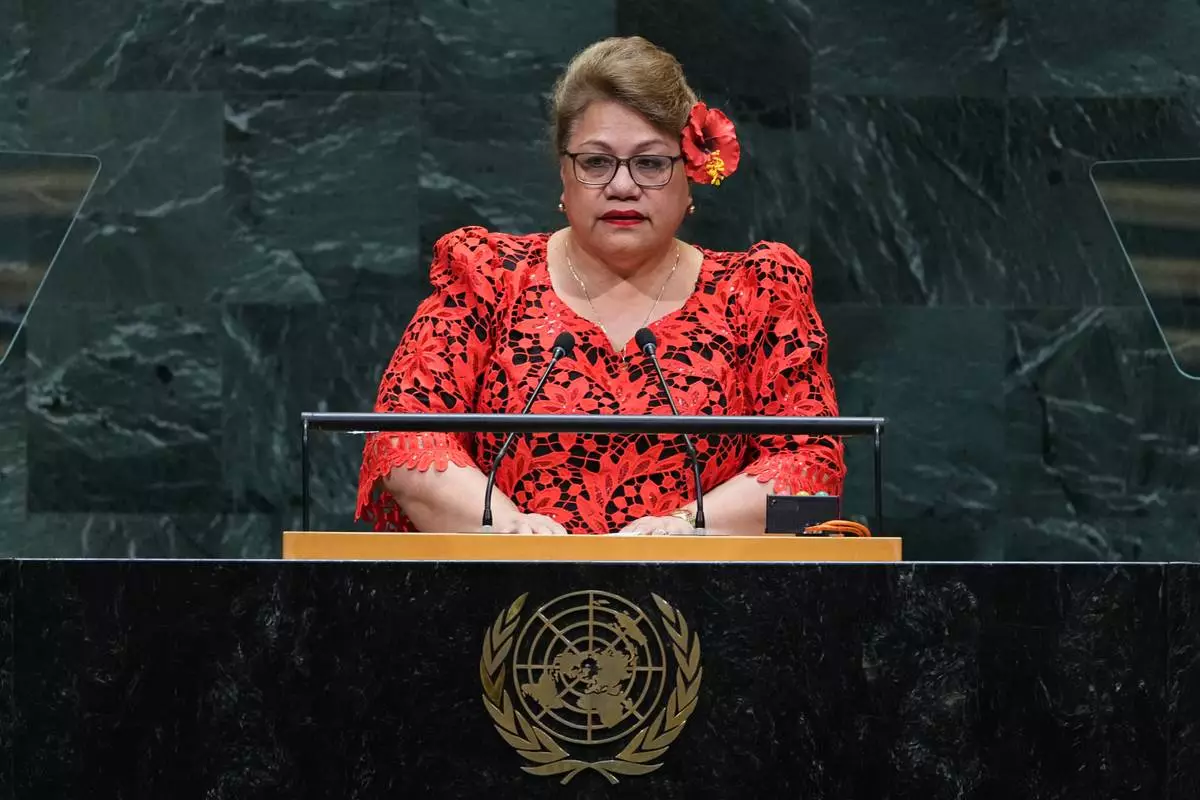
Samoa's Deputy Prime Minister Mulipola Anarosa Ale Molioo addresses the 81st session of the United Nations General Assembly at U.N. headquarters Friday, Sept. 25, 2026. (AP Photo/Frank Franklin II)
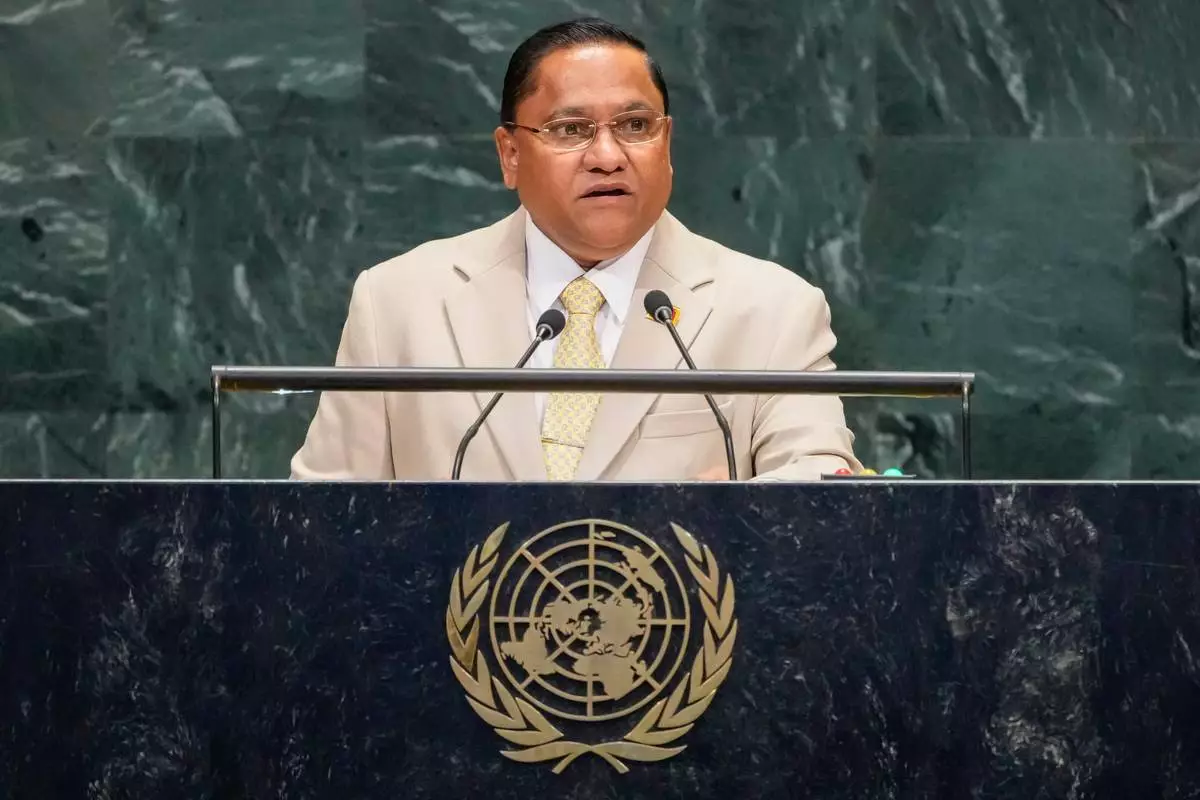
Sri Lanka's Minister of Foreign Affairs Vijitha Herath addresses the 81st session of the United Nations General Assembly at United Nations headquarters, Monday, Sept. 28, 2026. (AP Photo/Yuki Iwamura)
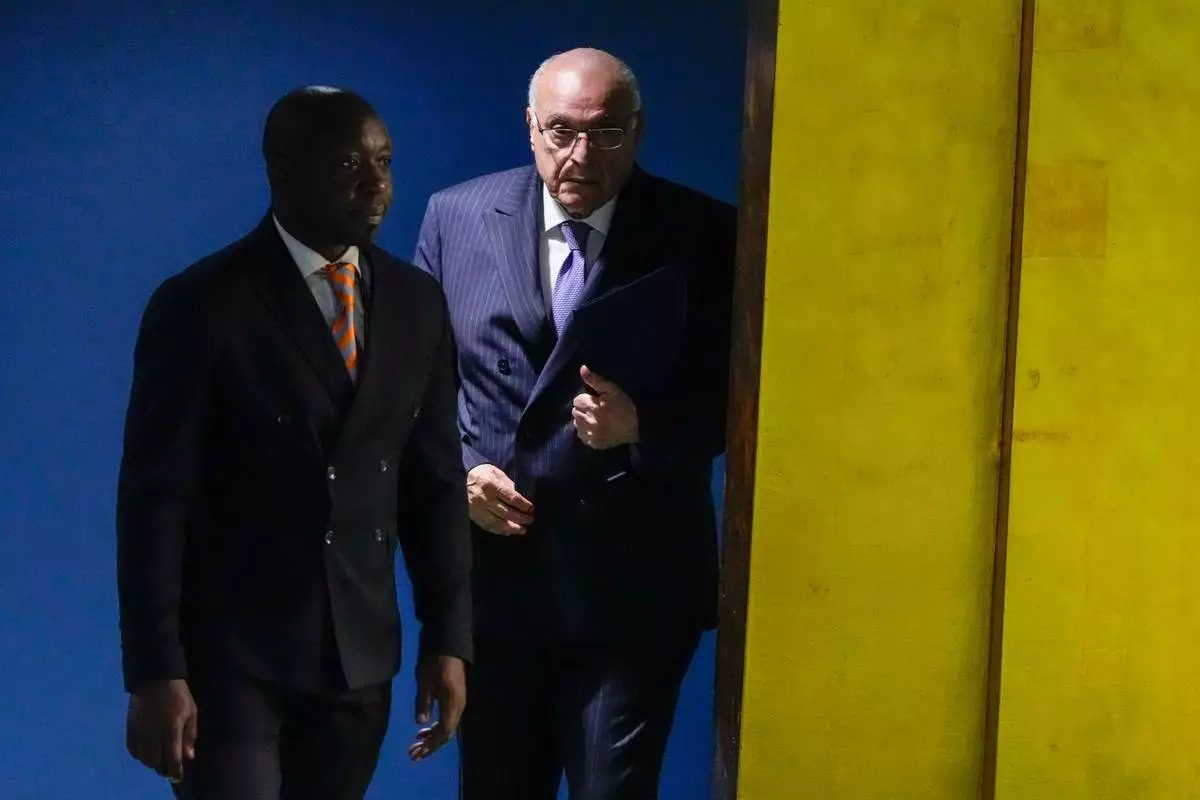
Algeria's Minister of Foreign Affairs Ahmed Attaf is escorted to the podium to address the 81st session of the United Nations General Assembly at United Nations headquarters, Monday, Sept. 28, 2026. (AP Photo/Yuki Iwamura)
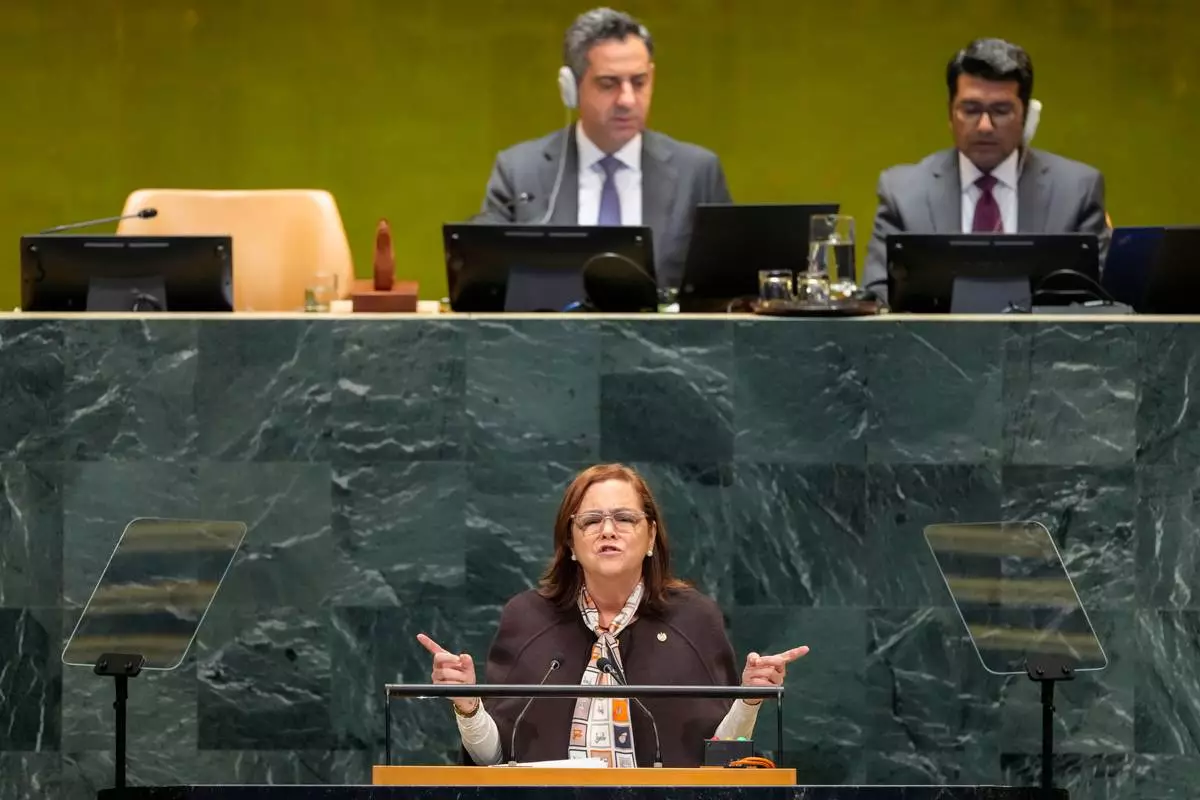
El Salvador's Minister of Foreign Affairs Alexandra Hill Tinoco addresses the 81st session of the United Nations General Assembly at United Nations headquarters, Monday, Sept. 28, 2026. (AP Photo/Yuki Iwamura)
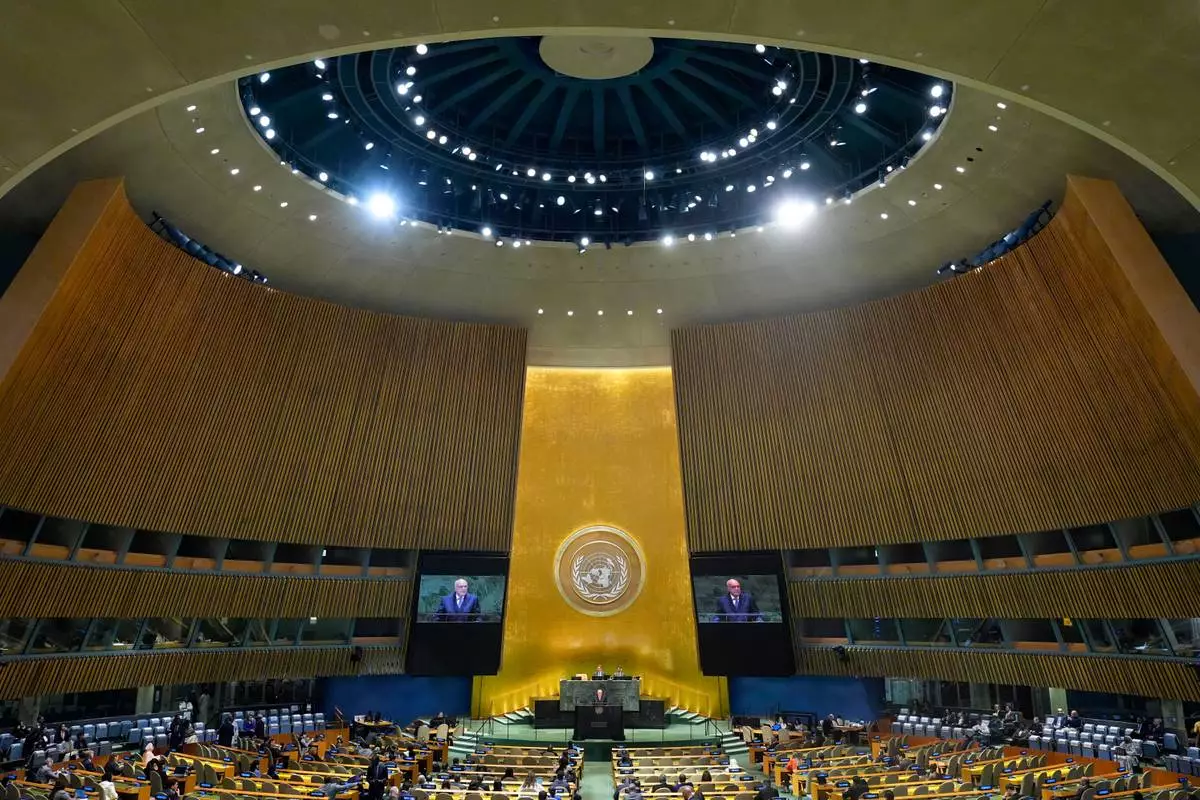
Algeria's Minister of Foreign Affairs Ahmed Attaf addresses the 81st session of the United Nations General Assembly at United Nations headquarters, Monday, Sept. 28, 2026. (AP Photo/Yuki Iwamura)