Skip to Content Facebook Feature Image

Hong Kong Advances to 14th in Global Innovation Index 2026, Excelling in Innovation Inputs and Outputs.

HK

Hong Kong Advances to 14th in Global Innovation Index 2026, Excelling in Innovation Inputs and Outputs.
HK

HK

Hong Kong Advances to 14th in Global Innovation Index 2026, Excelling in Innovation Inputs and Outputs.

2026-09-29 19:55 Last Updated At:20:08

Hong Kong's ranking in Global Innovation Index rises further

In the Global Innovation Index (GII) 2026 released today (September 29) by the World Intellectual Property Organization, Hong Kong's ranking rose further by one place to 14th globally among 139 economies, and remained fifth in Asia.

As regards the two sub-indices under the GII, Hong Kong's ranking with respect to the "Innovation Input" sub-index remained at eighth globally, and its ranking in the "Innovation Output" sub-index rose by one place to 21st.

Hong Kong's scores in all five pillars under the "Innovation Input" sub-index were higher than the averages of the high-income group, with "Market Sophistication" ranking second globally, and "Human Capital and Research", "Institutions" and "Infrastructure" rising to rank sixth, seventh and 11th globally respectively. As for sub-pillars, Hong Kong continued to top the ranking in "Credit", and ranked among the global top 10 in many areas, including "Tertiary Education" (third), "Information and Communication Technology (ICT)" (fourth), "Investment" (fourth), "Institutional Environment" (ninth) and "Business Environment" (10th). Data also showed that Hong Kong's gross expenditure on research and development (R&D) and the number of researchers continued to rise.

As for the "Innovation Output" sub-index, Hong Kong's ranking in the "Creative Outputs" pillar rose by two places to 15th globally, and that in "Knowledge and Technology Outputs" pillar rose one place further to 29th. Data also showed that Hong Kong's number of patents and mobile app creation continued to increase.

A spokesman for the Hong Kong Special Administrative Region (HKSAR) Government today said, "We are pleased to see the good progress Hong Kong has achieved in the GII. Expediting the development of innovation and technology (I&T) has been a policy priority of this Government. Following the directions set out in the First Five-Year Plan for Economic and Social Development of the HKSAR (2026-2030) (Hong Kong's First Five-Year Plan), the Government is fully committed to developing Hong Kong into an international I&T centre. Among other things, Hong Kong will enhance the institutional framework for I&T development, expedite the alignment with key national strategies in technology, and develop the new 'three major I&T parks and five key R&D institutions' paradigm. In particular, the Hong Kong Park of the Hetao Shenzhen-Hong Kong Science and Technology Innovation Co-operation Zone and the San Tin Technopole will form a co-ordinated development at the upstream, midstream and downstream levels, jointly creating a comprehensive industrial ecosystem covering R&D, commercialisation, pilot and mass production. Hong Kong will also advance new industrialisation having regard to local circumstances, with a view to establishing a framework with Hong Kong characteristics for the development of a new industrialisation system, as well as take forward the AI+ Initiative on all fronts, enhance the layout of computing infrastructure, support small and medium-sized enterprises in accelerating their adoption of AI, and empower different sectors of the economy through AI technology. Meanwhile, Hong Kong will leverage the advantage of being closely connected to the Mainland and the world to develop an international hub for science and technology co-operation, as well as deepen the development of the Guangdong-Hong Kong-Macao Greater Bay Area (GBA), thereby attracting global I&T resources and talent. The HKSAR Government will strive to realise the vision in Hong Kong's First Five-Year Plan that Hong Kong will basically have established an international I&T centre based in the GBA, serving the entire country and being connected to the world, after 2030."

The GII is a ranking on the innovation capabilities and achievements of economies around the world. Its evaluation criteria cover multiple aspects, including institutions, human capital and research infrastructure, credit, investment, collaboration, knowledge creation, absorption and diffusion, and creative outputs.

The GII consists of two sub-indices: "Innovation Input" and "Innovation Output". There are five pillars under the "Innovation Input" sub-index, namely "Institutions", "Human Capital and Research", "Infrastructure", "Market Sophistication", and "Business Sophistication"; and two pillars under the "Innovation Output" sub-index, namely "Knowledge and Technology Outputs" and "Creative Outputs". Each of the above pillars is further broken down into three sub-pillars.

Source: AI-found images

Source: AI-found images

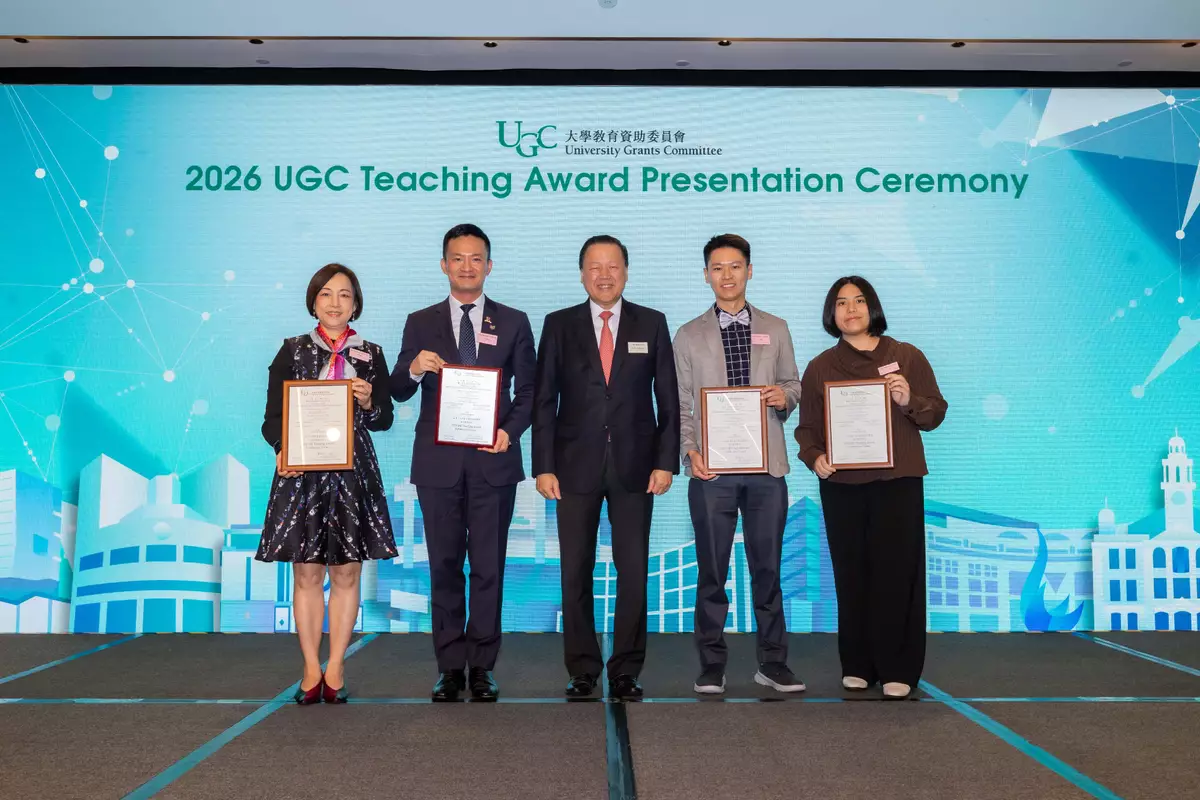
2026 UGC Teaching Award honours excellent teachers

The following is issued on behalf of the University Grants Committee:

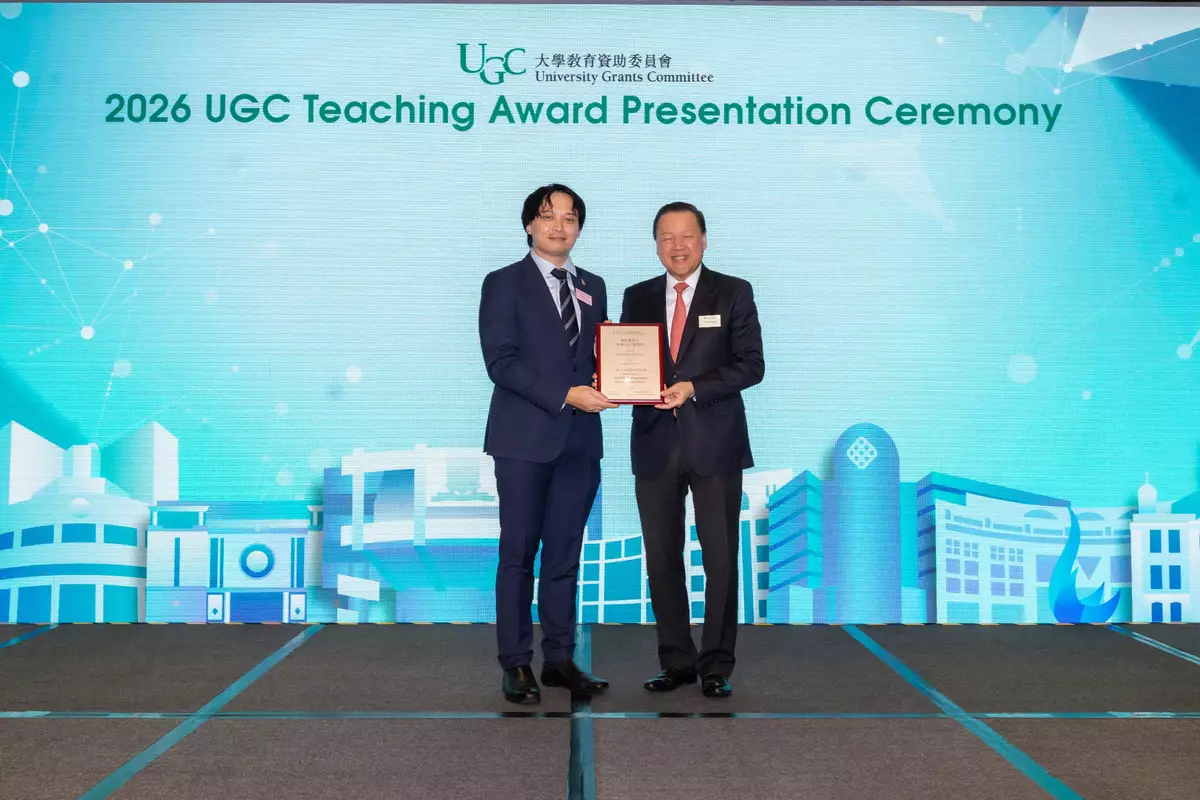
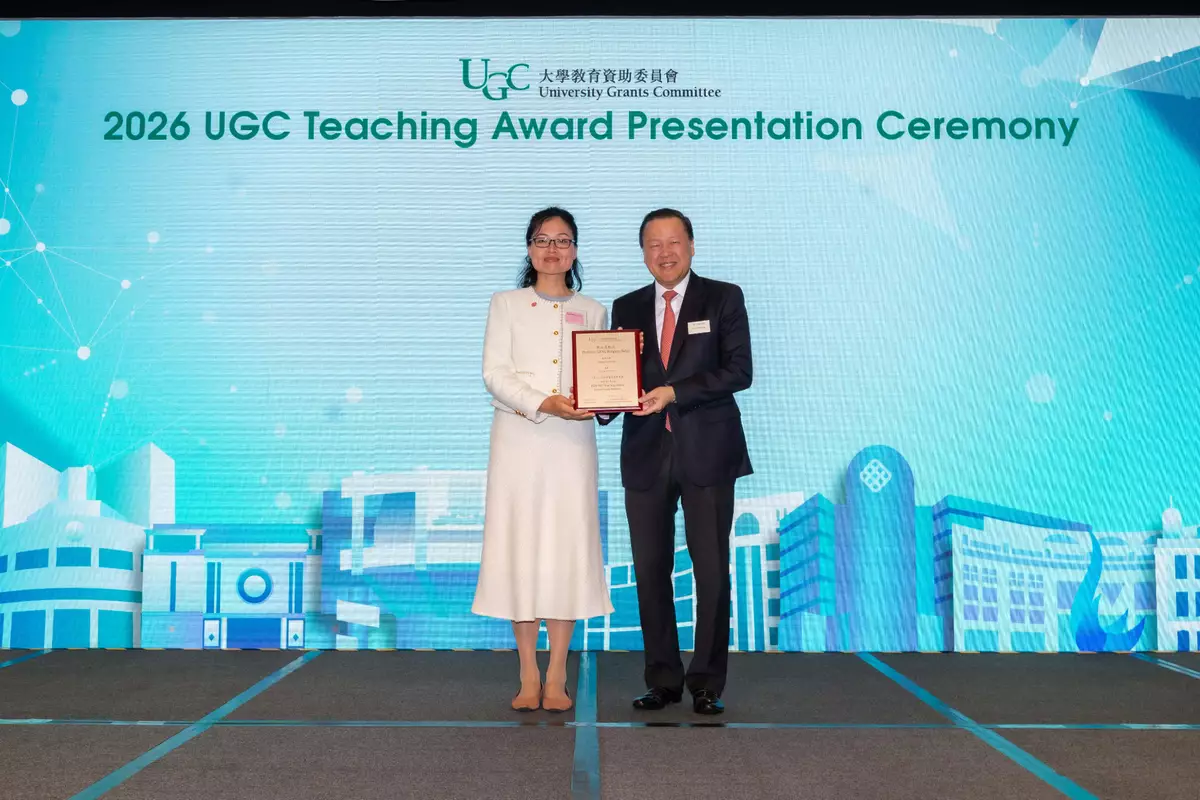
The University Grants Committee (UGC) held a presentation ceremony for the 2026 UGC Teaching Award today (September 29) to honour academics from UGC-funded universities for their outstanding teaching performances and achievements, as well as their leadership and scholarly contributions to teaching and learning within and outside their campuses.

Through a rigorous process, the Award Selection Panel selected the following three recipients from among over 20 outstanding nominees for the Award:

General Faculty Members

-----------------------------

Professor Helen Geng, Assistant Professor of Teaching, Division of Science, Lingnan University

Early Career Faculty Members

----------------------------------

Dr Michael Rivera, Lecturer, Faculty of Social Sciences, the University of Hong Kong

Collaborative Teams

-----------------------

Eye Learn, I.CARE: Joint-University Eye Care Ambassador Training Scheme, led by Professor Kelvin Chong (Professor (Clinical), Department of Ophthalmology and Visual Sciences, Faculty of Medicine, the Chinese University of Hong Kong (CUHK)), with Professor Arthur Tsang (Associate Professor, Department of Curriculum and Instruction, Faculty of Education, CUHK), Dr Sharron Leung (Head of Nursing Education and Programme Director of Bachelor of Nursing (Hons), Hong Kong Baptist University) and Ms Stephany Tai (Research Assistant, Department of Ophthalmology and Visual Sciences, Faculty of Medicine, CUHK) as team members.

The citations of the awardees are in the Annex.

The Chairman of the UGC, Mr Tim Lui, congratulated the awardees, finalists, and nominees for their remarkable achievements and expressed gratitude to all UGC-funded universities for their support of the UGC Teaching Award. He said, "The UGC remains firmly committed to investing in quality teaching and learning, andencourages institutions to collaborate more closely and share effective practices, so that successful ideas can generate impact beyond individual projects or campuses. Through this collective effort,we can further enhance the quality of teaching and learning, broaden the reach of pedagogical innovation and reinforce Hong Kong's position as a leading international hub for higher education."

The Chair of the 2026 UGC Teaching Award Selection Panel, Chair of the Quality Assurance Council (QAC) and member of the UGC, Mr Dieter Yih, remarked, "The panel was deeply impressed by the awardees' outstanding pedagogical innovation, dedication, and impact. Professor Geng has made a meaningful contribution to sustainability and experiential education locally and beyond and empowered students to translate knowledge into purposeful action through her learner-centred teaching approach. Dr Rivera's care for students and passion for anthropology establish him as an outstanding early-career educator with remarkable impact. The Eye Learn, I.CARE Team enabled students to connect academic knowledge with authentic healthcare settings and exemplifies how tertiary education can generate tangible societal impact while nurturing lifelong learners committed to empathy, compassion, and social responsibility."

The presentation ceremony was attended by members of the UGC and the QAC, council chairmen and senior management of UGC-funded universities, as well as nominees for the Award.

The UGC has also produced a series of short video clips to promote best teaching practices by showcasing the teaching approach of the 2026 UGC Teaching Award recipients. The clips, together with the selection criteria and the composition of the Selection Panel, as well as the list of other finalists, are available on the UGC websitewww.ugc.edu.hk/eng/ugc/activity/ugc_teaching_award/result.html.

2026 UGC Teaching Award honours excellent teachers Source: HKSAR Government Press Releases

2026 UGC Teaching Award honours excellent teachers Source: HKSAR Government Press Releases

2026 UGC Teaching Award honours excellent teachers Source: HKSAR Government Press Releases

2026 UGC Teaching Award honours excellent teachers Source: HKSAR Government Press Releases

2026 UGC Teaching Award honours excellent teachers Source: HKSAR Government Press Releases

2026 UGC Teaching Award honours excellent teachers Source: HKSAR Government Press Releases

Recommended Articles