Iranian officials indicated Wednesday they have received an official U.S. response to Tehran's latest proposal to end the seven-month war, which U.S. President Donald Trump had publicly rejected just days earlier.
The officials did not say what the response contained, and whether it was a rejection or not.
Click to Gallery
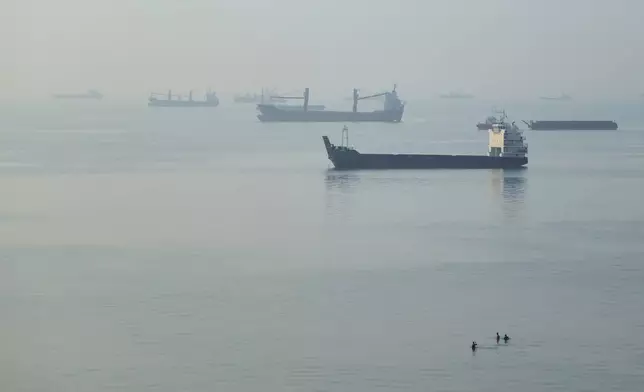
People wade in the water as cargo ships are anchored in the Strait of Hormuz off Bandar Abbas, Iran, early Monday, Sept. 28, 2026. (Amirhosein Khorgooi/ISNA via AP)
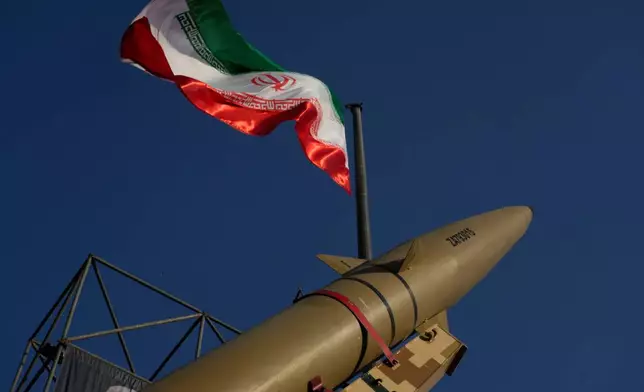
An Iranian missile is displayed under the country's national flag in a military exhibition commemorating the anniversary of the start of the 1980-88 Iraq-Iran war at Baharestan Square, in Tehran, Monday, Sept. 28, 2026. (AP Photo/Vahid Salemi)
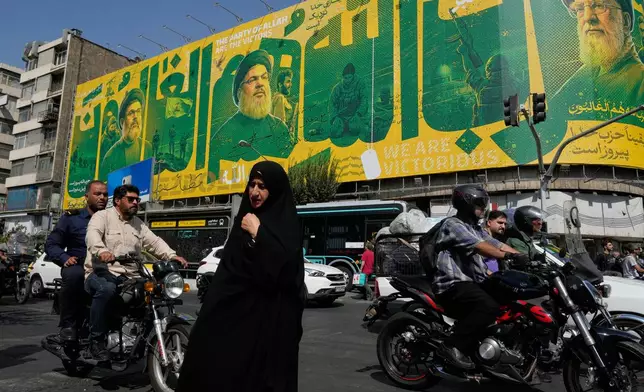
A woman walks and vehicles drive in an intersection in front of a billboard showing portraits of the late Iranian Supreme Leader Ayatollah Ali Khamenei, right, late leaders of Lebanon's Hezbollah group Hassan Nasrallah, center left, and Hashem Safieddine, left, marking the second anniversary of the killing of Hassan Nasrallah, in Tehran, Iran, Sunday, Sept. 27, 2026. (AP Photo/Vahid Salemi)
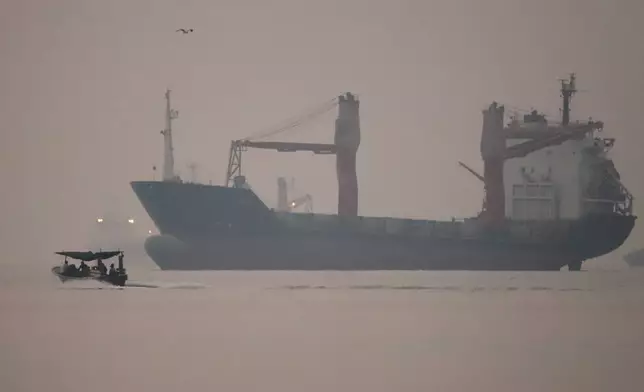
A motorboat passes an anchored cargo ship in the Strait of Hormuz off Bandar Abbas, Iran, early Monday, Sept. 28, 2026. (Amirhosein Khorgooi/ISNA via AP)
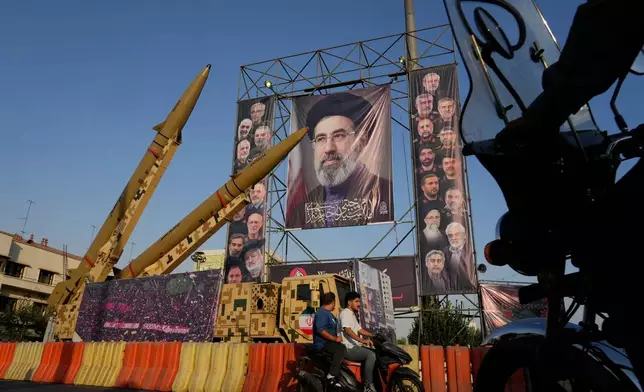
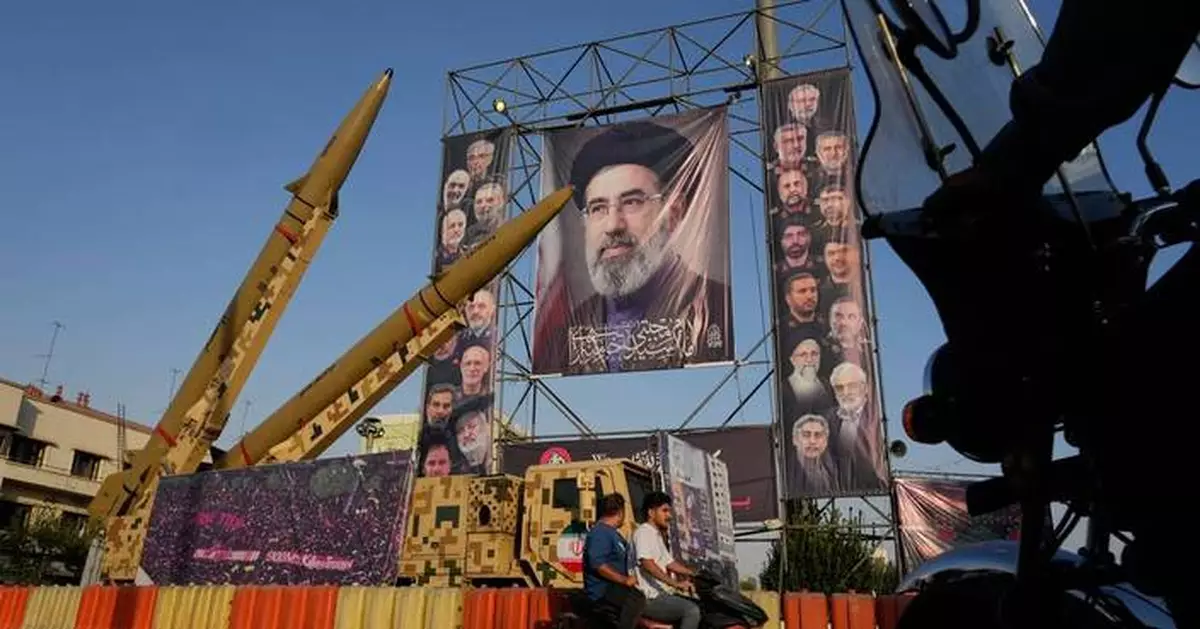
Motorbikes drive past Iranian missiles and banners showing portraits of the Iranian Supreme Leader Ayatollah Mojtaba Khamenei, center, and the late armed forces commanders and nuclear scientists, who were killed in Israeli and U.S. strikes, displayed in a military exhibition commemorating the anniversary of the start of the 1980-88 Iraq-Iran war at Baharestan Square, in Tehran, Monday, Sept. 28, 2026. (AP Photo/Vahid Salemi)
Iranian Foreign Minister Abbas Araghchi presented the U.S. response to President Masoud Pezeshkian at a Cabinet meeting, government spokesperson Fatemeh Mohajerani told the state-run IRNA news agency.
“We will make every effort to bring the agreement to fruition and will firmly stand up for the rights of the Iranian people,” Pezeshkian said. “The agreement must now be based on a win-win strategy.”
The Cabinet meeting follows Araghchi's return to Iran after travelling to New York for the U.N. General Assembly last week. While there, officials held indirect talks with U.S. officials and also met with Qatari and Pakistani mediators on the sidelines of the annual gathering of world leaders.
Araghchi briefed the Cabinet on his trip to New York and the meetings he held there, including Iran’s conditions for reopening the Strait of Hormuz, which Mohajerani said had been conveyed through mediators.
Araghchi last week said he floated the proposal to reopen the strait in a week if the U.S. agreed to lift its blockade of Iranian ports, release frozen Iranian assets and waive sanctions on Iranian oil sales, among other conditions.
Trump swiftly rejected the proposal, saying Iran wanted to make a deal because it was “losing so badly” but that its offer "would not be acceptable.”
Despite Trump's public rebuffing, mediators continued working with Iran and the United States on trying to broker a deal to end the fighting and open the strait, according to officials who were not authorized to comment publicly and spoke on condition of anonymity.
Meanwhile, the Trump administration says it is is pushing forward with economic warfare against Tehran as the prospects of the two sides coming to an agreement appears uncertain.
The U.S. Treasury Department unveiled new sanctions on Tuesday targeting people and companies around the globe that it accuses of being financial facilitators or enablers of Iran’s military supply chain.
The latest action by the U.S. administration is part of the administration’s “Operation Economic Outcast” campaign, aimed at severing “critical financial lifelines” for the already heavily sanctioned Iranian government.
Ten individuals and entities based in Iran, Hong Kong and Pakistan now face sanctions over accusations of procuring weapons and weapon components for Iran’s defense ministry as it fights its now seven-month war against the U.S.
Iran's economy, which was under heavy strain before the war started, has been in a freefall since the conflict began in late February.
The country's currency fell to a new record low on Tuesday, with traders in Tehran exchanging more than 2.5 million rials to the U.S. dollar in a stark reflection of how the war in the Middle East has steadily eroded the Iranian economy.
The latest decline came just 27 days after the rial hit its previous record low of 2.2 million to the dollar on Sept. 2. The currency has repeatedly reached new lows since the war began in February.
Trump on Tuesday said that Iran is “failing very badly, very badly” and predicted anew that the war will be “over with very, very soon.”
At the onset of the conflict, he had predicted that the war would last just weeks. More recently, Trump said he expects it won't end until after the Nov. 3 midterm elections in the U.S.
Also on Wednesday, two men were executed in Iran over their role in violence during nationwide anti-government protests in January, the state-run IRNA news agency reported.
Citing the country's judiciary, IRNA said the men took part in unrest in the northeastern city of Mashhad that left four members of the security forces dead earlier this year. Their death sentences were upheld by Iran’s Supreme Court before being carried out Wednesday morning.
The unrest began Dec. 28 amid anger over Iran’s collapsing currency and worsening economy and quickly spread across the country, with demonstrators increasingly calling for the overthrow of the Islamic Republic. Iranian authorities responded with a deadly crackdown.
Rights groups say thousands were killed and tens of thousands arrested, while Iranian authorities have reported a substantially lower death toll.
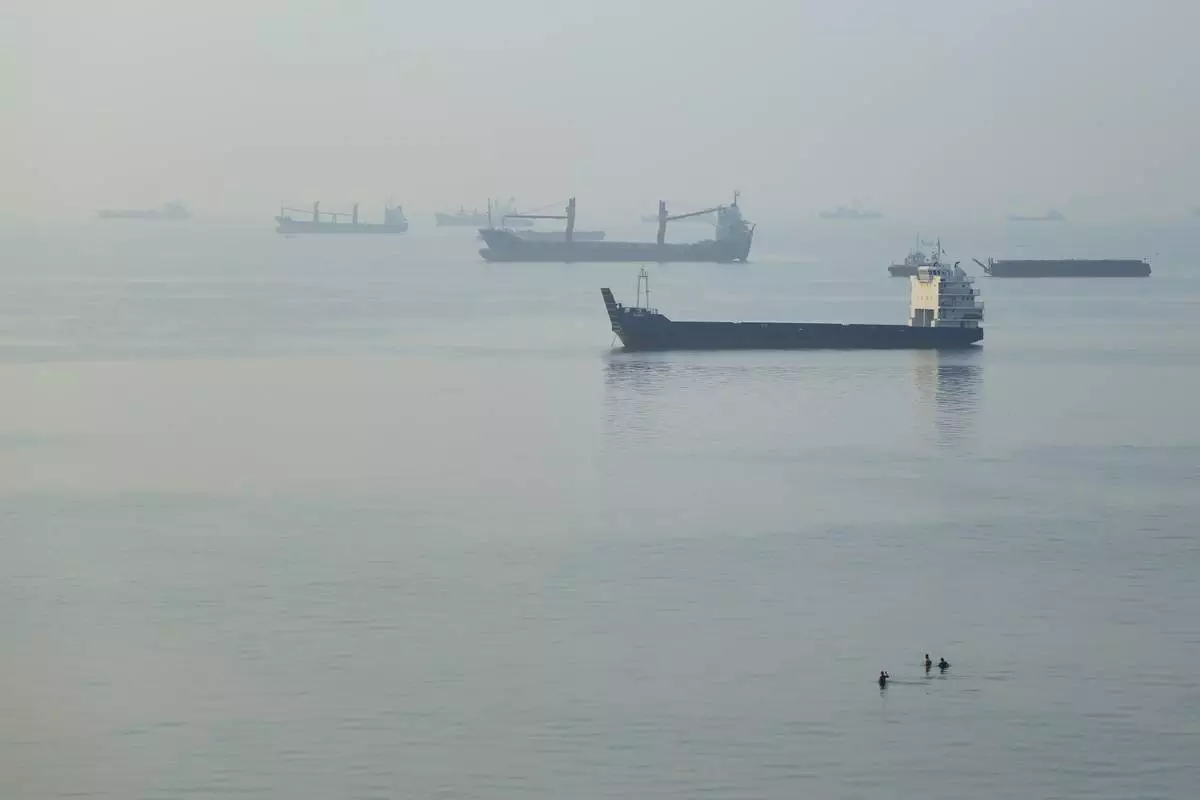
People wade in the water as cargo ships are anchored in the Strait of Hormuz off Bandar Abbas, Iran, early Monday, Sept. 28, 2026. (Amirhosein Khorgooi/ISNA via AP)
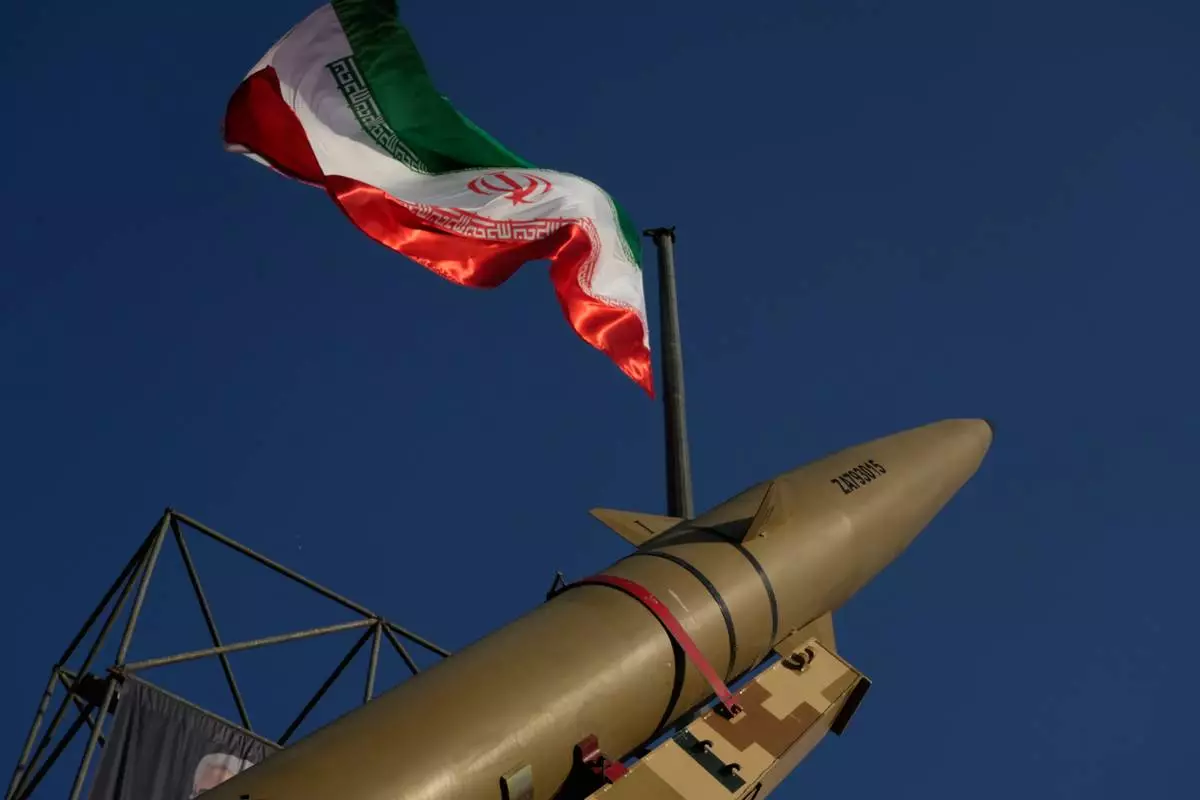
An Iranian missile is displayed under the country's national flag in a military exhibition commemorating the anniversary of the start of the 1980-88 Iraq-Iran war at Baharestan Square, in Tehran, Monday, Sept. 28, 2026. (AP Photo/Vahid Salemi)
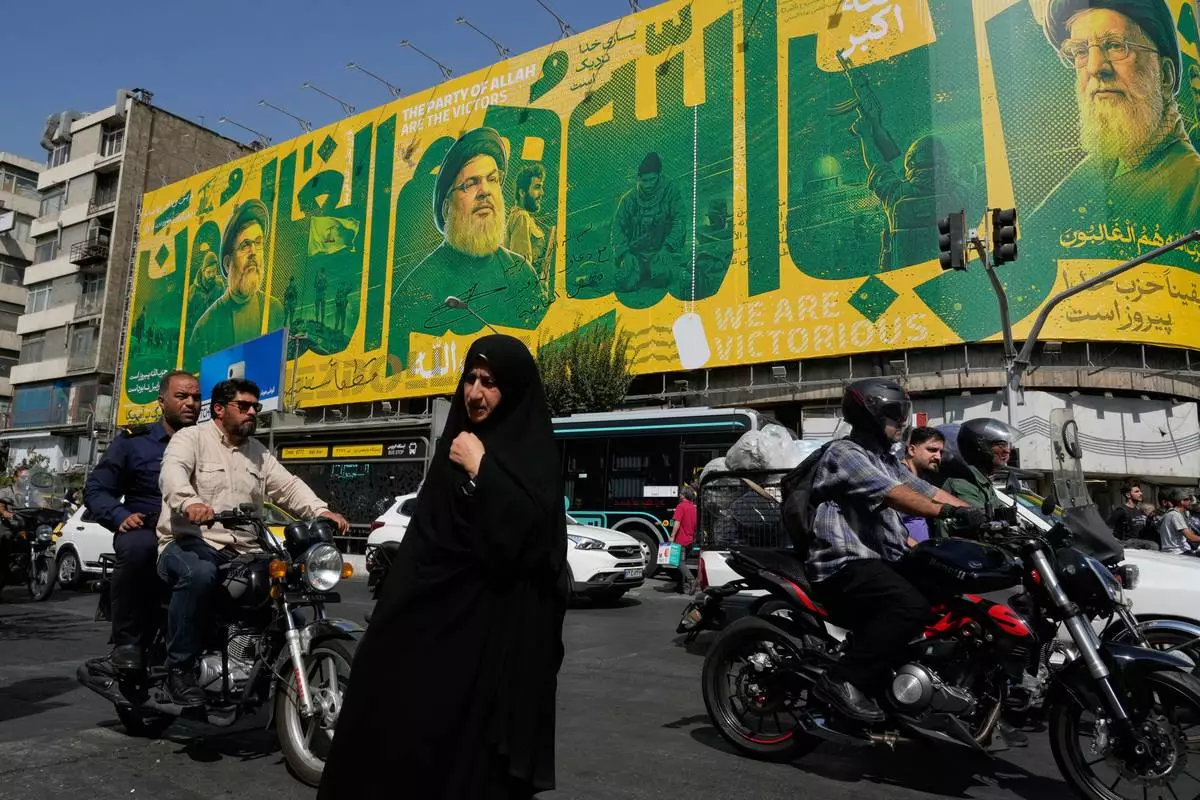
A woman walks and vehicles drive in an intersection in front of a billboard showing portraits of the late Iranian Supreme Leader Ayatollah Ali Khamenei, right, late leaders of Lebanon's Hezbollah group Hassan Nasrallah, center left, and Hashem Safieddine, left, marking the second anniversary of the killing of Hassan Nasrallah, in Tehran, Iran, Sunday, Sept. 27, 2026. (AP Photo/Vahid Salemi)
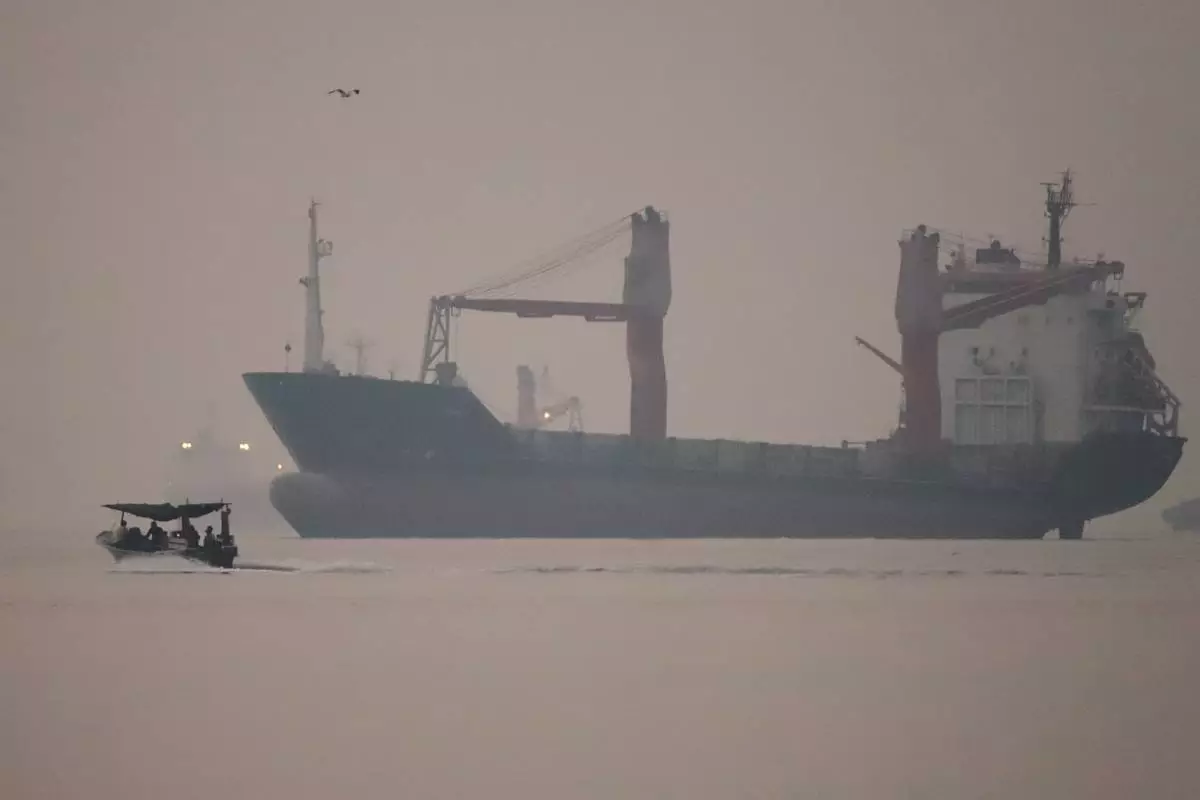
A motorboat passes an anchored cargo ship in the Strait of Hormuz off Bandar Abbas, Iran, early Monday, Sept. 28, 2026. (Amirhosein Khorgooi/ISNA via AP)
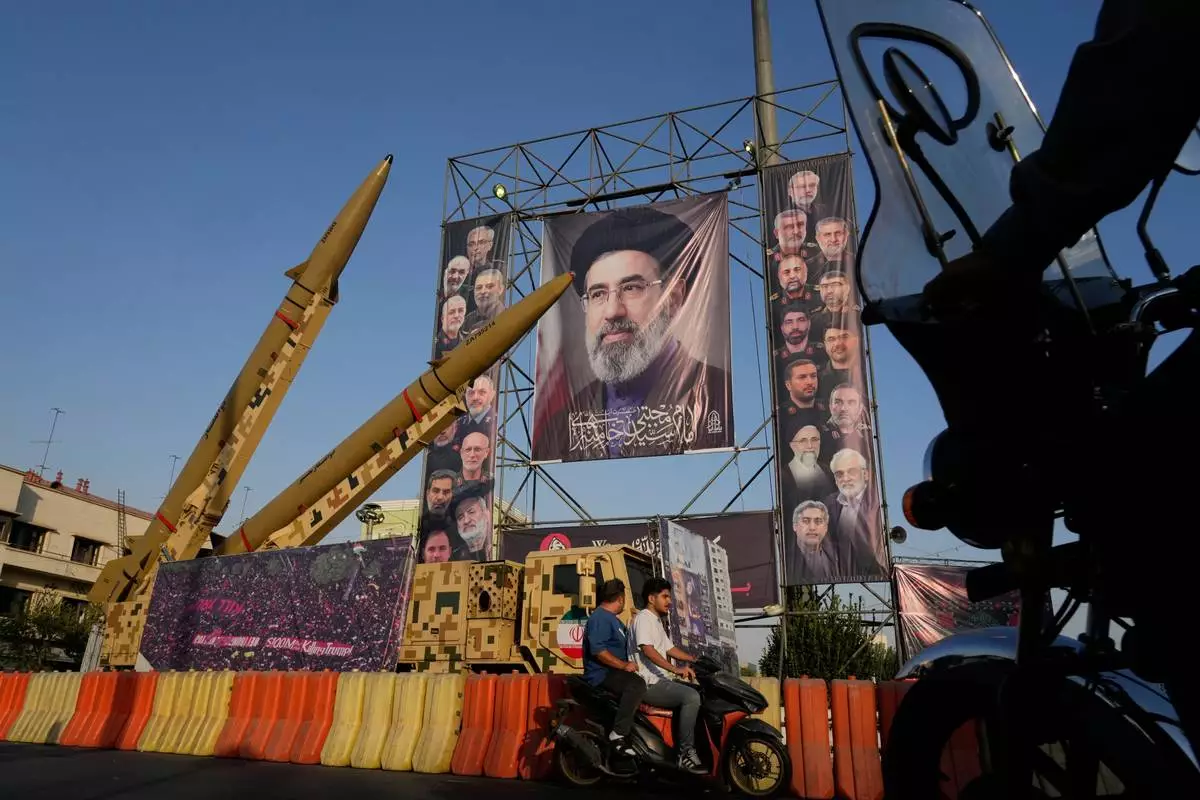
Motorbikes drive past Iranian missiles and banners showing portraits of the Iranian Supreme Leader Ayatollah Mojtaba Khamenei, center, and the late armed forces commanders and nuclear scientists, who were killed in Israeli and U.S. strikes, displayed in a military exhibition commemorating the anniversary of the start of the 1980-88 Iraq-Iran war at Baharestan Square, in Tehran, Monday, Sept. 28, 2026. (AP Photo/Vahid Salemi)