Qatar said Tuesday that meetings and contacts aimed at bridging differences between the United States and Iran are continuing, with Doha exchanging messages between the two sides and seeking to build common ground toward a peaceful solution to the war.
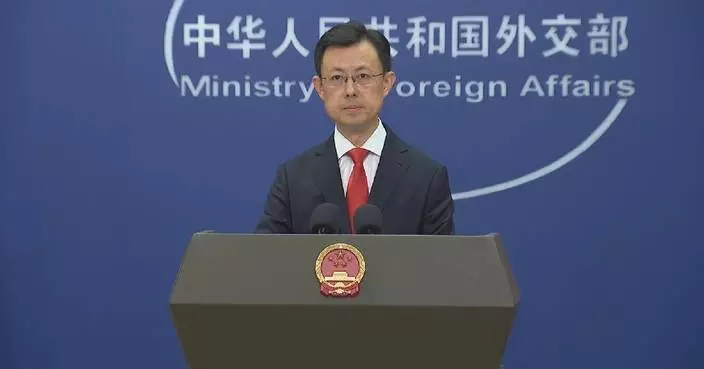
Majed Al Ansari, spokesperson for Qatar's Foreign Ministry, said at the ministry's weekly media briefing that several meetings and message exchanges had taken place in recent days, including meetings in New York.
He said Qatar would continue its mediation efforts by working to narrow differences between Washington and Tehran and facilitate communication.
According to media reports, officials from both the United States and Iran spoke with Qatari mediators on Monday. It was still unclear whether they held another round of talks on Tuesday.
Al Ansari declined to disclose details on the current stage of the mediation efforts, but stressed that Qatar saw no alternative to a peaceful solution.
Qatar has maintained diplomatic efforts to revive the negotiating track between Washington and Tehran in recent months. During meetings on the sidelines of the UN General Assembly in New York last week, Qatari officials also discussed regional de-escalation and efforts to create conditions conducive to dialogue.
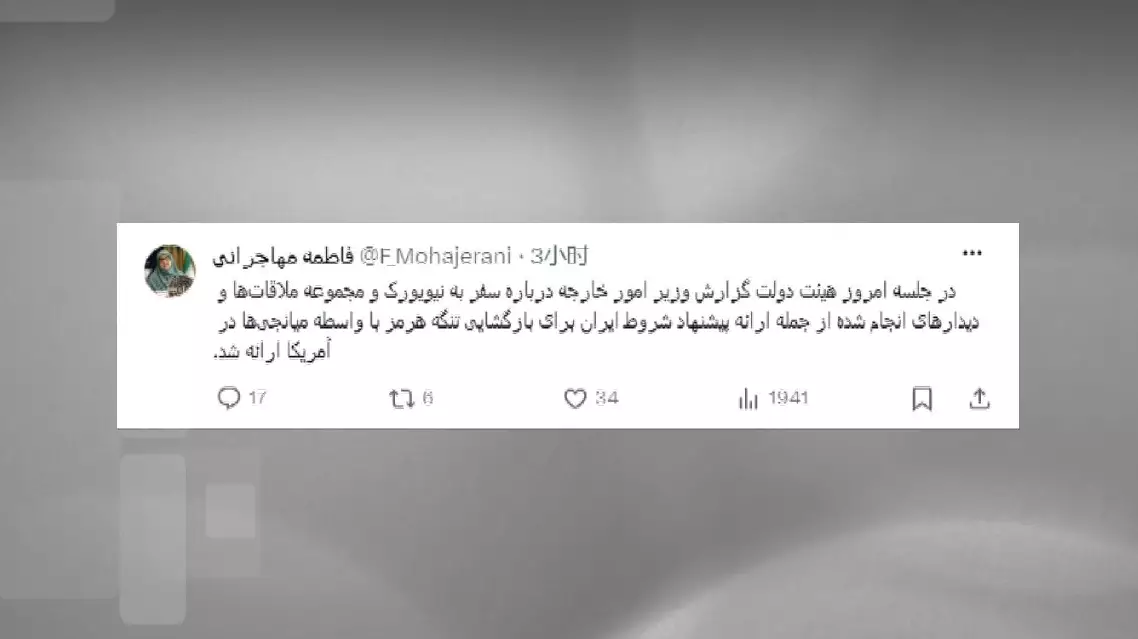
Iranian Foreign Minister Seyed Abbas Araghchi said Iran expects to receive the final U.S. response on Tuesday to its proposed plan to reopen the Strait of Hormuz.
He made the remarks on Monday local time in New York before leaving for Tehran after taking part in theUN General Assembly, according to a statement from the Iranian Foreign Ministry released Tuesday.
Araghchi said Iran has conveyed its conditions and plan to cease hostilities and reopen the Strait of Hormuz to the United States through the Qatari mediator.
Despite U.S. President Donald Trump's initial rejection of the plan, Tehran is waiting to receive Washington's official response through the mediators, he added.
He rejected media reports claiming that Iran would show flexibility regarding its nuclear program, emphasizing that the country's positions have not changed at all.
Araghchi said reopening the Strait of Hormuz is the sole focus of the ongoing discussions, and the waterway's opening hinges on the fulfillment of Iran's conditions, which are "fair and logical."
The Iranian foreign minister had earlier said that under Iran's plan, the country would reopen the Strait of Hormuz within seven days if the United States accepted its conditions.
Trump, speaking to reporters Tuesday, said he did not know whether Iran would "give up yet," but described the country as faring "very poorly" in its war with the United States. He also said more oil had moved through the Strait of Hormuz in recent days than "at any point in history."
Trump said U.S. officials had spoken with mediators trying to end Washington's war with Iran on Monday, adding that the United States will win the war "very soon." He gave no details on the talks, saying only that "we will win" and "things will be clear very soon."
On Monday, Trump denied a media report that his administration had offered Iran sanctions relief and access to frozen funds in exchange for nuclear concessions. In a social media post, he called the report untrue and said he had offered Iran "nothing," demanding the outlet withdraw the story immediately.
Qatar says US-Iran mediation ongoing as Doha pushes for peaceful end to war