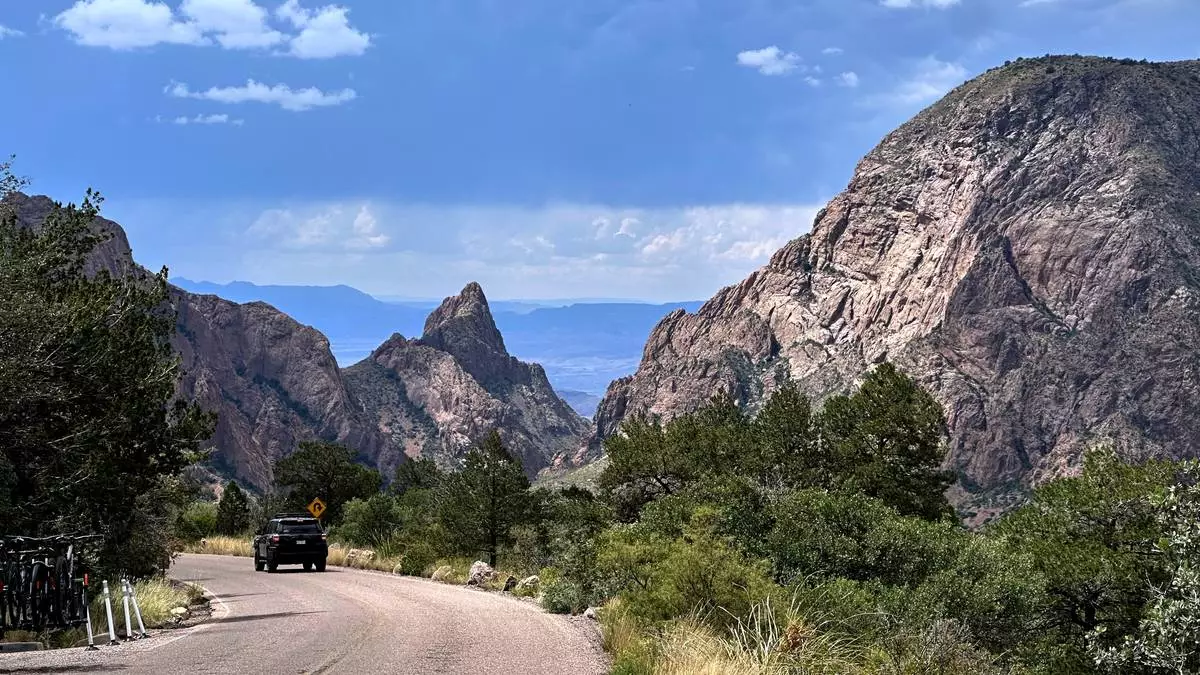
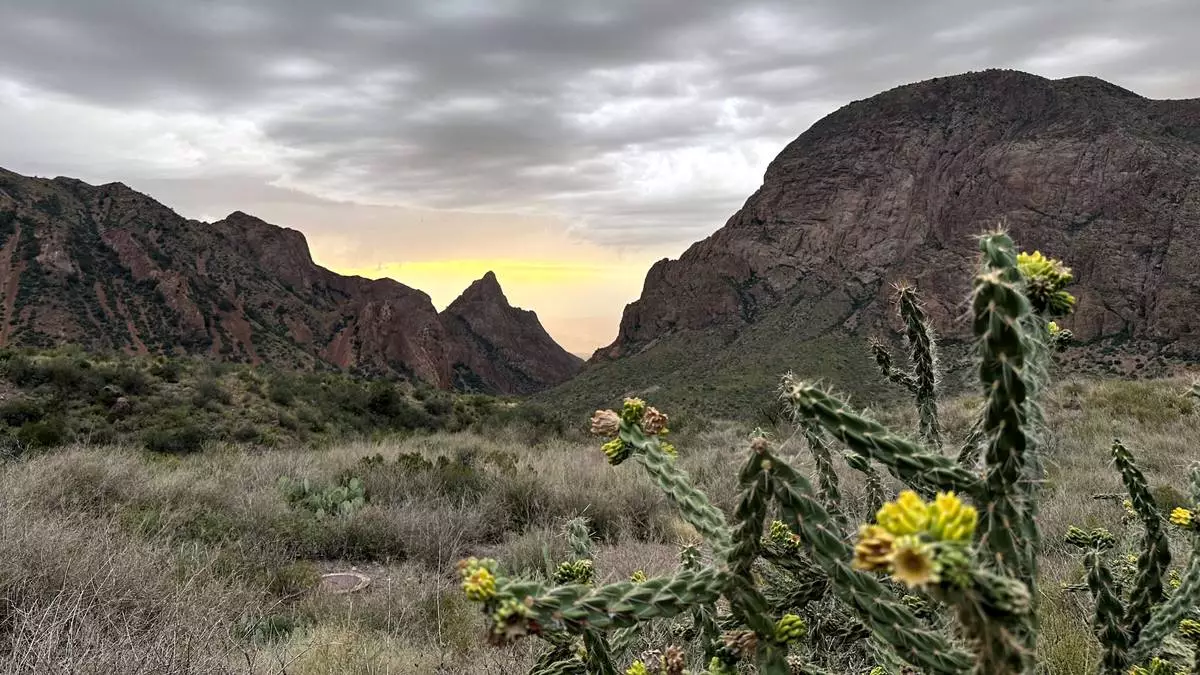
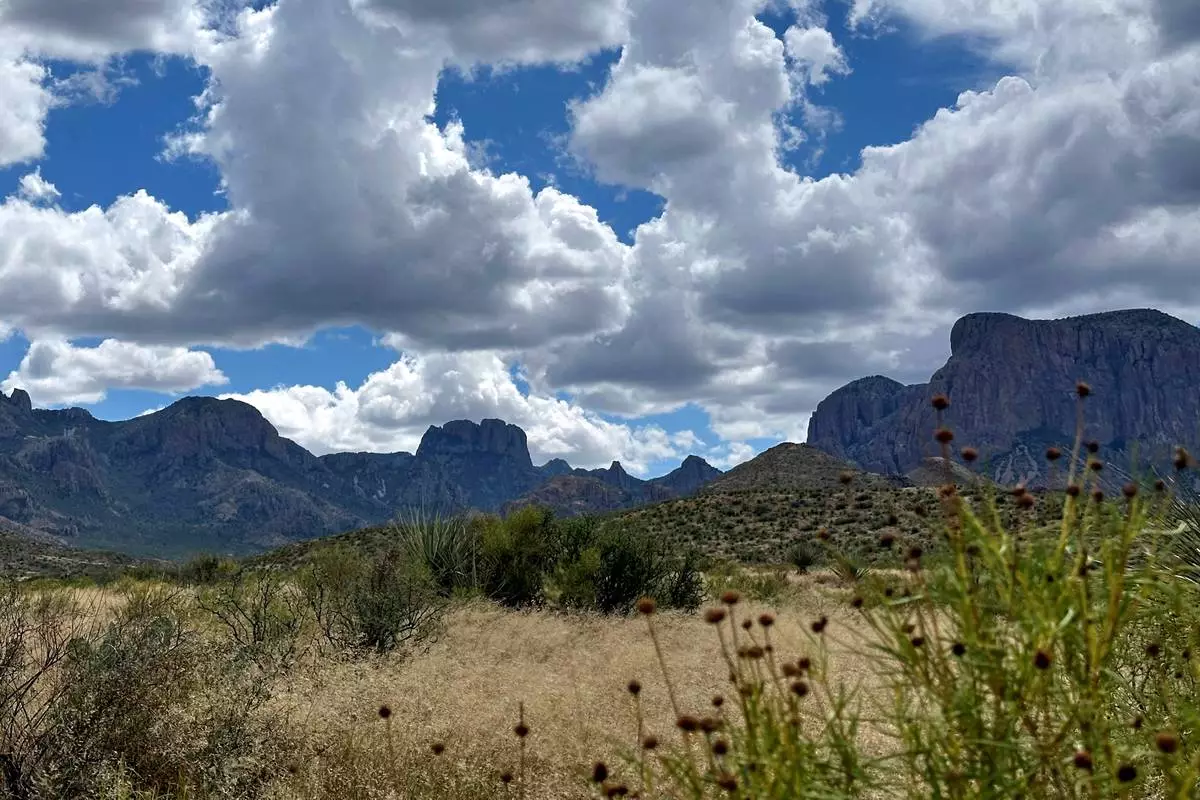
WASHINGTON (AP) — The Trump administration is considering reducing the scope of a planned border project through Big Bend National Park in Texas, a contentious undertaking that has drawn bipartisan opposition over concerns it will irrevocably mar the remote, majestic area.
The announcement on plans for the national park, made in two court filings late Tuesday, gave no details on what the government may do. In August, the Republican administration initiated a pause on construction-related activity in the park as it engaged in outreach efforts to opponents of the project. The pause ends Wednesday.
Click to Gallery
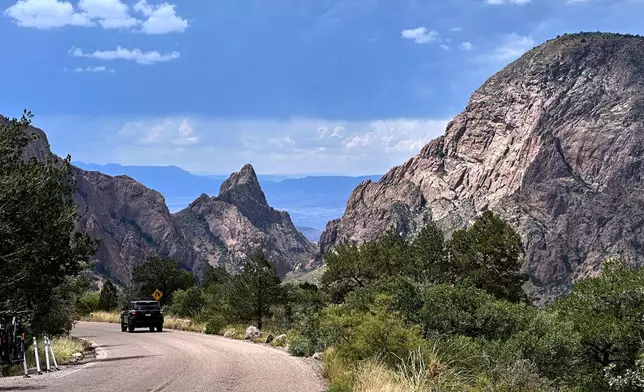
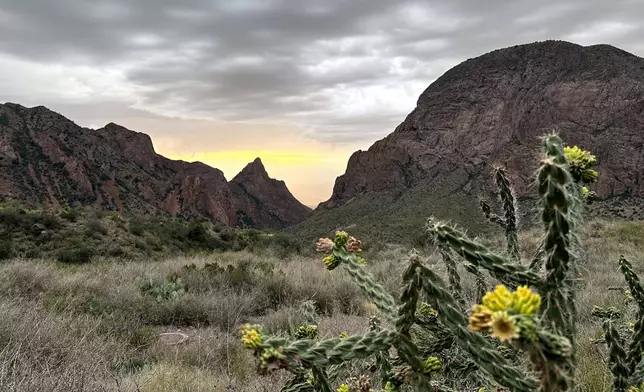
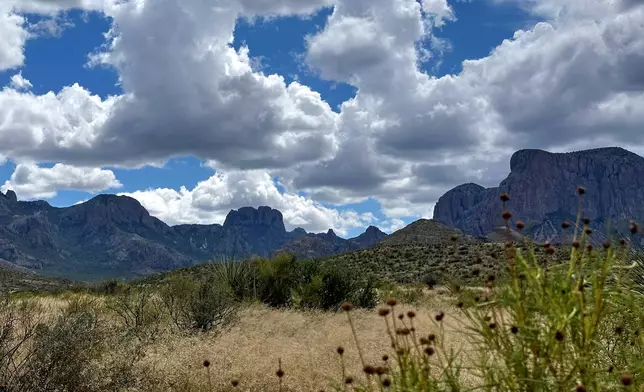
Big Bend National Park, Texas, is seen, Sept. 19, 2026. (AP Photo/Rebecca Santana)
Customs and Border Protection is “actively considering adjustments" to the work "that would reduce its scope and avoid or minimize potential impacts, based on input received from the National Park Service and other stakeholders,” the government said in the court filing.
The agency said it will make a final decision the first week in October and will take “several weeks” after that announcement before any “ground-disturbing work” starts.
After intense opposition from environmentalists and local residents and business owners, CBP backed off plans this year to build a 30-foot-tall bollard wall through the park. But its intention to move forward with other measures such as a new road, lights, vehicle barriers and technology did not quell local resistance.
After bulldozers were spotted in August clearing land in Big Bend, CBP Commissioner Rodney Scott announced a pause on all activity there and it was later expanded to the area upstream of the park. The agency has said it was only carrying out design and planning work, not full-scale construction activities.
Opponents of the border project called on the administration Wednesday to continue the pause while coming up with a new plan.
Bob Krumenaker, head of Keep Big Bend Wild and a former NPS superintendent at the park, said in a statement that the Border Patrol already works with the park service and local sheriffs to operate an “effective surveillance system” in Big Bend that includes ground sensors and patrols. The Coalition to Protect America’s National Parks said building in the park would be “mutilating an extraordinary landscape.”
The project is part of a $46 billion plan by the administration to line the U.S.-Mexico border with steel bollard walls, vehicle barriers and surveillance technology to deter migrants and smugglers.
The government has also paused work on a 61-mile piece of land stretching north of the national park along the Rio Grande River, most of which is owned by private landowners. In that area, the government plans to build a 30-foot-tall steel bollard wall designed to prevent people on foot from crossing, roads and various types of surveillance technology where appropriate, according to the court filing.
CBP has started building the wall in a West Texas part of the broader Big Bend region, but has run into intense opposition there, including from landowners challenging the project in court.
Also in the court filing Tuesday, the government suggested it was facing resistance in getting permission from landowners to survey and build on their property and would be referring some cases to the Department of Justice to pursue condemnation.
The government also detailed efforts it had made to meet with people potentially affected by Big Bend projects and shared with them incidents of cartel-related violence that concerned the Border Patrol.
The administration has been pushing forward with the border wall projects that have long been a key part of President Donald Trump's vision for border security. The agency said it is building 12 miles (19 kilometers) of wall per week.
But lining up against the work are private landowners, Native American tribes, environmental groups and others who question the necessity and cost of the project at a time when illegal immigration has fallen dramatically. Opponents also have accused the government of damaging Native American sites and sensitive ecology locations in its rush to finish construction.
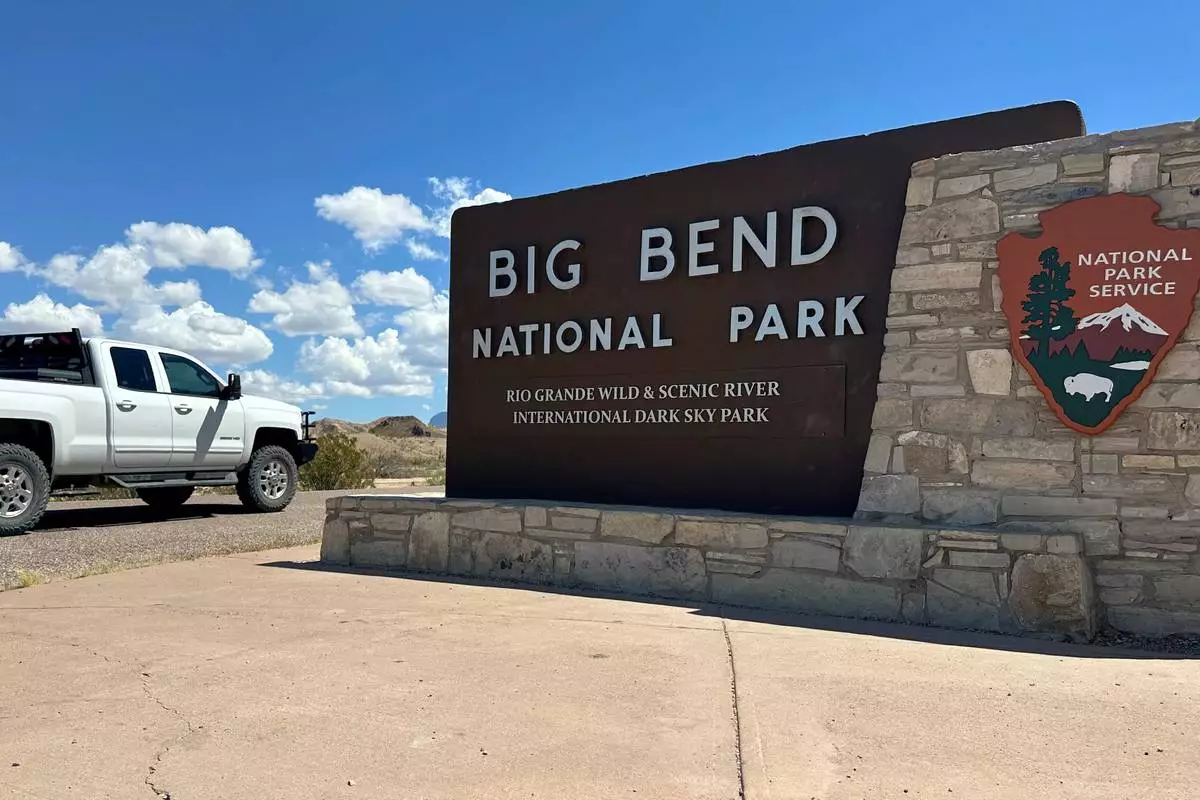
Big Bend National Park, Texas, is seen, Sept. 19, 2026. (AP Photo/Rebecca Santana)

NASHVILLE, Tenn. (AP) — Tennessee's execution of Christa Gail Pike for a murder she committed at age 18 was halted Wednesday about an hour before it was set to begin, as a federal appeals court sought to review whether her allegations of childhood sexual abuse and rape were fully considered at her sentencing.
Pike, now 50, and her boyfriend were convicted of the 1995 stabbing and beating of 19-year-old Colleen Slemmer, their classmate at a job training facility in Knoxville. She would have been the first woman executed in Tennessee in at least 200 years.
The 6th Circuit U.S. Court of Appeals halted the execution on a 2-1 vote after execution witnesses and others gathered at the Riverbend Maximum Security Institution in Nashville.
Tennessee’s attorney general immediately appealed the stay to the U.S. Supreme Court. Witnesses and media remained at the prison in case the high court allows the execution to proceed.
The case garnered widespread attention in part because a pentagram that was carved on Slemmer’s body and other elements of the crime stoked fears of Satan worship during the “satanic panic” of the 1980s and 1990s.
As the execution date drew near, it renewed debate over the death penalty for young offenders.
Pike does not deny committing the killing, but her supporters argue the state should consider Pike’s age at the time, mental illness and a history of severe sexual abuse that included being raped from the time she was a toddler. Assistant Federal Defender Stephen Ferrell said Pike’s death sentence is an outlier because other 18-year-olds in Tennessee have had such sentences vacated.
After the killing, Pike was diagnosed with bipolar disorder and post-traumatic stress disorder. In her clemency petition she said she only wanted to fight Slemmer but killed her in a frenzied attack when she couldn’t “put the brakes on.”
“I was a mentally ill 18-year-old kid. It took me numerous years to even realize the gravity of what I’d done. Even more to accept how many lives I affected. I took the life of someone’s child, sister, friend. It sickens me now to think I had the ability to commit such a crime,” Pike said in a statement.
Slemmer’s mother wants the lethal injection to go forward, saying she has waited decades to see Pike’s sentence carried out.
“Every time I think about it, I think about Colleen feeling that pain and trying to get up and run,” May Martinez told The Associated Press in a telephone interview on Saturday.
Martinez said a group helped raise money so she and her husband could travel from Florida to witness the execution.
Martinez said her daughter's age should matter too. in deciding Pike's fate.
“Not a day goes by, or a minute goes by that I do not think about Colleen. Holidays are the worst,” she said, noting that her daughter would have turned 51 earlier in September.
The killing rocked the city of Knoxville. Prosecutors said Pike, fearing Slemmer was trying to steal her boyfriend, lured her to a wooded area on Jan. 12, 1995. Pike cut Slemmer with a box cutter and beat her with a large chunk of asphalt. Shipp, Pike’s boyfriend, has admitted that he was the one who carved a pentagram, a star-shaped symbol associated with Satan, into her body.
Shipp was 17 when the crime happened and received a sentence of life in prison with the possibility of parole. Pike was the only one sentenced to death.
Tennessee has not executed a woman for at least 200 years, according to Robin M. Maher, executive director of the Death Penalty Information Center. Older records can be spotty, though, so it’s difficult to know precise details about the last woman who was put to death there.
It's a rarity across the U.S. Since 1976, 18 women have been put to death in the country, representing about 1% of all executions, according to the center.
Most recently, Missouri in 2023 executed Amber McLaughlin for a 2003 killing, in what is believed to be the first execution of a transgender woman in the U.S. In 2021, the federal government executed Lisa Montgomery, marking the first time in nearly seven decades that the U.S. government put a female inmate to death.
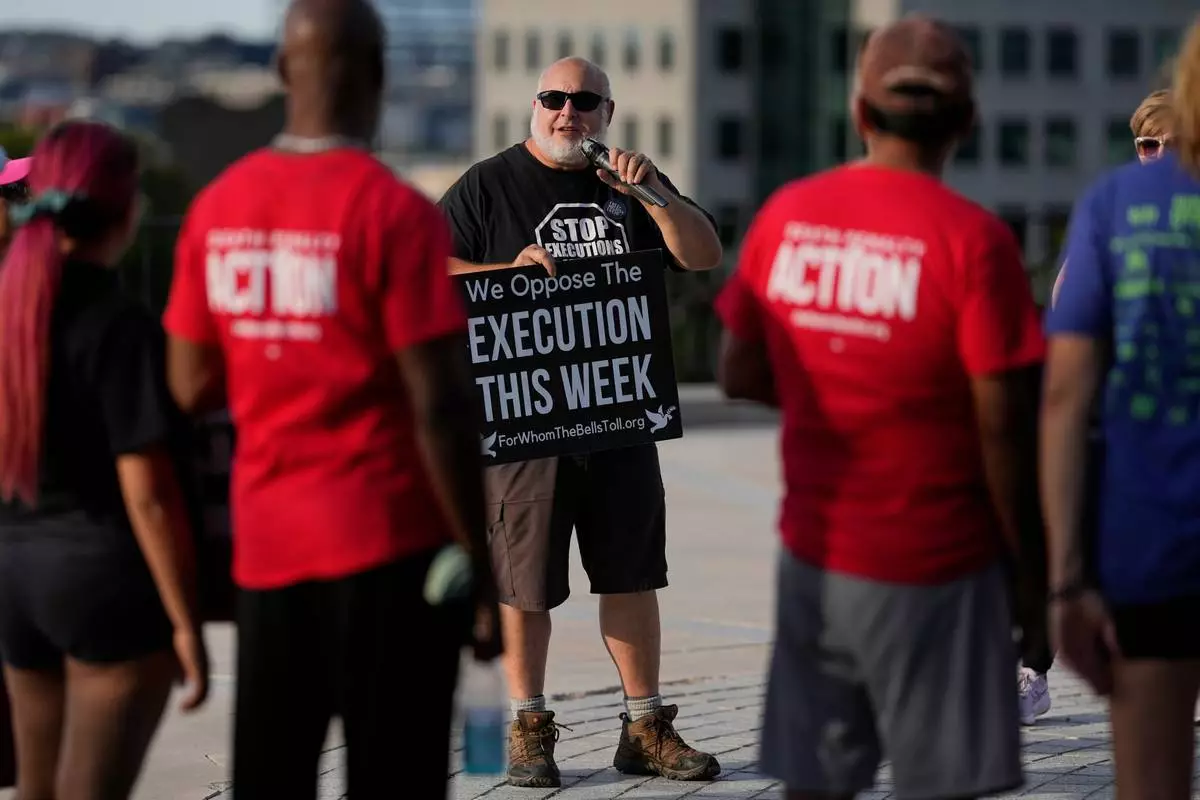
Abraham Bonowitz speaks during a March 4 Mercy protest against the death penalty at the Tennessee State Capitol, Sunday, Sept. 27, 2026, in Nashville, Tenn. ahead of the Sept. 30th scheduled execution of Christa Pike. (AP Photo/George Walker IV)
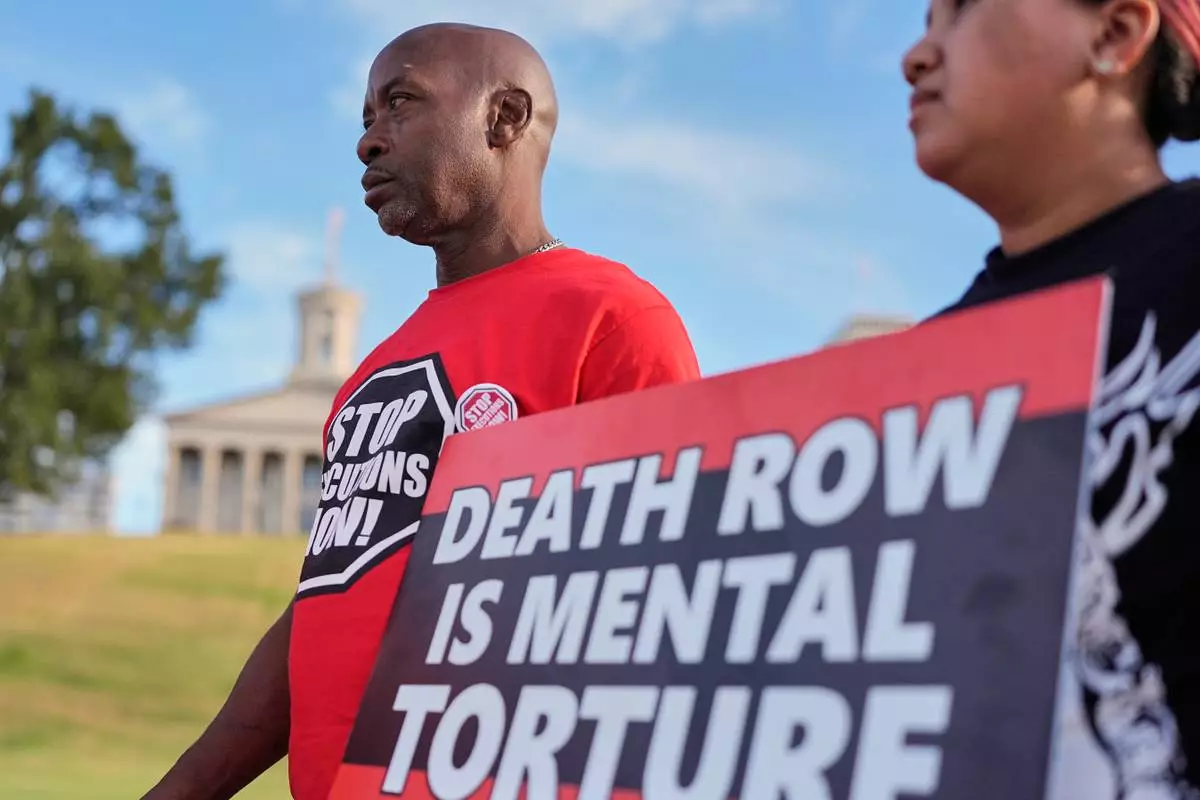
Alonzo Hughes participates in a March 4 Mercy protest against the death penalty at the Tennessee State Capitol, Sunday, Sept. 27, 2026, in Nashville, Tenn. ahead of the Sept. 30th scheduled execution of Christa Pike. (AP Photo/George Walker IV)
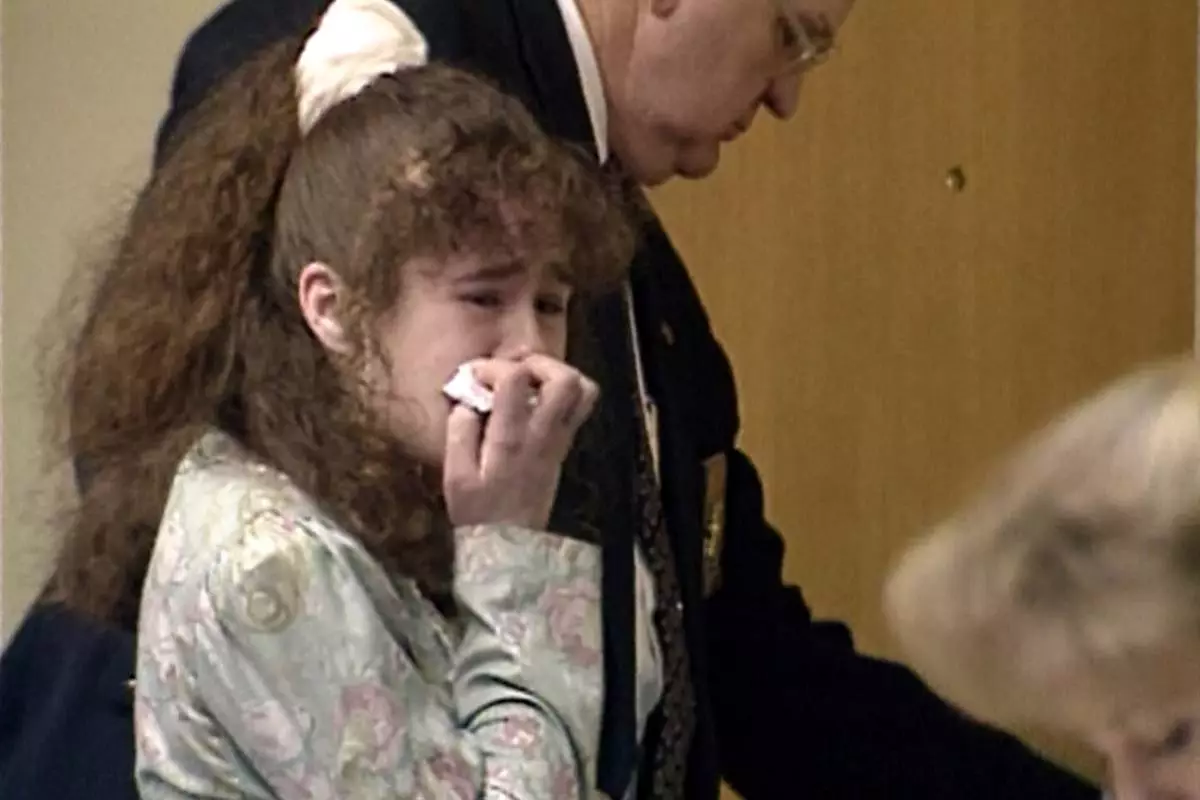
In this image from video provided by WBIR-TV, Christa Pike cries after being sentenced to death on March 30, 1996 in Knoxville, Tenn. (WBIR-TV via AP)
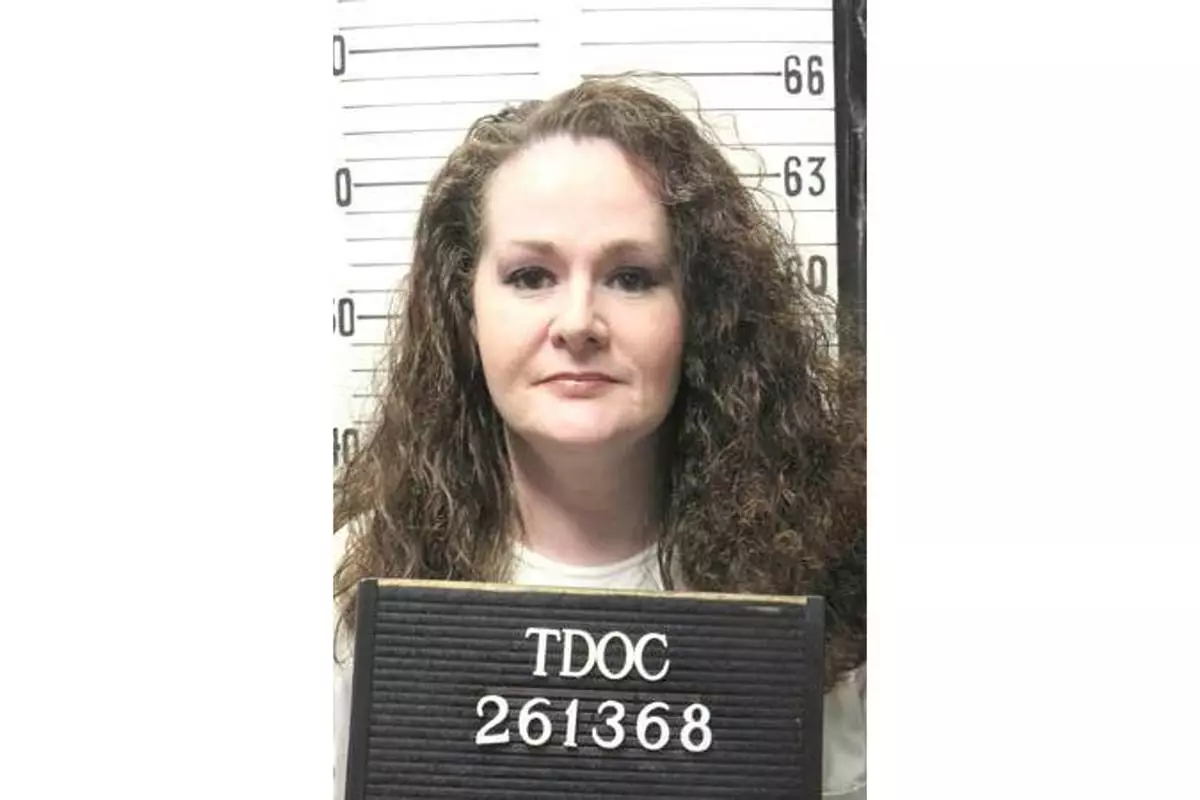
This photo provided by the Tennessee Department of Correction shows Christa Pike on Jan. 12, 2023. (TDOC via AP)