WASHINGTON (AP) — The Trump administration's campaign to root out noncitizen voting is demonstrating what critics of President Donald Trump's election conspiracy theories have long argued — that it's incredibly rare, difficult to prove and has not been shown to change the outcome of elections.
The administration has dedicated enormous resources to what election experts and administrators characterize as a comparatively small issue — noncitizens who, often due to misunderstanding the law, add their votes to the tens of millions of ballots cast during national elections.
On Wednesday, Attorney General Todd Blanche announced federal charges against 10 people in Minnesota alleged to have voted illegally over the last three elections, a period in which more than 8 million ballots were cast in the state.
“We’re focused on providing accountability and restoring trust in our elections,” Blanche said, lamenting that the media did not take seriously the charges for voter fraud his office has brought.
He said those added up to 90 for various types of election misconduct, including 50 against people who are alleged to have voted as noncitizens.
Even the 90 cases, which conflate voter fraud cases involving citizens of both political parties with those alleging noncitizen voting, are nominal in terms of the number of votes cast during presidential elections. It's nowhere near enough votes to swing any significant federal or even state election.
The U.S. had nearly 228 million registered voters for the 2024 presidential election, with more than 152 million ballots cast.
“They're incredibly low numbers no matter how you slice it," said Aaron Blacksberg of the Institute for Responsive Government, who was on a panel of election officials and experts on Wednesday in Washington, D.C., just before Blanche's announcement.
The continuing drumbeat from the administration about voter fraud and noncitizens casting ballots, even when their own investigations show it's rare, is one reason Democrats, civil rights groups and many election officials are bracing for the possibility of Trump intervening in the November vote.
The election officials who gathered with Blacksberg held a media roundtable during which they reassured voters that they are prepared for any possible disruptions this fall.
Democrats and civil rights groups have filed multiple lawsuits to try to prevent the Trump administration from sending armed agents to the polls, something the administration insists it will not do. Trump has lamented that he did not order the military to seize voting machines in 2020, leading many election officials and Democrats to brace for that possibility in the fall.
Gen. Dan Caine, chairman of the Joint Chiefs of Staff, said in a letter to a U.S. senator last month that there are no such plans for the military.
The scarcity of actual fraud or voting by noncitizens was one reason why election officials, courts and some of Trump’s own officials rejected his claims that he lost the 2020 election due to massive fraud. Now back in office, Trump has launched a sweeping probe to try to retroactively prove his false claims. His administration has directed Homeland Security and other federal agents to scour voter rolls to identify noncitizen voters. A whistleblower statement filed earlier this month with Congress says the effort may violate state laws and gives agents only 12 minutes to determine whether a flagged person is actually a citizen.
Distinguishing any noncitizens on voter rolls from the many legal voters who may have similar names, birth dates or other identifying information is why many voting rights groups and Democrats have resisted the administration's aggressive campaign. They worry it would disenfranchise more legal voters than it would block illegal ones.
There's a history behind those concerns. In Kansas, a 2011 law requiring proof of citizenship to vote blocked the registration of more than 31,000 U.S. citizens before a federal judge declared the law unconstitutional.
Trump pushed Republicans to pass a law reminiscent of the Kansas measure, but it could not overcome resistance in the Senate from Democrats and even some Republicans. The president then tried to limit mail voting through executive action, but that was blocked by the courts and ultimately stopped from taking effect for the midterms by the U.S. Supreme Court.
The administration has routinely issued press releases noting large numbers of “suspected” noncitizen voters in certain areas, only to have to later amend the total to something far less.
In July, Trump claimed Nevada had 1,500 noncitizen voters on its rolls, but after his administration had to identify them to the state, the number of actual registered noncitizens turned out to be zero.
More recently, the top election official in Arizona's Maricopa County, which includes Phoenix, announced that the Trump administration's noncitizen database flagged 60 possible noncitizen voters in a county where more than 2 million voters cast ballots in 2024. The actual number of illegal voters, disclosed by county prosecutors when they filed charges this week, was eight. The Supreme Court has allowed the Trump administration to use that database to find purported illegal voters during November’s election.
Investigations in previous years resulted in similar findings. In Ohio, prosecutors secured indictments against nine people for voting as noncitizens over the span of 10 years. The state has some 8 million registered voters. During the presidential election two years ago, Georgia’s secretary of state found that just 20 of the state’s 8.2 million registered voters were not U.S. citizens.
On Wednesday, Blanche acknowledged that such cases were sporadic and not connected, undercutting the notion — promoted by Trump himself — that they are tied to some vast conspiracy to throw elections: “I don’t think we can say there’s a pattern we’ve identified,” Blanche said. “You know, I think that — that every case is different.”
Administration officials continued to toss around large-sounding numbers during the news conference. Department of Homeland Security Secretary Markwayne Mullin claimed his agency “has 1,600 voter fraud cases that we're investigating and 300,000 more that we're getting to.”
Daniel Rosen, the U.S. attorney for Minnesota, alleged that “the state itself fosters an environment that seems to encourage non-citizens to break the law and vote.”
In a statement, the office of Minnesota Secretary of State Steve Simon, a Democrat, noted that it is a felony for a noncitizen to cast a ballot.
“These indictments affirm the fact that noncitizen voting is a vanishingly rare crime,” it said. “If these indictments result in convictions, that will amount to ten individuals over a period in which around 8.5 million votes were cast in Minnesota.”
Voters must attest that they are U.S. citizens when they register to vote. Violating that can be punishable as a felony, leading to jail time and deportation.
Blanche alluded to the complexity and effort that go into these probes.
“These cases aren’t easy, right? So if you get a list of suspected voters who shouldn’t be voting, whether they’re here illegally or they’re just not eligible to vote because they’re aliens, you can’t just go and arrest them. There’s a full investigation that” the federal government has to do.
Election experts say that's why federal law enforcement has traditionally not mobilized to combat an issue that is almost nonexistent. Most voter fraud cases are prosecuted locally.
“It does appear that there have been a lot of resources redirected away from things like violent crime and counterterrorism, which is where Homeland Security usually focuses its efforts,” said David Becker, a former Department of Justice attorney who now runs the Center for Election Innovation & Research.
Becker added that it would not have been “unusual at all in past administrations to deprioritize” the voting focus because “it’s just such a small issue.”
Riccardi reported from Denver.
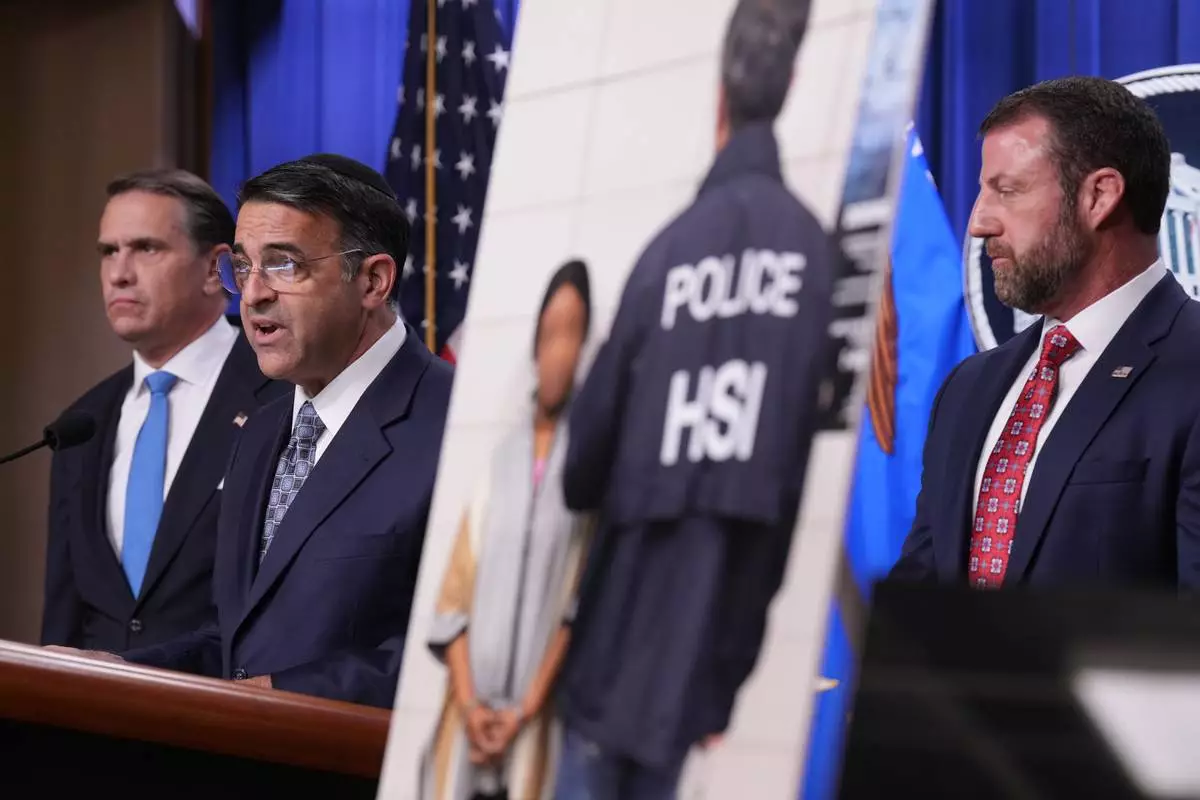
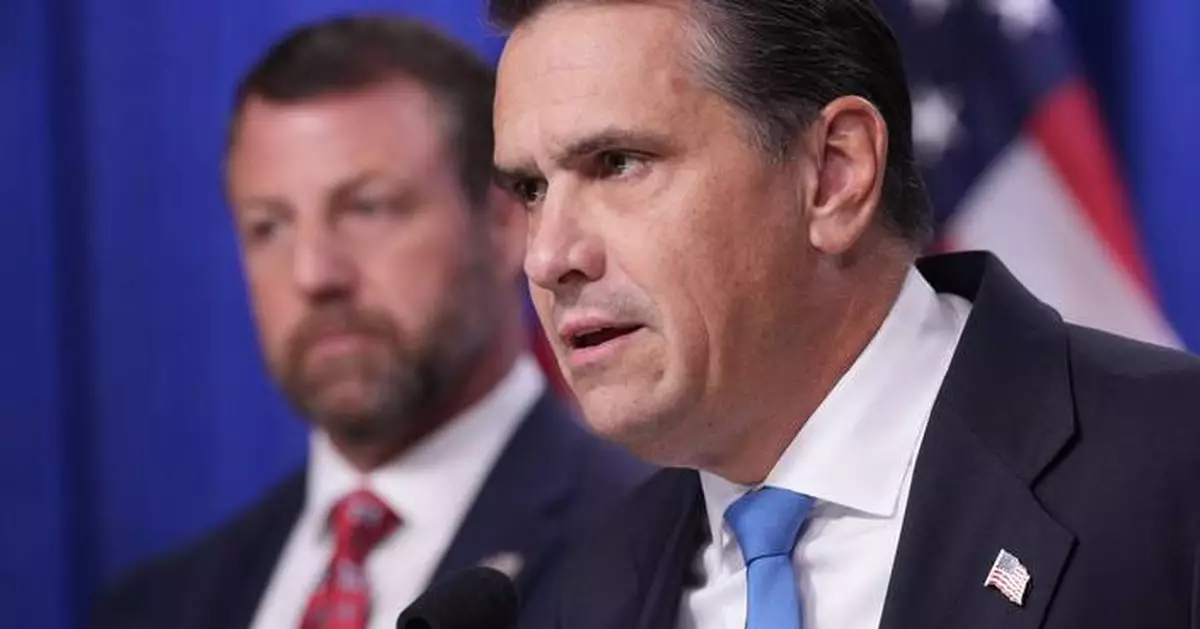
Daniel Rosen, U.S. Attorney for the District of Minnesota, speaks during a news conference at the Department of Justice, Wednesday Sept. 30, 2026, in Washington, as Attorney General Todd Blanche, left, and Secretary of Homeland Security Markwayne Mullin, look on. (AP Photo/Jacquelyn Martin)
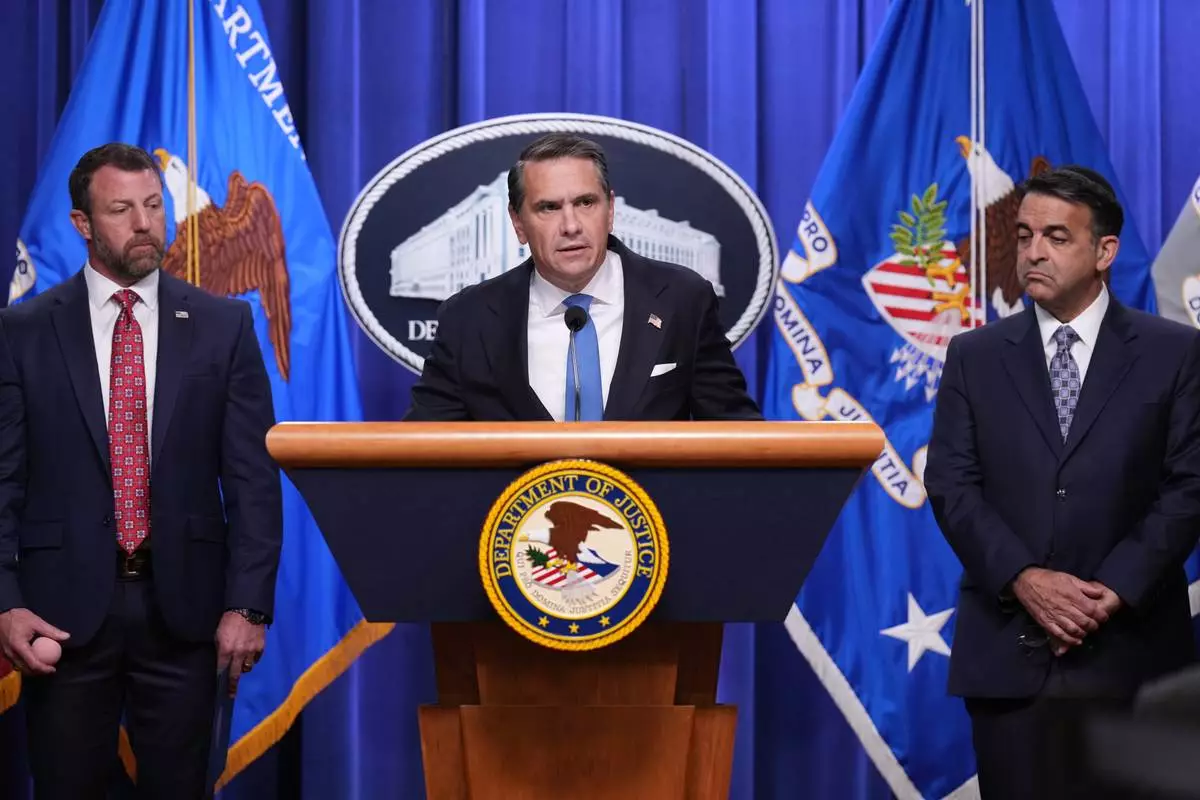
Attorney General Todd Blanche speaks during a news conference at the Department of Justice, Wednesday Sept. 30, 2026, in Washington, as Secretary of Homeland Security Markwayne Mullin and Daniel Rosen, U.S. Attorney for the District of Minnesota, look on. (AP Photo/Jacquelyn Martin)
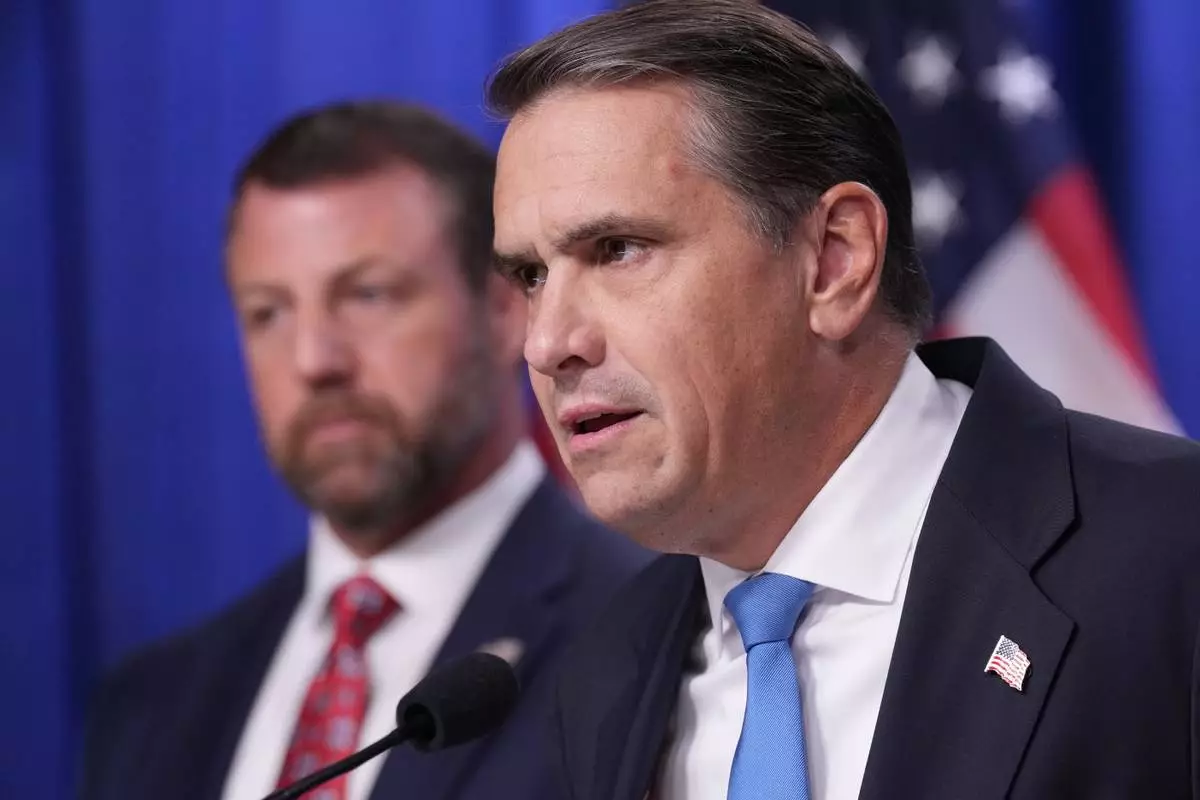
Attorney General Todd Blanche speaks during a news conference at the Department of Justice, Wednesday Sept. 30, 2026, in Washington, as Secretary of Homeland Security Markwayne Mullin, looks on. (AP Photo/Jacquelyn Martin)
NASHVILLE, Tenn. (AP) — Tennessee officials were unable to put Christa Gail Pike to death Wednesday for a 1995 murder after administering two doses of a lethal drug. A death penalty expert said it was an unprecedented failure.
Pike was alive and loudly snoring after the attempted lethal injection and taken by ambulance from the prison, her attorneys said.
“We have not been informed as to her condition,” Pike's attorneys said in a statement.
Pike, 50, had been scheduled for execution at 10 a.m. Wednesday for the killing she committed at age 18 and would have been the first woman executed in Tennessee in more than 200 years. An appeals court stopped the lethal injection just an hour before it was to start and hours later the U.S. Supreme Court overturned that stay.
Officials gave Pike two doses of pentobarbital, her attorneys said in court filings late Wednesday. Robin M. Maher, executive director of the Death Penalty Information Center, said what Pike experienced is “singular and unparalleled.”
Seven other people have survived medical problems due to the execution team's failure to access a vein to administer lethal injection drugs, but no one has stayed alive after receiving the drugs used in such executions, she said.
Pike’s attorneys said: “We take no pleasure in being right, but the concerns raised by Ms. Pike proved to be true: difficult vein access, blown veins, degraded pentobarbital, no emergency medical care available when things inevitably go wrong, all under a protocol that remains veiled in secrecy.”
Media witnesses observing from a separate room said officials raised curtains to the execution chamber at 7:27 p.m., showing Pike strapped to a gurney.
Pike remained awake and at one point raised her head and asked prison officials if her arm was supposed to feel that way. It was not clear what she was referencing.
By 8:26 p.m., execution witnesses reported that the second dose of pentobarbital had been administered.
Pike continued to be heard snoring behind the closed curtain until the microphone was cut off at 8:53 p.m. At that time there was an announcement to escort media witnesses out of the area.
Tennessee Department of Correction spokesperson Dorinda Carter told media witnesses she was unable to immediately provide information about what happened.
Lawyers for Pike filed an emergency motion late Wednesday to the U.S. Supreme Court seeking to immediately halt and stay the execution, saying she was in “unnecessary agony” and it was violating her right to be executed free of cruel and unusual punishment. They also filed motions in the Sixth Circuit court and district court.
The motion also asserted that the Department of Correction should begin lifesaving measures. “Failure to provide such care constitutes deliberate indifference to legitimate, serious medical needs.”
Pike and her boyfriend were convicted of the fatal stabbing and beating in 1995 of 19-year-old Colleen Slemmer, their classmate at a job training facility in Knoxville. The case garnered widespread attention in part because of a pentagram that was carved on Slemmer’s body and other elements of the crime stoked fears of Satan worship during the “satanic panic” of the 1980s and 1990s.
It was the second time this year that Tennessee has been unable to carry out an execution: In May state officials called off the lethal injection of Tony Carruthers, who was convicted of kidnapping and killing three people in 1994, after executioners tried and failed for over an hour to place an IV to administer pentobarbital.
Pike was initially scheduled to be put to death in the morning, and witnesses had gathered at the Riverbend Maximum Security Institution in Nashville when the 6th Circuit U.S. Court of Appeals voted 2-1 to issue a stay. That court said a delay was needed to consider whether Pike’s allegations of childhood sexual abuse were fully considered at her sentencing.
The attorney general’s office appealed to the Supreme Court, saying that halting the execution at the last moment traumatized Slemmer’s family and rewarded “abusive delay tactics” by Pike’s attorneys.
Later in the day, the high court cleared the way for the execution to proceed. The conservative majority did not explain their order, while the three liberal members signed a dissent that said Pike’s claims deserved a closer look.
Pike does not deny committing the killing, but her supporters argue that the state should consider her age at the time, her mental illness and her allegations of severe sexual abuse.
“It is inconceivable that in the 21st century, the criminal justice system is poised to execute a survivor of rape and child sexual abuse whose jury never had the opportunity to consider those facts in weighing the defendant’s moral culpability,” her attorneys wrote in a filing.
As the execution date drew near, debate renewed over the death penalty for young offenders.
Assistant Federal Defender Stephen Ferrell said Pike’s death sentence is an outlier because other 18-year-olds in Tennessee have had such sentences vacated.
After the killing, Pike was diagnosed with bipolar disorder and post-traumatic stress disorder. In her clemency petition, she said she only wanted to fight Slemmer but killed her in a frenzied attack when she couldn’t “put the brakes on.”
“I was a mentally ill 18-year-old kid. It took me numerous years to even realize the gravity of what I’d done. Even more to accept how many lives I affected. I took the life of someone’s child, sister, friend. It sickens me now to think I had the ability to commit such a crime,” Pike said in a statement.
Slemmer’s mother said she wants the lethal injection to go forward, saying she has waited decades to see Pike’s sentence carried out.
“Every time I think about it, I think about Colleen feeling that pain and trying to get up and run,” May Martinez told The Associated Press in a telephone interview on Saturday.
Martinez said a group helped raise money so she and her husband could travel from Florida to witness the execution.
“Not a day goes by, or a minute goes by that I do not think about Colleen. Holidays are the worst,” she said, noting that her daughter would have turned 51 in September.
The killing rocked the city of Knoxville. Prosecutors said Pike, fearing Slemmer was trying to steal her boyfriend, lured her to a wooded area on Jan. 12, 1995. Pike cut Slemmer with a box cutter and beat her with a large chunk of asphalt. Shipp, Pike’s boyfriend, has admitted that he was the one who carved a pentagram, a star-shaped symbol associated with Satan, into her body.
Shipp was 17 when the crime happened and received a sentence of life in prison with the possibility of parole. Pike was the only one sentenced to death.
Since the Supreme Court reinstated the death penalty in 1976, 18 women have been put to death, representing about 1% of all executions, according to the Death Penalty Information Center.
Pike would have been the 30th person executed in the U.S. this year after Florida carried out an execution on Tuesday.
Tennessee announced in 2024 that it was switching from a three-drug series for lethal injections to the single drug pentobarbital. That came more than two years after the state abruptly halted the execution of Oscar Smith and acknowledged that it had failed to ensure its lethal injection drugs were tested properly.
This story has been updated to correct that Pike had been scheduled for execution at 10 a.m. local time, not 11 a.m.
Associated Press writers Jeffrey Collins in Columbia, South Carolina, Ed White in Detroit and Hallie Golden in Seattle contributed.
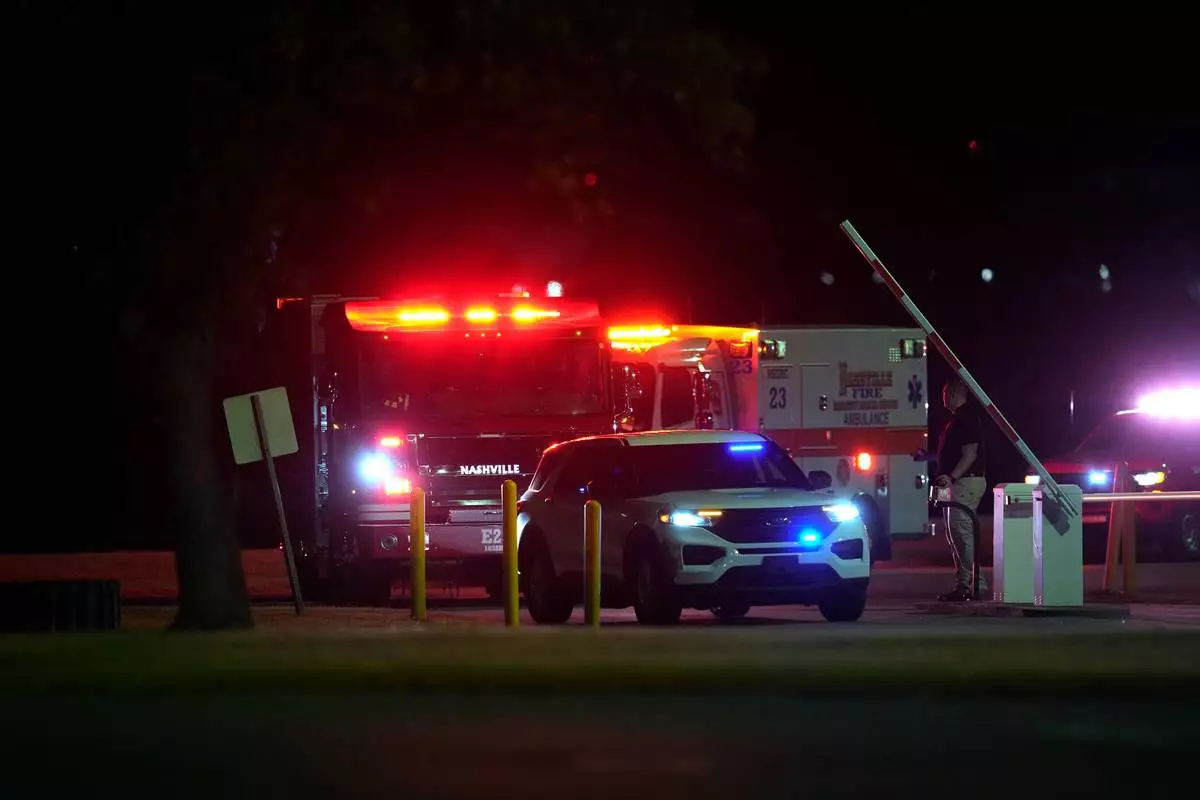
Emergency vehicles arrive at Riverbend Maximum Security Institution after the execution of Christa Pike was halted Wednesday, Sept. 30, 2026, in Nashville, Tenn. (AP Photo/George Walker IV)
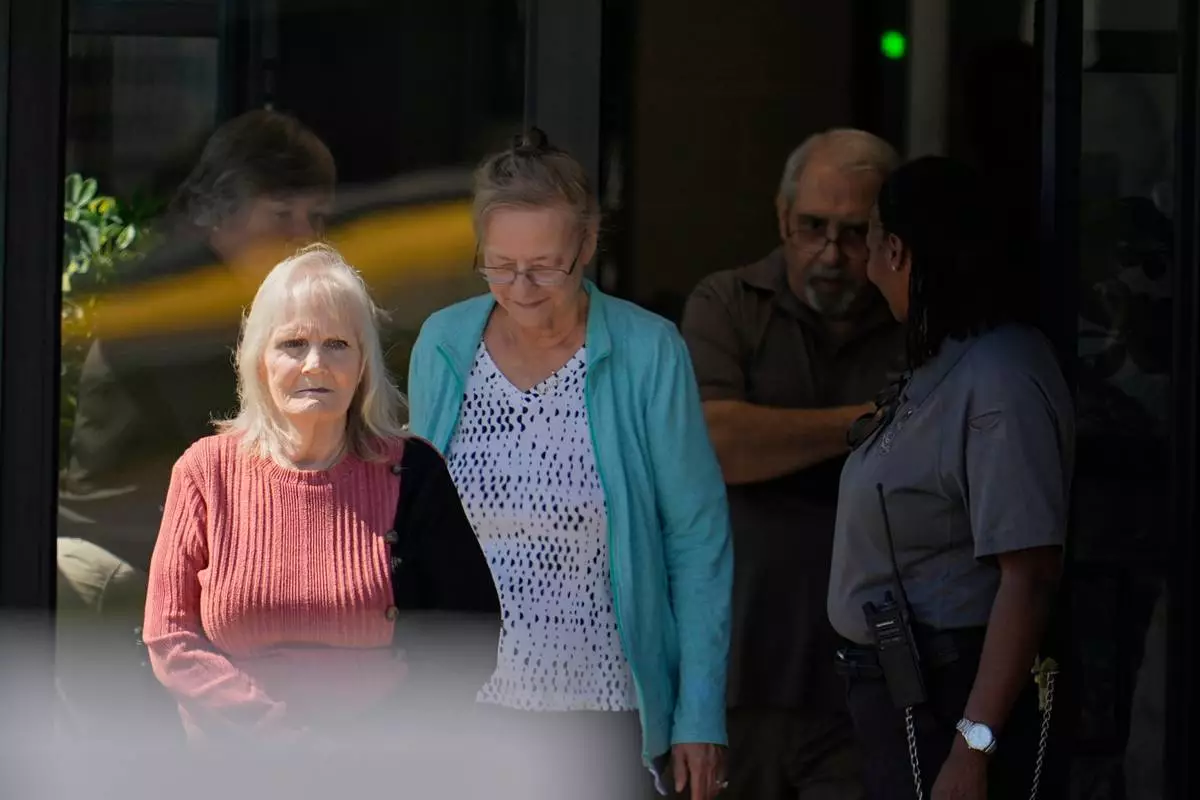
May Martinez, left, mother of murder victim Colleen Slemmer, walks out of Riverbend Maximum Security Institution during a stay of the planned execution of Christa Pike, Wednesday, Sept. 30, 2026, in Nashville, Tenn. (AP Photo/George Walker IV)
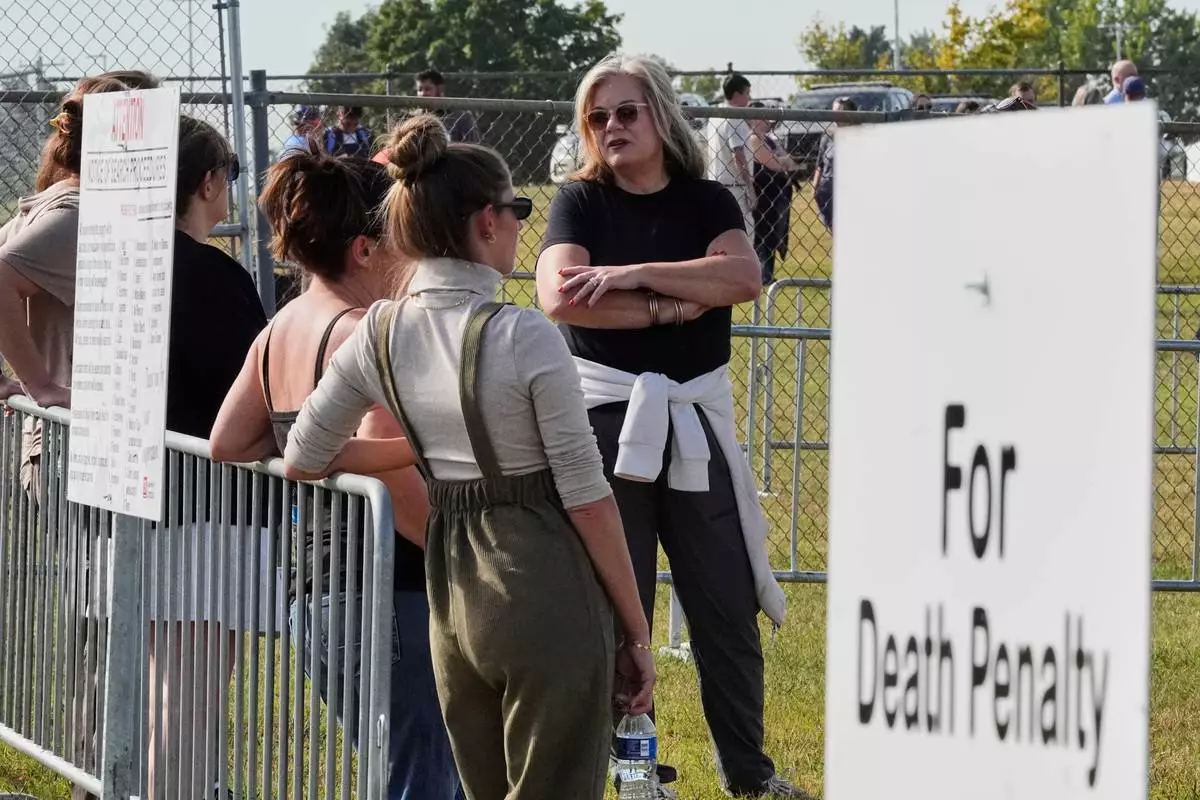
Leslie Brown, right, stands with others in the area reserved for people in favor to the death penalty outside Riverbend Maximum Security Institution before the planned execution of Christa Pike, Wednesday, Sept. 30, 2026, in Nashville, Tenn. (AP Photo/George Walker IV)
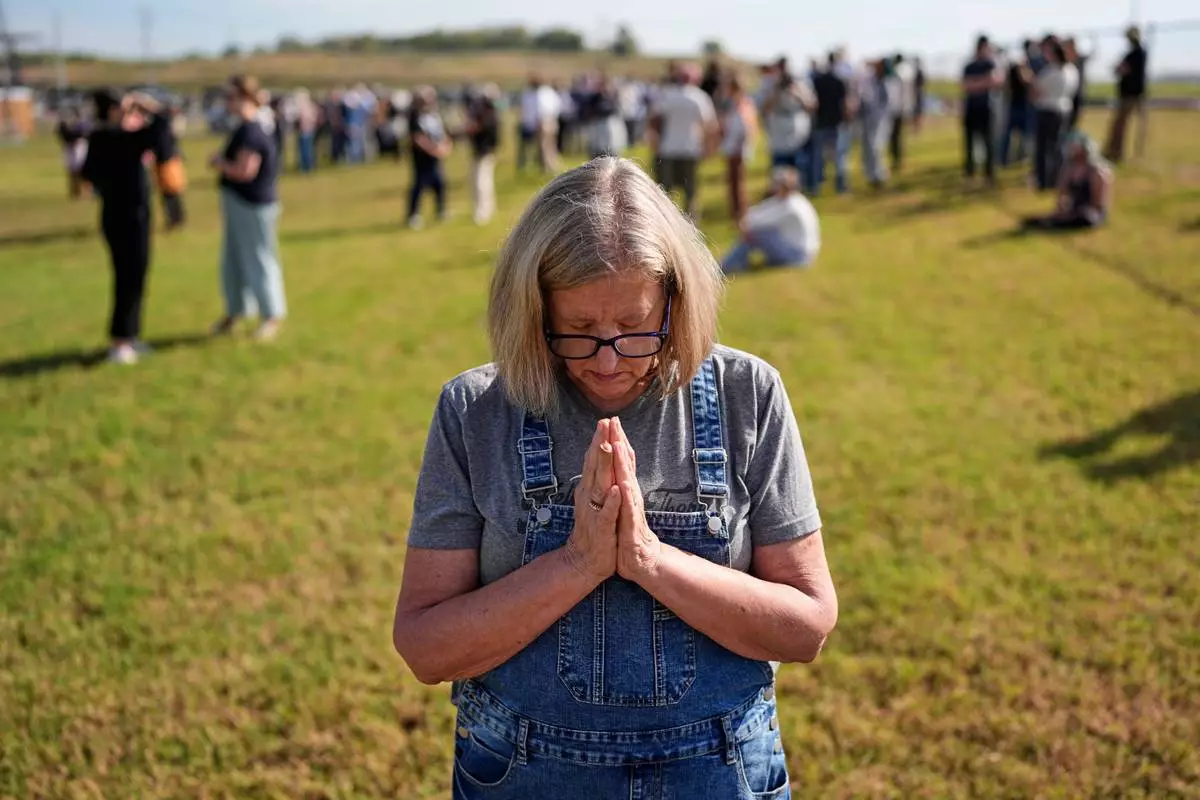
Kathleen Walter prays in the area reserved for people opposed to the death penalty outside Riverbend Maximum Security Institution before the planned execution of Christa Pike, Wednesday, Sept. 30, 2026, in Nashville, Tenn. (AP Photo/George Walker IV)
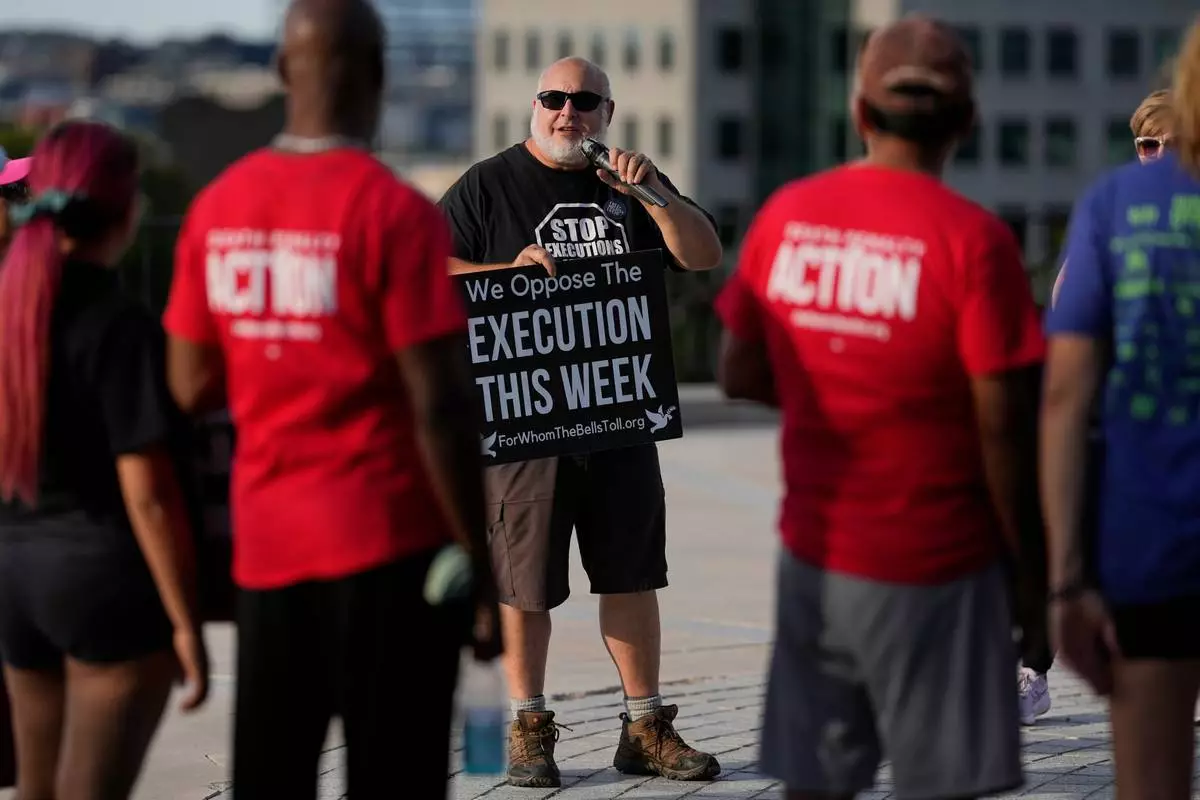
Abraham Bonowitz speaks during a March 4 Mercy protest against the death penalty at the Tennessee State Capitol, Sunday, Sept. 27, 2026, in Nashville, Tenn. ahead of the Sept. 30th scheduled execution of Christa Pike. (AP Photo/George Walker IV)
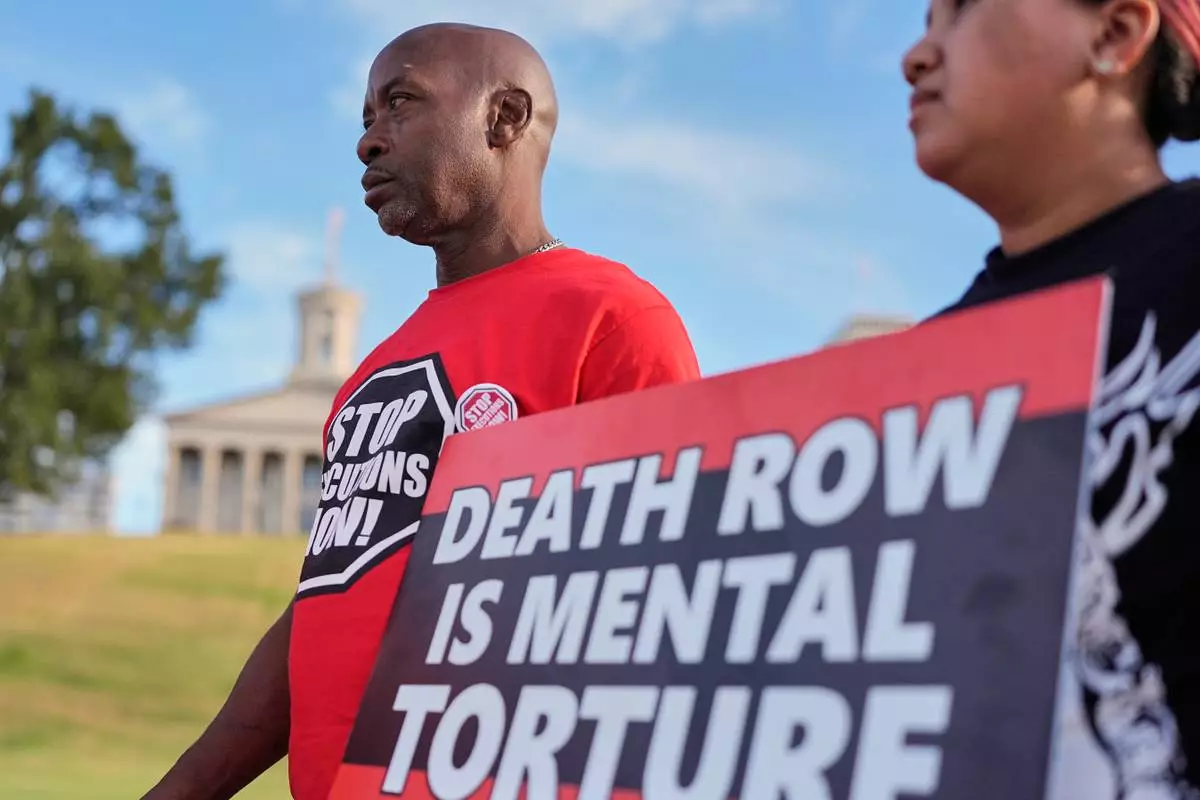
Alonzo Hughes participates in a March 4 Mercy protest against the death penalty at the Tennessee State Capitol, Sunday, Sept. 27, 2026, in Nashville, Tenn. ahead of the Sept. 30th scheduled execution of Christa Pike. (AP Photo/George Walker IV)
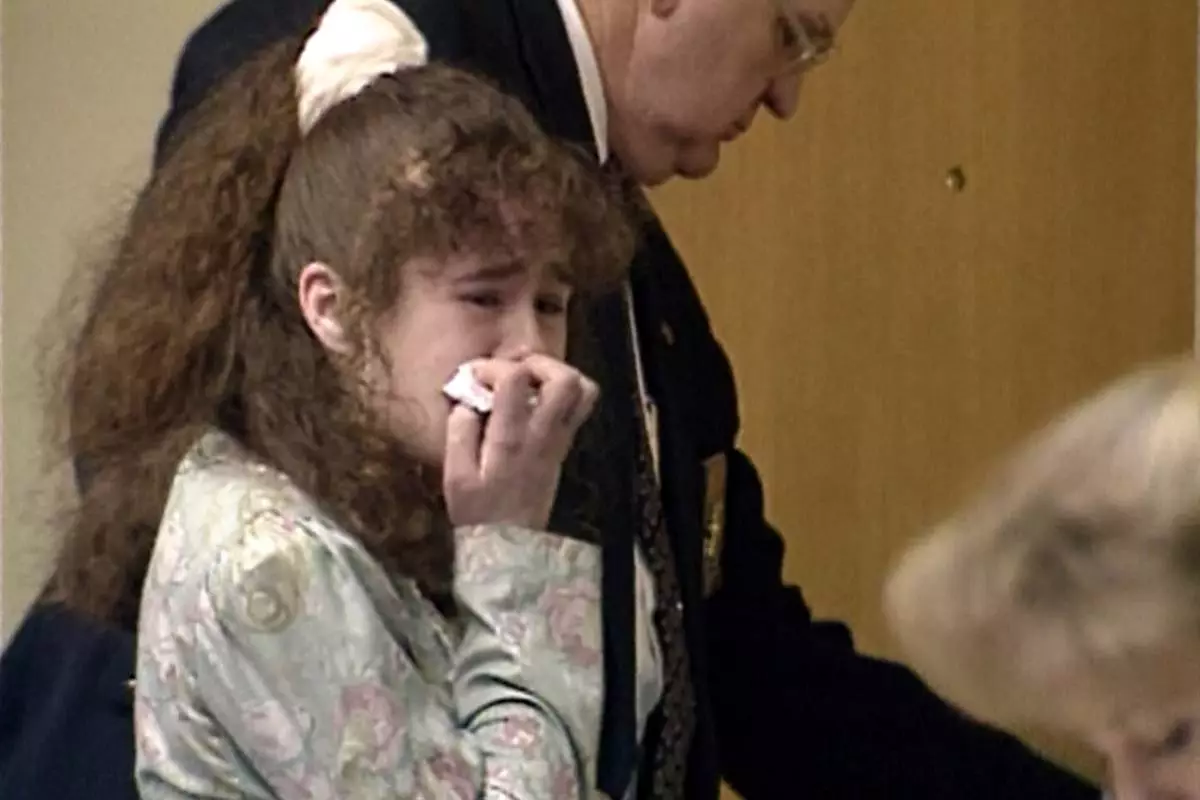
In this image from video provided by WBIR-TV, Christa Pike cries after being sentenced to death on March 30, 1996 in Knoxville, Tenn. (WBIR-TV via AP)
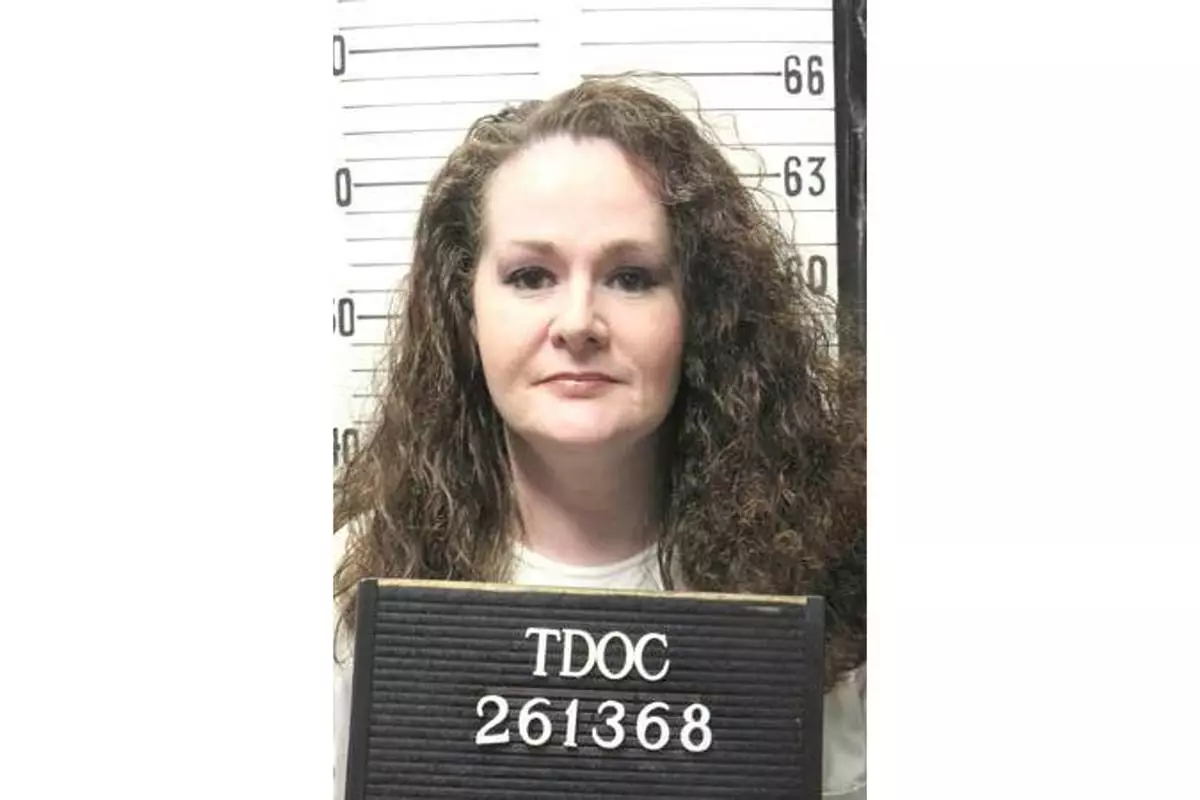
This photo provided by the Tennessee Department of Correction shows Christa Pike on Jan. 12, 2023. (TDOC via AP)