Skip to Content Facebook Feature Image

Hong Kong Advances Green Maritime Fuel Bunkering with New Legislation and Expanded Port Facilities.

HK

Hong Kong Advances Green Maritime Fuel Bunkering with New Legislation and Expanded Port Facilities.
HK

HK

Hong Kong Advances Green Maritime Fuel Bunkering with New Legislation and Expanded Port Facilities.

2026-10-02 11:12 Last Updated At:11:28

Government proposes legislative amendments to facilitate green maritime fuel bunkering operations

The Government published in the Gazette today (October 2) six pieces of subsidiary legislation to amend Schedule 3 to the Pilotage Ordinance (Cap. 84) and five pieces of subsidiary legislation under the Immigration Ordinance (Cap. 115), the Dangerous Goods Ordinance (Cap. 295), the Shipping and Port Control Ordinance (Cap. 313) and the Merchant Shipping (Local Vessels) Ordinance (Cap. 548) to ensure that port facilities, including anchorages, and related arrangements can meet the growing demand for green maritime fuel bunkering services amid the global trend towards maritime decarbonisation.

The five pieces of subsidiary legislation to be amended are:

(a) Immigration (Anchorages and Landing Places) (Amendment) Order (Cap. 115C);

(b) Dangerous Goods (Shipping) (Amendment) Regulation 2012 (Cap. 295F);

(c) Shipping and Port Control (Amendment) Regulation (Cap. 313A);

(d) Merchant Shipping (Local Vessels) (General) (Amendment) Regulation (Cap. 548F); and

(e) Merchant Shipping (Local Vessels) (Fees) (Amendment) Regulation (Cap. 548J).

A spokesman for the Transport and Logistics Bureau said, "Amid the global transition towards green shipping, the international maritime industry is accelerating the adoption of green maritime fuels to achieve maritime decarbonisation. The proposed legislative amendments will rearrange anchorages to provide additional sea room, which will increase significantly from 645 hectares to 2 877 hectares, to facilitate green maritime fuel bunkering operations. In addition, a more trade-friendly fee structure will be introduced for Government Mooring Buoys (GMBs). The amendments will offer greater convenience to vessels visiting Hong Kong for green maritime fuel bunkering in future, further consolidating Hong Kong's position as a green maritime fuel bunkering centre."

Using green maritime fuels is the most effective way to achieve maritime decarbonisation. The Transport and Logistics Bureau promulgated the Action Plan on Green Maritime Fuel Bunkering (the Action Plan) in November 2024, setting out five strategies and 10 measures to develop Hong Kong into a green maritime fuel bunkering centre. Among them, the Action Plan proposes optimising the port layout to facilitate the mooring of green maritime fuel bunkering barges, thereby enhancing the operational flexibility of green maritime fuel bunkering.

The proposed legislative amendments cover the optimisation of the layout of anchorages and port facilities. These include establishing seven new anchorages, adjusting the boundaries of eight anchorages, converting three dangerous goods anchorages or service anchorages into multipurpose anchorages, repealing two existing anchorages, formalising two existing recommended Traffic Separation Schemes (TSSs) into local statutory TSSs, and introducing a more trade-friendly fee structure for GMBs. These measures will ensure that the Hong Kong Port has sufficient sea room to meet the demand for green maritime fuel bunkering services. Furthermore, the Government proposes to repeal a dangerous goods anchorage and a designated bunkering area located near residential areas and to make corresponding adjustments to other anchorages and designated bunkering areas to minimise potential impacts on nearby communities.

The Panel on Economic Development of the Legislative Council, the Pilotage Advisory Committee, the Port Operations Committee, the Local Vessels Advisory Committee, the High Speed Craft Consultative Committee, and the Dangerous Goods Standing Committee have been consulted on the legislative proposals. Relevant District Councils (including Tsuen Wan, Sham Shui Po, Kwai Tsing, Tai Po, Tuen Mun, Sai Kung, and Islands District Councils), relevant Rural Committees in the Islands District, and fishermen's representatives have also been consulted. All parties supported the proposals or raised no objection.

The proposed amendment regulations will be submitted to the Legislative Council on October 7 for negative vetting.

Two historic buildings declared as monuments

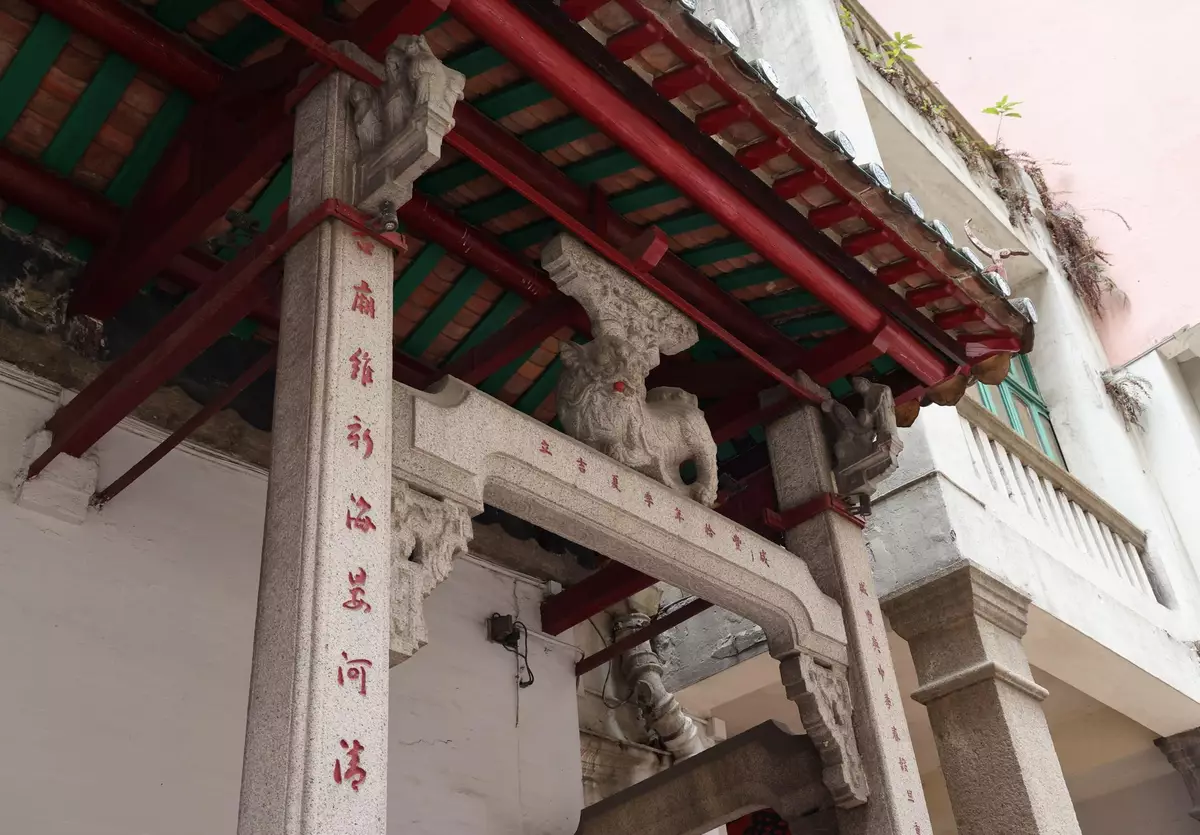
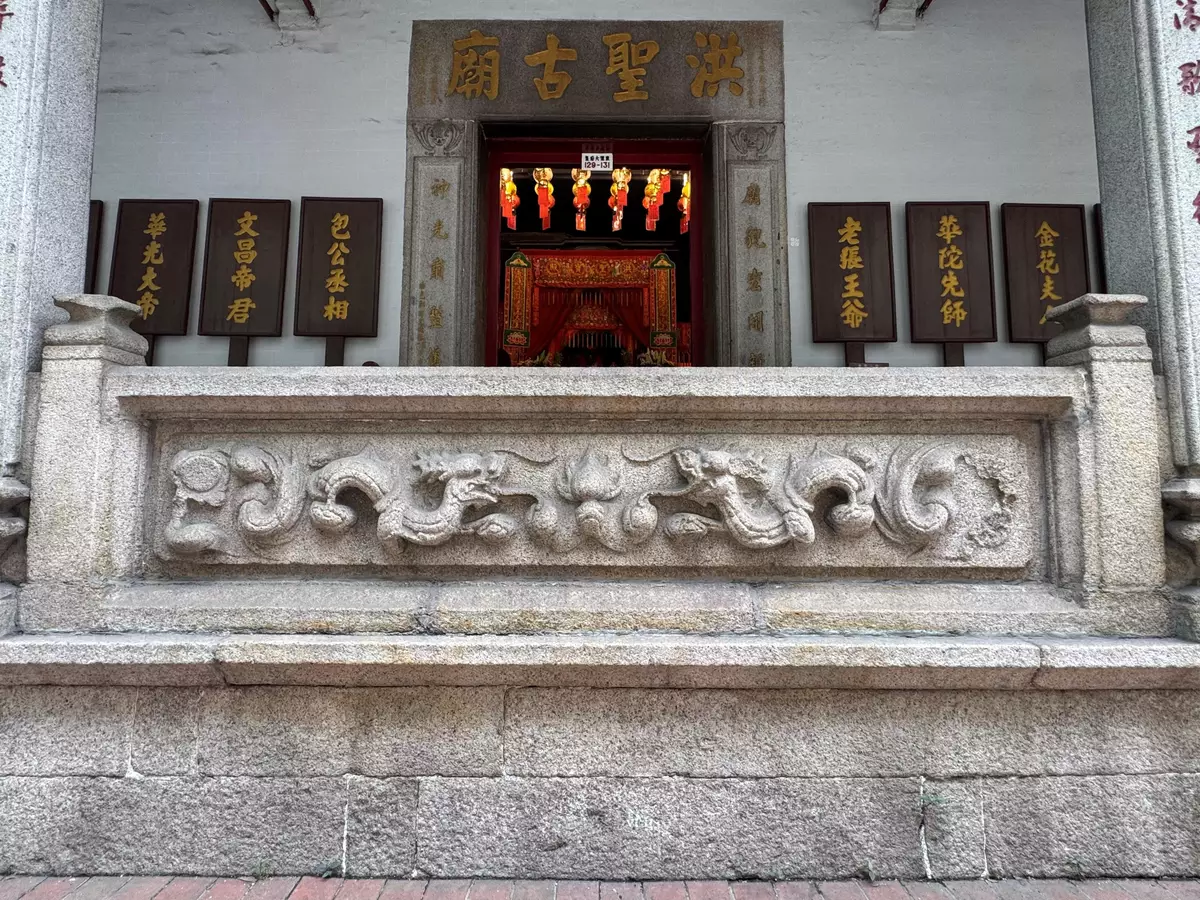
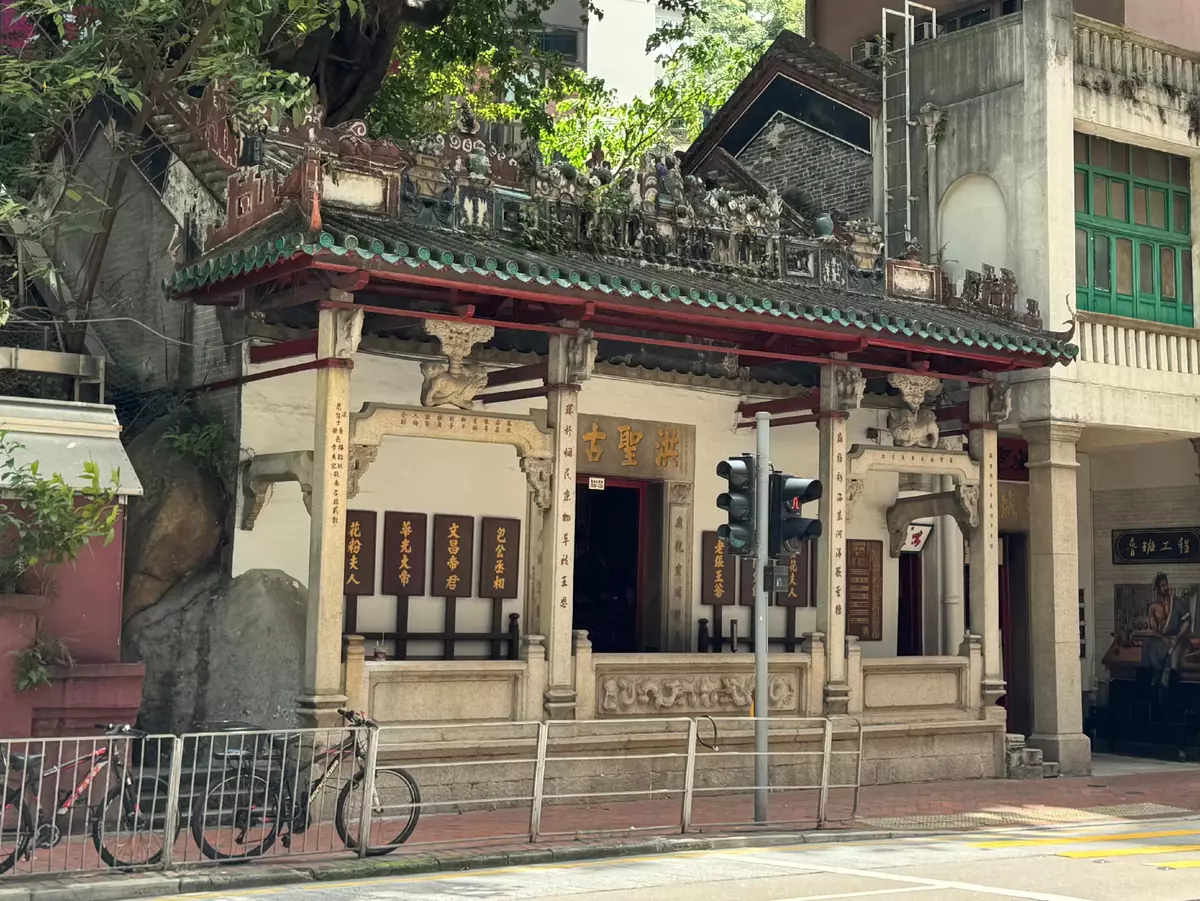
The Government today (October 2) gazetted a notice announcing that the Antiquities Authority (i.e. the Secretary for Development) has declared Hung Shing Temple in Wan Chai and Stanley Mosque in Stanley as monuments under the Antiquities and Monuments Ordinance.

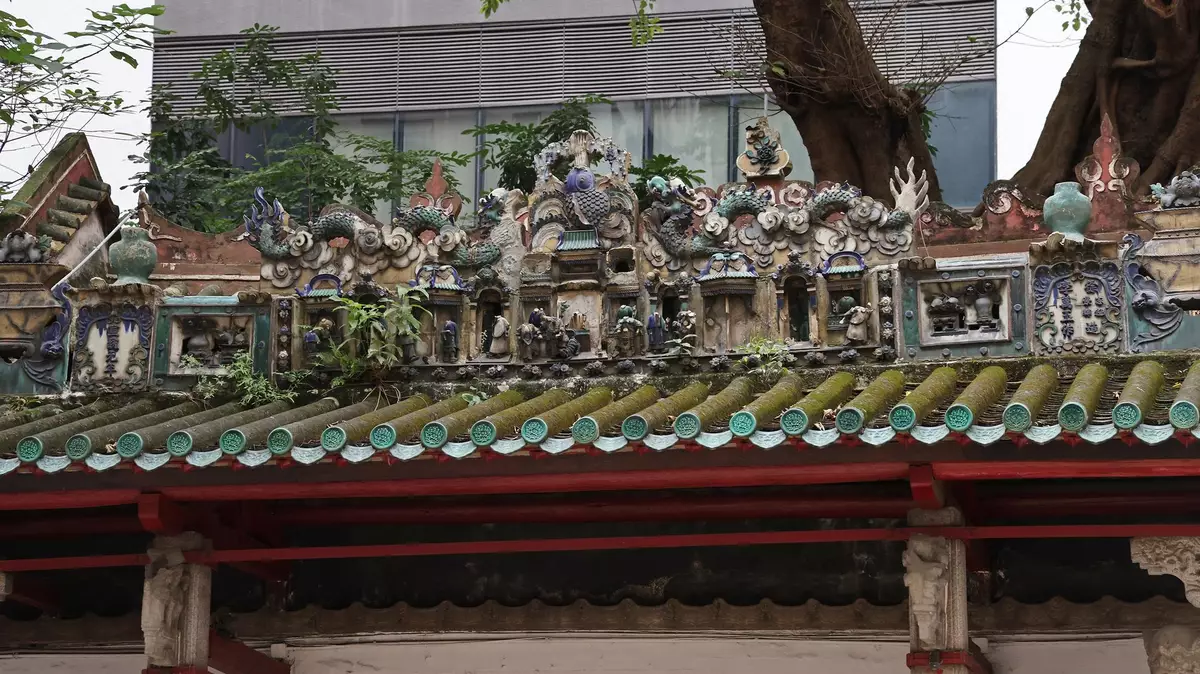
Located on Queen's Road East in Wan Chai, Hung Shing Temple is one of the district's oldest surviving temples, estimated to have been built between 1847 and 1852. Dedicated to Hung Shing, the "God of the South Sea", the temple has long served as an important venue for religious ceremonies and ritual practices, including the housing of soul tablets during its early years, thereby establishing close ties with the Wan Chai community.

Exemplifying traditional Lingnan vernacular architecture and seamlessly integrating with the nearby natural rocky terrain, Hung Sing Temple holds immense architectural value. It retains a high degree of authenticity, with well-preserved historic fabric and decorative features, including stone carvings, plaster mouldings, granite figures, and Shiwan ceramic ridge decorations produced in 1909, showcasing both refined craftsmanship and the continuity of traditional building practices. As a significant historic landmark in a modern city, the temple not only reflects Wan Chai's development over the past century, but also stands as a precious reminder of the district's early religious landscape and enduring communal traditions.

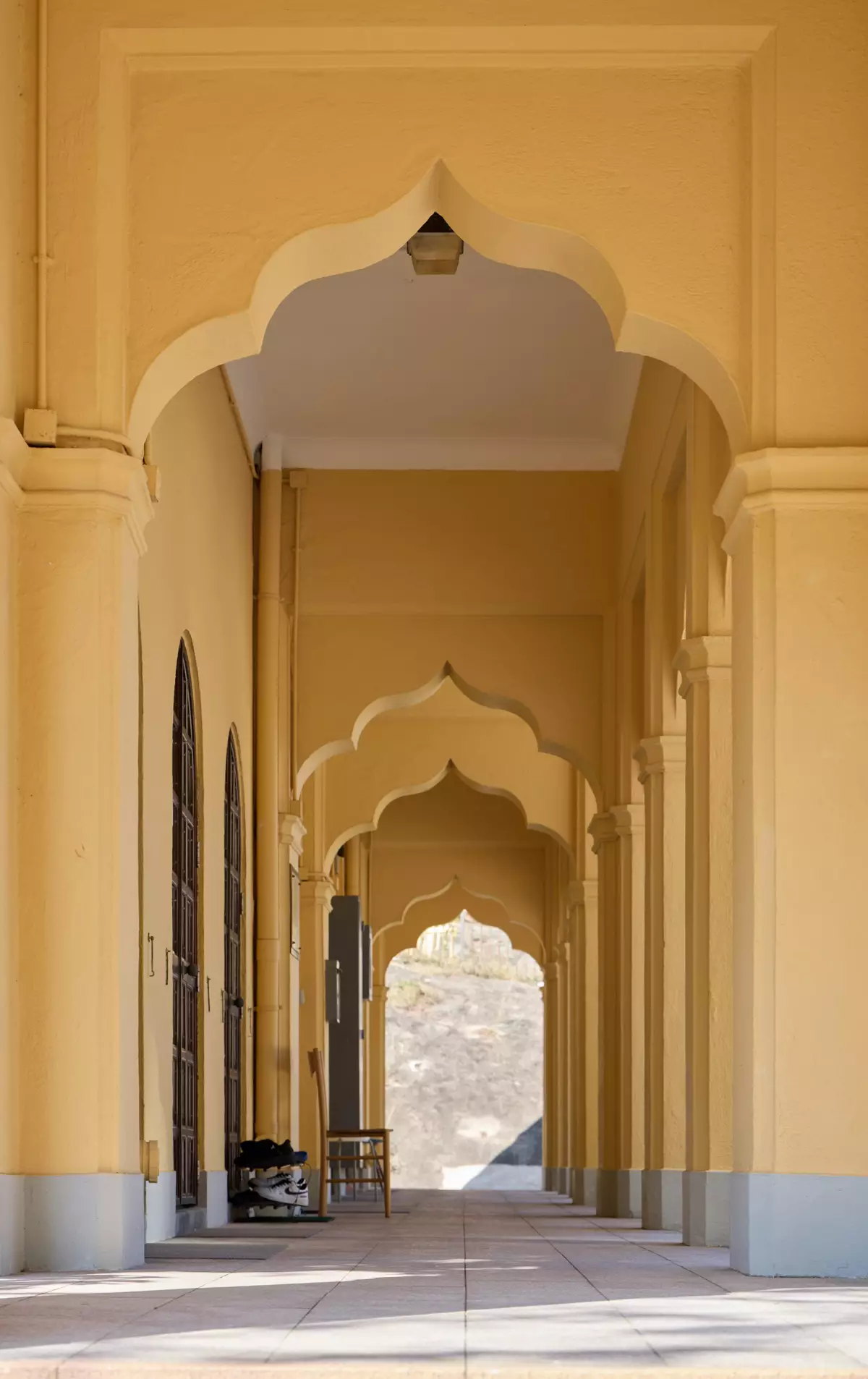
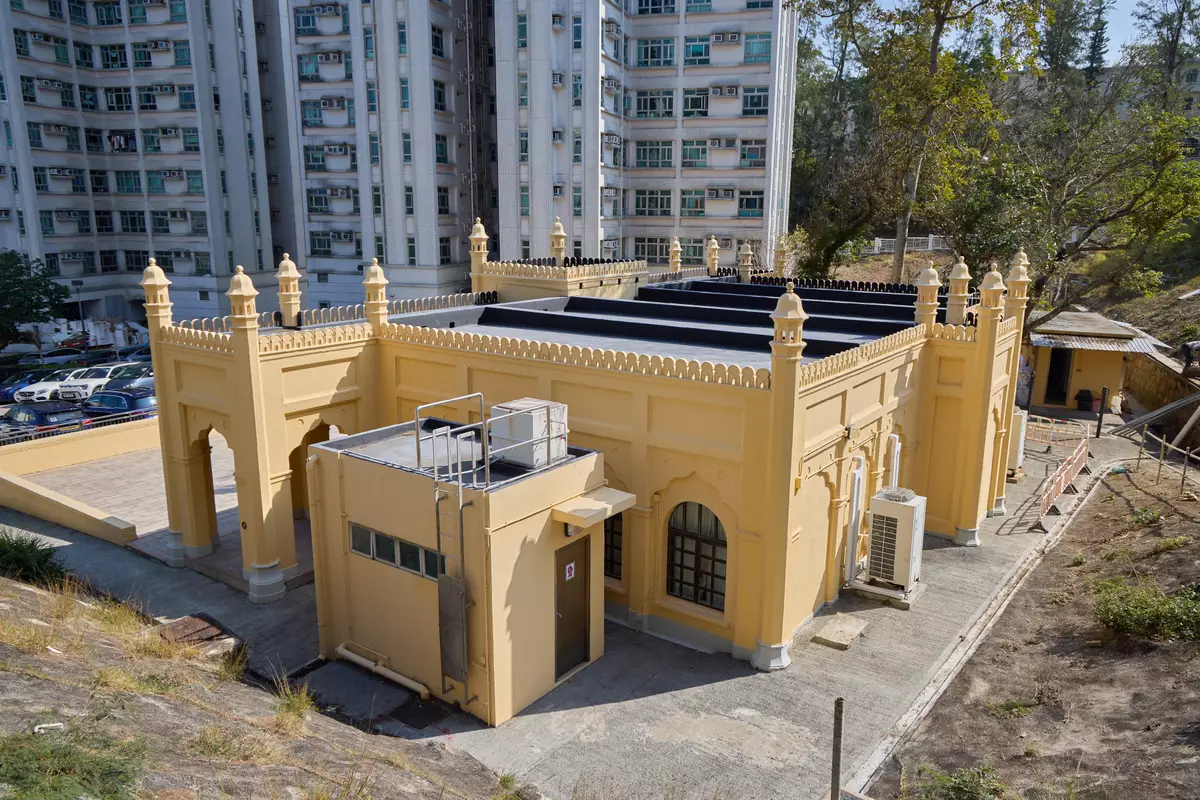
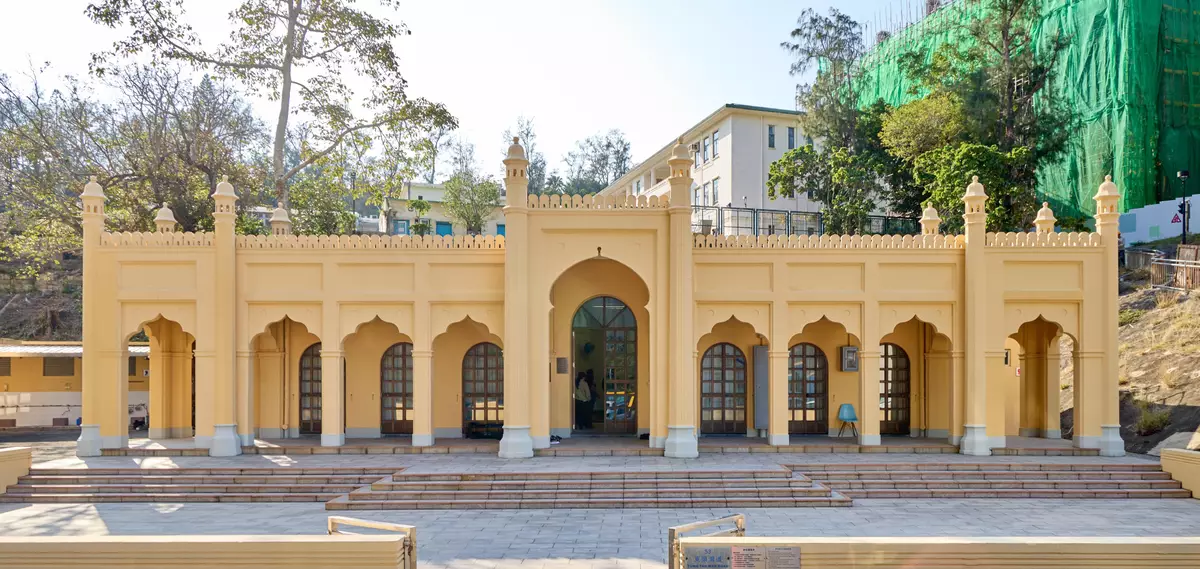
Stanley Mosque, located within Stanley Prison, was constructed between 1936 and 1937. It is the second oldest mosque in Hong Kong and the only mosque situated inside a prison compound. The mosque was initiated, funded, and built by the Indian and Pakistani Muslim staff of the Prisons Department (the predecessor of the Correctional Services Department) together with the local Indian community.

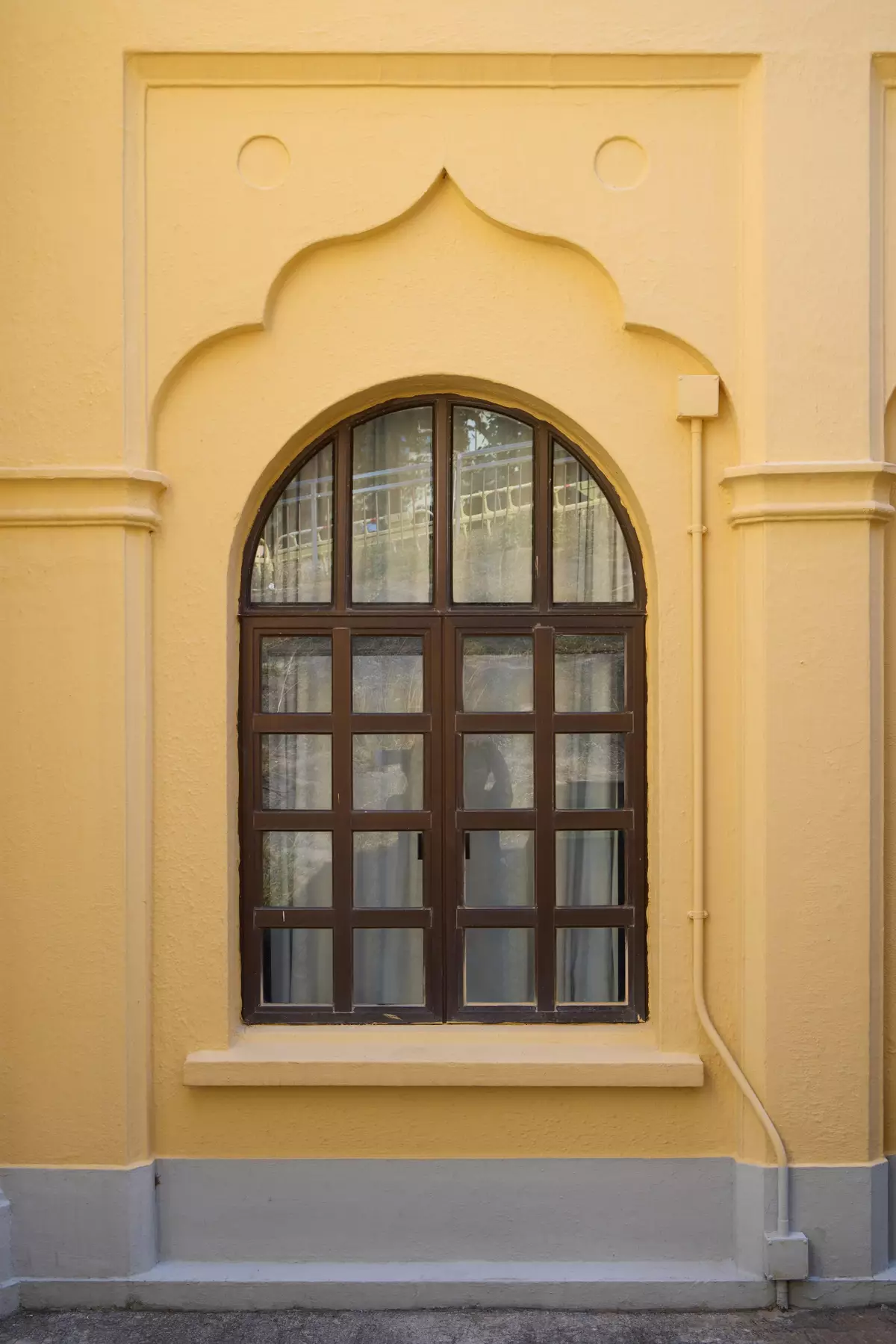
Modelled on the Badshahi Mosque in Lahore, Pakistan, Stanley Mosque represents a rare building typology in Hong Kong. It is built on a symmetrical plan along an east-west axis oriented toward the Holy Kaaba in Makkah, featuring a flat concrete roof edged by a crenellated parapet and an arcaded facade with horseshoe and ogee ornamental arches. Instead of a typical minaret, Stanley Mosque features minaret-like columns as decoration, maintaining a rich Islamic architectural character. It retains much of its original form, with only minimal alterations made to meet daily operational needs. The mosque not only stands as a testament to the growth of the Muslim community in Hong Kong, but also demonstrates ethnic harmony within society.

Detailed information on the two monuments is available on the website of the Antiquities and Monuments Office (www.amo.gov.hk/en/historic-buildings/monuments/index.html).

Two historic buildings declared as monuments Source: HKSAR Government Press Releases

Two historic buildings declared as monuments Source: HKSAR Government Press Releases

Two historic buildings declared as monuments Source: HKSAR Government Press Releases

Two historic buildings declared as monuments Source: HKSAR Government Press Releases

Two historic buildings declared as monuments Source: HKSAR Government Press Releases

Two historic buildings declared as monuments Source: HKSAR Government Press Releases

Two historic buildings declared as monuments Source: HKSAR Government Press Releases

Two historic buildings declared as monuments Source: HKSAR Government Press Releases

Two historic buildings declared as monuments Source: HKSAR Government Press Releases

Two historic buildings declared as monuments Source: HKSAR Government Press Releases

Two historic buildings declared as monuments Source: HKSAR Government Press Releases

Two historic buildings declared as monuments Source: HKSAR Government Press Releases

Two historic buildings declared as monuments Source: HKSAR Government Press Releases

Two historic buildings declared as monuments Source: HKSAR Government Press Releases

Two historic buildings declared as monuments Source: HKSAR Government Press Releases

Two historic buildings declared as monuments Source: HKSAR Government Press Releases

Recommended Articles