Health authorities are warning Cubans about a severe surge of viruses, including a strain of viral hepatitis, across the island due to infrastructure, water and power failures.
Carilda Pena Garcia, Cuba's Deputy Minister of Public Health, said hot, humid weather and rainfall are fueling a seasonal rise in Aedes aegypti mosquitoes, contributing to the spread of dengue and Chikungunya.
Recently, Cuban health authorities acknowledged concerns over the spread of illnesses in the country.
In August, Cuba recorded more than 3,000 cases of dengue fever. Health authorities also saw more than 7,000 cases recorded this year. Dengue is transmitted to humans through bites from infected mosquitoes and causes symptoms like high fever and muscle aches; in severe cases, it can be fatal.
Sandy Perez is a cooling equipment mechanic. He said that he really felt awful after being infected with a mosquito-borne disease.
"I experienced dizziness, vomiting, and some diarrhea; acute joint pain. The high, persistent fever was the worst. I took permanent rest, backed by painkillers from people who import them, because you can't find many of them at state-run drugstores or health centers," he said.
Amidst a current economic crisis worsened by U.S. measures and a fuel blockade, Cuban healthcare centers lack many resources like medicines to treat patients and electricity to run crucial equipment.
Along with other mosquito-borne illnesses, doctors here are specifically focusing on the dengue fever outbreak. Doctors recommend that if you are diagnosed with it, you should drink at least three liters of water daily and take acetaminophen instead of aspirin for pain relief. Most importantly, rest and drink liquids to prevent dehydration.
On the streets of Havana, some people shared their thoughts on the current situation.
"It's a very concerning situation. I think the local media have not yet given enough information about it; there's also a generalized lack of sanitation in the country and this reality affects us all," said Denier Espinosa, a Havana citizen.
Doctors here advise people to seek immediate medical treatment if you have any symptoms of dengue fever.
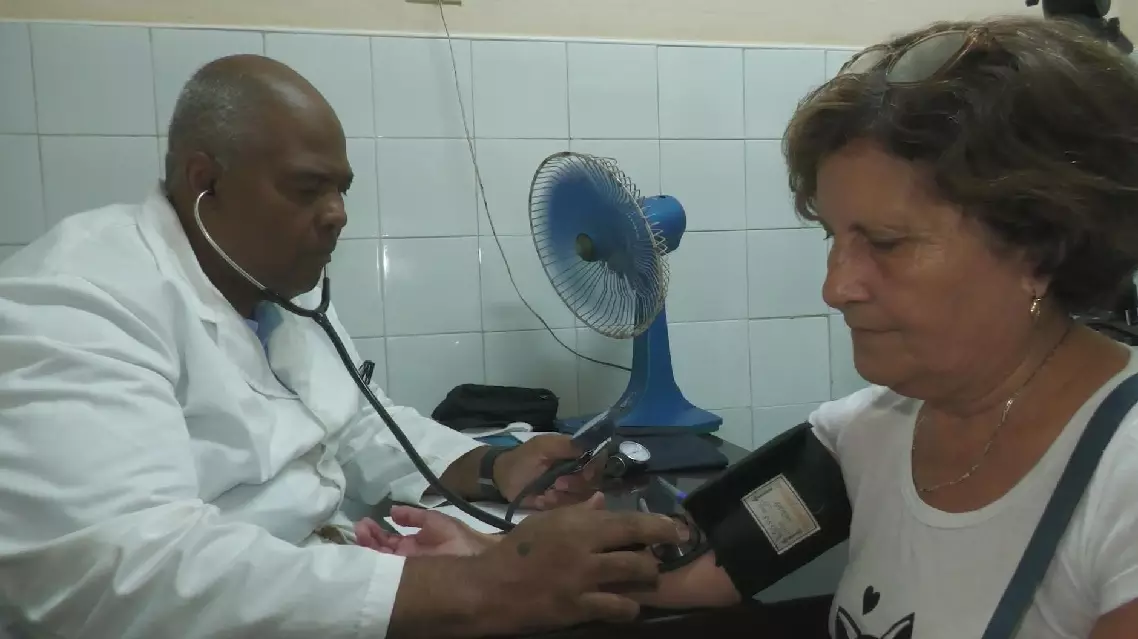
"You have to go to the community doctor or a hospital, so we can help find a solution for each case, because these diseases can affect several body organs," said Mariam Contino, a medical doctor.
Health authorities say a combined effort by state agencies and communities is essential to control dengue fever and other outbreaks by wiping out mosquito-breeding sites to contain the spread in the country.
Cuba faces severe virus surge amid infrastructure, water, power shortages