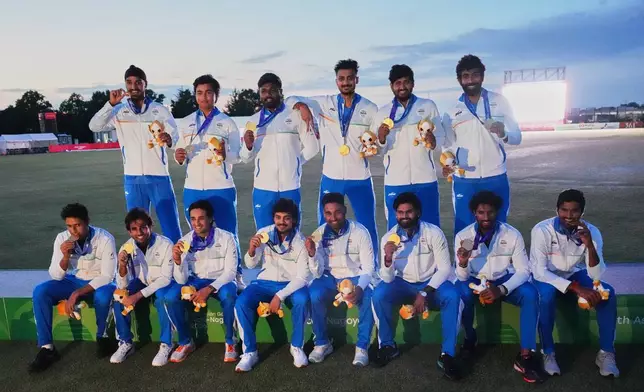
NAGOYA, Japan (AP) — Defending champion India continued its T20 dominance over archrival Pakistan with a 19-run victory to win the gold medal at the Asian Games men’s cricket event with players again avoiding customary handshakes Saturday.
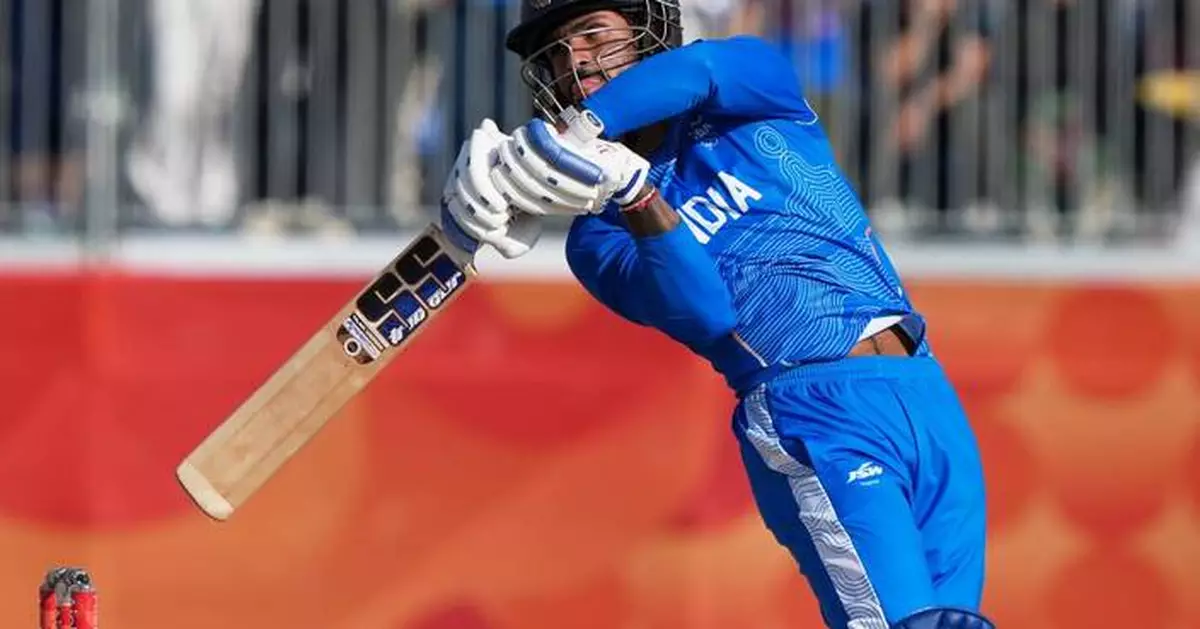
Half-centuries from Abhishek Sharma (61) and Tilak Varma (51 not out) propelled India to its highest-ever total of 211-6 against its traditional rival in the T20 format.
Click to Gallery
Gold medalists, Indian team members pose on the podium after the medal ceremony for cricket at the Asian Games in Nagoya, Japan, Saturday, Oct. 3, 2026. (AP Photo/Mark Baker)
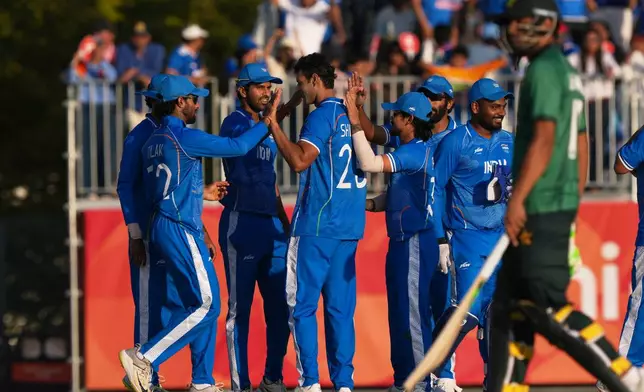
India's Shivam Dube, third from left, and team celebrate the wicket of Pakistan's Saim Ayub during the gold medal cricket match between India and Pakistan at the Asian Games in Nagoya, Japan, Saturday, Oct. 3, 2026. (AP Photo/Mark Baker)
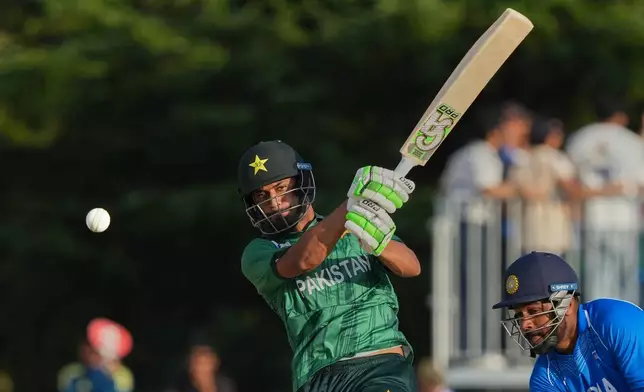
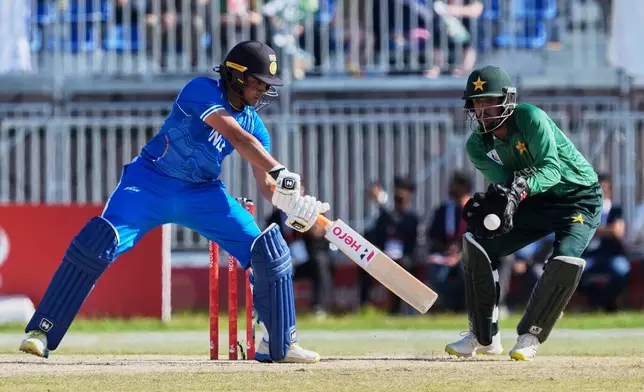
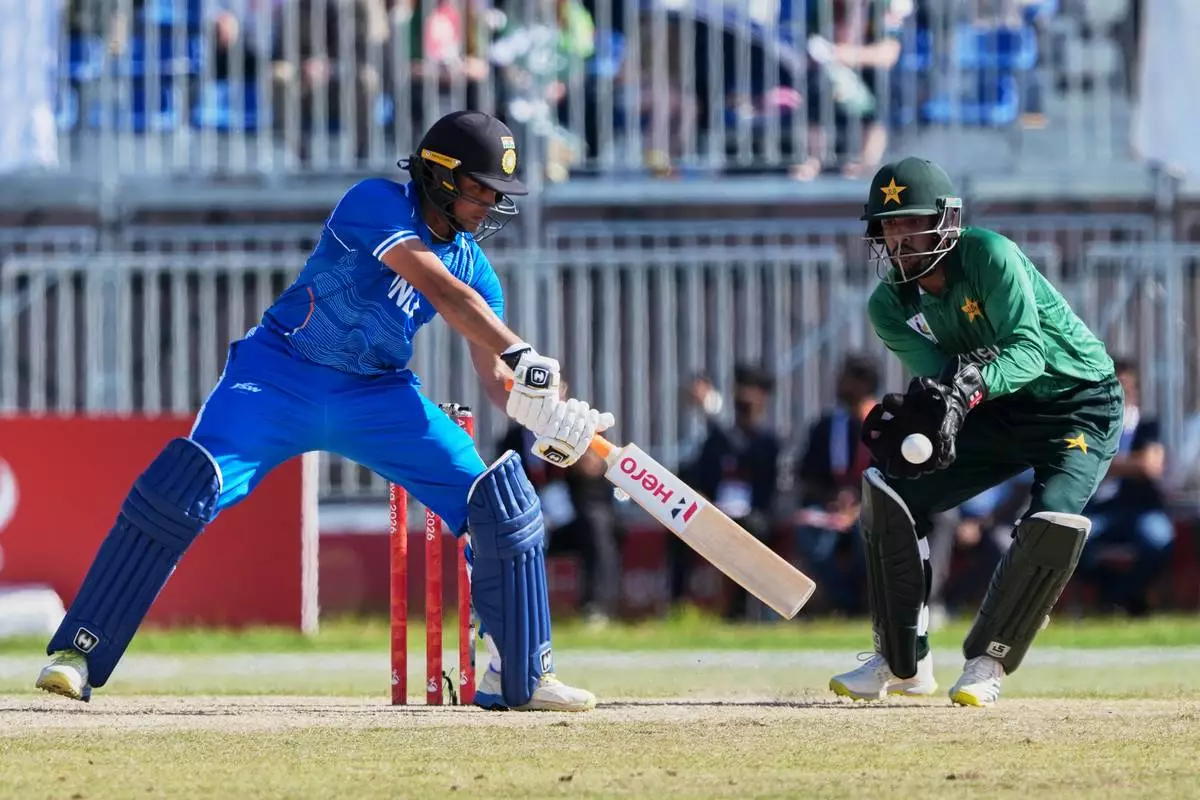
Pakistan's Hasan Nawaz plays a shot during the gold medal cricket match between India and Pakistan at the Asian Games in Nagoya, Japan, Saturday, Oct. 3, 2026. (AP Photo/Mark Baker)
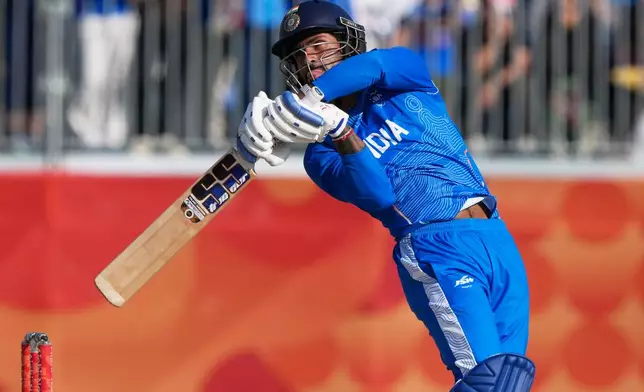
India's Abhishek Sharma, left, hits a shot during the gold medal cricket match between India and Pakistan at the Asian Games in Nagoya, Japan, Saturday, Oct. 3, 2026. (AP Photo/Mark Baker)
India's Tilak Verma plays a shot during the gold medal cricket match between India and Pakistan at the Asian Games in Nagoya, Japan, Saturday, Oct. 3, 2026. (AP Photo/Mark Baker)
Pakistan's batting cracked against disciplined Indian bowling and got restricted to 192-6.
Hasan Nawaz, who was dropped early in his innings, showed plenty of flare with a knock of 96 off 51 balls before getting caught behind of the final ball as India retained its gold.
It was India’s seventh straight win over Pakistan in T20s and fifth consecutive men’s game between the two bitter rivals where players didn’t shake hands — both before and after the game.
Left-handed Sharma struck a 20-ball half-century despite 15-year-old Vaibhav Sooryavanshi getting out for 15 as Saim Ayub mocked the youngster with a “baby in the cradle” gesture after the dismissal.
Sooryavanshi tried to reverse sweep Ayub but was caught by wicketkeeper Usman Khan, who bobbled twice before completing the catch.
Pakistan, which went with five specialized bowlers plus Ayub’s offspin, surprisingly went with the option of part-timer Saad Masood in the second over that allowed Sharma to break free by smacking three sixes and a boundary in the 24-run over.
Pakistan was untidy in the field too with Sharma getting dropped twice and he should have been run-out before completing his half-century, while captain Shreyas Iyer also got a life when Ayub missed out his second catch.
Sharma, who hit seven sixes and three fours, was stumped after a 28-ball knock. Pakistan came back strongly in the middle overs through spinner Arafat Minhas (2-25) and Abrar Ahmed (1-29).
But Varma and Shivam Dube (27) upped the ante in the final three overs by smacking 57 runs against Sufyan Moqim, Ayub and Ahmed Daniyal. Varma holed out in the outfield in Ahmed’s final over, but Varma motored to his 21-ball half-century by clubbing 15 runs of the fast bowler’s final four balls.
Pakistan fell behind in the powerplay against Jasprit Bumrah’s yorkers. And when Maaz Sadaqat was brilliantly caught by a juggling Washington Sundar at deep fine leg, it slipped to 39-3 in the seventh over.
But Nawaz kept Pakistan in the hunt with his fluent strikes that featured seven sixes and five fours as spinners Axar Patel (2-29) and Sundar (2-29) shared four wickets and Dube grabbed 2-33 that included the wicket of Nawaz of the final ball.
ICC chairman Jay Shah was in attendance for Saturday’s final as Iyer didn’t shake hands with Pakistan skipper Sahibzada Farhan at the toss. The teams also didn't shake hands after the game.
In other Asian Games events like hockey, players from both countries did embrace each other and shook hands with each other after India beat Pakistan in the semifinal.
Cross-border tensions between India and Pakistan brought the two countries to the brink of war last year, with the acrimony also spilling onto the cricket field.
Indian cricketers have avoided handshakes with Pakistan players, and have refused to accept the trophy and medals from a Pakistani official at more than one tournament.
The Indian men’s team beat Pakistan three times in the Asia Cup, including the final, but Suryakumar Yadav’s team refused to accept the trophy from Pakistan Cricket Board chairman Mohsin Naqvi and didn’t shake hands with Pakistan players in any of the three games.
The Indian women’s team didn’t shake hands with the Pakistan team at a match at the continental championship and also refused to accept the trophy from Naqvi when it won the women’s Asia Cup in the United Arab Emirates.
See AP’s full cricket coverage here
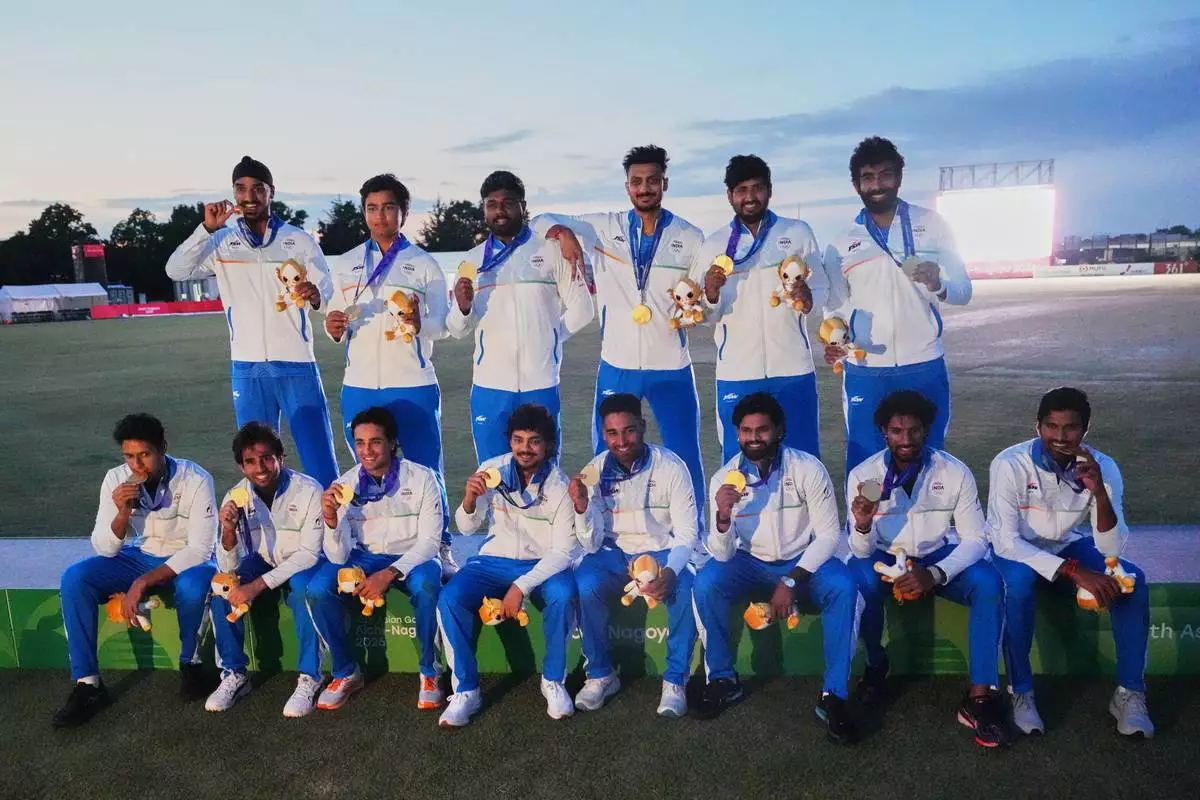
Gold medalists, Indian team members pose on the podium after the medal ceremony for cricket at the Asian Games in Nagoya, Japan, Saturday, Oct. 3, 2026. (AP Photo/Mark Baker)
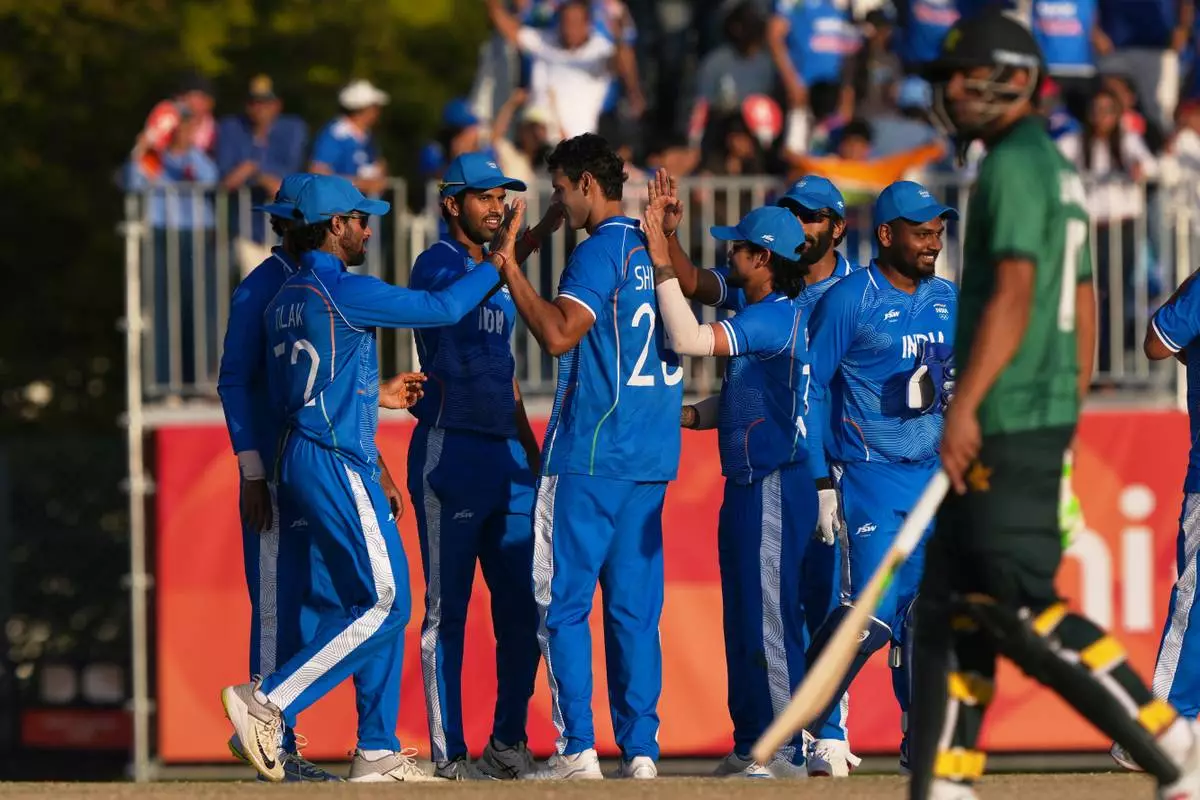
India's Shivam Dube, third from left, and team celebrate the wicket of Pakistan's Saim Ayub during the gold medal cricket match between India and Pakistan at the Asian Games in Nagoya, Japan, Saturday, Oct. 3, 2026. (AP Photo/Mark Baker)
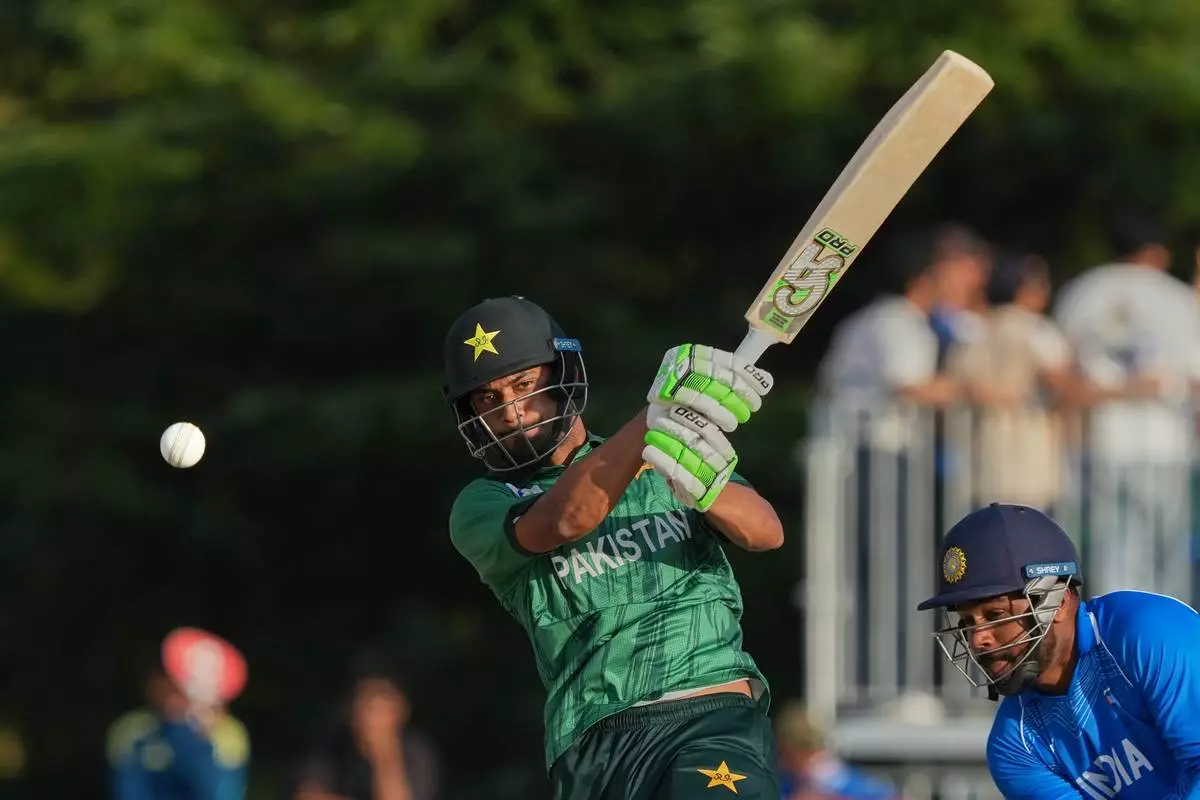
Pakistan's Hasan Nawaz plays a shot during the gold medal cricket match between India and Pakistan at the Asian Games in Nagoya, Japan, Saturday, Oct. 3, 2026. (AP Photo/Mark Baker)
India's Abhishek Sharma, left, hits a shot during the gold medal cricket match between India and Pakistan at the Asian Games in Nagoya, Japan, Saturday, Oct. 3, 2026. (AP Photo/Mark Baker)
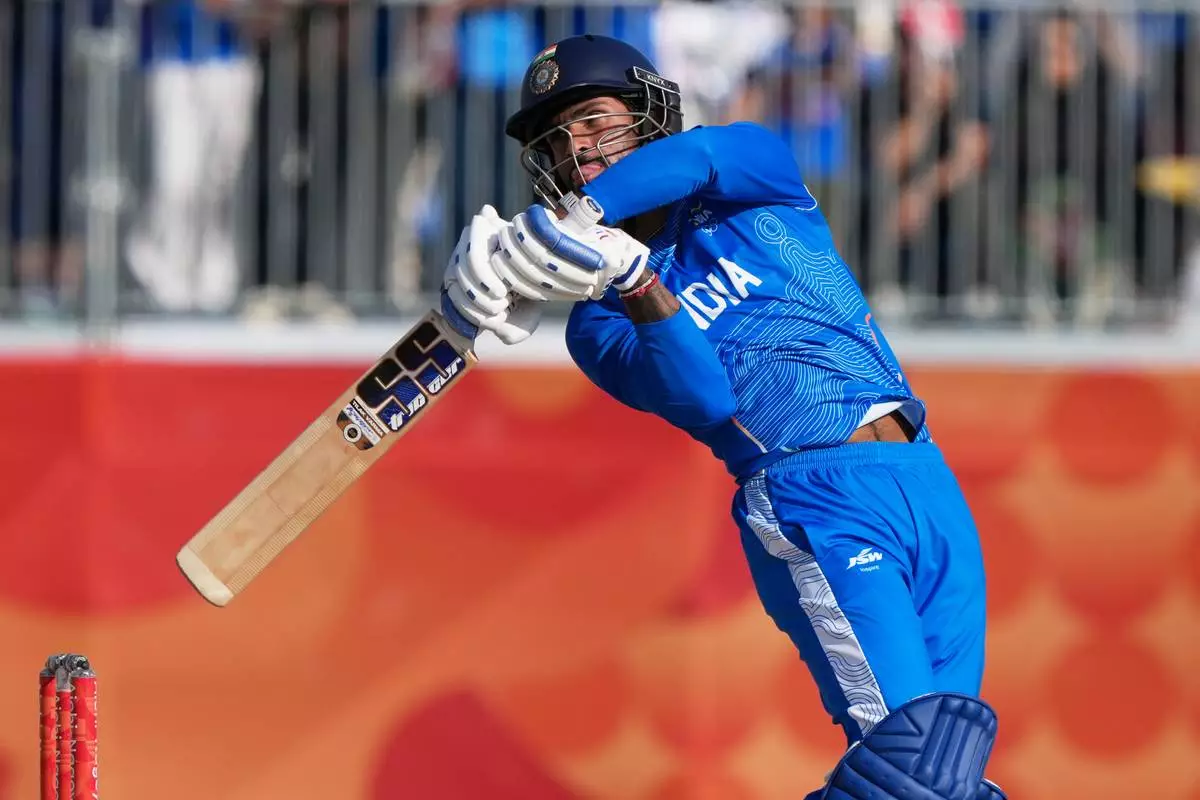
India's Tilak Verma plays a shot during the gold medal cricket match between India and Pakistan at the Asian Games in Nagoya, Japan, Saturday, Oct. 3, 2026. (AP Photo/Mark Baker)
CAIRO (AP) — The co-pilot accused of attacking the captain on an Israel-bound flight with an axe and trying to seize the controls was an Omani national who’d been barred from flying on his country’s airline because of concerns about extremist views, officials said Saturday.
The co-pilot has been identified as Hamam al-Hammami, according to three people with knowledge of the situation, including a Gulf and Western diplomat, who spoke on condition of anonymity because they were not authorized to speak to the media.
The United Arab Emirates, which is leading the investigation, said the co-pilot attacked with the cockpit’s crash axe and tried to take control of the sharply plummeting plane in a “terrorist attack" Wednesday. His actions nearly crashed the flight with 182 people on board before passengers and others rushed in and subdued him.
The new details raised questions about how thoroughly FlyDubai vets potential employees, and how the co-pilot's presence on a flight filled with Israeli passengers got past Israel's strict security protocols.
Israel’s government has said it has agreements with foreign carriers to keep pilots of nations without diplomatic ties from flying there. Israel and Oman don’t have formal diplomatic relations. The UAE government has earned a reputation for effective measures against extremist activities but has bristled in the past over criticism of security lapses.
The incident occurred at a sensitive time for Israel, a week before the anniversary of the Hamas-led attack on Oct. 7, 2023, that sparked the war in Gaza. It also came weeks before a highly contentious election in which security, and Oct. 7 security failures, have been central issues.
Separately, a regional official and a person familiar with the matter said the co-pilot had been barred from flying by Oman over concerns he had adopted extremist views. The official said he was moved to an administrative job at Oman Air. Both spoke on condition of anonymity to discuss the ongoing investigation. They gave no details about the alleged extremist views.
The co-pilot was later hired by UAE-based airline FlyDubai, the person said. It was not immediately clear to what extent the co-pilot was vetted. The Gulf diplomat said he had undergone standard security checks before being hired, but it appears that the checks focused on whether he had been convicted on criminal charges and didn’t go deeper into examining his background for potential signs of radicalization.
The regional official also said security agencies from four regional countries were working to establish the co-pilot’s motives, aided by the United States and other Western governments. The Gulf diplomat said investigations were trying to establish whether the co-pilot acted alone or "has any connection with any extremist groups.”
The regional official said the co-pilot was born in the UAE and his mother is Syrian. How he obtained Omani nationality was not immediately clear.
Israeli Prime Minister Benjamin Netanyahu on Friday said the co-pilot had undergone “Islamist radicalization,” but provided no evidence. There was no immediate comment Saturday from Israel’s government.
A FlyDubai spokesperson said in an email that the airline could not comment beyond its official statements and acknowledged “there are many questions at this stage.” There was no immediate comment from Oman Air, and Oman’s government has said nothing publicly in response to repeated questions since the incident.
In a statement to the AP, Royal Air Maroc, Morocco's national carrier, said the co-pilot "completed a three-month theoretical training period with the airline in 2025, as part of the pre-employment process. At the end of this training period, his application was not selected for employment.” There were no details.
Keith Coles, a spokesperson for Buckinghamshire New University in England, told the AP that al-Hammami previously completed a distance-learning course in aviation management there but “did not undertake any pilot training.” There were no details on the timing.
Little else was immediately known about the co-pilot’s background. His Instagram account was active until the day of the flight and then deleted.
Airlines are generally required to carry crash axes in the cockpit that could be used in an emergency to break open a window to escape or break open a panel to access a fire.
The captain, who was badly wounded in the axe attack, has said he used his remaining energy while being attacked to unlock the cockpit door, allowing people who had noticed alarmingly unusual sounds to come in, tackle the co-pilot and stabilize the flight while passengers screamed.
The plane made an emergency landing in Saudi Arabia after a descent so extreme that part of the rudder was torn away, and aviation experts have marveled that it didn't crash. FlyDubai has said crew traveling on the plane helped to stabilize the plane and land. They have not yet been publicly identified.
Both the captain and co-pilot were later taken to the UAE. The passengers, most of them Israeli, flew home later Wednesday on a separate plane, to cheers.
Mednick reported from Tel Aviv, Israel, and Anna from Jerusalem. AP Washington bureau chief Anna Johnson in Washington, aviation writer Josh Funk and Sam Metz in Jerusalem contributed.
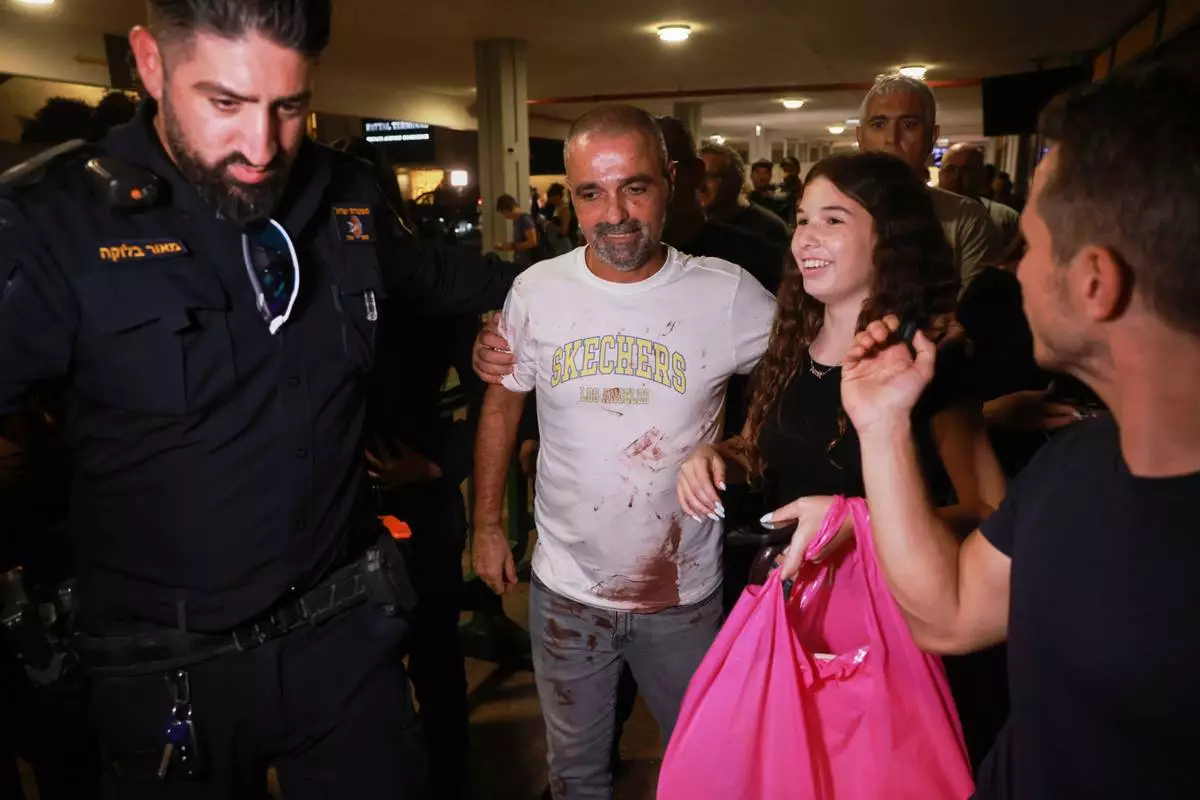
Israeli passenger Yaniv Hayoun, with blood stains on his shirt, who was aboard a Flydubai aircraft that made an emergency landing in Saudi Arabia, is welcomed at the arrivals gate at Ben Gurion International Airport near Tel Aviv, Israel, Wednesday, Sept. 30, 2026. (AP Photo/Tomer Appelbaum)
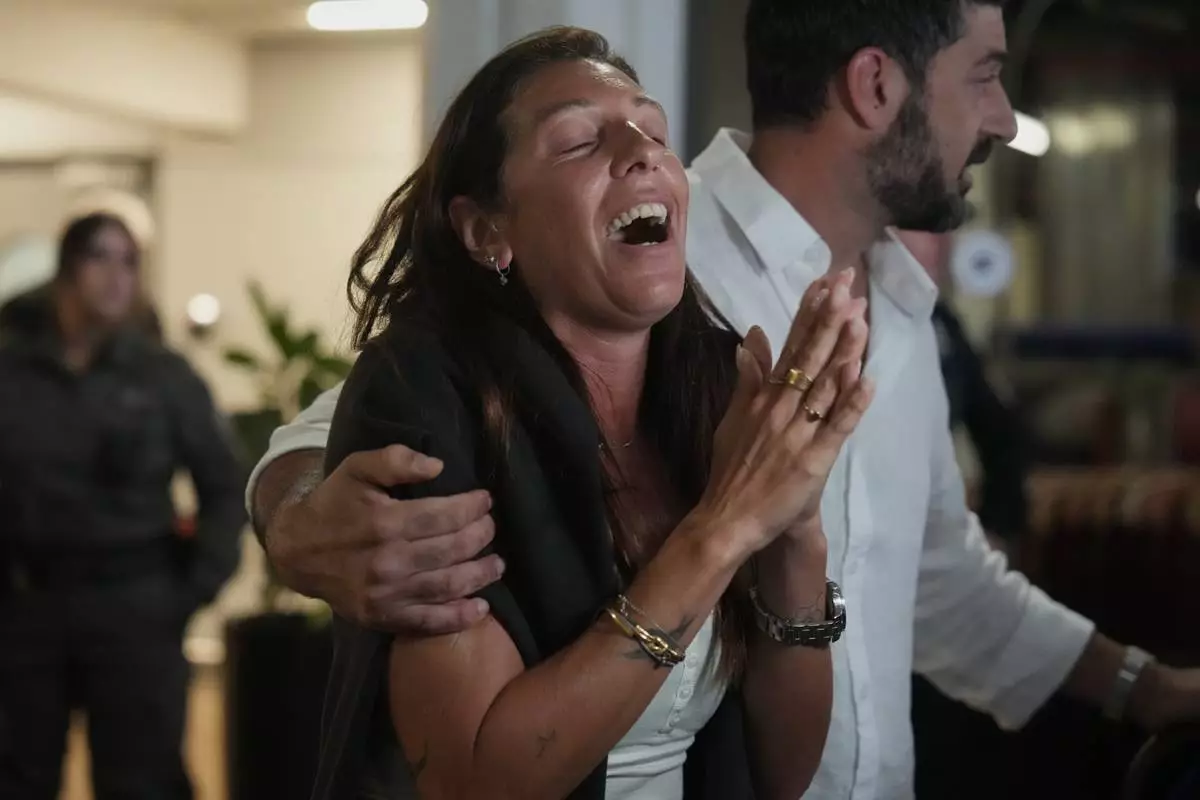
Passengers who experienced an emergency landing in Saudi Arabia, during a flight on FlyDubai plane, arrive at Ben Gurion International Airport, near Tel Aviv, Israel, Wednesday, Sept. 30, 2026. (AP Photo/Ariel Schalit)
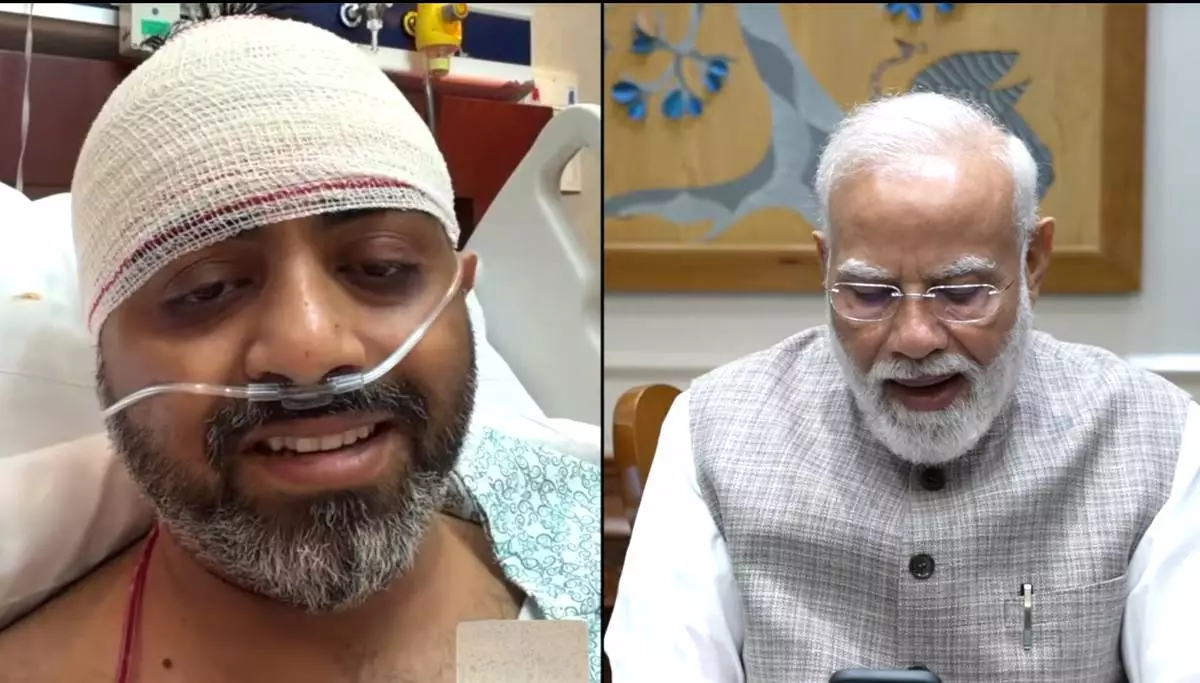
This screengrab from Narendra Modi YouTube Channel shows Indian Prime Minister Narendra Modi speaking with FlyDubai pilot Capt. Smit Machchhar on Friday, Oct. 2, 2026. (Narendra Modi YouTube Channel via AP )
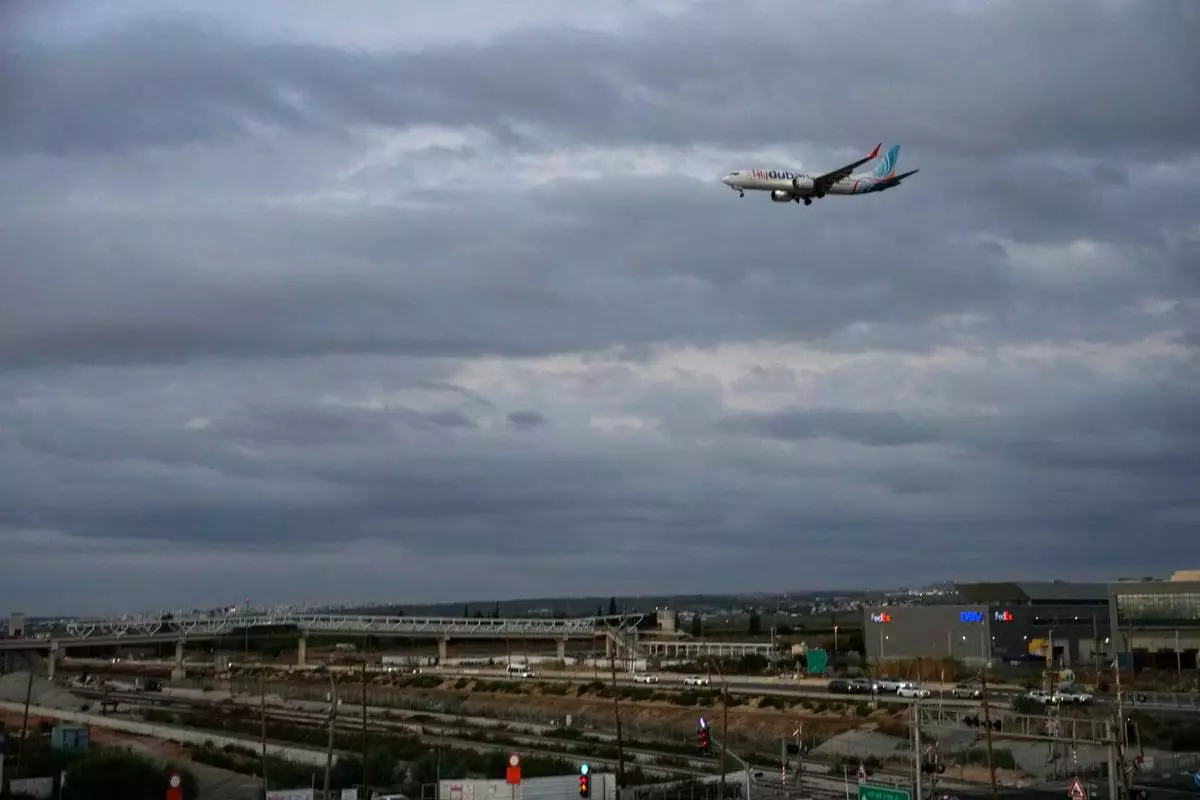
An FlyDubai plane carrying Israeli passengers who had earlier been aboard another FlyDubai aircraft that made an emergency landing in Saudi Arabia approaches Ben Gurion International Airport near Tel Aviv, Israel, Wednesday, Sept. 30, 2026. (AP Photo/Ohad Zwigenberg)