Skip to Content Facebook Feature Image

Brazilians will vote in a highly polarized presidential race on Sunday. Here’s what to know

News

Brazilians will vote in a highly polarized presidential race on Sunday. Here’s what to know
News

News

Brazilians will vote in a highly polarized presidential race on Sunday. Here’s what to know

2026-10-03 20:38 Last Updated At:20:40

RIO DE JANEIRO (AP) — Millions of Brazilians will vote Sunday in an election dominated by two rivals: incumbent President Luiz Inácio Lula da Silva and Sen. Flávio Bolsonaro, the son of ex-leader Jair Bolsonaro who Lula defeated four years ago.

Twelve candidates are on the presidential ballot, but only Lula and Bolsonaro are thought to have a real chance of becoming Brazil’s next head of state. If no candidate receives more than 50% of the vote, the top 2 will advance to a runoff on Oct. 25.

More Images
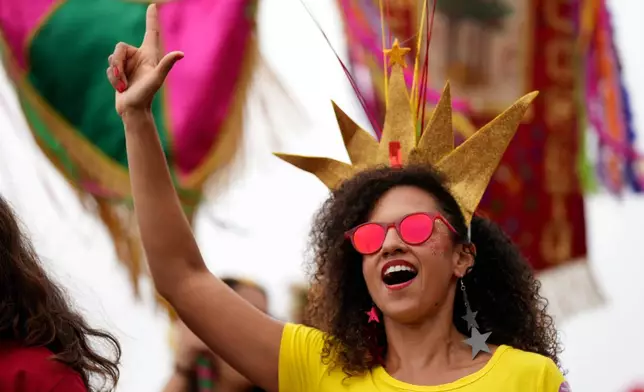
A supporter makes an "L" sign for Lula with her hand during a carnival party in support of Brazilian President Luiz Inacio Lula da Silva, who is running for reelection, on Copacabana beach in Rio de Janeiro, Brazil, Sunday, Sept. 27, 2026. (AP Photo/Silvia Izquierdo)

A supporter makes an "L" sign for Lula with her hand during a carnival party in support of Brazilian President Luiz Inacio Lula da Silva, who is running for reelection, on Copacabana beach in Rio de Janeiro, Brazil, Sunday, Sept. 27, 2026. (AP Photo/Silvia Izquierdo)

Opposition presidential candidate Sen. Flavio Bolsonaro, third left, waves to supporters during a campaign rally ahead of the October general election in Rio de Janeiro, Brazil, Saturday, Sept. 26, 2026. (AP Photo/Silvia Izquierdo)
Opposition presidential candidate Sen. Flavio Bolsonaro, third left, waves to supporters during a campaign rally ahead of the October general election in Rio de Janeiro, Brazil, Saturday, Sept. 26, 2026. (AP Photo/Silvia Izquierdo)

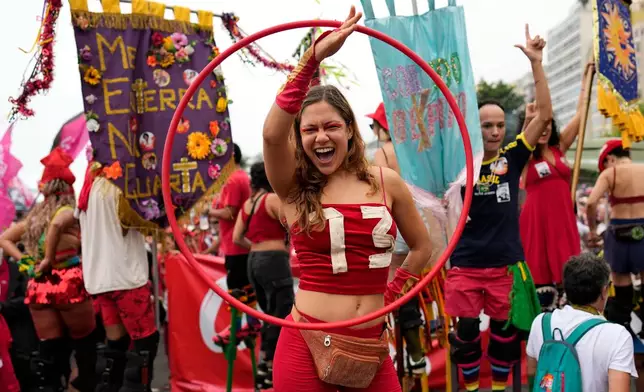
A supporter wearing a shirt bearing Brazilian President Luiz Inacio Lula da Silva's campaign number 13 takes part in a carnival party in support of Lula, who is running for reelection, on Copacabana beach in Rio de Janeiro, Brazil, Sunday, Sept. 27, 2026. (AP Photo/Silvia Izquierdo)

A supporter wearing a shirt bearing Brazilian President Luiz Inacio Lula da Silva's campaign number 13 takes part in a carnival party in support of Lula, who is running for reelection, on Copacabana beach in Rio de Janeiro, Brazil, Sunday, Sept. 27, 2026. (AP Photo/Silvia Izquierdo)

Opposition presidential candidate Sen. Flavio Bolsonaro, center, gives a thumbs-up to supporters during a campaign rally ahead of the October general election in Rio de Janeiro, Brazil, Saturday, Sept. 26, 2026. (AP Photo/Silvia Izquierdo)
Opposition presidential candidate Sen. Flavio Bolsonaro, center, gives a thumbs-up to supporters during a campaign rally ahead of the October general election in Rio de Janeiro, Brazil, Saturday, Sept. 26, 2026. (AP Photo/Silvia Izquierdo)

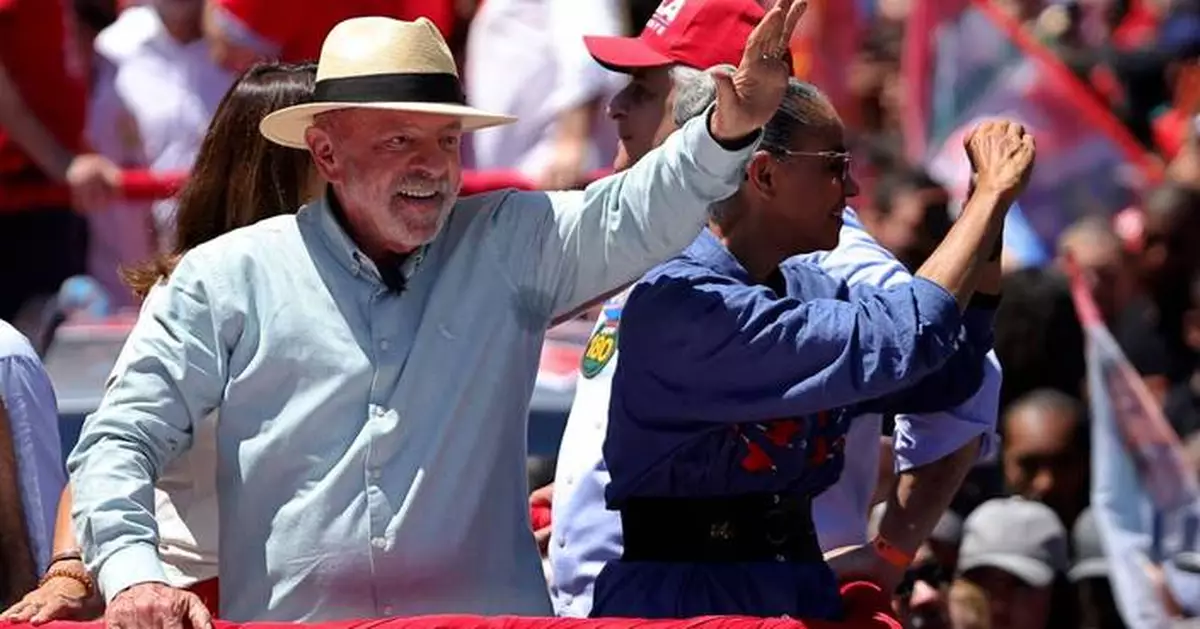
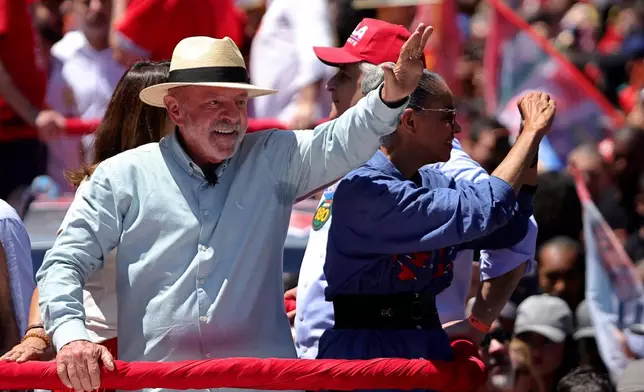
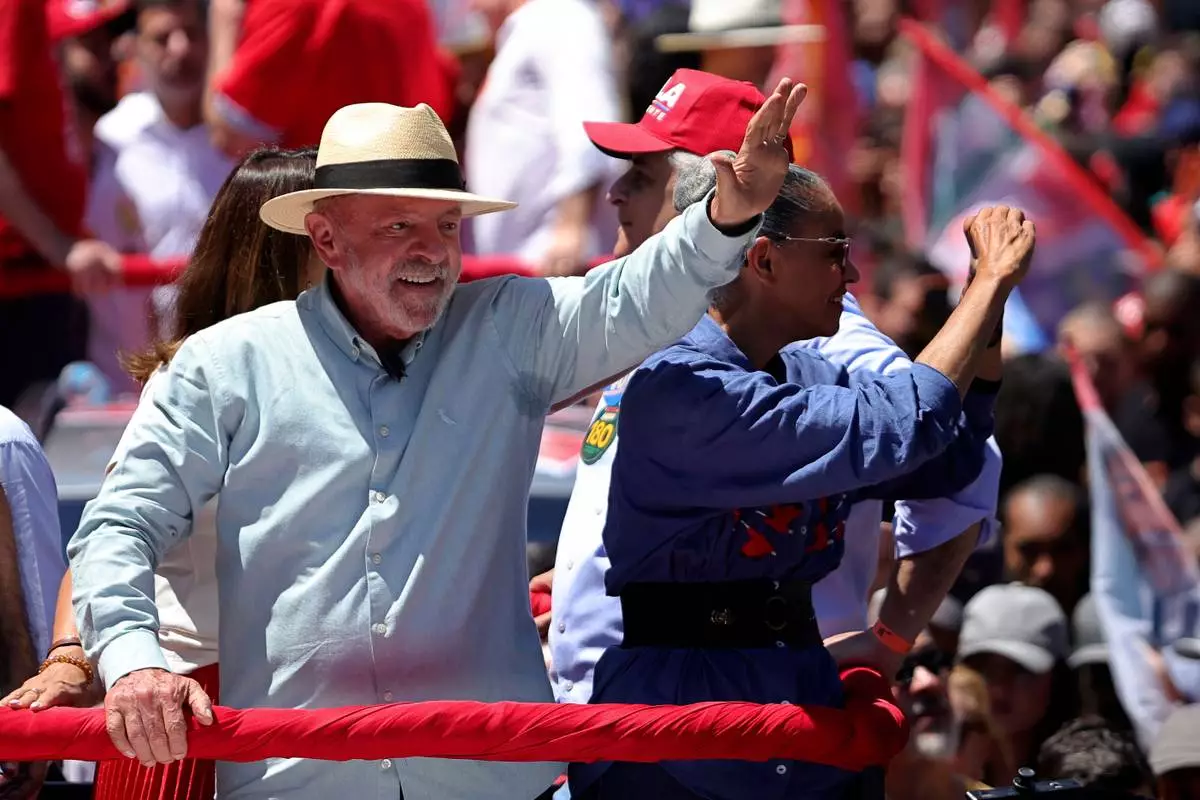
Brazilian President Luiz Inacio Lula da Silva, who is running for reelection, waves to supporters during a campaign rally in Sao Paulo, Brazil, Saturday, Sept. 26, 2026. (AP Photo/Allison Sales)

Brazilian President Luiz Inacio Lula da Silva, who is running for reelection, waves to supporters during a campaign rally in Sao Paulo, Brazil, Saturday, Sept. 26, 2026. (AP Photo/Allison Sales)

Lula, who at 80 is one of the world’s oldest heads of state, is running in his seventh presidential election. Bolsonaro, 45, is competing in his first and seeking to return his family name to power after his father governed Brazil from 2019 through 2022.

The two represent opposite sides of the political spectrum, with conflicting visions on issues ranging from how to tackle organized crime to the relationship Latin America's biggest country should have with the Trump administration.

Here’s what to know about Brazil’s election.

Brazil holds general elections every four years, and voting is mandatory. Those who fail to cast a ballot without justification face a small fine.

On Sunday, Brazilians will choose a president, state and federal representatives as well as governors and some senators. Elections for mayors and city councilors are also held every four years, but in different years.

Almost 160 million eligible voters will use electronic voting machines to punch in the digits corresponding to their candidates, preparing number-heavy lists.

Brazilian authorities adopted electronic voting machines in the 1990s to combat fraud. In earlier local elections, ballot boxes were stuffed or stolen, and paper ballots were routinely falsified, according to Brazil’s electoral authority. The country held no direct presidential elections between 1960 and 1989, a period that included military rule from 1964 to 1985.

Now, results are reported mere hours after polls close.

In the lead-up to the 2022 vote, Jair Bolsonaro repeatedly cast unfounded doubts on Brazil’s electronic voting system. No significant fraud has ever been detected.

Lula, who got his start as a union worker and has a missing pinky finger following an accident in a factory when he was 19, has at times inspired cult-like devotion. He spent more than a year in prison on corruption convictions that were later annulled before winning a third nonconsecutive term in 2022.

Former U.S. President Barack Obama once called him “the world's most popular politician.” But during his current term, Lula's approval ratings fell as low as 24%, one of his lowest levels. Voters' concerns about crime and the cost of living could hurt him at the ballot box. He has promised to ensure Brazilians are the ones to benefit from the country's rare minerals and resources, protect the Amazon rainforest and continue his flagship welfare program Bolsa Familia.

With former President Jair Bolsonaro barred from running as he serves a 27-year-long sentence for a coup attempt, his eldest son has largely embraced his father's ultra-conservative agenda, while at times trying to strike a more moderate communication style to attract centrist voters.

His hardline security policies have been a pillar of his campaign, and polls show these proposals are popular among Brazilians. The senator has pledged to fight the country's criminal groups by building El Salvador-style megaprisons, following the Trump administration's lead by designating transnational gangs terrorist organizations and reducing the age to be tried as an adult to 16.

Deforestation in the Amazon rainforest, which plays a vital role in stopping climate change, hit a record high under former President Bolsonaro. His son has also denied human-caused climate change and only committed to stopping illegal deforestation.

Sen. Bolsonaro's admission of accepting millions of dollars from disgraced banker Daniel Vorcaro to produce a film on his father's life has cast a shadow over his campaign. He is under investigation for corruption, money laundering and tax evasion in connection with the case.

Lula has repeatedly warned the U.S. not to meddle in Brazil's elections. The Trump administration did not respond to a request for comment on whether it is seeking to interfere in the vote.

Last year, Washington imposed 50% tariffs on Brazilian goods, citing — among other reasons — the trial of Jair Bolsonaro, a Trump ally. Earlier this year, the U.S. imposed a new round of tariffs, citing unfair trade practices despite running a U.S. surplus, and classified Brazil’s biggest drug-trafficking groups as foreign terrorist organizations shortly after a visit to the White House from Sen. Bolsonaro. Lula opposed both moves.

A victory by Sen. Bolsonaro would add Brazil to a list of Latin American countries — including Argentina, Chile, Colombia, Costa Rica and Peru — that have elected Trump-friendly governments in recent years.

Lula has made defending Brazilian sovereignty a major campaign issue. In the days before the election, his team launched a Portuguese version of the Bad Bunny song, “Lo que le pasó a Hawaii,” which invokes the U.S. colonization of Hawaii as a cautionary tale.

Brigida reported from Mexico City.

Follow AP’s coverage of Latin America and the Caribbean at https://apnews.com/hub/latin-america

A supporter makes an "L" sign for Lula with her hand during a carnival party in support of Brazilian President Luiz Inacio Lula da Silva, who is running for reelection, on Copacabana beach in Rio de Janeiro, Brazil, Sunday, Sept. 27, 2026. (AP Photo/Silvia Izquierdo)

A supporter makes an "L" sign for Lula with her hand during a carnival party in support of Brazilian President Luiz Inacio Lula da Silva, who is running for reelection, on Copacabana beach in Rio de Janeiro, Brazil, Sunday, Sept. 27, 2026. (AP Photo/Silvia Izquierdo)

Opposition presidential candidate Sen. Flavio Bolsonaro, third left, waves to supporters during a campaign rally ahead of the October general election in Rio de Janeiro, Brazil, Saturday, Sept. 26, 2026. (AP Photo/Silvia Izquierdo)

Opposition presidential candidate Sen. Flavio Bolsonaro, third left, waves to supporters during a campaign rally ahead of the October general election in Rio de Janeiro, Brazil, Saturday, Sept. 26, 2026. (AP Photo/Silvia Izquierdo)

A supporter wearing a shirt bearing Brazilian President Luiz Inacio Lula da Silva's campaign number 13 takes part in a carnival party in support of Lula, who is running for reelection, on Copacabana beach in Rio de Janeiro, Brazil, Sunday, Sept. 27, 2026. (AP Photo/Silvia Izquierdo)

A supporter wearing a shirt bearing Brazilian President Luiz Inacio Lula da Silva's campaign number 13 takes part in a carnival party in support of Lula, who is running for reelection, on Copacabana beach in Rio de Janeiro, Brazil, Sunday, Sept. 27, 2026. (AP Photo/Silvia Izquierdo)

Opposition presidential candidate Sen. Flavio Bolsonaro, center, gives a thumbs-up to supporters during a campaign rally ahead of the October general election in Rio de Janeiro, Brazil, Saturday, Sept. 26, 2026. (AP Photo/Silvia Izquierdo)
Opposition presidential candidate Sen. Flavio Bolsonaro, center, gives a thumbs-up to supporters during a campaign rally ahead of the October general election in Rio de Janeiro, Brazil, Saturday, Sept. 26, 2026. (AP Photo/Silvia Izquierdo)

Brazilian President Luiz Inacio Lula da Silva, who is running for reelection, waves to supporters during a campaign rally in Sao Paulo, Brazil, Saturday, Sept. 26, 2026. (AP Photo/Allison Sales)

Brazilian President Luiz Inacio Lula da Silva, who is running for reelection, waves to supporters during a campaign rally in Sao Paulo, Brazil, Saturday, Sept. 26, 2026. (AP Photo/Allison Sales)
SEATTLE (AP) — Sea levels along the West Coast will begin to rise by up to a foot this month as a series of pulses of warm water called Kelvin waves hit the shoreline and move north, sparking concerns about beach erosion and flooding in areas already impacted by climate change and El Niño.

Kelvin waves are not like tsunamis, and they don't curl over and crash on the beach. A better image is water sloshing in the bathtub or a swimming pool during an earthquake. In the ocean, they are bulges of water that lift the sea level as they move along the coast. They're common during El Niño events, but this year’s super El Niño could intensify the impacts, experts say.

Over the next week, the 6-inch to foot-tall surge will move north along the California coast at about 6 miles per hour (9.6 kilometers per hour), or 150 miles per day (241 kilometers per day), bringing higher sea levels to Oregon and Washington state. Experts predict the waves will continue to pass through from October until February.

“It’s not that this Kelvin wave is going to come and flood anything on its own,” said Michael Jacox, a research oceanographer with National Oceanic and Atmospheric Administration Fisheries’ Ecosystem Science Division.

Instead, it raises the baseline.

If you start with sea levels that are 6 inches higher than normal, when you have really high tides, big storms or storm surges, the water levels are now 6 inches higher, he said. “The effects can be amplified,” he said.

The waves also increase ocean temperatures and push cold, nutrient-rich waters deeper below the surface, which has an impact on marine life.

Here's what to know about Kelvin waves.

Kelvin waves are a “fact of life” during an El Niño, a naturally occurring climate pattern involving the warming ocean waters, said Dillon Amaya, an assistant professor in the Department of Marine, Earth, and Atmospheric Sciences at North Carolina State University.

They form when the trade winds along the equator change direction.

Winds blowing east to west along the equator push water in the Pacific Ocean west toward Asia, Jacox said. When those winds weaken or reverse direction, that bulge of water gets pushed back toward the east along the equator until it hits South America.

When the surge of water hits the coastline at the equator, it moves north and south along the North and South American coasts.

The wave isn't visible to the naked eye and they won't cause boats to go up and down, Amaya said. It's more like a big pancake. It's wider than it's deep: The bulge extends 12 to 20 miles (19 to 32 kilometers) off the coast and about 200 meters deep, Amaya said.

Many coastal communities are already grappling with the impacts of rising sea levels, like the coastal erosion eating away at the beach in San Clemente, California. Waves are also getting bigger, experts say.

The higher sea levels could exacerbate those problems.

“People are on edge,” Amaya said. “They think about more flooding happening, more beach erosion so when you hear elevated sea states coastal inundation risk, I think that raises a lot of anxiety.”

The higher sea level combined with larger than average waves from North Pacific swell, which are expected during the El Niño, plus large spring tides from October to February, can cause exceptional erosion on the West Coast, said Sean Vitousek, a research oceanographer with the U.S. Geological Survey.

Generally, the largest El Niño events of 1982-83, 1997-98 and 2015-16 caused West Coast beaches to experience their worst erosion on record, Vitousek said.

“The loss of protective beaches also increases wave impacts and coastal flooding on property and infrastructure,” he said.

Things could intensify over time as more waves arrive over the winter.

Typically El Niños are associated with five or six of these waves, Amaya said. During the last major El Niño in 2015-2016 there were five Kelvin waves.

One already came through in May or June and there’s evidence of a third Kelvin wave forming, he said. Experts expect it to continue up the coast over the next month or so.

There's concern the waves could worsen challenges along the Southern California coast, said Alyssa Napuri, deputy chief of staff for Orange County Supervisor Katrina Foley. Already, waves are approaching a seaside rail line and oceanfront homes were damaged during swells last month tied to Hurricane Marie.

Authorities are placing emergency sand on beaches as quickly as possible, Napuri said, adding that forecasts show the Kelvin Wave could send water levels between six to 12 inches higher.

“We’re already struggling as it is,” Napuri said.

California Gov. Gavin Newsom, a Democrat, proclaimed a state of emergency in late September to prepare the state for what will likely be a historic El Niño season. The proclamation will help the state “move faster to protect communities, stage critical resources, and strengthen readiness before severe weather intensifies,” the governor said in a statement.

Experts with the Washington state Department of Natural Resources are ready to respond to any disasters that might come with the Kelvin waves, said spokesperson Courtney James. They regularly coordinate through the state Emergency Management Division but they have not been asked to do any special preparation so far, she said.

Actual damages from the Kelvin waves will depend on the storms and tides magnified by El Niño, and if they're stronger, the damage could be significant, Amaya said.

“It’s too too early to be sure whether this particular winter season will be a record breaker in terms of this El Niño, but this El Niño itself is certainly on that trajectory of being one of the largest if not the largest El Niño we’ve ever seen," he said.

__

Associated Press reporter Amy Taxin contributed to this story from Santa Ana, California.

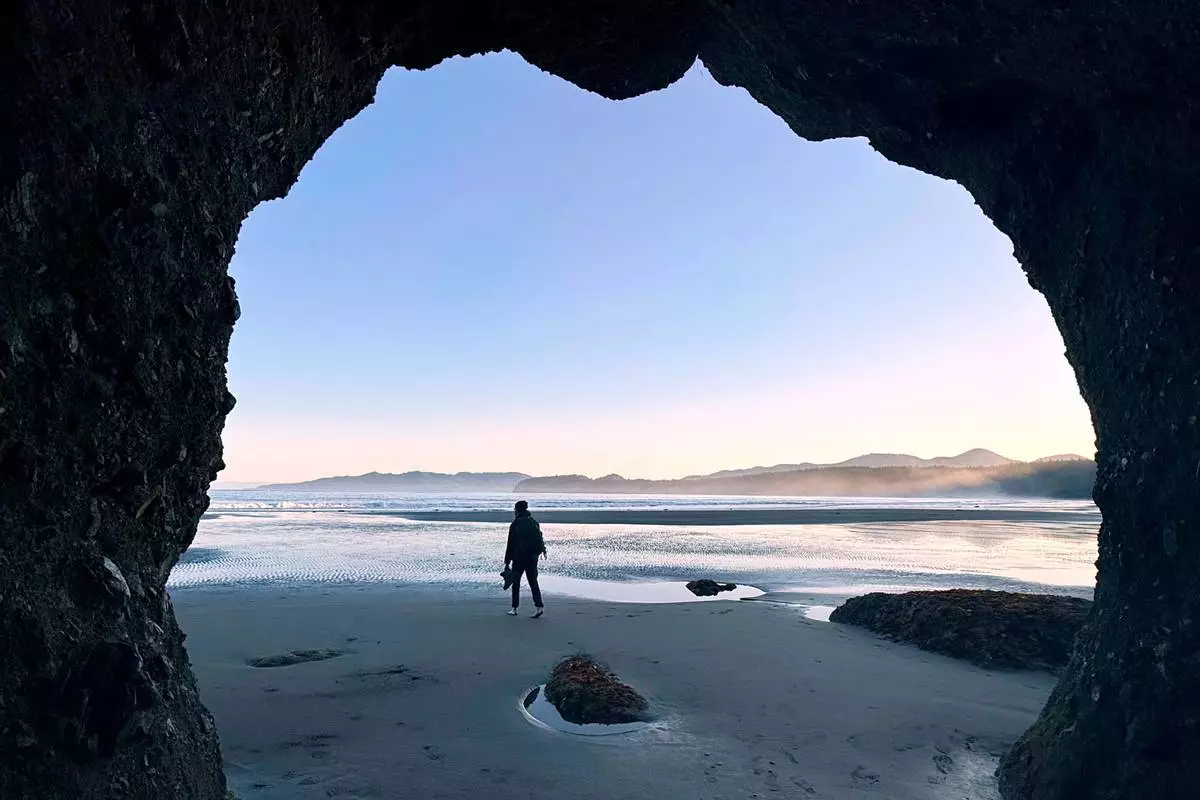
A hiker walks along Shi Shi Beach on Washington's Olympic Peninsula, Sept. 6, 2026. (AP Photo/Annika Hammerschlag)

A hiker walks along Shi Shi Beach on Washington's Olympic Peninsula, Sept. 6, 2026. (AP Photo/Annika Hammerschlag)

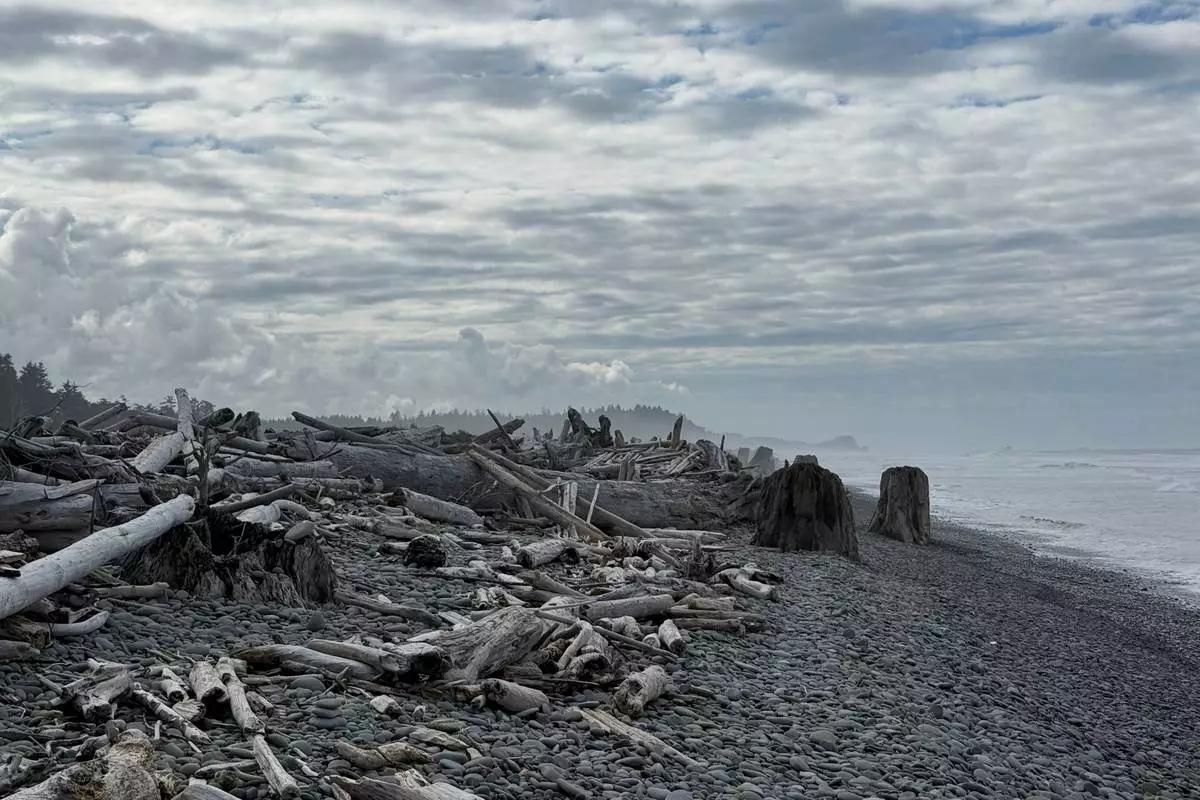
Driftwood sits on a beach beach near Queets on Washington's Olympic Peninsula, Sept. 7, 2026. (AP Photo/Annika Hammerschlag)

Driftwood sits on a beach beach near Queets on Washington's Olympic Peninsula, Sept. 7, 2026. (AP Photo/Annika Hammerschlag)

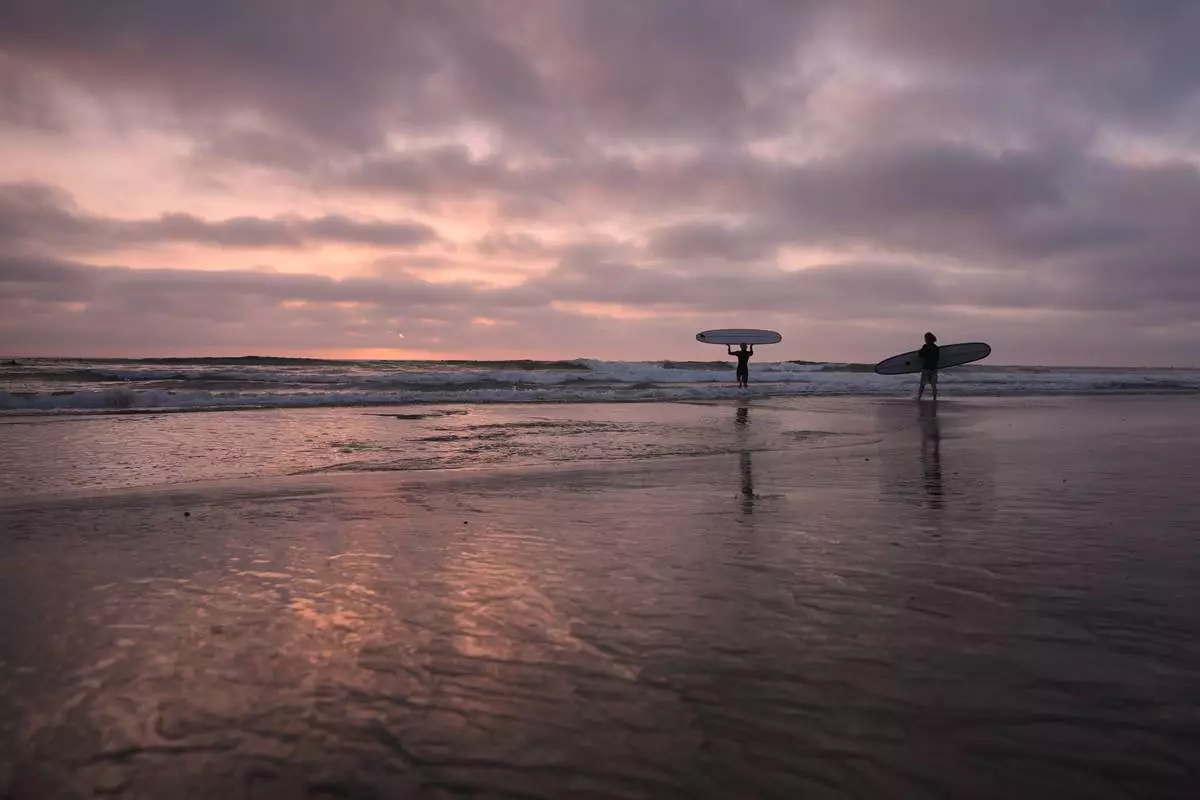
Surfers enter the Pacific Ocean as the sun sets Thursday, Oct. 1, 2026, in Encinitas, Calif. (AP Photo/Gregory Bull)

Surfers enter the Pacific Ocean as the sun sets Thursday, Oct. 1, 2026, in Encinitas, Calif. (AP Photo/Gregory Bull)

Recommended Articles