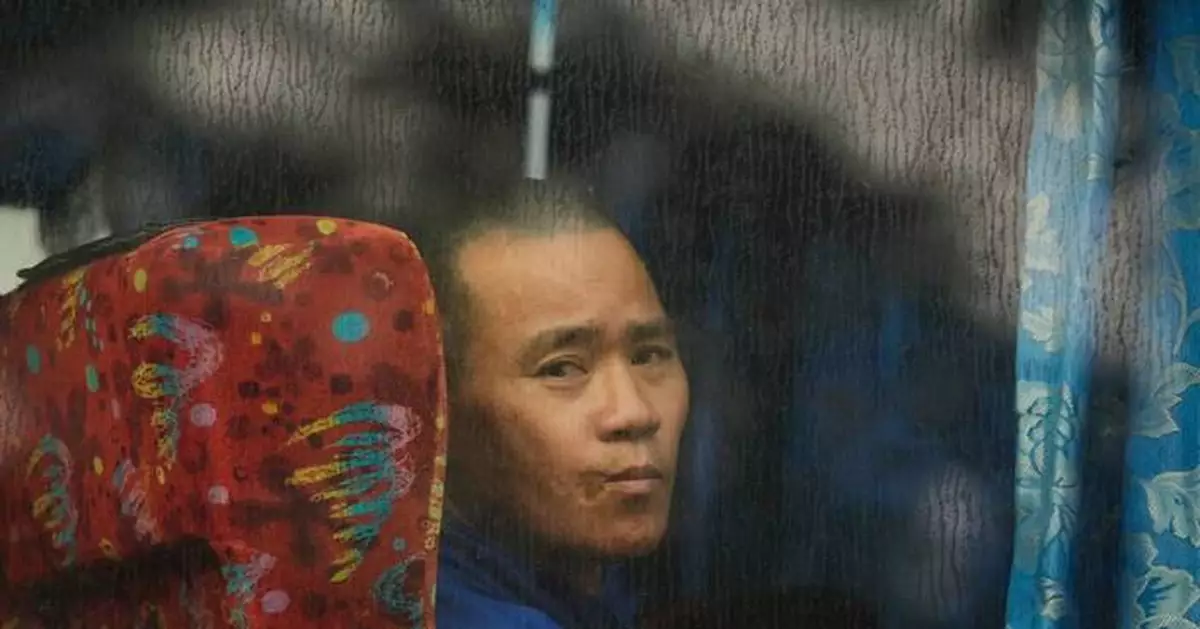
YANGON, Myanmar (AP) — Nearly 1,500 Myanmar nationals who were sent back from Malaysia arrived in the country’s largest city on Sunday, despite warnings from the United Nations refugee agency and rights groups that conditions for return remain unsafe.
Myanmar has been in turmoil since the military seized power from the elected government of Aung San Suu Kyi on Feb. 1, 2021, triggering widespread opposition and plunging large parts of the country into conflict.
The returnees, including 86 women, have been convicted of staying illegally and other immigration violations in Malaysia, according to reports from Myanmar state media. They were transported from Malaysia aboard two navy warships and a hospital ship last Tuesday. They arrived in southern Yangon early Sunday, Nay Lin Tun, a regional government minister, said.
The returnees are among 5,000 Myanmar nationals who will be repatriated in stages from Malaysia, where 10,388 others were being held at immigration detention centers, according to Malaysia’s Home Ministry.
The U.N. high commissioner for refugees and rights groups have criticized the repatriation, saying the security and humanitarian situation in parts of Myanmar remains volatile and returnees could face persecution and forced military conscription in an active war zone.
“Under international law, the Government of Malaysia is obligated to uphold the principle of non-refoulement and prevent the return of individuals to situations where they face a real risk of persecution, torture, or other serious human rights violations,” Kelley E. Currie, the U.N. special rapporteur on the situation of human rights in Myanmar, said in a statement on Thursday. “In my assessment, the risk of refoulement in the present circumstances is substantial.”
It was unclear if any of the returnees included minority Muslim Rohingya, who are facing persecution in Myanmar and have been denied citizenship.
Myanmar Foreign Ministry official Han Win Aung told The Associated Press that the repatriation involved “genuine citizens.”
Malaysia is home to about 215,600 refugees and asylum seekers registered with the UNHCR, including about 126,000 Rohingya who make up one of Southeast Asia’s largest refugee communities. Despite hosting them, Malaysia is not a party to the U.N. Refugee Convention and treats refugees as undocumented migrants.
Min Aung Hlaing, the leader of Myanmar’s military-backed government who was sworn in as president in April, is expected to visit Malaysia this month to discuss the refugee and migrant issues.
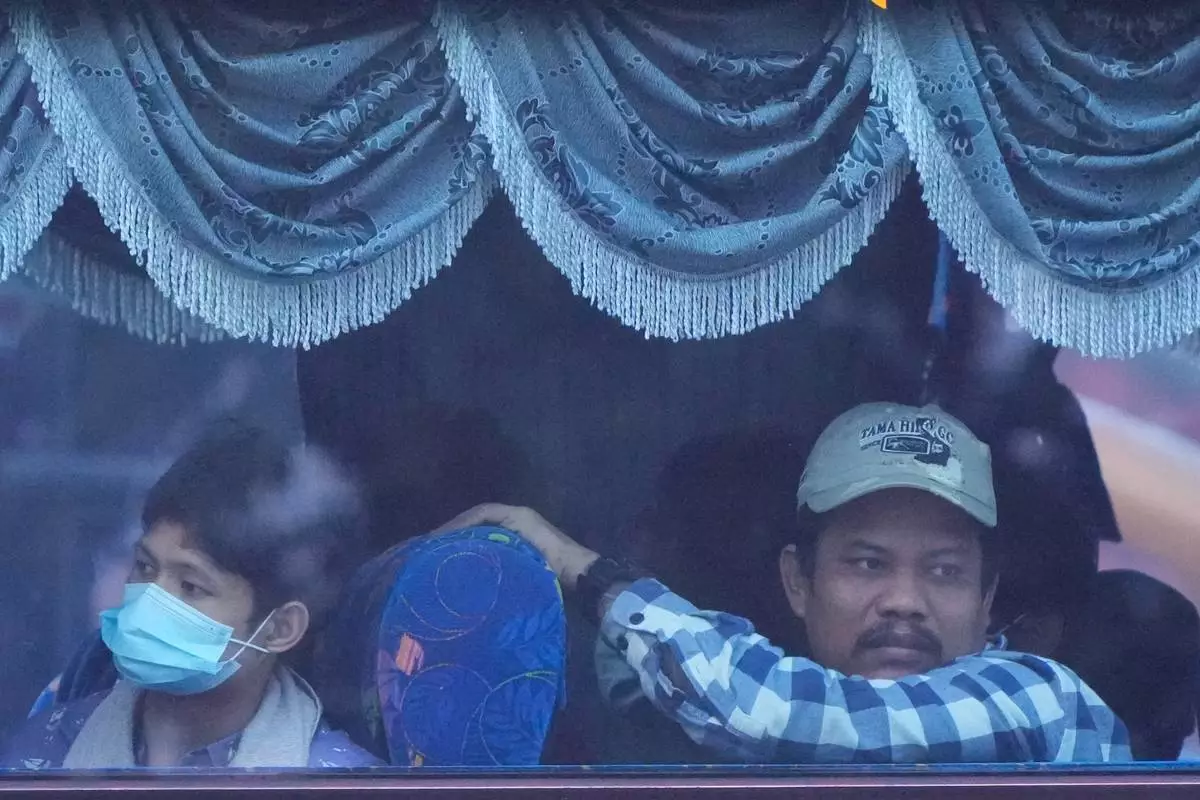
Myanmar nationals look out from a bus in Manjung, Perak state of Malaysia, on Tuesday, Sept. 29, 2026. (AP Photo/Vincent Thian)
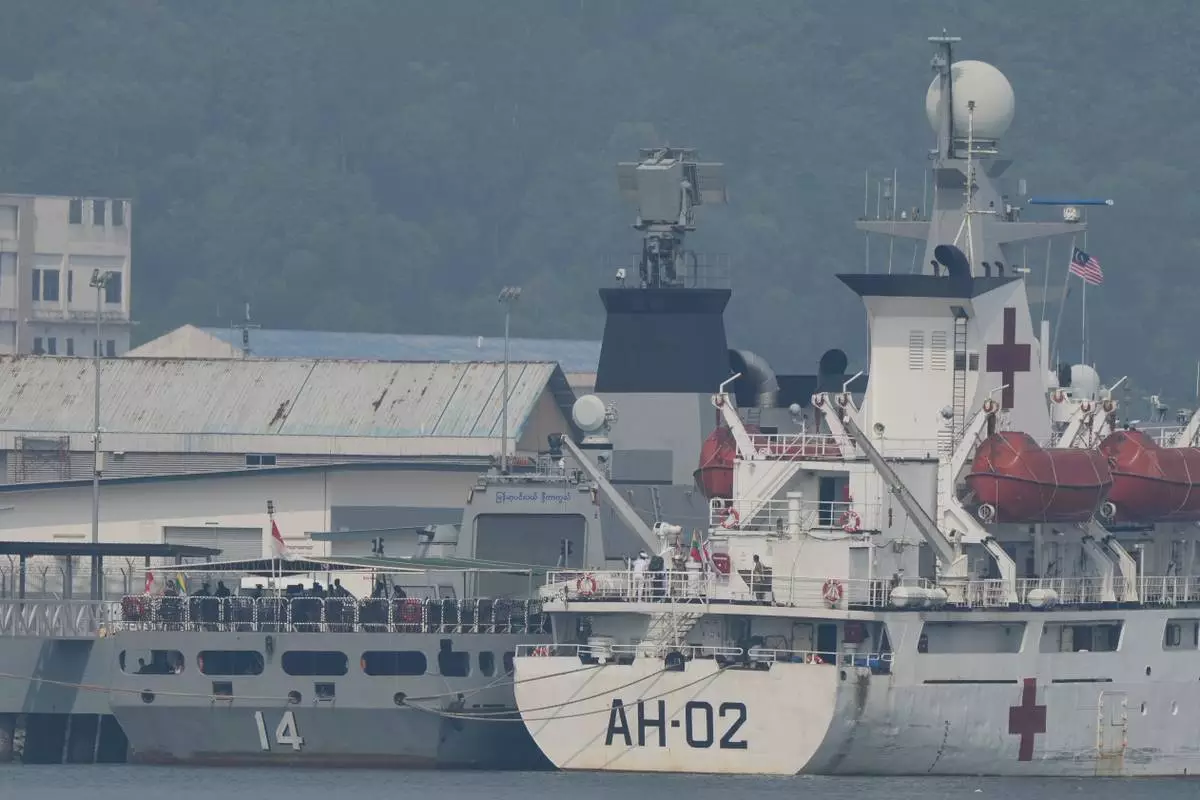
A ship waits to carry Myanmar nationals in Manjung, Perak state of Malaysia, on Tuesday, Sept. 29, 2026. (AP Photo/Vincent Thian)
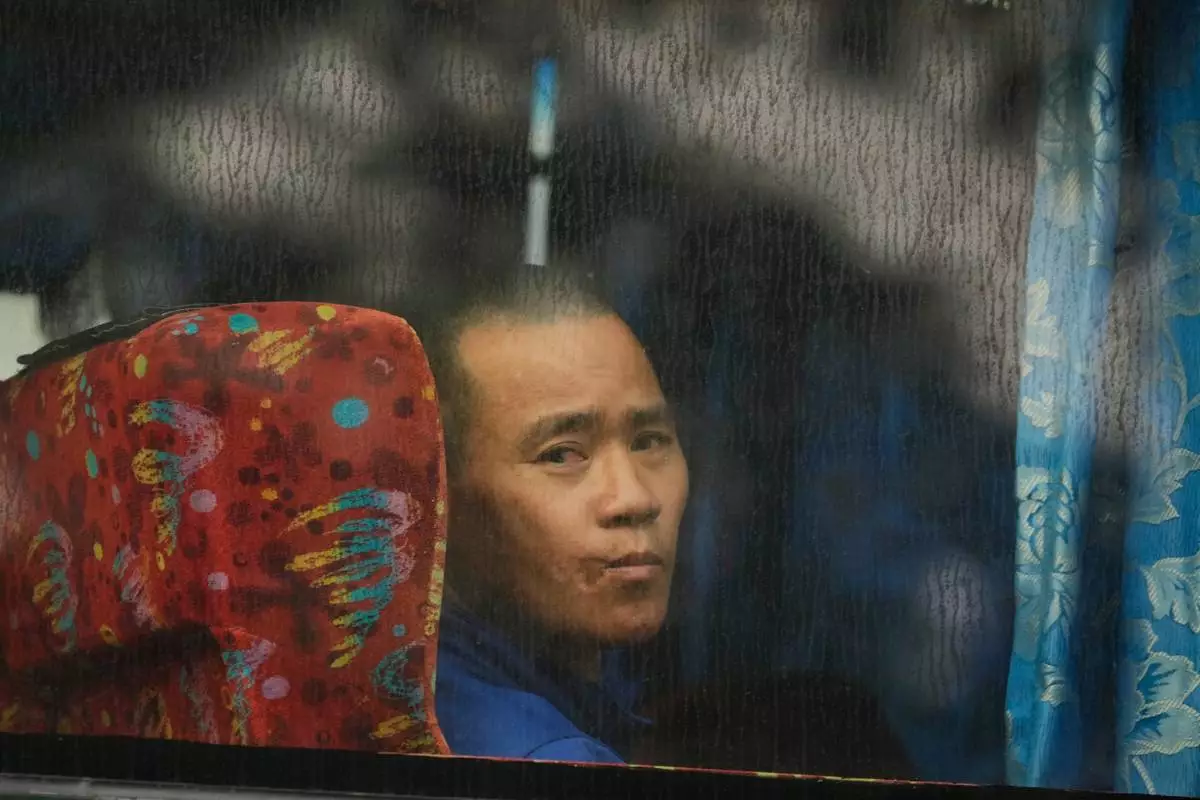
One of Myanmar nationals looks out from a bus in Manjung, Perak state of Malaysia, on Tuesday, Sept. 29, 2026. (AP Photo/Vincent Thian)
SAO PAULO (AP) — Brazilians began voting Sunday in a high-stakes presidential election pitting incumbent Luiz Inácio Lula da Silva against Sen. Flávio Bolsonaro, ideological opposites who are each seen as having a shot at an outright victory.
If no candidate gets more than 50% of the vote, the top two vote-getters will head to a runoff on Oct. 25 in Latin America's economic powerhouse. Ten other candidates are expected to garner much smaller numbers of votes on Sunday.
Bolsonaro, 45, is the son of far-right former President Jair Bolsonaro and an ally of U.S. President Donald Trump. Lula, who at 80 is one of the world’s oldest heads of state, is running in his seventh presidential election and has strengthened Brazil's ties with Beijing.
Trump allies have found support in recent years in some Latin American countries, including Argentina, Colombia and Peru.
Almost 159 million Brazilians are eligible to vote in this tense political showdown.
Where Bolsonaro has leaned into his ideological alliance with Trump, Lula has criticized Washington.
The incumbent president has often spoken about risks of U.S. intervention in the Brazilian elections after the Trump administration imposed high tariffs against Brazilian exports, revoked the visa of the country’s ambassador in Washington and sanctioned a Supreme Court justice who chaired the investigation that ended up resulting in the sentencing of Jair Bolsonaro, Lula's predecessor.
Flávio Bolsonaro has touted his proximity to the White House and insisted that Brazil needs to strike better deals with the Trump administration, including the rare minerals economy. Brazil estimates that its deposits hold up to 21 million tons, second only to China. Bolsonaro also has campaigned on releasing his father from his 27-year prison sentence for attempting a coup and bringing him back to politics.
Bolsonaro denies he's being helped by the U.S. government.
“That narrative won't stick, sorry,” he said at a September campaign event.
Brazilians will also elect 27 state governors, members of state legislatures, all 513 federal members of the lower house of congress and 54 of the country’s 81 senators in Sunday's vote.
Thomas Traumann, a political consultant based in Rio de Janeiro, says last-minute mistakes by either candidate or by their allies could make all the difference for undecided voters.
“ Polarization in Brazil created a trap. There’s no third candidate. You only have two options, and they fight each other in an atmosphere that becomes worse and worse,” Traumann said. “It is much more a competition of accusations than a competition of proposals.”
Four years ago, Lula beat Jair Bolsonaro by 2.1 million votes — a margin of just under 2 percentage points. At the time, Brazilians were upset with the then president’s handling of the coronavirus pandemic, his repeated threats against democracy, his attacks on the electronic voting system, and the poor shape of the nation’s economy as inflation was on the rise.
Now, the incumbent faces a tough battle because of an affordability crisis and a corruption scandal that ensnared the same justice who led the investigation into Bolsonaro.
Carlos Melo, a political science professor at Insper University in Sao Paulo, says some voters have grown weary of Lula, who is seeking a fourth nonconsecutive term as president. He is one of the oldest presidents on the continent, along with Trump and Nicaraguan President Daniel Ortega, both of whom also are 80.
“Many in the Lula campaign were not expecting such a difficult election a few weeks ago, and it is clear to them that the present election is a tough battle and the next ones, without Lula, could be even more so,” Melo said.
Bolsonaro has seen his political career tainted by several corruption accusations, the latest of them involving a disgraced banker paying him millions of dollars, allegedly to produce a movie on his father's life. More recently, he has been under fire from Roman Catholics who fear he might make too many concessions to his evangelical base.
Follow AP’s coverage of Latin America and the Caribbean at https://apnews.com/hub/latin-america
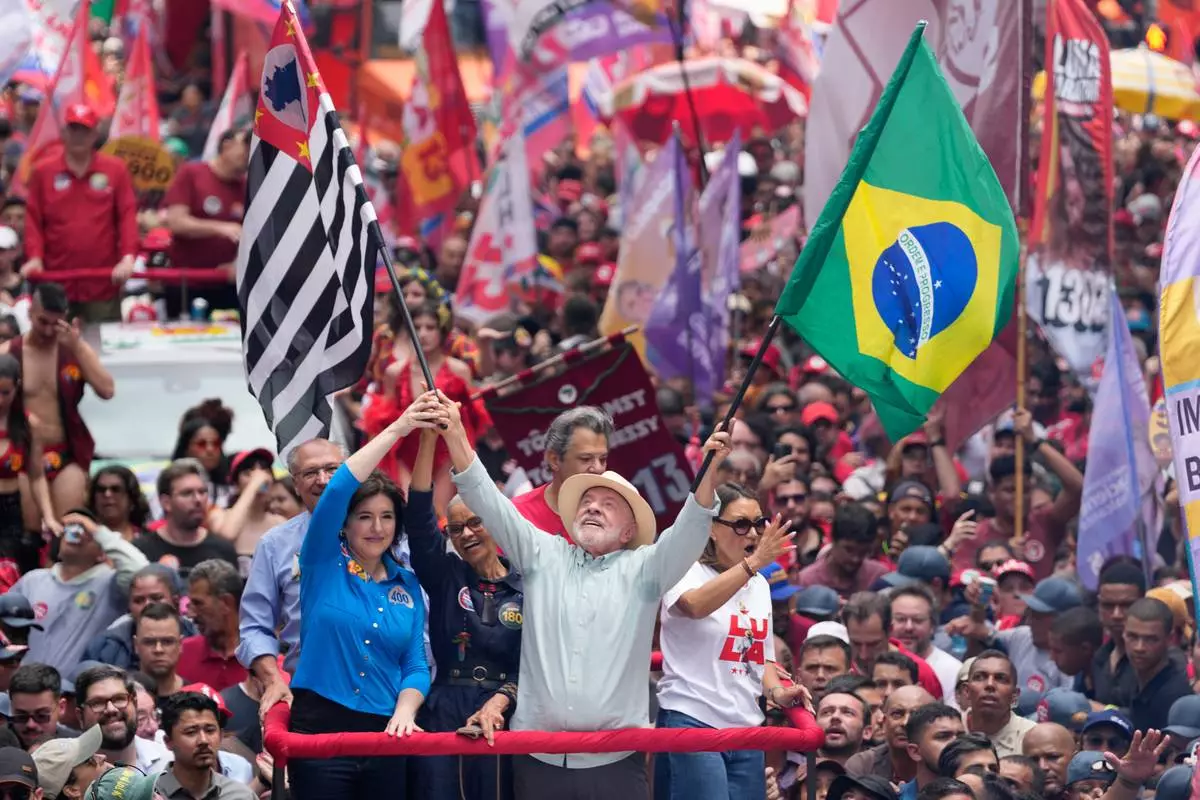
President Luiz Inacio Lula da Silva, who is running for reelection, waves a Brazilian and Sao Paulo state flags during a campaign rally a day ahead of the country's general election in Sao Paulo, Saturday, Oct. 3, 2026. (AP Photo/Andre Penner)
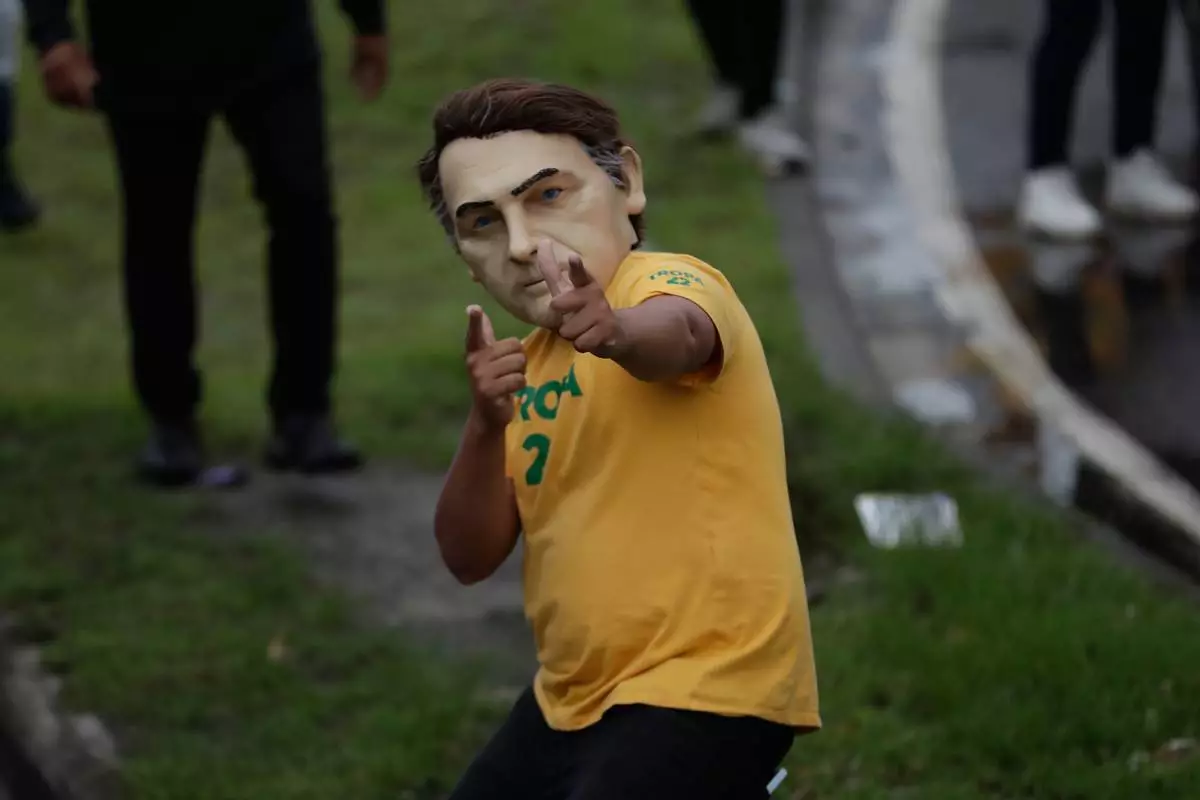
A supporter of opposition presidential candidate Flavio Bolsonaro wears a mask of his father, former President Jair Bolsonaro, during a campaign rally a day ahead of the country's general election, in Campo Grande, Rio de Janeiro state, Saturday, Oct. 3, 2026. (AP Photo/Bruna Prado)
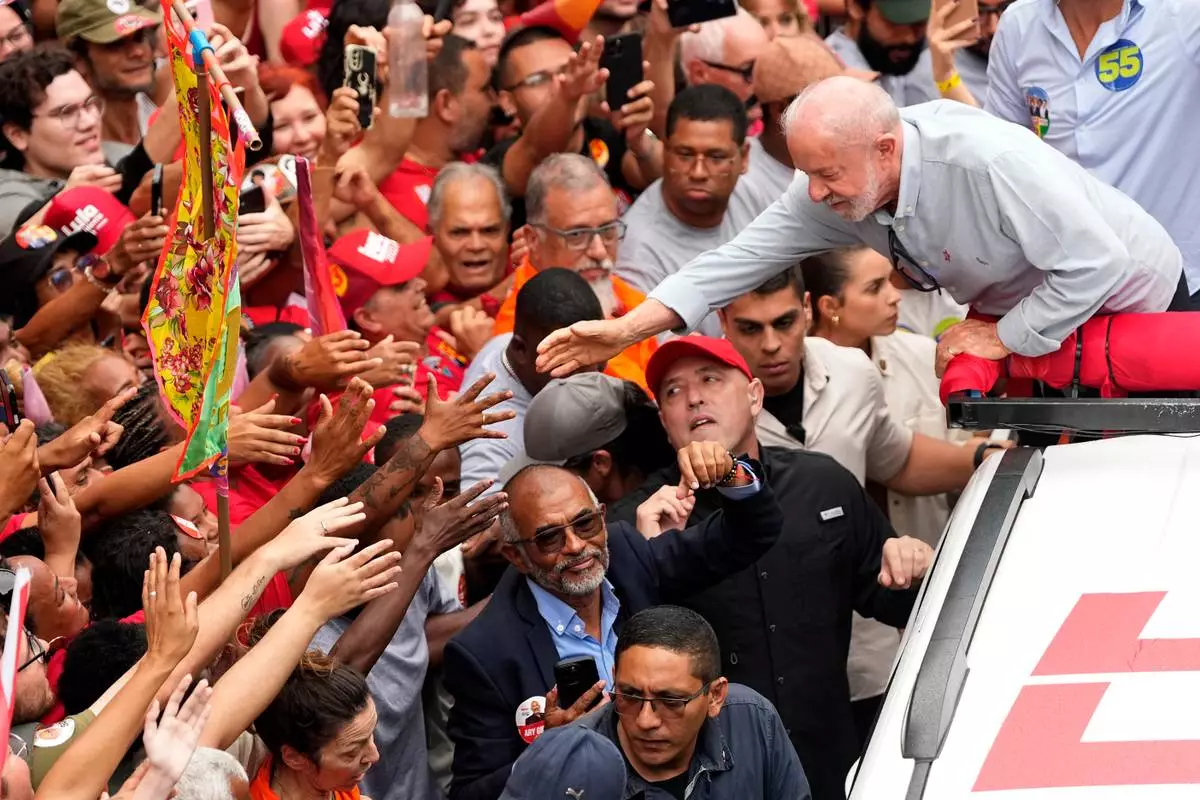
Brazilian President Luiz Inacio Lula da Silva, who is running for reelection, greets supporters during a campaign rally in Rio de Janeiro, Brazil, Friday, Oct. 2, 2026. (AP Photo/Silvia Izquierdo)