SCHWENNINGEN, Germany--(BUSINESS WIRE)--Oct 5, 2026--
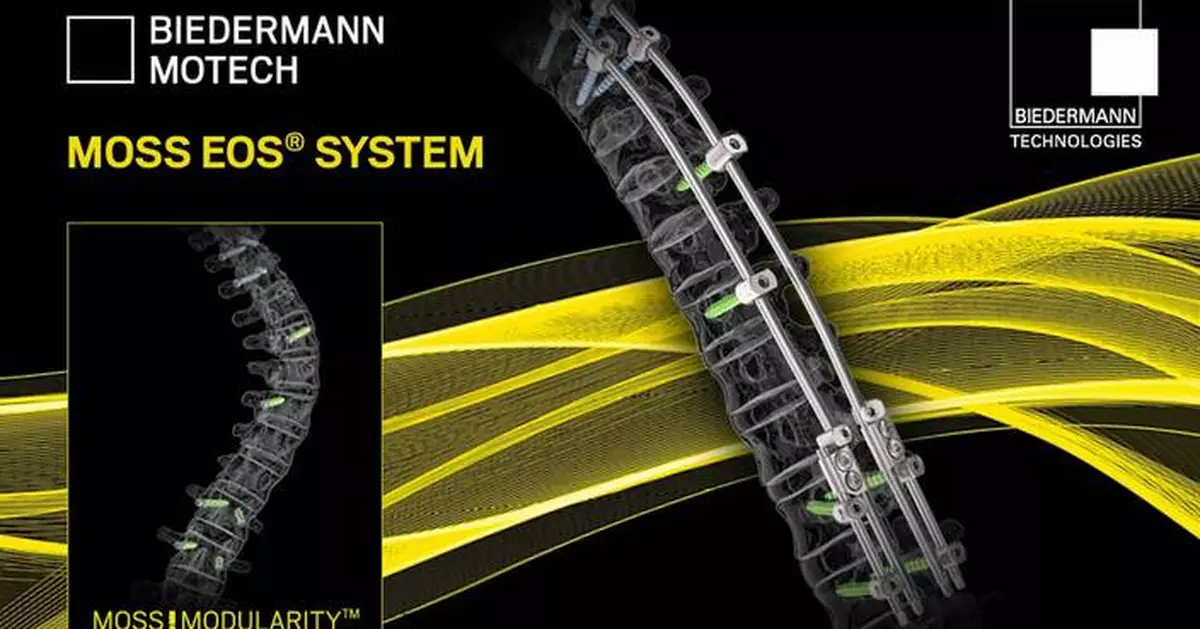
Biedermann Motech, the prominent innovator in next generation spinal and extremity implant systems and procedural solutions, today announced the selective market introduction of the MOSS EOS® System for the treatment of children with severe early onset scoliosis. 1
This press release features multimedia. View the full release here: https://www.businesswire.com/news/home/20261005092768/en/
Early Onset Scoliosis is a rare pediatric disease where in certain cases surgical intervention can be indicated. 2 Breaking new ground, Biedermann Motech will now introduce the world’s first MOSS EOS System featuring MOSS!MODULARITY™ to selective markets outside the U.S. The MOSS EOS System encompasses a modular platform of products and technologies for growth friendly pediatric spinal deformity surgery.
Prof. Dr. Heiko Koller from Germany, one of the innovators behind the MOSS EOS System, carried out the first surgeries. His feedback was that the versatility of the system offers surgeons a broad range of surgical options for the treatment of children with severe early onset scoliosis, and that the initial clinical outcomes were promising.
The MOSS!MODULARITY philosophy, an integral technology featured in all modern Biedermann thoracolumbar pedicle screw-based implant systems 3, is based around the concept of providing an advanced modular workflow for posterior stabilisation and deformity correction. The modular workflow allows surgeons to place the headless bone screw shafts as a first step, without the tulip heads attached, and can offer several advantages over working with traditional pre-assembled pedicle screws, e.g.:
The MOSS EOS System featuring MOSS!MODULARITY incorporates proprietary technology licensed from intellectual property powerhouse and recognized innovation leader Biedermann Technologies GmbH & Co. KG and will be the first of its kind worldwide.
Biedermann Motech will showcase the MOSS EOS System featuring MOSS!MODULARITY at the upcoming Eurospine Meeting in Gothenburg, Sweden and will also arrange individual surgeon-to-surgeon meetings around the Annual Meeting of Scoliosis Research Society (SRS) in Sydney, Australia this week.
ABOUT BIEDERMANN MOTECH & BIEDERMANN TECHNOLOGIES:
CHALLENGING THE STATUS QUO. SINCE 1916™. Biedermann is a mid-sized, family-owned group of companies, whose roots go back to 1916 and is proudly celebrating its 110 year anniversary in 2026. Biedermann researches, develops, manufactures, and distributes high-end implant systems in collaboration with healthcare professionals, technology partners, scientific institutions, and specialized companies with the goal of achieving improved clinical outcomes. It is also owner and guardian of a substantial patent and technology portfolio for specialized orthopedic markets. For the last 34 years, Biedermann has successfully licensed numerous patents and related technologies to several key players in the orthopedic and neurosurgical field and established multiple new golden standards for spinal technologies.
For more information, please visit:
www.biedermann.com and www.biedermann-technologies.com
1 For details, please refer to the instruction for use
2 Orthopaedics and Trauma, Volume 35, Issue 6, 2021, Pages 336-346
3MOSS 100®, MOSS VRS®, MOSS VRS® MIS, MOSS EOS®. For details please refer to the instructions for use
4 The Spine Journal, Volume 24, Issue 9, Supplement, 2024, Page S29. Additional data on file at Biedermann Motech.

Worldwide First: Biedermann Motech Further Expands its MOSS!MODULARITY Platform with the Addition of MOSS EOS for Early Onset Scoliosis Surgery
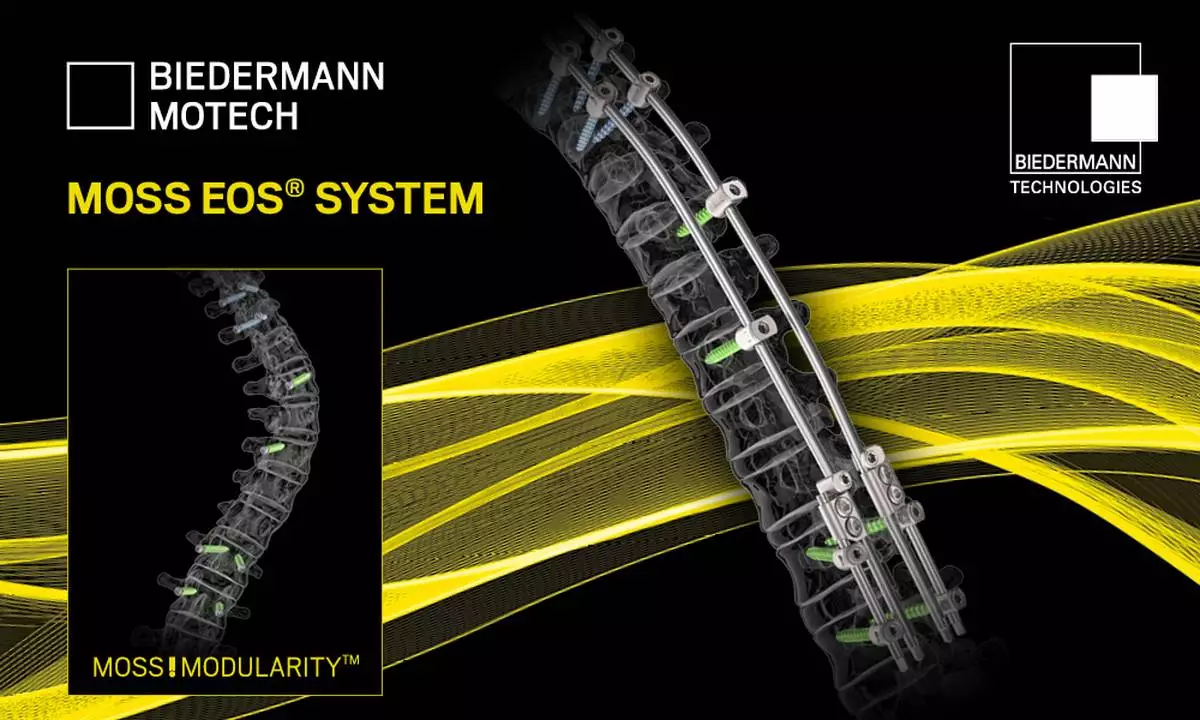
Worldwide First: Biedermann Motech Further Expands its MOSS!MODULARITY Platform with the Addition of MOSS EOS for Early Onset Scoliosis Surgery
ADEN, Yemen (AP) — The Iran-backed Houthi rebels captured more territory in southwestern Yemen, taking a key town in a blow to the Saudi-backed government forces as they advanced Monday toward a strategic provincial capital in the region.
The fall of the town of Turbah came on Sunday, shortly before the internationally recognized government announced a major military operation against the Houthis. The escalation between Saudi Arabia and the Houthis has revived Yemen’s civil war after a four-year ceasefire.
Turbah sits on a main road linking the provincial capital of Taiz with the port city of Aden, which serves as an interim seat of Yemen's government. Over the years, the town was a major post for the government forces defending Taiz against the Houthis.
Earlier, the Houthis seized several villages and areas on Taiz's outskirts in a series of advances, paving the way for the rebels to encircle Taiz, Yemen’s third largest city.
The Houthis made a swift push on the country's western coast on the Red Sea in early September. The rebels captured the strategic city of Mokha and several Red Sea islands, gains that enabled them to control the Yemeni side of the Bab al-Mandab Strait, a crucial chokepoint through which 12% of global trade transits.
In their weekend announcement Sunday, the Saudi-backed government said it was mobilizing troops across government-held areas.
Rashad al-Alimi, head of the ruling Presidential Leadership Council, said in a televised speech that the operations were aiming at “recovering the remaining territories” controlled by the Houthis. He called for the international community to provide support to his government.
Hours after al-Alimi’s declaration, a Saudi military spokesperson, Maj. Gen. Turki al-Malki, vowed “full operational support” to the Yemeni government forces, until the Houthis are “eliminated.”
Al-Malki also stressed Saudi Arabia’s right to take all necessary measures to deter the rebels who continued to fire missiles and drones at the kingdom as part of the nearly three-month escalation that revived Yemen’s civil war.
On Monday, factions allied with the Saudi-backed coalition fighting the Houthis said they launched offensives against the rebels on the eastern flank of the coastal areas that the Houthis had seized in their latest advances.
They attacked Houthi positions in the town of Dhubab, on the coast of Bab el-Mandeb strait, said Col. Majed al-Nazili, spokesman of the Saudi-backed forces.
The Giants Brigades, a government-allied group, said it began a “decisive military operation against the Houthi militias,” also in the Bab el-Mandeb area.
Al-Alimi said in a post on X on Monday that the operation — dubbed “Yemen Dawn” — has started with the aim of “restoring state institutions, liberating" Sanaa, Yemen’s rebel-controlled capital, and ending "the Houthi terrorist militia coup.”
The latest flare-up began in mid-July, when the Houthis accused Saudi Arabia of bombing the airport in Sanaa to prevent the landing of an unauthorized Iranian flight. The rebels responded with missile and drone attacks against Saudi Arabia and the Yemeni government forces in the country.
They also announced a blockade on Saudi shipping in the Red Sea and attacked several Saudi-linked vessels.
Then in September, they intensified their campaign, storming down the Red Sea coast in their biggest land grab in years.
The rebels' taking of Turbah “will likely severely constrain Yemeni government-aligned forces’ ability to reinforce and resupply front-line positions” across Taiz province and the provincial capital of Taiz, according to the Institute for the Study of War, a Washington-based think tank.
“Disrupting resupply has military value, of course, but controlling all the roads in and out of areas to the north of Turbah also prevents government forces from retreating out of the city,” the think tank wrote in a Sunday analysis.
Yemen’s civil war began in 2014 when the Houthis descended from their northern stronghold, capturing Sanaa and forcing the government to flee into exile in Saudi Arabia. The war created one of the world’s worst humanitarian disasters and killed more than 150,000 people.
The latest bout of violence has killed more than 800 people and wounded over 3,600 others, the United Nations has said. The flare-up forced over 145,000 people to flee their homes inside Yemen, according to the U.N. migration agency. More than 3,000 others fled across the waters into Djibouti, the agency reported.
Last week, Yemen’s health ministry — part of the internationally recognized government — warned about the impact of the conflict on health facilities and medical staff across the entire Taiz province. The ministry said in a statement on Friday that health facilities in coastal, western and southern areas of the province have closed or are barely partially functioning.
Magdy reported from Cairo.

A tea seller pours milk from a can as he prepares tea at a market in Houthi-controlled Sanaa, Yemen, Monday, Sept. 28, 2026. (AP Photo/Osamah Abdulrahman)
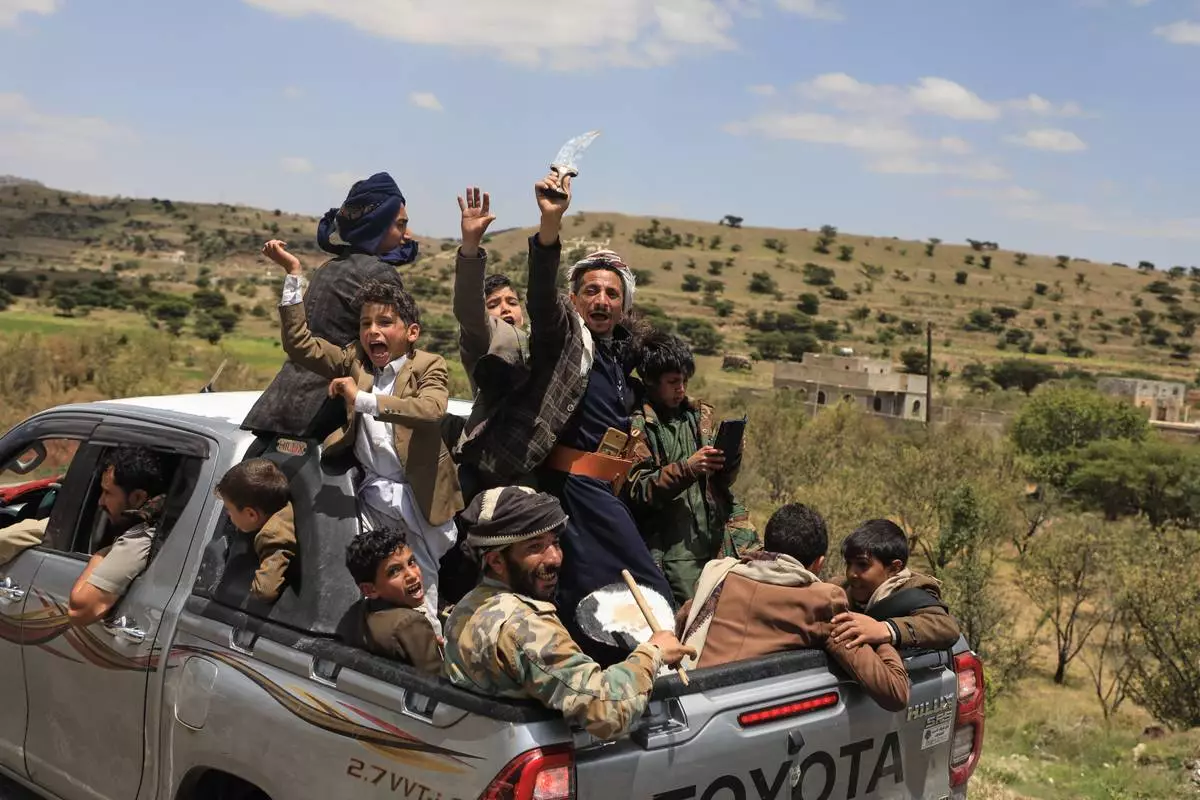
Yemeni civilians celebrate while riding in the back of a pickup truck in the Bani Matar district, Yemen, Saturday, Sept. 12, 2026, as they follow a convoy carrying Houthi prisoners freed in Mokha on its way to Sanaa following the Houthi takeover of the southern Red Sea port city. (AP Photo/STR)
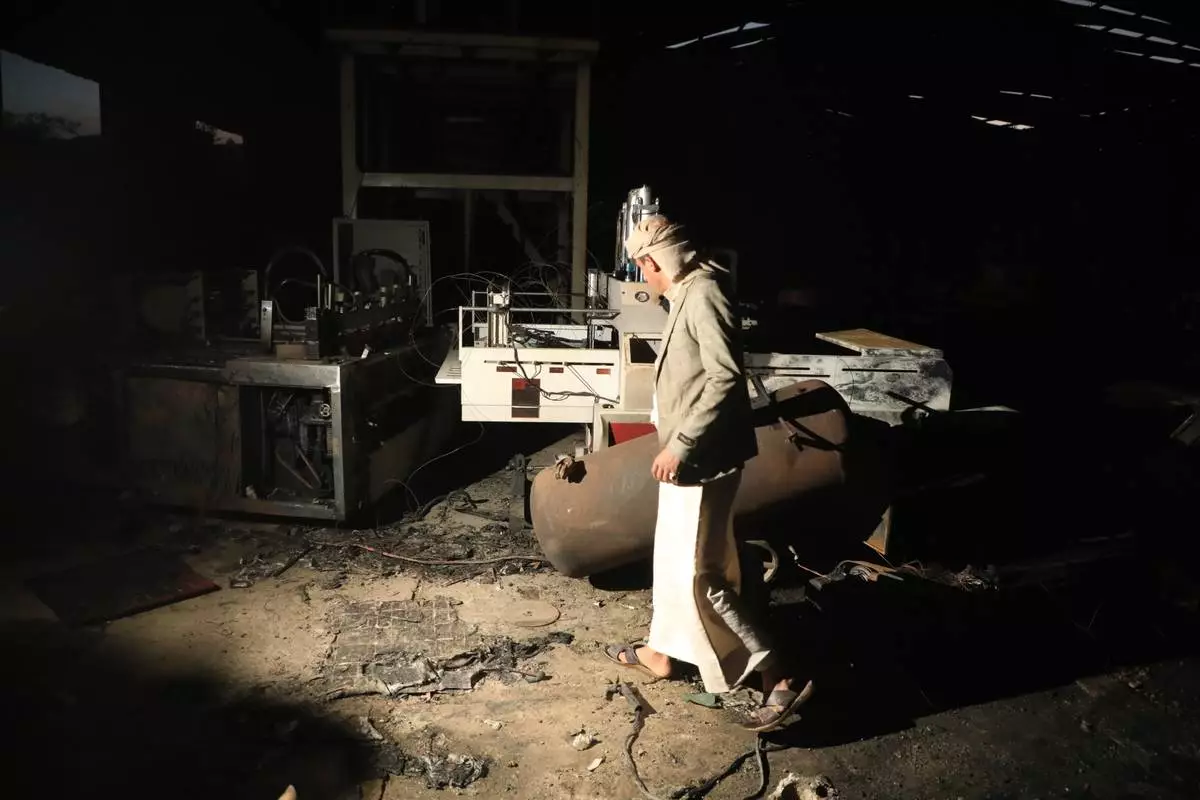
A man walks inside a damaged sponge factory in Sanaa, Yemen, Sunday, Oct. 4, 2026. (AP Photo/Osamah Abdulrahman)